
Easy Guide to Sweet Eastern European Pierogi Fillings


Welcome to BakeWithEase, your trusted companion in the delightful world of baking! Ever wondered how to elevate your pierogi game beyond the savory? This week, we're diving into the heart of Eastern European tradition with an easy guide to crafting unforgettable sweet pierogi filling recipes. Prepare to unlock a symphony of flavors and textures as we reveal the secrets to creating the perfect sweet filling – but be warned, once you taste these, you'll never go back to ordinary! Intrigued? Let's get started...
- Discover Delicious Sweet Pierogi Filling Recipes: A BakeWithEase Guide
- What Makes Sweet Pierogi Special? Exploring Eastern European Baking Traditions
- Mastering the Dough: Essential Tips for Perfect Pierogi Pastry
-
Sweet Pierogi Filling Recipes: A Variety of Flavors
- Classic Farmer's Cheese Sweet Pierogi Filling (Twaróg): A Traditional Favorite
- Sweet Cherry Pierogi Filling: A Fruity Burst of Flavor
- Sweet Blueberry Pierogi Filling: A Summer Delight
- Apple Cinnamon Pierogi Filling: A Cozy Comfort Food
- Poppy Seed Sweet Pierogi Filling: A Festive Treat
- Prune Sweet Pierogi Filling: A Rich and Decadent Option
- Cooking and Serving Your Sweet Pierogi: The Finishing Touches
- Storing and Freezing Sweet Pierogi: Making Them Last
- Troubleshooting Your Sweet Pierogi: Common Problems and Solutions
- Sweet Pierogi Variations: Creative Twists on Tradition
- Enjoy Your Homemade Sweet Pierogi: A Taste of Eastern Europe!
- Frequently Asked Questions
- Final Reflection: A Taste of Tradition, A Sweet Future
- Unlock Your Inner Pierogi Pro!
Discover Delicious Sweet Pierogi Filling Recipes: A BakeWithEase Guide
Embarking on the journey of making pierogi at home is incredibly rewarding, especially when you explore the delightful world of sweet fillings. While savory pierogi are widely known, the sweet varieties hold a special place in Eastern European culinary traditions, often enjoyed as a dessert, snack, or even a light meal.
This guide from BakeWithEase will walk you through understanding, making, and enjoying these delectable sweet treats, offering detailed sweet pierogi filling recipes that are both traditional and easy to master. Get ready to fill your kitchen with the aromas of fruit, cheese, and spices as we dive into creating perfect sweet pierogi.
What Makes Sweet Pierogi Special? Exploring Eastern European Baking Traditions
Sweet pierogi, known by various names across the region like pierogi na słodko in Poland or varenyky in Ukraine, represent a comforting and versatile segment of Eastern European cuisine. Unlike their savory counterparts filled with potato, meat, or cabbage, sweet pierogi often feature fruit, cheese, or poppy seed fillings. They are frequently served with a dollop of sour cream, a sprinkle of sugar, or a drizzle of melted butter, highlighting their dessert-like quality. This duality makes them a unique dish that bridges the gap between main course and sweet treat.
The History and Cultural Significance of Sweet Pierogi
Pierogi, in their various forms, have a long history in Eastern Europe, dating back centuries. While the exact origins are debated, they became a staple food due to their ability to use simple, readily available ingredients and provide a hearty meal. Sweet pierogi often marked seasonal celebrations, utilizing fresh berries in summer or preserved fruits and poppy seeds in winter. Historically, making pierogi was a communal activity, bringing families together to prepare large batches for feasts or holidays. They symbolize hospitality and comfort, deeply embedded in the cultural fabric of countries like Poland, Ukraine, and Lithuania.
The tradition of sweet pierogi is particularly strong in rural areas, where access to seasonal fruits and homemade farmer's cheese was common. These simple ingredients were transformed into festive dishes, often served during harvest festivals or religious holidays. For instance, poppy seed pierogi are a traditional component of the Christmas Eve supper in many regions, representing abundance and prosperity. The act of making and sharing sweet pierogi continues to be a cherished cultural practice, passing down recipes and techniques through generations.
Why Choose Sweet Pierogi? A Dessert Delight
Choosing sweet pierogi offers a delightful alternative to conventional desserts, providing a taste of authentic Eastern European sweetness. They offer a unique texture combination: tender, slightly chewy dough encasing a warm, often slightly tangy or sweet filling. The simple yet profound flavors, often enhanced by ingredients like cinnamon, vanilla, or lemon zest, create a comforting and satisfying experience. Unlike heavy cakes or pastries, sweet pierogi can feel lighter, especially when served with a fresh, cool accompaniment like sour cream.
Furthermore, sweet pierogi are incredibly versatile. They can be made with a wide variety of fillings, catering to different tastes and seasonal availability. From the bright tang of cherries and blueberries to the creamy richness of farmer's cheese or the earthy sweetness of poppy seeds, there's a sweet pierogi filling recipe for almost everyone. They can be enjoyed warm or cold, making them suitable for various occasions, whether it's a cozy family dessert after dinner or a unique addition to a brunch spread.
Common Ingredients in Sweet Pierogi Dough
The dough for sweet pierogi is typically a simple, unleavened pastry made with just a few core ingredients. The most common components include flour, water (or milk), eggs, and sometimes a small amount of fat like butter or oil. All-purpose flour is standard, providing a good balance of structure and tenderness. The liquid component helps hydrate the flour, forming the dough's structure, while eggs add richness, color, and help bind the dough together, making it easier to roll and more tender when cooked.
Some recipes might call for warm water or milk, which can help the dough become more pliable. A touch of salt is often added to enhance the flavor of the dough itself. While traditionally simple, some variations might include a bit of sugar in the dough for sweet pierogi, though the sweetness primarily comes from the fillings. The key to a good pierogi dough is proper hydration and sufficient kneading to develop the gluten just enough to make it elastic but not tough, ensuring the final pierogi are tender and soft after cooking.
Mastering the Dough: Essential Tips for Perfect Pierogi Pastry
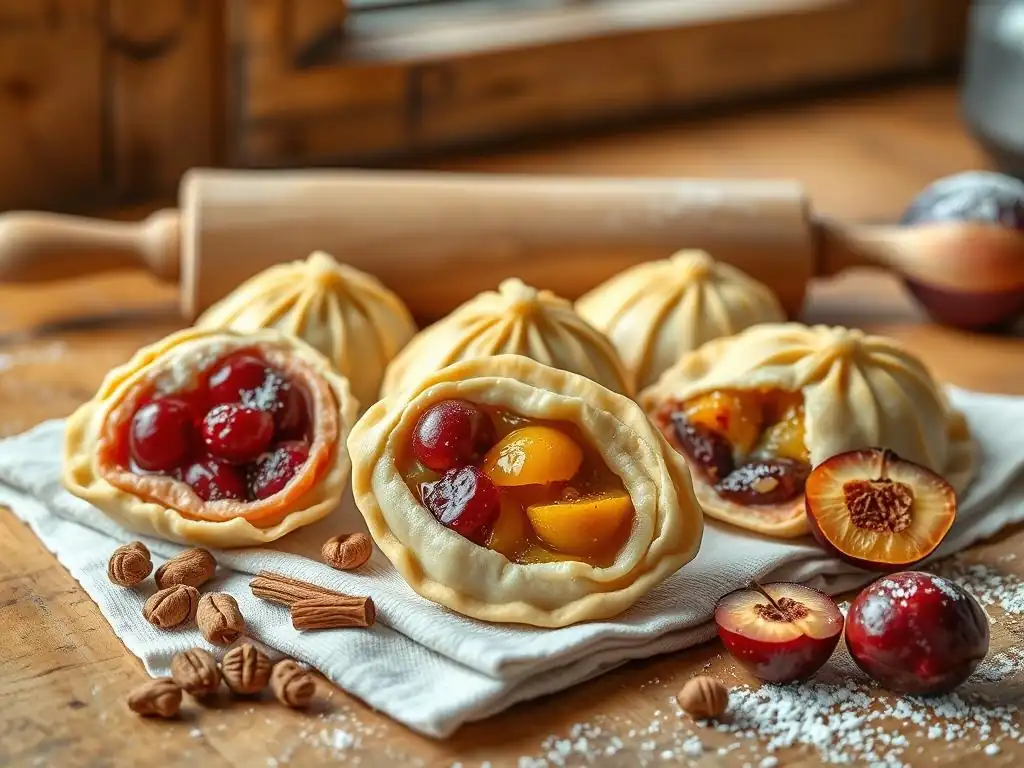
Creating the perfect pierogi dough is fundamental to delicious sweet pierogi. It needs to be pliable enough to roll thinly without tearing, strong enough to hold the filling during cooking, and tender when eaten. Achieving this balance requires attention to detail during mixing and kneading. Once you master the basic technique, you can easily adapt it for various sweet pierogi filling recipes.
The Basic Pierogi Dough Recipe: A Step-by-Step Guide
A reliable basic dough recipe often starts with about 2 cups of all-purpose flour. Create a well in the center and add 1 large egg, about 1/2 teaspoon of salt, and gradually add about 1/2 to 3/4 cup of warm water or milk. Mix the ingredients with a fork or spoon until a shaggy dough forms. Turn the dough out onto a lightly floured surface and knead for about 5-10 minutes. The dough should become smooth, elastic, and no longer sticky. Avoid adding too much extra flour during kneading; a slightly tacky dough is better than a dry one.
Once kneaded, the dough needs to rest. Wrap it tightly in plastic wrap or place it in a covered bowl and let it rest at room temperature for at least 30 minutes, or up to an hour. This resting period is crucial as it allows the gluten to relax, making the dough much easier to roll out thinly without snapping back. This basic dough serves as an excellent base for any sweet pierogi filling recipe you choose.
Dough Variations: Adding Flavor and Texture
While the classic dough is simple, you can introduce variations to complement your sweet pierogi filling recipes. For instance, substituting some or all of the water with milk can result in a richer, more tender dough. Using sour cream or yogurt in place of some liquid adds a subtle tanginess and creates a very soft dough. Some recipes incorporate melted butter or a neutral oil directly into the dough mixture for added richness and improved texture.
For a slightly different flavor profile, you could experiment with adding a pinch of sugar to the dough itself, although this is less traditional for pierogi dough compared to other pastries. Using a mix of flours, such as adding a small amount of whole wheat or spelt flour, can introduce nuttier flavors and a slightly denser texture, though this is less common for sweet pierogi specifically. Always ensure any additions don't make the dough too heavy or difficult to work with, which could cause issues during rolling and sealing.
Tips for Rolling, Filling, and Sealing Pierogi
Rolling the dough to the correct thickness is key – aim for about 1/16 to 1/8 inch thick. If it's too thick, the pierogi will be doughy; too thin, and they might tear. Use a lightly floured surface and rolling pin, but avoid excessive flour, which can make the dough dry.
Cut out circles using a cookie cutter or a glass, typically 2-3 inches in diameter. Place a small amount of your chosen sweet pierogi filling in the center of each circle – generally about 1 to 1.5 teaspoons, depending on the size of your circles. Overfilling is a common mistake that leads to leaks.
To seal, moisten the edge of half the dough circle with a little water using your finger. Fold the dough over the filling to create a half-moon shape. Press the edges firmly together, ensuring no gaps. You can crimp the edges with your fingers or the tines of a fork for a decorative touch and extra security. As you finish each pierogi, place it on a floured surface or baking sheet lined with parchment paper, ensuring they don't touch each other to prevent sticking. This careful sealing process is vital to keep your sweet pierogi filling inside during cooking.
Sweet Pierogi Filling Recipes: A Variety of Flavors
Exploring different sweet pierogi filling recipes allows you to experience the rich diversity of Eastern European desserts. From creamy cheese to vibrant fruits and classic poppy seeds, each filling offers a unique taste and texture. These recipes are designed to be straightforward, guiding you through preparing delicious fillings that pair perfectly with your homemade pierogi dough.
Classic Farmer's Cheese Sweet Pierogi Filling (Twaróg): A Traditional Favorite
Farmer's cheese, known as twaróg in Poland or syr in Ukraine, is a cornerstone of many sweet Eastern European dishes, including pierogi. This fresh, dry curd cheese provides a creamy yet slightly crumbly texture and a pleasant tanginess that balances the sweetness. It's arguably the most classic sweet pierogi filling and a must-try for anyone exploring these recipes.
Ingredients for the Farmer's Cheese Filling
To make a simple yet delicious farmer's cheese filling, you'll typically need about 1 cup (approximately 250 grams) of farmer's cheese. Look for dry, crumbly farmer's cheese if possible; if using a wetter variety, you might need to drain it first.
You'll also need about 2-4 tablespoons of granulated sugar, depending on how sweet you like it, 1 large egg yolk (the yolk adds richness and helps bind), and often a touch of vanilla extract or vanilla sugar for flavor. Some recipes also include a tablespoon or two of sour cream for creaminess or a handful of raisins for added texture and sweetness.
Step-by-Step Instructions for Preparing the Cheese Filling
Preparing the filling is quite simple. Start by placing the farmer's cheese in a bowl. If it's very lumpy, you might want to press it through a sieve or mash it thoroughly with a fork to achieve a smoother consistency, though some prefer a slightly chunkier texture. Add the sugar, egg yolk, and vanilla extract (or vanilla sugar).
If using raisins or sour cream, add them now. Gently mix all the ingredients together until they are well combined and the mixture is relatively uniform. Taste and adjust sweetness if necessary. The filling should be moist enough to hold together but not overly wet, which could make the pierogi soggy or difficult to seal.
- [ ] Combine cheese, sugar, egg yolk, and vanilla in a bowl.
- [ ] Mash or mix until uniform.
- [ ] Add raisins or sour cream if desired.
- [ ] Taste and adjust sweetness.
Tips for Achieving the Perfect Cheese Consistency
The key to a great farmer's cheese filling is the texture of the cheese itself. Dry farmer's cheese works best as it's less likely to make the pierogi soggy. If your cheese is very wet, you can wrap it in cheesecloth and gently squeeze out excess moisture or let it drain in a sieve for an hour or two.
If the filling seems too dry after mixing, you can add a teaspoon or two of sour cream or milk to moisten it slightly. Conversely, if it's too wet, adding a tiny bit more dry farmer's cheese or even a tablespoon of breadcrumbs can help absorb excess moisture. The final consistency should be similar to a thick paste or crumbly dough, easy to scoop and place onto the pierogi dough circles.
Sweet Cherry Pierogi Filling: A Fruity Burst of Flavor
Cherry pierogi are a beloved summer treat, capturing the bright, slightly tart flavor of fresh cherries. They offer a wonderful contrast to the tender dough and are often served with a dusting of sugar or a dollop of sour cream. This sweet pierogi filling recipe is vibrant and refreshing.
Choosing the Best Cherries for your Pierogi
Both sweet and tart cherries work well for pierogi, but tart cherries (like Morello cherries) are traditionally preferred in Eastern Europe. Their natural acidity provides a lovely balance to the sweetness of the filling and any added sugar. If using sweet cherries (like Bing cherries), you might need to use slightly less sugar in the filling. Whether fresh or frozen, ensure the cherries are pitted. If using fresh, choose ripe, firm cherries. If using frozen, do not thaw them completely before preparing the filling, as they can become too watery.
Preparing the Cherry Filling: Fresh vs. Frozen
For fresh cherries (about 1.5 - 2 cups, pitted), you can simply mix them with sugar (start with 2-3 tablespoons, adjusting to taste based on the cherries' sweetness) and perhaps a teaspoon of cornstarch or flour to help thicken the juices released during cooking. For frozen cherries (about 1.5 - 2 cups), it's often best to mix them with sugar and cornstarch while they are still partially frozen.
The cornstarch is crucial with frozen cherries as they release significantly more liquid upon heating. Some recipes suggest briefly cooking the cherries with sugar and a thickener before filling to reduce excess moisture, but this can make them too soft; filling with raw, prepared cherries is common.
- [ ] Pit fresh or measure frozen cherries.
- [ ] Combine cherries with sugar and cornstarch/flour.
- [ ] Mix gently.
Adjusting Sweetness and Thickness of Cherry Filling
The sweetness of cherry filling is entirely a matter of preference and the natural sweetness of the cherries used. Always taste a cherry first and adjust the sugar accordingly. Start with a smaller amount and add more as needed. To prevent the filling from becoming too watery during cooking, especially with juicy cherries, a thickener is essential.
Cornstarch or flour are commonly used. For about 1.5-2 cups of cherries, start with 1-2 teaspoons of cornstarch or 1 tablespoon of flour. Mix the thickener directly with the sugar before adding it to the cherries, which helps distribute it evenly and prevents clumps. If using frozen cherries, you might lean towards the higher end of the thickener amount.
Sweet Blueberry Pierogi Filling: A Summer Delight
Blueberries are another fantastic fruit for sweet pierogi, offering a different kind of sweetness and a beautiful deep purple color. Blueberry pierogi are particularly popular during the summer months when berries are abundant and flavorful. This sweet pierogi filling recipe is simple and celebrates the natural taste of the fruit.
The Best Blueberry Varieties for Pierogi
Any variety of blueberry works well for pierogi, whether wild or cultivated. Wild blueberries are smaller and have a more intense flavor, which can be wonderful. Cultivated blueberries are larger and more readily available. Similar to cherries, both fresh and frozen blueberries can be used. If using frozen, keep them partially frozen when mixing the filling ingredients to manage moisture. Aim for about 1.5 - 2 cups of blueberries for a standard batch of filling.
Creating a Delicious Blueberry Filling: A Simple Recipe
A basic blueberry filling is straightforward. Combine about 1.5-2 cups of fresh or frozen blueberries with 2-4 tablespoons of sugar (adjust to taste) and 1-2 teaspoons of cornstarch or 1 tablespoon of flour. Gently mix everything together. Some people like to add a squeeze of lemon juice to brighten the flavor or a pinch of cinnamon, although blueberries are often enjoyed for their pure, natural taste. The cornstarch or flour is important here to absorb the juices released by the blueberries as they cook inside the pierogi.
- [ ] Combine blueberries with sugar and cornstarch/flour.
- [ ] Add lemon juice or cinnamon if desired.
- [ ] Mix gently.
Preventing a Runny Blueberry Filling
Blueberries are juicy, and without a thickener, the filling can become quite runny, leading to soggy pierogi or leaks. Using cornstarch or flour is the most common method to prevent this. For about 1.5-2 cups of berries, 1-2 teaspoons of cornstarch or 1 tablespoon of flour is usually sufficient. Mixing the thickener with the sugar first ensures it's evenly distributed. Another tip is to avoid overfilling the pierogi; too many berries can put pressure on the dough during cooking. If using frozen berries, ensure they are only partially thawed when filling, as this helps manage the initial moisture.
Apple Cinnamon Pierogi Filling: A Cozy Comfort Food
Apple and cinnamon are a classic combination that brings warmth and comfort, making it a perfect sweet pierogi filling for cooler weather or any time you crave a taste of apple pie in pierogi form. This filling is aromatic and satisfying.
Selecting the Right Apples for Baking
For apple fillings, choosing apples that hold their shape well when cooked is important, but a little softness is also desirable for a good filling texture. Varieties like Granny Smith (for tartness), Honeycrisp, Fuji, or Gala are good choices. Using a mix of varieties can add complexity to the flavor. You'll need about 2-3 medium apples (roughly 2 cups, peeled and finely diced or grated) for a typical batch of filling.
Preparing the Apple Cinnamon Filling: A Detailed Guide
Peel, core, and finely dice or grate your apples. Grating results in a softer, more uniform filling, while dicing leaves small chunks. Place the prepared apples in a bowl. Add about 2-4 tablespoons of sugar (adjust based on the apple's sweetness), 1-2 teaspoons of ground cinnamon, and optionally a pinch of nutmeg or allspice.
A tablespoon of lemon juice can prevent browning and add brightness. To manage moisture, you might add 1-2 teaspoons of cornstarch or 1 tablespoon of flour, especially if the apples are very juicy. Some prefer to briefly cook the apple mixture in a pan with a little butter until slightly softened and some liquid evaporates, then letting it cool completely before filling the pierogi. This pre-cooking step helps ensure the apples are tender and reduces the risk of a watery filling.
- [ ] Peel, core, and dice or grate apples.
- [ ] Combine apples with sugar, cinnamon, and spices.
- [ ] Add lemon juice and thickener (cornstarch/flour).
- [ ] (Optional) Briefly cook mixture and cool.
Enhancing the Flavor with Spices and Sweeteners
Cinnamon is the essential spice for apple pierogi, but don't stop there. A pinch of nutmeg, allspice, or ground cloves can add depth and warmth. Consider adding a tiny splash of vanilla extract to the cooled, cooked filling for an extra layer of flavor. Brown sugar can be used instead of granulated sugar for a richer, more caramel-like sweetness that complements the apples beautifully. Always taste the apple mixture before filling to ensure the balance of sweetness and spice is to your liking. Remember that the flavors will meld and intensify slightly during cooking.
Poppy Seed Sweet Pierogi Filling: A Festive Treat
Poppy seed filling is a classic in many Eastern European pastries and is particularly cherished in sweet pierogi, especially around holidays like Christmas and Easter. It offers a unique texture and a distinct, nutty flavor that is both comforting and festive. Preparing this sweet pierogi filling recipe requires a bit more effort but is well worth it.
Preparing the Poppy Seed Mixture: A Traditional Method
Traditional poppy seed filling starts with about 1 cup of dry poppy seeds. These need to be ground very finely, often using a special poppy seed grinder or a high-powered blender/spice grinder. Grinding is essential to break down the seeds and release their flavor and natural oils. After grinding, the poppy seeds are typically simmered in milk (about 1/2 to 3/4 cup) until the milk is absorbed and the mixture thickens into a paste. This can take 10-20 minutes over low heat, stirring frequently to prevent scorching.
Once the poppy seed paste has cooled slightly, additional ingredients are mixed in. This often includes sugar or honey (about 3-4 tablespoons), finely chopped nuts like walnuts or almonds (about 1/4 cup), raisins or candied orange peel (about 1/4 cup total), and flavorings like vanilla extract, lemon zest, or rum extract. The mixture should be thick enough to hold its shape, similar to a thick paste.
- [ ] Grind dry poppy seeds finely.
- [ ] Simmer ground poppy seeds in milk until thickened.
- [ ] Let cool slightly.
- [ ] Mix in sugar/honey, nuts, dried fruit, and flavorings.
Adding Sweetness and Flavor to Poppy Seed Filling
Sweetness in poppy seed filling traditionally comes from sugar or honey. The amount needed will depend on personal preference and the bitterness of the poppy seeds. Start with the suggested amount and taste, adding more if desired. Beyond sweetness, the flavor is greatly enhanced by additions.
Chopped nuts (walnuts are classic) provide texture and nutty notes. Raisins or candied citrus peels add bursts of sweetness and chewiness. Vanilla extract, almond extract, or a splash of rum or rum extract are common flavor enhancers that complement the poppy seed taste wonderfully. Lemon zest adds brightness, cutting through the richness of the filling.
Tips for a Smooth and Flavorful Poppy Seed Filling
Grinding the poppy seeds finely is the most important step for a smooth filling; whole seeds will result in a gritty texture. Simmering slowly and stirring constantly prevents the mixture from sticking to the bottom of the pan and ensures the milk is fully absorbed. Allowing the cooked poppy seed mixture to cool completely before adding other ingredients (especially dried fruit and nuts) helps the flavors meld and the consistency to set properly.
If the filling seems too dry, you can add a tiny bit more milk or a pat of butter. If too wet, continue simmering very gently to evaporate more liquid, or stir in a teaspoon of fine breadcrumbs.
Prune Sweet Pierogi Filling: A Rich and Decadent Option
Prune filling, often combined with nuts and spices, offers a rich, slightly smoky, and naturally sweet option for pierogi. It's a less common but incredibly delicious sweet pierogi filling that provides a depth of flavor perfect for those seeking something beyond fruit or cheese.
Preparing the Prunes for the Filling
You'll need about 1 cup (approximately 150-200 grams) of pitted prunes. Choose moist, tender prunes. If they seem dry, you can rehydrate them by soaking them in hot water or tea for about 10-15 minutes, then draining them thoroughly. Once prepared, the prunes need to be finely chopped or ground. A food processor works well for this, pulsing until you get a thick, paste-like consistency. Avoid over-processing into a complete liquid.
Creating a Prune Filling with Spices and Nuts
Combine the finely chopped or ground prunes with about 1-2 tablespoons of sugar (prunes are naturally sweet, so less sugar is often needed), 1/4 cup of finely chopped walnuts or almonds, and warm spices like 1/2 teaspoon of cinnamon and a pinch of cloves or allspice. A teaspoon of lemon juice or orange zest can brighten the flavor. Some recipes also include a tablespoon of breadcrumbs to help absorb any excess moisture or a teaspoon of butter for richness. Mix all ingredients until well combined.
- [ ] Chop or grind pitted prunes.
- [ ] Combine prunes with sugar, nuts, spices, and zest/juice.
- [ ] Add breadcrumbs or butter if desired.
- [ ] Mix until uniform.
Achieving the Perfect Texture for Prune Pierogi
The ideal prune filling consistency is a thick, slightly sticky paste that is easy to scoop and place onto the dough without running. If your prune mixture seems too dry after processing, you can add a teaspoon of hot water or fruit juice (like apple or prune juice) to loosen it slightly. If it's too wet, adding a tablespoon or two of fine breadcrumbs or crushed digestive biscuits can help absorb the extra moisture and bind the filling. Ensure the nuts are finely chopped so they distribute evenly and don't pierce the dough.
Cooking and Serving Your Sweet Pierogi: The Finishing Touches

Once your sweet pierogi are filled and sealed, they are ready for cooking. The most traditional method is boiling, but pan-frying offers a different texture. The way you serve them is just as important as the filling itself, adding layers of flavor and enjoyment to your sweet pierogi experience.
Boiling vs. Pan-Frying: Choosing Your Cooking Method
Boiling is the standard method for cooking pierogi. Bring a large pot of salted water to a rolling boil. Carefully add the pierogi in batches, ensuring not to overcrowd the pot, as this can cause them to stick together or cook unevenly. The pierogi will initially sink to the bottom.
As they cook, they will float to the surface, typically within 3-5 minutes after they begin to float. Cook for another 1-2 minutes after they float to ensure the dough is cooked through. Remove them with a slotted spoon, allowing excess water to drain. Boiled sweet pierogi are tender and soft.
Pan-frying offers a delicious alternative, especially for cooked pierogi. Melt some butter in a skillet over medium heat. Add the boiled pierogi and cook for several minutes per side, until they are golden brown and slightly crispy. This method adds a wonderful texture contrast to the soft dough and warm sweet pierogi filling. You can also pan-fry raw pierogi, but this takes longer (often 8-10 minutes per side) and requires more care to ensure the dough cooks through without burning. Many prefer to boil first, then pan-fry for the best results.
Serving Suggestions: Toppings and Accompaniments for Sweet Pierogi
The right toppings can elevate your sweet pierogi from delicious to truly exceptional. Simple additions often complement the sweet pierogi filling recipes best.
Sweet Cream and Fruit Sauces
A dollop of sour cream is a classic and highly recommended accompaniment for many sweet pierogi, especially those with fruit or cheese fillings. The slight tanginess of the sour cream cuts through the sweetness and adds a creamy texture. Alternatively, you can use crème fraîche or a sweetened whipped cream. For fruit-filled pierogi, a simple fruit sauce made from simmering some of the filling fruit (like cherries or blueberries) with a little sugar and water until thickened makes a wonderful topping.
Butter and Cinnamon Sugar
Melted butter is a simple yet effective topping. Drizzle melted butter over hot, boiled pierogi. For an extra touch, stir cinnamon sugar (a mix of granulated sugar and ground cinnamon) into the melted butter or simply sprinkle it over the buttered pierogi. This is particularly good with apple or cheese fillings, enhancing their comforting flavors.
Sour Cream and Honey
Combining sour cream with a swirl of honey offers a slightly different take on the classic sour cream topping. The honey adds extra sweetness and a floral note that pairs beautifully with many sweet pierogi filling recipes, especially those using farmer's cheese or poppy seeds. A sprinkle of chopped nuts on top of the sour cream and honey can add a nice crunch.
Storing and Freezing Sweet Pierogi: Making Them Last
Making a big batch of pierogi is efficient, and knowing how to properly store and freeze them means you can enjoy your sweet pierogi filling recipes whenever the craving strikes. Proper storage ensures quality and prevents sticking.
How to Properly Store Cooked Pierogi
Cooked pierogi, whether boiled or pan-fried, should be stored in an airtight container in the refrigerator. Allow them to cool completely before storing. To prevent them from sticking together, you can lightly toss them with a little melted butter or oil before placing them in the container. Properly stored, cooked pierogi will last for 3-4 days in the refrigerator. Reheat them gently in a pan with butter, in the microwave, or by briefly dropping them back into boiling water until heated through.
Freezing Pierogi for Later: A Step-by-Step Guide
Freezing is an excellent way to preserve sweet pierogi, whether raw or cooked.
- Freezing Raw Pierogi: Once you've filled and sealed your pierogi, place them in a single layer on a baking sheet lined with parchment paper. Make sure they are not touching. Place the baking sheet in the freezer until the pierogi are solid, usually 1-2 hours. This flash-freezing step prevents them from sticking together. Once frozen solid, transfer the pierogi to a freezer-safe bag or container. Label with the date and contents.
- Freezing Cooked Pierogi: Cook the pierogi by boiling until they float, then remove them from the water. Toss them lightly with a little oil or melted butter to prevent sticking. Let them cool completely on a baking sheet or plate. Once cool, arrange them in a single layer on a baking sheet and flash-freeze as described above. Transfer to a freezer-safe container or bag.
Frozen pierogi (raw or cooked) can be stored for up to 3-4 months. Cook raw frozen pierogi directly from frozen by adding them to boiling water; they will take slightly longer to cook (5-8 minutes after they float). Reheat cooked frozen pierogi by boiling briefly, steaming, or pan-frying. Freezing allows you to enjoy your favorite sweet pierogi filling recipes with minimal effort later on.
Troubleshooting Your Sweet Pierogi: Common Problems and Solutions
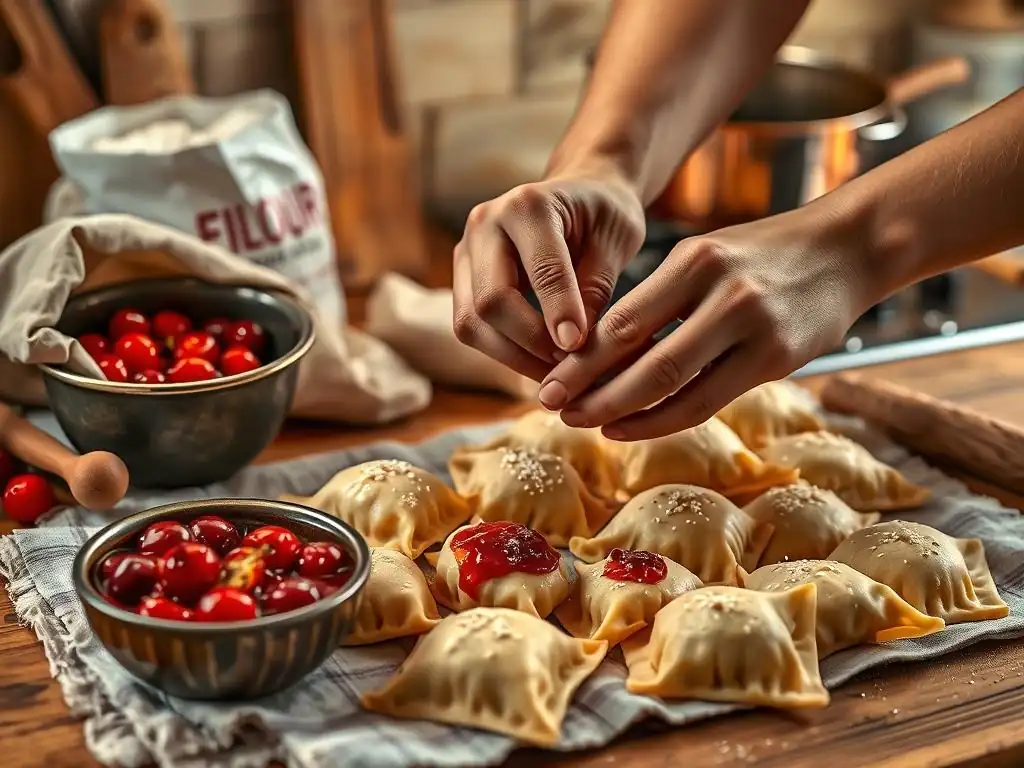
Even experienced bakers encounter issues sometimes. Here are a few common problems when making pierogi and how to fix them, ensuring your sweet pierogi filling recipes turn out perfectly.
Pierogi Dough Too Sticky or Dry
A sticky dough is often a result of too much liquid or not enough flour. When kneading, if the dough is sticking excessively to your hands and the surface, add a tablespoon of flour at a time and continue kneading until it becomes smooth and elastic but still slightly tacky. Avoid adding too much flour, as this can make the dough tough.
If the dough feels too dry and crumbly, it lacks sufficient liquid. Add a teaspoon of warm water or milk at a time and knead until the dough comes together and is pliable. Ensure you rest the dough adequately; resting helps distribute moisture and makes it easier to work with.
Fillings Leaking During Cooking
Leaking fillings are usually caused by improper sealing or overfilling. Make sure you are pressing the edges of the pierogi firmly together, expelling any air pockets before sealing. Crimping with a fork can help create a stronger seal.
Avoid putting too much sweet pierogi filling into each wrapper; a small, manageable amount is better than a generous one that risks bursting the seams. Ensure the edges of the dough circles are not contaminated with filling before folding, as this will prevent a proper seal. If using very wet fillings (like some fruit fillings), ensure you've used enough thickener (cornstarch or flour) to absorb the juices during cooking.
Pierogi Falling Apart
Pierogi falling apart in the boiling water can be due to insufficient sealing, the dough being too thin, or overcrowding the pot. Double-check your sealing technique, pressing the edges together firmly. If crimping with a fork, apply firm, even pressure. Ensure your dough is rolled to the recommended thickness (1/16 to 1/8 inch); dough that is too thin is weaker and more prone to breaking. When boiling, cook pierogi in batches to avoid overcrowding the pot. Overcrowding lowers the water temperature, leading to longer cooking times and potentially causing the pierogi to stick together or disintegrate.
Sweet Pierogi Variations: Creative Twists on Tradition
While traditional sweet pierogi filling recipes are wonderful, there's always room for creativity. Adapting classic ideas or introducing new flavor combinations can lead to exciting new favorites. Here are a couple of ideas for creative sweet pierogi.
Chocolate Hazelnut Pierogi: A Decadent Indulgence
For a truly decadent treat, try a chocolate hazelnut filling. Combine about 1/2 cup of chocolate hazelnut spread (like Nutella) with 1/4 cup of finely ground toasted hazelnuts and perhaps a tablespoon of cocoa powder for extra chocolatey depth. This rich, sweet filling is a departure from tradition but results in a dessert pierogi that is intensely flavorful and satisfying. Serve these warm with a dusting of powdered sugar or a drizzle of melted chocolate.
Lemon Ricotta Pierogi: A Zesty and Refreshing Treat
Building on the cheese filling concept, a lemon ricotta filling offers a lighter, more refreshing option. Combine about 1 cup of ricotta cheese (well-drained if watery) with 2-3 tablespoons of granulated sugar, the zest of one lemon, and perhaps a teaspoon of fresh lemon juice. A tablespoon of semolina or fine breadcrumbs can help absorb excess moisture from the ricotta. This filling is bright, tangy, and sweet, pairing wonderfully with a simple dusting of powdered sugar or a light fruit sauce.
Enjoy Your Homemade Sweet Pierogi: A Taste of Eastern Europe!
Making sweet pierogi at home using these sweet pierogi filling recipes is a fulfilling experience that connects you with a rich culinary heritage. Whether you choose a classic farmer's cheese, a vibrant fruit filling, or a festive poppy seed creation, the process of crafting these dumplings by hand is a labor of love. The result is a comforting, delicious dish that can be enjoyed as a dessert, snack, or special treat. Gather your ingredients, master the dough, explore these sweet pierogi filling recipes, and share the delicious taste of Eastern Europe with your friends and family. Happy baking!
Frequently Asked Questions
What are the most common types of sweet pierogi fillings?
The most common sweet pierogi fillings often include fruit-based options, such as sweet cheese fillings and poppy seed fillings.
Are sweet pierogi fillings more difficult to make than savory ones?
No, sweet pierogi fillings are generally not more difficult. Many are quite simple, often involving just combining pre-cooked fruit or sweet cheese with sugar and spices.
What kind of dough is best suited for sweet pierogi fillings?
A slightly sweet dough works best to complement the sweet fillings. A traditional pierogi dough recipe can easily be adapted by adding a small amount of sugar.
Can I freeze sweet pierogi after filling them?
Yes, you can freeze them! Place the filled, uncooked pierogi on a baking sheet, freeze until solid, then transfer them to a freezer bag for long-term storage.
How should I serve sweet pierogi?
Sweet pierogi are delicious served with melted butter, sour cream or whipped cream, and a dusting of powdered sugar. They can also be enjoyed with fresh fruit or a drizzle of honey.
Final Reflection: A Taste of Tradition, A Sweet Future
The enduring appeal of sweet pierogi transcends mere culinary delight; it's a testament to the power of shared heritage and the simple joy of delicious food. These little pockets of sweetness, passed down through generations, continue to unite families and communities, offering a comforting taste of home wherever they're enjoyed. From the classic farmer's cheese to the more adventurous fruit combinations, the possibilities are as endless as the stories they evoke.
The influence of pierogi, and specifically their sweet variations, on Eastern European culture is profound. They represent more than just a dessert; they are a symbol of celebration, comfort, and connection. Food is symbolic of love when words are inadequate.
This quote perfectly encapsulates the emotional weight pierogi carry, particularly during holidays and family gatherings. Their preparation often becomes a communal activity, strengthening bonds and creating lasting memories around the kitchen table.
Now, it's your turn. Don't just read these recipes; experience them. Gather your loved ones, roll up your sleeves, and create your own sweet pierogi memories. Let the aroma of warm dough and sweet fillings fill your home, and share the joy of this timeless tradition with those you cherish. The legacy of sweet pierogi awaits your contribution – what unique twist will you add to this delicious story?
Unlock Your Inner Pierogi Pro!
Thanks for diving into the world of delicious Eastern European pierogi fillings! We hope you're feeling inspired and ready to create some culinary magic. Now it's time to put your newfound knowledge to the test.
- Craft your perfect pierogi: Choose your favorite filling from the guide and get cooking! We bet you'll discover a new favorite.
- Share your pierogi journey: Snap a picture of your creations and share them on social media using #BakeWithEasePierogi – let's see those beautiful pierogi!
- Explore more Eastern European recipes: Dive deeper into our recipe archive for more delicious inspiration from the region. You might be surprised by what you discover!
Ready to transform your kitchen into a Polish (or Ukrainian, or Slovakian...) pastry paradise? What unexpected flavor combination are you most excited to try in your next pierogi batch?