
Baking with Poppy Seeds: Essential Eastern European Techniques

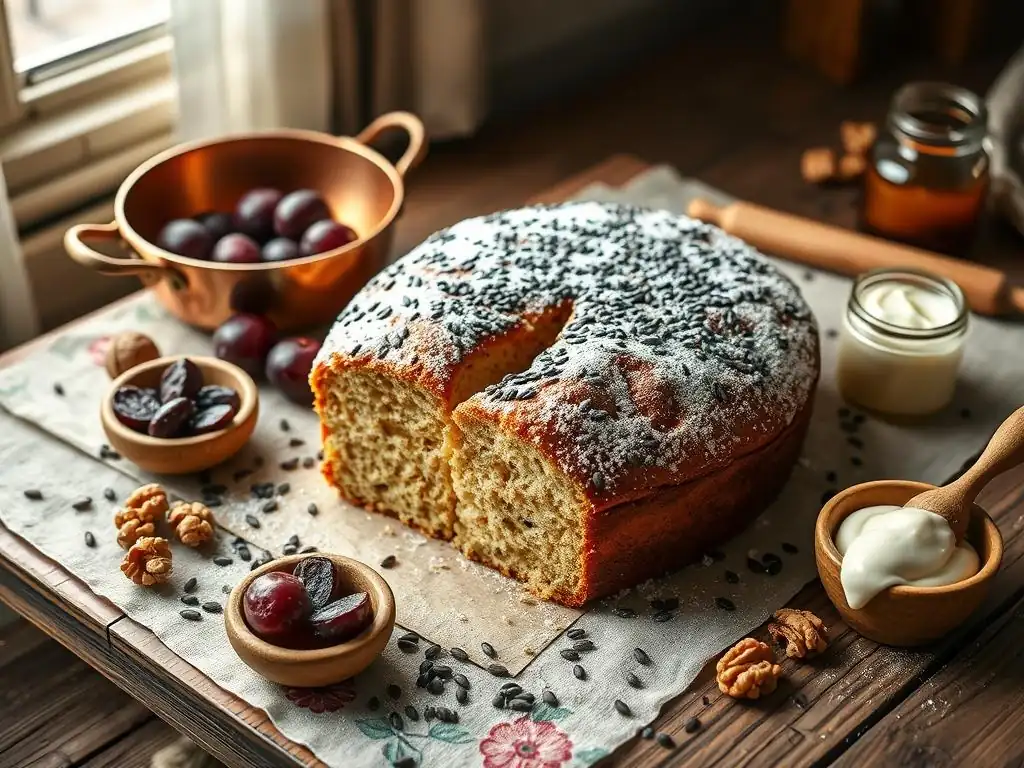
Welcome to BakeWithEase, your haven for all things baking! Ever wondered about the secrets behind those delightfully textured and subtly nutty cakes found throughout Eastern Europe? Prepare to unlock them. Dive into our latest exploration of Regional & Cultural Baking and discover our essential guide, starting with a tantalizing poppy seed cake recipe. Intrigued? Let's explore the techniques that elevate this classic treat, and transform your baking repertoire forever...
- Baking with Poppy Seeds: Essential Polish Techniques
- Discover the Magic of Poppy Seeds in Polish Baking
- Mastering the Art of Poppy Seed Filling: A Step-by-Step Guide
- Makowiec Recipe: A Traditional Polish Poppy Seed Roll
- Beyond Makowiec: Other Polish Poppy Seed Treats
- Troubleshooting Your Poppy Seed Baking
- Sourcing the Best Poppy Seeds for Polish Baking
- Variations and Modern Twists on Traditional Poppy Seed Recipes
- Serving and Enjoying Your Polish Poppy Seed Creations
- Essential Tools for Polish Poppy Seed Baking
- Conclusion: Embrace the Flavor of Poppy Seeds in Your Baking
-
Frequently Asked Questions
- What makes Eastern European poppy seed cakes unique?
- What are some common mistakes to avoid when making a poppy seed cake?
- Where can I source good quality poppy seeds for my recipe?
- Can I substitute other ingredients in a poppy seed cake recipe?
- What are some variations on the traditional poppy seed cake?
- Final Reflection: The Enduring Allure of Poppy Seed
- Unlock the Secrets of Poppy Seed Baking!
Baking with Poppy Seeds: Essential Polish Techniques
Discover the Magic of Poppy Seeds in Polish Baking
Why Poppy Seeds are a Staple in Polish Desserts
Poppy seeds, or mak in Polish, are far more than just a sprinkle on a roll; they are a deeply ingrained element of Polish culinary tradition, particularly in desserts served during festive periods like Christmas and Easter. Their subtle, nutty flavor and pleasant crunch provide a unique textural and taste dimension that is hard to replicate. In Polish baking, poppy seeds are often used in generous quantities, forming rich, dark, and often sweet fillings that are the star of the show in many pastries and cakes. The dense, moist filling contrasts beautifully with light, often yeasted, doughs.
The significance of poppy seeds in Polish culture goes beyond taste. Historically, they were associated with prosperity and fertility, making them a natural choice for celebratory dishes. The deep blue-black color of the ground seeds also adds a dramatic visual element to baked goods. From simple cookies to elaborate rolls and cakes, the presence of poppy seeds signals tradition, festivity, and a comforting taste of home for many Poles. Mastering a classic poppy seed cake recipe is a rite of passage for many home bakers.
Exploring the Rich History of Poppy Seed Baking in Poland
The use of poppy seeds in Polish cuisine dates back centuries, with evidence suggesting their cultivation and use in the region long before modern times. Historical texts and cookbooks often mention poppy seeds as a key ingredient in various dishes, particularly those prepared for important holidays. The tradition of using poppy seeds heavily in Christmas Eve (Wigilia) dishes, such as Kutia and Makowiec, highlights their cultural and historical importance as symbols of good fortune for the coming year.
Over time, techniques for preparing poppy seeds evolved. Initially, they might have been used whole or simply crushed. However, the invention and popularization of poppy seed grinders allowed for the creation of a fine, smooth paste, which became the foundation for the rich fillings characteristic of modern Polish poppy seed baking. This development significantly improved the texture and flavor extraction from the seeds, leading to the sophisticated poppy seed cake recipes we know today. The enduring popularity of dishes like Makowiec demonstrates the deep roots of poppy seed baking in Poland's culinary heritage.
Mastering the Art of Poppy Seed Filling: A Step-by-Step Guide
Preparing the Perfect Poppy Seed Paste: Traditional Polish Methods
Creating the ideal poppy seed filling begins with properly preparing the seeds. Traditional Polish methods emphasize grinding the poppy seeds multiple times after they have been soaked. Typically, dried poppy seeds are soaked in hot milk or water for several hours, often overnight, or boiled briefly until they are plump and soft. This soaking step is crucial as it rehydrates the seeds and makes them easier to grind, ensuring a smoother paste.
Once soaked, the excess liquid is drained, and the seeds are ground. A traditional hand-cranked poppy seed grinder (or a modern electric equivalent) is the preferred tool. The seeds are passed through the grinder at least two, often three, times. Each pass breaks down the seed structure further, releasing more flavor and oils and resulting in a finer, more homogenous paste. This meticulous grinding process is key to achieving the rich, moist texture required for classic fillings used in a poppy seed cake recipe.
Achieving the Ideal Consistency for Your Poppy Seed Filling
The consistency of the poppy seed filling is paramount to the success of baked goods like Makowiec. It should be thick enough to hold its shape when spread on dough but moist and pliable, not dry or crumbly. After grinding the soaked seeds, other ingredients are mixed in, such as sugar, butter, honey, nuts (walnuts or almonds are common), dried fruits (like raisins or candied orange peel), and sometimes breadcrumbs or semolina to help bind the mixture.
The amount of liquid used during the initial soaking and the addition of butter or honey during mixing significantly impact the final consistency. If the mixture appears too dry after adding all ingredients, a little more melted butter, honey, or even a tablespoon of milk can be stirred in carefully, one spoonful at a time, until the desired moist, spreadable texture is achieved.
Conversely, if it's too wet, a bit more ground nuts or dry breadcrumbs can help absorb excess moisture. The goal is a filling that spreads easily but doesn't ooze out during baking, ensuring a perfect poppy seed cake recipe result.
Flavor Enhancements: Adding Orange Zest, Honey, and Almond Extract to Poppy Seed Filling
While the rich, nutty flavor of the poppy seeds is central, traditional Polish fillings are often enhanced with complementary aromas and tastes. Freshly grated orange zest is a very popular addition, providing a bright, citrusy note that cuts through the richness of the poppy seeds and adds a wonderful fragrance. The zest from one medium orange is typically sufficient for a standard batch of filling.
Honey adds natural sweetness and contributes to the filling's moistness and a slightly chewy texture. Its distinct floral or earthy notes can add complexity compared to using only granulated sugar. Almond extract is another classic flavor enhancer, providing a subtle marzipan-like aroma that pairs exceptionally well with both poppy seeds and citrus. A teaspoon or two is usually enough to elevate the flavor profile without overpowering the main ingredient in a delicious poppy seed cake recipe. Other common additions include vanilla extract, rum, or even a pinch of cinnamon, depending on regional or family preferences.
Makowiec Recipe: A Traditional Polish Poppy Seed Roll
Key Ingredients for Authentic Makowiec
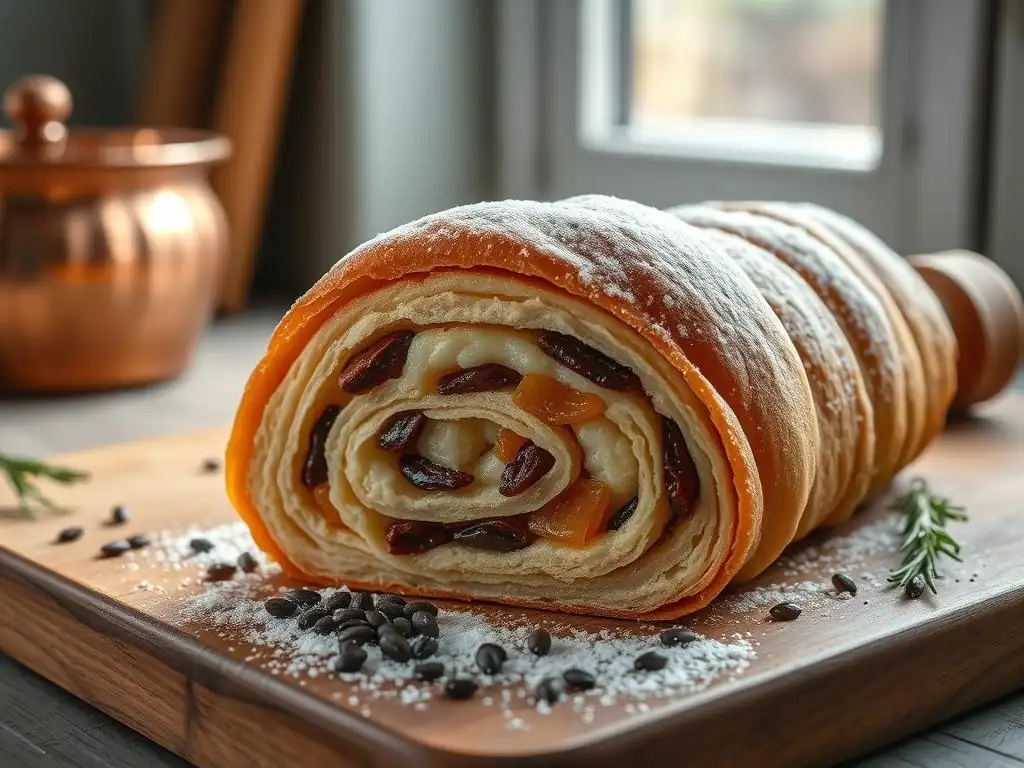
An authentic Makowiec, the iconic Polish poppy seed roll, requires specific components to achieve its characteristic texture and flavor. The dough is typically a sweet, enriched yeast dough, similar to brioche or challah. Key ingredients for the dough include all-purpose flour, active dry or fresh yeast, warm milk, sugar, eggs (often just the yolks for richness), melted butter, and a pinch of salt. The dough should be soft and pliable after kneading.
The filling, as discussed, is paramount. It consists of finely ground poppy seeds, sugar (or honey), melted butter, and flavorings such as orange zest, chopped nuts (walnuts or almonds), and dried fruits like raisins. Some recipes also call for incorporating stiffly beaten egg whites into the cooled filling just before spreading, which helps lighten it slightly and adds moisture. Using high-quality ingredients, especially fresh poppy seeds, is crucial for the best poppy seed cake recipe results.
Step-by-Step Makowiec Baking Instructions
Baking Makowiec involves several stages, starting with preparing the dough. The yeast is typically proofed in warm milk with a little sugar. Then, it's combined with flour, remaining sugar, eggs/yolks, salt, and melted butter to form a soft dough. This dough is kneaded until smooth and elastic, then left to rise in a warm place until doubled in size, usually 1-2 hours.
While the dough rises, prepare the poppy seed filling by grinding the soaked seeds and mixing in the other ingredients. Once the dough has risen, it's punched down and rolled into a large rectangle, approximately 1/4 inch thick. The prepared poppy seed filling is spread evenly over the dough, leaving a small border clean. The dough is then carefully rolled up tightly from the long side to form a log.
The ends are tucked in, and the roll is placed seam-side down on a baking sheet lined with parchment paper. It's left to rise again briefly (about 30-45 minutes) before being baked in a preheated oven, typically around 350°F (175°C), for about 30-45 minutes, or until golden brown. A classic finish is a simple glaze made from powdered sugar and lemon juice drizzled over the cooled roll, completing this beloved poppy seed cake recipe.
Tips for a Moist and Delicious Makowiec
Achieving a moist Makowiec largely depends on the filling and the baking process. Ensuring the poppy seed filling is sufficiently moist but not wet is critical. Using enough butter, honey, and potentially incorporating some egg white or milk can help keep the filling from drying out during baking. Overly dry filling will result in a crumbly, less appealing texture.
Proper baking temperature and time are also important. Baking at too high a temperature or for too long can dry out both the dough and the filling. A temperature of around 350°F (175°C) is standard. Covering the Makowiec loosely with foil partway through baking if the top is browning too quickly can help ensure the inside cooks through without the outside becoming dry or burnt. Allowing the Makowiec to cool completely before slicing is also important for the filling to set properly, resulting in clean slices of this delightful poppy seed cake recipe.
Beyond Makowiec: Other Polish Poppy Seed Treats
Kutia: A Festive Poppy Seed and Grain Pudding
Kutia is a traditional sweet grain pudding, most famously associated with the Christmas Eve supper (Wigilia) in Poland, Ukraine, and other Eastern European countries. It's a rich, symbolic dish made from cooked wheat berries (though barley or other grains are sometimes used), ground poppy seeds, honey or sugar, and often a generous mix of nuts (like walnuts or almonds) and dried fruits (raisins, figs, dates).
The preparation involves cooking the grain until tender, often soaking it first. The poppy seeds are soaked, ground, and then combined with the cooked grain, sweetener, nuts, and dried fruits. Sometimes, a little milk or cream is added to achieve a pudding-like consistency. Kutia is typically served cold or at room temperature and is considered one of the twelve traditional dishes for Wigilia, representing fertility and prosperity. While not a baked good, its heavy reliance on poppy seeds makes it a quintessential Polish poppy seed treat.
Kluski z Makiem: Poppy Seed Noodles
Kluski z Makiem translates literally to "noodles with poppy seeds" and is another traditional, often festive, Polish dish, particularly popular during Christmas Eve or other fasting days. It's a simple yet comforting dessert or sweet side dish consisting of cooked noodles (often homemade kluski, which are small, irregular dumplings or simple egg noodles) tossed with a sweet poppy seed mixture.
The poppy seed component involves ground poppy seeds, typically mixed with melted butter or oil, sugar or honey, and sometimes dried fruits or nuts. The warm, cooked noodles are combined with this sweet, rich poppy seed "sauce." The key is to use enough of the poppy seed mixture to coat the noodles generously, creating a moist and flavorful dish. It's a less elaborate way to enjoy the beloved poppy seed flavor compared to a complex poppy seed cake recipe.
Rogaliki z Makiem: Poppy Seed Crescents
Rogaliki z Makiem are small, crescent-shaped pastries filled with a sweet poppy seed mixture. These are similar in concept to croissants or rugelach but with a distinct Polish character and filling. The dough can vary, from a simple shortcrust or cream cheese dough to a richer yeast dough, though a tender, slightly flaky dough is common.
The poppy seed filling is similar to that used for Makowiec but often a bit thicker to prevent it from running out during baking. Small triangles of dough are cut, a dollop of filling is placed on the wide end, and then they are rolled up towards the point to form crescent shapes.
They are baked until golden and often dusted with powdered sugar while still warm. These bite-sized treats are perfect for fika, parties, or simply enjoying with a cup of tea or coffee, offering a delightful taste of poppy seeds in a different format than a loaf-style poppy seed cake recipe.
Troubleshooting Your Poppy Seed Baking
Preventing Dry Poppy Seed Filling
A common issue in poppy seed baking is a dry, crumbly filling. This often occurs if the poppy seeds were not sufficiently soaked before grinding or if the mixture lacks enough fat or liquid. To prevent this, ensure you soak the seeds in hot milk or water for at least several hours, preferably overnight, and drain them well before grinding. Grinding the seeds multiple times is also crucial for releasing their natural oils, which contributes to moisture.
When mixing the ground seeds with other ingredients, be generous with melted butter or honey, as these provide essential moisture and richness. If the filling still seems dry, gradually add a tablespoon of warm milk, melted butter, or even a touch of heavy cream until the consistency is moist and spreadable. Don't rely solely on sugar for moisture; it can make the filling grainy. A well-hydrated filling is key to a successful poppy seed cake recipe.
Avoiding a Bitter Taste in Your Poppy Seed Desserts
While poppy seeds have a pleasant nutty flavor, they can sometimes develop a bitter taste. This is often due to seeds that are old, improperly stored, or have gone rancid. Using fresh, high-quality poppy seeds is the first step in avoiding bitterness. Purchase seeds from a reputable source and check their expiration date if available.
Proper storage is also vital. Poppy seeds contain oils that can oxidize and turn rancid when exposed to air, light, or heat. Store them in an airtight container in a cool, dark place, ideally the refrigerator or freezer, to prolong their freshness and prevent bitterness. If you suspect your seeds might be old or have a slightly off smell, it's best to discard them and start with a fresh batch to ensure your poppy seed cake recipe tastes its best.
Ensuring Even Baking for Poppy Seed Rolls and Pastries
Even baking is crucial for large items like Makowiec rolls to ensure the dough is cooked through without the ends drying out or the filling becoming too hard. Uneven oven temperature is a frequent culprit. If possible, rotate your baking sheet halfway through the baking time. Using an oven thermometer can help verify that your oven is heating accurately.
For rolls, make sure they are of a relatively uniform thickness when rolled. If the ends are significantly thinner than the middle, they will bake faster and potentially dry out. If you notice the top or ends browning too quickly while the center still needs time, loosely tent the roll with aluminum foil. For smaller pastries like Rogaliki, ensure they are spaced evenly on the baking sheet to allow for proper heat circulation, preventing them from steaming rather than baking and helping achieve a consistent golden-brown color.
Sourcing the Best Poppy Seeds for Polish Baking
Understanding Different Types of Poppy Seeds
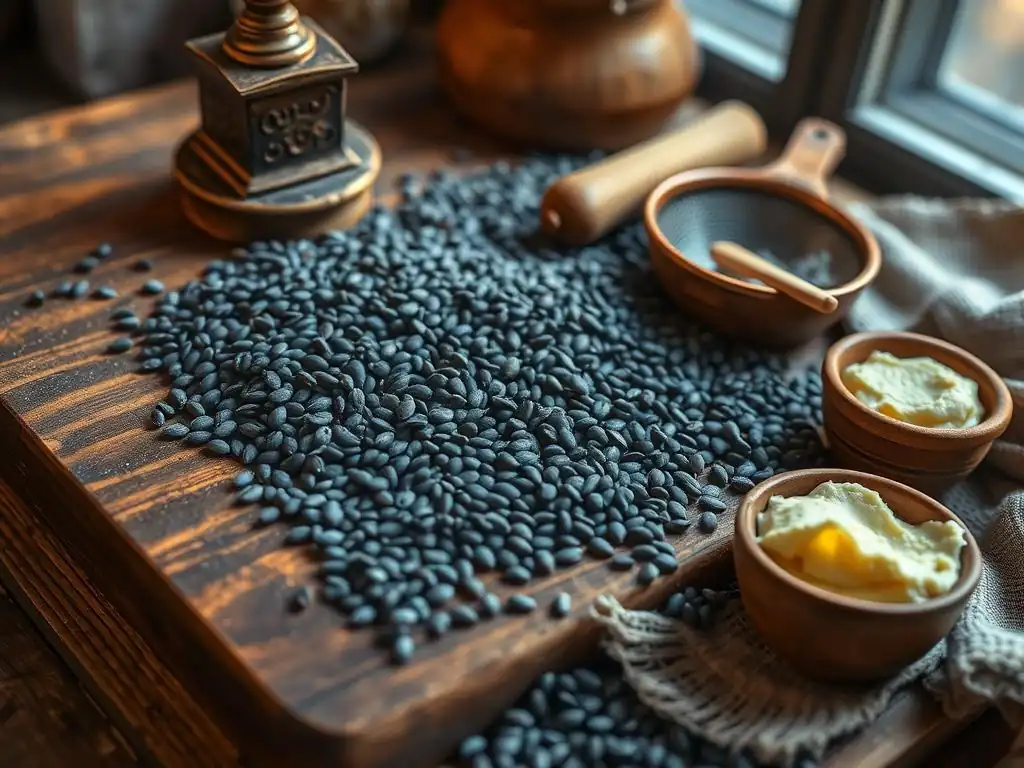
While many people think of poppy seeds as a single ingredient, there are different varieties, though the distinction isn't always emphasized for baking. The most common type used in baking, particularly in European traditions, is the blue or slate-colored seed from the opium poppy ( Papaver somniferum). These are often referred to as European poppy seeds or sometimes "breadseed" poppy seeds. They have a characteristic nutty flavor.
Less commonly used in European baking are white poppy seeds ( khus khus), which are popular in Indian cuisine. These come from a different variety of the same plant and have a milder, nuttier flavor profile. For authentic Polish poppy seed baking, the blue/grey seeds are the correct type to use to achieve the traditional taste and appearance of dishes like Makowiec or a classic poppy seed cake recipe.
Where to Buy High-Quality Poppy Seeds
Finding high-quality, fresh poppy seeds is essential for successful baking. Grocery stores often carry small containers of poppy seeds in the spice aisle, but these may not be the freshest, especially if they sit on the shelf for a long time. For larger quantities and potentially better freshness, look for bulk bins at health food stores or specialty spice shops.
Ethnic markets, particularly those specializing in Eastern European or Polish goods, are excellent sources for fresh poppy seeds. They often have a higher turnover of these products. Online retailers specializing in baking supplies or international foods can also be a good option, allowing you to find reputable suppliers. When purchasing, look for seeds that are uniform in color (blue-grey) and free from debris. If buying in bulk, smell them – they should have a faint, pleasant nutty aroma, not a stale or chemical smell.
Storing Poppy Seeds for Optimal Freshness
Poppy seeds contain oils that can easily go rancid, which will impart a bitter, unpleasant flavor to your baked goods. Proper storage is therefore crucial to maintain their freshness and flavor. The best way to store poppy seeds is in an airtight container to protect them from air and moisture.
For short-term storage (a few weeks), a cool, dark pantry shelf is acceptable. However, for longer-term storage, refrigeration or freezing is highly recommended. Storing poppy seeds in the refrigerator can keep them fresh for several months, while freezing can extend their shelf life for up to a year or even longer. Always allow frozen seeds to come to room temperature before using them in your poppy seed cake recipe or other preparations to avoid introducing condensation.
Variations and Modern Twists on Traditional Poppy Seed Recipes
Gluten-Free Makowiec Recipe Adaptations
Adapting a traditional Makowiec recipe to be gluten-free requires replacing the wheat flour in the yeast dough. A blend of gluten-free flours designed for baking, which often includes rice flour, potato starch, and tapioca starch, can be used. Xanthan gum is typically needed to provide structure and elasticity that gluten would normally provide, helping the dough hold together and rise.
The process for a gluten-free Makowiec often involves a slightly different dough handling technique, as gluten-free doughs can be stickier or less elastic. Rolling the dough between two sheets of parchment paper can make it easier to handle and roll up with the filling. The poppy seed filling itself is naturally gluten-free, so no modifications are needed there. The baking time and temperature might need slight adjustments depending on the specific flour blend used. A successful gluten-free poppy seed cake recipe is achievable with careful substitution.
Vegan Poppy Seed Filling Options
Traditionally, Polish poppy seed filling contains butter and sometimes egg whites. Creating a vegan version requires replacing these animal products. Melted vegan butter or a neutral-flavored oil like coconut oil or vegetable oil can easily substitute for dairy butter, providing the necessary fat and moisture.
Egg whites, sometimes added for lightness or binding, can often be omitted without significantly impacting the filling's structure, especially if the seeds are ground finely. Alternatively, a small amount of plant-based milk or apple sauce can be added for moisture. Ensuring the consistency is right remains key; the filling should be moist but not watery. The nuts, dried fruits, sugar, and flavorings used are typically already vegan, making the transition to a vegan poppy seed cake recipe filling relatively straightforward.
Chocolate Glazed Makowiec: A Modern Variation
While a simple powdered sugar and lemon juice glaze is classic for Makowiec, a modern and popular variation involves topping the roll with chocolate. This adds an extra layer of indulgence and pairs beautifully with the nutty poppy seed flavor. A simple chocolate glaze can be made by melting dark or semi-sweet chocolate with a small amount of butter or coconut oil until smooth.
Once the Makowiec has cooled completely, the melted chocolate is drizzled or spread over the top. Sometimes, chopped nuts or extra poppy seeds are sprinkled over the wet chocolate glaze for decoration and added texture. This chocolate-glazed version offers a richer, more decadent twist on the traditional poppy seed cake recipe, appealing to chocolate lovers while retaining the core flavors of the classic bake.
Serving and Enjoying Your Polish Poppy Seed Creations
Traditional Accompaniments for Makowiec
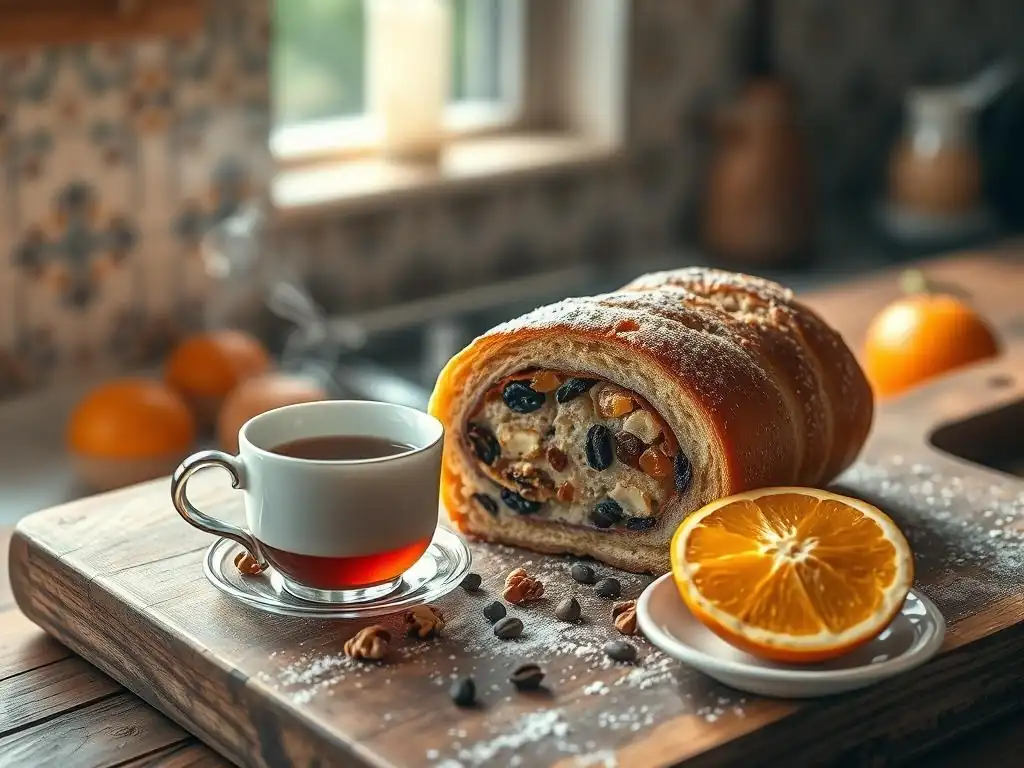
Makowiec is typically served sliced, often as part of a larger dessert platter or with a warm beverage. Traditionally, it's enjoyed with a cup of tea, coffee, or a glass of milk. For festive occasions like Christmas or Easter, it's a centerpiece dessert, served alongside other traditional cakes and pastries.
While the Makowiec itself is rich and flavorful, it is rarely served with additional sauces or creams, allowing the distinct taste of the poppy seed filling and the tender dough to be the focus. The simple powdered sugar glaze provides just enough sweetness and a slight tang from the lemon juice to complement the flavors without overpowering them. It's a satisfying treat best enjoyed in good company after a meal or as a comforting snack.
Serving Suggestions for Kutia
Kutia is distinct from baked goods and is served differently. It's usually presented in a large bowl from which individual portions are served. It can be served warm, at room temperature, or chilled, depending on preference and tradition, though often it's served cold as part of the array of cold dishes for Wigilia.
As Kutia is already a complete mixture of grain, poppy seeds, sweetener, nuts, and fruits, it is typically served on its own in small bowls. No additional accompaniments are usually needed. Its rich, dense, and sweet profile makes it a satisfying, albeit heavy, dish. The symbolism of Kutia often means that each person at the table takes at least a spoonful to share in the prosperity it represents.
Storing Leftover Poppy Seed Desserts to Maintain Freshness
Proper storage is key to keeping leftover poppy seed baked goods fresh and moist. Makowiec and Rogaliki z Makiem are best stored at room temperature for a day or two, wrapped tightly in plastic wrap or aluminum foil, or placed in an airtight container. This prevents the dough from drying out and the filling from hardening.
For longer storage, they can be refrigerated for up to a week. However, refrigeration can sometimes slightly alter the texture of the dough, making it a bit firmer. For extended storage, these baked goods freeze exceptionally well. Wrap individual slices or the whole roll tightly in plastic wrap, then in a layer of aluminum foil or place in a freezer-safe bag.
Frozen Makowiec can last for several months. Thaw overnight in the refrigerator or at room temperature. Kutia, due to its moist nature, should always be stored in an airtight container in the refrigerator and is best consumed within 3-4 days.
Essential Tools for Polish Poppy Seed Baking
Poppy Seed Grinder: For Freshly Ground Poppy Seeds
A dedicated poppy seed grinder is arguably the most essential tool for traditional Polish poppy seed baking. While modern food processors or powerful blenders can grind soaked seeds to some extent, a specialized grinder achieves a much finer, smoother paste. This is crucial for the texture and consistency of the filling in dishes like Makowiec.
Traditional grinders are hand-cranked and clamp onto a table or counter edge. Electric versions are also available. The mechanism is designed specifically to crush and grind the tiny seeds effectively, releasing their oils and creating the desired paste-like consistency. Using freshly ground seeds from a proper grinder makes a noticeable difference in the quality of the poppy seed filling compared to using pre-ground seeds or less effective methods.
Rolling Pin: For Shaping Dough
A rolling pin is a fundamental tool in making Makowiec and other poppy seed pastries like Rogaliki. After the yeast dough has risen, it needs to be rolled out into a thin, even rectangle. A good rolling pin allows you to achieve the desired thickness and shape necessary to spread the filling and roll the dough tightly.
Traditional Polish rolling pins are often simple wooden cylinders, sometimes with handles, sometimes handle-less. The key is to have a tool that allows you to apply even pressure across the dough to achieve a uniform thickness. Rolling the dough correctly is crucial for ensuring the poppy seed filling is distributed evenly throughout the finished roll or pastry.
Baking Sheet: For Baking Rolls and Pastries
A sturdy baking sheet is necessary for baking Makowiec rolls and Rogaliki. The rolled dough, filled with poppy seeds, is placed on the baking sheet to bake in the oven. Using parchment paper to line the baking sheet is highly recommended.
Parchment paper prevents the dough from sticking to the pan, makes cleanup easier, and helps the bottom of the roll bake evenly. Ensure the baking sheet is large enough to accommodate the roll comfortably, allowing space for some expansion during baking. Using a light-colored, heavy-gauge baking sheet helps prevent the bottom of the pastry from browning too quickly.
Conclusion: Embrace the Flavor of Poppy Seeds in Your Baking
The Enduring Appeal of Polish Poppy Seed Desserts
Polish poppy seed desserts hold a special place in the hearts of many, embodying tradition, celebration, and comforting flavors. The rich, slightly nutty, and subtly sweet taste of the poppy seed filling, often paired with tender yeast dough and enhanced with citrus, nuts, or dried fruits, creates a unique and highly satisfying culinary experience. Dishes like Makowiec, Kutia, and Rogaliki z Makiem are not just desserts; they are cultural touchstones, deeply connected to holidays and family gatherings.
Mastering a classic poppy seed cake recipe or venturing into other traditional treats allows you to connect with this rich baking heritage. The process, from soaking and grinding the seeds to rolling and baking the dough, is a rewarding one, culminating in delicious results that are perfect for sharing. The enduring popularity of these recipes, passed down through generations, speaks volumes about their timeless appeal and deliciousness.
Enjoy the Process of Making Polish Poppy Seed Treats
Embarking on the journey of making Polish poppy seed treats is a delightful experience. It might require a bit more effort than a simple cake, particularly the preparation of the poppy seed filling, but the results are well worth it. The aroma of baking dough and sweet poppy seeds filling your kitchen is incredibly inviting and part of the joy.
Whether you're attempting your first Makowiec or perfecting your Kutia, take your time, follow the steps, and enjoy the process. Don't be discouraged if your first attempt isn't perfect; baking is a skill that improves with practice. Sharing your homemade poppy seed cake recipe creations with friends and family is the ultimate reward, bringing a taste of Polish tradition and warmth to your table.
Frequently Asked Questions
What makes Eastern European poppy seed cakes unique?
Eastern European poppy seed cakes often feature a dense, moist filling made from ground poppy seeds and are known for their rich, nutty flavor. They frequently incorporate techniques like long soaking or cooking of the poppy seeds for optimal texture.
What are some common mistakes to avoid when making a poppy seed cake?
A common mistake is not properly preparing the poppy seeds, leading to a gritty texture. Another is using too little liquid in the filling, resulting in a dry cake. Overbaking can also dry out the cake.
Where can I source good quality poppy seeds for my recipe?
Quality poppy seeds can be found at specialty spice stores, bulk food stores, or online retailers. Look for seeds that are fresh and have a dark blue-grey color for the best flavor.
Can I substitute other ingredients in a poppy seed cake recipe?
While you can make some substitutions, the poppy seeds themselves are essential. You might be able to substitute milk with a non-dairy alternative, but be careful when altering the fat content of the cake batter.
What are some variations on the traditional poppy seed cake?
Variations include adding citrus zest (like lemon or orange), incorporating dried fruits (such as raisins or cranberries), or topping the cake with a sweet glaze or frosting. Some recipes also include a crumb topping.
Final Reflection: The Enduring Allure of Poppy Seed
The humble poppy seed, a tiny treasure from the earth, holds a surprisingly significant place in Eastern European culinary traditions, and its enduring popularity speaks volumes about the power of simple ingredients to create extraordinary flavors. This article explored not just recipes, but the history, techniques, and cultural significance woven into the very fabric of poppy seed baking. From the careful preparation of the seeds to the nuanced techniques that unlock their unique flavor profile, we've journeyed through a world of delicious possibilities.
The influence of poppy seed cakes and pastries extends far beyond the simple act of baking; they represent a connection to heritage, family, and the comforting traditions passed down through generations. These recipes are more than just instructions; they are stories, memories, and a tangible link to a rich cultural past. Food is symbolic of love when words are inadequate.
- Alan D. Wolfelt. This quote perfectly encapsulates the emotional resonance of these baked goods, transcending mere sustenance to become powerful symbols of connection and belonging.
Now, as you consider the recipes and techniques presented, I invite you to step into your kitchen and experience the magic firsthand. Don't just bake a poppy seed cake; bake a piece of history, a taste of tradition, and a testament to the enduring power of simple ingredients to evoke profound emotions. Let the aroma fill your home, and share the joy of this timeless culinary heritage with those you love. The journey of baking, like the journey of life, is enriched by the sharing of experiences and the creation of lasting memories.
Unlock the Secrets of Poppy Seed Baking!
Thanks for exploring the wonderful world of poppy seed baking with us! We hope you've gained valuable insights into these essential Eastern European techniques. Now it's time to put your new knowledge into practice!
- Bake your own poppy seed masterpiece: Try one of the recipes mentioned in the article—or get creative and experiment with your own variations! This is your chance to shine.
- Share your baking journey: Post a picture of your creation on social media using #BakeWithEasePoppySeed and tag us! Let's inspire each other!
- Explore other Eastern European baking traditions: Discover new flavors and techniques on our website – we have a wealth of recipes waiting for you!
Ready to unleash your inner baker and share your delicious poppy seed creations? What unique twist will you add to your next bake?