
Sour Cream Magic: Eastern European Cakes & Pastries

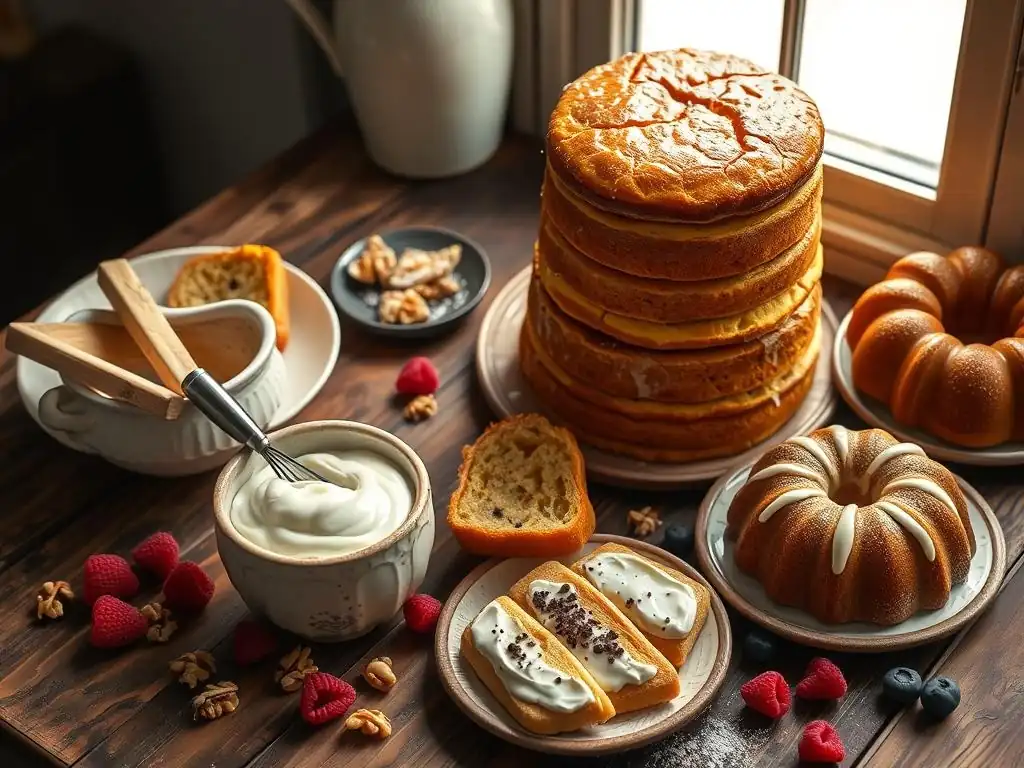
Welcome to BakeWithEase, your passport to a world of delightful baking! Ever wondered about the secret ingredient that unlocks unparalleled moistness and a subtle tang in your favorite desserts? Prepare to be amazed as we delve into the world of sour cream cakes, a beloved staple in Eastern European baking traditions. Today, we're unveiling a collection of easy sour cream cake recipes that will transform your baking game. Intrigued? Keep reading to discover the magic!
- Discover the Delights of Eastern European Baking with Sour Cream
- Why Sour Cream is a Baking Secret Weapon in Eastern Europe
- Easy Sour Cream Cake Recipes
- Exploring Eastern European Pastries Featuring Sour Cream
- Tips and Tricks for Baking with Sour Cream Like a Pro
- Mastering Eastern European Sour Cream Cake Recipes: A Summary
- Embrace the Tang: Your Journey into Sour Cream Baking Begins Now!
-
Frequently Asked Questions
- What makes sour cream a special ingredient in baking?
- Are sour cream cakes more difficult to make than regular cakes?
- What kinds of cakes and pastries commonly use sour cream in Eastern European cuisine?
- Can I substitute Greek yogurt for sour cream in these recipes?
- Where can I find detailed, step-by-step guides for baking sour cream cakes?
- Final Reflection: The Enduring Sweetness of Sour Cream
- Unlock the Secrets of Eastern European Baking!
Discover the Delights of Eastern European Baking with Sour Cream
Eastern European baking holds a special place in the world of desserts, known for its comforting flavors, rich textures, and often, a delightful complexity achieved through simple ingredients. Among the pantry staples that unlock a realm of delicious possibilities, sour cream stands out as a true magic ingredient. It's not just an afterthought; it's a fundamental component in many beloved cakes, pastries, and even cookies across countries like Russia, Poland, Ukraine, and Hungary. Its unique properties contribute significantly to both the taste and texture of baked goods, transforming simple recipes into moist, tender, and flavorful creations.
Whether you're looking for easy sour cream cake recipes or want to explore layered pastries, understanding the role of sour cream is key. This versatile dairy product brings a subtle tang that balances sweetness, ensuring desserts are never cloying. It also adds essential moisture and richness, resulting in cakes and pastries that stay fresh and delicious for longer. Dive with us into the world of Eastern European baking and discover why a dollop of sour cream is often the secret ingredient to truly exceptional results.
Why Sour Cream is a Baking Secret Weapon in Eastern Europe
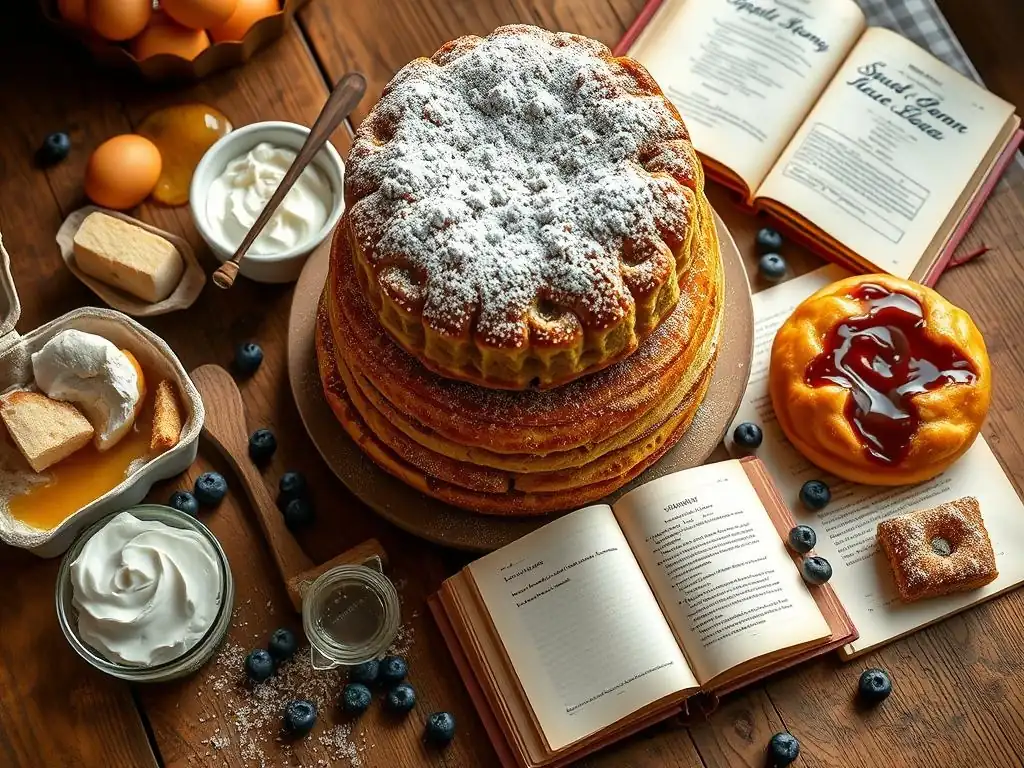
Sour cream isn't just a topping; it's a fundamental building block in many classic Eastern European baked goods. Its popularity stems from its unique composition, which offers a perfect balance of fat, moisture, and acidity. This combination works wonders in doughs and batters, influencing everything from how high a cake rises to how tender a pastry becomes. Unlike milk or buttermilk, sour cream's thicker consistency and higher fat content provide richness without excessive liquid, making it ideal for creating dense yet moist crumbs.
The tradition of using sour cream in baking is deeply ingrained in Eastern European culinary history, often linked to the availability of fresh dairy products and the need for ingredients that could enhance simple flour-based recipes. Its ability to improve texture and extend freshness made it invaluable in home baking. From celebrated cakes like Smetannik to humble cookies, sour cream elevates the ordinary to the extraordinary, proving why it remains a cherished ingredient in kitchens across the region.
The Tangy Twist: How Sour Cream Enhances Flavor and Texture
Sour cream brings a distinctive, subtle tang that is crucial in balancing the sweetness of baked goods. This slight acidity cuts through the richness, preventing cakes and pastries from tasting overly sugary or heavy. It adds a layer of complexity to the flavor profile, making each bite more interesting and less monotonous. For example, in a rich chocolate cake, the sour cream's tang can enhance the chocolate flavor, making it deeper and more nuanced.
Beyond flavor, sour cream significantly impacts texture. Its fat content contributes to a tender crumb by coating flour particles, inhibiting excessive gluten development. The moisture within the sour cream ensures cakes and muffins remain moist and soft, even days after baking. This combination of tenderness and moisture is a hallmark of many Eastern European desserts, distinguishing them from drier counterparts made with less fat or different dairy products. A classic Smetannik, or Russian Sour Cream Cake, relies heavily on this property for its signature melt-in-your-mouth texture.
Sour Cream as a Tenderizing Agent: Achieving Moist and Delicate Cakes
One of sour cream's most valuable contributions to baking is its role as a tenderizer. The acidity present in sour cream helps to break down tough protein strands in flour. This process, similar to how buttermilk tenderizes, results in a softer, more delicate crumb structure in cakes and pastries. When combined with leavening agents like baking soda, the acidity also causes a chemical reaction that produces carbon dioxide gas, aiding in the rise and contributing to a lighter texture despite the richness.
Furthermore, the high fat content of full-fat sour cream (typically around 18-20%) coats the flour proteins, further inhibiting gluten formation. This double action – acidity breaking down proteins and fat coating them – ensures that cakes baked with sour cream are exceptionally tender and moist.
Unlike recipes relying solely on butter or oil for fat, sour cream provides both fat and moisture in a balanced form, leading to cakes that are not only tender but also incredibly hydrated from within, resisting the tendency to dry out quickly. This is why many easy sour cream cake recipes yield consistently moist results.
Beyond Baking: Sour Cream's Versatility in Eastern European Cuisine
While its role in easy sour cream cake recipes and pastries is celebrated, sour cream, known locally as smetana (in Slavic languages) or tejföl (in Hungarian), is a cornerstone ingredient used extensively throughout Eastern European savory and sweet cuisine. It's a staple alongside hearty dishes, often served as a dollop on top of steaming bowls of borscht (beet soup) or mushroom soup, adding a creamy texture and tangy contrast. Its ability to withstand moderate heat makes it suitable for enriching sauces for meat or vegetable dishes.
Beyond soups and sauces, sour cream is frequently paired with traditional dumplings and pancakes. Pierogi (Polish dumplings) or varenyky (Ukrainian dumplings), whether filled with potatoes, cheese, or fruit, are commonly served with a generous dollop of sour cream. Similarly, savory or sweet blini (thin pancakes) are often folded or topped with it. Its versatility extends to simple peasant dishes and elaborate holiday meals alike, showcasing its fundamental place in the region's culinary identity, far beyond just desserts.
Easy Sour Cream Cake Recipes
One of the most popular searches for those exploring Eastern European desserts often includes looking for easy sour cream cake recipes. The good news is that many traditional recipes, while yielding impressive results, are quite straightforward to make at home. Sour cream simplifies the process by providing moisture and richness in one ingredient, often reducing the need for complex techniques. These cakes are perfect for beginners and experienced bakers alike, offering a taste of authentic flavors with manageable steps.
From the layered elegance of Russian Smetannik to the comforting simplicity of Ukrainian Pryanik, sour cream is the thread that connects these delightful treats. The recipes often share common characteristics: a moist crumb, a balanced sweetness, and a delightful tang that makes them incredibly moreish. Let's delve into some classic examples of easy sour cream cake recipes from the region that you can easily recreate in your own kitchen.
Russian Sour Cream Cake (Smetannik): A Classic Treat
Russian Sour Cream Cake, or Smetannik, is perhaps one of the most iconic examples of sour cream used as a primary ingredient in a cake. It typically consists of multiple thin cake layers, often flavored with honey, cocoa, or spices, sandwiched together with a simple yet luxurious sour cream frosting. The cake layers themselves frequently incorporate sour cream, ensuring they are soft and moist, providing a perfect base for the creamy filling.
The beauty of Smetannik lies in its relative simplicity despite its layered appearance. The dough for the layers is usually easy to mix, and the frosting requires little more than whipping sour cream with sugar, sometimes stabilized with a touch of gelatin or cornstarch. The magic happens as the cake sits, allowing the frosting to soak into the layers, transforming it into an incredibly moist and harmonious dessert. It's a staple for celebrations and tea time across Russia and many neighboring countries.
Ingredients for Russian Sour Cream Cake
Here is a typical set of ingredients for a classic Smetannik, providing a good starting point for your own easy sour cream cake recipes journey:
- For the Cake Layers:
- 2 cups all-purpose flour
- 1 cup sugar
- 2 large eggs
- 1/2 cup sour cream (full-fat recommended)
- 1/4 cup melted butter
- 2 tablespoons honey
- 1 teaspoon baking soda
- 1 teaspoon vanilla extract
- Pinch of salt
- For the Sour Cream Frosting:
- 3 cups sour cream (full-fat, chilled)
- 1 cup powdered sugar
- 1 teaspoon vanilla extract
Step-by-Step Baking Instructions for Smetannik
Follow these steps to create your own delicious Smetannik:
- Prepare the batter: In a bowl, whisk together eggs and sugar until light and fluffy. Beat in the melted butter, honey, sour cream, and vanilla extract.
- Add dry ingredients: In a separate bowl, whisk together flour, baking soda, and salt. Gradually add the dry ingredients to the wet ingredients, mixing until just combined. Do not overmix.
- Divide and bake layers: Divide the batter into 4-5 equal portions. Spread each portion thinly onto a parchment-lined baking sheet (you may need to bake them in batches). Bake in a preheated oven at 350°F (175°C) for about 5-8 minutes per layer, or until lightly golden and cooked through. Let cool slightly on the sheet, then transfer to a wire rack to cool completely.
- Make the frosting: In a large bowl, whisk together chilled sour cream, powdered sugar, and vanilla extract until smooth and creamy.
- Assemble the cake: Place the first cake layer on a serving plate. Spread a generous amount of sour cream frosting evenly over the layer. Repeat with the remaining layers, stacking them. Spread the remaining frosting over the top and sides of the cake.
- Chill and serve: Refrigerate the cake for at least 4-6 hours, preferably overnight, to allow the frosting to soak into the layers. This is a crucial step for the cake's texture. Garnish as desired (e.g., with cake crumbs, chopped nuts, or chocolate shavings).
Tips for a Perfect Smetannik
- Use full-fat sour cream for both the layers and the frosting for the best richness and texture.
- Chill the sour cream thoroughly before making the frosting; this helps it whip up thicker.
- Don't overbake the cake layers; they are thin and cook quickly. Slight browning is okay, but they should remain soft.
- Allow ample chilling time. Smetannik truly improves after a day or two as the flavors meld and the frosting softens the layers.
- For a chocolate version, replace a few tablespoons of flour with unsweetened cocoa powder in the cake batter.
Polish Sour Cream Cheesecake (Sernik): Rich and Moist Indulgence
Polish Sernik, or cheesecake, is a beloved dessert with countless regional variations. While the base is typically twaróg, a type of farmer's cheese, sour cream plays a vital role in many recipes, particularly in providing moisture, richness, and a creamy texture that distinguishes it from denser or drier cheesecakes. It's a testament to how sour cream can transform a classic dessert into something exceptionally indulgent.
Unlike the tall, dense New York-style cheesecake, Polish Sernik is often lighter and tangier, with a crumbly crust (or sometimes crustless) and a filling that melts in your mouth. Sour cream is added directly to the cheese filling, sometimes in significant quantities, to achieve this desired consistency. It contributes to the signature slightly tart flavor that perfectly complements the rich cheese base. Exploring Sernik recipes is a delightful way to discover more easy sour cream cake recipes, as many home versions prioritize simplicity and delicious results.
Sernik: The Secret to Intense Flavor
The intense, yet balanced, flavor of Polish Sernik largely comes from the combination of high-quality farmer's cheese and sour cream. Twaróg itself has a distinct tangy flavor, often drier and more crumbly than ricotta or cream cheese. Adding sour cream introduces additional fat and moisture, but critically, it also enhances the overall dairy tanginess. This isn't just about adding sourness; it's about creating a complex profile where the richness of the cheese meets the refreshing acidity of the sour cream.
This interplay prevents the cheesecake from being overly sweet or heavy. The sour cream also helps to carry other flavors added to the filling, such as vanilla, lemon zest, or raisins, distributing them evenly and ensuring every bite is packed with flavor. In recipes where sour cream is used generously, it contributes to an almost custard-like creaminess once baked, making the texture as appealing as the taste.
Baking the Perfect Sernik: A Detailed Guide
Baking a perfect Sernik with sour cream involves careful attention to temperature and cooling to achieve that signature moist, crack-free top. Many recipes call for baking at a moderate temperature, around 320-350°F (160-175°C), often in a water bath. A water bath (placing the cheesecake pan inside a larger pan filled with hot water) is highly recommended as it insulates the cheesecake, ensuring gentle, even cooking and preventing the edges from setting too quickly or the top from cracking due to rapid temperature changes.
The baking time can vary significantly depending on the size and depth of the cheesecake, ranging from 60 to 90 minutes or even longer. The cheesecake is done when the edges are set but the center still has a slight wobble. Crucially, the cooling process is just as important as baking.
After turning off the oven, leave the Sernik inside with the oven door ajar for an hour or so to cool down slowly. This gradual cooling minimizes the risk of cracking. Only then should it be removed from the oven and cooled completely on a wire rack before being refrigerated for several hours, or preferably overnight, to fully set.
Ukrainian Sour Cream Cake (Pryanik): A Baking Staple
Ukrainian Pryanik, a type of soft, spiced cake often associated with gingerbread, frequently features sour cream as a key ingredient to achieve its characteristic moist and tender texture. Unlike hard gingerbread cookies, Pryanik is meant to be soft and often slightly dense, making it a perfect accompaniment to tea or coffee. Sour cream provides the necessary moisture and richness to create this desired crumb, differing it significantly from cakes made solely with butter or oil.
Historically, Pryanik has been a staple in Ukrainian households, evolving from simple honey-sweetened doughs to more elaborate cakes incorporating spices, nuts, and dried fruits. The use of sour cream likely developed as a way to enhance the texture and shelf-life of these cakes, making them more appealing and moist over time. It's a comforting, aromatic cake that embodies the warmth of Eastern European home baking, offering another avenue for exploring easy sour cream cake recipes.
Achieving the Perfect Texture in Pryanik
The perfect texture of Ukrainian Pryanik – soft, moist, and slightly chewy – is heavily reliant on the inclusion of sour cream. The fat and moisture in the sour cream ensure that the cake remains hydrated throughout the baking process and beyond. Its acidity also reacts with baking soda, a common leavening agent in Pryanik, helping the cake to rise while contributing to a tender crumb by slightly inhibiting gluten development. This results in a cake that is dense enough to be satisfying yet soft enough to melt in your mouth.
Furthermore, the combination of sour cream with traditional ingredients like honey or molasses (which also contribute moisture) helps create a cake that doesn't dry out quickly. In fact, many Pryanik recipes suggest that the cake improves in texture and flavor a day or two after baking, as the moisture from the sour cream and honey distributes throughout the cake, making it even softer and more tender. This makes Pryanik an excellent cake to bake ahead of time.
Flavor Variations for Your Pryanik
Traditional Ukrainian Pryanik is deeply flavored with a blend of warm spices, often including cinnamon, cloves, nutmeg, ginger, and sometimes cardamom or allspice. These spices pair wonderfully with the tang of sour cream and the sweetness of honey or sugar, creating a complex and inviting aroma and taste. The spice blend can be adjusted to personal preference, making each batch unique.
Beyond spices, common additions to Pryanik include chopped nuts, such as walnuts or pecans, which add a pleasant crunch and earthy flavor. Dried fruits like raisins, prunes, or apricots are also frequently incorporated, providing pockets of sweetness and chewiness. Some recipes feature a simple sugar glaze or a thin layer of chocolate frosting, while others are left plain, allowing the rich, spiced, sour cream-enhanced cake flavor to shine through. These variations highlight the adaptability of this easy sour cream cake recipe.
Exploring Eastern European Pastries Featuring Sour Cream
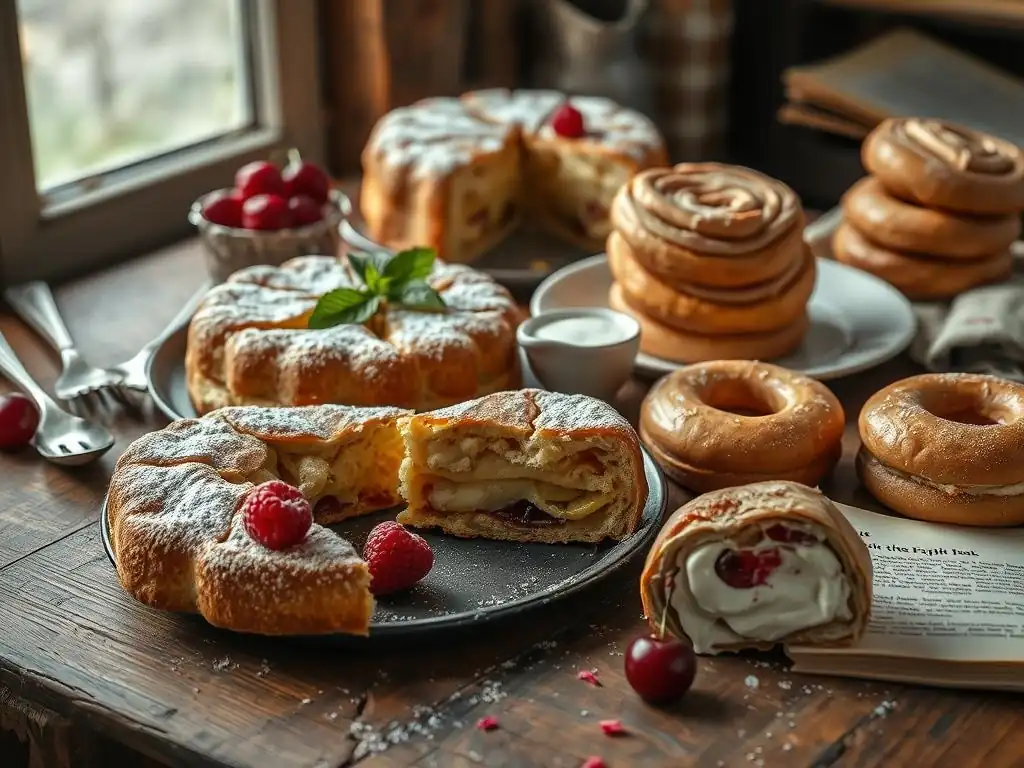
Sour cream's magic isn't confined to cakes; it's also a celebrated ingredient in various Eastern European pastries. From tender doughs to creamy fillings, sour cream adds richness, moisture, and that characteristic tangy balance that elevates these treats. Its versatility makes it suitable for both yeast-leavened doughs, adding tenderness, and simple cookie doughs, ensuring a soft interior. Exploring these pastries offers a broader perspective on how sour cream is utilized across the region's diverse baking traditions.
Whether it's incorporated directly into the dough to make it pliable and rich, or used as a key component in a luscious filling, sour cream consistently improves the final product. These pastries, like their cake counterparts, often rely on straightforward techniques, making them accessible for home bakers. Let's look at some examples of Eastern European pastries where sour cream plays a starring role.
Czech Kolaches: Traditional Fruit-Filled Pastries
Czech Kolaches (or Koláče) are delightful, soft, yeast-leavened pastries with a central indentation filled with various sweet fillings. While many recipes exist, incorporating sour cream into the dough is a popular method to achieve a tender, rich texture that is distinct from a plain bread dough. This addition makes the dough easier to handle and results in a pastry that stays soft longer, a key characteristic of a good Kolache.
The dough for Kolaches is typically enriched with eggs and butter, and the addition of sour cream further enhances its richness and creates a finer crumb. This makes the pastry base the perfect complement to the sweet, often slightly tart, fillings. Kolaches are a staple in Czech bakeries and homes, especially for celebrations, and making them at home is a rewarding baking project that showcases the benefits of sour cream in yeast doughs.
Making the Sour Cream Dough for Kolaches
Creating a tender sour cream dough for Kolaches involves combining standard yeast dough ingredients with full-fat sour cream. The process usually starts with activating the yeast in warm milk with a little sugar. Then, softened butter, eggs, sugar, salt, and the sour cream are mixed together before gradually adding flour. The sour cream's fat and acidity contribute to a dough that is incredibly pliable and easy to knead, whether by hand or with a stand mixer.
The acidity in the sour cream also helps condition the gluten, resulting in a dough that is less tough and more extensible. After kneading until smooth and elastic, the dough is typically allowed to rise in a warm place until doubled in size, which might take slightly longer due to the richness of the dough compared to a lean bread dough. Punching down and a second shorter rise can further improve the texture, leading to exceptionally soft Kolaches after baking.
Popular Kolache Fillings: A Taste of Eastern Europe
The charm of Kolaches lies not only in their tender sour cream dough but also in the variety of traditional fillings used. Three classic fillings reign supreme: poppy seed ( maková náplň), farmer's cheese ( tvarohová náplň), and fruit ( ovocná náplň), most commonly plum jam ( povidla) or apricot. The poppy seed filling is rich and slightly bitter-sweet, often flavored with rum or lemon zest.
The farmer's cheese filling, perhaps the most common, is made from tvaroh (Czech farmer's cheese), sugar, egg yolk, sometimes raisins, and often a spoonful of sour cream or melted butter for creaminess. This filling is tangy and slightly crumbly but moist. Fruit fillings are typically made from thick jams or cooked fresh fruit thickened with breadcrumbs or pudding mix. The contrast between the soft, slightly tangy sour cream dough and these sweet or tart fillings is what makes Kolaches so uniquely delicious.
Polish Ammoniaki are simple, old-fashioned cookies known for their slightly crisp exterior and wonderfully soft, almost cakey interior. Traditionally leavened with baker's ammonia (ammonium carbonate), they get their characteristic texture and a subtle tang from the addition of sour cream. These are not your typical crisp butter cookies; they are designed to be tender and moist, making them perfect for dunking in tea or coffee.
Sour cream is essential in Ammoniaki recipes because it provides the necessary moisture and fat content to achieve the desired softness. Without it, the cookies would likely be much drier and less tender. The slight acidity also interacts with the baker's ammonia (or baking powder/soda if substituted), contributing to the cookie's rise and delicate crumb structure. They are a testament to how simple ingredients, including sour cream, can create truly memorable baked goods.
Variations of Eastern European Sour Cream Cookies
While Ammoniaki are a specific example, many other Eastern European cookie recipes utilize sour cream to achieve a soft, tender texture. These often vary in shape, flavorings, and leavening agents. Some recipes create simple drop cookies, while others involve rolling out the dough and cutting shapes, like squares or diamonds.
Flavor variations for sour cream cookies often include lemon zest, orange zest, or a generous amount of vanilla extract. Some recipes might incorporate a touch of almond extract. While baker's ammonia provides a unique lift and slight crispness (which dissipates during baking), modern recipes often substitute baking powder and baking soda for convenience, resulting in a slightly different but still soft texture. Simple finishes like a dusting of powdered sugar or a light sugar glaze are common, allowing the rich, tender cookie itself to be the star.
Hungarian Sour Cream Strudel (Réteges Túrós): A Layered Masterpiece
Hungarian Réteges Túrós Rétes is a layered pastry filled with a creamy mixture of túró (Hungarian farmer's cheese) and sour cream. While traditional strudel involves stretching dough paper-thin, Réteges Rétes often uses layers of a richer dough, sometimes similar to phyllo or a simple yeast dough, layered with the luscious filling. Sour cream is absolutely critical to the filling, providing moisture, creaminess, and a distinctive tang that balances the sweetness.
This type of strudel is a beloved dessert in Hungary, offering a comforting combination of soft, creamy filling and delicate pastry layers. The sour cream ensures the túró filling remains moist and spreadable before baking and transforms into a smooth, rich layer inside the finished pastry. It's a wonderful example of sour cream being used not just in doughs or batters, but as a primary component of a luxurious filling.
Understanding the Layers of Flavor in Hungarian Sour Cream Strudel
The flavor profile of Hungarian Sour Cream Strudel is built on the interplay between the pastry layers and the rich filling. The dough layers, often brushed with melted butter between stacking, become slightly crisp and flaky during baking, providing a textural contrast to the soft interior. Sometimes, a thin layer of breadcrumbs is sprinkled on the dough before adding the filling; these breadcrumbs absorb excess moisture from the filling, preventing the bottom layer from becoming soggy and adding another subtle texture layer.
The filling itself is a harmonious blend of the slightly crumbly, tangy túró cheese and smooth, rich sour cream, typically sweetened with sugar and flavored with vanilla, lemon zest, or raisins. The sour cream melts into the túró during baking, creating a unified, creamy layer with a delightful tang that cuts through the richness of the cheese and butter. This balance of textures and flavors is what makes Réteges Túrós Rétes such a cherished Hungarian dessert.
Tips and Tricks for Baking with Sour Cream Like a Pro
Baking with sour cream is generally straightforward, but a few key tips can help you achieve the best possible results, whether you're tackling easy sour cream cake recipes or more complex pastries. Understanding how sour cream behaves and how to incorporate it correctly will ensure your baked goods are consistently moist, tender, and flavorful.
Choosing the Right Sour Cream: Fat Content Matters
When baking, the type of sour cream you choose can significantly impact the outcome. Full-fat sour cream, typically containing 18-20% milk fat, is generally recommended for most baking applications. The higher fat content contributes to a richer flavor, adds more moisture, and helps create a more tender crumb. It also tends to be more stable when heated, reducing the risk of curdling in batters or fillings.
While light or reduced-fat sour cream (often around 5-10% fat) might seem like a healthier alternative, it contains more water and less fat. This can result in baked goods that are less rich, potentially drier, and may not be as tender. Reduced-fat versions can also sometimes curdle more easily under heat.
Unless a specific recipe calls for it, stick to full-fat sour cream for optimal flavor and texture in your easy sour cream cake recipes and other bakes. Crème fraîche, a cultured cream with an even higher fat content (around 30%), can sometimes be used as a richer substitute, though its tang is usually milder.
Incorporating Sour Cream for Optimal Results: Mixing Techniques
Properly incorporating sour cream into your batter or dough ensures even distribution of moisture and fat, leading to a uniform texture. For most cake and muffin recipes using the creaming method (where butter and sugar are beaten together), sour cream is typically added along with the eggs and other wet ingredients after the initial creaming. Ensure the sour cream is at room temperature before adding it. Cold sour cream can chill the butter, causing it to seize up and resulting in a lumpy batter or dough.
When adding sour cream to dry ingredients, such as in some quick bread or biscuit recipes, mix until just combined. Overmixing once flour is added, especially in combination with the acidity of sour cream, can potentially contribute to tougher results by developing gluten more readily. Gentle mixing is key to maintaining a tender crumb. For yeast doughs, sour cream is usually added with the other wet ingredients during the initial mixing phase, contributing to a softer, more pliable dough.
Storing Your Sour Cream Baked Goods: Maintaining Freshness
One of the benefits of using sour cream in baking is that it often helps baked goods stay moist and fresh for longer periods compared to those made without it. Cakes like Smetannik or Pryanik, which are soaked or inherently moist due to sour cream and other ingredients, often improve in texture after a day or two when stored properly.
For cakes and pastries without perishable fillings (like cream cheese or fresh fruit), airtight storage at room temperature is usually sufficient for 2-3 days. A cake dome or a container with a tight-fitting lid works well. If your sour cream baked goods contain cheese fillings (like Sernik or Kolaches with cheese filling) or fresh cream components, refrigeration is necessary.
Store them in an airtight container in the refrigerator for up to 4-5 days. To prevent them from drying out in the fridge, sometimes adding a slice of bread or a piece of parchment paper can help absorb excess moisture or maintain humidity. For longer storage, many sour cream baked goods, if well-wrapped, can be frozen.
Mastering Eastern European Sour Cream Cake Recipes: A Summary
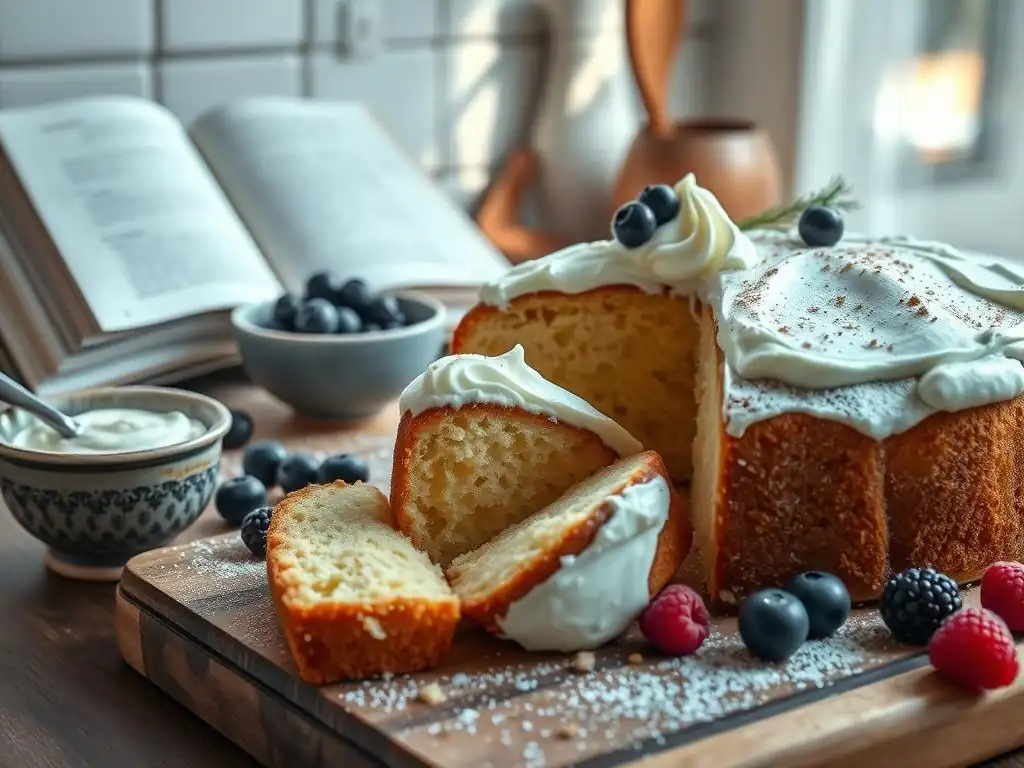
Exploring Eastern European sour cream cake recipes and pastries reveals a rich tradition where this humble dairy product plays a transformative role. From adding a balancing tang to enhancing moisture and creating incredibly tender textures, sour cream is a secret weapon in the baker's arsenal. We've seen how it's integral to classic cakes like Smetannik and Pryanik, vital in cheesecakes like Polish Sernik, and essential for the soft doughs and creamy fillings of pastries like Czech Kolaches and Hungarian Strudel.
Mastering these recipes isn't about complex techniques; it's about understanding the simple yet powerful effect of sour cream. By choosing the right type, incorporating it correctly, and storing your creations with care, you can easily replicate the comforting, delicious flavors of Eastern European baking in your own kitchen. Whether you're a beginner looking for easy sour cream cake recipes or an experienced baker expanding your repertoire, the world of sour cream magic awaits.
Embrace the Tang: Your Journey into Sour Cream Baking Begins Now!
You've learned about the incredible versatility of sour cream in Eastern European baking, from its role in creating moist, tender cakes to its contribution to rich, flavorful pastries. You've explored classic easy sour cream cake recipes like Smetannik, Sernik, and Pryanik, and discovered how it enhances beloved pastries such as Kolaches and Hungarian Strudel. Armed with tips on choosing and using sour cream, you are now ready to embark on your own baking adventure.
Don't hesitate to try these recipes. The results – cakes and pastries with exceptional moisture, tenderness, and a beautifully balanced flavor – are well worth the effort. Sour cream baking is approachable, rewarding, and offers a delicious taste of Eastern European heritage. So grab your whisk, your sour cream, and get ready to bake something truly magical. Your journey into mastering easy sour cream cake recipes and beyond starts today!
Frequently Asked Questions
What makes sour cream a special ingredient in baking?
Sour cream adds moisture and richness to baked goods, creating a tender crumb and a slight tang. It also helps to activate baking soda, resulting in a lighter texture.
Are sour cream cakes more difficult to make than regular cakes?
Not at all! BakeWithEase focuses on easy sour cream cake recipes that are accessible to all skill levels. The addition of sour cream often simplifies the process, making for a more forgiving batter.
What kinds of cakes and pastries commonly use sour cream in Eastern European cuisine?
Many traditional Eastern European recipes utilize sour cream. Popular examples include Smetannik (sour cream cake), Medovik (honey cake with sour cream frosting), and various types of cheesecake and quick breads.
Can I substitute Greek yogurt for sour cream in these recipes?
While Greek yogurt can be used as a substitute, the flavor and texture may differ slightly. It's best to use full-fat Greek yogurt and understand that the cake might be slightly less rich than with sour cream.
Where can I find detailed, step-by-step guides for baking sour cream cakes?
BakeWithEase.com provides simple recipes, techniques, and tips for mastering the art of baking sour cream cakes. Explore our website for easy-to-follow step-by-step guides and ingredient lists.
Final Reflection: The Enduring Sweetness of Sour Cream
The humble sour cream cake, a cornerstone of Eastern European baking, continues to resonate today, proving that simple ingredients can create extraordinary flavor and heartwarming memories. Its enduring popularity speaks volumes about the power of accessible recipes to connect generations and cultures, offering a comforting taste of home wherever you are.
The influence of these cakes extends far beyond the kitchen; they represent a tangible link to heritage and tradition. These recipes, passed down through families, whisper stories of grandmothers' kitchens and festive gatherings. They are more than just desserts; they are vessels of shared experiences and cultural identity. Food is symbolic of love when words are inadequate.
- Alan D. Wolfelt. This quote perfectly encapsulates the emotional weight these simple cakes carry.
Now, I invite you to explore the possibilities. Don't just bake a cake; bake a story. Experiment with variations, adapt the recipes to your own tastes, and share the joy of these easy sour cream cakes with loved ones. Let the sweet aroma fill your kitchen, and let the simple act of baking become a bridge connecting you to a rich culinary heritage and the enduring power of simple pleasures.
Unlock the Secrets of Eastern European Baking!
Thanks for joining us on this delicious journey through the world of Eastern European cakes and pastries! We hope you've discovered some new inspiration and perhaps even found your next baking adventure. Ready to get started?
- Try your hand at one (or more!) of the recipes featured in this article. Pick your favorite and let the baking begin!
- Share your baking creations on social media using #BakeWithEaseEasternEuropean. Let's see those stunning sour cream cakes!
- Challenge a friend to bake along with you! Double the fun (and the delicious treats).
What unique twist will you add to your next Eastern European baking masterpiece?