
Easy Japanese Cheesecake (Soufflé Style) at Home

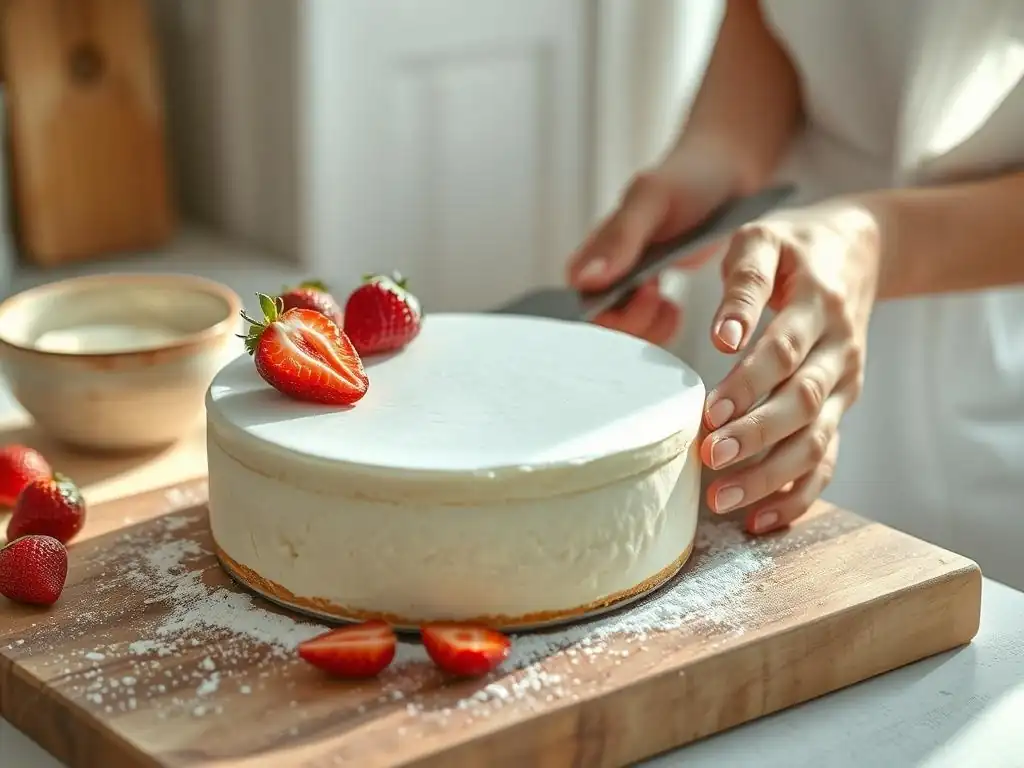
Welcome to BakeWithEase, where baking dreams become delicious realities! Ever wondered if you could create the light and airy perfection of a Japanese cheesecake in your own kitchen? Prepare to be amazed. We're diving into an easy Japanese cheesecake recipe for beginners, unlocking the secrets to this soufflé-style delight. Get ready to transform simple ingredients into a show-stopping dessert, and discover why this delicate treat is taking the baking world by storm. Ready to bake with ease?
- Easy Japanese Cheesecake (Soufflé Style) at Home - BakeWithEase
- Introduction to Japanese Cheesecake: A Light and Fluffy Delight
- Mastering the Key Ingredients for Your Easy Japanese Cheesecake Recipe
- Step-by-Step Guide: Baking Your Japanese Cheesecake with Ease
- Tips and Tricks for a Flawless Japanese Cheesecake
- Serving and Storing Your Homemade Japanese Cheesecake
- Variations and Adaptations of the Easy Japanese Cheesecake Recipe
- Conclusion: Enjoy Your Delicious and Easy Japanese Cheesecake
-
Frequently Asked Questions
- What makes this Japanese cheesecake recipe "easy" for beginners?
- What is the key difference between a Japanese cheesecake and a regular cheesecake?
- What ingredients are essential for achieving the signature "soufflé" texture in this cheesecake?
- Can I adapt this recipe to use different flavors or add-ins?
- What are some common mistakes beginners make when baking Japanese cheesecake, and how can I avoid them?
- Final Reflection: The Sweet Simplicity of Japanese Cheesecake Mastery
- Unlock Your Inner Pastry Chef: Master the Japanese Cheesecake!
Easy Japanese Cheesecake (Soufflé Style) at Home - BakeWithEase
Introduction to Japanese Cheesecake: A Light and Fluffy Delight
What is Japanese Cheesecake and Why is it So Popular?
Japanese cheesecake, often referred to as cotton cheesecake or soufflé cheesecake, is a dessert that stands in delightful contrast to its dense, New York-style cousin. Originating in Japan, this cake is celebrated for its incredibly light, airy, and jiggly texture, achieved primarily through the method of incorporating whipped egg whites, similar to a soufflé. Unlike traditional cheesecakes that rely heavily on cream cheese and often a crust, the Japanese version uses a smaller amount of cream cheese and relies on the leavening power of meringue.
This results in a cake that is less rich, less sweet, and melts in your mouth, offering a delicate flavor profile that has captivated dessert lovers worldwide. Its unique texture and elegant simplicity contribute significantly to its global popularity.
The appeal of this particular dessert lies not just in its ethereal texture but also in its relatively simple ingredient list. While the technique requires precision, the components are standard pantry staples like cream cheese, eggs, sugar, milk, and flour.
This accessibility, combined with the impressive visual appeal of a perfectly baked, tall, and jiggly cake, makes it a sought-after recipe for home bakers. It's a dessert that feels special and sophisticated, yet with the right guidance – like an easy Japanese cheesecake recipe for beginners – it is entirely achievable in a home kitchen, offering a rewarding baking experience and a truly unique treat.
BakeWithEase's Simplified Approach to Soufflé Style Cheesecake
At BakeWithEase, we believe that baking should be a joyful and accessible experience for everyone, including tackling what might seem like complex recipes. Our easy Japanese cheesecake recipe is designed specifically with beginners in mind, breaking down the process into manageable steps to demystify the soufflé technique.
We focus on clear instructions for crucial stages, such as properly whipping egg whites to stiff peaks and gently folding them into the batter, which are key to achieving that signature airy texture. We also provide guidance on controlling baking temperature and using a water bath, essential elements for preventing cracks and ensuring even cooking without overbaking.
Our simplified approach emphasizes precision in technique over complicated ingredients or equipment. For instance, we provide tips on ingredient temperatures and mixing methods that minimize the chances of deflating the delicate batter. We focus on the 'why' behind each step – explaining why a water bath is necessary for this soufflé cheesecake recipe or why gentle folding is crucial.
This educational approach empowers beginners not just to follow instructions but to understand the science behind the bake, building confidence and skills. By following our easy Japanese cheesecake recipe beginners can confidently create a stunning and delicious soufflé cheesecake at home.
Mastering the Key Ingredients for Your Easy Japanese Cheesecake Recipe
Essential Ingredients: Cream Cheese, Eggs, Sugar, and Lemon Juice
The foundation of any great Japanese cheesecake lies in using the right core ingredients at their optimal state. Cream cheese provides the necessary richness and tang; for the best results, use full-fat block cream cheese, not the spreadable kind from a tub, as it contains stabilizers that can affect the texture. Ensure your cream cheese is softened to room temperature, which is typically achieved by letting it sit out for 1-2 hours, allowing it to cream smoothly without lumps.
Eggs are perhaps the most critical component for the soufflé texture; they must be separated into yolks and whites. Room temperature eggs whip up to a greater volume and create a more stable meringue, crucial for the cake's lift.
Granulated sugar plays a dual role: sweetening the cake and stabilizing the whipped egg whites. It's often added gradually to the egg whites during whipping to create a glossy, stable meringue. The amount of sugar can be adjusted slightly to taste, but reducing it too much can impact the meringue's structure.
Lemon juice or zest is a common addition, providing a subtle acidity that brightens the flavor and cuts through the richness of the cream cheese. Just a teaspoon or two can make a significant difference. Using good quality ingredients is paramount for this easy Japanese cheesecake recipe beginners will find that starting with the best components simplifies the process and improves the final outcome.
Ingredient Substitutions: Using Greek Yogurt or Different Sweeteners
While the classic easy Japanese cheesecake recipe relies on specific ingredients for its unique texture, some substitutions can be explored with careful consideration. For a slightly tangier and potentially lower-fat version, a portion (perhaps up to one-third) of the cream cheese could theoretically be replaced with thick Greek yogurt, strained overnight to remove excess moisture.
However, this substitution can significantly alter the texture, potentially making it less airy and more prone to cracking, so it's not recommended for beginners attempting this soufflé style cheesecake for the first time. The high protein and lower fat content of yogurt behave differently than cream cheese when heated.
Regarding sweeteners, while granulated sugar is standard for stabilizing meringue, alternatives like superfine sugar dissolve more quickly, which can be helpful. Liquid sweeteners like honey or maple syrup are generally not suitable for the meringue as they can prevent the egg whites from whipping properly. For the cream cheese mixture, some recipes might experiment with a small amount of powdered sugar for smoothness, but granulated sugar is typically sufficient.
If you are looking for a sugar-free option, some bakers have experimented with erythritol or xylitol, but these can also impact the texture and browning, and xylitol is toxic to pets. For a reliable easy Japanese cheesecake recipe beginners should stick to granulated sugar initially before experimenting.
Step-by-Step Guide: Baking Your Japanese Cheesecake with Ease
Preparing the Baking Pan: The Water Bath Technique Explained
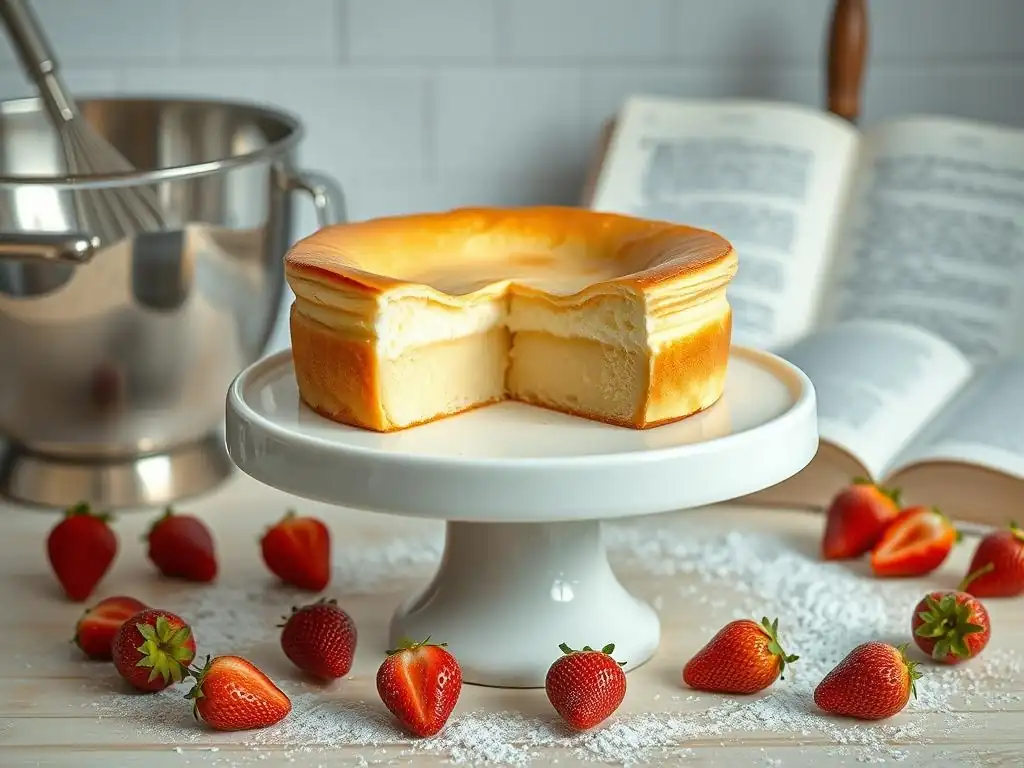
The water bath (bain-marie) is absolutely essential for baking a soufflé style Japanese cheesecake. This technique involves placing the cake pan inside a larger pan filled with hot water.
The water bath serves two critical purposes: it provides gentle, even heat to the sides and bottom of the cake, preventing the edges from setting and cracking before the center is cooked, and it adds moisture to the oven environment, which helps the cake rise evenly and prevents the top from drying out and cracking. Without a water bath, this easy Japanese cheesecake recipe would likely result in a dense, unevenly baked cake with significant cracks.
To prepare your pan, you'll typically use a round springform pan, often 6 or 7 inches in diameter for a taller cake, or 8 or 9 inches for a slightly shorter one. Grease the sides and bottom, then line the bottom with parchment paper. For a springform pan, it is crucial to wrap the outside securely with heavy-duty aluminum foil (at least 2-3 layers) to prevent water from seeping in during the water bath.
Place the wrapped cake pan inside a larger roasting pan or baking dish that is deep enough to hold about 1-2 inches of water. You will add the hot water after placing the pan in the oven with the batter, to avoid spills. This careful preparation is a key step in achieving a perfect outcome for your easy Japanese cheesecake recipe beginners should not skip this step.
Making the Batter: A Beginner-Friendly Guide
Creating the perfect batter for this soufflé cheesecake involves two main components: the cream cheese base and the meringue. First, you'll gently heat the cream cheese, milk, butter, and a small amount of flour or cornstarch together until smooth. This step is often done over a low heat or in a double boiler to ensure the cream cheese mixture is lump-free and warm, which helps when incorporating the egg yolks.
Once smooth, remove from heat and whisk in the egg yolks one by one, followed by any flavorings like lemon juice or vanilla extract. The mixture should be smooth and pourable.
Whipping the Egg Whites: Achieving Stiff Peaks
Whipping the egg whites correctly is perhaps the most critical step in any easy Japanese cheesecake recipe for beginners. Start with clean, dry equipment, as any trace of fat or moisture can prevent the whites from whipping properly. Whip the room-temperature egg whites on medium speed until they start to become frothy. Gradually add the sugar in 2-3 additions, continuing to whip.
Increase the speed to medium-high and whip until stiff, glossy peaks form. Stiff peaks mean that when you lift the whisk, the peaks stand straight up without drooping. Be careful not to overwhine, as this can cause the meringue to become dry and difficult to fold.
Combining the Ingredients: A Gentle Fold is Key
Once your cream cheese base and stiff meringue are ready, it's time to combine them. This step requires a gentle hand to avoid deflating the airy meringue. Take about one-third of the whipped egg whites and fold them into the cream cheese mixture using a spatula. Use a cutting motion, sweeping the spatula down through the center and scooping up the mixture from the bottom, turning it over the top. Rotate the bowl as you fold.
This initial addition lightens the cream cheese mixture, making it easier to incorporate the remaining meringue. Add the second third of the meringue and repeat the gentle folding process. Finally, add the last portion and continue folding until no streaks of white remain and the batter is homogenous and airy. Overmixing will deflate the batter, resulting in a dense cake, so be patient and gentle.
Baking to Perfection: Time and Temperature for a Fluffy Result
Baking a soufflé style cheesecake requires a specific temperature profile to ensure it cooks through evenly without cracking or becoming tough. The most common method involves starting at a slightly higher temperature for a short period to give the cake a quick lift, then significantly reducing the temperature to allow it to bake gently and slowly in the water bath.
For example, you might bake at 160-170°C (325-340°F) for the first 15-20 minutes, then reduce the temperature to a low 120-130°C (250-265°F) for the remaining 60-75 minutes, or even longer depending on the size of the cake. The exact time will vary based on your oven and the size of your pan.
The low, slow baking in the water bath ensures the internal temperature of the cake rises gradually, allowing the proteins to set without becoming rubbery and preventing the surface from overcooking before the center is done. The cake is typically ready when the edges are set but the center still has a slight wobble. You can also use a skewer inserted near the center (but not exactly in the middle) – it should come out with moist crumbs attached, not completely clean like a regular cake.
An internal thermometer should read around 75-80°C (165-175°F). Mastering the time and temperature is key to this easy Japanese cheesecake recipe beginners should trust the low and slow process.
Cooling and Demolding: Preventing Cracks and Collapses
Cooling is a critical, often overlooked, step in preventing your beautiful soufflé cheesecake from cracking or collapsing. Once baked, turn off the oven but leave the oven door slightly ajar (you can prop it open with a wooden spoon) and let the cake cool gradually inside the water bath in the oven for at least 60-90 minutes. This slow cooling prevents a sudden temperature shock, which is a primary cause of cracks and significant shrinkage. The cake will deflate slightly as it cools – this is normal for a soufflé-style cake.
After the initial slow cool-down in the oven, carefully remove the pan from the water bath and place it on a wire rack to cool completely to room temperature. This can take another 2-3 hours. Do not attempt to demold the cake while it is warm. Once completely cool, you can run a thin knife or offset spatula around the edge of the pan before releasing the springform sides.
If you lined the sides with parchment, peeling that away will be easy. For the cleanest slices, chill the cheesecake in the refrigerator for at least 4 hours, preferably overnight, before cutting. Patience during cooling is vital for a perfect easy Japanese cheesecake recipe beginners will find this step worth the wait.
Tips and Tricks for a Flawless Japanese Cheesecake
Troubleshooting Common Japanese Cheesecake Problems
Even with an easy Japanese cheesecake recipe, beginners might encounter a few hiccups. One common issue is cracking on the surface. This is often caused by baking at too high a temperature, overbaking, or cooling too quickly. Ensure your oven temperature is accurate (an oven thermometer helps!) and follow the low-and-slow baking method with the water bath. Overmixing the batter can also lead to a less stable structure prone to cracking.
Another problem is significant shrinkage or collapse. While some deflation is normal, excessive shrinkage can result from underbaking or cooling too rapidly. Ensure the cake is properly cooked through and follow the slow cooling process inside the turned-off oven. If the cake is dense, it's likely due to deflated meringue, either from under-whipping the egg whites or folding them too vigorously into the batter. Practice makes perfect with the gentle folding technique.
Secrets to Achieving the Perfect Soufflé Texture
Achieving that signature jiggly, airy soufflé texture is the ultimate goal of this easy Japanese cheesecake recipe. The secret lies primarily in the meringue and how it's handled. Using room-temperature egg whites allows them to whip to maximum volume. Ensure your equipment is grease-free. Whip the whites until they reach stiff but not dry peaks – they should hold their shape firmly.
Overwhipped meringue becomes granular and difficult to fold in smoothly, leading to a less uniform texture. The folding process is equally critical; be gentle but thorough. You want to incorporate the meringue fully without knocking out all the air. Think of it as coaxing the mixtures together rather than beating them.
Using High-Quality Cream Cheese
The quality of your main ingredients significantly impacts the final taste and texture. For this soufflé style cheesecake, using a good quality, full-fat block cream cheese is highly recommended. Cheaper cream cheeses or those in tubs may contain more water or stabilizers that can affect the emulsification and overall structure of the cake.
A premium cream cheese will provide a richer, smoother base that contributes to the melt-in-your-mouth quality of the finished product. While it might be slightly more expensive, the difference in taste and texture is noticeable and worth the investment for a truly exceptional easy Japanese cheesecake recipe beginners will taste the difference.
Avoiding Overbaking
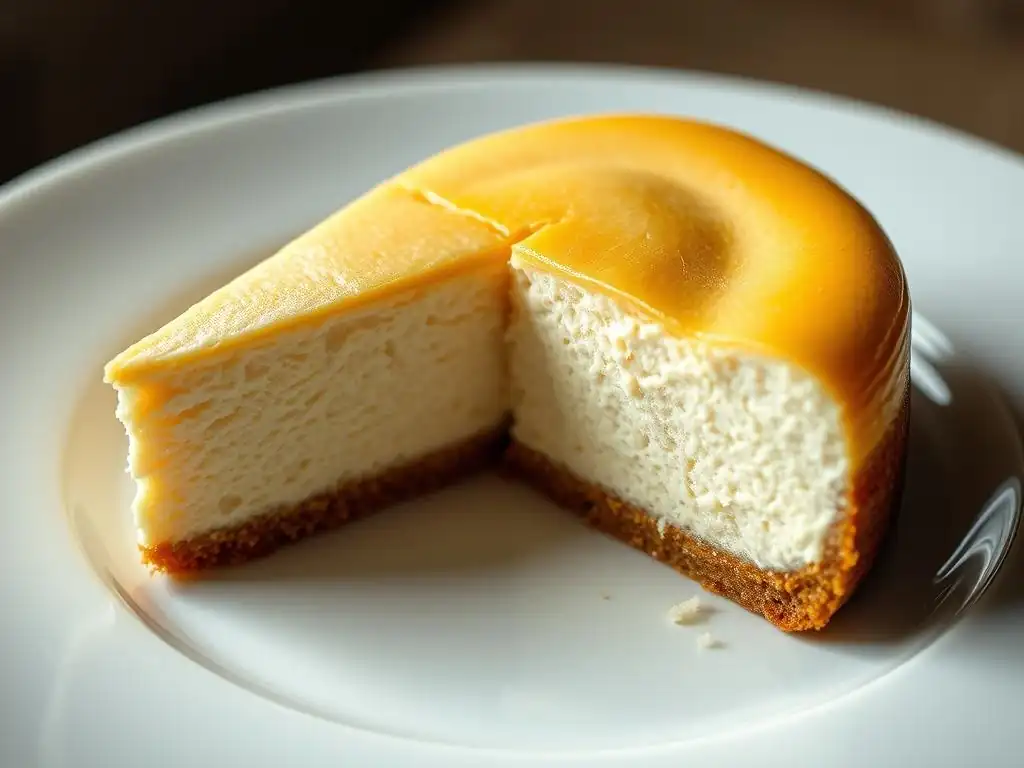
Overbaking is a common pitfall that can ruin the delicate texture of a Japanese cheesecake. An overbaked cake will be dry, potentially tough, and less likely to have that characteristic jiggly center. It can also increase the likelihood of cracking. Pay close attention to the baking time and visual cues.
The cake should look set around the edges but still slightly wobbly in the center. Using an internal thermometer is the most reliable method; aim for that 75-80°C (165-175°F) range. Remember that the cake will continue to cook slightly from residual heat as it cools. When in doubt, it's better to slightly underbake and rely on the residual heat during the slow cooling process to finish cooking.
Allowing Gradual Cooling
As mentioned earlier, gradual cooling is non-negotiable for preventing cracks and excessive shrinkage in a soufflé cheesecake. The sudden change from the hot oven environment to cooler room temperature causes the cake to contract too quickly, leading to structural issues. By allowing the cake to cool slowly inside the turned-off oven with the door ajar, you minimize this temperature shock.
This gives the cake's structure time to stabilize gently as it cools. Rushing this step by taking the cake out of the oven immediately can undo all the careful work you put into whipping the meringue and baking it perfectly. Patience is truly a virtue when making this easy Japanese cheesecake recipe for beginners.
Serving and Storing Your Homemade Japanese Cheesecake
Serving Suggestions: Enhancing the Flavor and Presentation
A perfectly baked easy Japanese cheesecake is delicious on its own, served plain to appreciate its unique texture and subtle flavor. However, you can enhance the experience with simple accompaniments. A light dusting of powdered sugar just before serving adds a touch of sweetness and an elegant finish.
Fresh berries, such as strawberries, blueberries, or raspberries, provide a lovely contrast in color and a burst of fresh, slightly tart flavor that complements the creamy cake beautifully. A dollop of lightly sweetened whipped cream is another classic pairing that adds extra richness and a cloud-like feel. For a more sophisticated touch, a light fruit coulis (like raspberry or mango) drizzled over the plate or a slice of cake can elevate the presentation and add another layer of flavor.
Storing Leftovers: Keeping Your Cheesecake Fresh and Delicious
Proper storage is key to keeping your homemade Japanese cheesecake fresh and maintaining its delightful texture. Once the cake has completely cooled to room temperature, it should be stored in an airtight container in the refrigerator. This prevents it from drying out and absorbing odors from other foods. When stored correctly, the cheesecake will keep well in the refrigerator for 3-4 days. The texture might become slightly firmer when chilled, but it will still be wonderfully moist and flavorful.
For longer storage, Japanese cheesecake can be frozen. Wrap individual slices or the whole cake tightly in plastic wrap, then in aluminum foil, and place in a freezer-safe container or bag. Frozen cheesecake can last for 1-2 months. Thaw frozen cheesecake in the refrigerator overnight before serving to preserve its texture.
Variations and Adaptations of the Easy Japanese Cheesecake Recipe
Chocolate Japanese Cheesecake: A Decadent Twist
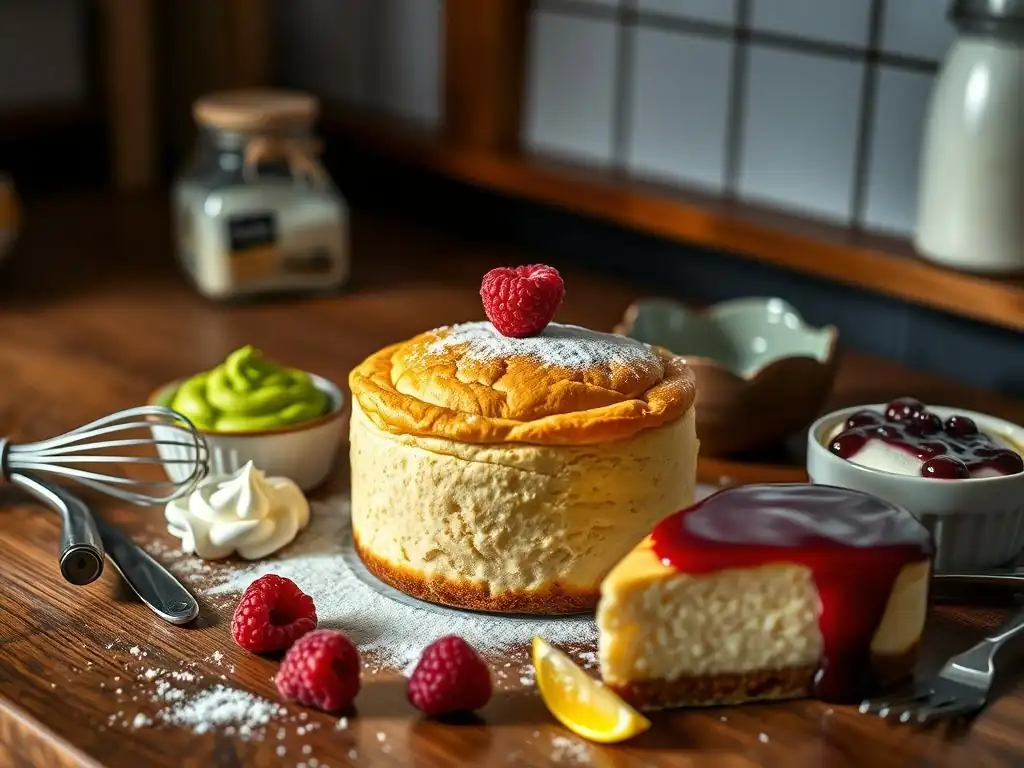
Adapting the easy Japanese cheesecake recipe to include chocolate adds a rich, decadent dimension while still maintaining some of the signature lightness. This variation typically involves melting good quality dark or milk chocolate and incorporating it into the warm cream cheese base mixture before adding the egg yolks. The amount of chocolate can be adjusted based on desired intensity, but starting with around 50-100 grams of melted chocolate for a standard recipe is a good starting point.
You might also add a tablespoon or two of cocoa powder sifted with the flour for a deeper chocolate flavor. The technique remains the same – incorporating whipped egg whites gently – but the resulting cake has a beautiful brown hue and a delightful chocolatey taste alongside the creamy texture.
Matcha Japanese Cheesecake: A Subtle and Earthy Flavor
Matcha, finely ground green tea powder, is a popular flavor in Japanese desserts and makes a wonderful addition to this soufflé cheesecake. Matcha adds a unique, slightly earthy, and subtly bitter note that balances the sweetness of the cake. To create a Matcha Japanese cheesecake, you'll typically whisk 1-2 tablespoons of high-quality culinary grade matcha powder with a small amount of hot milk or water to create a smooth paste, ensuring no lumps.
This paste is then incorporated into the warm cream cheese base mixture along with the flour. The rest of the recipe follows the standard procedure. The result is a beautifully vibrant green cake with a distinct, sophisticated flavor profile that is a favorite among those who enjoy the taste of green tea.
Strawberry Swirl Japanese Cheesecake
Adding a fruit swirl is a simple yet visually stunning way to adapt the easy Japanese cheesecake recipe. A strawberry swirl introduces pockets of sweet and slightly tart fruit flavor throughout the light cheesecake. To create a strawberry swirl, you can make a simple strawberry sauce or compote by cooking down fresh or frozen strawberries with a little sugar and lemon juice until thickened, then letting it cool completely.
Once the cheesecake batter is ready and poured into the prepared pan, dollop spoonfuls of the cooled strawberry sauce over the top of the batter. Then, use a skewer or knife to gently swirl the sauce through the batter, being careful not to overmix and deflate the cake. The baking process remains the same, resulting in a beautiful marbled effect and bursts of fruity flavor in every bite.
Conclusion: Enjoy Your Delicious and Easy Japanese Cheesecake
You've done it! By following this easy Japanese cheesecake recipe beginners have successfully created a delicate, airy, and utterly delicious soufflé style cheesecake right in your own kitchen. From mastering the gentle art of meringue folding to understanding the crucial water bath technique and patient cooling process, each step contributes to that unique, melt-in-your-mouth texture that makes this dessert so special. It might seem intimidating at first glance, but with clear guidance and attention to detail, it's a baking project that is incredibly rewarding.
BakeWithEase: Your Partner in Baking Success
At BakeWithEase, our goal is to empower you to explore the wonderful world of baking with confidence and joy. This easy Japanese cheesecake recipe for beginners is just one example of how we break down techniques and provide helpful tips to make even seemingly complex desserts accessible. We believe that everyone can be a successful baker, and we are here to provide the recipes, knowledge, and encouragement you need.
Whether you're tackling your first soufflé cheesecake or perfecting another classic, BakeWithEase is your trusted resource for making baking easy, fun, and delicious. Keep baking, keep experimenting, and most importantly, keep enjoying the process and the delightful results!
Frequently Asked Questions
What makes this Japanese cheesecake recipe "easy" for beginners?
This recipe focuses on simple steps and commonly available ingredients, avoiding complex techniques often found in other Japanese cheesecake recipes. The instructions are designed to be clear and concise for baking newcomers.
What is the key difference between a Japanese cheesecake and a regular cheesecake?
Japanese cheesecake, also known as soufflé cheesecake, has a lighter and airier texture compared to traditional cheesecake. This is achieved through whipping egg whites and carefully controlling the baking process for a soufflé-like rise.
What ingredients are essential for achieving the signature "soufflé" texture in this cheesecake?
The most crucial ingredients are egg whites which need to be whipped to stiff peaks, and the correct oven temperature to ensure a gentle rise and prevent cracking.
Can I adapt this recipe to use different flavors or add-ins?
While this recipe focuses on a classic flavor, you can experiment with small amounts of extracts like vanilla or lemon. However, be careful adding ingredients that could affect the delicate batter consistency.
What are some common mistakes beginners make when baking Japanese cheesecake, and how can I avoid them?
Common mistakes include overbaking, which leads to a dry cheesecake, and opening the oven door prematurely, which can cause it to collapse. Carefully follow the baking time and resist the urge to peek!
Final Reflection: The Sweet Simplicity of Japanese Cheesecake Mastery
The pursuit of the perfect Japanese cheesecake, once a daunting culinary feat, is now surprisingly accessible. This recipe demystifies the process, proving that achieving that ethereal, melt-in-your-mouth texture is within everyone's reach, regardless of baking experience. No longer is this delicate dessert reserved for professional patissiers; it's a delightful challenge waiting to be conquered in your own kitchen.
The journey of mastering this recipe, for me, was less about the precise measurements and more about the quiet satisfaction of creating something beautiful and delicious. It's a testament to the power of simple ingredients transformed by careful technique. The process itself becomes a meditative experience, a mindful escape from the everyday. The best things in life are simple.
This rings especially true when considering the pure joy derived from sharing a slice of this heavenly cheesecake with loved ones.
Now, it's your turn. Don't be intimidated by the seemingly delicate nature of this recipe. Embrace the challenge, gather your ingredients, and embark on your own culinary adventure. The reward? Not just a delicious dessert, but a newfound confidence in your baking abilities and the satisfaction of creating something truly special. So, preheat your oven, and let the sweet journey begin!
Unlock Your Inner Pastry Chef: Master the Japanese Cheesecake!
Thanks for joining us on this delicious journey into the world of Japanese cheesecakes! We hope you now feel confident in tackling this seemingly delicate dessert. Ready to take your baking skills to the next level?
- Bake your own masterpiece! Use the recipe we've provided to create your own light-as-air Japanese soufflé cheesecake. Don't be afraid to experiment with flavors – what exciting additions will you try?
- Share your creation! Snap a picture of your finished cheesecake and post it on social media using #BakeWithEaseJapaneseCheesecake. Let's build a community of cheesecake enthusiasts!
- Dive deeper into our baking resources. Explore our website for more delicious recipes and helpful baking tips! You might even find inspiration for your next culinary adventure!
So, what unique twist will you add to your perfect Japanese cheesecake? Let's hear about it in the comments below!