
Master the Art of Simple British Scones

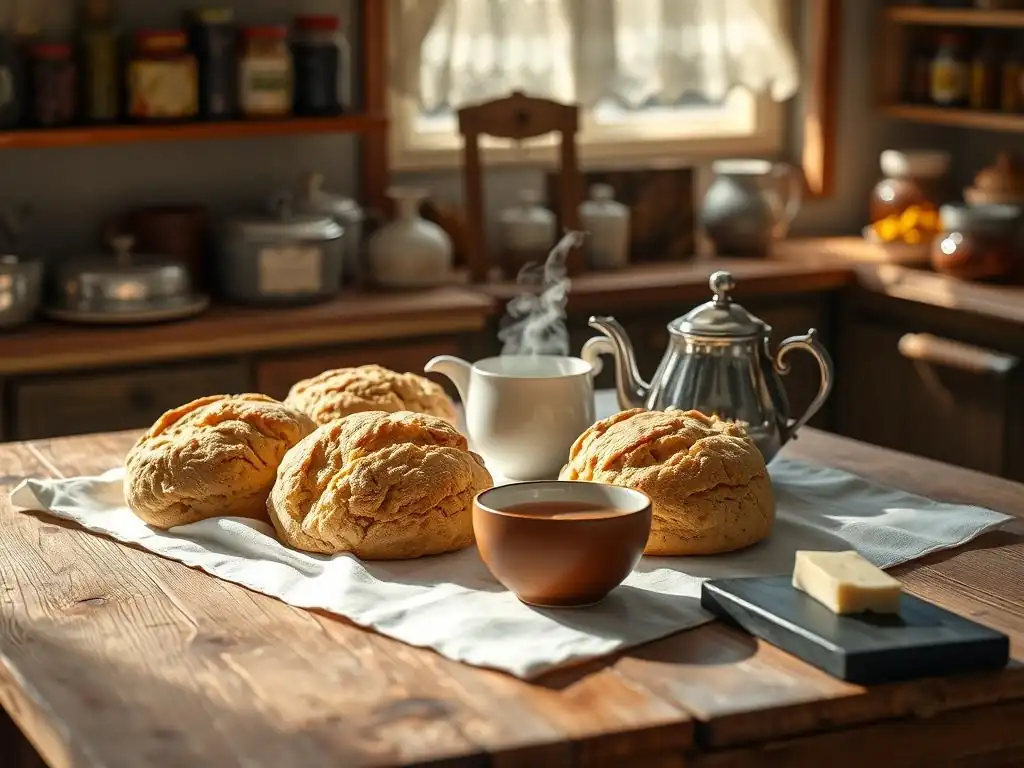
Welcome to BakeWithEase, your trusted guide to the delightful world of baking! Ever dreamt of serving up perfectly golden, melt-in-your-mouth scones? Then you're in the right place. Our latest article unveils an easy British scones recipe that will transform your afternoon tea experience. Get ready to unlock the secrets to light and fluffy scones, and discover why this classic treat is a beloved staple. What's the key ingredient to that perfect rise? Read on to find out!
- Classic British Scones: A Simple Recipe
- A Guide to Baking Perfect Scones
- What are Scones? Exploring a British Staple
- Ingredients and Equipment for British Scones
- Step-by-Step Scone Baking Guide
- Tips and Tricks for Perfect Scones
- Serving and Enjoying Your Scones
- Troubleshooting Common Scone Problems
- Printable Scone Recipe
- Explore More Baking Recipes
- Frequently Asked Questions
- Final Reflection: The Enduring Charm of a Simple Scone
- Unlock Your Inner Baker: Perfect Scones Await!
Classic British Scones: A Simple Recipe
A Guide to Baking Perfect Scones
Understanding This Classic British Bake
Baking classic British scones is a rewarding experience that yields tender, light treats perfect for afternoon tea. Unlike American biscuits, which are often savory and flaky due to layering, traditional British scones are slightly sweet, taller, and have a softer, more cake-like interior crumb, while still being light. Mastering an Easy British scones recipe means understanding the delicate balance between minimal handling and proper hydration to achieve that signature rise and tender texture.
These simple British scones are a staple in tearooms across the UK and are surprisingly straightforward to make at home. The key lies in using cold ingredients, working the dough as little as possible, and baking at a relatively high temperature. With just a few basic pantry items like flour, butter, milk, and a leavening agent, you can create delicious scones that are far superior to store-bought versions, making this an accessible project for bakers of all skill levels.
What are Scones? Exploring a British Staple
A Brief History of Scones
The scone has a history stretching back to Scotland, with early versions dating from the early 1500s. Originally, they were often made with oats and baked on a griddle, resembling more of a flatbread. The name is believed to derive from the Stone of Destiny (or Scone), where Scottish kings were crowned, or possibly from the Dutch word 'schoonbrood', meaning beautiful bread.
The scone as we know it today, baked in an oven with leavening agents, became popular in England during the 19th century, largely thanks to Anna, the Duchess of Bedford. She is credited with popularizing the concept of 'afternoon tea' around the 1840s, and scones quickly became an essential component of this social ritual, served with clotted cream and jam. This tradition solidified the scone's place as an iconic British baked good.
Scones vs. Biscuits: Key Differences
While both scones and biscuits are quick breads often made with similar base ingredients (flour, fat, liquid, leavening), their preparation methods, textures, and typical uses differ significantly, especially when comparing British scones to American biscuits. British scones are usually slightly sweet (though savory versions exist), mixed gently, cut thick, and aim for a tender, fluffy crumb with a good vertical rise. They are traditionally split horizontally and served with jam and clotted cream.
American biscuits, on the other hand, are typically savory and are often made using a technique where cold butter is cut into the flour, creating layers that result in a flaky texture upon baking. The dough is often folded multiple times to enhance flakiness. They are commonly served alongside meals, often with gravy or butter. Understanding these distinctions is crucial when attempting an Easy British scones recipe to achieve the desired authentic result.
Ingredients and Equipment for British Scones
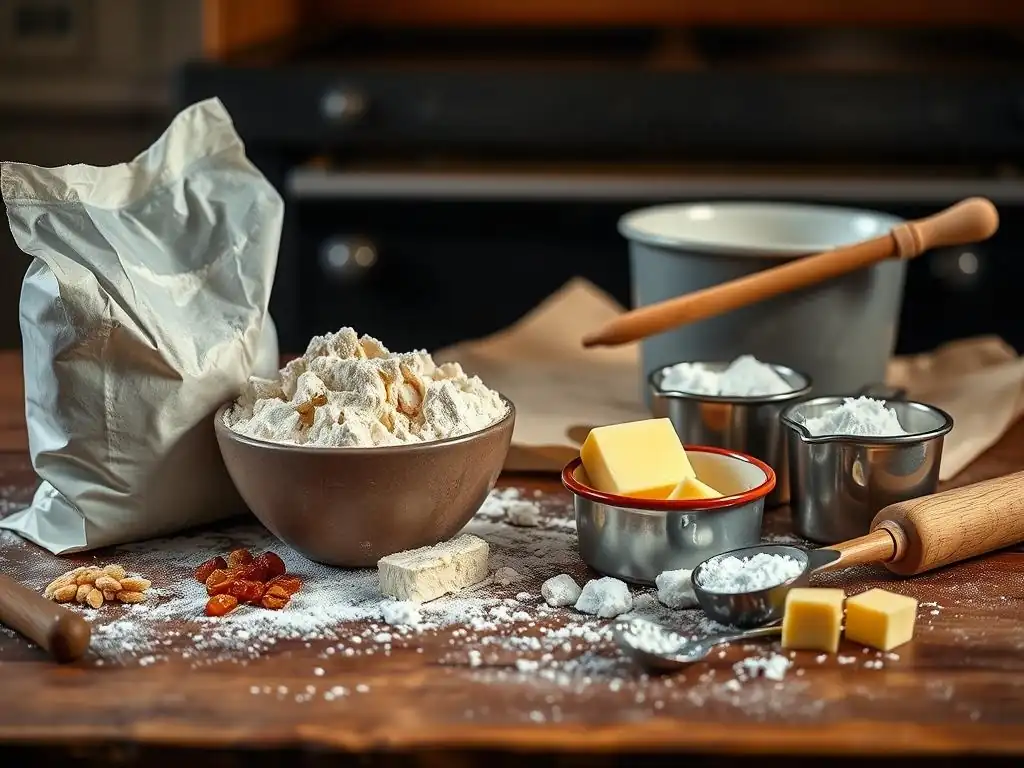
Essential Ingredients
Flour: Choosing the Right Type
For an Easy British scones recipe, self-raising flour is the most common choice in the UK. This flour already contains a mix of plain flour and baking powder, usually in a ratio that provides reliable lift. Using self-raising flour simplifies the process as you don't need to measure the leavening agent separately, which is perfect for beginners aiming for simple British scones.
If you don't have self-raising flour, you can easily substitute it by using plain or all-purpose flour and adding baking powder. A common ratio is about 2 teaspoons of baking powder per 150 grams (1 cup) of plain flour. Ensure the plain flour is unbleached for best results, as it often has a slightly higher protein content that can give structure without making the scones tough if handled gently.
Butter: Cold vs. Room Temperature
Using cold butter is absolutely crucial for achieving a good rise and tender crumb in your Easy British scones recipe. The cold butter is cut into small pieces and then "rubbed" into the flour mixture until it resembles coarse breadcrumbs. As the scones bake, these tiny pieces of cold butter melt, creating steam pockets within the dough.
This steam is what helps push the layers of dough apart, contributing significantly to the scone's rise and creating that desirable light texture. If you use butter that is too soft or melted, it will simply blend into the dough, resulting in flat, dense scones without the necessary lift. Aim for butter straight from the refrigerator, cut into small cubes.
Milk: Whole Milk or Buttermilk?
Whole milk is the most traditional liquid used in an Easy British scones recipe. The fat content in whole milk contributes to the richness and tenderness of the scone. Ensure the milk is cold when added to the dry ingredients. Just like cold butter, cold milk helps keep the fat solid until baking, contributing to the steam lift.
Alternatively, buttermilk can be used and is often preferred by many bakers for simple British scones. The acidity in buttermilk reacts with the baking powder, providing an extra boost of leavening, which can result in even lighter and fluffier scones. The acid also helps to break down gluten, further contributing to tenderness. If using buttermilk, you might notice the dough feels slightly stickier, but resist the urge to add too much extra flour.
Raising Agents: Baking Powder Power
While self-raising flour contains baking powder, some recipes for simple British scones might call for additional baking powder, especially if using plain flour or wanting an extra-high rise. Baking powder is a chemical leavening agent that produces carbon dioxide gas when combined with liquid and heat. This gas gets trapped in the dough, causing it to expand during baking.
It's vital to ensure your baking powder is fresh and active. Expired baking powder is a common culprit behind flat scones. You can test its freshness by adding a teaspoon to a small amount of hot water; it should fizz vigorously. For a standard recipe using 225g (about 1.5 cups) of flour, approximately 2-3 teaspoons of baking powder (if using plain flour, or potentially 1-2 tsp extra with self-raising for a boost) is a good starting point, but always follow the specific recipe's guidance.
Recommended Equipment
Mixing Bowls: Material Matters
For an Easy British scones recipe, having a good-sized mixing bowl is essential. Stainless steel or glass bowls are excellent choices as they are non-reactive and easy to clean. The material doesn't significantly impact the outcome of the scones themselves, but a sturdy bowl that allows you to easily rub the butter into the flour without it tipping or sliding is helpful.
Using a wide, shallow bowl can sometimes make the process of rubbing in the butter easier as it provides more surface area. Ensure the bowl is large enough to comfortably hold all the dry ingredients before you begin adding the wet ones, allowing you to mix everything without spillage, which is key for a smooth process when making simple British scones.
Baking Trays: Non-Stick is Best
A good quality baking tray is crucial for ensuring your simple British scones bake evenly and don't stick. Non-stick baking trays are highly recommended as they minimize the need for greasing or lining with parchment paper, although lining is still a good practice for easy cleanup. Darker trays tend to absorb more heat and can lead to faster browning on the bottom, so keep an eye on baking time if using dark trays.
If you don't have a non-stick tray, a standard metal baking sheet lined with parchment paper is perfectly adequate for an Easy British scones recipe. The parchment paper prevents sticking and makes transferring the baked scones much easier. Ensure the tray is large enough to space the scones out slightly, allowing hot air to circulate around them for even baking.
Cookie Cutters: Size and Shape Options
Traditional British scones are typically cut into rounds using a plain, straight-edged cookie cutter. The size can vary, but a diameter of about 5-7 cm (2-3 inches) is common. Using a straight-edged cutter is important because it creates clean cuts that allow the scones to rise straight up. Avoid cutters with fluted edges, as these can crimp the edges of the dough and inhibit proper vertical rise.
Using a consistent size cutter ensures that all your simple British scones bake at the same rate. If you don't have a round cutter, you can cut the dough into squares or triangles using a sharp knife, which works just as well for an Easy British scones recipe, though the shape is less traditional. When cutting, press the cutter straight down without twisting, which can seal the edges and prevent a good rise.
Step-by-Step Scone Baking Guide
Step 1: Dough Preparation
Combining Dry Ingredients for Even Distribution
Begin by weighing or measuring your dry ingredients: flour, baking powder (if using separately), sugar (if adding), and a pinch of salt. Place them in your mixing bowl. It's helpful to sift the flour and baking powder together, or at least whisk them thoroughly with a balloon whisk. This process aerates the flour and, crucially, ensures that the baking powder and salt are evenly distributed throughout the mixture.
Even distribution of the leavening agent is vital for an even rise across all your simple British scones. Skipping this step can result in some scones rising beautifully while others remain flat. This initial mixing is one of the few times you should handle the ingredients with relative freedom; subsequent steps require a much lighter touch for an Easy British scones recipe.
Rubbing in the Butter: Achieving Crumbliness
Next, add the cold butter, cut into small cubes, to the dry ingredients. Use your fingertips to rub the butter into the flour mixture. The goal is to break down the butter into very small pieces, coating them in flour, until the mixture resembles coarse breadcrumbs or fine sand. Lift your hands high above the bowl as you rub; this helps to incorporate air and keep the mixture light.
This step should be done relatively quickly to prevent the butter from warming up too much. You can also use a pastry blender or even a food processor (pulsing briefly) to achieve the same result, which can be faster and keep the butter colder, contributing to a better rise in your Easy British scones recipe. Avoid overworking the mixture; you should still see some small, pea-sized flakes of butter throughout.
Adding Milk: Hydration is Key
Once the butter is rubbed in, make a well in the center of the dry mixture. Pour in most of the cold milk (or buttermilk), reserving a tablespoon or two. Use a knife, spatula, or your hands to gently bring the dry ingredients into the wet, mixing until just combined. The dough should be soft and slightly sticky, but not wet or runny.
Add the reserved milk only if necessary to bring the mixture together into a cohesive dough. Overmixing at this stage develops gluten, which will result in tough scones. The key to simple British scones is minimal handling; mix just until the flour is incorporated and the dough forms a shaggy ball.
Step 2: Shaping and Cutting
Rolling the Dough: Thickness Matters
Turn the shaggy dough out onto a lightly floured surface. Pat the dough gently into a rough shape using your hands; avoid kneading or rolling with a pin unless absolutely necessary, and if you must roll, do so very lightly. The thickness of the dough is important for height – aim for a thickness of about 2-3 cm (about 1 inch).
Dough that is too thin will result in flat scones with poor rise. Dough that is too thick might not bake through properly in the center. Maintaining this consistent thickness across the entire piece of dough is crucial for uniform baking and achieving good height in your Easy British scones recipe.
Cutting Scones: Sharp Edges for Rising
Dip your straight-edged cookie cutter in flour before each cut to prevent sticking. Press the cutter straight down firmly into the dough. Do not twist the cutter, as this can seal the edges of the scone and inhibit its ability to rise evenly. Lift the cutter straight up and place the cut scone onto your prepared baking tray.
Arrange the scones on the tray, leaving a little space between them for air circulation. For a softer edge, you can place them close together so they touch slightly. For a crispier edge, space them further apart. Clean cuts are paramount for achieving that classic straight rise in simple British scones.
Re-rolling Scraps: Minimize Toughness
Gather the dough scraps gently. Press them together lightly without kneading. Pat the dough out again to the desired thickness and cut out more scones. Repeat this process until all the dough is used. Scones cut from the first pressing will typically rise the best.
Subsequent pressings of the scraps should be handled with even more care, as the gluten will have started to develop. Scones from re-rolled scraps may not rise quite as high or be as tender as the initial ones. To minimize toughness, re-roll scraps only once if possible when making an Easy British scones recipe.
Step 3: Baking to Perfection
Preheating: Consistent Temperature
Preheat your oven to a high temperature, typically around 220°C (425°F) or 200°C (400°F) fan/convection. A hot oven is essential for achieving a rapid rise and a light, fluffy interior before the crust sets. Allow the oven to preheat fully for at least 15-20 minutes to ensure it reaches and maintains the target temperature.
Baking simple British scones at a high heat creates a burst of steam from the cold butter and milk, causing them to rise quickly and develop a golden crust. Placing the scones in an oven that hasn't reached temperature will result in slower, uneven rising and potentially denser scones.
Baking Time: Golden Brown and Lifted
Once the oven is preheated, brush the tops of the scones with a little milk or egg wash for a golden finish (optional, but recommended for appearance). Place the tray in the hot oven. Bake for approximately 12-15 minutes. The exact time will depend on your oven and the size of your scones.
The scones are ready when they have risen significantly, are golden brown on top and around the edges, and feel firm when lightly tapped on the side. You should see a clear 'split' or rise line around the middle of the scone, indicating a good lift.
Doneness Test: Lightly Browned and Firm
To be certain your simple British scones are baked through, you can gently lift one and check the bottom – it should also be lightly golden brown. Another simple test is to tap the side of a scone; it should sound hollow. For absolute certainty, you can insert a thin skewer or toothpick into the center of a scone (avoiding any potential fruit pieces); it should come out clean.
Avoid opening the oven door too early or too frequently during the first 10 minutes of baking, as this can cause the scones to collapse. Once they look golden and lifted, perform the doneness test. If they are browning too quickly but don't seem cooked inside, you can loosely tent them with foil for the last few minutes of baking.
Tips and Tricks for Perfect Scones

Achieving a Light and Fluffy Texture: The Secret
The ultimate secret to a light and fluffy texture in an Easy British scones recipe lies in minimal handling and using cold ingredients. Overworking the dough develops gluten, resulting in a tough, bread-like texture rather than the desired tender crumb. Think of the dough as fragile; treat it gently at every stage, from mixing the wet ingredients to patting it out and cutting.
Ensuring your butter and milk are very cold maximizes the steam created during baking, which is the primary driver of that airy lift. Also, baking at a high temperature helps the scones rise quickly before the structure sets, locking in that light texture. Don't twist the cutter when cutting, as this seals the edges and restricts the rise.
Preventing Dryness: Moisture Control
Preventing dryness in simple British scones is about ensuring the dough has the right level of hydration and not over-baking them. The dough should feel soft and slightly sticky before shaping; too dry and the final scones will be crumbly and dense. Add just enough milk to bring the dough together.
Over-baking is a common cause of dry scones. Once they are golden brown and pass the doneness test, take them out of the oven. Even if they look slightly pale, they will continue to cook slightly from residual heat. Trust the timing and visual cues mentioned in the baking steps.
Flavor Variations: Customizing Your Scones
While the classic plain scone is delicious, an Easy British scones recipe is incredibly versatile and can be adapted with various additions. These variations add flavor and texture, allowing you to customize your simple British scones to your liking. The base dough preparation remains the same; simply fold in your chosen additions after the butter has been rubbed in and before adding the liquid.
Ensure any fruit or savory additions are not excessively wet, as this can affect the dough consistency. For fruit, dried options work best unless you lightly flour fresh fruit first. For savory, ensure cheese is grated and herbs are finely chopped.
Fruit Scones: Dried Cranberries or Blueberries
Adding dried fruit is perhaps the most popular variation of simple British scones. Dried cranberries offer a tart sweetness that contrasts nicely with the rich scone. Blueberries, either fresh (lightly floured) or dried, also work well, providing bursts of fruity flavor. Raisins are the most traditional fruit addition in the UK.
For a standard recipe using 225g (about 1.5 cups) of flour, about 50-75g (1/3 to 1/2 cup) of dried fruit is a good amount. Ensure the fruit is evenly distributed by gently folding it into the dry ingredients before adding the milk. This prevents clumps and ensures every scone gets some fruit.
Cheese Scones: Sharp Cheddar or Gruyere
Savory cheese scones are another beloved variation, perfect served with butter alongside soup or a meal. Sharp cheddar cheese is a classic choice, providing a robust flavor. Gruyere or a mature Red Leicester also work wonderfully, offering different nuances of taste.
Mix about 75-100g (about 1 cup) of grated cheese into the dry ingredients after rubbing in the butter. You can also reserve a little cheese to sprinkle on top before baking for a crisp, cheesy crust. A pinch of black pepper or cayenne can be added for extra warmth in your Easy British scones recipe.
Herb Scones: Rosemary or Thyme
Adding fresh or dried herbs transforms simple British scones into fragrant, savory delights. Finely chopped fresh rosemary or thyme are excellent choices, pairing well with cheese or enjoyed plain. Other herbs like chives or parsley can also be used.
Mix 1-2 tablespoons of finely chopped fresh herbs (or 1-2 teaspoons dried) into the dry ingredients along with any cheese. The herbs infuse the scones with aroma and flavor during baking. Herb scones are particularly good served warm with butter.
Serving and Enjoying Your Scones
Traditional Serving: Clotted Cream and Jam
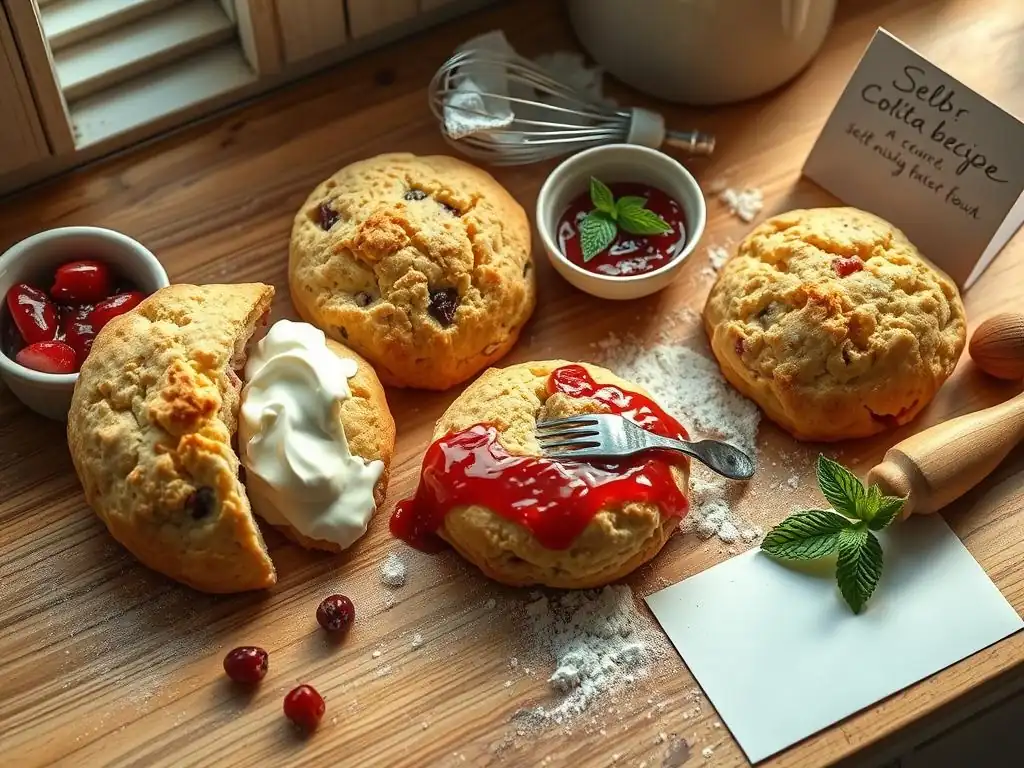
The quintessential way to enjoy simple British scones is served warm, split in half horizontally, and generously topped with clotted cream and jam. Clotted cream is a thick, rich cream made by indirectly heating full-cream cow's milk using steam or a water bath and then leaving it in a shallow pan to cool slowly. This causes the cream to "clot" or form a thick layer on the surface.
Strawberry jam is the most traditional accompaniment, though raspberry or mixed berry jams are also popular. There is a long-standing debate over whether the jam or the cream should be applied first – the "Cornish" method (jam first, then cream) or the "Devon" method (cream first, then jam). Either way, the combination of warm scone, rich cream, and sweet jam is divine.
Other Toppings: Lemon Curd or Honey
While clotted cream and jam are classic, your Easy British scones recipe can be enjoyed with a variety of other delicious toppings. Lemon curd offers a bright, tangy alternative to jam, cutting through the richness of the cream (or butter if using). Its vibrant flavor provides a lovely contrast.
Butter is also perfectly acceptable, especially if clotted cream isn't available. Spread warm scones generously with softened butter. Honey can be drizzled over butter or cream for a simple, sweet option. Don't be afraid to experiment with different preserves or even savory spreads if you've made savory scones.
Storing: Maintaining Freshness
Simple British scones are best enjoyed fresh, ideally warm from the oven. However, they can be stored to maintain their quality for a short time. Once completely cooled, store them in an airtight container at room temperature for 1-2 days. Avoid storing them in the refrigerator, as this can dry them out quickly.
To reheat, place them in a preheated oven at 180°C (350°F) for 5-10 minutes until warmed through. You can also microwave them for 20-30 seconds, though this can sometimes make them slightly chewy. Freezing is also an option; wrap cooled scones tightly in plastic wrap or foil and place in a freezer bag for up to 1 month. Thaw at room temperature and reheat before serving.
Troubleshooting Common Scone Problems
Flat Scones: Possible Causes
Flat scones are often the result of issues with leavening or dough handling. Using old or inactive baking powder is a primary cause – ensure your leavening agent is fresh. Another major factor is using butter that is too warm or overworking the dough when rubbing in the butter; this prevents the creation of steam pockets needed for lift.
Overworking the dough after adding the liquid also develops too much gluten, which restricts the rise. Ensure you mix just until the dough comes together. Finally, not preheating your oven sufficiently means the scones won't get that initial burst of heat needed for a quick, high rise.
Tough Scones: Overworking the Dough
Tough scones are almost always caused by overworking the dough after the liquid has been added. Kneading or mixing too vigorously develops the gluten in the flour, making the scones dense and chewy rather than light and tender. Remember the mantra for an Easy British scones recipe: minimal handling!
Even when gathering scraps, press them together gently rather than kneading. Rolling the dough too firmly can also contribute to toughness. Treat the dough with a very light touch at every stage after the initial dry mix.
Poor Rise: Expired Baking Powder
As mentioned regarding flat scones, expired or inactive baking powder is a leading cause of poor rise in simple British scones. Leavening agents lose their potency over time, especially if not stored in an airtight container away from moisture. Always check the expiry date and perform the fizz test if unsure.
Other contributors to poor rise include using insufficient baking powder for the amount of flour, not using cold enough butter or milk, or baking at too low a temperature. Ensure all elements of the process are followed carefully for the best chance of a good rise.
Printable Scone Recipe
[Printable Recipe Card Link]
Explore More Baking Recipes
Frequently Asked Questions
What makes this British scones recipe "easy"?
This recipe focuses on simple ingredients and straightforward instructions, making it accessible for bakers of all skill levels. We prioritize clarity and minimize complex techniques.
Can I substitute any ingredients in this easy British scones recipe?
While we recommend sticking to the recipe for the best results, you can experiment. However, be mindful that substitutions might affect the texture and rise of the scones.
How do I prevent my scones from being too dry?
Avoid overmixing the dough and be careful not to overbake them. The key is a light touch and accurate oven temperature.
What's the best way to serve these British scones?
Traditionally, British scones are served with clotted cream and jam. They are delicious warm, straight from the oven, or enjoyed later at room temperature.
Can I freeze the scone dough or baked scones?
Yes, you can freeze the unbaked dough or baked scones. For the dough, wrap it tightly and freeze for up to a month. Baked scones can also be frozen, then reheated for a freshly baked taste.
Final Reflection: The Enduring Charm of a Simple Scone
The seemingly simple act of baking a perfect British scone resonates far beyond the kitchen; it's a connection to tradition, a celebration of comfort, and a testament to the power of uncomplicated pleasures. In a world increasingly dominated by complex recipes and elaborate techniques, the enduring appeal of this classic treat speaks volumes about our desire for authenticity and ease. The ease of the recipe, highlighted throughout this article, is not a compromise on quality, but rather a celebration of efficiency and deliciousness.
The scone, in its humble form, has woven itself into the fabric of British culture, a symbol of afternoon tea, cozy gatherings, and cherished memories. It's a recipe passed down through generations, adapting slightly with each telling, yet retaining its core essence. A good scone is a thing of beauty, a perfect blend of texture and taste, a small moment of pure joy.
This sentiment, though not directly quoted from a historical figure, encapsulates the emotional weight this simple baked good carries for many. Its ability to evoke such strong feelings speaks to its enduring power and its place within our collective culinary consciousness.
Now, I invite you to step away from the screen, gather your ingredients, and embark on your own scone-baking journey. Don't be intimidated by the simplicity; embrace it. Let the process be a moment of mindful creation, a chance to connect with tradition, and a delicious reward for your efforts. The perfect scone awaits – and so does the satisfaction of mastering a timeless classic.
Unlock Your Inner Baker: Perfect Scones Await!
Thanks for joining us on this delicious journey into the world of British scones! We hope you've gained the confidence to bake truly exceptional scones. Ready to take your baking skills to the next level?
- Bake a batch today! Put your newfound knowledge into practice and surprise your loved ones (or yourself!) with perfectly golden, fluffy scones.
- Share your baking triumph! Post a picture of your masterpiece on social media and tag us – we'd love to see your creations!
- Experiment with variations: Try adding different fruits, spices, or even savory ingredients to create your signature scone recipe.
What unique twist will you add to your next batch of perfect scones?