
Mastering Steamed Asian Cakes: A Beginner's Guide

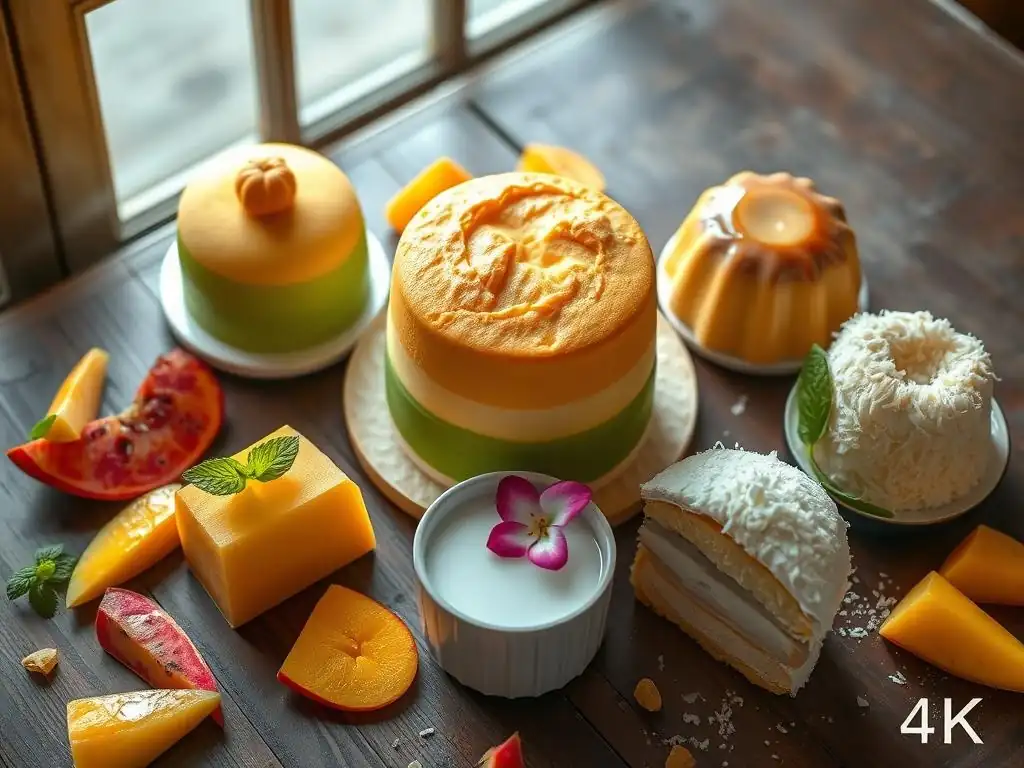
Welcome to BakeWithEase, your haven for baking brilliance! Ever wondered how to create those impossibly fluffy and delicate treats found in Asian bakeries? Unlock the secrets to mastering the art of steamed cakes, starting with our beginner-friendly steamed Asian cake recipe. Get ready to embark on a culinary adventure into the heart of regional baking – your journey to perfectly steamed cakes starts now!
Steamed Asian cakes offer a delightful departure from traditional baked goods, boasting unique textures that are often incredibly soft, moist, and sometimes wonderfully chewy or spongy. Unlike baking, which uses dry heat, steaming relies on moist heat, resulting in a different kind of rise and tenderness. This method is prevalent across various Asian cuisines, giving rise to an incredible diversity of sweets, from delicate rice cakes to fluffy buns and vibrant layered desserts.
Exploring the world of these delightful treats opens up a new dimension in your baking journey. You'll encounter ingredients like rice flour, tapioca starch, and palm sugar, and techniques that have been perfected over generations. Mastering a basic steamed Asian cake recipe is a rewarding skill that allows you to create light, airy, and flavorful desserts perfect for any occasion, whether it's a family gathering or a quiet afternoon tea.
- Introduction to Steamed Asian Cakes
- Essential Equipment for Steamed Asian Cakes
- Key Ingredients for Authentic Steamed Asian Cakes
- Steamed Asian Cake Recipe: A Step-by-Step Guide
- Variations on the Basic Steamed Asian Cake Recipe
- Tips and Tricks for Perfect Steamed Asian Cakes
- Steamed Asian Cake Recipe Examples:
- Conclusion: Enjoying Your Homemade Steamed Asian Cakes
- Frequently Asked Questions
- Final Reflection: The Sweetness of Tradition, the Joy of Creation
- Unlock Your Inner Baker: Steam into Deliciousness!
Introduction to Steamed Asian Cakes
Discover the Delight of Asian Steamed Desserts
Asian steamed desserts encompass a vast array of sweet treats, each with its own cultural significance and unique characteristics. From the translucent, chewy mochi-like textures found in Japanese wagashi to the layered, vibrant colours of Malaysian kuih and the light, spongy rise of Vietnamese bánh bò, the variety is immense. These desserts often feature subtle sweetness derived from natural sources like palm sugar, coconut sugar, or even fruit, paired with delicate flavours from pandan, coconut, or red bean paste.
Unlike many Western baked goods, steamed cakes often prioritize texture as much as, if not more than, flavour. This can range from the soft, pillowy texture of a mantou (steamed bun) to the intricate, almost jelly-like consistency of a kuih. The use of various rice flours and starches like tapioca or cornstarch contributes significantly to these unique mouthfeels. Learning to prepare a basic steamed Asian cake recipe allows you to appreciate the nuances of these textures and flavours.
Why Choose Steaming for Asian Cake Recipes?
Steaming as a cooking method offers distinct advantages, particularly for the types of ingredients commonly used in Asian desserts. The moist heat environment prevents cakes from drying out, resulting in an incredibly tender and often moist crumb. This is especially beneficial for batters made primarily from rice flour or starches, which can become tough or crumbly when baked with dry heat. Steaming also allows for a more gentle and even cooking process.
Furthermore, steaming often requires less fat than traditional baking, making many steamed Asian cake recipes relatively lighter. The uniform temperature achieved through steaming ensures that the cake cooks through evenly without developing a crust, which is desirable for many traditional Asian textures. This method is also energy-efficient, and once you have the basic setup, it's a straightforward process suitable for beginners tackling their first steamed Asian cake recipe.
Essential Equipment for Steamed Asian Cakes
Must-Have Tools for Perfect Steamed Cakes
To successfully make a steamed Asian cake recipe, you don't need a vast array of specialized tools, but a few key items are essential. At the core is a steaming setup. This typically involves a pot large enough to hold a steamer insert or basket, a tight-fitting lid to trap steam, and the steamer insert itself.
Steamer inserts can be made of bamboo, metal, or silicone. You'll also need bowls for mixing your batter, a whisk (either balloon or electric), and measuring cups and spoons for accuracy, as precision is often key in achieving the right texture in a steamed Asian cake recipe.
Additionally, you'll need molds or containers to hold the batter while it steams. These vary depending on the specific steamed Asian cake recipe you're making; small ramekins, muffin tins (lined or greased), or larger cake pans are common. Ensure your molds fit within your steamer and allow steam to circulate freely. Having parchment paper or banana leaves on hand can also be useful for lining molds, preventing sticking, and sometimes imparting a subtle aroma. A fine-mesh sieve is crucial for sifting flours and starches, ensuring a smooth batter free of lumps, which is vital for a delicate steamed texture.
Choosing the Right Steamer: Options and Considerations
Selecting the appropriate steamer is fundamental to mastering any steamed Asian cake recipe. The most traditional option is the bamboo steamer basket, which is stacked over a pot of simmering water. Bamboo absorbs excess moisture, preventing condensation from dripping onto the cake and creating a wonderfully fluffy result. Bamboo steamers are often relatively inexpensive and come in various sizes.
Alternatively, metal steamers, often inserts that fit into standard pots, are widely available and durable. Electric steamers are another convenient option, offering controlled steaming times and temperatures with minimal fuss. When choosing, consider the size of cakes you plan to make (do you need a large pan or small individual molds? ), the volume you'll typically steam at once, and your available stovetop space. Ensure the lid of your pot fits tightly to prevent steam from escaping, as consistent high heat is necessary for many steamed Asian cake recipes to rise properly.
Key Ingredients for Authentic Steamed Asian Cakes
Understanding the Role of Rice Flour in Asian Cakes
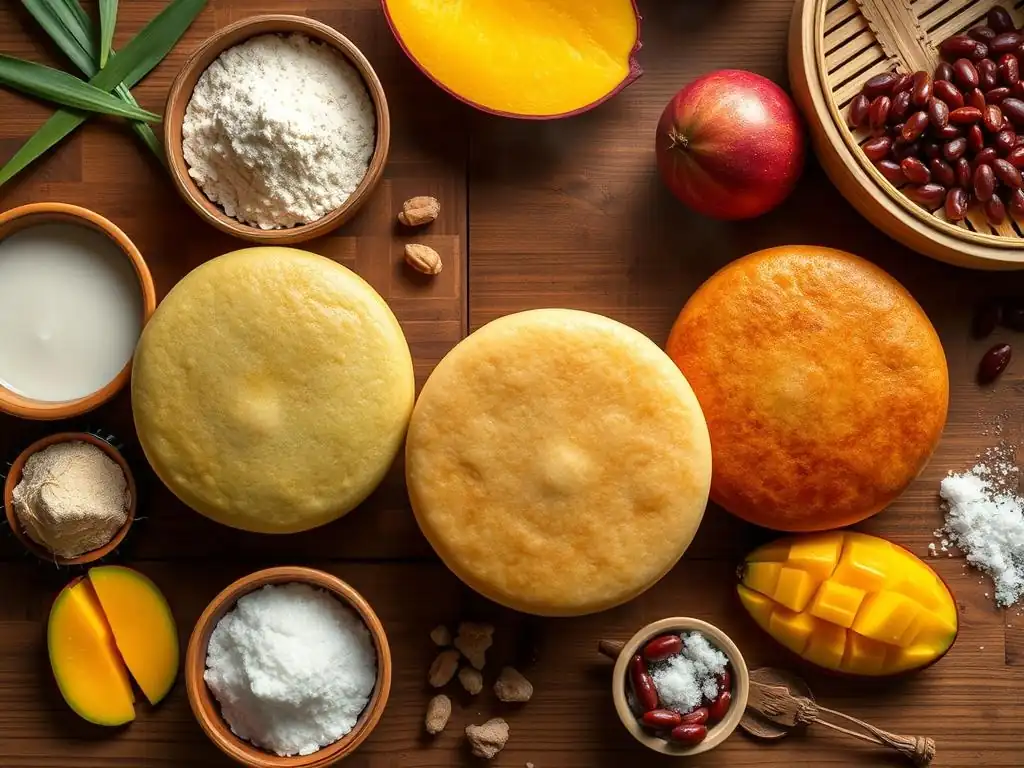
Rice flour is perhaps the most fundamental ingredient in many steamed Asian cake recipes, providing the unique texture that sets them apart. There are two primary types commonly used: regular (non-glutinous) rice flour and glutinous rice flour. Regular rice flour, made from standard white rice, yields cakes with a delicate, soft, and sometimes slightly crumbly texture. It's often used in cakes like bánh bò where a spongy, airy crumb is desired.
Glutinous rice flour, also known as sweet rice flour, is made from sticky rice and is responsible for the chewy, elastic texture found in desserts like mochi, kuih, and certain types of steamed buns. Despite the name, it contains no dietary gluten. The ratio and combination of these two flours, often blended with starches like tapioca or cornstarch, are critical in determining the final texture of a steamed Asian cake recipe. Understanding how each flour behaves when steamed is key to successful results.
Exploring Different Types of Asian Sweeteners
Asian steamed cakes often feature a range of sweeteners beyond standard granulated sugar, each contributing a unique flavour profile and sometimes texture. Palm sugar, derived from the sap of palm trees (like coconut palms or sugar palms), is a staple in Southeast Asian steamed desserts. It has a rich, caramel-like flavour and can range in colour from golden to dark brown. It often comes in blocks or discs and needs to be chopped or dissolved.
Other common sweeteners include coconut sugar, which has a slightly lower glycemic index than cane sugar and a subtle caramel note, and rock sugar, a crystallized form of sugar often used in Chinese desserts for its purity and ability to create a clear syrup or glaze. Some recipes also utilize condensed milk for sweetness and richness, particularly in modern adaptations. The type of sweetener used can significantly impact the depth of flavour in your steamed Asian cake recipe.
Incorporating Traditional Asian Flavors
The characteristic flavours of Asian steamed cakes come from a variety of natural ingredients. Pandan leaf extract is incredibly popular in Southeast Asia, imparting a vibrant green hue and a unique, fragrant, slightly vanilla-like aroma. It can be used as a natural food colouring and flavouring. Coconut milk is another essential, providing richness, moisture, and a distinct tropical taste to many steamed Asian cake recipes.
Other traditional flavours include red bean paste (a sweet paste made from azuki beans), black sesame paste, taro (a starchy root vegetable used to make purple-hued cakes), and green tea (matcha). Ginger, often used in savory dishes, also finds its way into some sweet preparations. These ingredients are typically incorporated directly into the batter or used as fillings or toppings, adding layers of authentic taste to the final steamed dessert.
Steamed Asian Cake Recipe: A Step-by-Step Guide
Preparing the Batter: Achieving the Perfect Consistency
The consistency of the batter is paramount for a successful steamed Asian cake recipe. Unlike baked cakes where gluten development is important, steamed cakes often rely on starch gelatinization for structure. Start by accurately measuring your dry ingredients, typically a blend of rice flour, glutinous rice flour, and maybe a starch like tapioca or cornstarch, along with sugar and leavening (like baking powder or yeast). Sifting dry ingredients helps prevent lumps and aerates the mixture slightly.
Gradually incorporate wet ingredients, which often include water, coconut milk, or other liquids, along with flavourings like pandan extract or vanilla. Whisk or mix until the batter is smooth and homogeneous. For some recipes, like bánh bò, a fermentation step with yeast is required, which develops air pockets crucial for the cake's signature honeycomb texture. The final consistency can range from thin and pourable like crepe batter to thick and spoonable, depending on the specific steamed Asian cake recipe. Always follow the recipe's guidance closely regarding batter thickness.
Steaming Techniques for Fluffy Cakes
Proper steaming technique is critical to ensure your steamed Asian cake recipe yields light and fluffy results. First, ensure your steamer is ready before you pour the batter into the molds. Fill the pot with enough water to steam for the required time (typically 15-30 minutes depending on the cake size) and bring it to a rolling boil over high heat. The steam should be vigorously rising.
Carefully place the filled molds into the steamer basket, ensuring they are level and not overcrowded, allowing steam to circulate around each one. Cover the steamer tightly. If using a metal lid, wrap it in a cloth napkin to prevent condensation from dripping onto the cakes, which can cause surface imperfections or sogginess.
Maintain high heat throughout the steaming process. Avoid opening the lid frequently, as this releases steam and reduces the temperature, potentially causing the cakes to sink. Steam for the duration specified in your steamed Asian cake recipe, or until a skewer inserted into the center comes out clean.
Troubleshooting Common Steaming Issues
Even with careful preparation, you might encounter issues when steaming your first steamed Asian cake recipe. One common problem is cakes that don't rise properly or collapse after steaming. This can be due to insufficient leavening (check your baking powder's freshness or yeast's activity), not enough steam (ensure water is boiling vigorously and the lid is tight), opening the steamer too early, or the batter being too thin or thick.
Another issue is a sticky or wet surface. This is often caused by condensation dripping from the lid; using a cloth-wrapped lid can help. Uneven texture might result from uneven heat distribution in the steamer or not mixing the batter thoroughly enough. If cakes stick to the mold, ensure you've greased or lined them properly. Patience and maintaining consistent high steam are usually key to resolving many common problems when making a steamed Asian cake recipe.
Variations on the Basic Steamed Asian Cake Recipe
Adapting the Recipe for Different Dietary Needs
Many steamed Asian cake recipes are naturally adaptable, making them suitable for various dietary preferences. Since many traditional recipes rely on rice flour and starches rather than wheat flour, they are often inherently gluten-free. Always check ingredient labels to ensure no hidden gluten is present, especially in pre-mixed flours or extracts.
For those avoiding dairy, many traditional recipes use coconut milk instead of dairy milk, making them naturally dairy-free. When a recipe calls for dairy, coconut milk or other plant-based milks can often be substituted successfully, though the flavour and texture might vary slightly. For vegan versions, ensure any leavening agents are vegan-friendly and substitute eggs (if used) with appropriate binders like flax eggs or commercial egg replacers, keeping in mind that eggs contribute to richness and structure, so the texture may change. Adapting a steamed Asian cake recipe requires understanding the role of each ingredient.
Exploring Flavor Combinations
Once you've mastered a basic steamed Asian cake recipe, you can experiment with a vast array of flavour combinations. Classic pairings include pandan and coconut, black sesame and coconut, or red bean and green tea. You can incorporate these by adding pandan extract or paste to the batter, using coconut milk as the primary liquid, mixing in black sesame paste, or adding matcha powder.
Beyond traditional flavours, consider adding purees of sweet potato, taro, or pumpkin for natural colour and earthy sweetness. Fruit purees like mango or banana can also be incorporated, though be mindful of the extra moisture they add. Spices like ginger, cardamom, or star anise can lend warmth and complexity. Don't be afraid to get creative while developing your own signature steamed Asian cake recipe variations.
Adding Fillings and Toppings for Enhanced Taste
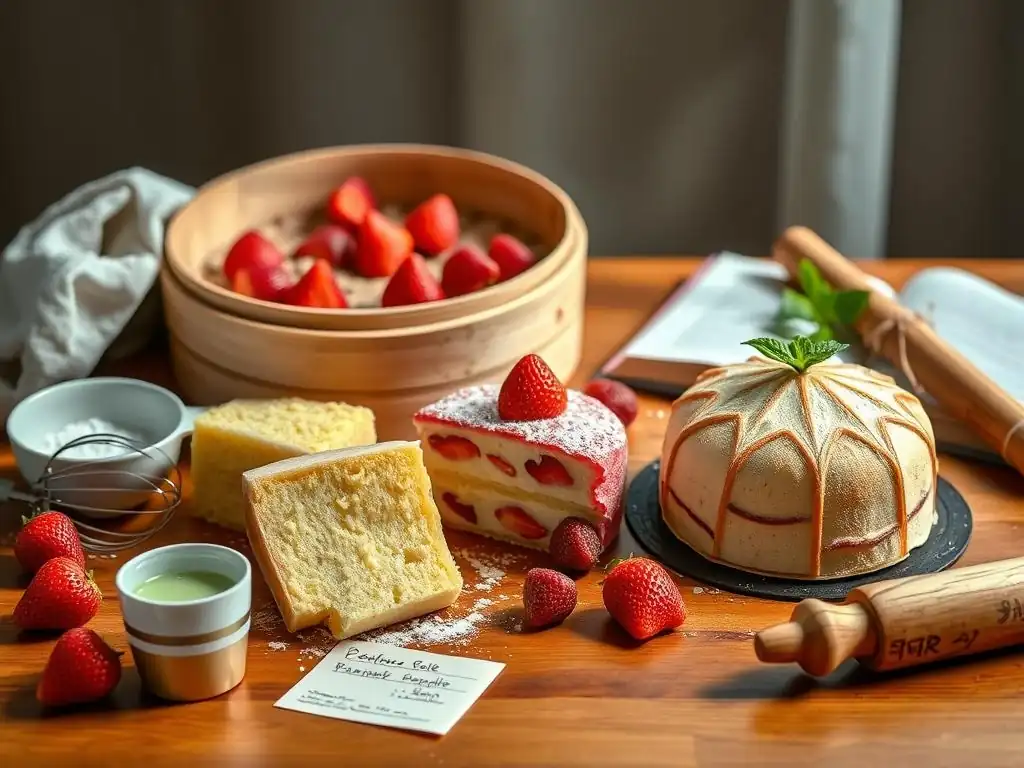
Elevate your steamed Asian cake recipe by adding delicious fillings or toppings. Common fillings include sweet red bean paste, lotus seed paste, or coconut jam (kaya). These can be placed in the center of the cake before steaming (especially for buns or thicker batters) or layered between different colours of batter for a striped effect. Some recipes, like kuih lapis (layered cake), are built entirely by steaming thin layers of different coloured batter.
Toppings can range from a simple sprinkle of toasted sesame seeds or desiccated coconut after steaming to a drizzle of coconut cream or a dollop of sweet bean paste. For a richer finish, some cakes are served with a side of thick coconut sauce. Consider contrasting textures and flavours – a creamy filling with a chewy cake, or a nutty topping on a soft base. Experimenting with fillings and toppings is a fun way to personalize any steamed Asian cake recipe.
Tips and Tricks for Perfect Steamed Asian Cakes
Achieving the Ideal Texture: Light and Airy
Achieving the signature light and airy texture in certain steamed Asian cake recipes, like bánh bò, often depends on proper leavening and the steaming process itself. For recipes using baking powder, ensure it is fresh and fully activated by the liquid. For yeast-leavened cakes, proper fermentation is crucial – the batter needs to rest in a warm place until bubbly and increased in volume, indicating the yeast is producing gas that will create air pockets during steaming.
Maintaining consistently high steam heat is vital. The rapid heat transfer causes the trapped air or leavening gases to expand quickly, lifting the batter. Avoid opening the steamer lid during the initial critical rising period (often the first 10-15 minutes), as the sudden temperature drop can cause the structure to collapse. Sifting flours and not overmixing the batter can also contribute to a tender crumb, preventing toughness.
Preventing Cakes from Sinking After Steaming
One frustrating issue is having your beautiful steamed Asian cake recipe sink or wrinkle after you remove it from the steamer. This is often due to a sudden change in temperature or insufficient cooking time. To mitigate this, turn off the heat and let the cakes sit in the covered steamer for 5-10 minutes before carefully removing the lid. This allows them to cool down gradually.
Ensure the cakes are fully cooked before removing them. A skewer inserted into the center should come out clean, with no wet batter attached. If it comes out with wet crumbs, steam for a few more minutes. If the surface wrinkles, it might indicate the steam was too high and cooked the surface too quickly, or again, a sudden temperature change upon removal. Practice helps you gauge the perfect steaming time for your specific setup and steamed Asian cake recipe.
Storing and Reheating Steamed Cakes
Steamed Asian cakes are often best enjoyed fresh, as their delicate, moist texture can change over time. However, they can be stored properly for later enjoyment. Once completely cooled, store individual cakes in airtight containers at room temperature for a day or two, depending on the ingredients (cakes with coconut milk or fresh ingredients might require refrigeration). For longer storage, they can be refrigerated for up to 3-4 days or frozen for up to a month.
When ready to eat refrigerated or frozen steamed cakes, reheating is key to restoring their texture. The best way to reheat a steamed Asian cake recipe is by steaming it again briefly. Place the cakes back into a steamer basket over simmering water for 5-10 minutes, or until heated through and soft again. Microwaving can sometimes work but might alter the texture, making it tougher or chewier in some cases.
Steamed Asian Cake Recipe Examples:
Recipe: Steamed Banh Bo (Vietnamese Honeycomb Cake)
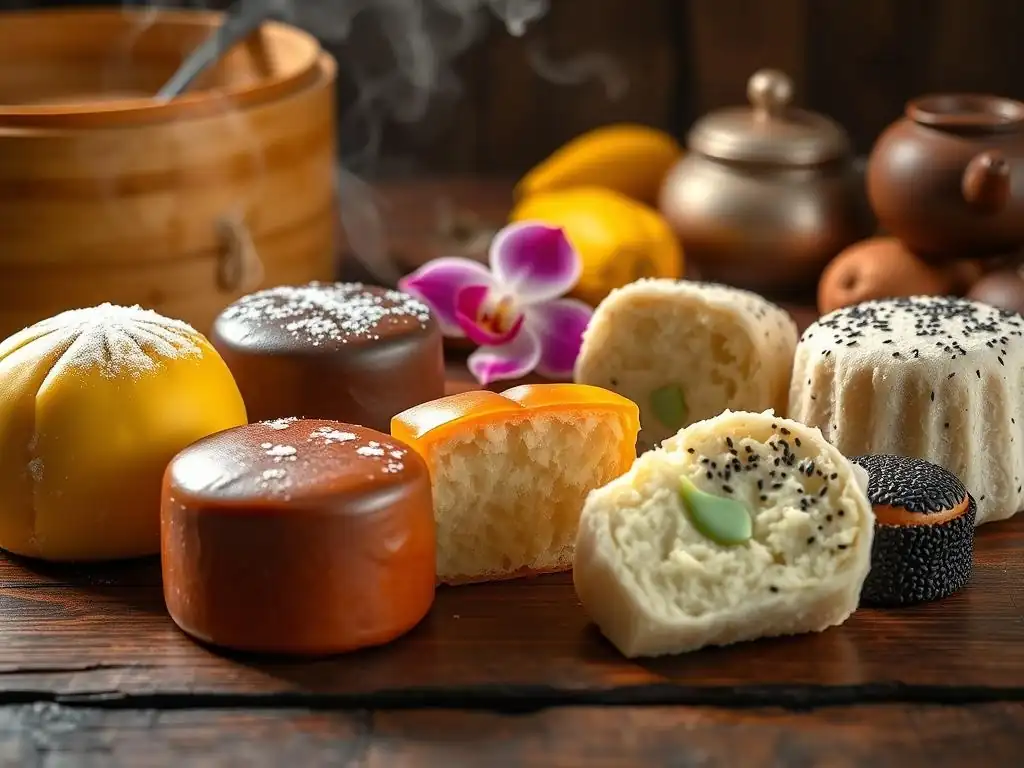
Bánh bò, or Vietnamese honeycomb cake, is a popular steamed Asian cake recipe known for its unique spongy texture and characteristic internal "honeycomb" structure. It's typically made from a batter of rice flour, water, sugar, and yeast, often flavoured with coconut milk and pandan. The key to its texture is a fermentation step where the yeast creates air pockets in the batter before steaming.
To make bánh bò, a thin batter of rice flour, sugar, and yeast is mixed with warm liquid (water or coconut milk) and allowed to ferment for several hours until bubbly. More flour and liquid are then added to create the final pourable batter, often with pandan extract for colour and flavour. The batter is poured into small molds (sometimes greased ramekins or muffin cups) and steamed over high heat for about 15-20 minutes. The high steam causes the air pockets from fermentation to expand rapidly, forming the honeycomb interior.
Recipe: Steamed Mantou (Chinese Steamed Buns - Sweet Variation)
While often savory, Mantou (Chinese steamed buns) can also be made with a sweeter dough, serving as a simple yet delicious steamed Asian cake recipe base. These buns are made from wheat flour, yeast, sugar, and water (or milk), resulting in a soft, slightly sweet, and fluffy texture. Unlike filled buns ( baozi), mantou are plain.
The process involves creating a dough from wheat flour, sugar, yeast, and liquid, then kneading it until smooth and elastic, similar to bread dough. The dough is allowed to rise until doubled in size. After rising, it's often rolled into a log and cut into individual buns or shaped before a second, shorter proofing period. The buns are then steamed over high heat for 10-15 minutes, resulting in a tender, airy bun perfect for eating plain or alongside sweet dipping sauces.
Recipe: Steamed Kuih Kosui (Malaysian Palm Sugar Cake)
Kuih Kosui is a traditional Malaysian steamed Asian cake recipe characterized by its soft, slightly bouncy, and translucent texture, coated in grated coconut. It's primarily made from tapioca starch and rice flour, sweetened with dark palm sugar (gula melaka), and flavoured with pandan. Its dark brown colour comes directly from the palm sugar.
The batter for Kuih Kosui involves dissolving palm sugar and pandan leaves in water, then mixing this liquid with a blend of tapioca starch and rice flour to form a smooth, slightly thick consistency. The batter is often strained to remove impurities from the palm sugar. It's then poured into small molds (like fluted cups) and steamed until firm and translucent, typically 15-20 minutes. Once cooled, the kuih are unmolded and rolled in fresh or lightly steamed grated coconut before serving.
Conclusion: Enjoying Your Homemade Steamed Asian Cakes
Embrace the Art of Asian Baking
Embarking on the journey of making a steamed Asian cake recipe is a wonderful way to explore a rich culinary tradition that values texture, subtle sweetness, and natural flavours. You've learned about the key ingredients like rice flours and palm sugar, the essential equipment needed for steaming, and techniques for creating light, moist, and perfectly textured cakes. This beginner's guide provides a foundation for experimenting with various recipes and developing your skills in this unique baking method.
The beauty of steamed Asian cakes lies in their diversity and relative simplicity once you understand the basic principles. Don't be discouraged if your first attempt isn't perfect; like any baking skill, practice makes perfect. Enjoy the process of mixing batters, setting up your steamer, and watching your creations transform in the steam. Sharing your homemade steamed Asian cake recipe results with friends and family is a rewarding experience.
Further Exploration of Asian-Inspired Desserts
Mastering a steamed Asian cake recipe is just the beginning! The world of Asian-inspired desserts is vast and fascinating, offering countless other delicious treats to explore. You might delve into other steamed delights like Putu Bambu (steamed rice cake with palm sugar, cooked in bamboo tubes), Steamed Egg Cake ( Ji Dan Gao), or more complex layered kuih.
Beyond steaming, you could explore baked Asian desserts, fried sweets, or chilled treats like jellies and puddings. Each dessert category utilizes different techniques and ingredients, reflecting the diverse culinary landscapes of Asia. Continue experimenting with different flours, sweeteners, and flavourings. Your kitchen can become a gateway to discovering the incredible variety and artistry found in Asian sweet traditions, building upon the skills you've gained with your first steamed Asian cake recipe.
Frequently Asked Questions
What makes steamed Asian cakes different from baked cakes?
Steamed Asian cakes are cooked using steam instead of dry heat, resulting in a moist and soft texture. This also often means the recipes use different ingredients than baked cakes.
Are steamed Asian cakes difficult to make for beginners?
Not necessarily! While some recipes can be intricate, many steamed Asian cake recipes are surprisingly easy to follow, especially with clear instructions.
What type of steamer is best for making steamed Asian cakes?
Any steamer that can maintain a consistent temperature is suitable. Bamboo steamers, metal steamers, and even a pot with a steaming basket can all work effectively.
Can I use different types of flour in a steamed Asian cake recipe?
Yes, but it's important to understand how different flours affect the texture and taste. Rice flour, tapioca starch, and glutinous rice flour are common alternatives.
How do I know when my steamed Asian cake is done?
A toothpick inserted into the center should come out clean or with just a few moist crumbs. The cake will also appear springy to the touch and pull away slightly from the sides of the pan.
Final Reflection: The Sweetness of Tradition, the Joy of Creation
Mastering the art of steamed Asian cakes isn't just about following a recipe; it's about connecting with a rich culinary heritage and unlocking a world of delicious possibilities. These delicate, fragrant cakes, with their infinite variations, represent more than just a dessert; they are a testament to the ingenuity and creativity passed down through generations. The techniques, the ingredients, the subtle nuances of flavor – all contribute to a culinary experience that transcends simple sustenance.
The enduring appeal of steamed Asian cakes lies in their versatility and adaptability. From the fluffy lightness of a ba bao to the delicate sweetness of a nian gao, each cake tells a story, reflecting the unique culinary traditions of different regions and cultures. Food is symbolic of love when words are inadequate.
- Alan D. Wolfelt. This quote perfectly encapsulates the emotional connection we forge with food, and steamed Asian cakes are no exception. They are often associated with celebrations, festivals, and family gatherings, solidifying their place as more than just a dish, but a symbol of shared experiences and cultural identity.
Now, I invite you to embark on your own culinary journey. Don't be afraid to experiment, to adapt the recipes to your own tastes, and to share the joy of creating these beautiful cakes with loved ones. The process itself is as rewarding as the final product – the gentle steam rising, the intoxicating aromas filling your kitchen, the satisfaction of creating something beautiful and delicious with your own hands. Let the sweetness of tradition inspire your creativity, and may your kitchen become a haven of fragrant, delightful steamed Asian cakes.
Unlock Your Inner Baker: Steam into Deliciousness!
Thanks for taking the time to explore the wonderful world of steamed Asian cakes with us! We hope you've gained some valuable insights and inspiration. Now it's time to put your newfound knowledge into practice.
- Try your hand at your first steamed cake: Choose one recipe from the article and give it a go! Don't be afraid to experiment – even small adjustments can lead to surprising results.
- Share your baking journey: Snap a photo of your creation and share it on social media using #BakeWithEaseSteamedCakes – let's inspire each other!
- Explore more recipes: Dive deeper into the world of steamed treats by browsing our other cake recipes (we have many! ).
What unique flavor combination will you try in your first steamed cake masterpiece?