
Regional Italian Baking: Uncovering Unique Flavors

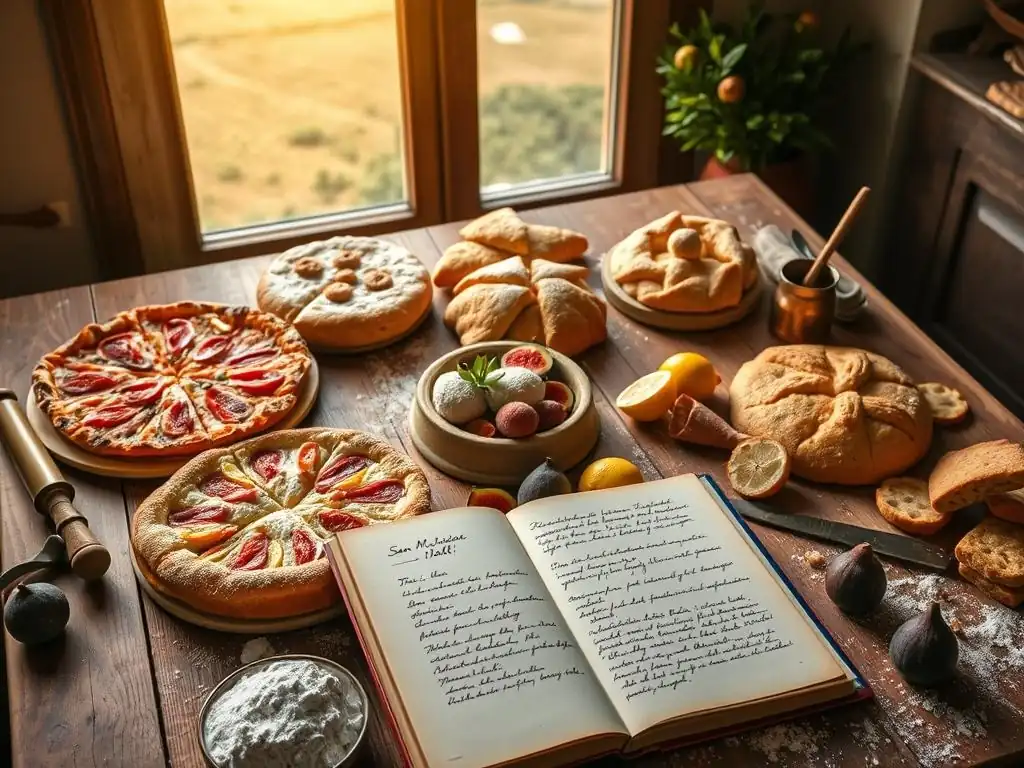
Welcome to BakeWithEase!
Ever wondered what baking treasures are hidden in the sun-drenched hills of Tuscany or the bustling streets of Naples? Prepare to embark on a culinary journey with our guide to Regional Italian Baking Recipes. Discover the secrets behind authentic, time-honored traditions and unlock a world of unique flavors. Ready to explore beyond the usual biscotti? Let's get baking!
- Regional Italian Baking: A Culinary Journey
- Exploring the Diverse World of Italian Regional Baking
- Understanding the Roots of Italian Baking Traditions
- Northern Italy: Indulging in Rich and Delicate Flavors
- Central Italy: Embracing Simplicity and Rustic Charm
- Southern Italy: Savoring Mediterranean Flavors and Aromas
- Mastering Essential Techniques for Authentic Baking
- Bringing Authentic Italian Regional Baking into Your Kitchen
- Preserving Tradition and Embracing Innovation
- Conclusion: Celebrating the Art of Italian Regional Baking
-
Frequently Asked Questions
- What exactly does "Regional Italian Baking" refer to?
- What makes Italian regional baking recipes different from standard baking recipes?
- Where can I find reliable Italian regional baking recipes?
- Are Italian regional baking recipes difficult to make?
- What are some examples of popular Italian regional baking recipes?
- Final Reflection: A Slice of Italy, A Taste of History
- Unlock Your Inner Italian Baker!
Regional Italian Baking: A Culinary Journey
Exploring the Diverse World of Italian Regional Baking
Italy's culinary landscape is incredibly varied, and this diversity extends profoundly into its baking traditions. From the snow-capped Alps in the north to the sun-drenched islands in the south, each region boasts unique baked goods shaped by centuries of history, climate, and local produce. This exploration delves into the heart of Italian regional baking, uncovering the stories and techniques behind some of Italy's most beloved breads, pastries, and cookies. Understanding these regional nuances is key to mastering authentic Italian regional baking recipes, revealing a world far richer than widely known Italian bakes.
The sheer variety is astonishing; there are hundreds, if not thousands, of distinct regional baked goods across Italy's 20 regions. For instance, a simple bread in one region might be enriched with olive oil and herbs, while in another, it could be a dense, unleavened loaf designed to last for days. This journey through Italian regional baking is not just about recipes; it's about appreciating the deep connection between the land, its people, and the food they create, offering valuable insights for anyone looking to bake truly authentic Italian treats at home.
Understanding the Roots of Italian Baking Traditions
Geographical Influences on Regional Baked Goods
Italy's varied geography plays a fundamental role in defining its regional baking. The mountainous terrain of the North historically favored grains like rye and buckwheat, leading to denser, heartier breads, while the fertile plains of the Po Valley allowed for abundant wheat cultivation, influencing richer, more refined pastries.
Coastal regions often incorporated seafood or ingredients suited to a humid climate, whereas inland areas relied on local nuts, fruits, and animal fats. For example, the availability of specific nuts heavily influences many Italian regional baking recipes; hazelnuts are prominent in Piedmont due to local cultivation, while almonds thrive in the warmer southern climates, defining Sicilian pastries.
Climate also dictated baking methods and ingredient availability. Regions with colder winters developed traditions around long-fermented doughs and rich, celebratory bakes like Panettone, which could sustain families during lean months.
In contrast, the warmer south saw a greater reliance on quick bakes or items designed to be dried and stored, like friselle, perfect for the Mediterranean climate. The distinct microclimates across Italy ensured that even within a single region, variations in altitude or proximity to the sea could lead to entirely different types of baked goods, each with its own specific set of Italian regional baking recipes passed down through generations.
The Significance of Local Ingredients
The heart of authentic Italian regional baking lies in its reliance on local, seasonal ingredients. Flour types vary significantly; the soft wheat flour (tipo 00) is common in many pastries, but regions also use hard durum wheat (semola) for rustic breads, chestnut flour in Tuscany for specific cakes like Castagnaccio, or even cornmeal (polenta) in the North for simple loaves.
The choice of fat is another defining element; butter is prevalent in the dairy-rich North, lending richness to cakes and pastries, while olive oil is the fat of choice in the central and southern regions, used generously in breads and savory bakes.
Beyond grains and fats, local fruits, nuts, cheeses, and even herbs contribute unique flavors. Ricotta cheese is central to many southern Italian regional baking recipes, particularly in Sicily for Cassata and cannoli fillings. Candied fruits, often made from locally grown citrus like oranges and lemons, are staples in festive bakes. The use of specific local honey, spices, or even volcanic salts can subtly but significantly alter the taste and texture of traditional items, making sourcing quality ingredients crucial for replicating truly authentic Italian regional baking recipes.
Northern Italy: Indulging in Rich and Delicate Flavors
Piedmont's Baci di Dama: Hazelnut and Chocolate Delights
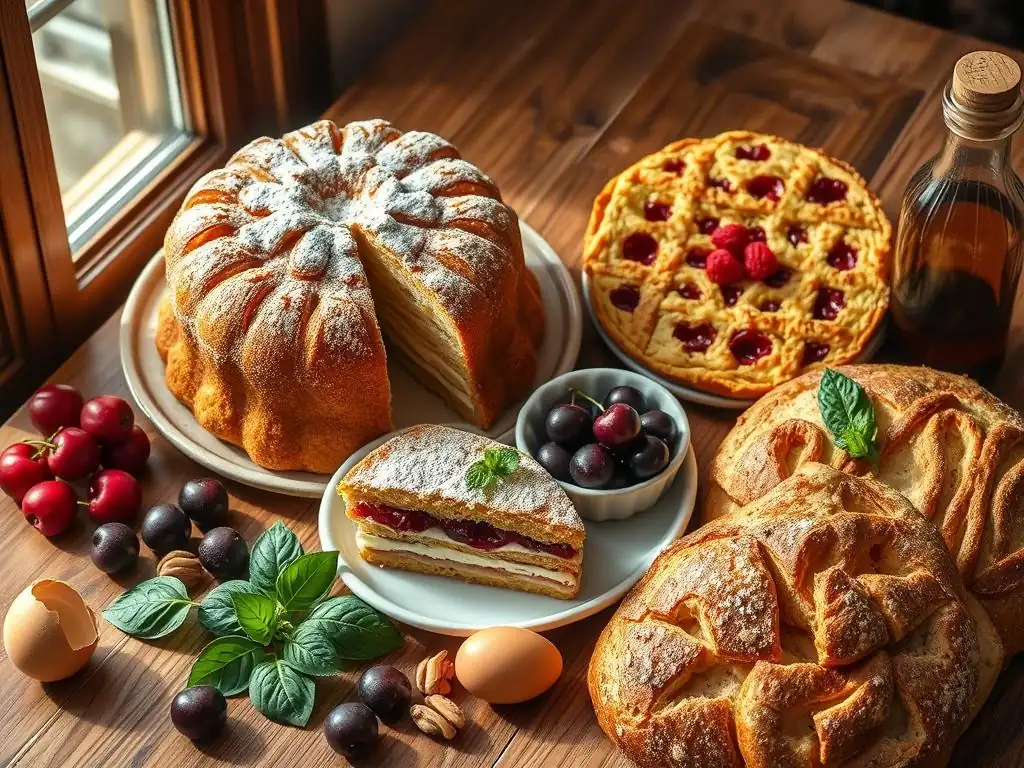
Baci di Dama, meaning "lady's kisses," are delicate cookies originating from Piedmont in Northern Italy, a region renowned for its hazelnuts (Nocciola del Piemonte IGP). These exquisite cookies consist of two small, round hazelnut cookies joined together by a layer of dark chocolate, resembling lips about to kiss. The high quality of local hazelnuts gives these cookies their distinctive, intense nutty flavor and fine texture. Traditional Italian regional baking recipes for Baci di Dama typically call for a significant proportion of finely ground hazelnuts to flour, often a 1:1 ratio or even higher, ensuring the hazelnut flavor is prominent.
Making Baci di Dama requires precision to achieve the perfect crumbly yet melt-in-your-mouth texture. The dough, a simple mixture of ground hazelnuts, flour, sugar, butter, and sometimes a touch of cocoa, needs to be chilled thoroughly before shaping to prevent spreading during baking. Once baked and cooled, they are paired and joined with melted dark chocolate. These cookies are a testament to Piedmont's confectionery heritage and are a perfect example of how local produce shapes Italian regional baking recipes into elegant, simple delights.
Lombardy's Panettone: A Festive Sweet Bread
Panettone is perhaps the most internationally recognized Italian festive bread, originating from Milan in Lombardy. Traditionally enjoyed during Christmas and New Year, this tall, dome-shaped sweet bread is characterized by its light, airy texture and the inclusion of candied orange peel, citron, and raisins. The creation of a truly great Panettone is a labor of love, often taking several days due to its reliance on a natural yeast starter (lievito madre) and multiple long fermentation periods. This extended process develops complex flavors and the signature soft, shreddable crumb.
The typical Panettone dough is rich with eggs, butter, and sugar, making it a challenging dough to work with. The use of a robust lievito madre is essential not only for leavening but also for contributing to the bread's unique aroma and helping to preserve it naturally. After baking, the Panettone is traditionally hung upside down while cooling to prevent it from collapsing under its own weight. Mastering this specific Italian regional baking recipe is considered a pinnacle achievement for many bakers, showcasing the technical skill and patience required for some of Italy's most celebrated bakes.
From the Veneto region, specifically the island of Burano near Venice, comes Bussolà, simple yet delicious butter cookies. Traditionally shaped like a ring or an 'S', these cookies were historically made by fishermen's wives as a nutritious and long-lasting snack for their husbands at sea. Their simple composition – primarily flour, butter, sugar, and egg yolks – gives them a rich, crumbly texture and a delightful buttery flavor. Unlike many elaborate Italian regional baking recipes, Bussolà are straightforward, highlighting the quality of their few ingredients.
Bussolà cookies are known for their firmness, which allowed them to be stored for extended periods without spoiling. The high proportion of egg yolks gives them a beautiful golden color and contributes to their richness. While simple, the technique involves creaming the butter and sugar until light and fluffy before incorporating the yolks and flour. They are often flavored with vanilla or lemon zest. These humble cookies represent the practical and resilient spirit of Venetian island life, proving that some of the best Italian regional baking recipes are born out of necessity and simplicity.
Central Italy: Embracing Simplicity and Rustic Charm
Tuscany's Cantucci: Almond Biscotti Perfect for Dipping
Tuscany, known for its rustic cuisine and fine wines, offers Cantucci, the quintessential Italian biscotti. These hard, dry, almond-filled cookies are twice-baked (the term "biscotti" literally means "twice-cooked"), giving them their characteristic crisp texture. Traditionally made without any fat (though modern versions sometimes include butter), the dough is formed into logs, baked until golden, sliced while still warm, and then baked again at a lower temperature until completely dry and hard. This process makes them incredibly durable, perfect for storing.
Cantucci are most famously paired with Vin Santo, a sweet Tuscan dessert wine, into which they are traditionally dipped to soften them before eating. The main ingredients are simple: flour, sugar, eggs, and whole, unroasted almonds. The high sugar content helps create their hard texture. Authentic Italian regional baking recipes for Cantucci emphasize the quality of the almonds, which should be whole and unblanched for the best flavor. These simple, satisfying cookies embody the rustic charm of Tuscan baking and its emphasis on quality ingredients and straightforward techniques.
Umbria's Pizza Bianca: Simple Flatbread with Olive Oil and Salt
While the name might suggest pizza with white toppings, Umbria's Pizza Bianca is actually a type of simple, savory flatbread, often found in bakeries and served as a snack or accompaniment. Similar in concept to Roman Pizza Bianca but with its own regional nuances, this bread is typically made with a basic dough of flour, water, yeast, salt, and a generous amount of local Umbrian olive oil. It is characterized by its irregular shape, bubbly crust, and the delightful aroma of olive oil and coarse salt sprinkled on top before baking.
Pizza Bianca from Umbria is typically flatter and sometimes chewier than its Roman counterpart, depending on the specific bakery's recipe and hydration level. It's a versatile bread, often eaten plain, sliced horizontally and filled with cured meats or cheeses, or used to mop up sauces. This Italian regional baking recipe highlights the importance of high-quality olive oil in Central Italian cuisine, where it's not just a cooking fat but a key flavor component. Its simplicity is its strength, offering a pure taste of flour, salt, and the rich, peppery notes of local olive oil.
Lazio's Crostata Romana: Jam Tart with a Shortcrust Pastry
Lazio, the region encompassing Rome, is home to the classic Crostata Romana. While variations of jam tarts exist throughout Italy, the Roman version is known for its relatively thin, crumbly pasta frolla (shortcrust pastry) base and a lattice topping, filled with various jams, most traditionally sour cherry (visciole) or apricot. This humble tart is a staple in Roman bakeries and homes, enjoyed for breakfast, a snack, or dessert.
The key to a good Crostata Romana lies in the pasta frolla. It typically contains flour, sugar, butter, eggs, and sometimes a hint of lemon zest. The pastry should be worked minimally to ensure tenderness and a crumbly texture after baking. The lattice top is not just decorative; it allows steam to escape from the filling while baking. This Italian regional baking recipe is a prime example of how a simple combination of pastry and fruit filling can become an iconic regional sweet, showcasing the region's love for straightforward, comforting bakes.
Southern Italy: Savoring Mediterranean Flavors and Aromas
Campania's Zeppole: Fried Dough Treats
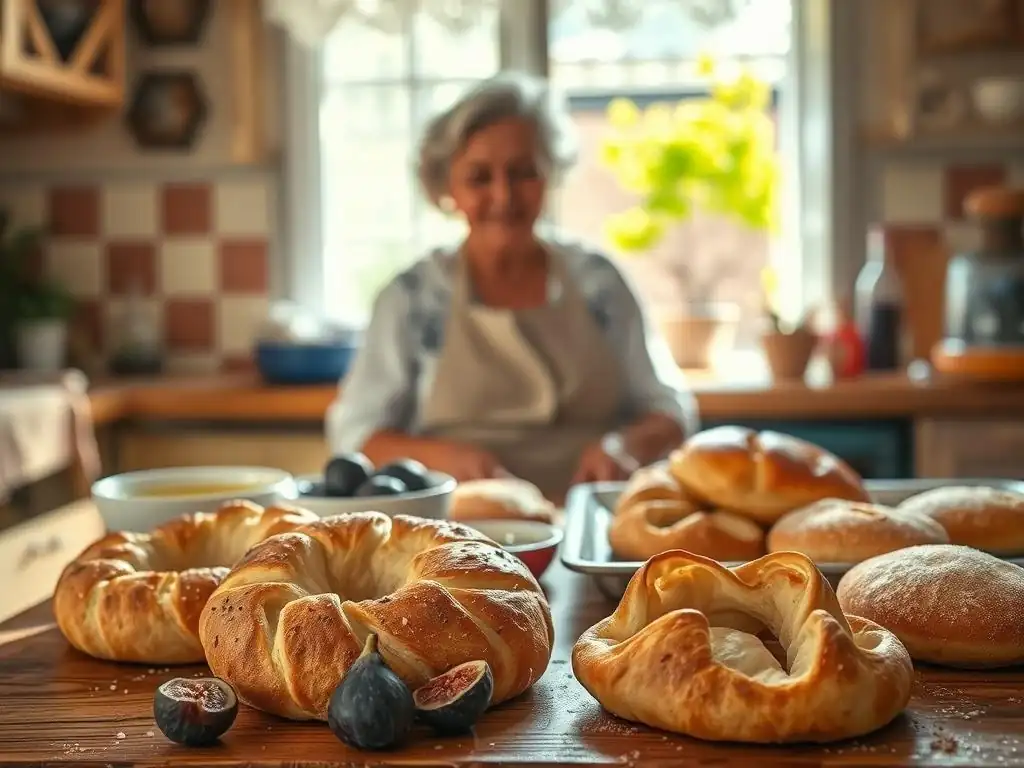
Campania, the region around Naples, is famous for its vibrant cuisine, including delightful fried dough treats known as Zeppole. These can vary significantly in form and composition across Italy, but in Campania, particularly associated with the Feast of St. Joseph (March 19th), Zeppole are often made from choux pastry, fried until golden and puffy, and then filled with pastry cream and topped with black cherries in syrup. Other Campanian Zeppole are simpler affairs made from basic flour and water dough, often enriched with ricotta, and fried until crispy, then dusted with sugar or drizzled with honey.
The choux-based Zeppole di San Giuseppe are a more elaborate version, requiring skill to pipe the dough into rings before frying. They are a celebratory bake, rich and indulgent. The simpler, often savory versions are more common as everyday snacks. Both types rely on the technique of frying, a common method in Southern Italian regional baking recipes, which provides a quick way to cook dough in the warm climate. The smell of Zeppole frying is a familiar and welcoming aroma in Campanian streets, embodying the region's love for immediate gratification and simple pleasures.
Puglia's Friselle: Twice-Baked Bread, Ideal with Toppings
Puglia, the "heel" of Italy, is renowned for its excellent durum wheat and olive oil, both central to its baking traditions. Friselle are a prime example: hard, ring-shaped bread rolls that are baked once, sliced horizontally, and then baked again until completely dry and hard. Historically, they were the bread of farmers and fishermen, designed for long storage. Before eating, they are traditionally softened by quickly dipping them in water, then topped with fresh tomatoes, olive oil, salt, and sometimes oregano or basil – a simple yet incredibly flavorful preparation.
The use of durum wheat flour (semola rimacinata) gives Friselle their sturdy structure and slightly nutty flavor. The double-baking process removes moisture, preventing spoilage in Puglia's hot climate. This method of preparing bread for preservation is common in many Mediterranean cultures. While simple in their ingredients, the specific shape and the method of rehydrating and topping are distinct to Puglia. Friselle perfectly showcase how necessity and local ingredients combine to create enduring Italian regional baking recipes that are still deeply loved today.
Sicily's Cassata Siciliana: Sponge Cake with Ricotta and Candied Fruit
Sicily, the largest island in the Mediterranean, boasts a baking heritage heavily influenced by Arab, Greek, and Norman cultures. Cassata Siciliana is one of its most iconic and visually stunning desserts. This elaborate cake consists of a sponge cake (pan di Spagna) soaked in a liqueur (often Maraschino or a citrus syrup), layered with a rich filling of sweetened ricotta cheese studded with chocolate chips and candied fruit, and then covered in a vibrant green marzipan shell, often decorated with more candied fruit and intricate designs.
The quality of the sheep's milk ricotta is crucial for the filling, providing a unique richness and tang. Sicilian candied fruits, particularly citrus peels and pumpkin, are exceptionally flavorful and vibrant, adding sweetness and texture. The marzipan, often colored bright green with food coloring or spinach juice, provides a sweet contrast to the creamy filling. Cassata is a celebratory cake, typically made for Easter, and its complexity reflects the island's diverse history and its love for rich, flavorful, and visually impressive Italian regional baking recipes.
Mastering Essential Techniques for Authentic Baking
Cultivating and Maintaining a Natural Yeast Starter
Many traditional Italian regional baking recipes, especially for breads and festive cakes like Panettone and Pandoro, rely on a natural yeast starter, known as lievito madre (mother yeast) or pasta madre. Unlike liquid sourdough starters, lievito madre is typically a firm, low-hydration starter, often kept wrapped in cloth and requiring specific feeding schedules. Maintaining a healthy lievito madre is crucial for achieving the desired texture, flavor, and longevity of these traditional bakes. A well-maintained starter can be decades, even centuries, old, inheriting characteristics from its environment and the baker.
Feeding a lievito madre involves refreshing a portion of the starter with fresh flour and water, typically in a 1:1:0.4 ratio (starter:flour:water), discarding the rest or using it in other recipes. The frequency of feeding depends on temperature; it might need daily feeding if kept at room temperature (around 20-24°C) or less frequently if refrigerated. A healthy lievito madre should be active, bubbly, and smell pleasant, slightly acidic but not overwhelmingly sour. Mastering its care is a fundamental step for serious bakers wanting to replicate authentic Italian regional baking recipes that use this traditional leavening agent.
Selecting the Right Italian Flour for Different Bakes
The type of flour used is paramount in Italian baking and varies significantly depending on the regional tradition and the desired outcome. Soft wheat flours (Triticum aestivum) are classified by how finely they are milled, from Tipo 00 (very fine, low protein, ideal for delicate pastries like pasta frolla and some cakes) to Tipo 2 (whole wheat, higher protein, used in rustic breads). Hard durum wheat flours (Triticum durum), particularly semola rimacinata (twice-milled semolina), are staple in Southern Italy for pasta and many traditional breads like Pane di Altamura, providing structure and a golden hue.
Choosing the correct flour is not just about protein content (which affects gluten development) but also about how the flour interacts with water and yeast, and the flavor it imparts. For example, using Tipo 00 flour for a rustic Puglian bread would result in a completely different texture than using semola rimacinata. Many Italian regional baking recipes specify the type of flour precisely because it's integral to the final product's characteristics. Experimenting with different Italian flours can be a rewarding part of exploring these diverse baking traditions.
Utilizing Olive Oil and Regional Fats for Flavor and Texture
Fats play a critical role in Italian baking, influencing texture, flavor, and shelf life. While butter is dominant in Northern Italian pastries, olive oil is the primary fat in the South and much of Central Italy, used in both savory and sweet bakes. High-quality extra virgin olive oil from specific regions (like Puglia, Sicily, or Tuscany) imparts distinct fruity, peppery notes that are characteristic of many Italian regional baking recipes. Olive oil tends to produce a more tender crumb in breads and a crispier texture in fried goods compared to butter.
Beyond olive oil and butter, other regional fats are used. Lard (strutto) is traditionally used in some savory pastries and breads for flakiness and richness, particularly in Central Italy. In certain rural or historical recipes, animal fats might have been used based on availability. Understanding the role of fat in a specific regional recipe is key to achieving authenticity. For instance, substituting butter for olive oil in a Puglian focaccia would fundamentally change its texture and flavor profile, highlighting why adhering to the specified fat is important in Italian regional baking recipes.
Bringing Authentic Italian Regional Baking into Your Kitchen
Sourcing Authentic Ingredients for Italian Recipes
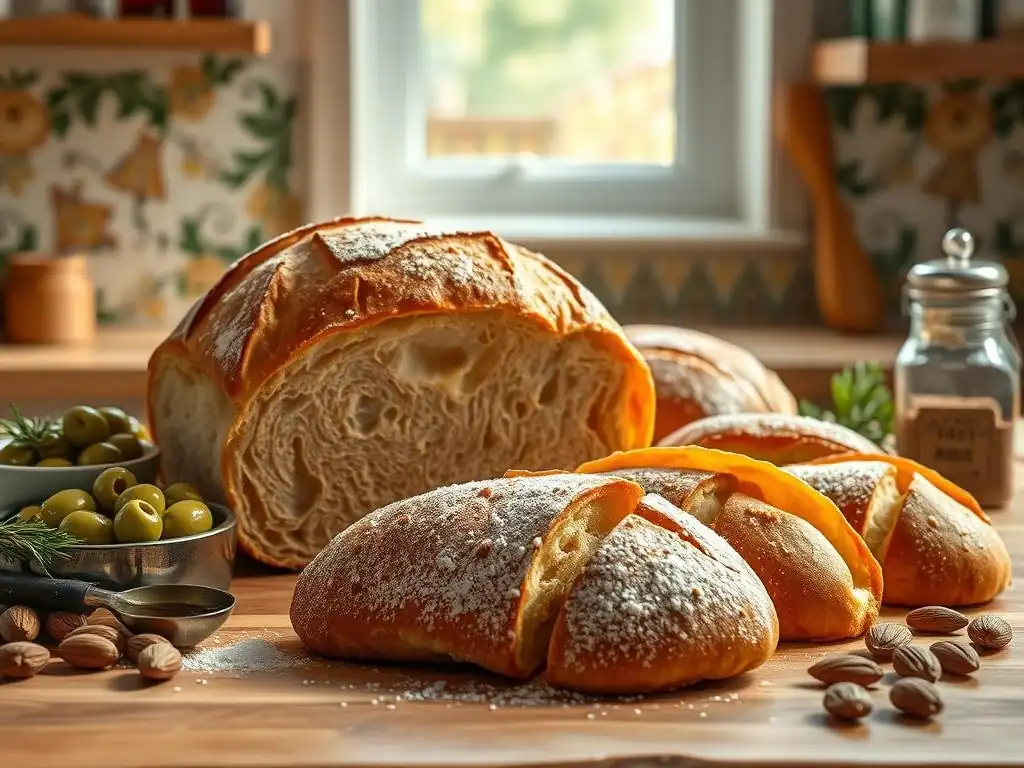
Recreating authentic Italian regional baking recipes at home often requires sourcing specific ingredients that might not be standard in a typical supermarket. Italian Tipo 00 flour, semola rimacinata, high-quality extra virgin olive oil from a specific region, lievito madre (which can be purchased dried or sourced from bakeries), specific nuts like Nocciola del Piemonte, and traditional candied fruits are examples of ingredients that make a significant difference. Specialty Italian grocery stores, online retailers, and even some larger supermarkets with international sections are good places to look.
If authentic ingredients are difficult to find, look for the closest possible substitutes, keeping in mind the desired characteristics. For example, a good quality unbleached all-purpose flour might substitute for some Tipo 00 uses, and fine semolina could stand in for semola rimacinata in some cases, though the results won't be identical. Reading labels and understanding the origin and type of flour or oil is crucial. Investing in quality ingredients that align with the regional origin of the recipe will elevate your Italian regional baking results significantly.
Adapting Recipes for Modern Appliances and Techniques
While traditional Italian regional baking recipes often involve manual labor and specific equipment (like wood-fired ovens), they can be successfully adapted for modern home kitchens. Stand mixers can handle the intensive kneading required for rich doughs like Panettone, saving considerable time and effort. Home ovens, while different from professional or wood-fired ones, can mimic some effects with the use of baking stones or steels to achieve a crispier crust on breads, or by controlling steam.
Adapting recipes might involve slightly adjusting hydration levels for different flours or accounting for the consistent heat of an electric oven versus the fluctuating heat of a wood-fired one. For recipes requiring long, slow fermentation, modern refrigeration allows for controlled proofing over 24-48 hours, developing flavor just as traditional cellar temperatures would. Embracing modern tools doesn't diminish the authenticity if the core techniques and ingredient principles of the Italian regional baking recipes are respected. It makes these wonderful traditions accessible to more home bakers.
Troubleshooting Common Baking Challenges
Even with authentic Italian regional baking recipes, challenges can arise. Bread dough might not rise sufficiently, pastries might be tough, or cookies might spread too much. For bread, insufficient rise is often due to an inactive starter or yeast, incorrect dough temperature, or insufficient kneading. Ensure your lievito madre is active before use, and check the recipe's recommended dough temperature during fermentation. If using commercial yeast, check its expiry date and proof it first.
For pastries like pasta frolla, toughness usually results from overworking the dough, developing too much gluten. Keep ingredients cold and handle the dough minimally. If cookies spread excessively, the dough might be too warm, or the ratio of fat to flour might be off. Chilling the dough thoroughly before shaping and baking on a cold baking sheet can help. Learning to read your dough and understand the role of each ingredient and step is key to troubleshooting and mastering these diverse Italian regional baking recipes.
Preserving Tradition and Embracing Innovation
Supporting Local Italian Bakeries and Artisans
Preserving the rich heritage of Italian regional baking involves supporting the artisans and bakeries that continue to practice traditional methods. Many small, family-run bakeries across Italy are custodians of specific Italian regional baking recipes, using techniques and sometimes even equipment that have been passed down through generations. Visiting these establishments, learning about their craft, and purchasing their goods directly contributes to keeping these traditions alive.
Beyond Italy, finding bakeries or producers in your local area who specialize in authentic Italian regional bakes also helps support the dissemination of these traditions. These artisans often use imported Italian ingredients or source local equivalents carefully chosen to mimic the originals. Learning from them, whether through classes or simply by asking questions (if they are open to sharing), can provide invaluable insights into the nuances of Italian regional baking that go beyond written recipes.
Modern Twists on Classic Italian Baking Recipes
While preserving tradition is vital, Italian regional baking is not static. Contemporary bakers and chefs are constantly finding ways to innovate, putting modern twists on classic Italian regional baking recipes. This might involve incorporating new flavor combinations, using alternative flours (like ancient grains), adapting recipes for dietary restrictions (gluten-free, vegan), or presenting traditional bakes in novel forms.
For example, a classic Cantucci might be made with pistachios instead of almonds, or a Panettone might feature unusual fillings like chocolate and pear. These innovations, when done thoughtfully, can introduce classic bakes to new audiences and keep the traditions relevant. They are a testament to the adaptability and enduring appeal of Italian baking, showing that while the roots are deep, the branches can continue to grow in exciting new directions, adding new dimensions to the vast collection of Italian regional baking recipes.
Conclusion: Celebrating the Art of Italian Regional Baking
Exploring Italian regional baking is a delicious journey through the country's history, geography, and culture. Each region offers a unique perspective, shaped by local ingredients, climate, and centuries of tradition. From the buttery richness of Northern pastries to the rustic simplicity of Central Italian breads and the vibrant flavors of the South, the diversity is truly remarkable.
Mastering these Italian regional baking recipes is about more than just following steps; it's about understanding the story behind each bake and connecting with the rich culinary heritage of Italy. Whether you're perfecting a lievito madre for Panettone or simply baking a batch of Cantucci, you are participating in a living tradition that continues to evolve while honoring its roots.
Resources for Further Exploration of Italian Baking
To continue your journey into the world of Italian regional baking, seek out reputable cookbooks dedicated to regional Italian cuisine. Many excellent resources delve specifically into the baking traditions of different areas, providing detailed Italian regional baking recipes and historical context. Online communities and forums focused on Italian baking can also be invaluable for sharing knowledge, troubleshooting, and finding sources for specialized ingredients. Additionally, look for workshops or classes taught by Italian bakers or those specializing in Italian techniques. Engaging with these resources will deepen your understanding and enhance your skills in preparing authentic Italian regional baking recipes.
Frequently Asked Questions
What exactly does "Regional Italian Baking" refer to?
It refers to the diverse array of baking traditions and recipes specific to different regions of Italy. Each region boasts unique ingredients and techniques, resulting in a wide range of delicious baked goods.
What makes Italian regional baking recipes different from standard baking recipes?
Italian regional baking recipes often use locally sourced ingredients and time-honored techniques passed down through generations. This creates distinct flavors and textures not found in more generalized baking recipes.
Where can I find reliable Italian regional baking recipes?
Websites like BakeWithEase.com often feature collections of authentic Italian regional recipes, along with tips and techniques for successful baking. Look for recipes with clear instructions and ingredient lists.
Are Italian regional baking recipes difficult to make?
Not necessarily! While some recipes may be complex, many are surprisingly simple and use readily available ingredients. BakeWithEase.com aims to provide easy-to-follow recipes for all skill levels.
What are some examples of popular Italian regional baking recipes?
Examples include Panettone from Milan, Cantucci from Tuscany (also known as Biscotti), and Pastiera Napoletana from Naples. Each region offers a unique culinary experience worth exploring.
Final Reflection: A Slice of Italy, A Taste of History
The enduring appeal of regional Italian baking lies not just in its deliciousness, but in its profound connection to place, culture, and history. These aren't simply recipes; they are living narratives, whispering tales of generations past and reflecting the unique terroir of each Italian region. The diversity we've explored – from the delicate biscotti of Tuscany to the rich, dense panettone of Milan – showcases the vibrant tapestry of Italian culinary heritage.
The impact of regional baking extends far beyond the kitchen table; it's a powerful symbol of identity and tradition. These recipes, passed down through families for centuries, represent a tangible link to the past, a connection to ancestral roots. As we savor the flavors, we also partake in a cultural legacy. Food is symbolic of love when words are inadequate.
– Alan D. Wolfelt. This sentiment perfectly encapsulates the emotional resonance of these recipes, transcending mere sustenance to become expressions of love, community, and shared experience.
Now, consider your own culinary heritage. What recipes have been passed down in your family? What stories do they tell? I encourage you to explore the rich tapestry of your own food traditions, to document them, and to share them with others. Let's keep these culinary narratives alive, ensuring that the flavors and stories of our past continue to nourish and inspire future generations. Embrace the opportunity to bake a piece of history, and discover the unique flavors that await you.
Unlock Your Inner Italian Baker!
Thanks for joining us on this delicious journey through regional Italian baking! We hope you've discovered new flavors and inspiring techniques to enhance your baking adventures. Ready to put your newfound knowledge into practice?
- Bake your own signature focaccia: Choose a region (Puglia? Liguria?) and find a recipe online – let’s see those amazing results! Share your creation on social media using #BakeWithEaseItalian.
- Explore local Italian markets: Seek out unique ingredients like specific flours or olives to truly replicate the authentic taste of a region.
- Join our BakeWithEase community forum and share your baking experiences! Let's inspire each other with our successes (and even our mishaps! ).
What regional Italian bread will you bake first, and what unique ingredient are you most excited to try?