
Simple Taiwanese Pineapple Cakes (Fengli Su) Recipe

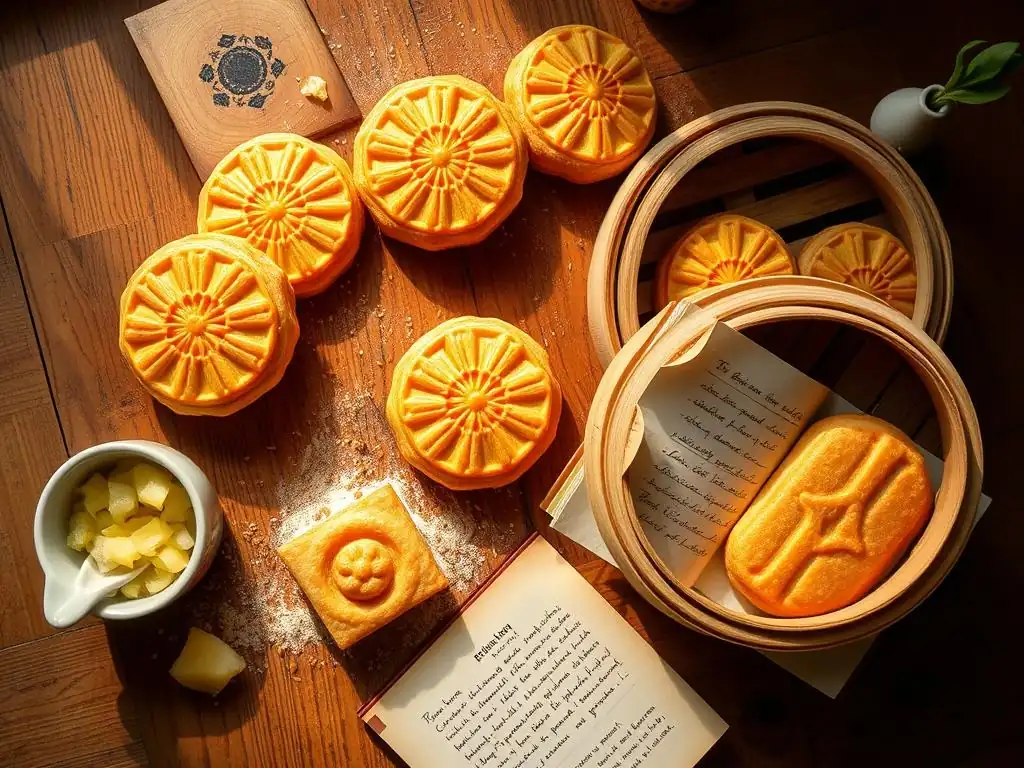
Welcome to BakeWithEase, your guide to unlocking the secrets of delicious baking! Ever dreamt of recreating those melt-in-your-mouth treats you discovered abroad? This time, we're journeying to Taiwan. Dive into our easy Taiwanese pineapple cake recipe and discover the surprisingly simple steps to creating these iconic Fengli Su. Get ready to experience a taste of Taiwan, right from your own kitchen – but what makes these cakes so special? Let's find out!
- Easy Taiwanese Pineapple Cakes (Fengli Su) Recipe | BakeWithEase
- Introduction to Taiwanese Pineapple Cakes (Fengli Su)
- Ingredients for Homemade Pineapple Cakes
- Step-by-Step Guide: Baking Your Own Pineapple Cakes
- Tips and Tricks for the Best Taiwanese Pineapple Cakes
- Serving and Enjoying Your Freshly Baked Pineapple Cakes
- Mastering the Art of Taiwanese Baking: Beyond Pineapple Cakes
- Frequently Asked Questions
- Final Reflection: The Sweetness of Tradition, the Simplicity of Sharing
- Unleash Your Inner Baker: Master the Art of Fengli Su!
Easy Taiwanese Pineapple Cakes (Fengli Su) Recipe | BakeWithEase
Introduction to Taiwanese Pineapple Cakes (Fengli Su)
What are Taiwanese Pineapple Cakes? A Delicious Bite of Taiwan
Taiwanese Pineapple Cakes, known locally as Fengli Su (鳳梨酥), are small, buttery pastries with a sweet and tangy pineapple filling. They are one of Taiwan's most iconic and beloved treats, often given as gifts and enjoyed during festive occasions, especially around the Lunar New Year. Each cake is typically molded into a neat rectangular or square shape, though sometimes round, and features a crumbly, melt-in-your-mouth shortbread-like crust enveloping a dense, chewy pineapple jam. The balance of the rich, slightly salty crust with the vibrant, sweet-tart filling creates a truly delightful sensory experience.
These delightful pastries are more than just a snack; they represent hospitality and good fortune. The Hokkien term for pineapple, ong lai (旺來), sounds similar to a phrase meaning "prosperity arrives," making pineapple cakes a popular symbol of wishing wealth and good luck. While traditionally made with 100% pineapple filling, some modern variations incorporate winter melon, which helps create a smoother, less fibrous jam that is also sweeter and softer. This Easy Taiwanese pineapple cake recipe focuses on achieving that classic, satisfying texture and flavor profile right in your home kitchen.
Why This Easy Pineapple Cake Recipe is Perfect for Home Baking
Baking Taiwanese Pineapple Cakes at home might seem daunting, but this Easy Taiwanese pineapple cake recipe is designed to be accessible and manageable for bakers of all levels. Unlike some traditional recipes that might require specialized techniques or equipment, this version simplifies the process without compromising on authentic taste or texture. We break down each step, from preparing the filling to forming and baking the cakes, making it straightforward and enjoyable.
This particular Easy Taiwanese pineapple cake recipe prioritizes readily available ingredients and common kitchen tools. You won't need fancy molds (though they help!) or extensive experience with complex pastry doughs. The dough is forgiving and easy to handle, and the filling preparation, while requiring a bit of time, is simple in its execution. By following this guide, you can recreate these exquisite Taiwanese treats, filling your home with their wonderful aroma and delighting friends and family with homemade Fengli Su.
Ingredients for Homemade Pineapple Cakes
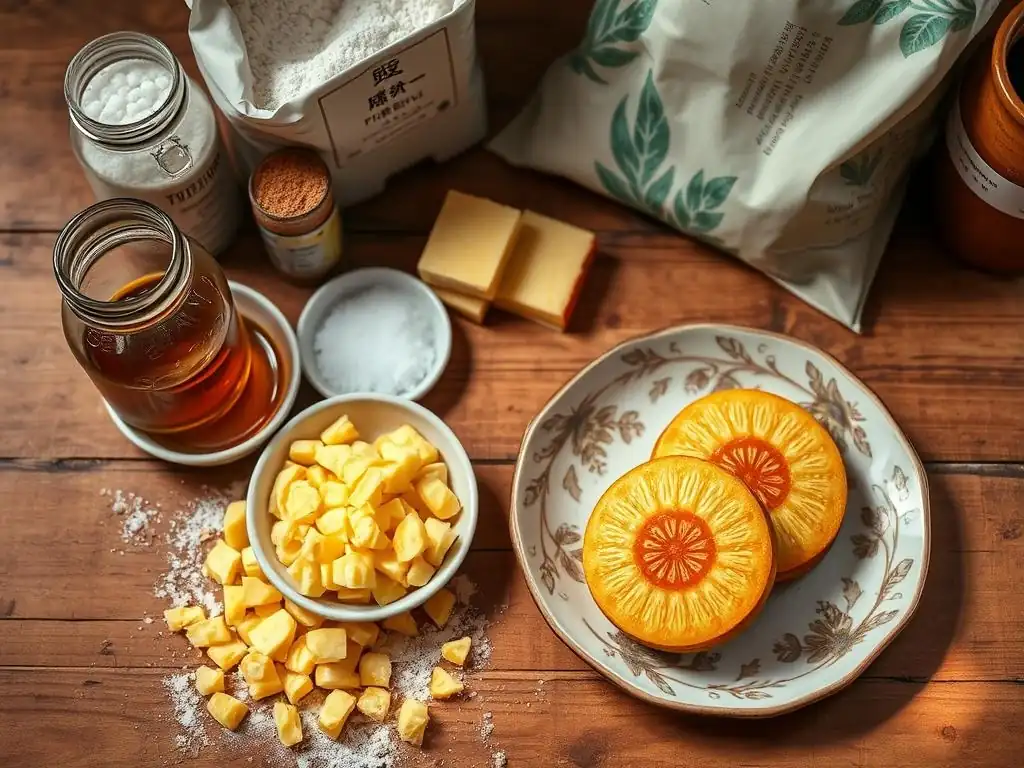
Dough Ingredients: Achieving the Perfect Crust
The crust of Taiwanese Pineapple Cakes is crucial; it should be tender, buttery, and slightly crumbly, providing a perfect contrast to the chewy filling. The base of the dough typically consists of all-purpose flour, unsalted butter, powdered sugar, milk powder, and egg yolk. Using powdered sugar helps create a finer texture, while milk powder adds richness and contributes to the golden-brown color during baking. The ratio of butter to flour is relatively high, similar to shortbread, which is what gives the crust its characteristic melt-in-your-mouth quality.
For this Easy Taiwanese pineapple cake recipe, we recommend using cold unsalted butter, cut into cubes. This is essential for creating a tender, flaky (though not layered like puff pastry) crust. The egg yolk adds richness and helps bind the dough without making it tough, unlike using a whole egg. A standard recipe for about 15-20 cakes might call for approximately 200g of all-purpose flour, 150g of cold unsalted butter, 50g of powdered sugar, 30g of milk powder, and 1-2 egg yolks. Using high-quality butter will significantly enhance the flavor of your finished cakes.
Filling Ingredients: Authentic Pineapple Flavor
The heart of the Taiwanese Pineapple Cake is its filling. While authentic Fengli Su often uses a mix of pineapple and winter melon, a delicious and Easy Taiwanese pineapple cake recipe can be made using primarily fresh pineapple for a more intense fruity flavor. You'll need ripe pineapples (about 1-1.5 kg whole fruit for enough filling for 15-20 cakes), granulated sugar, and a touch of lemon juice.
The sugar level is key; it balances the pineapple's acidity and helps create the jammy texture. The amount of sugar can vary depending on the sweetness of your pineapple, but a common starting point is approximately 150-200g per kilogram of prepared pineapple pulp.
Some recipes might include a small amount of maltose or cornstarch to achieve a thicker, chewier consistency, but for an Easy Taiwanese pineapple cake recipe, slow reduction through cooking is often sufficient. Winter melon, if used, contributes pectin, which naturally thickens the filling and mellows the tartness. If you opt for a 100% pineapple filling, ensure your pineapple is ripe but not overly watery. The lemon juice helps brighten the flavor and also aids in the gelling process due to its acidity.
Step-by-Step Guide: Baking Your Own Pineapple Cakes
Preparing the Pineapple Filling: From Fresh Pineapple to Sweet Filling
The first step in making your Easy Taiwanese pineapple cake recipe is preparing the pineapple filling. Start by peeling and coring the fresh pineapples. Cut the fruit into chunks. Traditionally, the pineapple is finely chopped or grated by hand, but for ease, you can use a food processor to pulse the pineapple into small pieces.
Be careful not to over-process it into a complete puree; you want some texture. Once processed, transfer the pineapple pulp to a cheesecloth or fine-mesh sieve set over a bowl and squeeze out as much liquid as possible. This step is crucial for achieving a thick, non-watery filling. Reserve the squeezed-out juice; you can enjoy it later!
Transfer the drained pineapple pulp to a wide, heavy-bottomed pot or non-stick pan. Add the granulated sugar and lemon juice. Cook the mixture over medium heat, stirring frequently. As it heats, the pineapple will release more liquid. Continue to cook, stirring constantly, especially as the mixture thickens, to prevent scorching.
The cooking process can take anywhere from 45 minutes to 1.5 hours, depending on the amount of liquid and the heat level. You are looking for the mixture to become very thick and jammy, pulling away from the sides of the pan. It should resemble a thick paste or a firm jam when done. Let the filling cool completely before using it.
Tips for the Best Pineapple Filling Texture and Flavor
Achieving the perfect texture and flavor for your pineapple filling is key to a great Easy Taiwanese pineapple cake recipe. One important tip is patience during the cooking process. Don't rush it; slow reduction is what develops the deep flavor and thick consistency. The filling should be dry enough that when you scoop a small amount, it holds its shape and doesn't spread easily. If it's too wet, your cakes might become soggy or the filling could leak during baking.
To test if the filling is ready, scrape a line through it with your spoon; if the line holds for a few seconds before the filling slowly merges back, it's likely done. Another tip for enhanced flavor is to use a mix of slightly underripe and ripe pineapples. The underripe ones provide more acidity and structure (pectin), while the ripe ones contribute sweetness and aroma. For a smoother texture without using winter melon, you could pulse the drained pulp a bit more in the food processor, but ensure you still cook it down thoroughly.
Making the Dough: A Simple and Forgiving Recipe
Creating the dough for this Easy Taiwanese pineapple cake recipe is quite simple, similar to making shortbread. In a large bowl, cream together the cold, cubed unsalted butter and powdered sugar until just combined and slightly pale. Avoid over-creaming, which can incorporate too much air. In a separate small bowl, whisk together the egg yolk and milk powder until smooth. Gradually add the egg yolk mixture to the butter mixture, mixing until just incorporated.
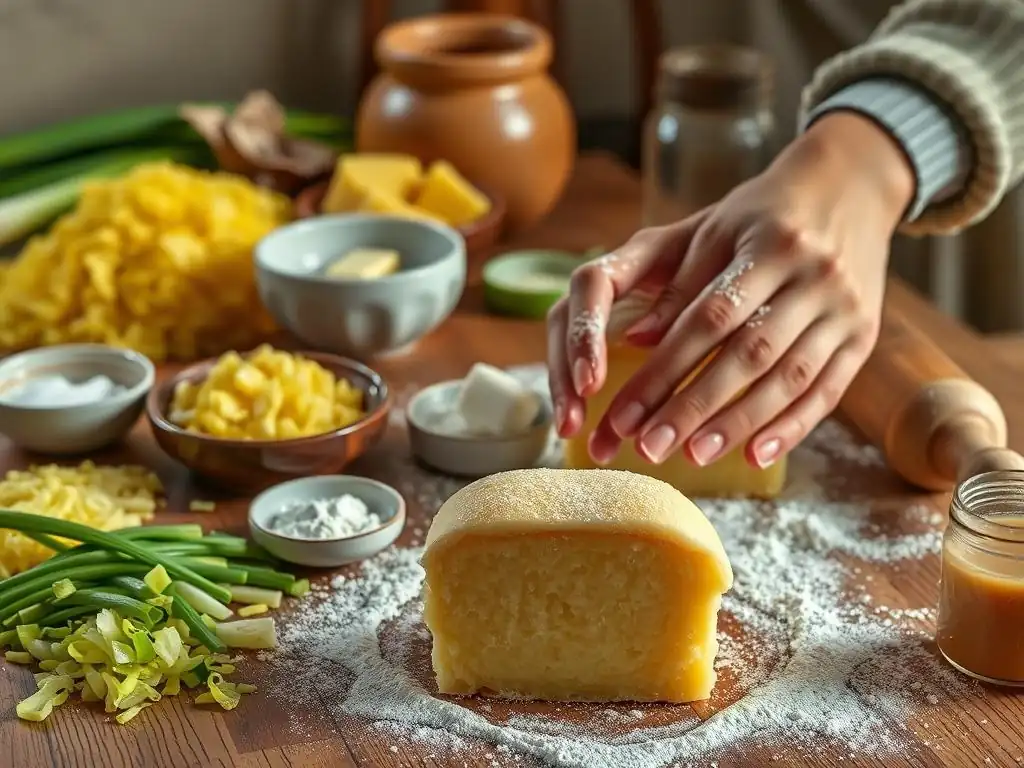
Next, add the all-purpose flour to the wet ingredients. Use a spatula or your hands to gently mix until the dough just comes together. Be careful not to overwork the dough, as this can develop the gluten in the flour, resulting in tough cakes. The dough should be soft but not sticky.
If it seems too crumbly, you can add a tiny splash of milk (literally half a teaspoon at a time) until it just holds together. Gather the dough into a ball, flatten it into a disk, wrap it in plastic wrap, and refrigerate for at least 30-60 minutes. This chilling time makes the dough much easier to handle and shape.
Achieving the Perfect Dough Consistency
The key to the perfect dough consistency for your Easy Taiwanese pineapple cake recipe lies in handling it minimally and ensuring the butter is cold. Overworking the dough develops gluten, leading to a hard or tough crust instead of the desired tender, crumbly texture. When mixing, stop as soon as the flour is incorporated and the dough forms a cohesive mass. It might look slightly crumbly initially, but pressing it together should form a smooth dough.
If your kitchen is warm, the dough can become soft and difficult to work with quickly. The refrigeration step is vital here. Chilling solidifies the butter, making the dough firmer and preventing it from sticking to your hands or the molds (if using). If the dough becomes too soft while you are assembling the cakes, don't hesitate to pop it back into the refrigerator for 10-15 minutes. This little break will make shaping much easier and ensure a better final texture.
Assembling the Pineapple Cakes: Shaping and Filling
Once your pineapple filling is completely cool and firm, and the dough has chilled, you are ready to assemble your Easy Taiwanese pineapple cake recipe. You'll need to divide both the dough and the filling into equal portions. The traditional ratio is roughly 1 part filling to 1 part dough, by weight. For example, if your total dough weighs 400g and your filling weighs 400g, you could divide each into 20 equal portions of 20g each. This ensures uniformity in size and baking time. Roll the filling portions into small balls.
Take a portion of dough and flatten it in the palm of your hand to create a disk or square shape, depending on your mold (if using) or desired shape. Place a filling ball in the center of the dough. Gently wrap the dough around the filling, pressing and shaping it to completely enclose the filling with an even layer of dough. Pinch the seams closed tightly. If using molds, press the filled dough into the mold, ensuring it fills the corners evenly. If not using molds, you can gently shape them into neat rectangles or squares by hand.
How to Properly Seal the Cakes to Prevent Filling Leakage
Properly sealing the pineapple cakes is essential to prevent the filling from leaking out during baking, which can burn and ruin the appearance and texture of your Easy Taiwanese pineapple cake recipe. When wrapping the dough around the filling, make sure the dough fully covers the filling with no gaps or thin spots. Bring the edges of the dough up and over the filling, pressing them together firmly at the top to create a secure seam.
After sealing the seam, gently roll the ball in your hands to smooth out the surface and ensure the dough is evenly distributed. If using molds, pressing the dough firmly but gently into the mold helps to seal any potential gaps and gives the cake a clean shape. Pay particular attention to the corners and edges if using square molds. The goal is a seamless exterior where the filling is completely encased by the dough. If you notice any thin spots in the dough during shaping, you can patch them with a tiny piece of excess dough.
Baking Instructions: Achieving Golden Brown Perfection
Preheat your oven to the appropriate temperature for baking Taiwanese Pineapple Cakes. For this Easy Taiwanese pineapple cake recipe, a common temperature is around 170°C to 175°C (approximately 340°F to 350°F). This moderate temperature allows the crust to bake through and become golden brown without burning the filling or the edges. Arrange the assembled pineapple cakes on a baking sheet lined with parchment paper. If using molds, you can place the filled molds directly onto the baking sheet.
Bake for approximately 15-25 minutes. The exact baking time will depend on your oven, the size and thickness of your cakes, and whether you are using molds (metal molds can conduct heat differently). You are looking for the cakes to turn a lovely golden brown color on the top and bottom.
If using molds, you might bake them for about 10-15 minutes in the mold, then carefully unmold them and continue baking for another 5-10 minutes directly on the baking sheet to ensure even browning on all sides. Keep a close eye on them during the last few minutes to prevent over-baking.
Oven Temperature and Baking Time for Perfect Results
Getting the oven temperature and baking time just right is crucial for achieving the desired texture and appearance in your Easy Taiwanese pineapple cake recipe. As mentioned, 170-175°C (340-350°F) is a good starting point. If your oven has hot spots, you might need to rotate the baking sheet halfway through the baking time to ensure even browning. The cakes should feel firm to the touch when they are done.
Baking time can vary significantly. Smaller cakes might take closer to 15 minutes, while larger or thicker ones could need up to 25 minutes. The best indicator is the color: a uniform golden brown signifies they are ready. If you are baking without molds, ensure the bottoms are also golden brown by carefully lifting one with a spatula. If they are browning too quickly on the bottom, you can try moving the baking sheet to a higher rack or reducing the temperature slightly.
Tips and Tricks for the Best Taiwanese Pineapple Cakes
Storing Your Homemade Pineapple Cakes
Proper storage is key to maintaining the freshness and quality of your homemade Easy Taiwanese pineapple cake recipe. Once the cakes have completely cooled on a wire rack, they should be stored in an airtight container at room temperature. This prevents them from drying out and keeps the crust tender. Layering them with parchment paper can help prevent sticking.
Stored correctly, homemade pineapple cakes can last for about 1-2 weeks at room temperature. For longer storage, you can refrigerate them for up to a month or freeze them for several months. If freezing, wrap them individually in plastic wrap before placing them in an airtight container or freezer bag to prevent freezer burn. Thaw frozen cakes at room temperature. Reheating them briefly in a low oven (around 150°C or 300°F) for 5-10 minutes can help restore some of their freshly baked texture.
Troubleshooting Common Pineapple Cake Baking Issues
Even with an Easy Taiwanese pineapple cake recipe, you might encounter a few common issues.
- Filling is too wet: This is a frequent problem. Ensure you squeeze out as much liquid as possible from the pineapple pulp before cooking. Cook the filling longer until it is very thick and holds its shape.
- Dough is too crumbly/hard to work with: This could be due to too little liquid (egg yolk) or over-mixing. If it's too crumbly, add a tiny drop of milk or water. If it's hard after baking, you likely overworked the dough, developing too much gluten. Remember to mix until just combined.
- Cakes spread too much: The dough might have been too soft or warm when shaping, or the ratio of butter to flour might be slightly off. Ensure the dough is well-chilled before shaping and baking.
- Filling leaks out: The cakes were not properly sealed, or the filling was too wet. Double-check your sealing technique and ensure the filling is cooked down to a firm consistency.
Variations and Adaptations: Customize Your Pineapple Cakes
While the classic Taiwanese Pineapple Cake is beloved, this Easy Taiwanese pineapple cake recipe provides a great base for experimentation. You can introduce subtle variations to customize the flavor and texture.
Adding Different Fruits to the Filling
While pineapple is traditional, you can certainly experiment with adding other fruits to the filling. A common addition is passion fruit, which adds a wonderful tropical aroma and tartness that complements the pineapple beautifully. You could replace a portion of the pineapple pulp with passion fruit pulp (seeds strained out) before cooking. Other possibilities include using a small amount of finely chopped dried cranberries or apricots, cooked down with the pineapple for added chewiness and different flavor notes. However, ensure the total moisture content remains low by cooking the filling until very thick.
Experimenting with Dough Flavors
The dough can also be subtly flavored. You can add a tiny pinch of salt to the dough ingredients to enhance the buttery flavor. For a nutty note, replace a small amount of the all-purpose flour (e.g., 10-20g) with finely ground almond flour.
Alternatively, incorporate a teaspoon of matcha powder for a green tea flavor, or a pinch of cocoa powder for a chocolatey twist (though this changes the appearance significantly). Just be mindful that adding dry ingredients might require a micro-adjustment in the egg yolk or milk to maintain the desired dough consistency for your Easy Taiwanese pineapple cake recipe.
Serving and Enjoying Your Freshly Baked Pineapple Cakes
Pairing Suggestions: Complementing the Flavor
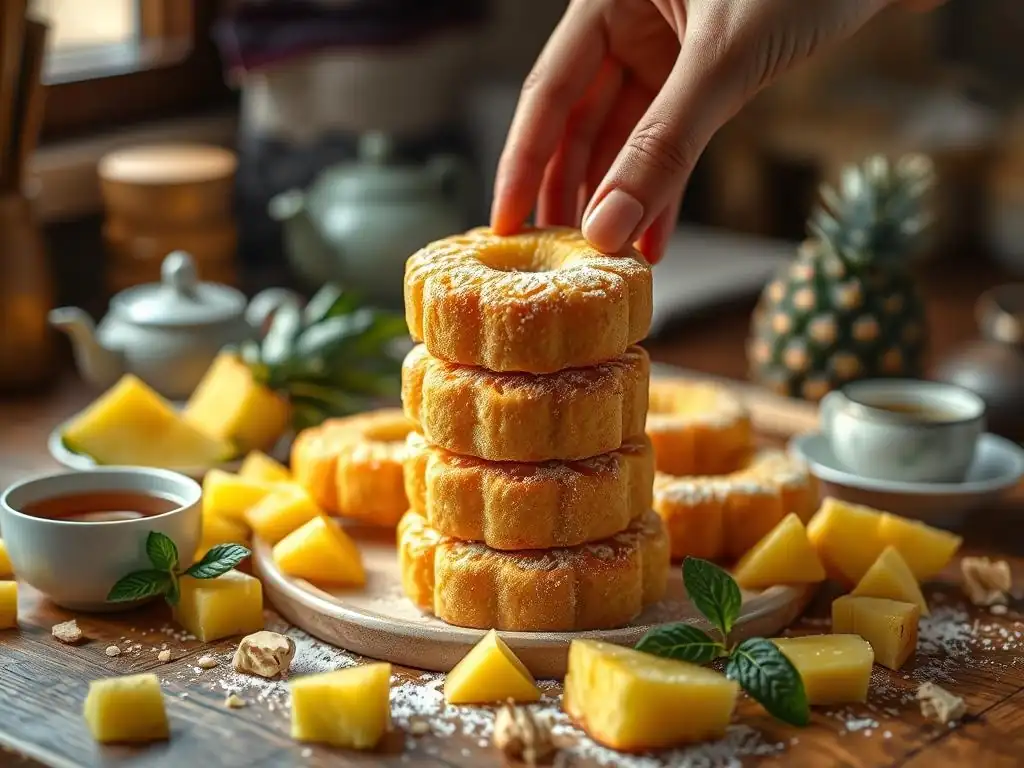
Taiwanese Pineapple Cakes are wonderful on their own, but pairing them with the right beverage can enhance the experience. A classic pairing is with a cup of hot tea. Taiwanese teas, such as Oolong or Green Tea, are excellent choices as their clean, slightly bitter or floral notes cut through the richness of the buttery crust and the sweetness of the filling. A less oxidized tea allows the delicate flavors of the cake to shine.
For coffee lovers, a simple black coffee or an Americano provides a similar balance, the bitterness contrasting nicely with the sweet pastry. If you prefer something cooler, a glass of cold milk is a simple yet satisfying accompaniment. For a more decadent treat, some enjoy pineapple cakes with a small scoop of vanilla ice cream, allowing the warm cake (if slightly reheated) to melt the ice cream around it.
Pineapple Cakes as a Gift: Presentation Ideas
Homemade Taiwanese Pineapple Cakes make thoughtful and impressive gifts. Their uniform size and neat shape lend themselves well to attractive packaging. Once cooled, you can wrap each cake individually in small cellophane bags or food-safe plastic wrap. This keeps them fresh and makes them easy to distribute.
For presentation, arrange the individually wrapped cakes in a decorative box. You can find boxes specifically designed for pastries or use any clean, sturdy box lined with tissue paper. Stacking them neatly in rows creates a professional look. Tying the box with a ribbon or adding a small tag with the name of the treat and perhaps a note about your Easy Taiwanese pineapple cake recipe adds a personal touch that will surely be appreciated by the recipient.
Mastering the Art of Taiwanese Baking: Beyond Pineapple Cakes
Exploring Other Popular Taiwanese Desserts
While Taiwanese Pineapple Cakes are arguably the most famous, Taiwan boasts a rich variety of other delicious desserts worth exploring. Many are influenced by Japanese, Chinese, and indigenous culinary traditions. One popular treat is Mochi (麻糬), soft and chewy rice cakes often filled with sweet red bean paste or peanut powder. Another favorite is shaved ice (刨冰), served with a multitude of toppings like fresh fruit, beans, taro balls, and condensed milk, especially popular during the hot summer months.
Steamed cakes and pastries are also common, such as Fa Gao (發糕), a steamed prosperity cake, and various types of 'bao' (包), which can have sweet fillings. Exploring these other desserts provides a broader understanding of Taiwanese culinary culture and offers new baking challenges and delights after you've mastered this Easy Taiwanese pineapple cake recipe.
Embrace the Ease of Asian-Inspired Baking with BakeWithEase
This Easy Taiwanese pineapple cake recipe is just one example of how simple and rewarding Asian-inspired baking can be. Many recipes from this region, while sometimes perceived as complex, can be adapted for the home kitchen using accessible techniques and ingredients. From fluffy steamed buns to delicate mochi and flavorful shortbreads like Fengli Su, the world of Asian desserts offers a unique blend of textures and flavors.
BakeWithEase is here to guide you on this journey. We strive to demystify international baking, providing clear, step-by-step instructions and helpful tips. Once you feel confident with this Easy Taiwanese pineapple cake recipe, we encourage you to explore other recipes in our Asian Inspired Desserts category. You might find that mastering a few key techniques opens up a whole new world of delicious possibilities in your baking adventures. Let's keep baking with ease!
Frequently Asked Questions
What makes this Taiwanese pineapple cake recipe "easy"?
This recipe focuses on simplified steps and readily available ingredients, making it accessible even for beginner bakers. We avoid complicated techniques often found in traditional recipes.
Where can I find pineapple filling if I don't want to make it from scratch?
Many Asian grocery stores sell pre-made pineapple filling, often labeled as "pineapple paste". You can also find it online from various retailers.
Can I substitute the butter in the crust with margarine or oil?
While possible, we recommend using butter for the best flavor and texture. Substitutes may alter the final taste and crumb of the pineapple cakes.
How long will these pineapple cakes stay fresh?
Properly stored in an airtight container, these cakes should stay fresh for about 3-5 days at room temperature. They can also be refrigerated for longer storage.
What are some variations I can try with this recipe?
You can experiment with adding different spices to the pineapple filling, like cinnamon or cloves. Some bakers also add cheese powder to the crust for a savory twist.
Final Reflection: The Sweetness of Tradition, the Simplicity of Sharing
The enduring appeal of Taiwanese pineapple cakes lies not just in their delicious taste, but in their ability to connect us to a rich culinary heritage, even with a simplified approach. These small, seemingly unassuming treats carry within them layers of history and cultural significance, making them more than just a dessert; they're a taste of home, a symbol of hospitality, and a testament to the enduring power of simple recipes.
Creating these cakes, even with a simplified recipe like the one shared, was a deeply rewarding experience. It allowed me to connect with a tradition that transcends generations, and to appreciate the artistry involved in something seemingly so straightforward. The best things in life are simple.
This quote rings especially true when considering the profound satisfaction derived from baking and sharing these delightful pineapple cakes. The process itself becomes a meditative act, a mindful connection to both the ingredients and the cultural legacy they represent.
Now, I invite you to embark on your own culinary journey. Try your hand at making these simple pineapple cakes. Don't be afraid to experiment, to adapt the recipe to your own preferences, and most importantly, to share the joy of baking and the sweetness of these treats with those you love. Let the aroma of baking pineapple fill your kitchen, and let the simple act of creating something delicious connect you to a richer, more flavorful life.
Unleash Your Inner Baker: Master the Art of Fengli Su!
Thanks for joining us on this delicious journey into the world of Taiwanese pineapple cakes! We hope you’ve gained a newfound appreciation for this delightful treat and the simple elegance of the Fengli Su recipe. Now it's time to put your new skills to the test.
- Bake your own Fengli Su masterpiece! Gather your ingredients, follow the steps, and experience the satisfaction of creating these exquisite cakes from scratch. This is your chance to impress friends and family (or simply treat yourself! ).
- Share your baking journey! Post a picture of your finished pineapple cakes on social media and tag us – we’d love to see your creations! Let's build a community of Fengli Su enthusiasts.
- Experiment with unique fillings! Beyond the classic pineapple, consider experimenting with other fruit preserves, nuts, or even savory options. The possibilities are endless!
Ready to take the leap and create your own perfect Fengli Su? What unique twist will you add to this classic recipe?