
The Story Behind Your Favorite Latin American Baked Treats

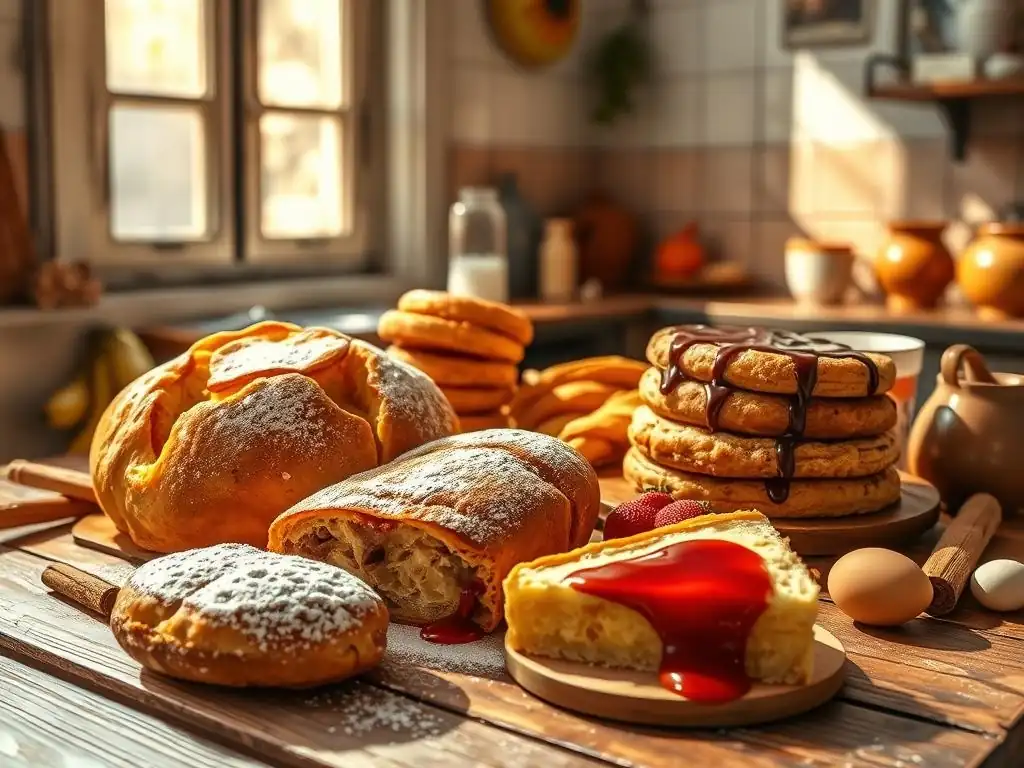
Welcome to BakeWithEase!
Ever wondered about the rich history and vibrant flavors hidden within your favorite Latin American dessert? You've come to the right place. We're diving deep into the stories behind these beloved treats, offering easy recipes and baking secrets that will transport your taste buds. Get ready to uncover the delicious origins and cultural significance, and most importantly, learn how to recreate them in your own kitchen. Ready to embark on a sweet adventure?
- The Story Behind Argentina's Favorite Baked Treats
- Discover Easy Argentinian Dessert Recipes: A Culinary Journey
- A Taste of History: Origins of Popular Argentinian Desserts
- Unveiling the Secrets of Classic Argentinian Desserts
- Argentinian Baking Made Easy: Recipes and Techniques
- Beyond the Classics: Exploring Modern Argentinian Dessert Creations
- The Cultural Significance of Argentinian Baked Goods
- Bring Argentinian Flavors to Your Kitchen: Easy Recipes to Try Today
-
Frequently Asked Questions
- What makes Latin American dessert recipes unique?
- Are Latin American desserts difficult to make at home?
- What are some popular Latin American desserts I can find on BakeWithEase?
- Can I find recipes that cater to dietary restrictions on BakeWithEase?
- How can BakeWithEase help me improve my baking skills with Latin American desserts?
- Final Reflection: A Sweet Legacy, A Shared Future
- Unleash Your Inner Pastry Chef!
The Story Behind Argentina's Favorite Baked Treats
Discover Easy Argentinian Dessert Recipes: A Culinary Journey
Argentina, a land celebrated for its rich culture, passionate tango, and world-renowned beef, also boasts a vibrant and delightful dessert scene. From the bustling cafes of Buenos Aires to the cozy kitchens in the countryside, sweet treats are an integral part of daily life and celebrations. Understanding the history and ingredients behind these beloved sweets makes the experience of baking and tasting them even more rewarding.
Embarking on a journey through Argentinian desserts reveals a fascinating blend of indigenous traditions and European influences, resulting in unique and utterly delicious creations. Many classic Argentinian dessert recipes are surprisingly easy to master at home, making it simple to bring a touch of South American sweetness to your own kitchen. Whether you're craving something rich and creamy or light and flaky, Argentina offers a diverse palette of flavors waiting to be explored.
A Taste of History: Origins of Popular Argentinian Desserts
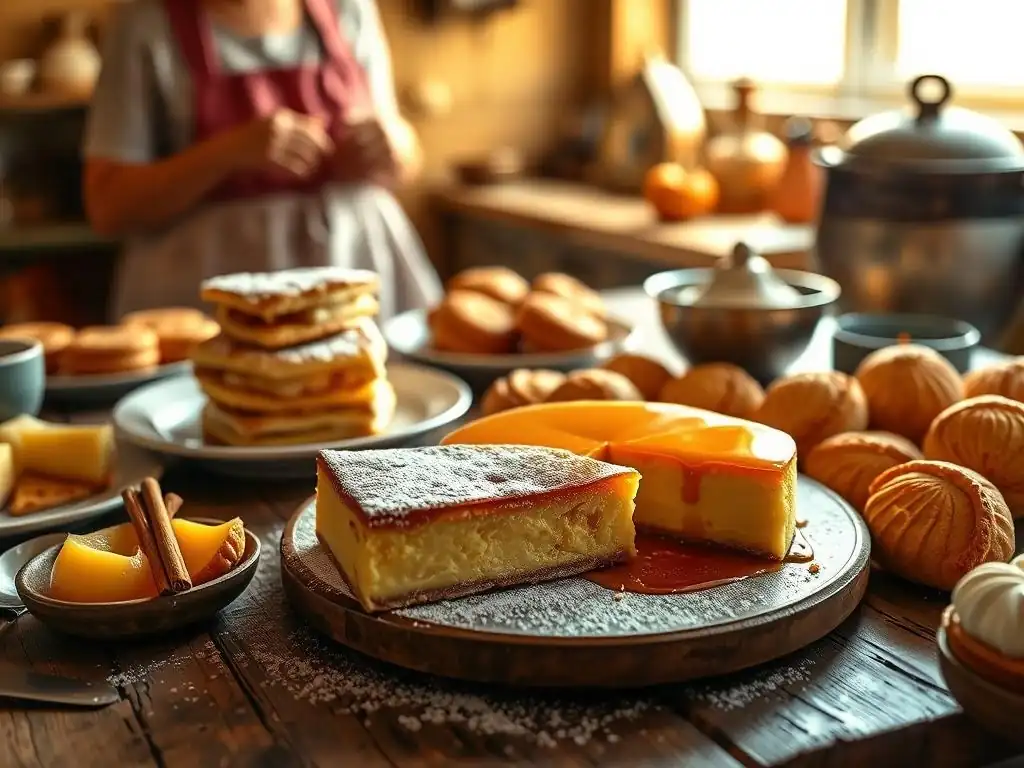
The Influence of Indigenous Ingredients in Argentinian Baking
Before European colonization, the indigenous peoples of the region that is now Argentina utilized native ingredients like corn (maíz), sweet potatoes (batata), squash (zapallo), and various fruits and seeds in their food preparations. While refined sugar was unknown, natural sweetness came from fruits or perhaps techniques like drying and concentrating fruit pulp. Simple porridges, mashed vegetables, or fruit-based preparations formed the basis of their limited sweet dishes.
These ingredients, particularly corn and sweet potato, continued to play a role even after the introduction of new ingredients. For example, regional sweets often incorporate dulce de batata (sweet potato paste) or dulce de cayote (a jam made from a type of squash), demonstrating the enduring legacy of native produce in Argentinian dessert traditions. While not complex baked goods as we know them today, these early uses of local sweetness laid a subtle foundation for later culinary developments.
Colonial Contributions to Argentinian Sweet Treats
The arrival of Spanish colonists in the 16th century dramatically transformed the culinary landscape, introducing key ingredients like wheat, sugar cane, cattle (providing milk and butter), and chickens (for eggs). Along with these came European baking techniques, including the use of ovens, frying, and the creation of pastries and custards. Monasteries and convents, in particular, became centers for developing intricate sweet recipes, a common practice in colonial Latin America.
Subsequent waves of immigration, especially from Italy and France in the late 19th and early 20th centuries, further enriched Argentinian baking. Italian immigrants brought their expertise in pasta frola, panettone (though more of a bread, it's a sweet staple), and various cakes and cookies. French influences can be seen in the popularity of pastries like croissants, which evolved into the distinct Argentinian medialuna. This fusion of indigenous resources, Spanish staples, and later European techniques created the foundation for the Argentinian desserts we enjoy today.
Regional Variations in Argentinian Dessert Traditions
Argentina's vast geography and diverse climates have fostered distinct regional variations in its dessert traditions. In the temperate central Pampa region, where dairy farming is prevalent, milk-based sweets like dulce de leche and flan are staples. The drier northern provinces, with their historical ties to indigenous and Andean cultures, often feature sweets made with regional fruits like cayote or tuna (prickly pear), and sometimes incorporate ingredients like corn flour or quinoa.
The Cuyo region, known for its vineyards, might incorporate grape derivatives or regional fruits into jams and pastries. The colder Patagonian region, with its berries and apples, has developed sweets featuring these fruits, sometimes influenced by later European settlers like the Welsh in Chubut, who brought their own baking traditions. This regional diversity means that exploring Latin American dessert recipes easy to find in one province might differ significantly from those in another, offering a rich tapestry of flavors across the country.
Unveiling the Secrets of Classic Argentinian Desserts
Alfajores: From Spain to Argentinian Delight
Alfajores are perhaps the quintessential Argentinian cookie, consisting of two soft, often crumbly cookies joined together by a sweet filling, most commonly dulce de leche, and sometimes coated in chocolate or powdered sugar. While the name "alfajor" originates from Arabic influence in Spain, the Argentinian version evolved significantly, particularly with the widespread use of dulce de leche as the filling. They are ubiquitous across the country, found everywhere from corner bakeries to supermarket shelves, and are a popular homemade treat.
The popularity of alfajores in Argentina is immense, with estimates suggesting billions are consumed annually. While precise national production data is difficult to pin down, one major brand alone produces millions daily. Their simple structure belies a perfect balance of textures and flavors: the tender cookie yielding to the rich, creamy dulce de leche. Making easy alfajores recipe variations at home is a rewarding way to experience this beloved classic.
Easy Alfajores Recipe Variations: [Maicena vs. Chocolate]
- Alfajores de Maicena are the most iconic, made with a significant amount of cornstarch (maicena), which gives the cookies their characteristic delicate, melt-in-your-mouth texture. They are typically filled with dulce de leche and rolled in shredded coconut around the edges.
- Chocolate Alfajores feature cookies that may or may not contain cornstarch, filled with dulce de leche or sometimes chocolate ganache, and entirely coated in milk or dark chocolate. These offer a richer, more decadent experience.
Dulce de Leche: Argentina's Beloved Caramel Spread Explained
Dulce de leche, literally "sweet milk," is a thick, caramel-like spread made by slowly heating sweetened milk until it caramelizes and reduces to a rich, brown, and utterly delicious consistency. It is the heart and soul of countless Argentinian desserts, used as a filling for cakes, pastries, and alfajores, spread on toast or pancakes, or simply eaten by the spoonful. Its creamy texture and deep, sweet flavor are instantly recognizable and deeply comforting.
While many countries in Latin America have their own versions of milk caramel, Argentinians hold a particular reverence for dulce de leche, considering it a national treasure. The quality and consistency can vary, from lighter, runnier versions to darker, thicker ones suitable for pastry filling ( dulce de leche repostero). Its widespread use makes understanding it key to mastering many easy Argentinian dessert recipes.
The Origins of Dulce de Leche: [Historical Accounts and Legends]
- One popular legend attributes its creation to a happy accident in 1829 at the peace talks between Juan Manuel de Rosas and Juan Lavalle near Cañuelas, Buenos Aires. A maid preparing lechada (milk and sugar) for Rosas accidentally left it heating too long, resulting in the first batch of dulce de leche.
- Historical evidence suggests similar preparations existed earlier in other parts of Latin America and even Europe, but the legend highlights its deep connection to Argentinian history and identity.
How to Make Dulce de Leche: An Easy Recipe for Beginners
- The simplest method involves slowly simmering milk and sugar in a pot for several hours, stirring frequently until it thickens and darkens. Patience is key to prevent burning.
- An even easier method for beginners is to slowly simmer an unopened can of sweetened condensed milk in water for 2-3 hours (ensure the can is always submerged), resulting in a rich, ready-to-use dulce de leche.
Medialunas: Sweet Croissants with a Rich History
Medialunas, meaning "half-moons," are the Argentinian take on the classic European croissant. They are a staple of Argentinian breakfasts and merienda (afternoon tea/snack) and are enjoyed throughout the day, often accompanied by coffee. While visually similar to croissants, Argentinian medialunas are typically smaller, softer, sweeter, and brushed with a sugary glaze, making them distinctly different from their flakier, more buttery French cousins.
Their origin is clearly linked to European baking traditions brought by immigrants, particularly the French and Italian influence on pastry making. Medialunas are a perfect example of how foreign culinary ideas were adapted and transformed using local ingredients and evolving tastes to become uniquely Argentinian. Their widespread availability in every panadería (bakery) underscores their status as a national pastry.
Exploring Different Medialuna Varieties: [Grasa vs. Manteca]
- Medialunas de manteca (butter medialunas) are made with butter, resulting in a softer, slightly richer, and sweeter pastry, often finished with a shiny sugar glaze. These are generally considered the more popular and classic sweet version.
- Medialunas de grasa (lard medialunas) use lard instead of butter, resulting in a less sweet, slightly crispier, and sometimes flakier texture. These are often smaller and can lean slightly more savory, though they are still categorized as a sweet pastry.
Argentinian Baking Made Easy: Recipes and Techniques
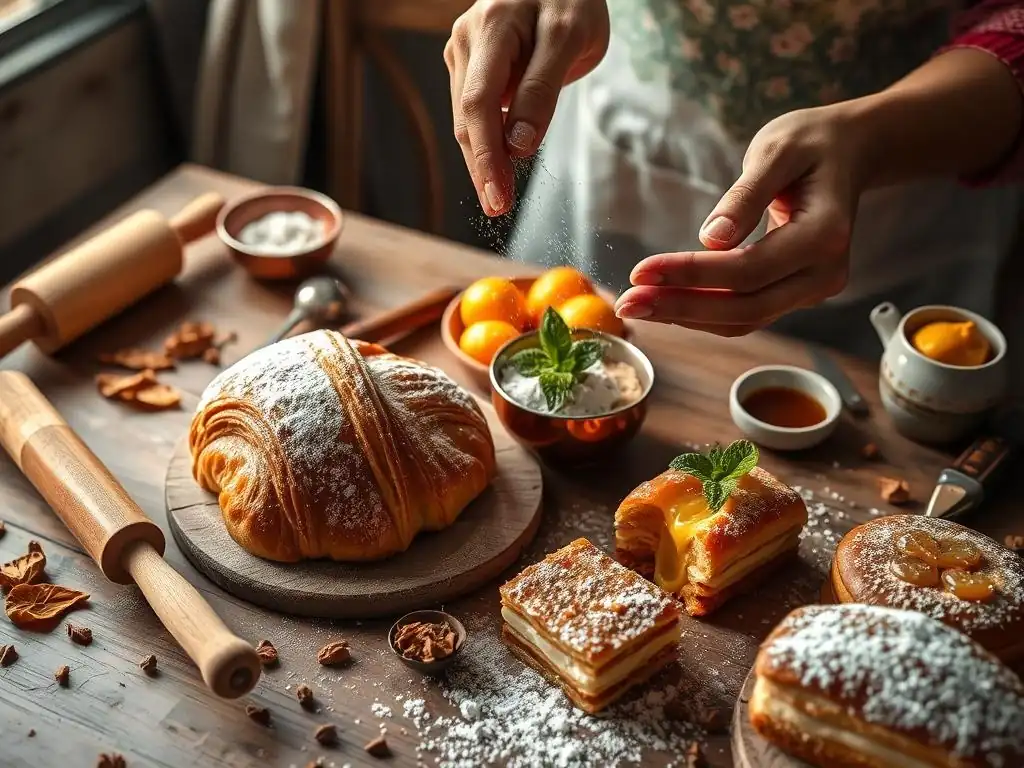
Mastering Key Argentinian Baking Techniques
Argentinian baking often relies on fundamental techniques that are accessible to home bakers. Understanding how to work with simple doughs, handle fillings like dulce de leche, and achieve the right textures are key steps. Many traditional recipes prioritize flavor and comfort over intricate decoration, making them ideal for those starting out in baking.
For instance, mastering a basic pastry dough, often enriched with egg yolk for tenderness, opens the door to making various tarts and pastries filled with dulce de leche, quince paste ( dulce de membrillo), or other fruit jams. Similarly, techniques for achieving the smooth, creamy texture of flan or the delicate crumb of alfajores de maicena are straightforward once the basic principles are understood. These Latin American dessert recipes easy to follow lay a solid foundation for exploring more complex bakes.
How to Make Dulce de Membrillo from Scratch: An Easy Guide
- Dulce de membrillo, or quince paste, is made by cooking quince fruit with sugar until it forms a thick, firm paste. It's traditionally served with cheese.
- Peel, core, and chop quinces, then simmer them until soft. Puree the cooked fruit, add an equal weight of sugar, and cook slowly, stirring constantly, until very thick and reddish-brown. Pour into molds and let set.
Perfecting the Art of Making Argentinian Pastry Dough
- Many Argentinian tarts use a masa frola, a tender shortcrust-like dough enriched with egg yolk. The key is not to overwork the dough to keep it tender.
- For pastries like vigilantes or sacramentos, a simple puff pastry ( hojaldre) is used, which requires chilling and folding layers of dough and butter. While slightly more involved, ready-made puff pastry can also be used for easier versions.
Easy Argentinian Dessert Recipes for Home Bakers
Bringing the taste of Argentina into your home kitchen doesn't require advanced skills. Many beloved treats have simple, forgiving recipes that yield delicious results. Focusing on fresh ingredients and following step-by-step instructions makes these Latin American dessert recipes easy and enjoyable to prepare.
From mixing simple cookie doughs for alfajores to whisking together ingredients for a creamy flan, the process is often intuitive. These recipes are perfect for baking with family or for whipping up a treat to share with friends, embodying the spirit of Argentinian hospitality. Don't be intimidated by unfamiliar names; the techniques are often universal baking basics with a South American twist.
Simple Alfajores de Maicena Recipe: [Tips for Delicate and Delicious Alfajores]
- Use a mix of all-purpose flour and cornstarch (maicena) for the characteristic delicate texture. A common ratio is roughly 1:2 flour to cornstarch.
- Do not overmix the dough; handle it gently to ensure the cookies remain tender and don't become tough.
- Bake the cookies until just set and lightly golden on the edges; they should still be pale in the center.
- generously fill with dulce de leche and roll the edges in finely shredded unsweetened coconut.
Quick and Easy Flan Casero Recipe: A Beginner's Guide
- Flan casero (homemade custard) is essentially a baked custard with a caramel topping. The basic ingredients are eggs, milk (or cream), sugar, and vanilla.
- Prepare the caramel first by melting sugar in a pan until golden brown, then pour it into the bottom of your baking mold.
- Whisk together the eggs, milk, sugar, and vanilla, then pour gently over the cooled caramel.
- Bake in a bain-marie (water bath) in the oven until the custard is set but still slightly wobbly in the center. Chill thoroughly before unmolding.
Beyond the Classics: Exploring Modern Argentinian Dessert Creations
Contemporary Twists on Traditional Argentinian Desserts
Argentina's culinary scene is dynamic, with chefs and home bakers constantly innovating while respecting tradition. This has led to exciting contemporary twists on classic desserts. For example, you might find alfajores with unconventional fillings like passion fruit or regional berries, or incorporating different flours like almond flour for new textures. Pastry chefs are reimagining pastafrola with intricate lattice work or using gourmet dulce de leche variations.
Another trend is the elevation of simple street food desserts. Churros, traditionally a fried dough often filled with dulce de leche, are now found in cafes with various dipping sauces or gourmet fillings. Even humble facturas (breakfast pastries) are being refined with higher-quality ingredients and creative shapes or fillings. These modern interpretations keep traditional flavors relevant and exciting for new generations.
Fusion Desserts: Argentinian Flavors Meet Global Baking Trends
Argentinian bakers are also embracing global baking trends, leading to delicious fusion desserts. This might involve incorporating Argentinian flavors like dulce de leche, yerba mate, or regional fruits into international formats like macarons, cheesecakes, or mousse cakes. For instance, a French-style mousse might be flavored with dulce de leche and served with a crumble made from yerba mate biscuits.
You can find desserts combining Argentinian ingredients with Asian techniques, or European pastry structures filled with tropical Latin American fruits. This willingness to experiment creates a vibrant dessert landscape, offering new ways to experience familiar Argentinian tastes alongside international influences. These fusion creations showcase the adaptability and creativity within Argentinian baking today.
The Cultural Significance of Argentinian Baked Goods
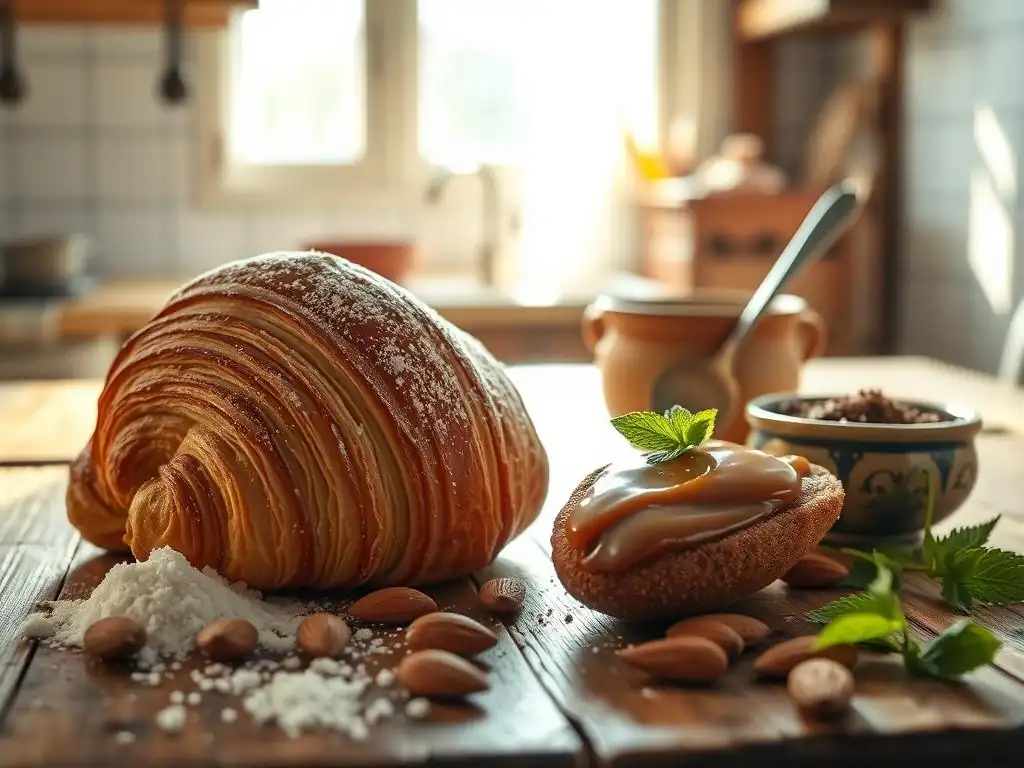
Desserts as Celebratory Foods in Argentina
Baked goods and desserts hold significant cultural weight in Argentina, often being central to celebrations and social gatherings. Birthday parties are incomplete without a multi-layered cake, frequently filled with dulce de leche and decorated exuberantly. Traditional pastries like rosca de Pascua (Easter ring bread) or pan dulce (sweet bread, similar to panettone) are staples during religious holidays, their shapes and ingredients carrying symbolic meaning.
Family reunions, national holidays, and even simple weekend get-togethers often feature an array of homemade or bakery-bought sweets. Sharing a box of facturas or a slice of homemade tart is an act of generosity and togetherness. These sweet traditions reinforce social bonds and mark important moments in the lives of Argentinians.
Sharing food is a cornerstone of Argentinian hospitality, and desserts play a special role in this tradition. Inviting someone for merienda (afternoon tea) typically involves serving pastries, cookies, or a slice of cake alongside coffee or tea. Bringing a homemade dessert when visiting someone's home is a common and appreciated gesture.
This culture of sharing extends to everyday life; colleagues might bring facturas to the office to share, or neighbors might exchange baked goods. The act of offering and sharing sweet treats is deeply ingrained in the social fabric, representing warmth, generosity, and community. It’s a delicious expression of the friendly and welcoming nature of Argentinian culture.
Bring Argentinian Flavors to Your Kitchen: Easy Recipes to Try Today
Exploring Argentinian desserts is a delightful culinary adventure, offering a perfect blend of comforting familiarity and exciting new flavors. Many of the most beloved treats, from the iconic alfajores filled with rich dulce de leche to the creamy flan, can be easily recreated in your own kitchen. These Latin American dessert recipes easy to follow provide a fantastic starting point for anyone wanting to experience the sweet side of Argentina.
Whether you're preparing a batch of delicate alfajores de maicena for a special occasion or simply making a quick flan for an evening treat, the process is rewarding and the results are sure to impress. Don't hesitate to dive in and experiment with these simple yet flavorful recipes. Baking Argentinian desserts is more than just following instructions; it's about connecting with a rich history and a warm, hospitable culture, one delicious bite at a time.
- [Call to Action: Explore More Argentinian Baking Recipes on ArgentinianCuisine.com]
Frequently Asked Questions
What makes Latin American dessert recipes unique?
Latin American desserts often feature unique flavor combinations using ingredients like dulce de leche, tropical fruits, and spices like cinnamon. They offer a distinct culinary experience compared to other baking traditions.
Are Latin American desserts difficult to make at home?
Not necessarily! BakeWithEase provides easy Latin American dessert recipes designed for bakers of all skill levels. You can find step-by-step guides to help you succeed.
What are some popular Latin American desserts I can find on BakeWithEase?
BakeWithEase offers recipes for classic treats like tres leches cake, alfajores, and churros. Many recipes focus on easy-to-find ingredients and simplified baking processes.
Can I find recipes that cater to dietary restrictions on BakeWithEase?
While we primarily focus on traditional recipes, we're constantly adding variations. Look for recipes that offer substitutions for common allergens or that are naturally gluten-free or vegan.
How can BakeWithEase help me improve my baking skills with Latin American desserts?
BakeWithEase provides detailed instructions, tips, and techniques specifically for Latin American baking. Our goal is to make mastering these delicious treats accessible and enjoyable for everyone.
The enduring popularity of Latin American baked treats reflects more than just a delicious craving; it's a testament to the power of cultural exchange and the enduring strength of culinary traditions. These recipes, passed down through generations, represent a vibrant tapestry of history, ingenuity, and community, woven together with flour, sugar, and a whole lot of love. Their accessibility, as highlighted in this exploration of easy recipes, ensures their continued relevance in a globalized world.
The influence of these desserts extends far beyond the simple act of eating. They are integral to celebrations, family gatherings, and the very fabric of Latin American culture. They represent a shared heritage, a connection to ancestral roots, and a delicious way to bridge cultural divides. Food is symbolic of love when words are inadequate.
- Alan D. Wolfelt. This quote perfectly encapsulates the emotional depth woven into each bite of these beloved treats. Their continued adaptation and evolution in modern kitchens only strengthens their enduring legacy.
Now, consider your own kitchen. Imagine the possibilities: the joy of recreating these simple yet profound recipes, the satisfaction of sharing them with loved ones, and the deeper understanding you gain of a rich and diverse culinary landscape. Don't just bake these treats; bake a connection. Explore the history, embrace the flavors, and share the sweetness – not just of the dessert, but of the cultural stories they tell. Let the simple act of baking become a bridge to understanding and appreciation, a testament to the power of food to unite us all.
Unleash Your Inner Pastry Chef!
Thanks for taking the time to explore the rich history and deliciousness of Latin American baked goods! We hope you gained a new appreciation for these sweet treats and their cultural significance. Now it's time to put your newfound knowledge to good use:
- Bake your own Latin American masterpiece! Choose a recipe that caught your eye and give it a try. We’re confident you'll be amazed by the results.
- Share your baking journey! Post a picture of your creation on social media and tag us—we’d love to see your culinary adventures!
- Explore our extensive recipe collection for even more inspiration. We have hundreds of recipes from around the world, just waiting to be discovered.
What unique Latin American flavor will you explore next?