
The Ultimate BakeWithEase Guide to British Tea Time Treats

Welcome to BakeWithEase!
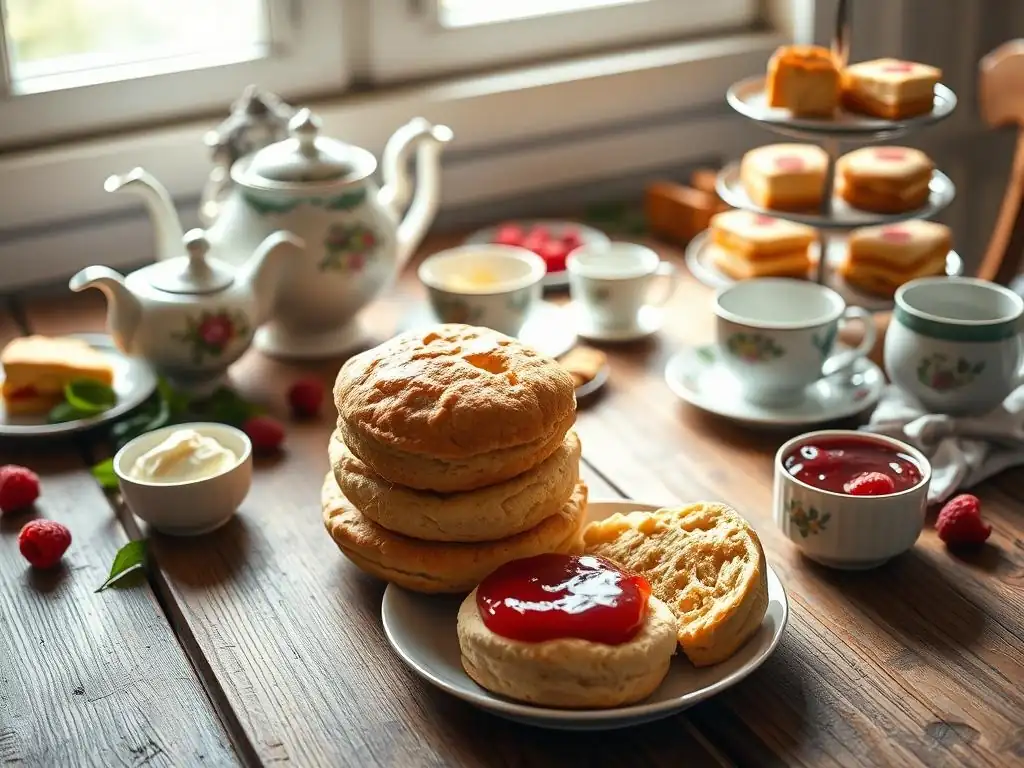
Are you ready to unlock the secrets of a truly delightful British tradition? We're thrilled to guide you through the art of creating perfect British tea time scones. Imagine the aroma of freshly baked scones filling your kitchen, ready to be enjoyed with clotted cream and jam. Dive into our step-by-step recipe and expert tips – you'll be amazed at how easy it is to bring this classic treat to your table. But first, let's explore the history and nuances that make these scones so special…
- A Journey into British Baking
- Mastering the Art of British Tea Time Scones
- Step-by-Step: Baking Perfect British Scones
- Beyond Scones: Exploring Other British Tea Time Treats
- Serving Your British Tea Time Creations
- Troubleshooting Your British Baking
- Variations on the Classic British Scone Recipe
- Expanding Your British Baking Repertoire
-
Frequently Asked Questions
- What exactly are British tea time scones?
- Are British tea time scones difficult to make, even for beginners?
- What ingredients are essential for a good British tea time scone recipe?
- How can I achieve the perfect light and fluffy texture for my scones?
- What are some variations or serving suggestions for British tea time scones?
- Final Reflection: A Scone for Every Season, a Tradition for All Time
- Unleash Your Inner Baker: Craft Exquisite British Tea Time Treats!
A Journey into British Baking
Discovering the Delights of British Tea Time
British tea time is more than just a meal; it's a cherished cultural institution, a moment to pause, relax, and indulge in a delightful array of sweet and savory treats alongside a comforting cup of tea. Originating in the mid-19th century, afternoon tea was purportedly introduced by Anna, the Duchess of Bedford, who sought a way to bridge the long gap between lunch and dinner.
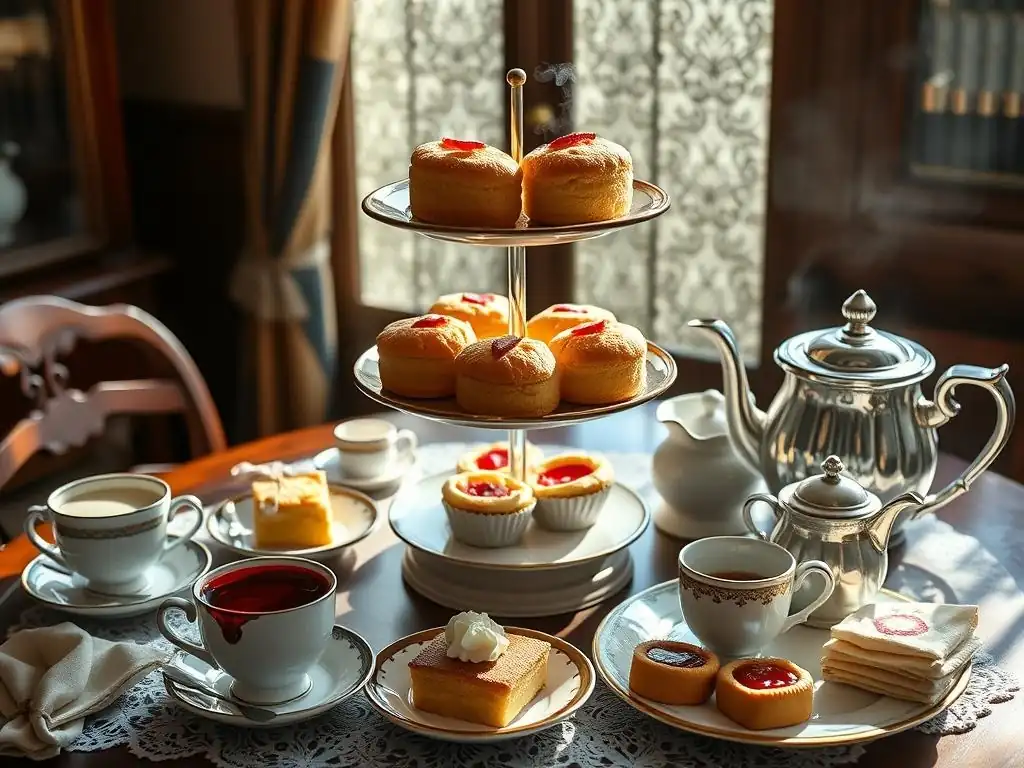
This tradition typically unfolds between 3 pm and 5 pm, offering a tiered stand laden with finger sandwiches, pastries, cakes, and, of course, the undisputed star: the scone. The experience is one of gentle refinement and simple pleasures, making it a beloved ritual both in the UK and worldwide.
The selection of baked goods is central to the tea time experience, each item contributing to the overall tapestry of flavors and textures. While delicate sandwiches offer a savory counterpoint, the sweet treats are where British baking truly shines. From the crumbly delight of shortbread to the light elegance of a Victoria sponge cake, and the rich complexity of a Bakewell tart, there's a treat to satisfy every palate.
However, the heart of any proper British tea time spread remains the scone, often served warm and accompanied by clotted cream and jam. Mastering the classic British tea time scones recipe is a cornerstone for anyone wishing to recreate this charming tradition at home.
Mastering the Art of British Tea Time Scones
The Quintessential British Tea Time Scones Recipe
The classic British tea time scones recipe is surprisingly simple in its ingredients but requires careful technique to achieve that perfect light, fluffy texture. At its core, a traditional scone dough relies on a few basic pantry staples: flour (typically self-raising), cold butter, a touch of sugar, baking powder for extra lift, and milk or buttermilk.
The magic happens in how these ingredients are combined, particularly the method of rubbing cold butter into the dry ingredients until the mixture resembles breadcrumbs. This step is crucial as the small pieces of butter melt during baking, creating steam that pushes the layers of dough apart, resulting in a tender, airy crumb.
A standard recipe often calls for approximately 225g of self-raising flour, 50g of cold, cubed unsalted butter, 25g of caster sugar, 1 teaspoon of baking powder, and about 150ml of milk or buttermilk. Some variations might include an egg for richness or a pinch of salt to balance the sweetness. The key is to handle the dough as little as possible.
Overworking the dough develops the gluten, leading to tough scones. A gentle hand, quick mixing, and minimal kneading are essential secrets to achieving those light, cloud-like scones that are the hallmark of a truly great British tea time. Following a reliable British tea time scones recipe step-by-step is the best way to ensure success.
Step-by-Step: Baking Perfect British Scones
Gathering Your Scone Ingredients: A Checklist
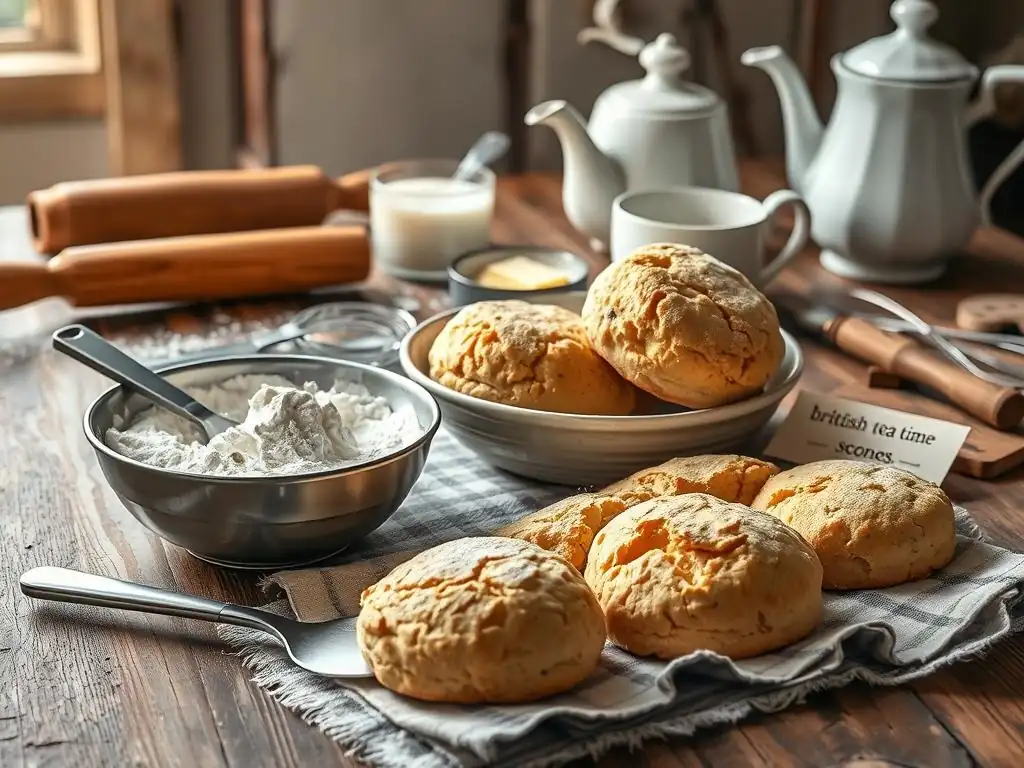
Before you begin baking your delicious British tea time scones, it's vital to have all your ingredients measured and ready. This ensures a smooth process and helps prevent mistakes. Having cold butter is particularly important for the success of this British tea time scones recipe.
Here is a checklist of the standard ingredients you'll need for a batch yielding approximately 8-10 scones:
- [ ] 225g self-raising flour (plus extra for dusting)
- [ ] 1 tsp baking powder
- [ ] 50g cold unsalted butter, cubed
- [ ] 25g caster sugar
- [ ] A pinch of salt (optional, but recommended)
- [ ] 150ml milk or buttermilk
- [ ] 1 egg, beaten (optional, for egg wash)
Ensure your oven is preheating before you start mixing, typically to a high temperature like 220°C (200°C fan/Gas Mark 7). This hot oven helps the scones rise quickly.
Combining Dry Ingredients for Fluffy Scones
The first step in many British tea time scones recipes involves combining the dry ingredients. In a large mixing bowl, weigh out your self-raising flour and add the baking powder, caster sugar, and optional pinch of salt. Using self-raising flour already includes a leavening agent, but adding a little extra baking powder provides an additional boost, contributing significantly to a lighter, fluffier scone texture.
Whisk these dry ingredients together gently with a fork or balloon whisk. This aerates the flour and ensures the leavening agents and sugar are evenly distributed throughout the mixture. An even distribution is crucial for a consistent rise and uniform sweetness in every scone. This simple initial step sets the stage for the proper development of the dough and is foundational to achieving the desired lightness characteristic of perfect British tea time scones.
Incorporating Butter: The Key to Tender Scones
Incorporating cold butter correctly is perhaps the most critical step in achieving tender, flaky British tea time scones. Take your cubed cold butter and add it to the bowl with the dry ingredients. Using your fingertips, quickly rub the butter into the flour mixture. The goal is to break the butter into small, pea-sized pieces, coating them in flour. Avoid overhandling the mixture; your hands' warmth can melt the butter, which is counterproductive.
Continue rubbing the butter in until the mixture resembles coarse breadcrumbs. You should still see small flecks of butter throughout. These small butter pieces are what create the steam during baking, separating the layers of dough and resulting in a light, tender crumb structure. This technique, often called 'rubbing in,' is fundamental to many British baking recipes, from scones to crumbles, and is essential for a successful British tea time scones recipe.
Adding Wet Ingredients and Forming the Dough
Once the butter is rubbed into the dry ingredients, it's time to add the wet ingredients. Make a well in the center of the flour and butter mixture. Pour in most of the milk (or buttermilk). If you are using an egg wash later, reserve a tablespoon or two of the milk to mix with the egg.
Using a knife or a gentle hand, quickly bring the dry and wet ingredients together to form a soft, slightly sticky dough. Avoid kneading or overmixing. The less you handle the dough at this stage, the more tender your British tea time scones will be. If the dough seems too dry, add a little more milk, a tablespoon at a time, until it just comes together. The dough should be cohesive but not overly wet or sticky.
Shaping and Cutting Your Tea Time Scones
Turn the soft dough out onto a lightly floured surface. Pat the dough gently with your hands until it is about 2-2.5 cm (around 1 inch) thick. Resist the urge to roll it out with a rolling pin, as this can compress the dough and result in denser scones.
Use a sharp round cutter to cut out the scones. Dip the cutter in flour between cuts to prevent sticking and press straight down without twisting. Twisting the cutter can seal the edges, hindering the rise.
Gather the scraps gently, pat them together, and cut out remaining scones until all the dough is used. Place the cut scones onto a baking tray lined with parchment paper, leaving a small gap between them. If using an egg wash (milk mixed with beaten egg), gently brush the tops of the scones, being careful not to let it drip down the sides, as this can also impede the rise.
Baking to Golden Perfection: Oven Temperature and Timing
Baking British tea time scones requires a hot oven to encourage a rapid rise and a lovely golden-brown crust. Your oven should be preheated to 220°C (200°C fan/Gas Mark 7). Place the tray of scones in the hot oven.
Bake the scones for approximately 10-15 minutes. The exact time will depend on your oven and the size of your scones. They are ready when they have risen significantly, are golden brown on top, and sound hollow when tapped on the base. Baking them at a high temperature for a relatively short time helps create that desirable contrast between a crisp exterior and a light, fluffy interior. Once baked, transfer the scones to a wire rack to cool slightly before serving. This crucial step completes your British tea time scones recipe journey.
Beyond Scones: Exploring Other British Tea Time Treats
Classic Shortbread: A Buttery Delight
Classic Scottish shortbread is a simple yet utterly irresistible British tea time treat. Made with just three main ingredients – butter, sugar, and flour – its charm lies in its rich, buttery flavor and wonderfully crumbly texture. The traditional ratio is often cited as 1:2:3 by weight for sugar, butter, and flour respectively, though variations exist. A common recipe might use 75g sugar, 150g butter, and 225g plain flour, sometimes with a little rice flour added for extra crispness, representing a slightly different ratio but maintaining the buttery focus.
The preparation is straightforward: cream the butter and sugar together until pale and fluffy, then gradually mix in the flour until a dough forms. This dough is typically pressed into a tray or shaped into a round and pricked with a fork before baking at a relatively low temperature (around 160°C / 140°C fan/Gas Mark 3) for a longer period (30-45 minutes) until pale golden. This slow baking process allows the butter to permeate the dough fully, creating that signature melt-in-your-mouth texture. Shortbread fingers, rounds, or petticoat tails are popular shapes, making them perfect for dipping in tea.
Victoria Sponge Cake: A Tea Time Staple
The Victoria Sponge Cake, named in honor of Queen Victoria, is arguably one of Britain's most iconic cakes and a guaranteed crowd-pleaser at any tea time. It's a simple yet elegant cake consisting of two light sponge layers sandwiched together with raspberry jam and whipped cream (or sometimes buttercream). The traditional sponge uses a 'creaming method,' beating equal weights of butter, sugar, and flour, with eggs added gradually. A typical recipe might call for 200g each of unsalted butter, caster sugar, and self-raising flour, plus 4 medium eggs.
Baking occurs in two identical cake tins at a moderate temperature (around 180°C / 160°C fan/Gas Mark 4) for about 20-25 minutes until golden and springy to the touch. Once cooled, one sponge is spread generously with raspberry jam, and the other with freshly whipped double cream (around 200-300ml whipped with a tablespoon of sugar).
The two layers are then carefully brought together, and the top is often dusted with icing sugar. The simplicity of the ingredients belies the delicious result: a perfect balance of soft cake, sweet jam, and rich cream, making it a quintessential companion to a cup of tea.
Bakewell Tart: A Fruity and Almondy Treat
The Bakewell Tart is a delightful pastry originating from the town of Bakewell in Derbyshire. It typically consists of a shortcrust pastry base spread with a layer of jam (traditionally raspberry or strawberry), covered with a rich frangipane filling (an almond cream made from butter, sugar, ground almonds, eggs, and a touch of flour), and often topped with flaked almonds or a drizzle of icing. A classic recipe might use 150g plain flour and 75g cold butter for the pastry, and for the frangipane, 100g each of butter, sugar, and ground almonds, plus 2 eggs.
After blind baking the pastry case, the jam is spread, and the frangipane is poured over. It's then baked at a moderate temperature (around 180°C / 160°C fan/Gas Mark 4) for 25-35 minutes until the frangipane is set and golden brown. The combination of the crisp pastry, sweet jam, and moist, nutty frangipane creates a complex and satisfying taste experience. While some versions feature a layer of white icing and a glacé cherry, the flaked almond topping is equally traditional and offers a lovely toasted flavor and texture.
Chelsea Buns: A Sticky and Spiced Delight
Chelsea Buns are sweet, sticky buns originating from the Chelsea area of London. They are made from enriched yeast dough, similar to that used for cinnamon rolls, spread with a filling of currants, brown sugar, and spices (like cinnamon and mixed spice), rolled up, sliced, and baked closely together in a tray. A typical dough recipe might use 250g strong white bread flour, 4g fast-action yeast, 30g sugar, 40g butter, 150ml milk, and 1 egg, with a filling of 50g melted butter, 75g brown sugar, 100g currants, and spices.
After the dough has risen, it's rolled into a rectangle, spread with the melted butter and sprinkled with the sugar, currants, and spices. It's then rolled tightly into a log, sliced into rounds about 2-3 cm thick, and placed cut-side up in a buttered baking tray. They are left to prove again until they have doubled in size and are touching.
Baked at around 190°C (170°C fan/Gas Mark 5) for 20-25 minutes until golden, they are then typically glazed while warm with a sugar syrup or a simple water icing, which creates their characteristic sticky finish. These spiced, fruity buns are a wonderfully comforting addition to any tea time spread.
Serving Your British Tea Time Creations
The Art of Scone Service: Clotted Cream and Jam
Serving your freshly baked British tea time scones is an art form in itself, centered around the essential accompaniments: clotted cream and jam. Clotted cream, a thick, rich cream made by indirectly heating full-cream milk and allowing it to cool slowly, forming "clots" of cream, is non-negotiable. It has a higher fat content than whipped cream and a unique texture and flavor. Strawberry jam is the traditional choice, though raspberry, cherry, or blackcurrant jams are also popular.
The debate rages on whether the cream or the jam should be applied first – the "Cornish" method (jam first, then cream) or the "Devon" method (cream first, then jam). Ultimately, it's a matter of personal preference! Provide both generously alongside your warm scones. Each scone should be split in half horizontally. Guests then dollop on jam and a generous spoonful of clotted cream. The warmth of the scone slightly melts the toppings, creating a truly indulgent bite.
Pairing Teas with Your Baked Goods
Choosing the right tea is crucial to complementing your British tea time treats. Classic black teas are the most traditional pairing, offering a robust flavor that stands up well to the richness of the baked goods without overpowering them.
Popular choices include:
- English Breakfast: A blend of Assam, Ceylon, and Kenyan teas, offering a strong, malty flavor that pairs well with rich cakes and buttery shortbread.
- Earl Grey: A black tea flavored with bergamot oil, providing a fragrant, slightly citrusy note that can cut through the sweetness of pastries and scones.
- Darjeeling: Often referred to as the "champagne of teas," this lighter black tea from India has a floral aroma and a delicate flavor that suits lighter cakes and fruit tarts.
- Assam: A strong, malty tea that is excellent with milk and stands up robustly to buttery scones and hearty pastries like Chelsea buns.
Offer a selection if possible, allowing guests to choose their preferred brew. The tannins in the tea help cleanse the palate between bites of sweet or rich treats, enhancing the overall experience.
Tips for a Perfect British Tea Party Setup
Setting the scene for a British tea party enhances the enjoyment of your baked goods. While formality is optional, a few simple touches can make the occasion feel special. Use your best teacups and saucers, even if they are mismatched. A teapot is essential, and a tea strainer adds a touch of tradition if using loose leaf tea.
Presentation is key. Arrange the treats on a tiered cake stand, starting with sandwiches on the bottom, scones in the middle, and cakes and pastries on top. Ensure clotted cream and jam are served in separate bowls with small spoons. Small plates, cake forks (if serving cake), and napkins are necessary. Fresh flowers can add a lovely touch to the table. Remember, the goal is a relaxed yet elegant atmosphere where guests can linger and savor the delightful spread you've created, featuring your perfect British tea time scones recipe creations and other treats.
Troubleshooting Your British Baking
Common Scone Baking Mistakes and How to Avoid Them
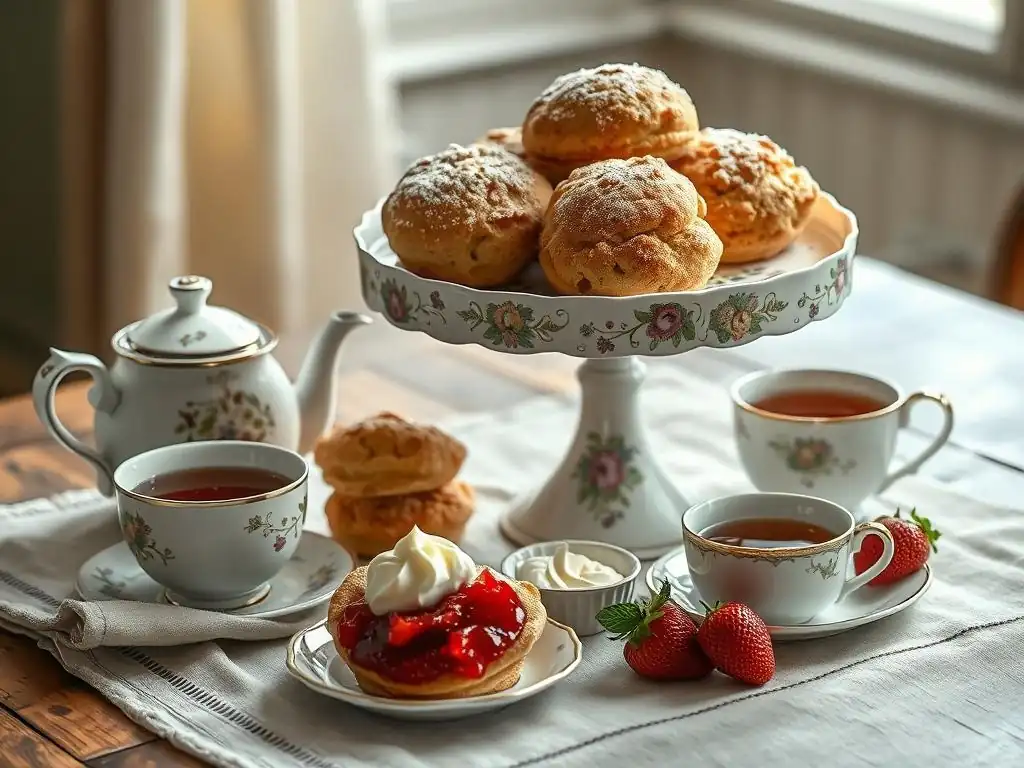
Even with a great British tea time scones recipe, sometimes things don't go quite as planned. One of the most common issues is tough scones. This usually happens due to overworking the dough. Too much mixing or kneading develops gluten, resulting in a heavy, bread-like texture instead of a light, crumbly one.
To avoid this, mix the dough only until it just comes together and handle it gently when shaping. Another frequent problem is scones that don't rise properly. This can be caused by using old or inactive baking powder, insufficient leavening, or the oven not being hot enough. Ensure your leavening is fresh and your oven is fully preheated to the recommended high temperature (typically 200-220°C).
Another pitfall is dry scones. This often results from adding too much flour during the initial mixing or when turning the dough out, or from not adding enough liquid. The dough should be soft and slightly sticky before shaping. Over-baking can also lead to dryness; keep an eye on the time and look for the golden color and hollow sound when tapped. Finally, uneven rising can happen if you twist the cutter when shaping or if the egg wash drips down the sides, sealing them. Press the cutter straight down and apply egg wash only to the tops.
Achieving the Ideal Scone Texture: Tips and Tricks
Achieving that coveted light, fluffy, and tender texture in your British tea time scones recipe requires attention to detail. Here are some top tips:
- Keep Ingredients Cold: Ensure your butter is fridge-cold and cut into small cubes. Some bakers even chill their flour beforehand. Cold ingredients are crucial for the 'rubbing in' method to work effectively.
- Use Self-Raising Flour and Baking Powder: Using self-raising flour provides a base level of leavening, and adding extra baking powder (typically 1-2 teaspoons per 225g flour) gives that extra lift needed for a sky-high scone.
- Don't Overmix: This cannot be stressed enough. Mix the wet and dry ingredients until just combined. The dough should be soft and slightly shaggy.
- Handle Gently: When patting out and cutting the dough, be gentle. Press straight down with the cutter.
- Use Buttermilk: If possible, use buttermilk instead of milk. The acidity in buttermilk reacts with the baking powder, providing an extra boost to the rise and contributing to a tender crumb.
- Bake Hot and Fast: A hot oven (200-220°C) is essential. It sets the exterior quickly and creates steam from the butter and liquid, forcing the scones to rise rapidly before the structure is fully formed.
By following these simple yet effective techniques, you significantly increase your chances of producing perfect, fluffy British tea time scones every time you use your favorite British tea time scones recipe.
Troubleshooting Bakewell Tart Issues
While less common than scone woes, Bakewell tarts can present their own challenges. A soggy bottom is a frequent complaint, where the pastry base remains undercooked or damp. This is often due to insufficient blind baking of the pastry shell before adding the filling. Ensure you blind bake the pastry case thoroughly until the base looks dry and slightly golden, typically for 15-20 minutes with baking beans and then another 5-10 minutes without. Using a hot baking sheet placed in the oven before adding the tart can also help cook the base from underneath.
Another issue can be the frangipane filling sinking or cracking. Sinking can occur if the filling is too wet or if the tart is underbaked. Ensure your frangipane is made with the correct proportions of butter, sugar, almonds, and eggs, and bake until it is set in the center (a skewer inserted should come out clean) and golden brown on top.
Cracking can sometimes happen if the oven temperature is too high, causing the top to set before the middle has finished rising. Try reducing the oven temperature slightly or covering the top loosely with foil if it browns too quickly.
Variations on the Classic British Scone Recipe
Adding Fruit to Your Scones: Raisins, Currants, and More
While the plain scone is a classic, adding fruit is a popular variation in many British tea time scones recipes. The most traditional fruit additions are raisins or currants. These are usually folded into the dry ingredients before the butter is rubbed in, or gently stirred into the dough just before turning it out. For a standard recipe using 225g flour, you might add anywhere from 50g to 100g of dried fruit, depending on how fruity you like your scones. Ensure the fruit is evenly distributed throughout the dough.
Other fruits can also be used, though they might require a slightly different approach. Fresh or frozen berries (like blueberries or raspberries) can add moisture, so you might need slightly less milk or handle the dough even more gently. Dried cranberries or chopped dried apricots also make delicious additions. Soaking dried fruits in a little hot tea or orange juice for 10-15 minutes before draining and adding them can plump them up and prevent them from drying out the scone during baking. Experimenting with different fruits can add a delightful twist to your classic British tea time scones recipe.
Savory Scones: A Delicious Alternative
Scones aren't exclusively sweet; savory versions are equally delightful and make a fantastic addition to a tea time spread or served alongside soup or stew. The basic British tea time scones recipe can easily be adapted by omitting the sugar and adding savory ingredients.
Popular additions include:
- Cheese: Grated mature cheddar is a classic. You can add 50-75g of cheese per 250g of flour. Some cheese can be mixed into the dough, and a little sprinkled on top before baking for a cheesy crust.
- Herbs: Freshly chopped herbs like chives, rosemary, or thyme pair wonderfully with cheese or can be used on their own. Add a tablespoon or two of finely chopped herbs to the dry ingredients.
- Other Add-ins: Chopped spring onions, finely diced cooked bacon, or sun-dried tomatoes can also be incorporated for extra flavor.
Savory scones are typically served warm, often with butter, but can also be enjoyed with cream cheese, chutney, or alongside savory dishes. This variation proves the versatility of the simple British tea time scones recipe.
Experimenting with Different Scone Flavors: Cheese and Herbs
Building on the savory scone idea, let's delve a little deeper into the cheese and herb variations, as they are particularly popular. For a classic cheese scone, using a strong, flavorful cheese like mature cheddar or a mix of cheddar and a little Parmesan works best. Adding about 60-70g of grated cheese to a recipe using 225g flour provides a noticeable cheesy punch without making the dough too heavy.
Stir the cheese into the dry ingredients before adding the butter and milk. You can also reserve a small amount of cheese to sprinkle over the tops just before baking, which creates a lovely golden, slightly crispy cheese topping.
Incorporating herbs adds another layer of complexity. Chives offer a mild oniony flavor, perfect for pairing with cheese or butter. Rosemary and thyme provide more robust, earthy notes that work well in savory scones served with richer foods. For a subtle herby flavor, add about 1-2 tablespoons of finely chopped fresh herbs to the dry mixture along with the cheese. The combination of cheese and herbs is a perennial favorite and offers a simple way to diversify your British tea time scones recipe repertoire beyond the sweet version.
Expanding Your British Baking Repertoire
Explore More British Baking Recipes and Techniques
Mastering the British tea time scones recipe is just the beginning of a delightful journey into the world of British baking. The techniques learned, such as rubbing in butter, gentle dough handling, and understanding the role of leavening, are transferable to many other traditional recipes. Consider exploring recipes for Eccles cakes (flaky pastry filled with currants), Welsh cakes (griddle-cooked flat cakes), or sticky toffee pudding (a moist sponge cake with a rich toffee sauce). Each offers unique challenges and rewards, deepening your understanding of classic British methods.
Delving into different types of pastry, like shortcrust for tarts or puff pastry for savories, will further expand your skills. Experimenting with enriched doughs, as used in Chelsea buns or Hot Cross Buns, introduces you to yeast baking within a British context. Look for recipes that guide you through the process step-by-step, much like a good British tea time scones recipe breaks down the process. Embracing these new challenges will build confidence and allow you to create an even wider array of delicious British treats.
Further Reading and Resources for British Baking
To deepen your knowledge and expand your skills in British baking beyond the classic British tea time scones recipe, seeking out reliable resources is invaluable. Cookbooks dedicated to British cuisine or baking are excellent starting points. Look for authors known for their expertise in traditional recipes. Online baking forums and communities can also offer support, tips, and troubleshooting advice from experienced bakers.
Many reputable baking websites (like BakeWithEase!) feature extensive sections on regional and cultural baking, including a wealth of British recipes. These resources often provide detailed instructions, background information on the history of the bakes, and helpful hints for success. Exploring different versions of classic recipes, comparing techniques, and understanding the regional variations (like Cornish vs. Devon scones!) can enrich your baking journey. Don't hesitate to consult multiple sources as you tackle new bakes like Eccles cakes or a complex Bakewell tart.
Having mastered the British tea time scones recipe, you might be eager to explore other related topics within the realm of British baking. Look out for articles covering subjects such as:
- "A Guide to British Teas and How to Brew the Perfect Cup"
- "Understanding British Flours and Leavening Agents"
- "The History of Afternoon Tea: From the Duchess to Today"
- "Beyond the Scone: Exploring Regional British Breads"
- "Mastering British Pastries: From Shortcrust to Puff"
- "Seasonal British Baking: Treats for Every Time of Year"
These articles can provide context, deepen your understanding of ingredients and techniques, and inspire you to try new recipes, further enhancing your British baking prowess and appreciation for this rich culinary tradition.
Frequently Asked Questions
What exactly are British tea time scones?
British tea time scones are small, baked goods, typically made with flour, butter, sugar, and milk, and often served with clotted cream and jam during afternoon tea. They are a quintessential part of British culinary tradition.
Are British tea time scones difficult to make, even for beginners?
Not necessarily! BakeWithEase provides simple recipes and step-by-step guides perfect for bakers of all levels. Our aim is to make baking approachable and enjoyable, even for beginners.
What ingredients are essential for a good British tea time scone recipe?
The core ingredients are flour, baking powder, butter, sugar, milk, and optionally, dried fruit like raisins or currants. The quality of the butter and baking powder significantly impacts the scone's texture.
How can I achieve the perfect light and fluffy texture for my scones?
Avoid overmixing the dough, use cold butter, and ensure your baking powder is fresh. Gently handling the dough prevents gluten development, resulting in a lighter, fluffier scone.
What are some variations or serving suggestions for British tea time scones?
Besides the classic clotted cream and jam, you can serve scones with lemon curd, fruit preserves, or even savory toppings like cheese and chutney. Experiment with different flavor additions to the dough, such as herbs or spices.
Final Reflection: A Scone for Every Season, a Tradition for All Time
The enduring appeal of British tea time, far from being a quaint relic of the past, remains a vibrant and comforting tradition in a fast-paced world. The simple pleasure of sharing scones, clotted cream, and jam with loved ones offers a powerful antidote to the stresses of modern life, a moment of mindful connection amidst the chaos.
The recipes and techniques explored in this guide represent more than just baking instructions; they are a window into a rich cultural heritage. They speak to the importance of shared meals, the comfort of familiar flavors, and the enduring power of simple pleasures. As the great poet William Wordsworth wrote, Let us not forget that the little things are the big things.
This sentiment perfectly encapsulates the essence of British tea time, where the seemingly insignificant act of sharing a scone becomes a meaningful experience.
Now, I invite you to take what you've learned and create your own tea time traditions. Experiment with different recipes, invite friends and family to share in the experience, and savor the simple joy of a perfectly baked scone. Let the warmth of the oven and the aroma of freshly baked goods fill your home with happiness, and remember that even the smallest moments can hold the greatest significance. So, put on the kettle, gather your loved ones, and create your own slice of British tea time magic.
Unleash Your Inner Baker: Craft Exquisite British Tea Time Treats!
Thanks for joining us on this delightful journey through the world of British tea time treats! We hope you've gained inspiration and a few new baking secrets along the way. Now it's time to put those skills to the test!
- Bake your favorite treat from today's guide: Choose the scone, biscuit, or cake that most excites you and get baking! We're confident you'll impress yourself (and maybe even your friends! ).
- Share your creations: Tag us on social media with your finished masterpieces! Let's celebrate your baking successes together – use #BakeWithEaseTeaTime.
- Explore our full recipe collection: Discover even more delectable treats on BakeWithEase.com to expand your tea time repertoire.
Ready to transform your kitchen into a haven of British baking? What delicious tea time treat will you tackle first?