
The Secrets Behind Britain's Most Famous Cakes and Pastries

Welcome to BakeWithEase, your trusted guide to the delightful world of baking! Ever wondered about the secrets that make British cakes and pastries so irresistibly charming? Delve into our latest article to uncover the British Victoria Sponge recipe secrets that have been passed down through generations. Get ready to unlock the techniques and insights that will elevate your baking game, leaving you eager to create your own slice of British baking heritage.
- BakeWithEase Presents: Unveiling the Magic of British Baking Favorites
- Mastering the British Victoria Sponge: Recipe Secrets Revealed
- Beyond the Basics: Secret Techniques for an Unforgettable Victoria Sponge
- Exploring Other Iconic British Cakes and Pastries
- British Baking Around the UK: Regional Variations and Specialties
- Elevate Your Baking: Tips and Tricks from British Baking Experts
- Bake With Ease: Your Guide to British Baking Success
-
Frequently Asked Questions
- What makes a British Victoria Sponge cake so special?
- What are some common mistakes people make when baking a Victoria Sponge?
- Can I use different fillings in my Victoria Sponge besides jam and cream?
- What's the secret to getting a perfectly even rise in my Victoria Sponge cakes?
- Are there any variations of the British Victoria Sponge recipe?
- Final Reflection: Unveiling the Sweet Secrets of British Baking
- Unlock Your Inner Baker: Master British Baking!
BakeWithEase Presents: Unveiling the Magic of British Baking Favorites
Britain boasts a rich and storied baking heritage, a tapestry woven with simple, comforting ingredients and techniques passed down through generations. From the elegant simplicity of a Victoria sponge to the rustic charm of a scone, these beloved treats are more than just desserts; they are cultural icons, central to celebrations, afternoon teas, and everyday moments of indulgence. Understanding the foundational principles behind these classics is the first step to mastering them yourself.
At BakeWithEase, we believe that everyone can unlock the secrets to perfect British baking. It starts with appreciating the quality of ingredients and respecting the traditional methods. Whether you're aiming to bake a towering cake for a special occasion or simply want to whip up a batch of warm scones for tea, delving into the history and techniques of these British favorites will elevate your skills and delight your taste buds.
Mastering the British Victoria Sponge: Recipe Secrets Revealed
The Quintessential British Cake: A Victoria Sponge Deep Dive
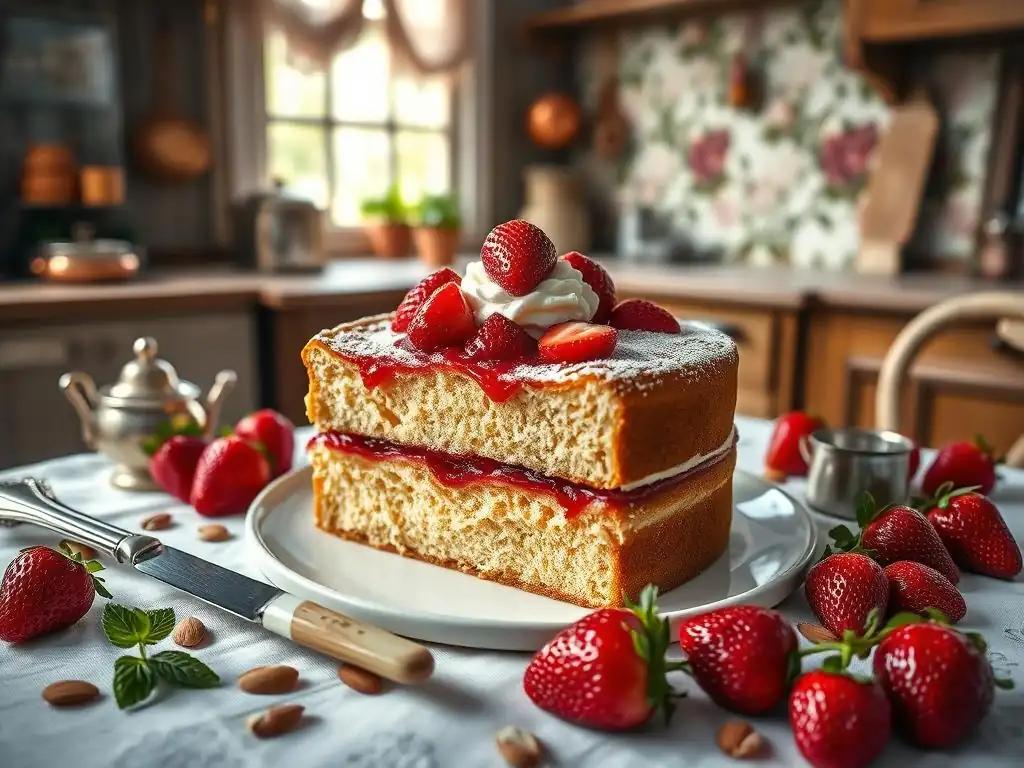
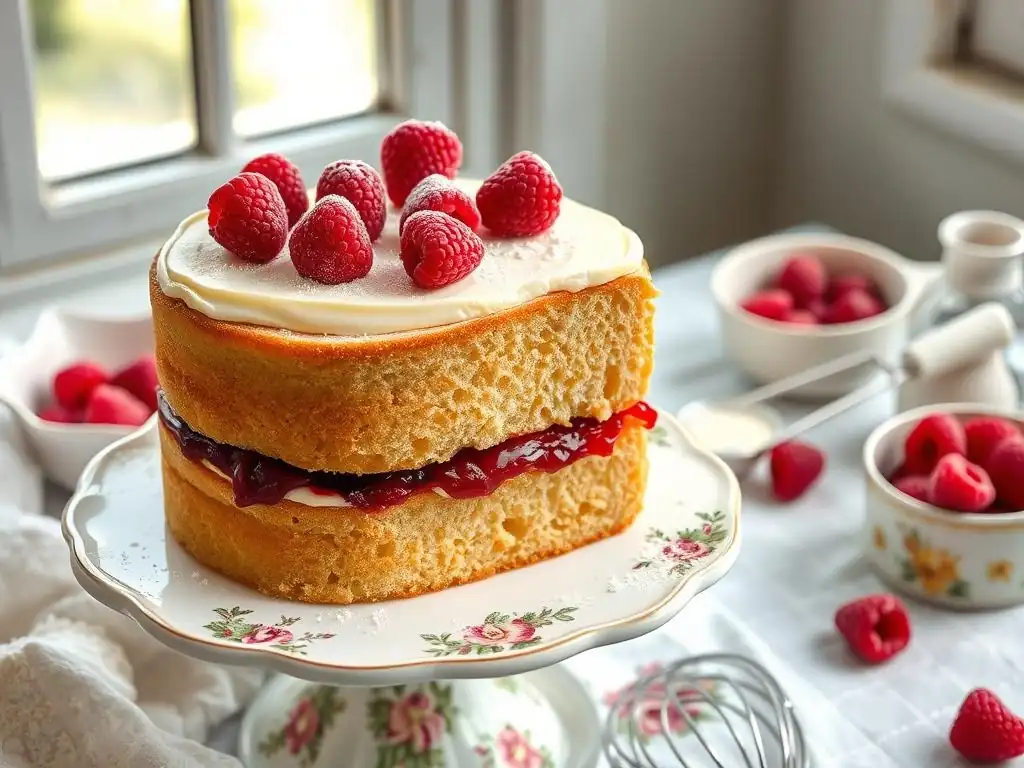
The Victoria sponge cake, often simply called 'Victoria sandwich', is arguably the most iconic British bake. Named in honor of Queen Victoria, who reportedly enjoyed a slice with her afternoon tea, this cake is the epitome of simple elegance. It consists of two light, airy sponge layers sandwiched together with strawberry jam and whipped or buttercream. Its enduring popularity lies in its delicate texture, balanced sweetness, and versatility. Achieving that perfectly even crumb and golden-brown crust is one of the sought-after British Victoria sponge recipe secrets.
Historically, the Victoria sponge evolved with the invention of baking powder in the mid-19th century, allowing cakes to rise higher and become lighter than those relying solely on yeast or eggs. A traditional recipe often uses equal weights of butter, sugar, flour, and eggs, a ratio that provides a reliable foundation. While variations exist, the core elements – a tender sponge, sweet jam, and rich cream – remain constant, making it a timeless classic enjoyed across the UK and beyond. Mastering these British Victoria sponge recipe secrets is a true mark of a skilled home baker.
Understanding the Core Ingredients for a Perfect Victoria Sponge
The success of a classic Victoria sponge hinges on the quality and preparation of just a few key ingredients. Unlike more complex bakes, there's nowhere to hide; each component must play its part perfectly. Using fresh, good-quality butter, free-range eggs, fine sugar, and the right type of flour are fundamental steps in unlocking the British Victoria sponge recipe secrets. These ingredients interact chemically during the baking process, creating the desired light texture and delicate flavor profile.
Paying attention to the state of your ingredients is also crucial. For instance, ensuring butter and eggs are at room temperature allows them to emulsify properly, leading to a smoother batter and a more even rise. Using cold ingredients can result in a denser cake with a less desirable texture. This attention to detail, starting with the very basics in your mixing bowl, is a vital part of understanding the true British Victoria sponge recipe secrets.
Flour Power: Choosing Cake Flour for Victoria Sponge Success
Choosing the right flour is paramount for achieving the signature light and tender crumb of a Victoria sponge. While plain all-purpose flour can be used, many bakers prefer a lower-protein flour, often labeled as cake flour. Cake flour typically has a protein content of around 6-8%, compared to the 10-12% of all-purpose flour. This lower protein level means less gluten development, resulting in a softer, more delicate cake structure.
Additionally, some traditional British recipes call for self-raising flour, which already contains a leavening agent (baking powder) and a small amount of salt. If using self-raising flour, you typically omit the added baking powder from the recipe. Sifting the flour before adding it to the batter is another key step; it aerates the flour, helping to create a lighter sponge and removing any lumps, contributing significantly to the British Victoria sponge recipe secrets for a perfect texture.
The Importance of Eggs in British Baking: Victoria Sponge Edition
Eggs play multiple critical roles in a Victoria sponge: they provide structure, contribute richness, help with leavening when whisked, and bind the ingredients together. For the best results, using large, fresh, free-range eggs is highly recommended. Eggs act as an emulsifier, helping to combine the fat from the butter with the other liquid ingredients, ensuring a smooth and stable batter.
Using eggs at room temperature is perhaps one of the most frequently emphasized British Victoria sponge recipe secrets. Cold eggs do not emulsify as effectively with creamed butter and sugar, which can lead to a curdled batter and a denser cake. Allowing eggs to sit out of the refrigerator for about 30 minutes before baking makes a noticeable difference in the final texture of the sponge. A typical recipe for an 8-inch cake might call for 3-4 large eggs, providing just the right balance for lift and richness.
Sugar and Butter: Balancing Sweetness and Richness in Your Victoria Sponge
Butter provides richness, flavor, and helps create a tender crumb by coating the flour particles and inhibiting excessive gluten development. Unsalted butter is usually preferred as it allows the baker to control the salt content precisely. Softened butter, not melted, is essential for the creaming method, where it's beaten with sugar to incorporate air – a vital step for a light sponge. The quality of butter makes a difference; a good quality butter contributes a superior flavor.
Granulated sugar is commonly used in Victoria sponge recipes. When creamed with butter, the sharp edges of the sugar crystals cut into the butter, creating tiny air pockets. These air pockets expand during baking, contributing to the cake's rise and texture. The amount of sugar needs to be balanced; too little can result in a dry cake, while too much can make it heavy or overly sweet. The classic equal-weight ratio of butter and sugar is a cornerstone of the British Victoria sponge recipe secrets, ensuring both richness and sweetness are perfectly balanced.
Beyond the Basics: Secret Techniques for an Unforgettable Victoria Sponge
Achieving a Light and Airy Texture: Victoria Sponge Baking Techniques
Beyond the ingredients, the techniques employed are fundamental to achieving the signature light and airy texture of a perfect Victoria sponge. Gentle handling of the batter after the dry ingredients are added is crucial. Over-mixing develops gluten, which is desirable in bread but leads to a tough cake. Folding the flour in carefully, just until combined, helps maintain the air incorporated during the creaming stage and prevents toughness.
Another technique involves sifting the dry ingredients multiple times. Sifting not only removes lumps but also aerates the flour, making it lighter and easier to fold into the wet ingredients without deflating the batter. Some bakers even sift the flour directly over the wet ingredients in stages, folding gently after each addition. These careful steps are essential British Victoria sponge recipe secrets for a delicate crumb.
The Creaming Method: Essential for a Classic Victoria Sponge
The creaming method is the traditional and arguably best technique for making a Victoria sponge, and it's one of the most important British Victoria sponge recipe secrets. It involves beating softened butter and sugar together until the mixture is pale, light, and fluffy. This process incorporates a significant amount of air into the batter, which acts as a primary leavening agent alongside the baking powder.
To execute the creaming method effectively, ensure your butter is genuinely soft but not greasy or melted. Beat the butter on its own briefly to loosen it, then add the sugar and beat together for several minutes, typically 5-8 minutes with an electric mixer, until the volume increases and the color lightens significantly. This aeration is critical for a light sponge, much more so than relying solely on chemical leaveners. Adding the eggs gradually, one at a time and beating well after each addition, helps maintain this emulsion before folding in the dry ingredients.
Temperature Control: Baking Your Victoria Sponge to Perfection
Accurate oven temperature and baking time are non-negotiable for a perfectly baked Victoria sponge. Most recipes recommend a moderate oven temperature, typically around 160-180°C (325-350°F), depending on whether you're using a fan or conventional oven. Baking at too high a temperature can cause the cake to dome excessively and potentially burn the edges before the center is cooked, while too low a temperature can result in a flat, dense cake.
The baking time for an 8-inch Victoria sponge is usually between 20 and 25 minutes. It's important not to open the oven door too early, as the sudden drop in temperature can cause the cake to sink. The cake is ready when it's golden brown, has shrunk slightly from the sides of the tin, and springs back gently when lightly pressed in the center. Inserting a skewer or toothpick into the center should come out clean. Consistent temperature is a key British Victoria sponge recipe secret for an even bake.
Exploring Other Iconic British Cakes and Pastries
Scones: The Cornerstone of a British Afternoon Tea
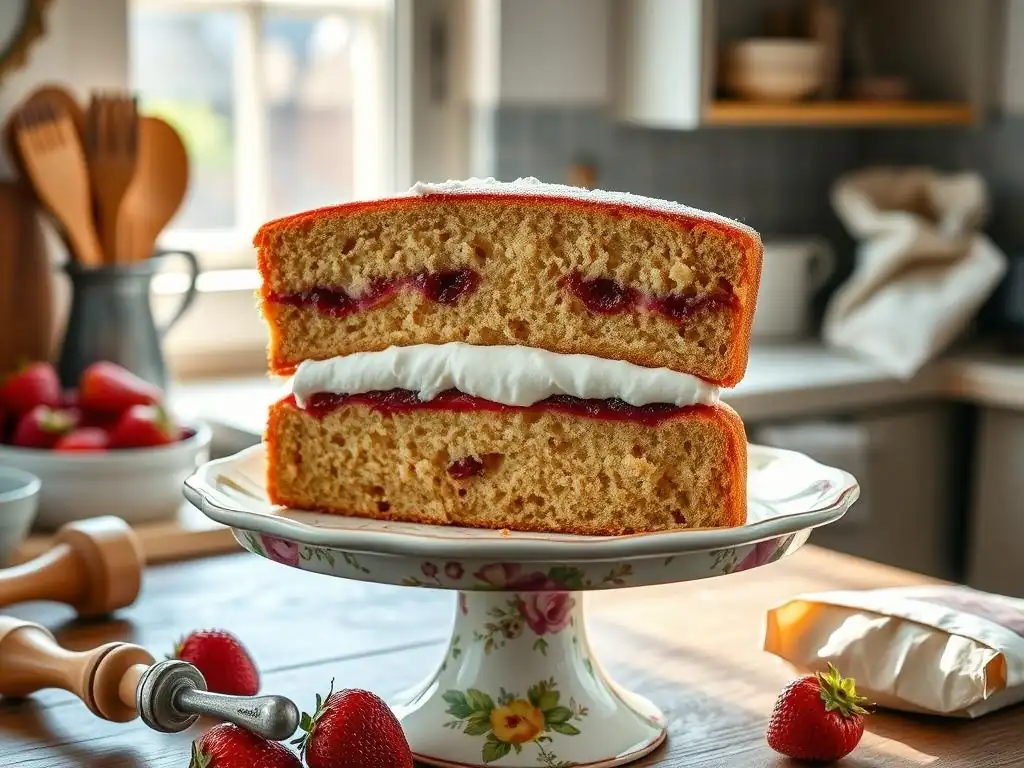
Scones are a quintessential part of British afternoon tea, beloved for their simple, slightly crumbly texture and versatility. Traditionally served warm, split in half, and generously spread with jam and clotted cream (the order of which is a matter of fierce debate! ), they are a delightful treat. Made from flour, butter, milk, and usually baking powder, scones rely on quick handling and a hot oven for their signature rise and light texture.
While plain scones are classic, variations abound, including fruit scones (with raisins or currants), cheese scones, and even savory herb scones. The key to a good scone is minimal handling of the dough; overworking it develops gluten and results in tough scones. Cutting them out cleanly with a sharp cutter also helps them rise evenly.
Perfect Scones: Recipe Variations and Baking Tips
Achieving the perfect scone often comes down to a few key techniques. One common tip is to use cold butter, which is rubbed into the flour until it resembles breadcrumbs. As the scones bake, the cold butter melts, creating steam pockets that contribute to a light, flaky texture. A standard ratio might involve roughly 225g self-raising flour, 50g cold butter, 25g sugar (for sweet scones), and about 150ml milk.
Another crucial step is to handle the dough as little as possible. After adding the milk, bring the dough together quickly and lightly. Pat it out gently rather than rolling it vigorously, and cut the scones using a sharp cutter pressed straight down without twisting, which can seal the edges and inhibit the rise. Baking at a high temperature, typically around 200-220°C (400-425°F), for 10-12 minutes ensures a quick, high rise and a golden crust.
Bakewell Tart: A Fruity and Nutty Delight
The Bakewell tart is a classic British treat originating from the town of Bakewell in Derbyshire. It typically consists of a shortcrust pastry shell spread with a layer of jam (traditionally raspberry or strawberry), covered with a frangipane filling (an almond-flavored sponge), and often topped with flaked almonds. Some variations, known as Bakewell pudding, feature a puff pastry base and a richer, eggier filling.
The charm of the Bakewell tart lies in the delightful contrast between the crisp pastry, sweet jam, and moist, nutty frangipane. It's a comforting bake that's perfect with a cup of tea. While the basic components are simple, mastering each layer is key to an outstanding tart.
The Secret to a Flaky Bakewell Tart Crust
A truly great Bakewell tart starts with a perfect shortcrust pastry. The secret to a flaky crust lies in keeping the ingredients cold and handling the dough minimally. Using cold butter cut into small cubes and quickly rubbing it into the flour creates small pockets of fat. During baking, these fat pockets melt, leaving behind layers that separate the dough, resulting in flakiness. A typical ratio for shortcrust pastry is roughly 2 parts flour to 1 part fat (butter or a mix of butter and lard), with a little cold water to bring it together.
After making the dough, chilling it for at least 30 minutes is essential. This allows the gluten to relax and the fat to firm up, making the pastry easier to roll and preventing it from shrinking excessively during baking. Blind baking the pastry shell before adding the filling is also often recommended, especially for wet fillings like jam, to ensure the base is fully cooked and crisp. Baking at around 190-200°C (375-400°F) helps set the pastry quickly.
Sticky Toffee Pudding: A Warm and Indulgent Treat
Sticky toffee pudding is a relatively modern British classic compared to some others, gaining significant popularity in the late 20th century. It's a moist sponge cake made with chopped dates, served warm with a rich, sticky toffee sauce, often accompanied by vanilla ice cream or custard. The dates in the sponge contribute to its moisture and unique flavor profile.
This pudding is the epitome of comfort food, particularly popular during colder months. The contrast between the warm, dense cake and the luscious, sweet sauce is incredibly satisfying. While recipes vary, the core elements of date sponge and a rich, buttery sauce are constant.
Creating the Perfect Sticky Toffee Sauce
The sticky toffee sauce is arguably what makes the pudding truly 'sticky toffee'. A classic sauce is made by boiling together equal parts butter and brown sugar, often with double cream or evaporated milk added for richness and smoothness. The key is to cook it long enough to develop a rich caramel flavor and a thick, syrupy consistency.
A typical sauce recipe might involve melting 100g butter with 100g dark muscovado sugar over medium heat, then stirring in 200ml double cream and simmering gently for 3-5 minutes until thickened. The quality of the brown sugar, particularly dark muscovado, contributes significantly to the depth of flavor. Pouring the warm sauce generously over the hot pudding allows it to soak in, creating that signature sticky texture.
British Baking Around the UK: Regional Variations and Specialties
Scottish Shortbread: A Buttery Biscuit Tradition
Scottish shortbread is a classic biscuit (cookie) known for its rich, buttery flavor and crumbly texture. Traditionally made with just three ingredients – flour, butter, and sugar – in a ratio often cited as 1:2:3 (sugar:butter:flour by weight), it's a testament to the power of simple, quality ingredients. Shortbread is typically baked in thick fingers, rounds (petticoat tails), or individual shapes.
The key to authentic shortbread is using a high proportion of butter and baking it slowly at a low temperature (around 150-160°C or 300-325°F). This slow bake prevents browning, ensuring the shortbread retains its pale color while becoming crisp and sandy in texture. It's a beloved treat, especially around holidays like Christmas and Hogmanay.
Welsh Cakes: Griddle-Baked Goodness
Welsh cakes, or picau ar y maen, are a traditional Welsh bake cooked on a griddle ( maen). They are similar to scones but flatter and cooked quickly on both sides rather than baked in an oven. Made from flour, butter, sugar, eggs, and currants or sultanas, they have a slightly crumbly texture and are often served warm dusted with caster sugar.
The griddle cooking method gives Welsh cakes a unique texture – slightly crisp on the outside and soft and tender within. They are a popular snack or tea-time treat throughout Wales and offer a delightful alternative to oven-baked goods. Cooking time is typically just a few minutes per side over medium heat.
Chelsea Buns: A Sweet and Spiced Delight
Chelsea buns are a type of currant bun that originated in the Chelsea area of London in the 18th century. They are made from enriched yeast dough, similar to brioche, spread with a mixture of currants, brown sugar, and spices (like cinnamon or mixed spice), rolled up, sliced, and baked close together. After baking, they are traditionally glazed with a sugar syrup.
The result is a soft, sweet, sticky bun with a swirl of spiced fruit inside. The close arrangement during baking means they pull apart easily, revealing their sticky sides. They are a popular treat in bakeries across the UK, offering a richer, softer alternative to a standard hot cross bun (though they share some similar spices).
Elevate Your Baking: Tips and Tricks from British Baking Experts
Expert Tip 1: Use Room Temperature Ingredients
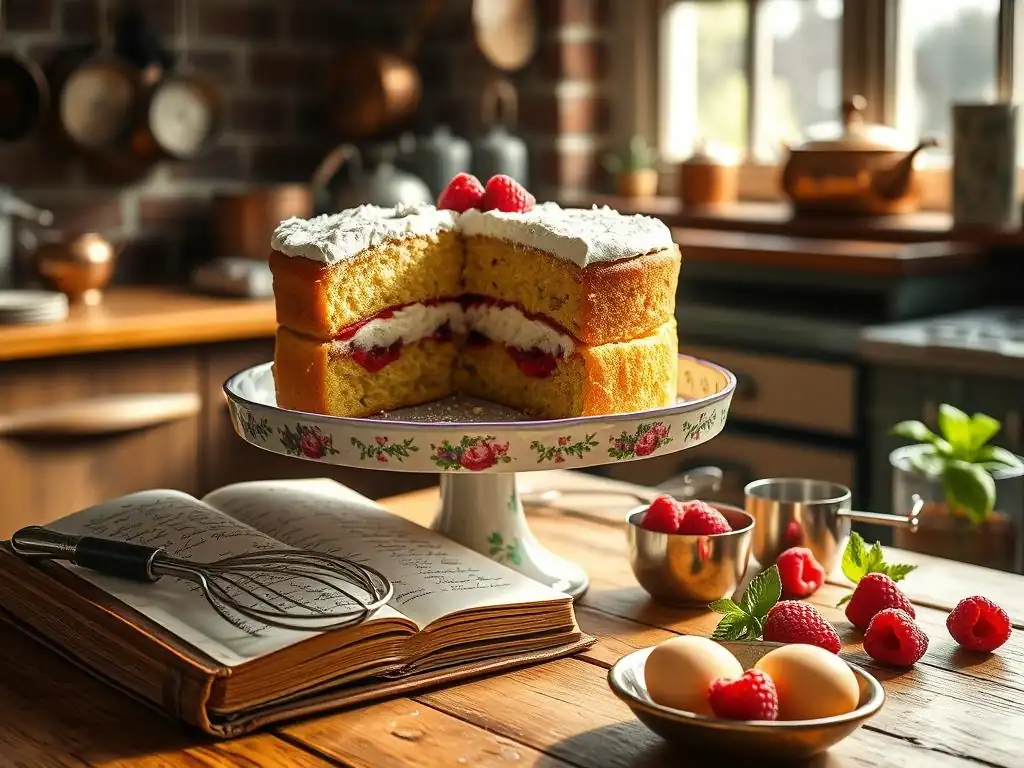
One of the most consistently cited tips from experienced bakers, especially for cakes like the Victoria sponge, is to use ingredients at room temperature. This applies particularly to butter and eggs. Butter that is soft (but not melted) creams much better with sugar, incorporating more air crucial for a light texture. Eggs at room temperature emulsify more effectively into the batter, preventing curdling and contributing to a smoother, more stable mixture.
Allowing butter and eggs to sit out of the refrigerator for 30-60 minutes before you begin baking makes a significant difference. This simple step ensures that your batter comes together smoothly and evenly, leading to a better rise and finer crumb in your finished cake. It's a fundamental part of mastering British victoria sponge recipe secrets and applies to many other cakes and bakes.
Expert Tip 2: Invest in an Oven Thermometer
Many ovens, even modern ones, can be inaccurate by as much as 10-20°C (50-70°F). Using a separate, inexpensive oven thermometer placed inside your oven allows you to see the true temperature, ensuring your bakes are cooked at the precise temperature required by the recipe. Baking at the correct temperature is vital for consistent results and is especially important for delicate cakes like the Victoria sponge.
Too hot an oven can cause cakes to rise too quickly and then collapse or brown too much on the outside while remaining raw in the middle. Too cool an oven can lead to dense, flat bakes. Checking and calibrating your oven's temperature with a thermometer is a straightforward step that can dramatically improve the outcome of all your baking endeavors, helping you perfect those British victoria sponge recipe secrets.
Expert Tip 3: Store Cakes in an Airtight Container
Proper storage is key to keeping your baked goods fresh and delicious. Cakes, especially sponges like the Victoria sponge, can dry out quickly when exposed to air. Storing them in an airtight container at room temperature helps to retain moisture and keep the cake soft and fresh for longer, typically for 2-3 days.
For cakes with perishable fillings like fresh cream, refrigeration is necessary, but storing them in an airtight container even in the fridge helps prevent them from absorbing odors or drying out. Properly stored cakes maintain their texture and flavor, ensuring that the effort you put into mastering British victoria sponge recipe secrets results in a delightful treat every time you reach for a slice.
Bake With Ease: Your Guide to British Baking Success
Frequently Asked Questions
What makes a British Victoria Sponge cake so special?
The special thing about a Victoria Sponge is its simplicity and balance. It’s a light and airy sponge cake, traditionally filled with jam and whipped cream, showcasing the quality of the ingredients.
What are some common mistakes people make when baking a Victoria Sponge?
Overmixing the batter is a frequent pitfall, leading to a tough cake. Also, not using room temperature ingredients can prevent proper emulsification and affect the cake's texture. Finally, overbaking can result in a dry sponge.
Can I use different fillings in my Victoria Sponge besides jam and cream?
While traditional Victoria Sponge uses jam and cream, you can experiment! Consider lemon curd, fresh berries, or even a light buttercream frosting. However, remember to maintain the cake's light and delicate character.
What's the secret to getting a perfectly even rise in my Victoria Sponge cakes?
Ensure your oven is preheated to the correct temperature and use baking strips around the cake tins to promote even baking. Also, weighing your ingredients accurately is crucial for consistent results.
Are there any variations of the British Victoria Sponge recipe?
Yes, some variations include adding lemon zest to the batter or using different types of flour for a slightly different texture. Some bakers also add a thin layer of buttercream frosting under the jam for extra richness.
Final Reflection: Unveiling the Sweet Secrets of British Baking
The enduring popularity of British cakes and pastries, particularly the Victoria sponge, isn't just about delicious recipes; it's a reflection of our cultural heritage and a testament to the power of simple pleasures. These iconic treats, passed down through generations, represent more than just a recipe; they embody tradition, comfort, and a shared national identity. The subtle nuances in technique, the carefully guarded family secrets, all contribute to the unique charm and enduring appeal of these baked goods.
The impact of these recipes extends far beyond the kitchen; they are woven into the fabric of British social life, forming the centerpiece of countless celebrations and gatherings. From afternoon teas to birthday parties, these cakes and pastries serve as a delicious link to the past, connecting us to our heritage and fostering a sense of community. As the writer and food critic, Nigel Slater, eloquently put it: Baking is about more than just following a recipe; it's about creating memories, sharing joy, and connecting with something deeper than ourselves.
This sentiment perfectly encapsulates the emotional resonance of these seemingly simple baked goods.
Now, consider your own baking experiences. What memories are tied to your favorite cakes and pastries? I encourage you to explore the secrets behind your own family recipes, to experiment with variations, and to share the joy of baking with those you love.
By understanding the history and techniques behind these iconic treats, we not only enhance our baking skills but also deepen our appreciation for the rich culinary tapestry of British culture. Let the secrets of the Victoria sponge and other beloved British bakes inspire you to create your own delicious memories, one perfectly baked layer at a time.
Unlock Your Inner Baker: Master British Baking!
Thanks for joining us on this delicious journey through Britain's most iconic cakes and pastries! We hope you've gained some valuable insights and inspiration. Now it's time to put your newfound knowledge to the test.
- Bake your favorite British treat: Challenge yourself to recreate one of the recipes we discussed – perhaps a classic Victoria sponge or a delightful Eton Mess. Share your results with us!
- Experiment with a new flavor combination: Inspired by the history and techniques we explored, try adapting a familiar recipe with a unique British twist. What exciting flavor profile will you discover?
- Join our baking community: Connect with fellow enthusiasts on our social media pages and share your baking journey. Let's inspire each other!
Ready to unleash your inner pastry chef? What British baking masterpiece will you conquer next?