
Unlock the Flavors of Britain: MustTry Baking Recipes

Welcome to BakeWithEase!
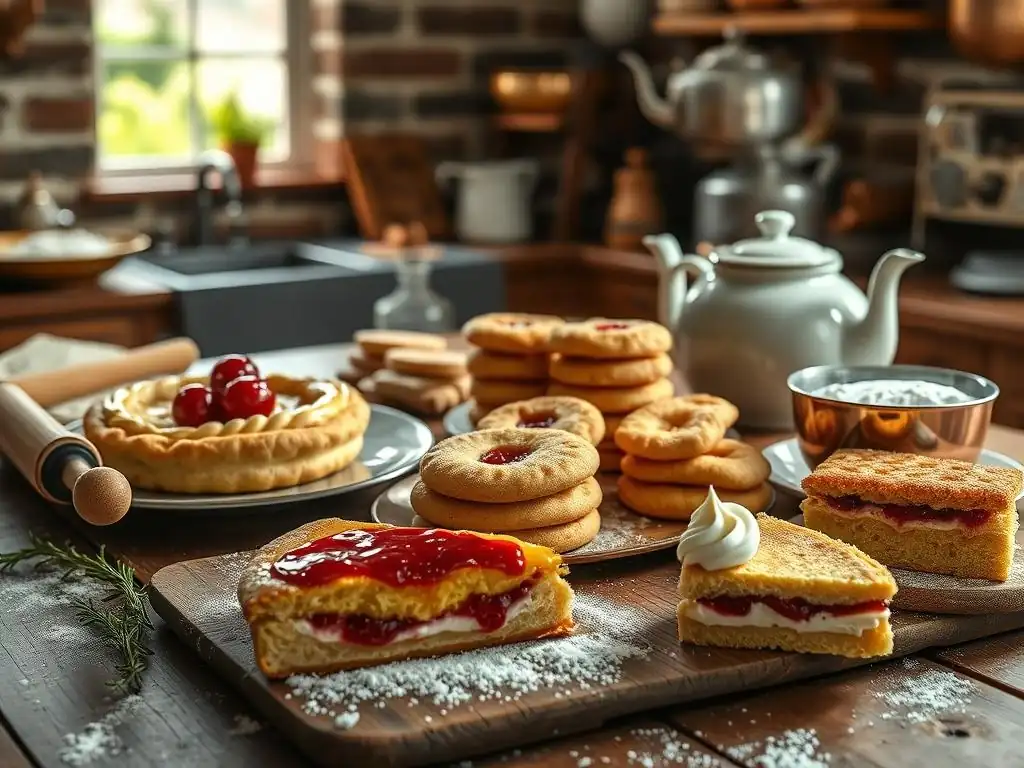
Are you ready to embark on a delicious journey into the heart of British baking? Discover the secrets to crafting iconic treats with our collection of British baking recipes for beginners. From classic scones to comforting crumbles, we'll guide you through each step, ensuring baking success. Intrigued? Keep reading to unlock the flavors of Britain and impress your friends and family with your newfound baking skills!
- Unlock the Flavors of Britain: Must-Try Baking Recipes for Beginners
- Introduction to British Baking: A Beginner's Guide
- Essential British Baking Recipes for Beginners: A Step-by-Step Guide
- Beyond the Basics: Exploring More British Baking Favorites
- Tips and Tricks for Successful British Baking at Home
- Conclusion: Enjoy the Journey of British Baking
-
Frequently Asked Questions
- What makes British baking recipes suitable for beginners?
- Where can I find British baking recipes specifically designed for beginners?
- What are some essential ingredients commonly used in British baking?
- What are some popular British baking recipes that a beginner should try first?
- How can I ensure success when attempting British baking recipes for the first time?
- Final Reflection: A Slice of British Baking History, Baked Fresh for You
- Unleash Your Inner Baker: Craft Delicious British Treats!
Unlock the Flavors of Britain: Must-Try Baking Recipes for Beginners
Introduction to British Baking: A Beginner's Guide
Discover the Charm of British Baking at Home
British baking holds a special place in the hearts of many, conjuring images of cozy kitchens filled with the aroma of freshly baked goods. It's a tradition rich in history, offering a delightful array of treats perfect for afternoon tea or simply enjoying with a cuppa. From crumbly shortbread to fluffy sponges, the appeal lies in its comforting simplicity and delicious results. Trying British baking recipes at home is a fantastic way to connect with this heritage and create something truly satisfying from scratch.
This journey into British baking isn't reserved for experienced bakers. Many classic recipes are surprisingly straightforward, relying on simple techniques and readily available ingredients. Think about the satisfaction of pulling a tray of warm scones from your own oven, or presenting a beautifully simple Victoria sponge cake. These traditional bakes are not only delicious but also incredibly rewarding to make, proving that you don't need complex skills to achieve fantastic results.
Why British Baking Recipes are Perfect for Beginners
One of the primary reasons British baking recipes are so well-suited for beginners is their focus on core techniques and minimal fancy equipment. Unlike some other cuisines that might require specialized tools or intricate methods, many British staples can be made with just basic kitchen items like mixing bowls, a whisk, and a baking tin. The ingredients are also typically standard pantry items – flour, sugar, butter, eggs, and maybe some jam or syrup – making it easy to get started without a special shopping trip.
Furthermore, the foundational recipes often follow consistent, easy-to-remember ratios, which builds confidence quickly. Take shortbread, for instance, often based on a simple weight ratio of sugar, butter, and flour. Scones, while requiring a light touch, involve a basic rubbing-in method. These fundamental processes are repeated across many British bakes, allowing beginners to build a solid skill base. Mastering these simple British baking recipes for beginners provides a fantastic entry point into the wider world of baking.
Essential British Baking Recipes for Beginners: A Step-by-Step Guide
Classic Scones: A Beginner-Friendly British Baking Staple
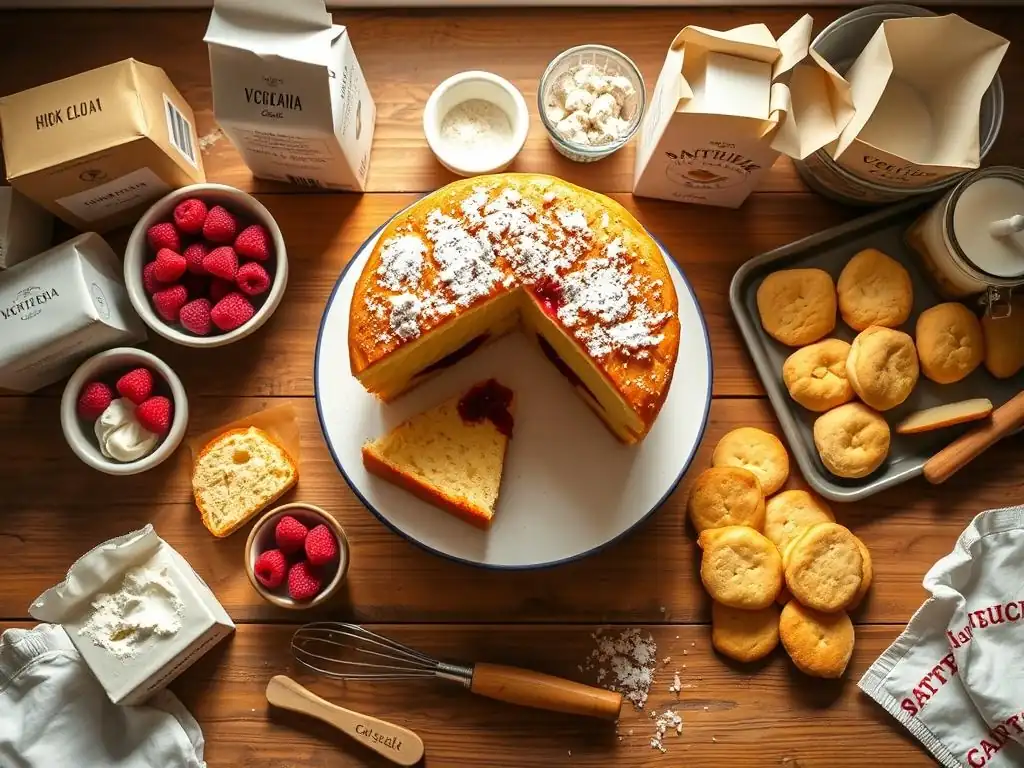
Scones are arguably the cornerstone of British afternoon tea and an excellent starting point for anyone new to baking. They are quick to make, require minimal ingredients, and offer a rewarding fluffy result when done right. The key to great scones lies in keeping the ingredients cold and handling the dough as little as possible – simple steps that are easy for beginners to master. Serving them warm with clotted cream and jam is the classic British way to enjoy this simple bake.
The process for making scones is incredibly forgiving, allowing beginners to practice fundamental techniques like rubbing in butter and gentle mixing. You'll typically combine flour and butter, then add sugar and a liquid like milk or buttermilk. A quick mix, shape, and bake is all it takes. While variations exist, the basic plain scone recipe provides a perfect foundation. Once you've mastered the plain scone, you can easily experiment with adding dried fruit like sultanas or cheese and herbs for a savoury twist.
Basic Scone Recipe: [Ingredients and Detailed Instructions]
Here is a simple recipe for classic plain scones, perfect for those starting out with British baking recipes for beginners. You'll need approximately 225g self-raising flour, a pinch of salt, about 50g cold unsalted butter (cubed), 25g caster sugar, and roughly 150ml milk. You might also want a little extra milk or beaten egg for glazing.
Begin by preheating your oven to a hot temperature, around 220°C (200°C fan/Gas Mark 7). Lightly grease a baking tray or line it with baking parchment. In a large bowl, sift together the flour and salt. Add the cold, cubed butter and rub it into the flour using your fingertips until the mixture resembles coarse breadcrumbs. Try to work quickly to keep the butter cold.
Stir in the sugar. Make a well in the centre and pour in most of the milk. Using a knife or spatula, quickly mix the ingredients together to form a soft, slightly sticky dough, adding a little more milk if needed. Turn the dough out onto a lightly floured surface. Gently bring the dough together – do not knead.
Pat or lightly roll the dough to about 2cm thickness. Use a sharp round cutter (about 5-6cm diameter) to cut out the scones, pushing straight down without twisting. Place the scones onto the prepared baking tray. Brush the tops with milk or beaten egg for a golden glaze. Bake for 10-12 minutes, or until well-risen and golden brown on top.
Tips for Perfect Scones: Achieving the Ideal Rise and Texture
Achieving a good rise and a light, fluffy texture is the goal for perfect scones. One crucial tip is ensuring all your ingredients, especially the butter and milk, are cold. Cold fat creates steam pockets during baking, which helps the scones rise high. Using self-raising flour is key, as it contains the necessary leavening agent; however, ensure it's relatively fresh for best results. If your flour has been open for a long time, it might not provide enough lift.
Another vital technique is handling the dough as little as possible. Overworking the dough develops the gluten in the flour, leading to tough, dense scones instead of light ones. When mixing, just bring it together until it's cohesive. When shaping, pat or gently roll rather than rolling vigorously, and use a sharp cutter dipped in flour for clean cuts that encourage upward rise. Baking at a high temperature also helps them rise quickly before they spread. If your oven runs cool, they might spread sideways rather than rising upwards.
Victoria Sponge Cake: Mastering the Queen of British Cakes
The Victoria Sponge is a true British classic, named after Queen Victoria, who was said to enjoy a slice with her afternoon tea. It's essentially two light sponge cakes sandwiched together with jam and cream. Its simplicity is its beauty, making it an excellent cake for beginners to tackle. Mastering this basic sponge recipe opens the door to countless variations, but starting with the classic is a delightful experience. The 'all-in-one' method is particularly beginner-friendly.
This cake showcases the fundamental techniques of creaming or using the simpler all-in-one method, where ingredients are mixed together simultaneously. It requires precision with measurements (often equal weights of butter, sugar, flour, and eggs) and attention to baking time and temperature to achieve a light, airy crumb. A successful Victoria sponge is a major confidence booster for any new baker attempting British baking recipes for beginners.
Easy Victoria Sponge Recipe: [Simplified Steps for a Fluffy Cake]
A straightforward Victoria Sponge often uses the 'all-in-one' method. You'll need approximately 175g unsalted butter (softened), 175g caster sugar, 175g self-raising flour, 3 large eggs, and 1 tsp vanilla extract. For the filling, you'll need about 100g good quality strawberry or raspberry jam and roughly 200ml double cream (whipped).
Preheat your oven to 180°C (160°C fan/Gas Mark 4). Grease and line two 18-20cm round cake tins with baking parchment. In a large mixing bowl, add the softened butter, caster sugar, self-raising flour, eggs, and vanilla extract. Using an electric mixer or a wooden spoon, beat all the ingredients together until you have a smooth, creamy batter.
Be careful not to overmix; just until everything is combined and smooth. Divide the batter evenly between the two prepared tins and level the tops. Bake for 20-25 minutes, or until the cakes are golden brown, have shrunk slightly from the sides of the tin, and a skewer inserted into the centre comes out clean. Let the cakes cool in their tins for a few minutes before turning them out onto a wire rack to cool completely.
Once cool, spread the jam over the bottom layer and top with whipped double cream. Place the second sponge on top. Dust with a little icing sugar if desired.
Victoria Sponge Filling Variations: [Jam, Cream, and Fruit Options]
While the classic filling for a Victoria Sponge is strawberry or raspberry jam and whipped double cream, there are simple variations beginners can easily explore. Instead of just jam, you could use a mix of jam and fresh berries like sliced strawberries or raspberries layered over the jam before adding the cream. This adds a lovely burst of freshness and colour.
For the cream layer, traditionalists use lightly whipped double cream, but you could also use buttercream (a simple mix of butter, icing sugar, and a splash of milk or vanilla). A basic buttercream involves creaming about 100g softened butter with 200g icing sugar and a tablespoon of milk until light and fluffy. While perhaps not strictly classic, it offers a stable and delicious alternative filling. You could even layer the jam and cream separately for distinct layers of flavour and texture.
Shortbread Biscuits: A Buttery Delight for New Bakers
Shortbread is a wonderfully simple biscuit (cookie) that requires just a few ingredients and minimal fuss. Its rich, buttery flavour and crumbly texture are incredibly satisfying. The traditional recipe uses just butter, sugar, and flour, often in a specific ratio that makes it easy to remember. Learning to make shortbread is a key step for anyone exploring British baking recipes for beginners.
The simplicity of shortbread lies in its method – usually just creaming the butter and sugar, then mixing in the flour. There's no leavening agent, relying purely on the butter for texture. Baking it slowly at a low temperature is crucial for achieving that characteristic sandy, melt-in-the-mouth texture without browning too much. It's a perfect recipe for getting comfortable with combining ingredients and shaping dough.
Simple Shortbread Recipe: [A Beginner's Guide to Crisp Shortbread]
A classic shortbread ratio is 1:2:3 sugar:butter:flour by weight. For a manageable batch, try approximately 50g caster sugar, 100g cold unsalted butter (cubed), and 150g plain flour. You might also add a pinch of salt or a little rice flour (replace about 25g of the plain flour with rice flour) for extra crispness, but it's not essential for a beginner's version.
Preheat your oven to a low temperature, around 150°C (130°C fan/Gas Mark 2). Lightly grease a baking tray or line it with parchment. In a bowl, cream the cold butter and sugar together until just combined – you don't need it to be light and fluffy like a cake batter. Gradually mix in the plain flour until the mixture starts to come together into a dough.
Turn the dough out onto a lightly floured surface and gently press it together. You can either press it into a round about 1-2cm thick and cut into wedges, or roll it out and use a cutter. Prick the surface all over with a fork. Place on the baking tray and bake for 30-40 minutes, or until pale golden and firm.
The low, slow bake is key. While still warm, cut into desired shapes (if not already cut) and sprinkle with a little extra caster sugar if you like. Let cool completely on the tray before handling, as it's very fragile when warm.
Troubleshooting Shortbread: [Common Mistakes and How to Avoid Them]
One common issue with shortbread is it being too hard or tough rather than crumbly. This usually happens if the dough is overworked, developing too much gluten, or if it's baked at too high a temperature. Remember to mix the flour in gently until just combined, and avoid kneading. The slow baking temperature is vital; it allows the butter to melt slowly, creating that desired texture. If your shortbread spreads too much, your butter might have been too soft, or the ratio of ingredients might be slightly off. Ensure you use cold butter.
Another potential pitfall is uneven baking. Ovens often have hot spots. Rotating the baking tray halfway through the cooking time can help ensure the shortbread bakes evenly to a pale golden colour. If it browns too quickly, it will lose that characteristic pale appearance and might taste slightly burnt. Aim for patience with the low oven temperature; it's worth the wait for that perfect crumbly bite.
Traditional British Flapjacks: A Wholesome and Easy Bake
British flapjacks are completely different from American flapjacks (which are pancakes!). In the UK, a flapjack is a baked bar made from rolled oats, butter, sugar, and golden syrup. They are incredibly easy to make, require no special techniques, and are wonderfully chewy and satisfying. This makes them an ideal recipe for beginners looking for a quick and relatively wholesome treat. They are perfect for lunchboxes, snacks, or a quick energy boost.
The beauty of flapjacks lies in their simple method: melt the wet ingredients together, stir in the oats, press into a tin, and bake. There's no complex mixing, creaming, or rising involved. The main challenge is getting the balance right between chewy and too hard – usually controlled by baking time. This straightforward process makes flapjacks one of the most accessible British baking recipes for beginners.
Flapjack Recipe for Beginners: [Quick and Healthy Baking Option]
For a basic flapjack recipe, you'll need approximately 100g unsalted butter, 100g light brown sugar (or caster sugar), 2 tablespoons golden syrup, and 250g rolled oats (not instant oats). You can adjust the sugar and syrup slightly to your preference, but this ratio provides a good balance of sweetness and chewiness.
Preheat your oven to 160°C (140°C fan/Gas Mark 3). Grease and line a 20cm square baking tin with baking parchment. In a saucepan, gently heat the butter, sugar, and golden syrup over a low heat. Stir occasionally until the butter has melted and the sugar has dissolved.
Once melted and combined, remove from the heat and stir in the rolled oats until they are completely coated in the syrupy mixture. Tip the mixture into the prepared baking tin and press it down firmly and evenly with the back of a spoon or a spatula. Bake for 20-25 minutes, or until golden brown around the edges but still slightly soft in the middle.
The key is to bake until just golden, as they will firm up as they cool. Let the flapjack cool in the tin for about 10 minutes before cutting into bars or squares while still warm. Leave them in the tin until completely cool before removing, as they will be fragile when hot.
Customizing Your Flapjacks: [Adding Fruits, Nuts, and Seeds]
Flapjacks are incredibly versatile and easy to customize once you've mastered the basic recipe. You can add a variety of ingredients to the oat mixture before baking for extra flavour and texture. Dried fruits like sultanas, raisins, dried cranberries, or chopped apricots (around 50-75g) are popular additions. Simply stir them in with the oats.
For added crunch and nutrients, you can include chopped nuts such as walnuts, pecans, or almonds, or seeds like pumpkin seeds, sunflower seeds, or sesame seeds (again, around 25-50g). Chocolate chips (dark, milk, or white, around 50-75g) can also be stirred in, though they might melt slightly during baking. Just ensure that whatever you add is mixed evenly through the oat mixture before pressing it into the tin. This simple customization makes flapjacks a fun and adaptable British baking recipe for beginners.
Beyond the Basics: Exploring More British Baking Favorites
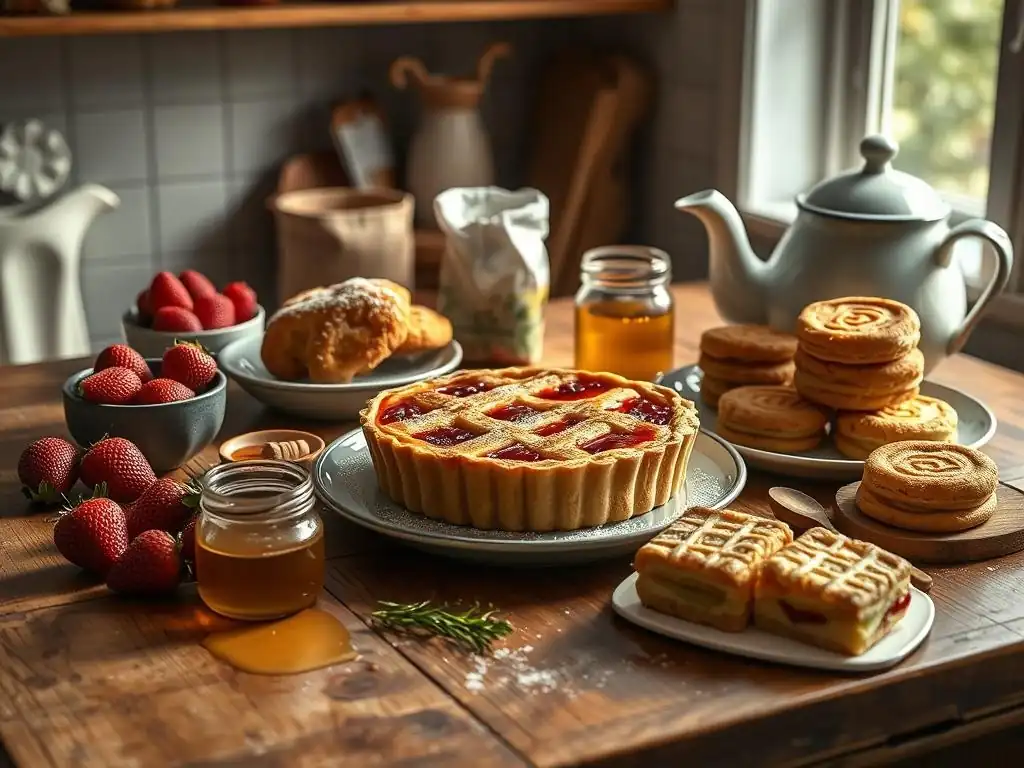
Once you've gained confidence with the essential British baking recipes for beginners like scones and sponges, you might be ready to try slightly more involved, but still manageable, classics. Chelsea Buns and Bakewell Tart are excellent next steps, introducing techniques like enriched dough and pastry making in a beginner-friendly way. These bakes build upon the foundational skills you've already started developing.
These recipes might take a little longer or involve a few extra steps compared to the absolute basics, but they are far from intimidating. They offer a chance to expand your repertoire and experience more of the diverse flavours and textures that British baking has to offer. Learning these will further solidify your understanding of key baking principles.
Chelsea Buns: A Sweet and Sticky British Treat (Beginner-Friendly Version)
Chelsea Buns are sweet, sticky buns made from an enriched yeast dough filled with dried fruit and spices, then glazed with a simple sugar syrup. While traditional yeast dough can seem daunting, simplified recipes or quick yeast versions make them accessible for beginners. The process involves making a basic sweet dough, rolling it out, spreading a filling, rolling it up like a Swiss roll, slicing, and baking.
The reward for making Chelsea Buns is immense – warm, fragrant buns that are perfect for breakfast or a treat. They introduce the concept of working with yeast dough in a relatively low-pressure way, as the shaping is quite forgiving. Mastering this enriched dough is a valuable skill gained while making one of Britain's most beloved sticky treats.
Simplified Chelsea Bun Recipe: [Detailed Method for a Delicious Result]
A beginner-friendly Chelsea Bun recipe often starts with a simple enriched dough. You'll need ingredients like plain flour (around 250g), fast-action dried yeast (about 4-5g, or one sachet), a pinch of salt, a little sugar (around 25g), softened butter (about 25g), and warm milk (around 150ml). For the filling, you'll need softened butter (about 25g), brown sugar (around 50g), mixed dried fruit (like sultanas and currants, about 75g), and mixed spice (about 1 tsp). For the glaze, use caster sugar (about 50g) and hot water (about 2-3 tbsp).
In a large bowl, mix the flour, yeast, salt, and sugar. Rub in the softened butter. Gradually add the warm milk and mix to form a soft dough. Turn out onto a lightly floured surface and knead for about 5-10 minutes until smooth and elastic. Place in a clean, oiled bowl, cover, and let it rise in a warm place for about 1 hour, or until doubled in size. Meanwhile, mix the filling ingredients together.
Once the dough has risen, punch it down and roll it into a rectangle (about 30x40cm). Spread the filling evenly over the dough, leaving a small border along one long edge. Tightly roll up the dough from the opposite long edge. Cut the roll into about 8-10 slices (around 3-4cm thick). Arrange the slices cut-side up in a greased and lined square or rectangular baking tin (about 20x25cm), leaving a small gap between them.
Cover and let them rise again for about 30-45 minutes. Preheat your oven to 180°C (160°C fan/Gas Mark 4). Bake for 20-25 minutes, or until golden brown and cooked through. While baking, make the glaze by dissolving the sugar in hot water. As soon as the buns come out of the oven, brush generously with the sugar glaze.
Bakewell Tart: A Fruity and Nutty British Classic (Beginner's Approach)
A Bakewell Tart is a classic British confection consisting of a shortcrust pastry shell filled with a layer of jam and topped with a frangipane (almond) sponge and flaked almonds. While it has multiple components, a beginner can tackle it by either using ready-made pastry or a very simple sweet shortcrust recipe, and a straightforward frangipane filling. It's a step up in complexity but very achievable.
This tart introduces baking with pastry and making a simple sponge-like filling. Getting a neat tart shell and ensuring the frangipane bakes correctly are the main learning points. It's a rewarding bake that produces a beautiful tart, perfect for sharing, and adds another dimension to your growing skills with British baking recipes for beginners.
Easy Bakewell Tart Recipe: [Step-by-Step Instructions]
For a beginner's Bakewell Tart, you might use a sheet of ready-rolled sweet shortcrust pastry or make a quick one with about 175g plain flour, 80g cold butter (cubed), 30g caster sugar, and 1 egg yolk mixed with a little cold water. For the filling (frangipane), you'll need softened butter (around 75g), caster sugar (around 75g), 1 large egg, ground almonds (around 75g), 1 tbsp plain flour, and a few drops of almond extract. You'll also need about 4-5 tbsp raspberry or strawberry jam and about 25g flaked almonds for topping.
Preheat your oven to 180°C (160°C fan/Gas Mark 4). If making pastry, rub the butter into the flour and sugar, then mix with the egg yolk/water to form a dough. Roll out the pastry and use it to line a 20-23cm tart tin. Prick the base with a fork and chill for 15-20 minutes.
For the frangipane, cream the softened butter and sugar together until light and fluffy. Beat in the egg, then stir in the ground almonds, plain flour, and almond extract. Spread the jam evenly over the base of the chilled pastry shell. Carefully spoon or spread the frangipane mixture over the jam, smoothing the top.
Sprinkle the flaked almonds evenly over the frangipane. Bake for 30-40 minutes, or until the frangipane is golden brown and set. If the edges of the pastry start to brown too quickly, you can cover them with foil. Let the tart cool completely in the tin before slicing.
Tips and Tricks for Successful British Baking at Home
Essential Baking Equipment for British Recipes
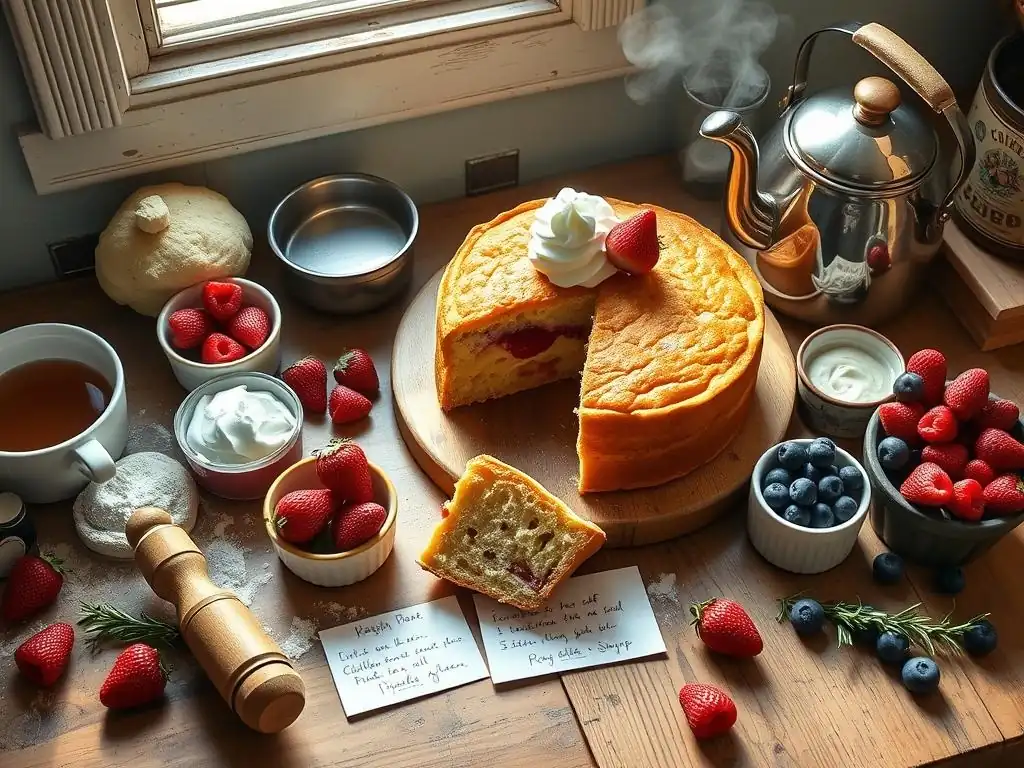
You don't need a professional kitchen to start making delicious British bakes. A few essential pieces of equipment will get you a long way. Accurate kitchen scales are crucial, as many British recipes, especially older ones, rely on weight measurements rather than volume. A set of mixing bowls in various sizes, a sturdy wooden spoon or spatula, and a whisk are fundamental.
You'll also need standard baking tins – a round cake tin (about 18-20cm for sponges), a square or rectangular tin (around 20-23cm for flapjacks or traybakes), and a baking sheet for scones and biscuits. Measuring spoons for smaller quantities of ingredients like baking powder or extract are also helpful. A sieve is useful for sifting flour and icing sugar, ensuring a lighter texture and preventing lumps. These simple tools are sufficient for tackling most British baking recipes for beginners.
Understanding British Baking Ingredients: [Flour Types, Sugar Varieties]
British recipes often specify ingredients that might differ slightly from those in other countries. The most common flour is Plain Flour (equivalent to All-Purpose flour), which contains no raising agent. Many recipes also call for Self-Raising Flour, which is plain flour with baking powder already added, typically around 1-2 teaspoons of baking powder per 100g of flour. Using the correct type of flour is vital for the success of the bake, particularly for items like scones and sponges that rely on the leavening agent for rise.
Sugar varieties commonly used include Caster Sugar, which is a fine granulated sugar that dissolves easily, perfect for cakes and creaming with butter. Granulated Sugar is coarser and often used in biscuits or where dissolving isn't critical. Light Brown Sugar is used in recipes like flapjacks for moisture and a slightly caramel flavour. Golden Syrup is a distinctive British ingredient, a thick, amber-coloured syrup used as a liquid sweetener, notably in flapjacks and treacle tart. Unsalted butter is generally preferred in baking to control the salt content.
Mastering Baking Techniques: [Mixing, Kneading, and Oven Temperatures]
Developing a feel for basic techniques is key to successful baking. For recipes like scones and shortbread, a gentle touch is essential when mixing to avoid developing gluten and resulting in a tough texture. The 'rubbing in' method, where cold butter is rubbed into flour until it resembles breadcrumbs, is fundamental for pastries and crumbly doughs. For cakes like Victoria Sponge, the 'creaming' method (beating butter and sugar until light and fluffy) or the simpler 'all-in-one' method are common.
Understanding your oven is also crucial. Oven temperatures in British recipes are often given in Celsius (°C), Fahrenheit (°F), and Gas Mark. Ovens can vary significantly, sometimes by as much as 10-20°C, which can impact baking times and results. Using an oven thermometer can help you verify the actual temperature. Knowing whether your oven has hot spots can also help you decide whether to rotate your baking tray halfway through cooking. For yeast doughs like Chelsea Buns, 'kneading' develops the gluten structure, and 'proving' (rising) is essential for a light texture.
Conclusion: Enjoy the Journey of British Baking
Embarking on the adventure of British baking is a delightful and rewarding experience, especially for those new to the kitchen. As we've explored, many beloved British classics like scones, Victoria sponge, shortbread, and flapjacks are wonderfully accessible, relying on simple ingredients and straightforward techniques. These British baking recipes for beginners provide a perfect foundation, allowing you to build confidence with fundamental skills and enjoy delicious results right from your first attempt.
Moving slightly beyond the absolute basics to bakes like Chelsea Buns and Bakewell Tart introduces new, yet still manageable, techniques that further expand your baking horizons. Each successful bake is a step forward, and even the occasional mishap is a learning opportunity. So gather your ingredients, preheat your oven, and dive into the comforting world of British baking. Enjoy the process, savour the aromas, and most importantly, delight in sharing your homemade treats with friends and family. Happy baking!
Frequently Asked Questions
What makes British baking recipes suitable for beginners?
British baking recipes often use simple techniques and easily accessible ingredients, making them a great starting point for new bakers. Many classic recipes also have clear, straightforward instructions.
Where can I find British baking recipes specifically designed for beginners?
Websites like BakeWithEase.com offer a curated selection of British baking recipes targeted at beginners. Look for recipes with step-by-step guides and ingredient lists that are easy to find.
What are some essential ingredients commonly used in British baking?
Common ingredients include plain flour (all-purpose flour), butter, eggs, sugar, and often dried fruits. Some recipes also call for ingredients like treacle or golden syrup, which are distinctly British.
What are some popular British baking recipes that a beginner should try first?
Beginner-friendly options include Victoria sponge cake, shortbread, and rock cakes. These recipes are relatively simple and offer a good introduction to basic baking techniques.
How can I ensure success when attempting British baking recipes for the first time?
Carefully read the recipe before starting, measure ingredients accurately, and follow the instructions closely. Don't be afraid to ask for help or consult online resources if you encounter difficulties.
Final Reflection: A Slice of British Baking History, Baked Fresh for You
The enduring appeal of British baking lies not just in its deliciousness, but in its ability to connect us to history, tradition, and a comforting sense of home. From the simplest scone to the most elaborate Victoria sponge, these recipes are more than just ingredients; they are stories waiting to be told, and tastes waiting to be savored. The resurgence of interest in traditional baking reflects a growing desire for authenticity and connection in a fast-paced world.
British baking, with its comforting familiarity and surprising depth of flavor, has profoundly shaped my own understanding of culinary heritage. It's a journey through generations, a testament to the enduring power of simple ingredients transformed by skill and passion. Baking is at once child's play and adult joy. And love, of course.
This quote perfectly encapsulates the magic of British baking – a process accessible to all, yet capable of yielding exquisite results filled with love and care.
Now, it's your turn. Don't just read these recipes; experience them. Gather your ingredients, preheat your oven, and embark on a culinary adventure that will not only delight your taste buds but also connect you to a rich and rewarding tradition. Let the aroma of freshly baked goods fill your home, and share the joy of British baking with those you love. The journey of a thousand miles begins with a single scone – so, what are you waiting for?
Unleash Your Inner Baker: Craft Delicious British Treats!
Thanks for joining us on this delicious journey through the heart of British baking! We hope you've discovered some inspiring recipes and techniques to elevate your baking skills. Ready to get started?
- Bake your favorite recipe from the article today! Let us know how it turns out – we’d love to see your creations!
- Share this article with a fellow baking enthusiast – spread the joy of British baking!
- Explore our other articles on BakeWithEase.com for even more flavor inspiration. Perhaps try a completely different baking style from another country?
What's your favorite British baking tradition, and what will you bake first?