
Welsh Cakes: GriddleBaked Treats You Need to Try

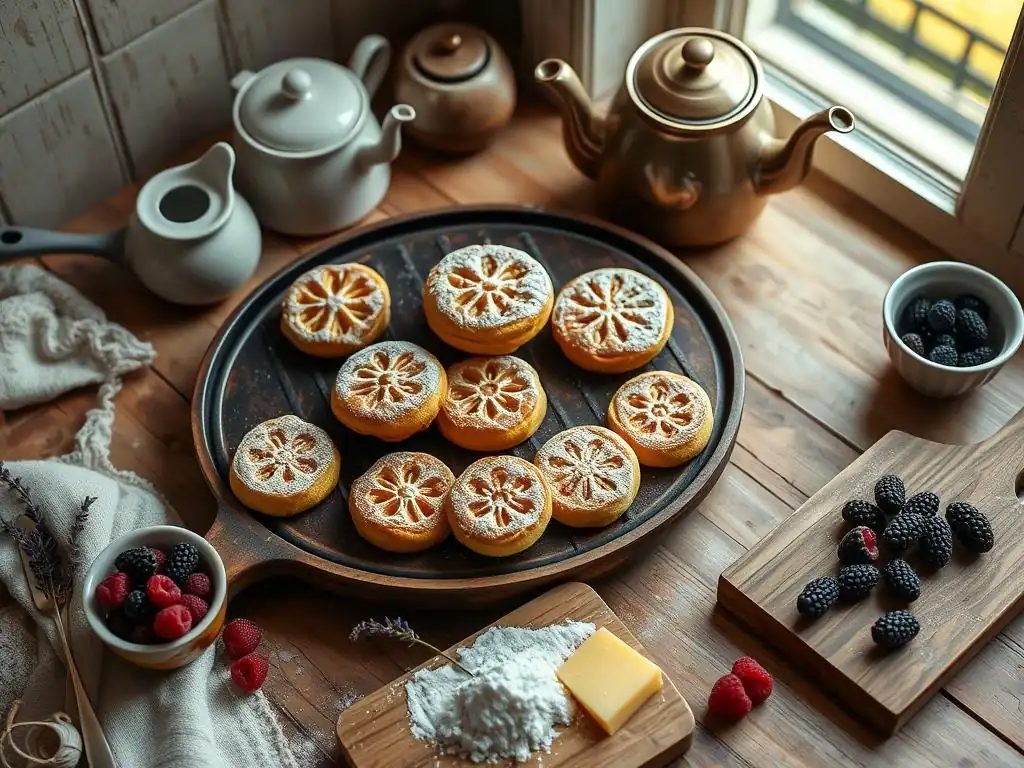
Welcome to BakeWithEase, your haven for all things baking! Curious about crafting the perfect, delightful treat from the heart of Wales? Then you're in the right place. We're diving into a regional favorite with our easy Welsh cake recipe, a griddle-baked delight that's simpler than you think. Discover the secrets to these charming cakes and unlock a world of regional baking wonders—what other hidden gems await your oven?
- Welsh Cakes: A Traditional Treat from Wales
- A Classic Welsh Cake Recipe
- Exploring the World of Welsh Cakes
- Simple Welsh Cake Recipe: A Step-by-Step Guide
- Tips for Perfect Welsh Cakes
- Serving and Storing
- Welsh Cakes vs. Scones: Key Differences
- Enjoy the Process of Making Welsh Cakes
- Frequently Asked Questions
- Final Reflection: The Enduring Charm of a Simple Welsh Cake
- Unlock the Secrets of Delicious Welsh Cakes!
Welsh Cakes: A Traditional Treat from Wales
A Classic Welsh Cake Recipe
Welcome to the delightful world of Welsh cakes! These small, flat cakes, traditionally cooked on a cast-iron griddle or bakestone, are a beloved part of Welsh culinary heritage. Unlike scones or biscuits that are baked in an oven, Welsh cakes offer a unique texture and flavour profile achieved through stovetop cooking. They are incredibly simple to make, requiring minimal equipment and common pantry ingredients, making them a perfect baking project for anyone looking for an easy Welsh cake recipe.
Mastering an easy Welsh cake recipe opens the door to creating warm, comforting treats perfect for tea time or a quick snack. They are often served warm, dusted with caster sugar, and sometimes spread with butter or jam. The process is straightforward, involving rubbing butter into flour, adding sugar, egg, and usually currants, then shaping and cooking. The result is a slightly crumbly, gently sweet cake that’s utterly irresistible. Let's explore how you can bring this traditional taste of Wales into your kitchen with a simple, reliable method.
Exploring the World of Welsh Cakes
What are Welsh Cakes? A Brief History
Welsh cakes, known as picau ar y maen (cakes on the stone) in Welsh, have a long history rooted in the country's rural past. Originally, they were cooked on a bakestone, a heavy, flat iron stone placed over an open fire or range. This method of cooking allowed families to quickly produce small cakes without needing a large oven, making them a practical and popular treat in farmhouses and cottages across Wales. The reliance on the bakestone is a defining characteristic that sets them apart from other British baked goods.
Over the centuries, the bakestone evolved into the cast-iron griddle commonly used today, but the fundamental method of cooking on a hot surface remains unchanged. While recipes vary slightly from region to region or family to family, the core ingredients – flour, butter, sugar, egg, and often currants – have remained consistent. They became particularly popular during the Victorian era and continue to be a staple in Welsh bakeries, markets, and homes, enjoyed warm or cold, often alongside a cup of tea. Their enduring appeal lies in their simple ingredients, easy preparation, and delicious, comforting taste.
Why Welsh Cakes are a Great Baking Project
Baking Welsh cakes is an incredibly rewarding experience, especially for those new to baking or looking for quick results. One of the main reasons they are such a great project is their simplicity. The steps involved are fundamental baking techniques like rubbing in butter and forming a dough, which are accessible to beginners. You don't need fancy equipment; a standard frying pan or griddle works perfectly, eliminating the need for an oven and making them ideal for smaller kitchens or hot days.
Furthermore, the cooking time for Welsh cakes is remarkably short – just a few minutes per side on the griddle. This means you can go from mixing bowl to finished treat in under 30 minutes, a significant advantage over many other baked goods that require longer baking times and cooling periods. This quick turnaround makes them perfect for spontaneous baking sessions or when you need a delicious snack in a hurry. Plus, involving children in the rolling and cutting stages can be a fun and educational activity, making the easy Welsh cake recipe a fantastic family project.
Simple Welsh Cake Recipe: A Step-by-Step Guide
Ingredients for Authentic Welsh Cakes
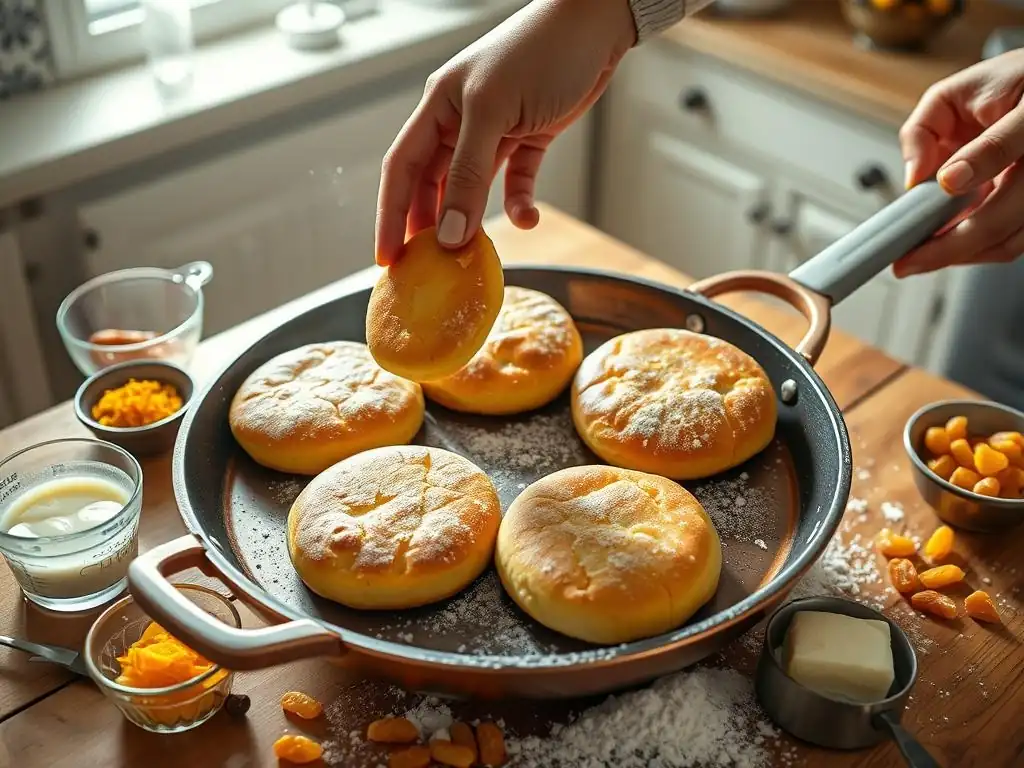
To make a batch of authentic and delicious Welsh cakes using an easy Welsh cake recipe, you'll need just a handful of basic ingredients that are likely already in your pantry. The specific quantities can vary slightly, but here's a standard list that yields about 10-12 cakes: You will need roughly 225 grams of plain flour, about 75 grams of caster sugar (plus extra for dusting), and around 100 grams of cold unsalted butter, cut into small cubes.
You will also need 1 large egg, lightly beaten, and approximately 2-3 tablespoons of milk to bring the dough together. A pinch of salt helps balance the sweetness, and about 1 teaspoon of baking powder provides a little lift, ensuring they aren't too dense. Traditionally, 75-100 grams of currants or sultanas are added, but these are optional and can be omitted or substituted. Using cold butter is crucial for achieving the right texture when rubbing it into the flour.
Essential Equipment for Making Welsh Cakes
One of the joys of making an easy Welsh cake recipe is that you don't need much specialised equipment. The most crucial item is a griddle or a heavy-based frying pan. Cast iron is traditional and excellent for even heat distribution, but any good quality non-stick pan will work well. Ensure your pan is clean and has a flat bottom for consistent contact with the heat source.
Beyond the griddle, you'll need standard baking tools: a large mixing bowl for combining ingredients, kitchen scales for measuring the flour, sugar, and butter accurately, and measuring spoons for the baking powder and salt. A pastry blender or your fingertips will be needed for rubbing in the butter. You'll also need a rolling pin to roll out the dough and a round cutter (approximately 6-7 cm in diameter) or a sharp knife to shape the cakes. A spatula is essential for flipping the cakes on the griddle.
Step 1: Combining the Dry Ingredients
The first step in creating your easy Welsh cake recipe dough is to prepare the dry ingredients. In your large mixing bowl, weigh out the 225 grams of plain flour. Add the 75 grams of caster sugar, the pinch of salt, and the 1 teaspoon of baking powder. Using a whisk or a spoon, give these dry ingredients a good mix. This helps to distribute the salt and baking powder evenly throughout the flour and sugar, ensuring that each cake has a consistent flavour and texture.
Some traditional recipes might suggest sifting the flour, though for this easy Welsh cake recipe, it's not strictly necessary unless your flour is particularly lumpy. Simply ensure all the dry components are well combined. If you are including dried fruit like currants or sultanas, this is also the stage where you can stir them into the dry mixture. Coating the fruit in the flour mixture helps prevent them from sinking to the bottom of the dough.
Step 2: Rubbing in the Butter and Adding the Egg
Now it's time to incorporate the cold butter into the dry ingredients. Take your cubed 100 grams of cold unsalted butter and add it to the flour mixture in the bowl. Using your fingertips (or a pastry blender), quickly rub the butter into the flour until the mixture resembles coarse breadcrumbs. The key here is to work quickly to prevent the butter from warming up too much. You should aim for a texture where no large lumps of butter remain, but don't overwork it into a paste – a crumbly consistency is what you're looking for.
Once the butter is rubbed in, make a well in the centre of the breadcrumb mixture. Add the lightly beaten 1 large egg to the well. Begin to bring the mixture together, incorporating the egg into the dry ingredients. Gradually add the 2-3 tablespoons of milk, a little at a time, mixing with a knife or your hands until the dough just comes together. Be careful not to add too much milk; you want a soft but not sticky dough that holds its shape. The dough should be manageable and easy to roll out in the next step.
Step 3: Rolling and Cutting the Dough
Lightly flour a clean work surface and your rolling pin. Turn the dough out onto the floured surface. Gently bring the dough together into a cohesive mass – avoid kneading it like bread dough, as this can make the cakes tough. Using your rolling pin, roll the dough out evenly to a thickness of approximately 1 to 1.5 centimetres (about half an inch). Rolling it too thin will result in dry, crispy cakes, while rolling it too thick might make them difficult to cook through on the griddle.
Once the dough is rolled to the desired thickness, take your round cutter (around 6-7 cm in diameter) and cut out as many circles as possible. Try to cut close together to minimize scraps. Gather the dough scraps gently, press them together lightly, and re-roll once or twice to cut out more cakes until all the dough is used. Handle the dough minimally during this stage to maintain its tender texture. Place the cut-out circles onto a plate or baking sheet lined with parchment paper while you prepare the griddle.
Step 4: Griddle Baking to a Golden Brown
This is where the magic happens! Heat your griddle or heavy-based frying pan over medium heat. It's important not to have the heat too high, as the cakes will burn on the outside before cooking through. A medium heat allows them to cook gently and evenly. You don't usually need to grease a non-stick pan, but if using cast iron, a tiny bit of butter or oil can help prevent sticking.
Carefully place the cut-out Welsh cakes onto the hot griddle. Don't overcrowd the pan; cook them in batches, leaving a little space between each cake. Cook for approximately 3-5 minutes on each side, or until they are golden brown and cooked through the centre.
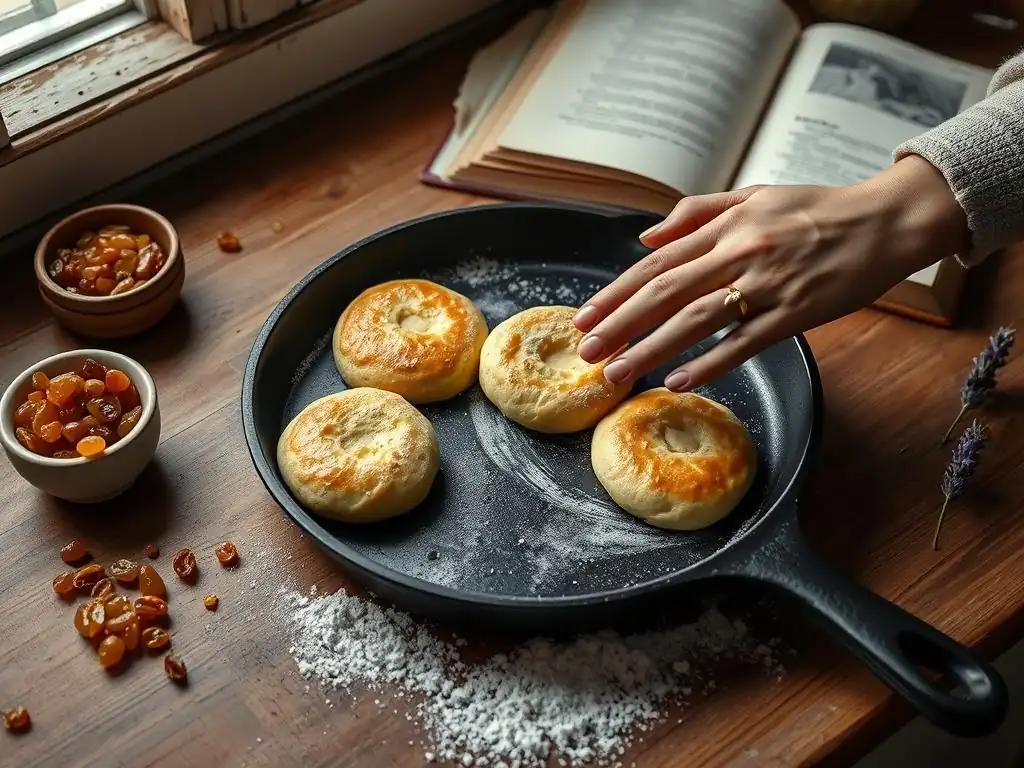
You can check for doneness by gently pressing the top of a cake – it should feel firm and not squishy. Flip them carefully using a spatula and cook the second side until it matches the first. The cooking time will vary depending on your griddle and the thickness of the cakes, so keep a close eye on them.
Step 5: Dusting with Sugar and Serving
As the Welsh cakes come off the hot griddle, they are traditionally dusted with caster sugar. Have a plate or cooling rack ready, and immediately after removing a batch from the griddle, sprinkle caster sugar generously over both sides while they are still warm. The heat from the cakes helps the sugar adhere and gives them their characteristic sweet coating. This simple step adds a lovely sparkle and extra touch of sweetness.
Once dusted, the Welsh cakes are ready to be enjoyed! They are best served warm, straight off the griddle, when their texture is soft and slightly crumbly. Arrange them on a serving plate. While delicious on their own, they are often served with a dollop of butter, jam, or clotted cream, much like scones. Sharing a warm batch of these homemade treats is a wonderful way to experience this classic Welsh delight.
Tips for Perfect Welsh Cakes
Achieving a Soft and Crumbly Texture
The signature texture of a perfect Welsh cake is soft and slightly crumbly, never tough or dense. Several factors contribute to this. Firstly, ensure your butter is cold when you rub it into the flour. Cold butter creates small pockets within the dough that melt during cooking, resulting in a tender crumb. Overworked dough is a common culprit for tough cakes; once the dough just comes together, stop mixing and handle it as little as possible during rolling and cutting. Kneading develops gluten, which is great for bread but undesirable for the tender texture of Welsh cakes.
Another key is not to add too much liquid. The dough should be soft but not sticky. Too much milk will result in a wet dough that can be difficult to handle and may produce a heavier cake. Conversely, too little liquid will make the dough dry and crumbly before cooking, leading to dry cakes. Finally, avoid overcooking them on the griddle. Cooking them for too long or at too high a heat will dry them out. They should be golden brown on the outside and cooked through, but still moist inside.
Variations on the Classic Recipe
The basic easy Welsh cake recipe is incredibly versatile and can be adapted with various additions to create different flavours. While the classic includes currants, exploring variations allows you to tailor them to your taste preferences.
Adding Currants or Sultanas
As mentioned, the most traditional addition is dried fruit. Currants are typical, but sultanas are also commonly used and give a slightly sweeter flavour. You can add anywhere from 75g to 100g of dried fruit to the dry ingredients in Step 1. Ensure they are evenly distributed throughout the dough. If your fruit seems dry, you can soak it in a little warm water or tea for about 15 minutes and drain well before adding, which can help keep the cakes moist.
Experimenting with Mixed Spice or Cinnamon
For a warming flavour, especially popular during colder months, you can add ground spices to the dry ingredients. Adding about 1 teaspoon of mixed spice or ground cinnamon works beautifully with the fruit (or even without it). These spices infuse the cakes with a lovely aroma and a hint of warmth. You can adjust the amount to your preference, starting with half a teaspoon and increasing if you like a stronger spice flavour.
Lemon Zest for a Citrus Twist
Adding the finely grated zest of one lemon provides a bright, fresh, and slightly tangy note that cuts through the sweetness of the cake and sugar. Lemon zest pairs particularly well with currants or sultanas. Add the zest to the dry ingredients along with the flour, sugar, salt, and baking powder. Ensure you only grate the yellow part of the peel, avoiding the bitter white pith underneath. This simple addition can elevate the flavour profile significantly.
Troubleshooting Common Issues
Even with an easy Welsh cake recipe, minor issues can arise. Knowing how to troubleshoot them will help you achieve perfect results every time.
Preventing Burning on the Griddle
Burning is often a result of the griddle being too hot. Welsh cakes require a medium heat. If your cakes are browning too quickly on the outside but seem undercooked inside, turn the heat down. It's better to cook them slightly slower at a lower temperature to ensure they cook through evenly without scorching the exterior. Also, ensure your pan is clean; residue from previous batches can burn and stick to the new cakes.
Ensuring Even Cooking
Uneven cooking can happen if your griddle doesn't heat evenly or if the cakes are not all the same thickness. If your griddle has hot spots, you may need to rotate the cakes during cooking. Ensure you roll the dough to a consistent thickness across the entire sheet before cutting. Flipping the cakes at the right time (when the first side is golden brown) and cooking for a similar duration on the second side is also key to achieving even cooking throughout.
Avoiding a Dry Cake
A dry Welsh cake is usually caused by one of two things: too much flour or overcooking. When bringing the dough together, add just enough milk for it to form a soft, non-sticky ball. If you add too much extra flour while rolling to prevent sticking, the dough can become dry. Use minimal flour on your surface and rolling pin. Secondly, monitor the cooking time closely. Cook them until just golden brown and firm to the touch; prolonged cooking time on the griddle will dry out the interior.
Serving and Storing
Serving Suggestions
Welsh cakes are incredibly versatile in how they can be served. The most traditional and arguably the best way to enjoy them is warm, immediately after dusting with caster sugar. The warmth enhances their soft, crumbly texture and releases their lovely aroma. A simple dusting of sugar is often all they need.
However, they are also delicious served with additions. A smear of butter that melts into the warm cake is heavenly. They pair wonderfully with jam, especially traditional fruit jams like strawberry, raspberry, or blackcurrant. For an extra touch of indulgence, you can serve them with a dollop of clotted cream or whipped cream, similar to scones. They make a perfect accompaniment to a cup of tea or coffee, ideal for a relaxed afternoon treat.
Storing for Freshness
If you happen to have any Welsh cakes left over (a rare occurrence! ), they can be stored to maintain their freshness. Allow them to cool completely before storing. Place them in an airtight container at room temperature. Stored correctly, they will remain fresh for about 2-3 days. Their texture might become slightly firmer than when warm, but they are still perfectly enjoyable.
For longer storage, Welsh cakes freeze very well. Once completely cooled, place them in a single layer on a baking sheet to freeze individually, then transfer them to a freezer bag or container. They can be stored in the freezer for up to 2-3 months. To reheat, you can gently warm them on a griddle or in a low oven, or simply let them thaw at room temperature. Reheating on a griddle can help restore some of their freshly cooked texture.
Welsh Cakes vs. Scones: Key Differences
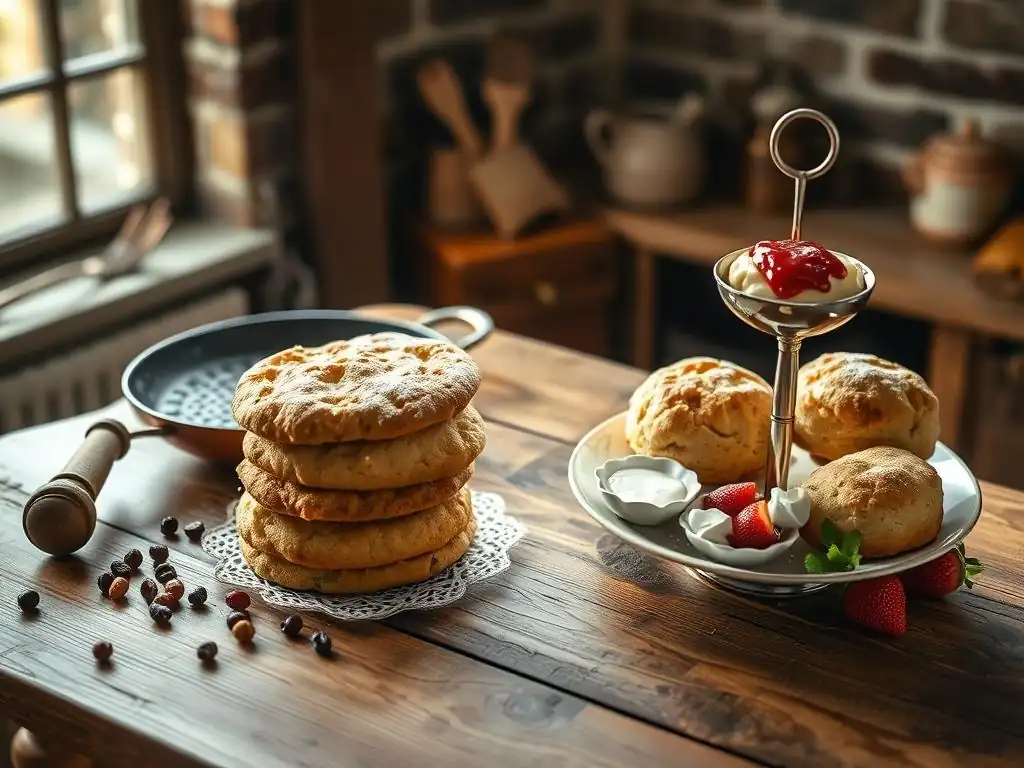
While Welsh cakes are often compared to scones due to their similar ingredients and serving style, they are distinctly different, particularly in their preparation and resulting texture. The most significant difference lies in the cooking method: Welsh cakes are cooked on a griddle or bakestone, while scones are baked in an oven. This fundamental difference leads to variations in texture and appearance.
Scones typically rise higher and have a lighter, fluffier interior, often with a crusty exterior from oven baking. They rely on a good oven spring and careful handling to achieve their height. Welsh cakes, conversely, are flatter and denser, with a more uniform, slightly crumbly texture throughout, achieved by cooking directly on a hot surface. They don't rise significantly. The dough composition can also differ slightly, with Welsh cake dough often being a little richer and sweeter. Understanding these differences highlights the unique charm and tradition of the easy Welsh cake recipe.
Understanding Welsh Baking Traditions
Welsh baking traditions are rich and varied, often reflecting the country's agricultural landscape and historical cooking methods. The use of the bakestone, central to Welsh cakes, is a prime example of how practical needs shaped culinary practices. Many traditional Welsh bakes, like bara brith (a fruit loaf) or traditional Welsh cakes, are hearty and designed to provide sustenance, often featuring dried fruits, spices, and butter.
These traditions emphasize simple, wholesome ingredients and techniques passed down through generations. The easy Welsh cake recipe embodies this ethos – using basic pantry staples and a straightforward method to create a delicious, comforting treat. Exploring Welsh baking offers a glimpse into a culture that values warmth, hospitality, and making the most of available resources, culminating in delightful pastries like the humble yet wonderful Welsh cake.
Enjoy the Process of Making Welsh Cakes
Making Welsh cakes from scratch is a truly satisfying experience. From rubbing the butter into the flour to watching them puff slightly and turn golden brown on the griddle, each step is simple and rewarding. The aroma filling your kitchen as they cook is simply wonderful. This easy Welsh cake recipe provides a perfect entry point into traditional British baking, specifically the unique delights of Welsh cuisine.
Simple Recipes for Baking Success
Our aim at BakeWithEase is to show you that delicious baking doesn't have to be complicated. This easy Welsh cake recipe is a prime example of how simple ingredients and straightforward steps can yield fantastic results. Whether you're a complete beginner or looking for a quick and easy treat, these griddle-baked delights are sure to become a favourite. Embrace the process, enjoy the aroma, and most importantly, savour the taste of your homemade Welsh cakes. Happy baking!
Frequently Asked Questions
What exactly are Welsh cakes?
Welsh cakes, also known as pice ar y maen, are small, griddle-baked cakes traditionally made in Wales. They are similar to a cross between a scone and a pancake, often flavored with dried fruit and spices.
What makes this recipe "easy" compared to other Welsh cake recipes?
This recipe prioritizes simplicity and accessibility, using readily available ingredients and straightforward instructions. It aims to minimize complicated techniques and reduce preparation time for beginner bakers.
Can I substitute any ingredients in this easy Welsh cake recipe?
While the recipe is designed for optimal results, you can make some substitutions. For instance, you might replace some of the flour with whole wheat or use different dried fruits like cranberries or raisins instead of currants.
What's the best way to cook Welsh cakes so they don't burn?
The key is to use a medium-low heat on your griddle or frying pan. This allows the cakes to cook through evenly without burning on the outside. Monitor them closely and adjust the heat as needed.
How should I store leftover Welsh cakes to keep them fresh?
Store cooled Welsh cakes in an airtight container at room temperature. They are best enjoyed within a few days. You can also freeze them for longer storage, thawing them before serving.
Final Reflection: The Enduring Charm of a Simple Welsh Cake
The humble Welsh cake, a seemingly simple griddle-baked treat, holds a surprising power. Its ease of preparation belies a rich history and a comforting taste that transcends generations. This recipe, designed for ease of access and enjoyment, aims to share this delicious heritage with a wider audience, proving that sometimes, the most satisfying experiences come from the simplest of things.
The enduring appeal of the Welsh cake lies not just in its deliciousness, but in its ability to connect us to a specific place and time. It's a taste of home for many, a reminder of simpler days, and a testament to the power of traditional recipes to bring people together. The best things in life are simple,
a sentiment perfectly embodied by this unassuming cake. Its continued popularity, even in a world of complex culinary creations, speaks volumes about the enduring power of tradition and the comfort found in familiar flavors.
So, what will you do with this newfound knowledge? Will you try your hand at making your own batch of Welsh cakes, sharing the experience with friends and family? Will you seek out a local bakery and savor the authentic taste? I encourage you to embrace the simplicity, the history, and the deliciousness of this iconic treat. Let the warmth of the griddle and the sweetness of the cake be a reminder that sometimes, the most rewarding experiences are the ones that are both easy and deeply satisfying.
Unlock the Secrets of Delicious Welsh Cakes!
Thanks for joining us on this delicious journey into the world of Welsh cakes! We hope you've gained a newfound appreciation for this simple yet satisfying treat. Now it's time to put your newfound knowledge to the test!
- Bake a batch of Welsh cakes today! Use your favorite recipe (or ours!) and experience the joy of creating these griddle-baked delights from scratch. It's easier than you think!
- Share your baking adventures! Snap a picture of your creations and post them on social media using #BakeWithEaseWelshCakes – let's inspire each other!
- Consider experimenting with different flavor combinations. What exciting additions could you add to your Welsh cakes?
Ready to become a Welsh cake master? What unique twist will you add to this classic recipe?