
Why Your Laminated Dough Isn't Flaky (And How to Fix It)

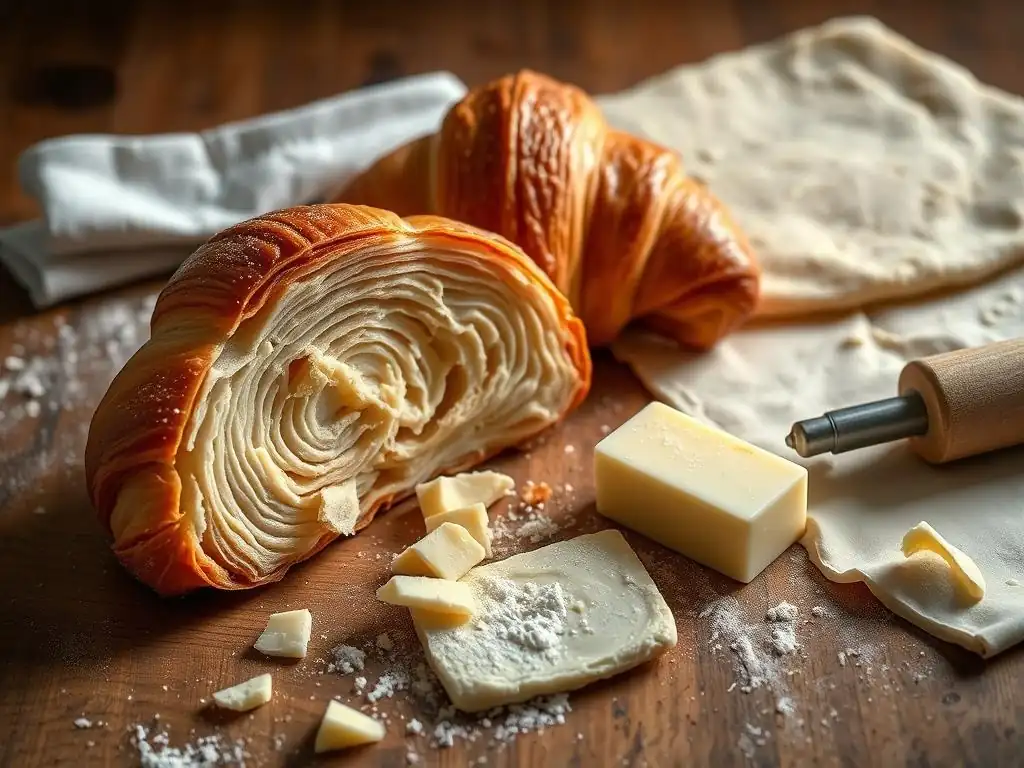
Welcome to BakeWithEase, your trusted guide to the delicious world of baking! Are you struggling to achieve that perfectly flaky texture with your pastries? Dive into our latest article, " Why Your Laminated Dough Isn't Flaky (And How to Fix It)," where we unravel the secrets to achieving light, airy layers every time. Discover the critical techniques and common pitfalls that separate success from disappointment, and unlock the secrets to baking flaky perfection. Ready to transform your laminated dough game? Let's get baking!
- Achieving Perfect Flaky Pastries: A Guide to Laminated Dough Success
- Understanding Laminated Dough and Flakiness
-
Common Reasons for Laminated Dough Failure: Lack of Flakiness
- The Butter is Too Warm: Soft Butter Problems and Solutions
- Dough is Too Warm: Gluten Development and Temperature Control
- Insufficient Rest Periods: The Importance of Chilling Between Folds
- Incorrect Folding Techniques: Mastering the Turns for Even Layers
- Overworking the Dough: Tough and Dense Pastries Explained
- Uneven Distribution of Butter: Patches and Imperfections in the Dough
- Improper Baking Temperature: Preventing Steam Production and Layer Separation
- Troubleshooting Laminated Dough: Diagnosing the Flakiness Issue
-
How to Fix Laminated Dough Problems: Achieving Perfect Flakiness
- Keeping Your Butter Cold: Tips and Tricks for Optimal Butter Temperature
- Maintaining Dough Temperature: Chilling and Resting Schedules
- Mastering Folding Techniques: Step-by-Step Visual Guide to Turns
- Using the Right Flour: Protein Content and Gluten Development for Lamination
- Optimizing Baking Temperature: Ensuring Proper Steam Release and Layer Separation
- Expert Tips for Flaky Laminated Dough: Secrets for Consistent Results
- Laminated Dough Recipes for Practice: Classic and Modern Variations
- Advanced Laminated Dough Techniques: Taking Your Baking to the Next Level
- Frequently Asked Questions
- Final Reflection: The Pursuit of Perfect Flaky Layers
- Unlock Flaky Perfection: Master Your Laminated Dough!
Achieving Perfect Flaky Pastries: A Guide to Laminated Dough Success
Understanding Laminated Dough and Flakiness
What is Laminated Dough? Definition and Examples
Laminated dough is a type of pastry dough made by repeatedly folding a block of cold butter into a simple dough (usually flour, water, yeast, and salt). This process, known as lamination, creates alternating thin layers of dough and butter. When baked, the water in the butter and dough turns to steam, which forces the layers apart, resulting in a light, airy, and incredibly flaky texture. It's this delicate structure that defines classic pastries like croissants and pain au chocolat.
The lamination process involves several "turns," where the dough is rolled out and folded like a letter or book. Each turn multiplies the layers of butter and dough. For instance, a simple fold in three (a single turn) triples the layers. After several turns, hundreds or even thousands of ultra-thin layers can be created. This intricate layering is the foundation of the sought-after flakiness in pastries made from laminated dough, distinguishing them from simpler doughs.
The Science Behind Flaky Layers: Fat, Dough, and Steam Expansion
The magic of flaky laminated dough lies in the interaction between the cold butter and the dough during baking. As the pastry bakes at a high temperature, the cold butter layers melt. However, before the dough layers have fully set, the water content within the melting butter (typically around 15-18% in European-style butter) turns rapidly into steam. This steam is trapped between the dough layers, forcing them apart like tiny balloons.
Simultaneously, the dough layers themselves contain moisture that also turns to steam, contributing to the separation. The fat from the melted butter also helps to fry the dough layers, preventing them from sticking together and ensuring they become crisp and distinct. This intricate dance of melting fat and expanding steam is why a successful laminated dough isn't flaky; it's a careful balance that requires precise temperature control and technique to achieve optimal lift and separation.
Why is Flakiness Important in Viennoiseries and Pastries?
Flakiness is the signature characteristic of viennoiseries and many pastries, providing a unique and delightful textural experience. A perfectly baked croissant or pain au chocolat should be crisp and shatter slightly on the outside, revealing an airy, layered interior that pulls apart easily. This contrast between the delicate exterior and the soft, open crumb inside is what makes these pastries so beloved.
Beyond texture, flakiness contributes significantly to the overall eating experience, enhancing the richness and buttery flavor. When laminated dough isn't flaky, it often results in a dense, bready, or even tough texture that lacks the characteristic lightness and crispness. This can be disappointing for both the baker and the person enjoying the pastry, as the expected delicate mouthfeel is missing, making the desired result of a beautiful, layered pastry unattainable.
Common Reasons for Laminated Dough Failure: Lack of Flakiness
When your laminated dough isn't flaky, it's often due to issues during the crucial lamination and proofing stages. Identifying the specific problem is the first step to fixing it. Several factors can contribute to a lack of those desired airy layers.
The Butter is Too Warm: Soft Butter Problems and Solutions
One of the most frequent reasons why laminated dough isn't flaky is using butter that is too warm or soft during the lamination process. Cold butter is essential because it needs to remain solid and form distinct layers between the dough. If the butter is too warm, it will melt into the dough during rolling and folding, instead of creating separate layers. This essentially turns your laminated dough into a simple enriched bread dough, preventing the necessary layer separation during baking.
When butter is too soft, it also becomes difficult to handle and roll evenly. It can squeeze out of the dough layers, leading to an uneven distribution of fat and patches where dough sticks to dough. This unevenness means steam cannot uniformly separate the layers, resulting in a dense, heavy pastry rather than a light, flaky one. Maintaining the butter at a consistent, cold but pliable temperature (around 40-50°F or 4-10°C) is critical for successful lamination.
Dough is Too Warm: Gluten Development and Temperature Control
Similar to the butter, the dough itself must be kept cold throughout the lamination process. A warm dough becomes slack, sticky, and difficult to handle. More importantly, warmth encourages gluten development, which, while necessary for structure, can make the dough too elastic and resistant to rolling. This resistance makes it hard to roll the dough thinly and evenly without tearing, disrupting the delicate layers of butter and dough you're trying to create.
Excessive warmth also softens the butter layers, exacerbating the issues mentioned above. If the dough is constantly warm, the butter will integrate into the dough, leading to a less distinct separation of layers. Working quickly in a cool environment and ensuring adequate chilling time between turns are vital steps to keep both the dough and butter at the optimal temperature, preventing the common issue of laminated dough not flaky due to temperature mismanagement.
Insufficient Rest Periods: The Importance of Chilling Between Folds
Resting and chilling the dough between each fold or "turn" is a non-negotiable step in creating flaky laminated dough. These rest periods, typically lasting 30-60 minutes in the refrigerator, serve multiple purposes. Firstly, chilling firms up the butter layers, making them easier to roll without melting or squeezing out. Secondly, it allows the gluten in the dough to relax.
Without sufficient rest, the dough remains elastic and springs back when you try to roll it, making it incredibly difficult to achieve the thin, even layers required for flakiness. Rushing the process and skipping rests leads to uneven thickness, torn dough, and integrated butter – all factors contributing to a laminated dough that isn't flaky. Proper chilling ensures the dough is pliable enough to roll but firm enough to maintain distinct layers.
Incorrect Folding Techniques: Mastering the Turns for Even Layers
The folding technique, or "turn," is where the magic of lamination happens, building the layers. Whether you use a simple single fold (folding the dough in three) or a book fold (folding in four), precision is key. The goal is to create uniform, parallel layers of dough and butter across the entire sheet of dough. If folds are uneven, or if corners aren't squared off before rolling, the layers will be irregular, leading to patches of thick dough or areas with insufficient butter.
Poor folding technique can also trap air pockets between layers or cause butter to be unevenly distributed. When baked, these inconsistencies prevent uniform steam expansion and layer separation. Mastering the technique ensures that every part of your laminated dough has the potential to become beautifully flaky, preventing the frustrating outcome of a pastry that is dense in some spots and slightly layered in others.
Overworking the Dough: Tough and Dense Pastries Explained
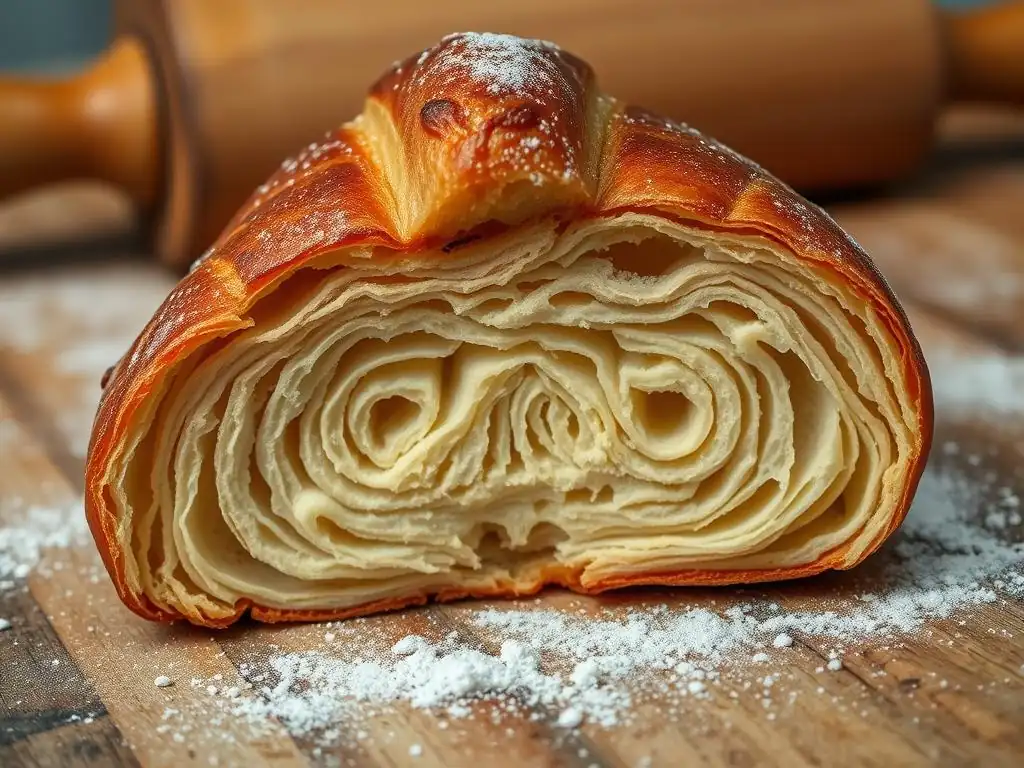
Working the dough too much, whether during the initial mixing or the subsequent rolling and folding, can lead to excessive gluten development. While some gluten is needed for structure, too much makes the dough tough and elastic. This resistance makes it hard to roll thin and even layers, and the resulting structure can be too strong to be easily separated by steam during baking.
An overworked laminated dough won't relax properly during resting periods and will constantly try to spring back. This battle against elasticity can lead to tearing the dough and uneven layer thickness. The final baked product from overworked dough is often dense and chewy rather than light and flaky, a common pitfall when laminated dough isn't flaky despite seemingly following the steps.
Uneven Distribution of Butter: Patches and Imperfections in the Dough
Ensuring the butter block is evenly enclosed within the dough before the first roll and maintaining its evenness throughout the lamination process is crucial. If the butter block is unevenly thick, or if it breaks and smears during rolling, you will end up with areas in your dough that have too much butter and areas with too little.
When baked, areas with insufficient butter will not have enough steam production to separate the dough layers, resulting in dense patches. Areas with too much butter might become greasy or the butter could leak out excessively. This unevenness directly impacts the flakiness, leading to inconsistent texture throughout the pastry. A laminated dough isn't flaky uniformly if the butter distribution is poor.
Improper Baking Temperature: Preventing Steam Production and Layer Separation
The baking temperature plays a critical role in achieving flakiness. Laminated dough pastries are typically baked at a relatively high initial temperature (often around 400-425°F or 200-220°C). This high heat is essential for two reasons: it rapidly melts the butter, and it quickly turns the water into steam before the dough structure sets. This burst of steam is what lifts and separates the layers.
If the oven temperature is too low, the butter may simply melt and soak into the dough before enough steam is generated, or before the dough layers are firm enough to hold their shape. This results in a flat, greasy, and dense pastry. Conversely, if the oven is too hot, the outside might burn before the inside is cooked and the layers have fully separated. Proper temperature management is the final key step to ensuring your laminated dough isn't flaky because you failed at the last hurdle.
Troubleshooting Laminated Dough: Diagnosing the Flakiness Issue
When faced with a laminated dough that isn't flaky, it's helpful to perform a post-mortem analysis. By examining the dough before baking and the baked product, you can often pinpoint where things went wrong in the process. This diagnostic step is crucial for improving your technique on subsequent attempts.
Assessing Your Dough's Texture: Is it Too Sticky, Tough, or Elastic?
Before baking, feel your dough after the final roll-out. Does it feel overly sticky? This might indicate too much moisture, insufficient flour on the work surface during rolling, or perhaps the butter was too warm and started integrating. A sticky dough is hard to handle and roll thinly without tearing or sticking to itself, hindering layer formation.
Conversely, does the dough feel very tough and spring back excessively when you try to roll it? This is a sign of overworking the dough or insufficient rest periods between turns. Tough, elastic dough resists rolling and makes it difficult to achieve thin, even layers. If your laminated dough isn't flaky, consider if its texture felt right before it went into the oven. A dough that fought you every step of the way is likely to yield a dense result.
Evaluating the Butter Consistency: Soft, Cold, or Melting During Lamination
Think back to the temperature and consistency of your butter block and the dough during the rolling and folding steps. Was the butter cold and firm, yet pliable enough to bend slightly without breaking? Or was it soft and easily smeared? If butter was squeezing out or visibly melting during the turns, this is a strong indicator that temperature was too high, either for the butter itself or the surrounding environment.
Observing butter consistency during the process is a direct way to diagnose temperature-related issues. If you saw butter pooling or smearing rather than staying in distinct layers, this is a major reason your laminated dough isn't flaky. The ideal is butter that stays solid and distinct until it hits the heat of the oven.
Analyzing Your Folding Technique: Are the Layers Defined and Uniform?
After completing your turns and before the final shaping, if you were to slice a small cross-section (not recommended if you plan to bake it, but useful for analysis), could you see distinct, even layers of dough and butter? Or did it look like a more homogenous mass, perhaps with visible chunks of butter?
If the layers appear smeared, uneven, or indistinguishable, it suggests issues with rolling thickness, folding precision, or temperature causing the butter to blend into the dough. Uneven thickness in rolling before folding also leads to uneven layers. Analyzing the structure you built (or failed to build) during lamination is key to understanding why your laminated dough isn't flaky.
Examining the Baked Product: Dense or Flaky Texture Analysis
Once baked, cut open your pastry and examine the interior crumb structure. Does it have open, airy pockets with distinct, separated layers? Or is it dense, bready, or even solid throughout? A laminated dough that isn't flaky will show little to no separation between layers, and the interior will likely feel heavy or chewy.
Look for signs like large pockets where butter might have leaked out, or areas that are significantly denser than others, indicating uneven butter distribution or rolling. If the base is greasy, it might mean the butter melted too quickly before the dough set. Analyzing the final texture provides concrete evidence of whether the steam separation process worked as intended and helps confirm the diagnosis from the dough stage.
How to Fix Laminated Dough Problems: Achieving Perfect Flakiness
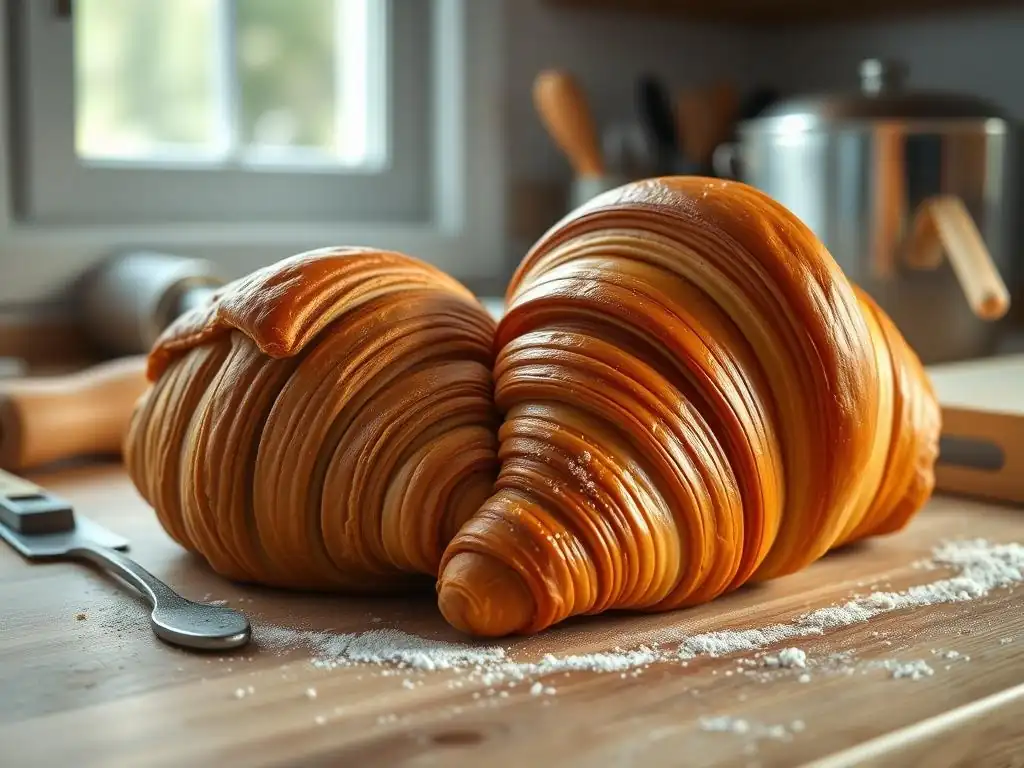
Now that you've diagnosed potential issues, let's look at practical steps to fix them and ensure your next batch of laminated dough isn't flaky for the wrong reasons, but beautifully layered and crisp.
Keeping Your Butter Cold: Tips and Tricks for Optimal Butter Temperature
Maintaining cold butter is paramount. Start with cold butter straight from the fridge. If you need to shape it into a block, do so quickly between two sheets of parchment paper using a rolling pin, then refrigerate it again until it's firm but slightly pliable (around 40-50°F). Work in a cool kitchen environment if possible. If your kitchen is warm, consider chilling your rolling pin and work surface briefly.
- Use high-quality butter with a higher fat content (European-style butter, typically 82% fat, is preferred).
- Cut the butter into slices or cubes and arrange them on parchment before gently pounding/rolling into a sheet.
- Ensure the butter sheet is roughly one-third the size of your dough rectangle before enclosing it.
- If the butter becomes too soft during rolling, stop immediately and place the dough back in the refrigerator for 15-20 minutes until the butter firms up again. Don't rush this step.
Maintaining Dough Temperature: Chilling and Resting Schedules
Controlling dough temperature goes hand-in-hand with butter temperature. Use cold water when mixing the dough and avoid overmixing, which can generate heat. After the initial mix and bulk fermentation (if applicable), chill the dough thoroughly before starting lamination. Between every single roll and fold (turn), the dough must be refrigerated for at least 30-60 minutes.
- Plan your lamination over several hours, or even two days, to allow adequate chilling time.
- Wrap the dough tightly in plastic wrap during chilling to prevent it from drying out.
- If working in a warm environment, you may need longer chilling times or even brief stints in the freezer (just a few minutes!) to bring the temperature down quickly.
- Use a dough thermometer to check the internal temperature; aim to keep it below 55°F (13°C) during rolling.
Mastering Folding Techniques: Step-by-Step Visual Guide to Turns
Practice makes perfect with folding. Whether you're doing a single fold or a book fold, aim for precision. Roll the dough into a neat rectangle with even thickness before each fold. Brush off excess flour before folding, as trapped flour can prevent layers from adhering slightly where they should, or create dry spots.
- Single Fold (Letter Fold): Roll dough into a rectangle. Imagine dividing it into thirds. Fold one end up to cover the middle third. Fold the other end down to cover the folded section. You now have three layers. Rotate 90 degrees for the next roll.
- Book Fold (Double Fold): Roll dough into a longer rectangle. Imagine dividing it into quarters. Fold each end inwards so they meet in the middle. Then fold the dough in half along the center line. You now have four layers. Rotate 90 degrees for the next roll.
Always square off the edges before rolling to maintain an even shape. Gentle, even pressure with the rolling pin is key to avoid tearing the dough or smearing the butter.
Using the Right Flour: Protein Content and Gluten Development for Lamination
The type of flour you use impacts gluten development and dough strength. For laminated doughs like croissants, a medium-protein bread flour (around 11-12.5% protein) is often recommended. This provides enough gluten structure to handle the rolling and folding without tearing, but isn't so high in protein that the dough becomes excessively tough.
Using a lower protein flour (like all-purpose flour, 9-11% protein) can make the dough too weak to support the layers, leading to butter leakage and poor structure. Conversely, a very high protein flour can make the dough too elastic and difficult to roll thin. Experimenting with different flours can help you find what works best with your technique and desired outcome for a laminated dough that isn't flaky due to structural weakness.
Optimizing Baking Temperature: Ensuring Proper Steam Release and Layer Separation
Preheating your oven thoroughly is crucial. Ensure it reaches the target temperature (often 400-425°F / 200-220°C) before putting the pastries in. Baking on a preheated baking stone or steel can also help provide a strong initial heat boost from the bottom, which is beneficial for rapid steam production.
- Start with a high temperature for the first 10-15 minutes to maximize steam lift.
- Then, reduce the temperature (often to 350-375°F / 175-190°C) to allow the layers to cook through and crisp up without burning the exterior.
- Avoid opening the oven door frequently, as this causes temperature fluctuations that can collapse the rising layers.
- Ensure adequate spacing between pastries on the baking sheet to allow for even heat circulation.
Expert Tips for Flaky Laminated Dough: Secrets for Consistent Results
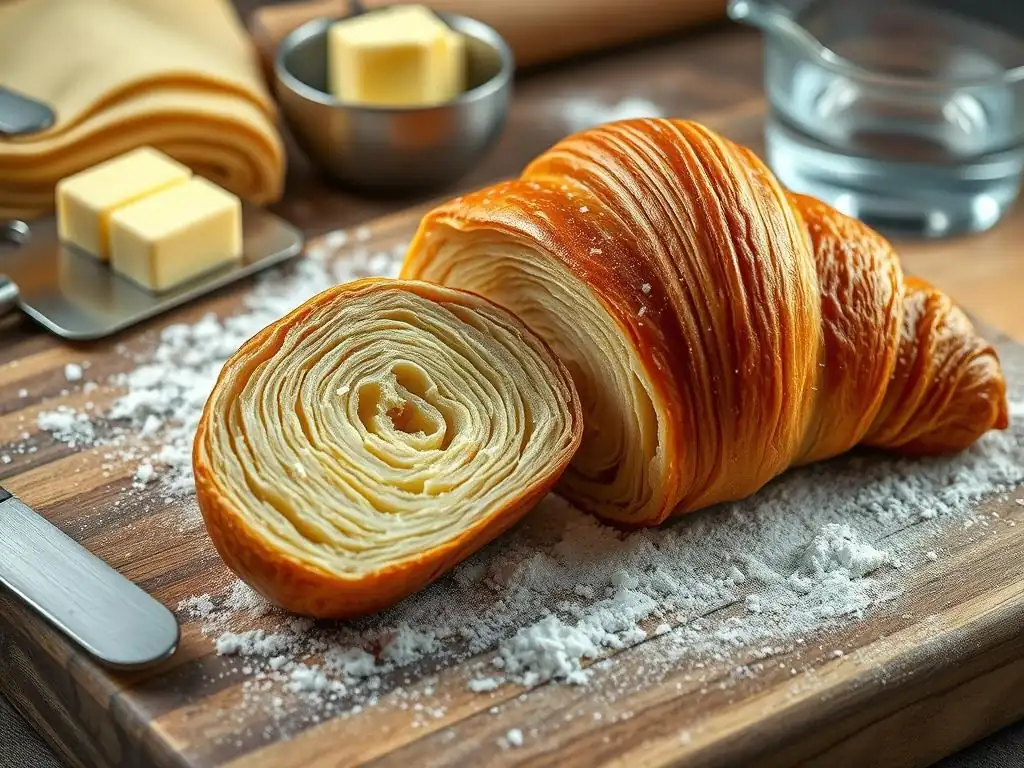
Moving beyond the basics, incorporating some expert tips can significantly improve your consistency and help ensure your laminated dough isn't flaky due to preventable errors. These small details can make a big difference in the final outcome.
The Importance of High-Quality Butter: Taste and Texture Considerations
Not all butter is created equal, especially when it comes to lamination. High-quality European-style butter, typically containing 82% or more butterfat and less water than American butter (around 80% fat), is often preferred. The higher fat content contributes to richer flavor and more tender layers. More importantly, less water means less steam, which can actually lead to slightly larger, more distinct layers.
Butter with the right consistency is also key – it should be pliable when cold, not brittle or too soft. Different brands can vary. Finding a butter that works well for lamination can take some trial and error, but it's a worthwhile investment for achieving superior flakiness and flavor. Using a lower quality or lower fat butter is a common reason why laminated dough isn't flaky and rich.
Using a Dough Thermometer: Precise Temperature Control for Success
Guessing temperatures is a recipe for inconsistency. A simple digital probe thermometer can be invaluable for ensuring both your butter and dough are within the optimal temperature range throughout the process. Check the temperature of your butter block before enclosing it, and periodically check the dough temperature during rolling and after chilling periods.
Aim for the butter to be between 40-50°F (4-10°C) and the dough to stay below 55°F (13°C) during rolling. If the dough temperature creeps up, it's a clear signal that it's time for another rest in the refrigerator. Precise temperature control takes the guesswork out of lamination and is a hallmark of professional pastry chefs, helping to prevent a laminated dough that isn't flaky due to temperature issues.
Proofing Techniques for Laminated Dough: Achieving Optimal Rise and Texture
Proofing is the final rise before baking and is crucial for viennoiseries. It allows the yeast to produce gas, causing the dough layers to expand and the pastry to increase in size. Proper proofing happens in a warm, humid environment (typically around 75-80°F or 24-27°C with 70-80% humidity). However, the temperature must not be so high that the butter melts!
Over-proofing can cause the butter layers to melt and leak out before baking, resulting in a flat, greasy pastry. Under-proofing means the yeast hasn't produced enough gas to help lift the layers during baking. A perfectly proofed laminated dough feels puffy and jiggly, and the layers are slightly visible but still distinct. If your laminated dough isn't flaky, consider if your proofing environment or time might be off, leading to melted butter or insufficient rise.
Storing Laminated Dough: Freezing and Thawing for Later Use
Laminated dough can be successfully frozen, which is convenient but requires careful handling. Freeze the dough after the final roll and fold, but before shaping. Wrap it very tightly in multiple layers of plastic wrap and then foil to prevent freezer burn. It can typically be stored for up to 2-3 weeks.
To use frozen dough, thaw it slowly in the refrigerator overnight. Do not attempt to thaw at room temperature, as this will cause the butter to melt and ruin the layers, guaranteeing a laminated dough that isn't flaky upon baking. Once thawed, you can proceed with shaping, proofing, and baking as usual. Shaped pastries can also be frozen after shaping but before proofing; they require thawing and then proofing before baking.
Laminated Dough Recipes for Practice: Classic and Modern Variations
Mastering laminated dough takes practice. Starting with well-tested recipes provides a solid foundation. These classic examples showcase the versatility and delicious results possible when laminated dough isn't flaky for the right reasons – creating beautiful layers.
Croissant Recipe: Classic French Croissant Dough
The classic croissant is the quintessential laminated dough pastry. It requires precise lamination (typically 3-4 single folds) to create hundreds of delicate layers. The process involves mixing a simple enriched dough, chilling, enclosing a butter block, performing multiple turns with chilling in between, shaping into the iconic crescent, proofing, and baking. A successful croissant boasts a crisp, golden exterior and an airy, honeycomb-like interior crumb.
Creating croissants is often the benchmark for laminated dough skill. Getting that perfect shatter and open interior requires attention to every detail, from dough and butter temperature to rolling pressure and proofing conditions. If your basic croissant recipe results in a laminated dough that isn't flaky, revisiting the fundamental techniques is the best approach.
Pain au Chocolat Recipe: Rich Chocolate-Filled Pastries
Pain au chocolat uses the same basic laminated dough as croissants but is shaped differently and filled with one or two batons of dark chocolate. The dough is typically rolled into a rectangle, chocolate is placed at one end, the dough is folded over, another chocolate baton is placed, and then it's rolled up.
The success of pain au chocolat also hinges on proper lamination and proofing. The layers must be strong enough to hold the melting chocolate during baking while still separating to create a flaky exterior. If your pain au chocolat made from laminated dough isn't flaky, the issue likely lies in the dough preparation or baking, not the chocolate filling.
Kouign Amann Recipe: Buttery and Caramelized Breton Pastry
Kouign Amann is a rich, dense, and caramelized pastry from Brittany, France, also made with laminated dough. However, unlike croissants, sugar is incorporated between the layers during the final turns and shaping. This sugar melts and caramelizes during baking, creating a sticky, buttery, and sweet crust.
While also laminated, Kouign Amann has a different texture profile than croissants – it's less airy and more dense and buttery, with a distinct caramelized exterior. The lamination process is similar, but the addition of sugar changes how the layers behave. If your Kouign Amann made from laminated dough isn't flaky like a croissant, that's expected; its flakiness is different, often tighter and caramelized. If it's simply dense and tough, however, the lamination likely failed.
Advanced Laminated Dough Techniques: Taking Your Baking to the Next Level
Once you've mastered the basics and consistently achieve flaky results, you can explore more advanced techniques to refine your skills and expand your repertoire.
Different Folding Methods: French, English, and Reverse Puff Pastry
While the single and book folds (often used in croissant dough, sometimes called English or French methods depending on the specific pattern) are common, other lamination techniques exist. Puff pastry, for instance, often uses slightly different ratios and folding patterns (like six single folds or a combination) to achieve maximum lift and flakiness without yeast.
Reverse puff pastry is an advanced technique where the butter block actually encloses the dough rectangle, rather than the other way around. This method keeps the dough colder and the butter warmer relative to each other initially, which some bakers find easier to manage in warmer conditions and can result in exceptionally flaky layers. Exploring these different methods offers new challenges and can yield varying textures.
Working with Flavored Laminated Dough: Adding Herbs, Spices, and Extracts
Laminated dough doesn't have to be plain. You can incorporate flavors into the dough itself or into the butter block. Finely chopped fresh herbs (like chives for a savory pastry), spices (cinnamon, cardamom), citrus zest, or extracts (vanilla, almond) can be added to the initial dough mix.
Alternatively, you can create a compound butter by mixing softened butter with flavorings (like cinnamon sugar, pesto, or dried herbs) before chilling and incorporating it as the butter block. This evenly distributes the flavor throughout the layers. Experimenting with flavors adds another dimension to your laminated dough creations.
Creating Unique Viennoiseries: Beyond Classic Shapes and Fillings
Beyond croissants and pain au chocolat, laminated dough can be shaped and filled in countless ways to create unique viennoiseries. Consider shapes like swirls (pain aux raisins), pinwheels, braids, or turnovers. Fillings can range from fruit compotes and pastry cream to savory options like cheese, ham, or spinach.
Exploring different shaping techniques allows you to practice handling the delicate dough while creating visually appealing pastries. Combining different shapes with varied fillings and flavorings in the dough or butter provides endless possibilities for creativity once you've conquered the challenge of ensuring your laminated dough isn't flaky for the wrong reasons, but consistently produces those beautiful layers.
Frequently Asked Questions
Why is my laminated dough not flaky?
The most common reason is insufficient butter distribution. Another cause can be overworking the dough, leading to gluten development and a tough, non-flaky result.
What does "lamination" actually mean in laminated dough?
Lamination refers to the process of creating thin layers of dough and fat that separate and puff up during baking. This layering is what gives laminated dough its signature flaky texture.
What type of butter is best for laminated dough?
Using high-fat European-style butter is generally recommended. It has a lower water content, which prevents the dough from becoming soggy and promotes better steam generation for flakiness.
How important is temperature control when making laminated dough?
Temperature is crucial. Keep the butter cold and the dough chilled throughout the entire process. Warm butter will melt into the dough, preventing proper layering and flakiness.
Can I use a stand mixer for laminated dough, or is it better to do it by hand?
While a stand mixer can be used, it's easy to overmix the dough. Working by hand gives you more control, allowing you to feel the dough's texture and avoid excessive gluten development.
Final Reflection: The Pursuit of Perfect Flaky Layers
The quest for flawlessly flaky laminated dough remains a persistent challenge for home bakers, yet mastering this technique unlocks a world of buttery, melt-in-your-mouth delights. Understanding the science behind the layers—the precise ratio of fat to flour, the importance of chilling, and the gentle handling required—is crucial to achieving that coveted texture. This knowledge isn't just about perfecting croissants or pain au chocolat; it's about understanding the fundamental principles of pastry making.
The journey of creating truly flaky laminated dough has profoundly impacted my own baking, pushing me to be more precise and patient in the kitchen. It's a process that demands attention to detail, rewarding meticulousness with a breathtaking result. The subtle nuances of each fold, the careful monitoring of temperature, all contribute to the final product. As Julia Child wisely said, Find something you're passionate about and keep tremendously interested in it.
For me, that passion is the pursuit of the perfect flaky layer, and the journey itself is as rewarding as the destination.
Now, it's your turn. Don't be discouraged by initial setbacks; embrace the challenge of mastering laminated dough. Experiment with different techniques, pay close attention to the details, and most importantly, enjoy the process. The satisfaction of biting into a perfectly flaky pastry, the result of your own dedication and skill, is an unparalleled reward. So, gather your ingredients, roll up your sleeves, and embark on your own journey to flaky perfection. You might just surprise yourself with what you can achieve.
Unlock Flaky Perfection: Master Your Laminated Dough!
Thanks for diving into the world of flaky pastries! We hope you gained valuable insights into achieving that perfect, melt-in-your-mouth texture. Now it's time to put your new knowledge to the test.
- Bake your dream pastry: Choose your favorite laminated dough recipe (or try a new one!) and apply the techniques you just learned. Don't be afraid to experiment!
- Share your baking triumph: Show off your flaky masterpiece on social media – tag us @BakeWithEase so we can see your success!
- Join our baking community: Head over to our forums to share tips, ask questions, and connect with other passionate bakers. Let's create a flaky revolution together!
So, what delicious laminated treat will you conquer first?