
Light and Luscious: How to Bake a Fluffy EggFree Vanilla Cake

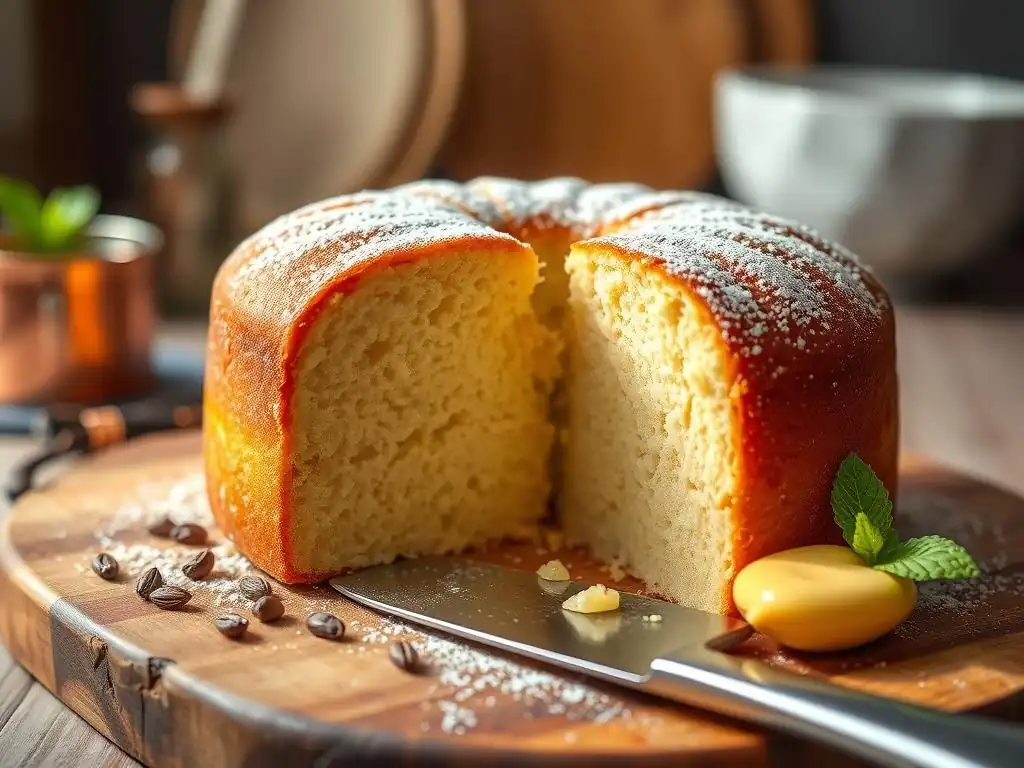
Welcome to BakeWithEase, your guide to effortless baking! Ever wondered if a truly fluffy and delicious vanilla cake is possible without eggs? Prepare to be amazed! Dive into our EggFree Vanilla Cake Recipe below and discover the secrets to creating a light, luscious masterpiece that everyone will love. What's the secret ingredient? Read on to find out!
- Introduction to Egg-Free Vanilla Cake Baking
- Preparing for Your Egg-Free Vanilla Cake: Ingredients & Equipment
-
Step-by-Step Guide to Baking Your Egg-Free Vanilla Cake
- Step 1: Preparing the Cake Pan
- Step 2: Mixing the Dry Ingredients
- Dry Ingredient Mixing Tip: Whisking for Uniformity
- Step 3: Combining Wet Ingredients for Egg-Free Cake Batter
- Wet Ingredient Tip: Room Temperature Ingredients for Emulsification
- Step 4: Combining Wet and Dry Ingredients: The Key to a Light Texture
- Mixing Techniques: The Folding Method for a Tender Crumb
- Step 5: Baking Your Egg-Free Vanilla Cake to Perfection
- Baking Time and Temperature Guide
- Step 6: Cooling Your Cake for Optimal Flavor and Texture
- Mastering the Art of Egg-Free Vanilla Cake Frosting
- Tips and Tricks for a Perfect Egg-Free Vanilla Cake
- Serving and Enjoying Your Delicious Egg-Free Vanilla Cake
-
Frequently Asked Questions
- What makes this egg-free vanilla cake recipe different from other vanilla cake recipes?
- What are the key ingredients that replace eggs in this egg-free vanilla cake recipe?
- Is this egg-free vanilla cake recipe suitable for beginner bakers?
- Can I customize this egg-free vanilla cake recipe with different flavors or toppings?
- How do I ensure my egg-free vanilla cake comes out moist and not dry?
- Final Reflection: The Sweet Symphony of Eggless Baking
- Unlock Your Egg-Free Baking Potential!
Introduction to Egg-Free Vanilla Cake Baking
Discover the delightful world of baking a truly fluffy and moist vanilla cake, all without using a single egg! Whether you're navigating dietary restrictions, managing allergies, or simply curious about alternative baking methods, mastering an egg-free vanilla cake recipe opens up a realm of possibilities. It's a rewarding process that proves you don't need traditional binders to achieve a spectacular result.
The Joy of Baking Without Eggs
Baking without eggs can initially seem daunting, as eggs play multiple roles: binding ingredients, providing structure, contributing moisture, and aiding leavening. However, the joy comes from discovering how other simple ingredients can step in to perform these functions beautifully. Successfully creating a light, tender crumb and rich flavor in an eggless vanilla cake recipe is incredibly satisfying. It empowers you to bake for a wider audience, ensuring everyone can enjoy a slice of homemade goodness, regardless of their dietary needs.
This journey into egg-free baking also encourages creativity and a deeper understanding of ingredient interactions. For instance, acidic ingredients like vinegar or lemon juice, when combined with baking soda, create leavening that can mimic the lift provided by eggs. Fats, like butter or oil, contribute moisture and tenderness, preventing dryness often associated with eggless bakes if not formulated correctly. Embracing this challenge leads to versatile skills applicable across many dessert types.
Why Choose an Egg-Free Vanilla Cake Recipe?
Choosing an egg-free vanilla cake recipe is often driven by necessity, such as an egg allergy, which affects approximately 1-2% of young children, though many outgrow it. For adults, it might be due to dietary choices like veganism or simply exploring plant-based options. Beyond allergies and diets, some bakers find that certain egg-free methods can yield an exceptionally tender and moist cake, sometimes even more so than traditional recipes, provided the balance of ingredients is just right.
Furthermore, an egg-free vanilla cake recipe can be more economical at times, depending on market prices for eggs. It also offers a reliable option when you find yourself without eggs but still crave a homemade cake. The versatility of a good eggless vanilla cake base means it can be flavored and frosted in countless ways, serving as the perfect foundation for everything from simple birthday cakes to elaborate layered creations. It's a staple recipe worth having in any baker's repertoire.
A Guide to Perfect Egg-Free Cakes
Achieving a perfect egg-free cake involves understanding the science behind the substitutions and following precise steps. Unlike traditional recipes where eggs are forgiving binders, eggless baking often relies on specific chemical reactions and careful measurement. For example, the reaction between baking soda and an acid is crucial for lift; using too much or too little of either can result in a dense or poorly risen cake.
Success hinges on selecting a well-tested eggfree vanilla cake recipe and paying close attention to details like ingredient temperatures, mixing techniques, and baking times. Overmixing can develop gluten, leading to a tough cake, while undermixing might leave pockets of uncombined ingredients. This guide aims to walk you through these nuances, providing the knowledge and confidence to bake a consistently light and luscious egg-free vanilla cake every time.
Preparing for Your Egg-Free Vanilla Cake: Ingredients & Equipment
Before you even preheat your oven, the foundation of a fantastic eggfree vanilla cake recipe lies in careful preparation. This includes gathering the right ingredients, ensuring they are fresh, and having the necessary tools at your fingertips. Thinking ahead about these elements prevents last-upset rushes and contributes significantly to baking success.
Essential Ingredients for a Fluffy Egg-Free Vanilla Cake
A standard egg-free vanilla cake recipe typically calls for pantry staples, with a few key players acting as egg substitutes. You'll need all-purpose flour, granulated sugar, baking powder, baking soda, salt, milk (dairy or plant-based), vegetable oil (or melted butter), vanilla extract, and an acidic agent like apple cider vinegar or lemon juice. The combination of baking soda and acid is particularly critical for leavening in many eggless recipes.
Using fresh ingredients is paramount. Baking powder and baking soda lose their potency over time, which can result in a flat cake. It's a good practice to test your leavening agents periodically; baking soda should fizz vigorously when mixed with vinegar, and baking powder should bubble when added to hot water. For this eggless vanilla cake recipe, ensure your vanilla extract is pure for the best flavor, not imitation.
Ingredient Breakdown: Baking Powder, Apple Cider Vinegar, and Vanilla Extract
Let's look closer at some key players in our eggfree vanilla cake recipe. Baking powder is a complete leavening agent containing both an acid and a base, requiring only liquid to activate. Baking soda, however, is just a base and needs an external acid to react and produce carbon dioxide gas, which creates lift. In many egg-free recipes, including this eggless vanilla cake, baking soda works in tandem with an added acid like apple cider vinegar.
Apple cider vinegar is a popular choice because its flavor is generally undetectable in the final baked product, especially when paired with vanilla. About 1 to 1.5 teaspoons of vinegar per cup of flour, combined with the correct amount of baking soda, can provide excellent lift.
Vanilla extract is crucial for flavor; using a good quality, pure vanilla extract makes a noticeable difference in a simple vanilla cake. A standard amount is often 1-2 teaspoons, but for a pronounced vanilla flavor in your egg-free vanilla cake, don't be afraid to use a generous splash, perhaps up to 2 teaspoons for an 8-inch cake.
Must-Have Equipment for Egg-Free Cake Success
Having the right tools makes the baking process smoother and contributes to a better outcome for your eggless vanilla cake. You'll need:
- Mixing bowls (at least two: one for dry, one for wet ingredients)
- Measuring cups and spoons (accuracy is key in egg-free baking!)
- A whisk (for aerating dry ingredients and combining wet ones)
- A rubber spatula or wooden spoon (for folding ingredients)
- A cake pan (8-inch or 9-inch round pans are common for this type of eggfree vanilla cake recipe)
- Parchment paper (for lining the pan)
- A wire cooling rack
Optional but helpful equipment includes a kitchen scale for precise measurement (especially of flour), a stand mixer or hand mixer for easier mixing (though manual mixing is perfectly fine), and an oven thermometer to ensure your oven is heating accurately. Using an oven thermometer is particularly useful as oven temperatures can vary significantly, potentially affecting the rise and texture of your eggless vanilla cake.
Tips for Gathering Fresh Ingredients
To ensure your eggfree vanilla cake recipe turns out perfectly, make a list and check your pantry staples for freshness before you start. Flour should be free of odors and pests; if stored properly in an airtight container, it can last several months. Sugar lasts indefinitely, but ensure it hasn't hardened into clumps.
Leavening agents are the most critical to check for expiration dates. Baking powder is often good for 6-12 months once opened, while baking soda can last up to 2 years, but their effectiveness decreases over time. Store them in airtight containers away from moisture. For your liquid ingredients like milk and oil, check expiry dates and ensure they haven't been open for too long. Freshness in every component contributes to the overall success and delicious flavor of your fluffy egg-free vanilla cake.
Step-by-Step Guide to Baking Your Egg-Free Vanilla Cake
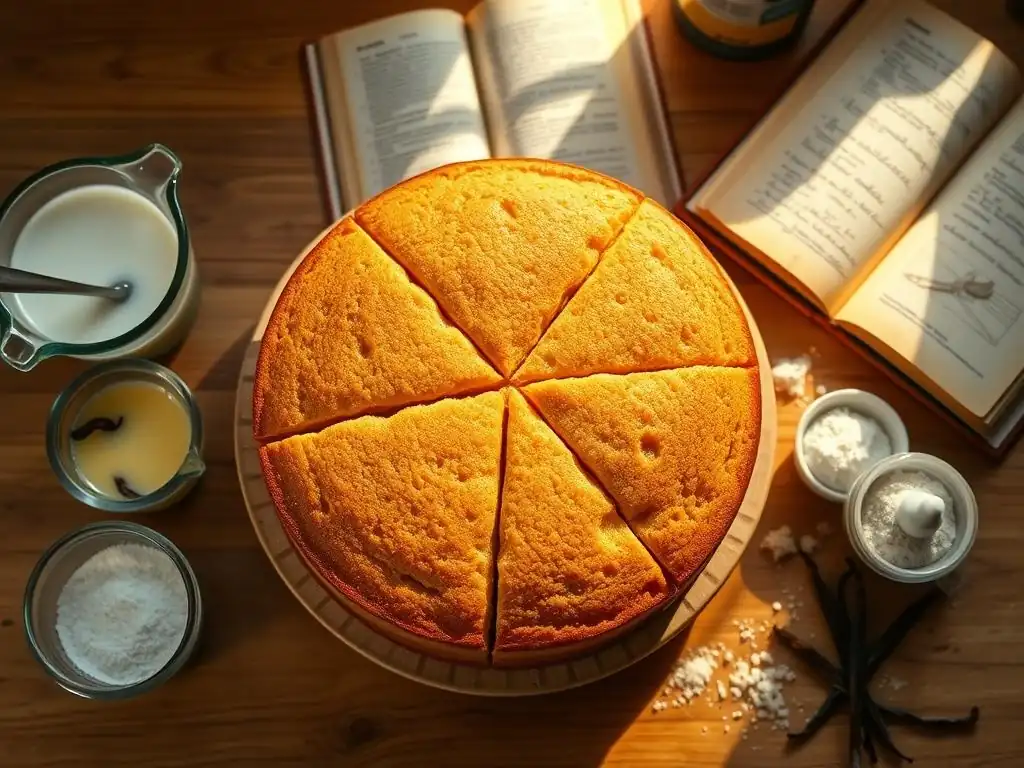
Now for the fun part – bringing all those wonderful ingredients together to create your beautiful egg-free vanilla cake! Following these steps carefully will guide you to a light, tender, and flavorful result. Precision in eggless baking is your friend.
Step 1: Preparing the Cake Pan
Proper pan preparation prevents your delicate eggless vanilla cake from sticking and ensures it releases cleanly after baking. Begin by greasing your cake pan generously with butter, shortening, or non-stick cooking spray, covering the bottom and sides.
Next, line the bottom of the pan with parchment paper. You can trace the bottom of the pan onto parchment and cut out a circle. Place the parchment circle in the greased pan, then grease the parchment paper as well. This double layer of protection is especially helpful for moist cakes like this eggfree vanilla cake recipe often produces, minimizing the risk of sticking. For an extra layer of security, you can lightly flour the greased and parchment-lined pan, tapping out any excess flour.
Step 2: Mixing the Dry Ingredients
In a large mixing bowl, combine all your dry ingredients: the all-purpose flour, granulated sugar, baking powder, baking soda, and salt. The exact quantities will depend on the specific eggfree vanilla cake recipe you are using, but typical ratios for an 8-inch cake might involve around 1.5 to 2 cups of flour, 1 cup of sugar, 1.5 teaspoons of baking powder, 0.5 teaspoon of baking soda, and 0.25 teaspoon of salt.
Using a whisk, thoroughly combine these ingredients. This isn't just about mixing; whisking helps to aerate the flour, which contributes to a lighter cake texture. It also ensures that the leavening agents (baking powder and baking soda) and salt are evenly distributed throughout the flour mixture. Uneven distribution can lead to patches of dense cake or inconsistent rising, so take a full minute or two to whisk everything together well.
Dry Ingredient Mixing Tip: Whisking for Uniformity
The simple act of whisking your dry ingredients together serves a crucial purpose beyond just combining them. It breaks up any small lumps in the flour and sugar, ensuring a smooth batter later on. More importantly for an egg-free vanilla cake recipe relying on chemical leavening, thorough whisking evenly disperses the baking powder and baking soda.
Imagine if a pocket of baking soda wasn't properly mixed – that area of the cake wouldn't receive the necessary lift when it reacts with the acid in the wet ingredients. Whisking ensures that the leavening action happens uniformly throughout the batter, leading to an even rise and consistent, fluffy texture in your finished eggless vanilla cake. Think of it as pre-aerating and distributing the power for lift.
Step 3: Combining Wet Ingredients for Egg-Free Cake Batter
In a separate medium bowl, whisk together your wet ingredients: the milk (dairy or plant-based), vegetable oil (or melted and slightly cooled butter), vanilla extract, and the acidic agent like apple cider vinegar. The amount of liquid milk is typically around 1 cup for the amount of dry ingredients mentioned earlier, and oil/melted fat might be about 1/3 to 1/2 cup. The vinegar is usually 1 to 1.5 teaspoons.
Whisk these ingredients until they are well combined and the mixture appears relatively uniform. The oil and milk might take a little effort to emulsify slightly, but they don't need to be perfectly blended at this stage, as they will be fully incorporated when added to the dry mixture. Ensure your vanilla extract is mixed throughout for even flavor distribution in your eggfree vanilla cake batter.
Wet Ingredient Tip: Room Temperature Ingredients for Emulsification
Using room temperature wet ingredients is a tip often given for traditional baking, but it holds value for an eggless vanilla cake recipe too, especially concerning the milk. Cold milk can sometimes shock the batter, affecting the texture.
Allowing your milk (if refrigerated) to come to room temperature for about 30-60 minutes before starting helps it combine more smoothly with the oil and other ingredients. While oil is liquid at room temperature, ensuring all liquids are roughly the same temperature aids in creating a more homogenous mixture before combining with the dry ingredients. This contributes to a smoother batter and ultimately a more tender crumb in your fluffy egg-free vanilla cake.
Step 4: Combining Wet and Dry Ingredients: The Key to a Light Texture
This is a critical step for developing the right texture in your eggless vanilla cake. Create a well in the center of your dry ingredients mixture. Pour the entire wet ingredient mixture into this well.
Using your rubber spatula or wooden spoon, begin to gently mix the wet and dry ingredients together. The goal is to combine them just until no dry streaks of flour remain. This usually takes only 30-60 seconds of gentle mixing. Overmixing develops gluten in the flour, which can make your egg-free vanilla cake tough and dense instead of light and fluffy. It's better to have a few small lumps than to overmix.
Mixing Techniques: The Folding Method for a Tender Crumb
For the lightest texture in your eggfree vanilla cake, the folding method is ideal when combining the wet and dry ingredients. Instead of vigorously stirring or beating, use your spatula to gently cut down through the center of the bowl, then scoop from the bottom and fold the mixture over the top. Rotate the bowl and repeat.
This technique incorporates the dry ingredients into the wet with minimal agitation, preventing gluten development. As soon as you stop seeing dry flour pockets, stop mixing. The batter for an eggless vanilla cake might look slightly lumpy, and that's perfectly fine. Gentle handling at this stage is key to achieving that desirable tender crumb.
Step 5: Baking Your Egg-Free Vanilla Cake to Perfection
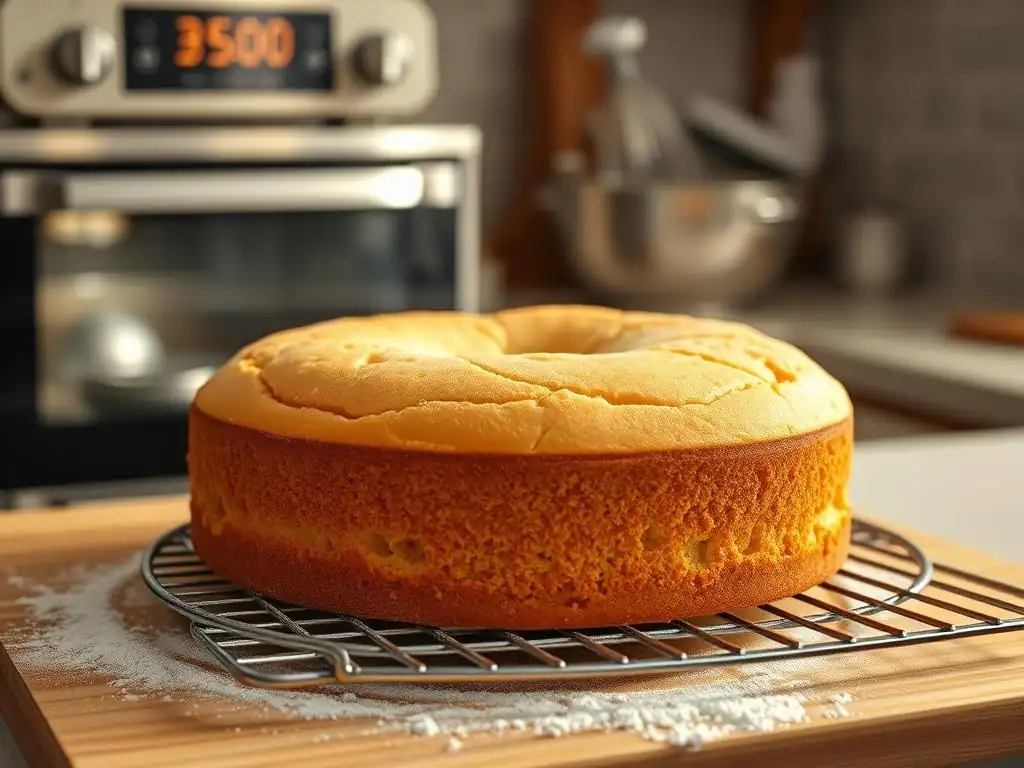
Pour your prepared egg-free vanilla cake batter into the greased and lined cake pan. Smooth the top gently with your spatula if needed, but avoid tapping the pan excessively, as this can deflate some of the air incorporated during mixing.
Place the pan in your preheated oven. For most standard eggfree vanilla cake recipes using an 8-inch or 9-inch round pan, the baking temperature is typically 350°F (175°C). The baking time will vary depending on your oven and the size of the pan, but it usually ranges from 25 to 35 minutes. Start checking around the 25-minute mark.
Baking Time and Temperature Guide
Baking time and temperature are crucial variables for a successful eggless vanilla cake. Preheat your oven fully to the specified temperature, commonly 350°F (175°C). Using an oven thermometer can confirm your oven's accuracy; if it runs hot or cold, adjust accordingly. A 25°F (about 15°C) difference can significantly impact baking.
For an 8-inch cake, baking time is typically 25-30 minutes. For a 9-inch cake, it might be slightly less, around 22-28 minutes, as the batter is spread thinner. A quick way to check for doneness is to insert a wooden skewer or toothpick into the center of the cake.
If it comes out clean or with just a few moist crumbs attached, the cake is done. If it comes out with wet batter, continue baking for a few more minutes and test again. Overbaking will result in a dry egg-free vanilla cake, so watch it closely in the final minutes.
Step 6: Cooling Your Cake for Optimal Flavor and Texture
Once your eggless vanilla cake is baked and passes the toothpick test, remove it from the oven. Let the cake cool in its pan on a wire cooling rack for about 10-15 minutes. This initial cooling period in the pan allows the cake to firm up slightly, making it less likely to break when you remove it.
After 10-15 minutes, carefully invert the cake onto the wire cooling rack. If you used parchment paper, it should lift off easily. Allow the cake to cool completely on the wire rack before attempting to frost or decorate it. Cooling allows the internal structure to set fully and prevents the frosting from melting. This step is essential for achieving the best texture and ensuring your effort in baking a delicious eggfree vanilla cake pays off.
Mastering the Art of Egg-Free Vanilla Cake Frosting
A delicious egg-free vanilla cake deserves a equally delicious frosting! While the cake itself is the star, the frosting adds moisture, flavor, and decorative appeal. Fortunately, many classic frosting types are naturally egg-free or easily adapted.
Simple Vanilla Buttercream Frosting for Your Egg-Free Cake
A classic vanilla buttercream is a perfect partner for an eggless vanilla cake. Traditional buttercream often uses egg whites, but an American-style buttercream uses powdered sugar, butter (or a non-dairy alternative), milk (or plant-based milk), and vanilla extract. It's simple, stable, and deliciously sweet.
To make it egg-free, you simply omit the eggs! The ratio is typically around 1 cup (2 sticks or 225g) of softened butter or margarine to 3-4 cups (360-480g) of powdered sugar, with 2-4 tablespoons of milk and 1-2 teaspoons of vanilla extract. Ensure your butter/margarine is truly soft, but not melted, for the best consistency.
Buttercream Recipe: Step-by-Step Instructions
Here’s a basic guide for an egg-free vanilla buttercream, perfect for your eggfree vanilla cake:
- In a large bowl, beat 1 cup (225g) softened unsalted butter or dairy-free margarine with an electric mixer (or vigorous whisking) until light and fluffy, about 2-3 minutes.
- Gradually add 3 cups (360g) of sifted powdered sugar, one cup at a time, mixing on low speed until just combined, then increasing speed to medium. Scrape down the sides of the bowl as needed.
- Add 2 tablespoons of milk (dairy or plant-based) and 1 teaspoon of pure vanilla extract. Beat on medium-high speed for another 2-3 minutes, adding up to 2 more tablespoons of milk if needed to reach a spreadable consistency.
- If frosting seems too thick, add milk 1 teaspoon at a time. If too thin, add powdered sugar 1 tablespoon at a time. Beat until smooth and creamy. This amount is usually sufficient to lightly frost a single-layer 8 or 9-inch eggless vanilla cake. For a thicker layer or a two-layer cake, double the recipe.
Other Egg-Free Frosting Options
If buttercream isn't your preference, or you're looking for something lighter or different, there are several other excellent egg-free options suitable for your eggfree vanilla cake. A simple glaze made from powdered sugar and milk or lemon juice is quick and easy. Cream cheese frosting (using cream cheese, butter, powdered sugar, and vanilla) is another popular choice and naturally egg-free.
For a vegan option, consider a frosting made from whipped coconut cream or a cashew-based frosting. Chocolate ganache, made from just chocolate and hot cream (dairy or plant-based), is a rich and decadent topping. Each offers a different texture and flavor profile to complement your fluffy egg-free vanilla cake.
Explore Chocolate Ganache, Vegan Coconut Cream, and Raspberry Frosting Variations
Let's look at a few specific egg-free frosting variations.
- Chocolate Ganache: Heat 1 cup (240ml) of heavy cream (or full-fat canned coconut milk for vegan) until simmering. Pour it over 8 ounces (225g) of finely chopped chocolate (dairy or dairy-free). Let it sit for 5 minutes, then whisk until smooth and glossy. Let it cool slightly to pour or chill to spread. This is a rich pairing for an eggfree vanilla cake.
- Vegan Coconut Cream Frosting: Chill a can of full-fat coconut milk overnight. Scoop out the thick cream from the top (leaving the liquid). Whip this cream with a mixer until fluffy, adding powdered sugar and vanilla extract to taste. This offers a lighter, tropical flavor.
- Raspberry Frosting: Make a standard egg-free buttercream, but replace some or all of the liquid milk with a few tablespoons of seedless raspberry puree. You can also add a small amount of red food coloring for a vibrant pink hue. This adds a lovely fruity tang to your eggless vanilla cake.
Tips and Tricks for a Perfect Egg-Free Vanilla Cake
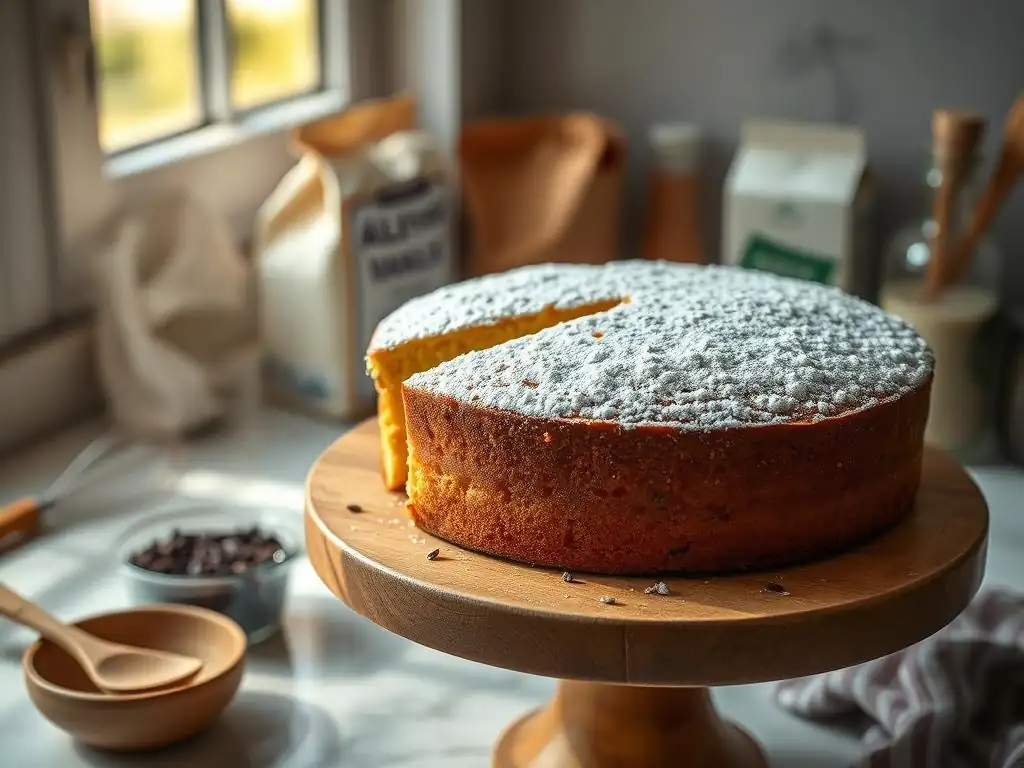
Even with a great eggfree vanilla cake recipe, little details can elevate your result from good to outstanding. These tips address common challenges and help you refine your technique.
Achieving the Ideal Cake Texture Without Eggs
The key to a light and fluffy texture in an eggless vanilla cake lies primarily in balancing the leavening agents and fats, and avoiding overmixing. The reaction between baking soda and the acid (like vinegar) provides much of the lift, while baking powder provides additional rise and structure. Ensure these are fresh and measured accurately.
Fats (oil or butter) contribute tenderness and moisture. Using oil often results in a moister cake than butter in egg-free recipes. Also, ensure your dry ingredients are whisked thoroughly for even leavening distribution, but stop mixing as soon as the wet and dry ingredients are combined to prevent gluten development. Baking at the correct temperature is also vital; too hot an oven can cause the cake to dome and crack or dry out quickly, while too cool can result in a dense texture.
Troubleshooting Common Egg-Free Baking Problems
- Cake is Dense: This is often caused by overmixing the batter (developing too much gluten), inactive leavening agents (check freshness! ), or inaccurate measurement of leavening agents or flour. Ensure you measure flour correctly (spoon into cup and level, don't scoop) and stop mixing as soon as the batter comes together.
- Cake Doesn't Rise: Similar to density, this points to inactive leavening or an incorrect ratio of baking soda to acid. Double-check your recipe measurements and the freshness of your baking powder and soda. Ensure your oven is preheated correctly.
- Cake is Dry: Too much flour, too little fat or liquid, or overbaking are common culprits. Make sure you're using the specified amount of fat and liquid in your eggfree vanilla cake recipe. Always check for doneness at the minimum specified baking time.
- Cake Cracks on Top: This can happen if the oven is too hot, causing the outside to set before the inside has finished rising. Lowering the temperature slightly or ensuring accurate oven temperature can help. Overmixing can also contribute to doming and cracking.
Enhancing the Vanilla Flavor in Your Egg-Free Cake
Vanilla is the star flavor of this eggfree vanilla cake recipe, so make it shine! Using pure vanilla extract instead of imitation is the most impactful step. Pure extract has a more complex and authentic flavor profile.
You can also boost the vanilla presence by adding vanilla bean paste or the seeds from half a vanilla bean pod to the wet ingredients. Vanilla bean paste provides those beautiful little black speckles and a more intense flavor. Some recipes also benefit from adding a pinch of salt to the wet ingredients, which helps to bring out the sweetness and amplify the vanilla notes. Consider pairing your eggless vanilla cake with a vanilla bean frosting for an extra layer of flavor.
Storing Your Egg-Free Vanilla Cake for Maximum Freshness
Proper storage ensures your delicious egg-free vanilla cake stays moist and flavorful for as long as possible. Once the cake has completely cooled, store it in an airtight container at room temperature. If it's frosted with a simple buttercream or glaze, it can typically stay at room temperature for 2-3 days.
If your frosting contains perishable ingredients like cream cheese or fresh fruit puree, or if your kitchen is warm, it's best to store the frosted cake in the refrigerator. Allow refrigerated cake to sit at room temperature for 15-30 minutes before serving for the best texture. For longer storage, unfrosted cake layers can be tightly wrapped in plastic wrap, then foil, and frozen for up to 2-3 months. Thaw overnight in the refrigerator before frosting.
Serving and Enjoying Your Delicious Egg-Free Vanilla Cake
The moment of truth has arrived – time to slice and enjoy the fluffy egg-free vanilla cake you've lovingly baked! Serving is more than just cutting; it's about presentation and pairing.
Creative Serving Suggestions
Presenting your eggless vanilla cake beautifully enhances the eating experience. For a simple cake, a dusting of powdered sugar or a light glaze is elegant. If using buttercream, pipe decorative swirls or spread it smoothly. Add sprinkles, fresh berries, or edible flowers for color and flair.
Consider serving slices on pretty plates with a dollop of whipped cream (dairy or non-dairy) or a scoop of ice cream. For individual servings, you could bake the eggfree vanilla cake batter in cupcake liners. A single-layer cake can be cut into squares, while a round cake is traditionally sliced into wedges.
Pairing Your Cake with Complementary Flavors
Vanilla is a versatile flavor that pairs well with many others. Consider serving your egg-free vanilla cake with a side of fresh fruit, such as strawberries, raspberries, or peaches. A fruit compote or sauce also works wonderfully, adding moisture and a contrasting tartness.
Beverage pairings can also enhance the experience. A classic choice is milk or tea. For a special occasion, consider serving it with a light dessert wine or a cup of coffee. The subtle, sweet notes of your fluffy egg-free vanilla cake will complement a variety of accompanying flavors.
Celebrate with Your Homemade Egg-Free Vanilla Cake!
Baking an egg-free vanilla cake, especially mastering a fluffy version, is an accomplishment worth celebrating! Share your creation with friends and family, or simply enjoy a quiet moment with a slice and a warm drink. This eggless vanilla cake recipe is perfect for birthdays, holidays, or just because.
The effort you put into selecting ingredients, following the steps, and troubleshooting along the way culminates in a delicious treat that everyone can enjoy. Take pride in your baking skills and the joy you bring to others through your homemade goods. This light and luscious egg-free vanilla cake is more than just dessert; it's a testament to the possibilities of inclusive baking.
Frequently Asked Questions
What makes this egg-free vanilla cake recipe different from other vanilla cake recipes?
This recipe provides a delicious alternative for those with egg allergies or dietary restrictions, offering a light and fluffy texture without compromising on flavor. It utilizes specific ingredients to mimic the binding properties of eggs.
What are the key ingredients that replace eggs in this egg-free vanilla cake recipe?
Common egg substitutes include applesauce, flaxseed meal, or commercial egg replacers. This recipe will specify the exact ingredient and quantity needed for optimal results and flavor in the vanilla cake.
Is this egg-free vanilla cake recipe suitable for beginner bakers?
Yes! BakeWithEase provides simple, step-by-step instructions and easy-to-find ingredients, making this recipe accessible to bakers of all skill levels, including beginners.
Can I customize this egg-free vanilla cake recipe with different flavors or toppings?
Absolutely! While the base recipe is vanilla, you can easily add extracts, spices, or citrus zest for different flavor profiles. Feel free to explore various frostings, glazes, and toppings to personalize your cake.
How do I ensure my egg-free vanilla cake comes out moist and not dry?
The key is to carefully measure ingredients and avoid overbaking. Using room temperature ingredients and following the recipe's baking time precisely will help ensure a moist and delicious cake.
Final Reflection: The Sweet Symphony of Eggless Baking
The quest for a perfect egg-free vanilla cake isn't just about dietary restrictions; it's about expanding the possibilities of baking for everyone. This recipe, designed to be both light and luscious, demonstrates that deliciousness isn't contingent on the presence of eggs. We've proven that with careful ingredient selection and technique, a truly delightful cake is within everyone's reach.
This journey into eggless baking has highlighted the creativity and adaptability inherent in culinary arts. It's a testament to the power of substitution and innovation, proving that limitations can often inspire remarkable results. The best way to find yourself is to lose yourself in the service of others.
– Mahatma Gandhi. While not directly about baking, this quote speaks to the inclusive nature of this recipe, allowing those with allergies or preferences to fully participate in the joy of baking and sharing.
Now, I invite you to take this recipe and make it your own. Experiment with different extracts, frostings, and decorations. Don't be afraid to adjust the recipe to your liking, to create a cake that perfectly reflects your unique style and taste. The true magic of baking lies not just in the final product, but in the process of creation and the joy it brings. So, gather your ingredients, preheat your oven, and let the sweet symphony of eggless baking begin!
Unlock Your Egg-Free Baking Potential!
Thanks for joining us on this delightful baking journey! We hope you've gained the confidence to create light and luscious egg-free cakes. Now it's time to put your newfound skills to the test!
- Bake your own masterpiece: Grab your ingredients and try out the recipe today! Let your creativity flow and adapt it to your taste. Maybe add some fresh berries or a unique frosting?
- Share your success: Post a picture of your creation on social media using #BakeWithEaseEggless and tag us – we’d love to see your culinary triumph!
- Explore more egg-free recipes: Discover a whole world of delicious possibilities on our website; you might be surprised by what you can create!
Ready to share your egg-free baking adventure? What delightful twist will you add to this recipe?