
Baking with Cacao Mass vs. Cocoa Powder: What's the Difference?


Welcome to BakeWithEase, your trusted guide to baking bliss! Ever wondered about the secret ingredient that separates truly exceptional chocolate creations from the ordinary? Dive into our Ingredient Deep Dives as we unravel the mystery of cacao mass vs cocoa. Discover the crucial differences and how understanding them can elevate your baking from good to extraordinary. Intrigued? Let's get baking!
- Introduction: Understanding Cacao Mass and Cocoa Powder in Baking
- What is Cacao Mass (Cocoa Liquor)?
- What is Cocoa Powder?
- Cacao Mass vs. Cocoa Powder: A Detailed Comparison
- Baking Applications: When to Use Cacao Mass
- Baking Applications: When to Use Cocoa Powder
- Impact on Recipe Texture: Cacao Mass vs. Cocoa Powder
- Health Benefits: Cacao Mass and Cocoa Powder
- Storing Cacao Mass and Cocoa Powder
- Conclusion: Choosing the Right Chocolate Ingredient for Your Baking Needs
-
Frequently Asked Questions
- What exactly is cacao mass, and how does it differ from cocoa powder?
- When should I use cacao mass versus cocoa powder in a baking recipe?
- Can I substitute cocoa powder for cacao mass, or vice versa, in a recipe?
- Does the processing of cacao mass or cocoa powder affect their nutritional value?
- Where can I typically purchase cacao mass and what are the key things to look for when buying it?
- Final Reflection: Unveiling the Cacao Spectrum
- Unlock the Secrets of Richer Chocolate Baking!
Introduction: Understanding Cacao Mass and Cocoa Powder in Baking
Welcome to BakeWithEase: Your Guide to Chocolate Baking
Welcome back to BakeWithEase, your friendly corner for mastering baking techniques! Today, we're diving deep into the wonderful world of chocolate ingredients, specifically exploring the fundamental differences between cacao mass and cocoa powder. Understanding these two core components is crucial for anyone looking to elevate their chocolate baking, from simple cookies to complex ganaches. They might seem similar, both coming from the cacao bean, but their composition and how they behave in your batter or dough are vastly different, leading to distinct results in flavor, texture, and color.
Navigating the nuances of chocolate ingredients can sometimes feel overwhelming, but with the right knowledge, you can make informed decisions that dramatically improve your baked goods. Whether you're aiming for an intensely rich chocolate cake or a delicately flavored pastry, knowing when to reach for cacao mass versus cocoa powder is key. This exploration will equip you with the understanding needed to confidently choose the best ingredient for your next chocolate creation, ensuring delicious and successful results every time.
Why Choose Cacao Mass or Cocoa Powder? Exploring Flavor Profiles
The choice between cacao mass and cocoa powder fundamentally alters the flavor profile of your baked goods. Cacao mass, being the pure, unadulterated product of ground cacao beans, offers an incredibly intense, often bitter, and complex chocolate flavor with deep, earthy notes. It contains all the components of the bean, including the cocoa butter, which contributes to its richness and unique mouthfeel. This pure form of chocolate flavor is sought after for applications where an uncompromised cacao presence is desired.
In contrast, cocoa powder has had most of its cocoa butter removed during processing. This results in a concentrated, dry powder with a less complex, but still pronounced, chocolate flavor. The specific flavor notes can vary depending on whether it's natural or Dutch-processed cocoa powder, but generally, it provides a more straightforward chocolate taste compared to the full spectrum offered by cacao mass. When you're considering cacao mass vs cocoa powder for a recipe, think about the desired intensity and the specific flavor notes you want to highlight.
What is Cacao Mass (Cocoa Liquor)?
Defining Cacao Mass: From Bean to Baking Ingredient
Cacao mass, also known as cocoa liquor or chocolate liquor (despite containing no alcohol), is the initial product derived from grinding roasted cacao beans. It is essentially 100% chocolate in its purest form. After the cacao beans are harvested, fermented, dried, and roasted, the shells are removed, leaving the cacao nibs. These nibs are then ground into a paste. The intense friction from the grinding process melts the high fat content (cocoa butter) within the nibs, turning them into a liquid, pourable state at warm temperatures. As this liquid cools, it solidifies into what we call cacao mass.
This block or disc of solidified cacao mass is the base ingredient for almost all chocolate products. White chocolate is an exception, as it uses only cocoa butter, sugar, and milk solids. Dark chocolate, milk chocolate, and even cocoa powder all begin their journey with cacao mass.
Its composition is roughly split between cocoa solids (the non-fat parts of the bean) and cocoa butter, typically around 50-60% cocoa butter and 40-50% cocoa solids, though this can vary slightly depending on the bean origin and processing. This high fat content is a key differentiator when comparing cacao mass vs cocoa powder.
The Process of Making Cacao Mass: Grinding Cacao Nibs
The transformation of roasted cacao nibs into cacao mass is a fascinating process rooted in mechanical force and the unique properties of cocoa butter. Roasted cacao nibs, which are crunchy and somewhat brittle, are fed into specialized grinding machinery. Traditional methods involved stone mills, but modern production often uses steel roller mills or ball mills that apply intense pressure and friction. As the nibs are ground finer and finer, the cellular structure breaks down.
Crucially, the temperature rises significantly during this grinding due to the friction. Since cocoa butter melts around body temperature (roughly 34-38°C or 93-100°F), the heat generated by the grinding process is sufficient to melt the cocoa butter present in the nibs. This melted cocoa butter acts as a liquid medium, suspending the finely ground cocoa solids and creating a smooth, fluid paste. This liquid paste is the cacao mass. It can then be cooled and solidified into blocks or used directly in liquid form for further processing into chocolate bars or separated into cocoa butter and cocoa powder.
Characteristics of Cacao Mass: Richness and Intensity
Cacao mass is characterized by its incredibly rich, deep, and complex flavor profile, often described as intensely chocolatey, bitter, and sometimes earthy or fruity depending on the origin of the cacao beans. Because it contains all the original components of the cacao bean (both fat and non-fat solids), it represents the full spectrum of the bean's flavor potential.
It lacks any added sugar or dairy, making it pure, unsweetened chocolate. Its texture, when solid, is hard and brittle, but when melted, it's a thick, viscous liquid due to its high cocoa butter content, which typically ranges from 50% to 60%.
This high fat content is responsible for the luxurious mouthfeel that cacao mass imparts when used in baking or chocolate making. It contributes significant richness and moisture to recipes. Unlike cocoa powder, which is primarily cocoa solids, cacao mass is a complete package of both flavor and fat. When used in baking, it adds not only intense chocolate flavor but also contributes to the overall structure and moisture balance of the final product, making it distinct when comparing cacao mass vs cocoa powder in a recipe.
What is Cocoa Powder?
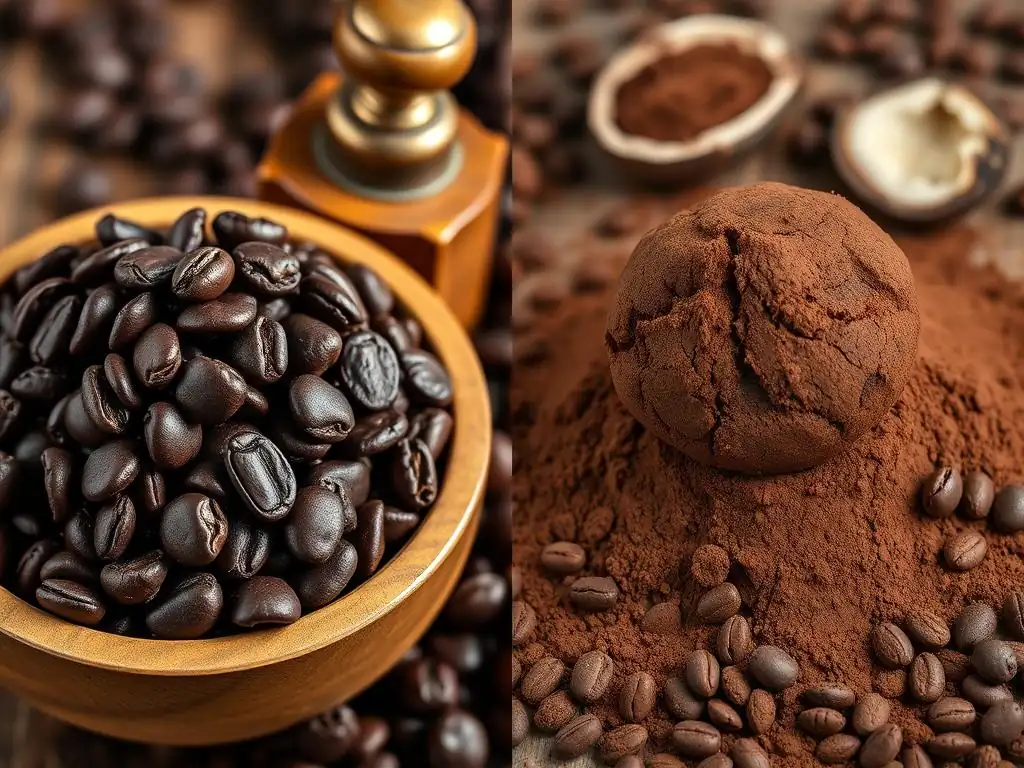
Defining Cocoa Powder: A Dehydrated Cacao Product
Cocoa powder is what remains after cacao mass has been pressed to remove a significant portion of its cocoa butter. Think of it as the dry, defatted solids of the cacao bean. The process starts with cacao mass, which is heated to keep it liquid. This liquid mass is then subjected to hydraulic presses that exert tremendous pressure, squeezing out the liquid cocoa butter. What's left behind is a hard, solid cake of compressed cocoa solids, containing only a fraction of the original fat content, typically ranging from 10% to 22%.
This "press cake" is then cooled, broken into smaller pieces, and finally pulverized into the fine powder we know as cocoa powder. Because most of the fat has been removed, cocoa powder is much drier and has a more concentrated cocoa flavor than cacao mass, though less complex overall. It's a versatile ingredient widely used in baking, hot beverages, and confectionery, valued for its intense color and flavor without the added richness and melting properties of cocoa butter. Understanding this fundamental difference in composition is key to mastering baking with cacao mass vs cocoa powder.
The Process of Making Cocoa Powder: Pressing and Pulverizing
The journey from cacao mass to cocoa powder involves a crucial step: separating the cocoa butter from the cocoa solids. This is achieved through a process called pressing. Liquid cacao mass is loaded into hydraulic presses, which apply immense pressure – often hundreds or even thousands of pounds per square inch. This pressure forces the liquid cocoa butter to flow out through filters, leaving behind a dense, solid cake of cocoa solids. The removed cocoa butter is collected and used separately in chocolate making, cosmetics, or pharmaceuticals.
The remaining solid cake, known as the cocoa press cake, is very hard and compact. To turn this cake into powder, it must first be broken down into smaller pieces. These pieces are then sent to pulverizing machines, such as hammer mills or impact mills, which grind them into a fine powder. The fineness of the powder can vary, affecting its texture and how easily it dissolves or incorporates into batters. The final cocoa powder is then packaged for sale, ready to impart its deep chocolate color and flavor to countless recipes.
Types of Cocoa Powder: Natural vs. Dutch-Processed
Not all cocoa powders are created equal. The two primary types you'll encounter are natural cocoa powder and Dutch-processed (or alkalized) cocoa powder. The difference lies in whether the cocoa solids have been treated with an alkaline solution during processing. This treatment, developed by Dutch chemist Coenraad Johannes van Houten in the 19th century, neutralizes the natural acidity of cocoa. Understanding the distinction between these types is vital when a recipe specifies one over the other, as they behave differently in baking and have distinct flavor profiles.
Natural cocoa powder is the result of simply pressing and pulverizing the roasted cacao mass solids without any alkaline treatment. It retains the natural acidity of the cacao bean. Dutch-processed cocoa powder, on the other hand, has been treated with an alkaline solution (like potassium carbonate) at some point during processing – either at the nib stage before grinding or on the pressed cocoa cake. This process raises the pH of the cocoa, making it less acidic and altering its color and flavor. Choosing between them impacts both the taste and the chemical reactions in your baking.
Natural Cocoa Powder: Acidity and Flavor
Natural cocoa powder is characterized by its light brown color and a strong, somewhat sharp, and naturally acidic flavor. This acidity is important because it reacts with alkaline leavening agents like baking soda (sodium bicarbonate). When natural cocoa is used in recipes with baking soda, the acid-base reaction produces carbon dioxide gas, which helps the baked goods rise. This is why recipes using natural cocoa powder often call for baking soda. The acidity also influences the final flavor, giving it a distinct tanginess that complements other flavors like vanilla or coffee.
A common example is a classic devil's food cake recipe, which often uses natural cocoa powder and a significant amount of baking soda to achieve its light, airy texture and deep, slightly tangy chocolate flavor. The pH of natural cocoa powder typically ranges from 5.3 to 5.8. This relatively low pH means it requires an alkaline counterpart for leavening if significant rise is needed. When considering cacao mass vs cocoa powder, remember that natural cocoa powder brings acidity to the table that cacao mass, with its higher fat content, does not in the same way.
Dutch-Processed Cocoa Powder: Alkalized and Milder
Dutch-processed cocoa powder has been treated to reduce its acidity, resulting in a pH level typically ranging from 6.8 to 8.1 (alkaline). This process darkens the color, giving Dutch-processed cocoa a deep, reddish-brown to almost black hue, and mellows the flavor, making it smoother, less bitter, and more chocolatey without the tangy notes of natural cocoa. Because its acidity has been neutralized, Dutch-processed cocoa does not react with baking soda. Therefore, recipes using Dutch-processed cocoa usually rely on baking powder (which contains its own acid and alkali) or other leavening agents like eggs to achieve rise.
Famous cookies and cakes known for their dark color and mellow chocolate flavor often use Dutch-processed cocoa. For instance, many Oreo cookies use alkalized cocoa for their signature dark color. While its flavor is milder and less acidic than natural cocoa, it is often perceived as richer and more chocolatey by some palates. When deciding between cacao mass vs cocoa powder, or specifically between types of cocoa powder, consider the desired color, flavor profile, and the leavening system of your recipe.
Cacao Mass vs. Cocoa Powder: A Detailed Comparison
Flavor Profile: Intense Cacao vs. Balanced Chocolate
The most striking difference when comparing cacao mass vs cocoa powder is their flavor profile. Cacao mass provides the full, unadulterated taste of the cacao bean. It is intensely bitter, complex, and deeply chocolatey, carrying the unique notes of its origin (e.g., fruity, earthy, floral). It's the essence of chocolate before anything is added. Imagine tasting a 100% dark chocolate bar – that's essentially sweetened cacao mass. Its flavor is robust and commanding.
Cocoa powder, having been partially defatted, offers a more concentrated but less complex chocolate flavor. Natural cocoa is slightly acidic and sharp, while Dutch-processed cocoa is smoother and milder. While both provide chocolate flavor, cacao mass delivers the entire flavor spectrum of the bean, including notes carried by the cocoa butter, while cocoa powder delivers the concentrated flavor of the cocoa solids. This makes cacao mass ideal for applications requiring the deepest, most authentic cacao taste, whereas cocoa powder is versatile for a range of general chocolate flavors in baking.
Fat Content: Impact on Texture and Moisture
The difference in fat content is a major distinction when comparing cacao mass vs cocoa powder and significantly impacts baking results. Cacao mass is roughly 50-60% cocoa butter. This high fat content contributes significant richness, moisture, and density to baked goods. It also affects the melting properties and overall texture, resulting in fudgier brownies or smoother ganaches. When melted, cacao mass is a thick liquid, similar to melted chocolate chips.
Cocoa powder, conversely, contains much less fat, typically 10-22%. This lower fat content means it contributes primarily dry cocoa solids to a recipe. While it provides intense flavor and color, it doesn't add the same level of richness or moisture as cacao mass.
Recipes using cocoa powder tend to be lighter and sometimes drier if not adjusted with other fats. This difference in fat content is crucial when substituting one for the other, as it requires careful adjustments to liquid and fat ratios. The composition is a key factor in how cacao mass vs cocoa powder performs in your baking.
Acidity Levels: Affecting Baking Reactions
Acidity is another critical difference, particularly when comparing cacao mass to natural cocoa powder. Cacao mass, being the whole ground bean, has a slightly acidic pH, similar to natural cocoa powder (around 5.3-5.8). However, because it's often used in recipes that don't rely solely on chemical leavening (like making solid chocolate or ganache), its acidity isn't as frequently discussed in the context of leavening reactions as it is with cocoa powder.
Natural cocoa powder's acidity is essential for reacting with alkaline baking soda to create lift. Dutch-processed cocoa powder, with its neutralized acidity (pH 6.8-8.1), does not react with baking soda and requires baking powder or other methods for leavening. When substituting cacao mass vs cocoa powder, you must consider the leavening agent. If a recipe uses baking soda and natural cocoa, substituting with cacao mass (or Dutch cocoa) will likely result in a flat, dense product unless you adjust the leavening system to include baking powder or increase other forms of lift.
Color Difference: From Dark Brown to Reddish-Brown Hues
The color imparted by cacao mass and cocoa powder also varies, primarily due to processing. Cacao mass, being the whole roasted bean, gives a deep, dark brown color, similar to very dark chocolate. When used in baking, it contributes to a rich, intense brown hue in the final product. Its color comes from the natural pigments present in the roasted cacao solids and is consistent regardless of further processing steps (unless it's alkalized).
Natural cocoa powder typically results in a lighter, reddish-brown color in baked goods. Think of the color of a classic red velvet cake (though the red is often enhanced with food coloring, the base color comes from the reaction of natural cocoa with acid). Dutch-processed cocoa powder, due to the alkalization process, produces a much darker color, ranging from a deep reddish-brown to almost black.
This is why it's often used when a dark, dramatic chocolate color is desired, such as in "black cocoa" varieties. The color difference is a visual cue to the processing and acidity levels when comparing cacao mass vs cocoa powder.
Baking Applications: When to Use Cacao Mass
Best Uses for Cacao Mass: Chocolate Making and Intense Flavors
Cacao mass is the foundational ingredient for crafting your own chocolate from scratch. If you're making homemade chocolate bars, truffles, or bonbons, cacao mass is where you start. You melt it, temper it, and then mix it with sugar, and potentially cocoa butter, milk powder, or flavorings, to create different types of chocolate. Its purity and intensity make it perfect for achieving a truly authentic, deep chocolate flavor in these applications.
Beyond pure chocolate making, cacao mass is excellent for recipes where a very intense, slightly bitter, and complex cacao flavor is the star. Think rich chocolate ganaches, sophisticated mousse, or deeply flavored sauces. Because it contains both cocoa solids and cocoa butter, it contributes both flavor and a rich, smooth texture. Using cacao mass vs cocoa powder in these instances provides a depth of flavor that powder alone cannot match.
Recipes That Benefit from Cacao Mass: Homemade Chocolate Bars and Ganache
Making your own chocolate bars is a prime example of using cacao mass. A simple recipe might involve melting cacao mass with sugar and perhaps a little extra cocoa butter, then tempering the mixture before molding. For instance, to make a basic 70% dark chocolate, you might combine approximately 70g of melted cacao mass with 30g of sugar, potentially adding a few grams of extra cocoa butter for desired texture and flow. This allows complete control over sweetness and flavor intensity.
Rich, decadent ganache also benefits immensely from cacao mass. While ganache is typically made with chocolate (which is derived from cacao mass) and cream, using pure cacao mass allows for a ganache with unparalleled depth and bitterness, which can be balanced with sweeteners. A classic ganache recipe might use 1 part chocolate to 1 part cream for a pourable consistency, but substituting high-quality cacao mass (and adding sugar) can create a ganache with a more pronounced, less sweet chocolate flavor, perfect for sophisticated fillings or glazes.
Tips for Baking with Cacao Mass: Tempering and Handling
Working with cacao mass requires understanding its unique properties, especially its high cocoa butter content. Like other forms of chocolate, cacao mass needs to be tempered if you want it to solidify into a stable, shiny, and snap-able form for applications like chocolate bars or coatings. Tempering involves heating and cooling the melted cacao mass to specific temperatures to ensure the cocoa butter crystals align correctly.
For dark chocolate (which is essentially cacao mass with sugar), this typically involves heating to around 45-50°C (113-122°F), cooling to 28-29°C (82-84°F), and then slightly reheating to 31-32°C (88-90°F) before use. Skipping tempering will result in dull, soft, or streaky chocolate.
When incorporating cacao mass into batters or doughs (though less common than cocoa powder), it's best to melt it gently first. Use a double boiler or microwave on low power, stirring frequently, to avoid scorching. Because it's 100% unsweetened, be prepared to adjust the sugar content of your recipe significantly when using cacao mass vs cocoa powder, which contains no sugar. Its high fat content also means you might need to slightly reduce other fats in the recipe or adjust liquid ratios to maintain the desired texture.
Baking Applications: When to Use Cocoa Powder
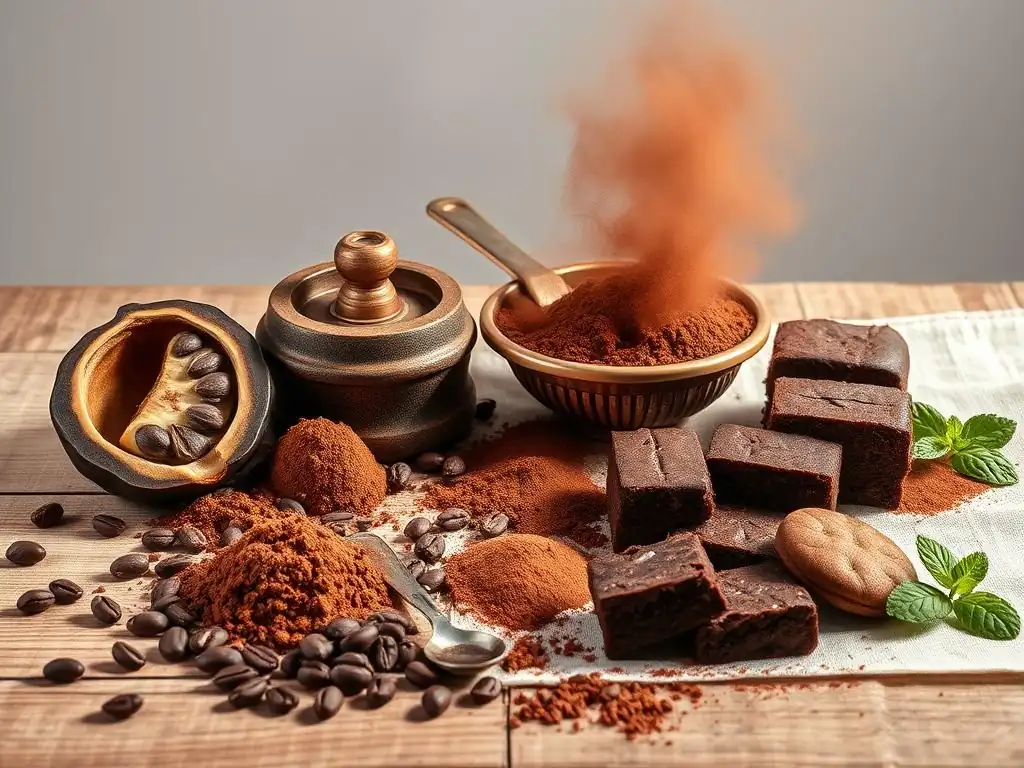
Cocoa powder is the workhorse of the chocolate baking world, particularly for baked goods like cakes, cookies, brownies, and muffins. Its dry, concentrated form allows you to add significant chocolate flavor and color without introducing too much extra fat or liquid. This is crucial for achieving the desired structure and texture in many recipes. For example, adding a large amount of cacao mass to a cake batter might make it too dense or greasy due to the high cocoa butter content, whereas cocoa powder provides intense flavor while allowing the cake to remain relatively light and airy.
It's also perfect for applications where the cocoa needs to be easily dispersed throughout a dry mixture, such as in cookie dough or muffin batter. Its fine texture blends seamlessly with flour, sugar, and leavening agents. Whether you're making a light chocolate sponge cake or chewy chocolate chip cookies with added cocoa for extra depth, cocoa powder is often the ingredient of choice. The difference in form factor makes cocoa powder much easier to incorporate into dry mixes compared to solid cacao mass when comparing cacao mass vs cocoa powder applications.
Classic chocolate cakes are often built around the flavor and color provided by cocoa powder. A standard chocolate layer cake recipe might call for 1/2 to 3/4 cup of natural or Dutch-processed cocoa powder, whisked directly into the dry ingredients. The cocoa contributes significantly to the structure by absorbing some liquid and interfering with gluten development, resulting in a tender crumb. The leavening reaction (with baking soda for natural cocoa or baking powder for Dutch) works effectively within this structure to create lift.
Chocolate chip cookies with added cocoa powder are another excellent example. Adding 1/4 to 1/2 cup of cocoa powder to a standard chocolate chip cookie dough transforms them into double chocolate chip cookies. The cocoa powder not only intensifies the chocolate flavor but also slightly alters the texture, often resulting in a slightly drier, more crumbly cookie structure compared to one without added cocoa. This versatility in common recipes highlights the utility of cocoa powder when considering cacao mass vs cocoa powder.
Tips for Baking with Cocoa Powder: Mixing and Avoiding Clumps
Working with cocoa powder is generally straightforward, but a few tips can ensure the best results. Since it's a dry powder, it's essential to whisk or sift it with your other dry ingredients (flour, sugar, leavening agents) to ensure it's evenly distributed and to break up any clumps. Clumps of cocoa powder won't dissolve properly in the batter and can leave pockets of bitter flavor or streaks of unmixed color in your final product.
When adding cocoa powder to a liquid, like for hot cocoa or a sauce, it's often helpful to make a slurry first by mixing the powder with a small amount of hot liquid (water, milk, or melted butter) before adding it to the rest of the liquid. This helps prevent lumps. Also, remember that natural and Dutch-processed cocoa powders are not always interchangeable due to their different acidity levels and impact on leavening. If a recipe specifies one type, stick to it or be prepared to adjust your leavening agents when considering cacao mass vs cocoa powder.
Impact on Recipe Texture: Cacao Mass vs. Cocoa Powder
How Cacao Mass Affects Texture: Richness and Density
Due to its high cocoa butter content (50-60%), cacao mass imparts significant richness and density to baked goods. When melted and incorporated, the cocoa butter adds moisture and fat, contributing to a fudgy, moist texture, especially in recipes like brownies or dense chocolate cakes. The fat also affects the crumb structure, often resulting in a tighter, more compact crumb compared to recipes made with cocoa powder.
Think about the difference between a light, airy chocolate cake and a dense, fudgy brownie. Brownies often achieve their characteristic texture partly through a higher fat ratio, which cacao mass inherently provides. While not commonly used as the sole chocolate source in a standard cake batter due to its bitterness and density contribution, when used in specific applications like a molten chocolate cake or a very rich torte, cacao mass contributes unparalleled depth and a luxurious, dense texture that is distinctly different from the effect of cocoa powder.
How Cocoa Powder Affects Texture: Lightness and Airiness
Cocoa powder, with its low fat content (10-22%), behaves more like a flour or starch in baking. It absorbs liquid and contributes to the dry structure of the batter or dough. Because it doesn't add much fat, it allows for a lighter, more open crumb structure compared to cacao mass. In cakes, cocoa powder helps create a tender crumb by interfering with gluten development, but it doesn't weigh down the batter with fat.
The leavening reactions driven by cocoa powder's acidity (or the leavening power of baking powder used with Dutch process) also contribute significantly to the texture, creating air pockets and lift. This results in cakes, muffins, and cookies that are less dense and more airy than those heavily reliant on cacao mass. The texture outcome is a critical factor when deciding between cacao mass vs cocoa powder for a specific recipe goal.
Adjusting Recipes: Considerations for Substituting Ingredients
Substituting cacao mass for cocoa powder (or vice versa) is not a simple 1:1 swap and requires careful adjustments due to differences in fat, acidity, and sweetness.
- Cacao Mass for Cocoa Powder: This is the most challenging substitution. Cacao mass is roughly 50-60% fat, while cocoa powder is 10-22%. If you substitute cacao mass for cocoa powder, you're adding significantly more fat and no sugar (cocoa powder is unsweetened, but recipes using it account for its bitterness with added sugar). You would need to reduce the amount of other fats (like butter or oil) in the recipe and add sugar to compensate for the bitterness of the cacao mass. You would also need to consider the leavening – if the original recipe used baking soda with natural cocoa, you'd likely need to switch to baking powder or add an acid source. A rough guideline is that 1 ounce (approx. 28g) of unsweetened chocolate (which is similar to cacao mass with some added cocoa butter) can substitute about 3 tablespoons of cocoa powder, but you'd also need to reduce fat by about 1 tablespoon and add about 1-2 tablespoons of sugar. Substituting pure cacao mass is even more complex.
- Cocoa Powder for Cacao Mass: This substitution is less common as cacao mass is often used for its specific melting properties and high fat content (like in chocolate making). If you were attempting this in a recipe where cacao mass is providing structure and richness (like a simple ganache), substituting with cocoa powder would result in a very different, likely unusable texture. Cocoa powder needs liquid and fat added to mimic the consistency of melted cacao mass, but it won't replicate the melting properties or richness. For example, to approximate 1 ounce of cacao mass, you might try combining 2-3 tablespoons of cocoa powder with 1-2 tablespoons of melted butter or oil, but this won't be a perfect replacement.
In general, it's best to use the ingredient specified in the recipe when comparing cacao mass vs cocoa powder, or find recipes specifically developed for the ingredient you want to use.
Health Benefits: Cacao Mass and Cocoa Powder
Antioxidant Properties of Cacao
Both cacao mass and cocoa powder are derived from cacao beans, which are rich in antioxidants, particularly flavonoids like flavanols. These compounds are plant-based nutrients that have been studied for their potential health benefits, including reducing inflammation and improving blood flow. Cacao mass, being the whole ground bean including the cocoa butter, contains a high concentration of these flavanols.
Cocoa powder also retains significant levels of antioxidants, although the amount can vary depending on the processing. Natural cocoa powder generally retains higher levels of flavanols than Dutch-processed cocoa powder, as the alkalization process can reduce the concentration of these beneficial compounds. While baking can affect antioxidant levels, incorporating either cacao mass or cocoa powder into your diet (preferably in less sugary forms) can be a source of these valuable antioxidants.
Nutritional Value: Minerals and Fiber
Beyond antioxidants, cacao products offer other nutritional benefits. Both cacao mass and cocoa powder are sources of several essential minerals. They contain magnesium, which plays a role in muscle and nerve function; iron, vital for oxygen transport; zinc, important for the immune system; and copper and manganese, which act as antioxidants.
Cacao mass and cocoa powder also contain dietary fiber. Cacao mass, as the whole bean product, contains fiber from the cacao solids. Cocoa powder, being the defatted solids, is a more concentrated source of fiber by weight compared to cacao mass. For example, unsweetened cocoa powder can contain around 2 grams of fiber per tablespoon, contributing to daily fiber intake. While these ingredients are often used in sugary treats, recognizing their inherent nutritional contributions adds another dimension to the cacao mass vs cocoa powder discussion.
Considerations for Health-Conscious Baking
For those baking with health in mind, choosing between cacao mass and cocoa powder involves trade-offs. Cacao mass is higher in fat (though it's cocoa butter, a saturated fat, research on its health effects is evolving) but is 100% unsweetened. This gives you complete control over the added sugar content in your recipe. Using cacao mass allows you to create very dark, low-sugar or sugar-free chocolate items.
Cocoa powder is lower in fat and calories per serving but provides less of the 'whole food' benefit of the entire bean structure. When using cocoa powder in recipes, you still need to add sugar to balance its bitterness. The type of cocoa powder also matters regarding antioxidant levels (natural potentially higher).
Health-conscious bakers might opt for higher percentages of cacao mass in recipes or choose natural cocoa powder, carefully managing added sugars and fats from other sources to create treats that offer flavor and some nutritional value. The choice between cacao mass vs cocoa depends on the specific health goals – lower fat vs. higher antioxidants and controlled sugar.
Storing Cacao Mass and Cocoa Powder
Proper Storage Techniques: Maintaining Freshness
Proper storage is essential to keep both cacao mass and cocoa powder fresh and flavorful. Both ingredients are susceptible to absorbing odors and moisture, which can ruin their quality. They should be stored in airtight containers to protect them from air, light, moisture, and strong smells from other pantry items. Glass jars or opaque, sealed containers are ideal.
Store both cacao mass and cocoa powder in a cool, dry, dark place, away from direct sunlight and heat sources like ovens or stovetops. Fluctuating temperatures can cause 'fat bloom' on cacao mass (a harmless white film caused by cocoa butter crystals melting and recrystallizing on the surface), and can degrade the quality of cocoa powder over time. A pantry or cupboard is usually suitable, provided it's not too warm.
Shelf Life Considerations: Ensuring Quality
While both cacao mass and cocoa powder have a relatively long shelf life compared to many other baking ingredients, they are not immortal. Cacao mass, due to its high fat content, can potentially go rancid over a very long time if not stored correctly, although it's quite stable. Properly stored cacao mass can remain good for a year or even longer. You'll know it's off if it smells stale or has an unpleasant flavor.
Cocoa powder, being drier, is less prone to rancidity but can lose its potency and flavor over time. It can also become clumpy if exposed to moisture. Properly stored cocoa powder can last for 2-3 years, sometimes even longer.
While it may not "go bad" in a way that makes you sick, its flavor will diminish, resulting in less chocolatey baked goods. Always check the smell – fresh cocoa powder has a strong, pleasant chocolate aroma; stale powder will smell flat or dusty. When comparing cacao mass vs cocoa powder, recognize that their fat content influences their primary degradation pathway (rancidity for mass, flavor loss for powder).
Conclusion: Choosing the Right Chocolate Ingredient for Your Baking Needs
Summarizing the Key Differences: Cacao Mass vs. Cocoa Powder
The core difference between cacao mass and cocoa powder lies in their composition and processing. Cacao mass is the pure, ground cacao bean, containing both cocoa solids and a high percentage of cocoa butter (50-60%). It offers an intense, complex, and often bitter flavor, provides richness and moisture due to its fat content, and is the base for making chocolate. Cocoa powder is the result of pressing most of the cocoa butter out of cacao mass, leaving concentrated cocoa solids (10-22% fat). It provides strong chocolate color and flavor with less richness, and its acidity (especially natural cocoa) plays a role in leavening.
| Feature | Cacao Mass (Cocoa Liquor) | Cocoa Powder |
|---|---|---|
| Composition | 100% ground cacao bean | Defatted cocoa solids |
| Fat Content | High (approx. 50-60% cocoa butter) | Low (approx. 10-22% fat) |
| Flavor | Intense, complex, often bitter | Concentrated, less complex |
| Texture Imp. | Rich, dense, fudgy | Lighter, drier, contributes structure |
| Acidity | Slightly acidic | Natural: Acidic; Dutch: Neutralized |
| Primary Use | Chocolate making, intense ganache | Cakes, cookies, brownies, drinks |
Understanding these distinctions is key to making informed choices in your baking. The decision between cacao mass vs cocoa depends entirely on the desired outcome for your recipe – whether you need the pure intensity and richness of the whole bean or the concentrated flavor and drying properties of the defatted solids.
Elevate Your Baking with BakeWithEase: Experiment and Enjoy!
Armed with a clearer understanding of cacao mass vs cocoa powder, you are now better equipped to tackle your next chocolate baking adventure. Don't be afraid to experiment! Try making a small batch of ganache with cacao mass for an incredibly rich filling, or experiment with using Dutch-processed cocoa for a super dark brownie.
Remember that baking is both a science and an art. Pay attention to how these ingredients behave in your favorite recipes and how adjusting them impacts the final product. With BakeWithEase as your guide, you can confidently explore the depths of chocolate flavor. So go ahead, grab your preferred ingredient, and enjoy the delicious process of creating something wonderful. Happy baking!
Frequently Asked Questions
What exactly is cacao mass, and how does it differ from cocoa powder?
Cacao mass, also known as cacao liquor, is pure chocolate made from ground cacao beans. Cocoa powder is what's left after the cacao butter is removed from the cacao mass.
When should I use cacao mass versus cocoa powder in a baking recipe?
Use cacao mass when you want a more intense chocolate flavor and higher fat content, often for rich desserts or homemade chocolate. Cocoa powder is preferable when you need a drier ingredient with a more concentrated chocolate taste and less fat.
Can I substitute cocoa powder for cacao mass, or vice versa, in a recipe?
Substitution is possible, but adjustments are necessary. You'll typically need to add fat (like butter or oil) when substituting cocoa powder for cacao mass to compensate for the missing cacao butter.
Does the processing of cacao mass or cocoa powder affect their nutritional value?
Yes, the processing can impact nutritional value. Cacao mass retains more of the natural antioxidants and minerals found in cacao beans. Cocoa powder, especially Dutch-processed cocoa, may have slightly reduced antioxidant levels.
Where can I typically purchase cacao mass and what are the key things to look for when buying it?
Cacao mass can usually be found in specialty baking stores, health food stores, or online. Look for high-quality cacao beans, a rich aroma, and minimal added ingredients, ensuring you are getting pure cacao mass.
Final Reflection: Unveiling the Cacao Spectrum
The nuanced world of cacao, encompassing both cacao mass and cocoa powder, extends far beyond simple ingredient choices; it's a journey into flavor, texture, and the very essence of chocolate itself. Understanding the distinctions between these two fundamental components is crucial for both home bakers and chocolate enthusiasts seeking to elevate their creations and deepen their appreciation for this beloved ingredient. This knowledge empowers us to make informed decisions, leading to richer, more complex, and ultimately more satisfying results.
The impact of cacao's versatility on our culinary landscape is undeniable. From the humble beginnings of ancient Mesoamerican civilizations to its current global presence in everything from decadent desserts to health-conscious snacks, cacao has woven itself into the fabric of our cultures. Chocolate is a perfect example of how something simple can be transformed into something extraordinary.
This quote perfectly encapsulates the transformative power of understanding the differences between cacao mass and cocoa powder, allowing us to unlock the extraordinary potential within this remarkable ingredient.
Now, consider your own baking journey. Will you embrace the challenge of working with raw cacao mass, unlocking its intense bitterness and unique texture? Or will you opt for the convenience and familiar taste of cocoa powder? The choice is yours, but armed with the knowledge gained from this exploration, you are empowered to make a conscious decision that aligns with your culinary goals and personal preferences. Embrace the cacao spectrum; experiment, discover, and savor the delicious possibilities that await.
Unlock the Secrets of Richer Chocolate Baking!
Thanks for diving deep into the world of cacao and cocoa! You've now armed yourself with the knowledge to elevate your baking to the next level. Ready to put your newfound expertise into practice?
- Try a recipe using cacao mass: This is the ultimate test! Experiment with a recipe you already love, swapping cocoa powder for cacao mass to taste the difference firsthand.
- Share your baking triumphs (or tribulations!): Let's build a community of chocolate enthusiasts! Share your experiences and photos in the comments below.
- Explore other BakeWithEase guides: Discover more baking tips and tricks to enhance your skills and unleash your inner pastry chef!
What delicious creation will you bake first with your newfound cacao knowledge?