
Bake Turkish Pide: Versatile BoatShaped Bread with Toppings

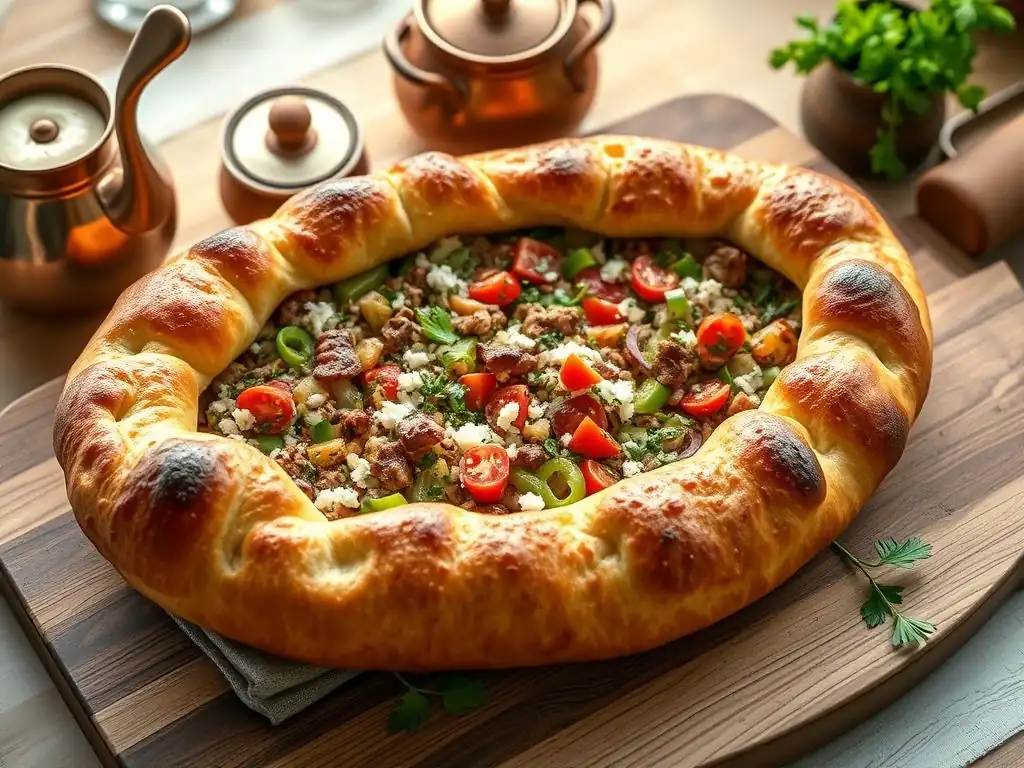
Welcome to BakeWithEase, your companion in the delightful world of baking! Ever wondered how to create those irresistible, boat-shaped breads you see in bakeries? Our latest guide dives deep into an Easy Turkish Pide Recipe, revealing the secrets to crafting this versatile and delicious bread right in your own kitchen. But that's just the beginning! Discover endless topping combinations and baking tips that will elevate your pide game to new heights. Ready to embark on a flavorful adventure?
- Authentic Turkish Pide Recipe: A Culinary Journey
- Introduction to Turkish Pide: A Delicious Flatbread
- Authentic Turkish Pide Recipe: A Step-by-Step Guide
- Making the Pide Dough: A Traditional Process
- Adding Toppings to Your Pide: A Symphony of Flavors
- Baking Your Turkish Pide: Achieving Optimal Texture
- Serving and Enjoying Your Homemade Turkish Pide
- Tips and Tricks for Perfect Pide Every Time
- Exploring Turkish Bread Baking: Expanding Your Culinary Horizons
- Conclusion: Savor the Flavors of Turkey with This Pide Recipe
- Frequently Asked Questions
- Final Reflection: The Enduring Allure of Turkish Pide
- Unleash Your Inner Baker: Craft the Perfect Pide!
Authentic Turkish Pide Recipe: A Culinary Journey
Introduction to Turkish Pide: A Delicious Flatbread
What is Turkish Pide? Exploring its History and Regional Styles
Turkish pide, often referred to as a "Turkish pizza" or "boat-shaped bread," is a traditional leavened flatbread from Turkey. It's typically elongated and pointed at both ends, forming a boat or canoe shape, with various toppings baked onto its surface. Pide has a rich history dating back centuries in Anatolia, evolving from simple flatbreads baked in traditional stone ovens.
Different regions of Turkey boast their own distinct styles of pide, varying in dough thickness, shape, and especially toppings. For instance, the Black Sea region is famous for its Karadeniz pidesi, often filled with cheese and butter, while other areas might favor ground meat (kiymali) or chopped meat (kusbasili). Understanding these regional nuances adds a layer of appreciation when you bake Turkish pide at home.
The versatility of pide lies in its dough and the endless possibilities for toppings. While the basic dough recipe is quite standard, the magic happens with the fillings. From savory combinations of spiced lamb and vegetables to simpler versions with cheese and egg, pide serves as a canvas for vibrant Turkish flavors.
This makes learning an easy Turkish pide recipe a rewarding experience, allowing you to explore different tastes right in your own kitchen. Whether you're aiming for a quick weeknight meal or a special treat for guests, mastering this dough opens up a world of delicious possibilities rooted deeply in Turkish culinary tradition.
Why You'll Love This Homemade Pide Recipe
Crafting your own Turkish pide at home offers a unique and deeply satisfying baking experience. Unlike store-bought versions, making pide from scratch allows you complete control over the quality of ingredients, ensuring the freshest and most flavorful result. This easy Turkish pide recipe breaks down the process into manageable steps, making it accessible even if you're new to baking yeasted breads. There's a special joy in kneading the dough, watching it rise, and shaping the characteristic boat form before adding your favorite toppings.
Beyond the personal satisfaction, homemade pide is incredibly rewarding to share. The aroma filling your kitchen as it bakes is simply irresistible, and presenting a freshly baked, golden-brown pide to friends and family is a wonderful way to connect through food. Plus, customizing toppings means you can cater to everyone's preferences, from classic meat lovers to vegetarians. This specific easy Turkish pide recipe focuses on simplicity without sacrificing authenticity, guiding you to achieve that perfect balance of a chewy crust and flavorful filling that defines great Turkish pide.
Authentic Turkish Pide Recipe: A Step-by-Step Guide
Ingredients for Authentic Turkish Pide
Dough Ingredients: The Foundation of Your Pide
Creating the perfect base for your Turkish pide starts with simple, quality ingredients. For an easy Turkish pide recipe, you'll typically need about 500 grams of strong bread flour or all-purpose flour, which provides the necessary structure. About 7 grams of active dry yeast or 20 grams of fresh yeast is standard for a dough that rises well.
You'll also need approximately 300-350 ml of warm water (around 40-45°C or 105-115°F) to activate the yeast and hydrate the dough – the exact amount can vary slightly depending on your flour. A pinch of sugar (about 5-10 grams) helps activate the yeast and adds a touch of sweetness, while about 10 grams of salt is crucial for flavor and dough structure. Finally, a tablespoon or two (around 15-30 ml) of olive oil or vegetable oil enriches the dough and makes it more pliable, contributing to a soft interior crumb.
These core ingredients, when combined correctly, form a supple and elastic dough that is easy to shape and bakes into a delightful crust. Using warm water is key to waking up the yeast quickly, and allowing sufficient kneading time develops the gluten, which is essential for that characteristic chewy texture of authentic Turkish pide. Don't be afraid to adjust the water slightly during mixing if your dough feels too dry or sticky; humidity and flour type can influence absorption. This simple combination is the starting point for any delicious homemade pide recipe.
Topping Ingredients: Customizing Your Pide
The beauty of Turkish pide lies in its customizable toppings, allowing you to create a dish that suits any palate. For a classic kiymali (ground meat) pide, you'll need about 300-400 grams of ground lamb or beef, finely chopped onions (about 1 medium), chopped bell peppers (about 1 small), crushed tomatoes (around 100 grams), and a blend of spices like red pepper flakes, paprika, cumin, salt, and black pepper.
A drizzle of olive oil is used to sauté the filling. For a popular cheese pide ( peynirli), a mix of Turkish kashar cheese and feta cheese is common, totaling about 200-300 grams, often combined with chopped parsley and sometimes a little egg.
Vegetarian options are abundant and equally delicious. A spinach and cheese filling is popular, using about 300-400 grams of fresh or frozen spinach (thawed and squeezed dry), mixed with feta cheese (around 200 grams), onions, and herbs like dill or parsley. For a more unique flavor, consider using sucuk (spicy Turkish sausage), sliced thinly (about 150-200 grams), often paired with kashar cheese and sometimes an egg cracked into the center before baking. Remember to prepare your toppings before you shape the dough, as pide bakes relatively quickly, and you want everything ready to go onto the shaped boats.
Equipment Needed for Baking Pide
Baking a great Turkish pide doesn't require highly specialized equipment, making an easy Turkish pide recipe achievable in most home kitchens. The most crucial item is a reliable oven capable of reaching a high temperature, ideally 220-250°C (425-480°F). A baking stone or steel is highly recommended as it helps create a crispy bottom crust by providing intense, even heat.
If you don't have one, a sturdy baking sheet works, though the bottom might not be quite as crisp. You'll also need a large mixing bowl for the dough, measuring cups and spoons, and a clean kitchen towel or plastic wrap for covering the dough during proofing.
For shaping the pide, a lightly floured surface is essential. A rolling pin is useful for flattening the dough, though you can also shape it using your hands. A pizza peel or a large, flat spatula is incredibly helpful for transferring the shaped and topped pide onto the hot baking stone or sheet in the oven.
Parchment paper can also be used on your peel or baking sheet to make transfer easier and cleanup simpler. Finally, a small bowl and a pastry brush are needed for the egg wash used to brush the edges of the pide before baking, giving them a beautiful golden shine.
Making the Pide Dough: A Traditional Process
Step 1: Preparing the Yeast Starter for Pide Dough
The first step in crafting your delicious Turkish pide dough is activating the yeast. In a small bowl, combine your active dry yeast with the warm water specified in the recipe – ensure the water is warm to the touch but not hot, typically between 40-45°C (105-115°F). If the water is too hot, it can kill the yeast; too cold, and it won't activate properly. Stir in the pinch of sugar, which provides food for the yeast. Let this mixture sit for about 5-10 minutes.
During this time, you should see the mixture become foamy or bubbly on the surface. This bubbling indicates that the yeast is alive and active, ready to leaven your dough. If you don't see any activity after 10 minutes, your yeast might be old or the water temperature was incorrect, and you should start again with fresh yeast. This simple step is critical for ensuring your homemade pide recipe results in a light and airy crust.
Step 2: Mixing the Dough: Achieving the Ideal Elasticity
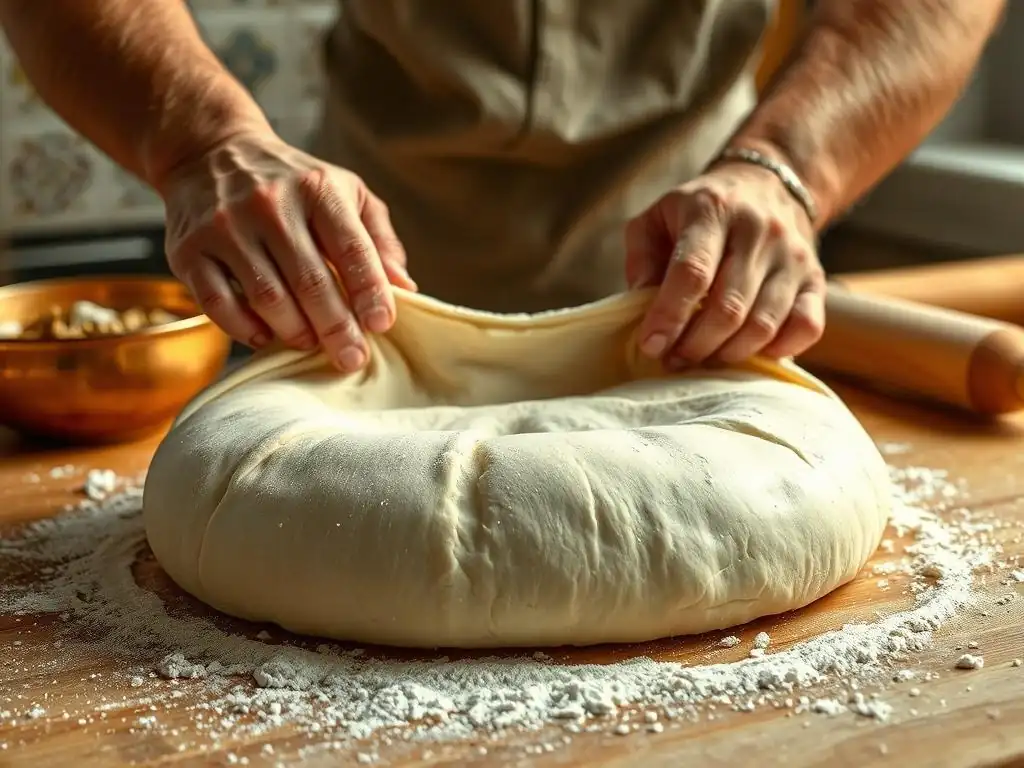
Once your yeast starter is bubbly, it's time to mix the dough. In a large mixing bowl, combine the flour and salt. Make a well in the center and pour in the activated yeast mixture and the oil. Using a wooden spoon or your hands, gradually incorporate the dry ingredients into the wet, mixing until a shaggy dough forms. At this point, turn the dough out onto a lightly floured surface.
Kneading is crucial for developing gluten, which gives the pide its structure and chewiness. Knead the dough for about 8-10 minutes by hand, pushing it away from you with the heels of your hands, folding it back over, and rotating it. Alternatively, you can use a stand mixer with a dough hook attachment and knead on medium speed for 6-8 minutes.
You're looking for a dough that is smooth, elastic, and no longer sticky. It should spring back slowly when you gently poke it with your finger. This properly kneaded dough is the foundation for a perfect easy Turkish pide recipe.
Step 3: First Proof: Allowing the Dough to Rise
After kneading, the dough needs time to rise, or proof. Lightly grease the large mixing bowl with a little oil. Shape the dough into a ball and place it in the bowl, turning it to coat all sides with oil. Cover the bowl tightly with plastic wrap or a clean, damp kitchen towel. Place the bowl in a warm, draft-free spot. An oven with just the light on is often a good environment.
Allow the dough to rise until it has doubled in size. This usually takes about 60-90 minutes, depending on the temperature of your room and the activity of your yeast. The dough should look puffy and feel light. This slow fermentation process is important for developing flavor in the dough and creating a tender crumb. Don't rush this step; adequate proofing is key to a successful Turkish pide recipe.
Step 4: Shaping the Pide: Forming the Signature Boat Shape
Once the dough has doubled, gently punch it down to release the air. Turn the dough out onto a lightly floured surface. Divide the dough into portions, typically 2-4 pieces depending on how large you want your pide (for this easy Turkish pide recipe, dividing into 2-3 pieces is manageable). Take one piece and shape it into a rough oval or rectangle.
Using a rolling pin or your hands, flatten and stretch the dough into an elongated oval, about 30-40 cm (12-16 inches) long and 15-20 cm (6-8 inches) wide, roughly 0.5 cm thick. Be careful not to make it too thin in the center. Place your desired topping down the center of the oval, leaving a border of about 2-3 cm (1 inch) on all sides.
Fold these borders inwards over the filling, pinching the ends together firmly to create the distinctive boat or canoe shape. Ensure the ends are well-sealed to prevent the filling from leaking during baking. Repeat with the remaining dough portions.
Adding Toppings to Your Pide: A Symphony of Flavors
Classic Pide Toppings: Ground Lamb with Onions and Peppers
One of the most traditional and beloved Turkish pide toppings is the kiymali filling, made with seasoned ground lamb or beef. To prepare this, finely chop one medium onion and sauté it in a pan with a little olive oil until softened, about 5-7 minutes.
Add 300-400 grams of ground meat and cook, breaking it up with a spoon, until browned. Stir in about 100 grams of crushed tomatoes, finely chopped bell peppers (optional, about half a small one), and spices like 1 teaspoon red pepper flakes, 1 teaspoon paprika, half a teaspoon cumin, salt, and black pepper to taste.
Simmer the mixture for about 10-15 minutes until most of the liquid has evaporated and the flavors have melded. The filling should be moist but not watery. Spread this flavorful mixture down the center of your shaped pide dough, leaving the edges clear to form the boat shape. This classic topping delivers a rich, savory depth that perfectly complements the chewy pide bread, making it a staple for any easy Turkish pide recipe.
Vegetarian Pide Topping Ideas: Spinach, Feta, and Herbs
Turkish pide is wonderfully adaptable for vegetarians, with numerous delicious topping options. A popular choice is a spinach and cheese filling ( ispanakli peynirli). Start by sautéing a chopped onion and a clove of minced garlic in olive oil. Add about 300-400 grams of fresh spinach (or thawed and squeezed frozen spinach) and cook until wilted. Remove from heat and let it cool slightly.
In a bowl, crumble about 200 grams of feta cheese and mix it with the cooked spinach. Stir in chopped fresh dill and parsley (about 2-3 tablespoons of each), salt, and pepper. Some recipes also add a beaten egg to bind the mixture, though it's not strictly necessary. Spread this vibrant green filling down the center of your shaped pide dough. The combination of salty feta, earthy spinach, and fresh herbs creates a light yet incredibly flavorful topping, proving that a homemade pide recipe can be just as satisfying without meat.
Unique Pide Topping Combinations to Try: Sucuk, Egg, and Kashar Cheese
For those looking to explore beyond the classics, Turkish pide offers exciting, unique topping combinations. One such popular variation features sucuk, a spicy fermented beef sausage common in Turkey. Slice about 150-200 grams of sucuk thinly and arrange the slices down the center of your shaped pide dough. Cover the sucuk generously with shredded Turkish kashar cheese or a similar melting cheese like mozzarella (about 150-200 grams).
Before baking, you can make wells in the cheese and crack an egg or two directly into the center of the pide. The egg bakes along with the pide, resulting in a rich, custardy center surrounded by spicy sausage and melted cheese. This sucuklu yumurtali pide is a hearty and incredibly satisfying option, showcasing the versatility of this Turkish pide recipe. Other creative ideas include combinations of roasted vegetables, different cheeses, or even seafood like shrimp.
Baking Your Turkish Pide: Achieving Optimal Texture
Step 5: Preparing the Oven and Baking Surface
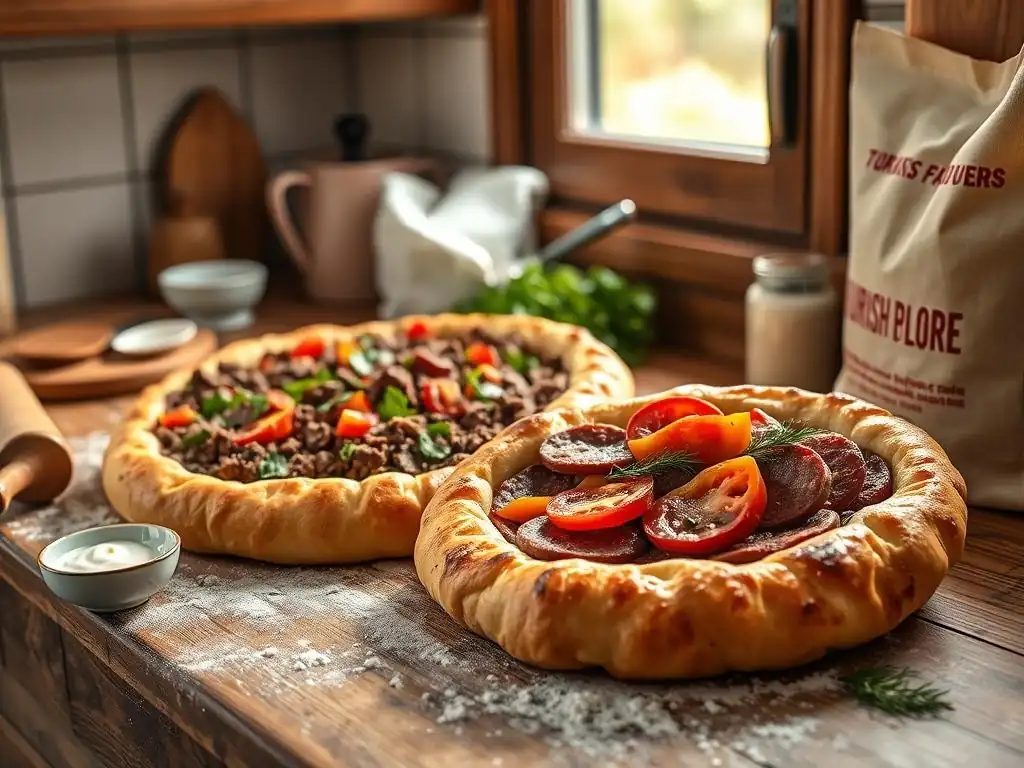
Proper oven preparation is key to achieving the desired texture for your Turkish pide – a crispy crust and a tender interior. Preheat your oven to a high temperature, ideally between 220-250°C (425-480°F). If you are using a baking stone or steel, place it on the middle rack while the oven preheats. Allow the oven and stone/steel to preheat for at least 30-60 minutes to ensure they are thoroughly hot. This intense heat from below is what helps create that coveted crispy bottom crust.
If you are using a baking sheet, place it in the oven during preheating as well, or simply place your shaped pide directly onto a preheated baking sheet lined with parchment paper. Having a hot surface ready to receive the dough helps the crust set quickly and prevents the bottom from becoming soggy. This step is crucial for any easy Turkish pide recipe aiming for authentic results.
Step 6: Baking Time and Temperature: Achieving a Crispy Crust
The high temperature is essential for baking Turkish pide quickly and effectively. Once your oven and baking surface are fully preheated, carefully transfer the shaped and topped pide onto the hot baking stone or sheet using a pizza peel or spatula. If using parchment paper, you can slide the paper with the pide directly onto the hot surface.
Bake the pide for approximately 10-15 minutes. The exact time will depend on your oven, the thickness of your dough, and the amount of topping. You'll know the pide is ready when the crust is golden brown, the edges are puffed up, and the topping is cooked through and bubbling. For a homemade pide recipe, checking at the 10-minute mark is wise to prevent over-baking. The high heat ensures a quick bake, resulting in a beautifully crispy exterior while the inside remains soft.
Step 7: Achieving a Golden-Brown Crust: Brushing with Egg Wash
To give the edges of your Turkish pide a beautiful golden color and a slightly glossy finish, an egg wash is traditionally applied before baking. In a small bowl, whisk one egg with a tablespoon of milk or water until well combined. Once your pide is shaped and topped, but before it goes into the oven, use a pastry brush to lightly brush the exposed dough edges all around the 'boat'.
Be careful not to let the egg wash drip onto the baking surface, as it can burn. This simple step enhances the visual appeal of the finished pide, making it look professionally baked. While not strictly necessary for flavor, it contributes significantly to the classic look of authentic Turkish pide and is a common practice when you bake Turkish pide at home.
Serving and Enjoying Your Homemade Turkish Pide
Serving Suggestions: With Ayran, Ezme Salad, or Mercimek Corbasi
Freshly baked Turkish pide is best enjoyed warm, straight from the oven. It's a complete meal on its own, but pairing it with traditional Turkish accompaniments elevates the experience. A glass of cold ayran, a refreshing yogurt drink, is a classic pairing that cuts through the richness of the toppings.
Serving pide alongside a vibrant ezme salad, a spicy tomato and pepper relish, adds a burst of freshness and acidity. A warm bowl of mercimek corbasi (Turkish lentil soup) makes for a comforting start to the meal before diving into the pide. Don't forget simple garnishes like fresh parsley or a squeeze of lemon, which can brighten the flavors of certain toppings. Enjoying your homemade pide recipe with these sides creates an authentic Turkish dining experience.
Storing Leftover Pide: Maintaining Freshness
While Turkish pide is undeniably best eaten fresh, leftovers can be stored and enjoyed later. Allow any leftover pide to cool completely to room temperature before storing. To prevent it from drying out, wrap individual pieces tightly in plastic wrap, then place them in an airtight container or a zip-top bag.
Properly stored, leftover pide can last in the refrigerator for 2-3 days. Storing it correctly helps maintain its texture and prevents the bread from becoming stale too quickly. This is a practical tip for anyone trying an easy Turkish pide recipe for the first time and potentially making more than they can eat in one sitting.
Reheating Pide: Restoring its Deliciousness
To bring leftover Turkish pide back to its delicious glory, reheating it properly is key to restoring its crispy crust. Avoid using a microwave, as this will make the bread soft and potentially rubbery. The best method is to reheat it in an oven or toaster oven.
Preheat your oven to around 180-200°C (350-400°F). Place the pide directly on the oven rack or on a baking sheet. Reheat for about 5-10 minutes, or until the crust is crisp again and the topping is heated through. Alternatively, you can use a dry skillet on medium heat on the stovetop, covering it briefly to heat the topping while the bottom crisps up. These methods ensure your homemade pide recipe remains enjoyable even as leftovers.
Tips and Tricks for Perfect Pide Every Time
Achieving the Perfect Dough Texture: Hydration is Key
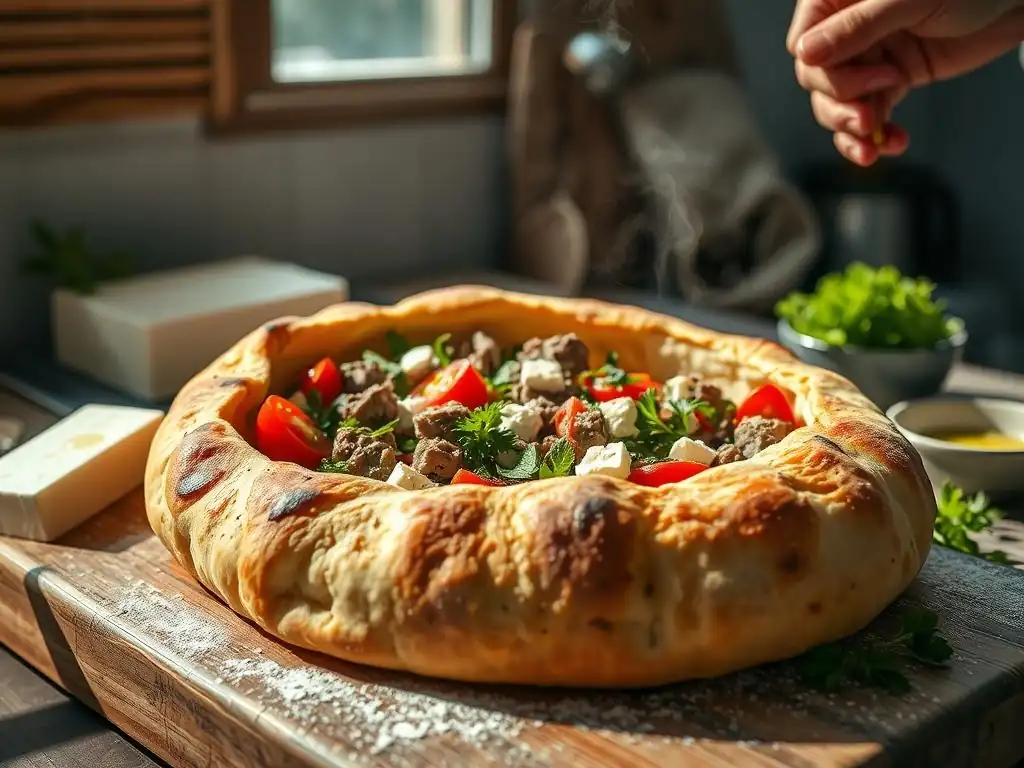
The hydration level of your dough, meaning the ratio of water to flour, significantly impacts the final texture of your pide. For a classic Turkish pide, you want a dough that is soft, pliable, and slightly sticky after initial mixing, before kneading. Aim for a hydration level typically between 60% and 70% relative to the flour weight (e.g., 300-350 ml water for 500g flour).
Don't add all the water at once. Start with the lower amount and add more gradually as you mix and knead, until the dough feels just right – it should pull away from the sides of the bowl but still be soft. A well-hydrated dough leads to a more tender crumb and a better rise. Paying attention to how the dough feels as you mix is a crucial tip for mastering this easy Turkish pide recipe.
Preventing Soggy Pide: Pre-Baking the Dough
One common issue when baking pide with wetter toppings (like those with a lot of tomato or spinach) is a soggy bottom crust. To prevent this, you can slightly pre-bake the shaped dough before adding the topping. After shaping the pide boats, bake them in the hot oven for about 3-5 minutes until they are slightly set and the edges are just starting to puff up but are not yet browned.
Remove the partially baked dough from the oven, add your prepared topping to the center, and then return the pide to the oven to finish baking until the crust is golden and the topping is cooked. This short pre-bake creates a barrier that helps the dough stand up to the moisture from the filling, ensuring a beautifully crisp base for your Turkish pide recipe.
Troubleshooting Common Pide Baking Issues: Dough Not Rising
If your pide dough isn't rising as expected, several factors could be the cause. The most common reason is inactive yeast. Ensure your yeast is fresh and that the water you used in the starter was the correct temperature (warm, not hot or cold). If the yeast didn't foam initially, it's best to start over with new yeast.
Another factor could be the temperature of your proofing environment. Yeast is most active in warm conditions, ideally around 24-27°C (75-80°F). If your kitchen is cold, find a warmer spot or create one, such as a slightly warmed oven (turned off) with the light on. Insufficient kneading can also hinder rising, as gluten development is necessary to trap the gases produced by the yeast.
Ensure you've kneaded the dough until it's smooth and elastic. Patience is also key; sometimes, dough just needs a little more time to rise, especially in cooler conditions. Troubleshooting these points will help ensure your homemade pide recipe is a success.
Exploring Turkish Bread Baking: Expanding Your Culinary Horizons
Other Popular Turkish Breads to Try: Lahmacun, Gözleme
Once you've mastered this easy Turkish pide recipe, you might be inspired to explore other delights from the world of Turkish bread baking. Lahmacun, often called "Turkish pizza," is a very thin, round flatbread topped with a spiced mixture of minced meat, tomatoes, peppers, and herbs, traditionally served rolled up with a squeeze of lemon and fresh parsley. Its thinness means it bakes incredibly quickly.
Another popular Turkish flatbread is Gözleme. This is a savory, often paper-thin flatbread made from unleavened dough, typically filled with various ingredients like spinach and cheese, potato, or meat, and cooked on a large griddle ( sac). The process involves rolling the dough very thin, adding the filling to one half, folding it over, and cooking until golden and slightly crispy. Exploring these different breads offers a fantastic way to deepen your appreciation for Turkish cuisine and expand your baking skills beyond a single Turkish pide recipe.
Where to Find Authentic Turkish Ingredients: Local Markets and Online Retailers
To truly capture the authentic flavors in your Turkish pide and other Turkish baked goods, sourcing specific ingredients can make a difference. Many essential items like flour, yeast, salt, and common vegetables are readily available at standard grocery stores. However, for traditional toppings like Turkish sucuk or specific cheeses like kashar, you might need to look a little further.
Local ethnic markets, particularly those specializing in Middle Eastern or Mediterranean goods, are excellent resources for hard-to-find ingredients. You can often find authentic sucuk, various Turkish cheeses, and specific spice blends here. Additionally, many online retailers specialize in international food products and can ship Turkish ingredients directly to your door. Seeking out these specific items will enhance the authenticity and flavor of your homemade pide recipe and other Turkish culinary adventures.
Conclusion: Savor the Flavors of Turkey with This Pide Recipe
Embarking on the journey to bake Turkish pide at home is a rewarding experience that brings a taste of Turkey's rich culinary heritage into your kitchen. This easy Turkish pide recipe provides a straightforward path to creating the iconic boat-shaped bread, from preparing the soft, elastic dough to adding your favorite savory toppings. Whether you opt for the classic ground lamb, a vibrant vegetarian mix, or a unique combination with sucuk and egg, the process of shaping and baking your own pide is incredibly satisfying.
Sharing a warm, freshly baked pide with loved ones is a delightful way to connect and enjoy the fruits of your labor. With a little practice and attention to detail, like ensuring your yeast is active and your oven is hot, you can achieve a beautifully golden, crispy-crusted pide that rivals those found in Turkish bakeries. So gather your ingredients, follow these steps, and get ready to savor the wonderful flavors and textures of authentic Turkish pide – a truly versatile and delicious bread perfect for any occasion.
Frequently Asked Questions
What is Turkish pide?
Turkish pide is a boat-shaped bread that is often topped with various ingredients, making it a versatile dish enjoyed in many forms. It is similar to pizza but has its own unique flavor and texture.
How do you make an easy Turkish pide recipe?
To create an easy Turkish pide recipe, start with a basic dough, shape it into a boat, and fill it with your choice of toppings like minced meat, cheese, or vegetables. Bake until golden for a delicious result.
What are common toppings for Turkish pide?
Common toppings for Turkish pide include ground lamb or beef, cheese, spinach, and various spices. You can customize your pide with your favorite ingredients for a personal touch.
Can beginners try making Turkish pide?
Absolutely! The recipe is accessible for bakers of all levels. With the step-by-step guides provided, even beginners can enjoy the process of making Turkish pide.
Where can I find the recipe for Turkish pide?
You can find an easy Turkish pide recipe on BakeWithEase.com, along with tips and techniques to help you master this delightful bread.
Final Reflection: The Enduring Allure of Turkish Pide
The simple act of baking Turkish pide transcends mere culinary creation; it's a journey through history, culture, and the comforting embrace of shared meals. This easy recipe, designed to demystify the process, reveals that the seemingly complex art of pide-making is accessible to everyone, regardless of their baking experience. The versatility of this boat-shaped bread, adaptable to countless toppings, speaks volumes about its enduring appeal.
The influence of pide on the cultural landscape is profound. It's more than just food; it's a symbol of togetherness, a centerpiece at countless gatherings, and a testament to the rich culinary heritage of Turkey. Food is symbolic of love when words are inadequate.
This quote perfectly encapsulates the emotional connection people have with pide, a dish that brings families and communities together across generations. The ease of this recipe allows more people to experience this powerful connection, fostering a deeper appreciation for Turkish culture and culinary traditions.
Now, I invite you to roll up your sleeves and embark on your own pide-making adventure. Don't be intimidated by the seemingly complex shapes; embrace the process, experiment with your favorite toppings, and savor the joy of creating something delicious and meaningful. The aroma of freshly baked pide, the satisfaction of creating something from scratch, and the shared experience of enjoying it with loved ones—these are the true rewards of this culinary journey. Let the simple act of baking pide become a gateway to exploring new cultures and enriching your own life.
Unleash Your Inner Baker: Craft the Perfect Pide!
Thanks for joining us on this delicious journey into the world of Turkish pide! We hope you've gained a newfound appreciation for this versatile and flavorful bread. Ready to take your baking skills to the next level?
- Bake your own pide today! Use the recipe as a starting point, experiment with different toppings, and discover your perfect pide combination.
- Share your culinary creations! Post pictures of your pide on social media using #BakeWithEasePide and inspire others to try this amazing recipe.
- Challenge yourself with a unique topping: Go beyond the traditional and try something unexpected – perhaps fig and prosciutto or spicy chorizo?
What unique topping will you create to make your pide truly special?