
The Impact of Oil: How It Changes Advanced Pizza Dough Texture

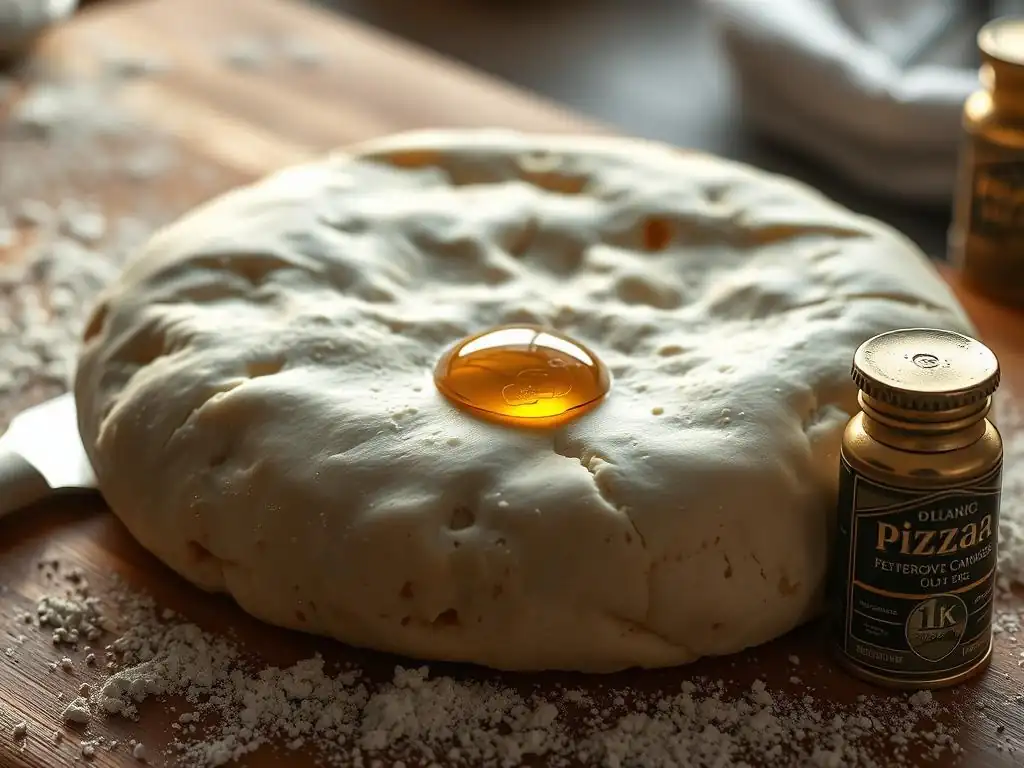
Welcome to BakeWithEase, your haven for all things baking! Ever wondered how something as simple as oil affects sourdough pizza dough? Dive into our latest exploration and discover how this seemingly minor ingredient can dramatically transform the texture and flavor of your advanced pizza dough. Unlock the secrets to achieving that perfect crust, and let's bake with ease!
- Understanding the Role of Oil in Sourdough Pizza Dough
- Oil's Influence on Sourdough Pizza Dough Texture: A Detailed Analysis
- Comparing Different Types of Oil and Their Effect on Pizza Dough
- Troubleshooting Pizza Dough Texture Issues Related to Oil
- Recipes and Techniques: Mastering Oil in Sourdough Pizza Dough
- The Benefits of Using Oil in Sourdough Pizza Dough
- Conclusion: Mastering Oil for the Perfect Sourdough Pizza Dough Texture
-
Frequently Asked Questions
- How does adding oil affect the texture of sourdough pizza dough?
- What type of oil is best to use in sourdough pizza dough?
- Can I omit oil from a sourdough pizza dough recipe?
- At what point in the sourdough pizza dough-making process should I add the oil?
- How much oil should I add to my sourdough pizza dough for optimal results?
- Final Reflection: The Unseen Hand of Oil in Sourdough Pizza Perfection
- Unlock Your Pizza Dough's Potential!
Understanding the Role of Oil in Sourdough Pizza Dough
Why Bakers Add Oil to Pizza Dough: An Overview
Adding oil to pizza dough, especially advanced sourdough varieties, serves multiple purposes beyond just adding richness. One primary reason is to influence the dough's handling characteristics and the final crust texture. Oil acts as a lubricant within the dough matrix, coating the protein strands (gluten) and reducing their ability to form a tight, interconnected network.
This results in a dough that is often easier to stretch and shape, less prone to tearing, and yields a softer, more tender crumb in the baked crust. For sourdough, which can sometimes develop a very strong gluten structure, oil helps to temper this, making the dough more manageable.
Furthermore, oil contributes to the browning process during baking. Fats conduct heat efficiently and promote the Maillard reaction and caramelization on the crust surface. This leads to a more golden, appealing color and can enhance the crispness of the outer layer while keeping the interior relatively soft.
Many bakers find that adding just a small percentage of oil, perhaps 2-5% based on the flour weight, significantly improves the overall eating experience of the pizza crust, providing a pleasant contrast between a crisp exterior and a tender, airy interior. This is one key way oil affects sourdough pizza dough, altering both its handling and its final baked state.
The Science Behind Oil and Dough Interaction
At a microscopic level, oil interacts with the flour and water mixture in a fascinating way. When you mix flour and water, proteins like glutenin and gliadin hydrate and begin to form gluten. Oil, being hydrophobic (water-repelling), doesn't mix with the water but instead disperses within the dough.
It forms a thin film around the developing gluten network. This film prevents the gluten strands from fully interacting and bonding as tightly as they would in a lean dough (one without added fat). The presence of oil essentially weakens the gluten structure, making the dough more extensible and less elastic – it stretches more easily but springs back less.
Beyond its interaction with gluten, oil also impacts the dough's ability to retain gas produced during fermentation. While a strong gluten network is crucial for trapping carbon dioxide bubbles, too much elasticity can make the dough difficult to stretch thin without tearing. Oil helps achieve a balance, allowing the dough to expand without excessive resistance.
This effect is particularly noticeable in sourdough, where the long fermentation can build significant gluten strength. Understanding how oil affects sourdough pizza dough at this fundamental level helps bakers predict and control the final texture, achieving anything from a softer, bread-like crust to one that balances tenderness with a slight crispness.
Oil's Influence on Sourdough Pizza Dough Texture: A Detailed Analysis
How Oil Affects Gluten Development in Pizza Dough
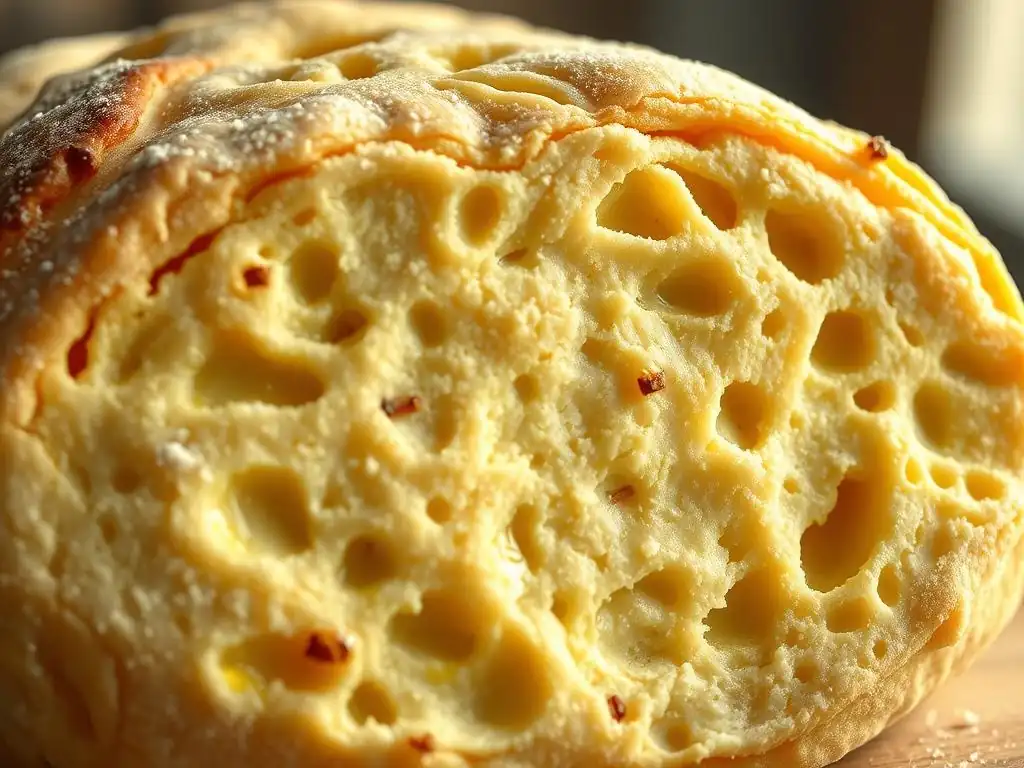
The addition of oil significantly alters the process of gluten development in pizza dough. Gluten forms when the proteins glutenin and gliadin in wheat flour hydrate and are worked, such as during kneading. These proteins link together to create a complex, elastic network.
Oil, when present during mixing and kneading, gets in the way. It surrounds the individual flour particles and developing gluten strands, acting as a barrier that hinders the proteins from fully bonding with each other. This interference means that the gluten network that forms is less robust, less cohesive, and less elastic compared to a dough made without oil, assuming all other factors like hydration and mixing time are equal.
This impact on gluten development has direct consequences for the dough's texture and handling. A dough with inhibited gluten development will be softer, more pliable, and easier to stretch thinly without snapping back excessively. For styles of pizza that require a very thin crust, like some New York or Roman variations, this effect is desirable.
However, too much oil or insufficient kneading can result in a dough that is weak and tears easily. The specific percentage of oil used (a common range is 2-5% of flour weight for pizza dough) is critical for balancing reduced elasticity with sufficient structure to hold its shape and trap fermentation gases effectively. This precise control over how oil affects sourdough pizza dough's gluten is key to advanced pizza making.
Oil's Impact on Pizza Dough Elasticity and Extensibility
Elasticity refers to the dough's ability to spring back to its original shape after being stretched, while extensibility is its ability to be stretched without tearing. Oil has a pronounced effect on both, primarily by modifying the gluten network. As discussed, oil lubricates the gluten strands, reducing the friction between them and making them less likely to recoil strongly after stretching. This decreases elasticity. Simultaneously, this lubrication and the less tightly bound network increase extensibility, allowing the dough to be pulled into thinner shapes more easily.
For sourdough pizza dough, which often develops significant elasticity due to long fermentation times and the strong starter culture, managing this balance is crucial. A highly elastic dough can be frustrating to work with, constantly shrinking back as you try to shape it.
Adding oil helps to relax the dough, making it much more amenable to being stretched by hand into a wide pizza base without excessive effort or the need for prolonged resting periods between stretches. This improved extensibility, facilitated by oil, is a major reason why it's a common ingredient in many pizza dough recipes, directly influencing how oil affects sourdough pizza dough's workability and final shape.
Oil and Pizza Dough Hydration: Maintaining the Right Balance
While oil itself doesn't directly hydrate flour in the way water does, its presence significantly impacts how the dough feels and handles at a given hydration level, and it can also influence moisture retention during baking. Oil coats the flour particles and gluten network, which can make a dough feel less sticky or "wet" than a lean dough of the same hydration percentage.
This is because the oil provides lubrication that reduces the surface tension and stickiness that water creates. Consequently, bakers might find they can handle a slightly higher hydration dough more easily if oil is included, compared to a lean dough at the same hydration.
Furthermore, oil can play a role in moisture retention during the baking process. Fats tend to slow down moisture loss. As the pizza bakes, the oil within the crust helps to keep the crumb from drying out too quickly, contributing to a tender interior texture.
While the primary factor in hydration is the water content, the presence of oil modifies the dough's rheology (flow and deformation properties) and moisture dynamics during baking. Understanding this interplay is vital for advanced dough makers as it shows yet another dimension of how oil affects sourdough pizza dough, influencing both its initial feel and its final baked texture and moisture level.
Comparing Different Types of Oil and Their Effect on Pizza Dough
Olive Oil vs. Vegetable Oil in Sourdough Pizza: A Texture Comparison
The type of oil used in pizza dough can subtly influence its texture, though the primary effects of lubrication and gluten interference are common to most liquid fats. Olive oil, particularly extra virgin olive oil, is a popular choice for pizza dough, not only for its flavor but also for its properties. It's typically less refined than many vegetable oils. In terms of texture, olive oil provides excellent lubrication and contributes to a tender crumb and a potentially crispier crust due to its fatty acid composition. Many traditional Italian pizza doughs call specifically for olive oil.
Vegetable oils, such as canola, sunflower, or soybean oil, are often more neutral in flavor and can be less expensive. From a purely textural standpoint, they function similarly to olive oil, lubricating the dough and inhibiting gluten development to promote extensibility.
However, differences in fatty acid profiles and smoke points might lead to minor variations in the final crust's crispness and browning characteristics under specific high-heat baking conditions. While the fundamental way oil affects sourdough pizza dough texture (softening, increasing extensibility) holds true for both, olive oil is often favored for its traditional association and perceived quality benefits in the final product.
The Influence of Oil's Flavor Profile on the Final Pizza Taste
Beyond texture, the choice of oil significantly impacts the flavor and aroma of the finished pizza crust. Extra virgin olive oil, for example, imparts distinct fruity, peppery, or grassy notes that are characteristic of many classic pizzas, especially Neapolitan style. This flavor contribution is often a key reason bakers choose it, as it complements the other simple ingredients like tomatoes, mozzarella, and basil beautifully. The quality and freshness of the olive oil are paramount, as stale or poor-quality oil can introduce off-flavors.
In contrast, refined vegetable oils like canola or sunflower oil have a much more neutral flavor profile. When using these oils, the taste of the crust is less influenced by the fat itself and more by the flour, fermentation, and other toppings. This can be desirable if you want the other ingredients to be the star or if a pronounced olive oil flavor isn't desired.
Some bakers even experiment with specialty oils like grapeseed or avocado oil, each offering a unique subtle flavor. The decision between a flavorful oil like olive oil and a neutral one is a creative choice that directly influences the overall sensory experience of the pizza, demonstrating how oil affects sourdough pizza dough beyond just its structure.
Measuring the Right Amount of Oil for Optimal Texture
Determining the correct amount of oil is crucial for achieving the desired pizza dough texture. Too little oil might not provide enough lubrication to improve extensibility or soften the crumb effectively, essentially resulting in a lean dough texture. Too much oil, on the other hand, can excessively inhibit gluten development, leading to a dough that is weak, greasy, difficult to handle, and results in a dense or overly soft crust that lacks structure.
A common range for oil in pizza dough recipes is between 2% and 5% of the total flour weight. For example, if a recipe uses 500 grams of flour, 2% oil would be 10 grams (or about 11 ml), and 5% would be 25 grams (or about 27-28 ml, depending on density).
The optimal percentage depends on the desired outcome and the type of flour used. For a chewier crust with some structure, staying closer to the 2-3% range might be ideal. For a softer, more tender crust that's easier to stretch very thin, moving towards the 4-5% range could be better.
High-protein flours can often handle a slightly higher percentage of oil before becoming too weak. Experimentation is key, perhaps starting at 3% and adjusting up or down in subsequent batches. This fine-tuning of the oil percentage is a critical step in mastering how oil affects sourdough pizza dough and tailoring it to specific pizza styles.
Pizza Dough Too Oily: Causes and Solutions
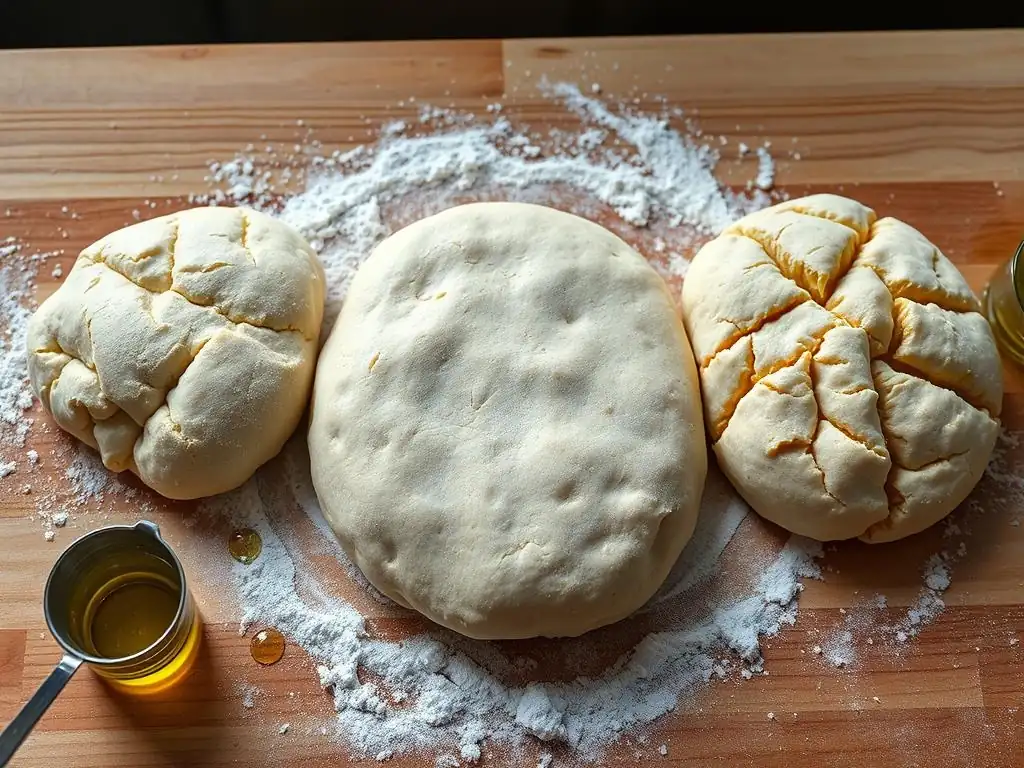
If your pizza dough feels excessively greasy, slack, and difficult to handle, it's likely too oily. This can happen if you accidentally add too much oil, or if the oil wasn't properly incorporated during mixing. Too much oil disrupts the gluten structure excessively, leaving the dough without sufficient internal strength. It might feel heavy and slick, stick to surfaces in a greasy way rather than a hydrated way, and be very difficult to stretch thin without tearing large holes.
To remedy dough that is too oily, if you catch it early in the mixing process, you can try incorporating a small amount of additional flour (and potentially a tiny bit more water to maintain hydration balance, though focus on the flour first). Knead the dough further to help the new flour hydrate and integrate into the existing structure, which can help absorb some of the excess oil and build a slightly stronger gluten network. If the dough is already proofed and extremely slack, it might be challenging to fully correct.
For future batches, double-check your measurements and ensure the oil is added gradually and fully incorporated during the initial mixing phase. This careful measuring is vital because too much oil affects sourdough pizza dough negatively, making it unmanageable.
Pizza Dough Too Dry Despite Adding Oil: Identifying the Problem
Occasionally, a dough might feel dry or stiff even if oil has been added. While oil contributes to a feeling of softness and can help retain moisture, it doesn't replace the need for adequate hydration from water. If the overall hydration percentage (water relative to flour) is too low, the dough will be dry regardless of the oil content. Oil lubricates, but it doesn't make up for insufficient water needed to fully hydrate the flour proteins and starches.
Another potential issue could be insufficient mixing or kneading. Even with proper hydration and oil, the dough needs to be worked enough for the water to fully absorb and for the gluten to develop sufficiently to create a cohesive structure. If the dough is under-mixed, it can feel crumbly or dry even if the ingredients are present in the correct ratios.
Ensure your recipe has an appropriate hydration level for the type of flour you're using (typically 60-70% for many pizza doughs, potentially higher for sourdough), and mix or knead until the dough is smooth and elastic. This addresses issues beyond just how oil affects sourdough pizza dough, ensuring the foundational hydration is correct.
Achieving the Perfect Balance: Tips for Consistent Results
Consistency in pizza dough texture relies on precise measurements and understanding how each ingredient functions. When working with oil, always weigh it for accuracy rather than using volume measurements, as oils vary in density. Ensure the oil is fully incorporated into the dough, typically after the flour and water have come together but before extensive gluten development, allowing it to disperse evenly and coat the gluten strands effectively.
Here are some tips for consistent results:
- Weigh Everything: Use a digital scale for flour, water, starter, salt, and oil.
- Know Your Flour: Different flours absorb water and interact with oil differently. High-protein flours might require slightly different hydration or oil percentages.
- Observe Dough Development: Pay attention to how the dough feels during mixing and kneading. It should become smooth, less sticky (but not dry), and extensible.
- Control Temperature: Dough temperature during mixing and fermentation affects development. Aim for a consistent dough temperature, often around 24-26°C (75-79°F) after mixing.
- Experiment and Record: Keep notes on your recipes, percentages, and results. Note how varying the oil percentage by even 1-2% changes the handling and final texture.
By focusing on these details, you can gain better control over how oil affects sourdough pizza dough and consistently achieve the desired texture for your crusts.
Recipes and Techniques: Mastering Oil in Sourdough Pizza Dough
Classic Sourdough Pizza Dough Recipe with Oil: A Step-by-Step Guide
Creating a classic sourdough pizza dough with oil involves combining the tangy depth of sourdough with the textural benefits of fat. Here’s a basic structure you might follow, emphasizing the role of oil:
- Prepare Your Starter: Ensure your sourdough starter (levain) is active and bubbly, typically 4-12 hours after feeding.
- Autolyse (Optional but Recommended): Mix flour (e.g., 500g strong bread flour), water (e.g., 325g water for 65% hydration), and all of the sourdough starter (e.g., 100g active starter) until just combined. Let rest for 20-30 minutes. This allows the flour to hydrate and gluten development to begin easily.
- Add Salt and Oil: Incorporate the salt (e.g., 10g) and the measured oil (e.g., 25g olive oil, 5% of flour weight) into the autolysed dough.
- Mix and Knead: Mix until the salt and oil are fully integrated. Knead by hand or machine until the dough is smooth and elastic. The oil will make it feel less sticky than a lean dough. Aim for a dough temperature of around 24-26°C.
- Bulk Fermentation: Place the dough in a lightly oiled container. Perform a series of stretch and folds (e.g., 3 sets at 30-minute intervals) over 2-3 hours at room temperature, or follow your preferred sourdough bulk fermentation method which might involve longer times or colder temperatures. The oil helps keep the dough from sticking during folds.
- Cold Fermentation: Transfer the dough to the refrigerator for a slow, cold ferment (e.g., 24-72 hours at 4°C). This develops flavor and makes the dough easier to handle. The oil helps maintain dough pliability during the cold rest.
- Divide and Shape: Portion the dough into desired sizes (e.g., 250-300g for individual pizzas). Gently preshape into balls and let rest for 30-60 minutes at room temperature before final shaping. The oil contributes to the dough's extensibility, making the final shaping easier.
This process highlights how oil affects sourdough pizza dough throughout its creation, from initial mixing to final shaping, contributing to manageability and texture.
Adjusting Oil Amounts for Different Pizza Styles (Neapolitan, New York)
The amount of oil used is often varied depending on the desired pizza style, as it directly influences the final crust texture and handling.
- Neapolitan Style: Traditional Neapolitan pizza dough is lean, meaning it contains only flour, water, yeast (or sourdough), and salt. No oil is typically added. This results in a dough that is very elastic and requires skill to stretch thinly. When baked rapidly at very high temperatures (450-500°C / 850-950°F), it yields a crust with a characteristic airy, soft interior (cornicione) and a slightly blistered exterior. If oil were added, it would inhibit the gluten development needed for that specific structure and might cause the crust to fry rather than bake/steam properly at such high temperatures. So, for a true Neapolitan, the oil percentage is 0%.
- New York Style: New York-style pizza dough typically includes oil, often around 2-4% of the flour weight. This percentage of oil affects sourdough pizza dough by making it more extensible and easier to stretch into the large, thin rounds characteristic of this style. The oil also contributes to a slightly softer interior crumb and helps the bottom crust achieve a desirable crispness when baked at lower temperatures (250-300°C / 475-575°F) on a stone or steel. The oil prevents the crust from becoming too hard or cracker-like and gives it that characteristic foldable quality.
- Pan Pizza / Deep Dish: For styles like pan pizza or deep dish, a higher percentage of oil (sometimes 5-8% or even more, plus additional oil in the pan) is common. This high oil content creates a very tender, almost cake-like crumb and promotes a deeply golden, crispy bottom and edges as the dough fries slightly in the hot oil in the pan. The generous amount of oil affects sourdough pizza dough by significantly softening the texture and ensuring a rich, fried component to the crust.
Understanding these variations allows bakers to intentionally manipulate how oil affects sourdough pizza dough to achieve the specific textural goals of different pizza styles.
Advanced Techniques: Infusing Oil with Flavors for Enhanced Pizza
Beyond its textural impact, oil can be a vehicle for adding complex flavors to your pizza dough. This moves into advanced techniques where the oil's role extends beyond physical properties to sensory enhancement. Infusing the oil used in your dough is a simple yet effective way to elevate the final taste profile.
Common methods for infusing oil include:
- Cold Infusion: Adding ingredients like garlic cloves, rosemary sprigs, chili flakes, or citrus zest directly to the oil and letting it steep at room temperature for several hours or days. This extracts delicate flavors without cooking them.
- Warm Infusion: Gently heating oil with ingredients over low heat (avoiding high temperatures that might fry or burn the additions). This method is good for extracting flavors from dried herbs, spices, or garlic more quickly. Allow the oil to cool completely before adding it to the dough.
Using infused oil affects sourdough pizza dough by distributing these flavors throughout the crust itself, rather than just on top. Imagine a garlic-infused olive oil in the dough for a garlic bread-like crust, or chili-infused oil for a subtle kick. When baked, these flavors bloom, adding an extra layer of complexity to your pizza. This technique showcases how the seemingly simple addition of oil affects sourdough pizza dough in profound ways, influencing not just texture but also aroma and taste.
The Benefits of Using Oil in Sourdough Pizza Dough
Improved Crust Crispness and Texture
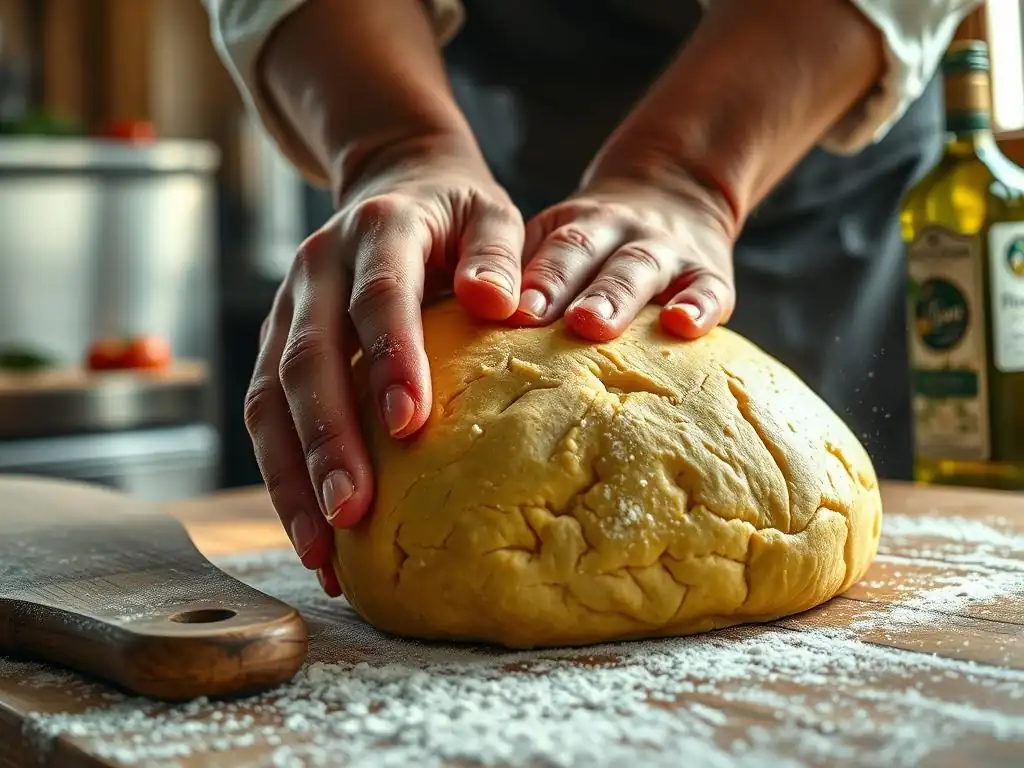
One of the significant advantages of incorporating oil into sourdough pizza dough is its positive impact on the final crust texture, particularly crispness. While it might seem counterintuitive that adding fat leads to crispness, oil promotes even browning and heat transfer during baking. As the dough bakes, the oil within the crust helps create a barrier that controls moisture evaporation.
This controlled drying allows the crust surface to become crisp and golden brown, contributing to a desirable contrast with the softer interior crumb. Unlike lean doughs which can sometimes become tough or cracker-like if overbaked, doughs with oil tend to develop a more tender interior while still achieving a pleasant exterior crispness, especially in home ovens which may not reach the extreme temperatures of professional pizza ovens. This balanced texture is a key reason why oil affects sourdough pizza dough in a way many bakers prefer for home pizza making.
Enhanced Flavor and Aroma of the Pizza
As discussed earlier, the type of oil used directly contributes to the flavor and aroma of the pizza crust. Using a flavorful oil like extra virgin olive oil imparts its characteristic taste and scent, which can significantly enhance the overall sensory experience of the pizza. The richness of the oil also adds depth to the crust's flavor profile, complementing the tanginess of the sourdough fermentation.
Even neutral oils contribute positively by allowing the flavors developed during the sourdough fermentation process to shine through, while adding a pleasant richness. Furthermore, oil can help carry and distribute fat-soluble flavor compounds from other ingredients in the dough (like infused herbs or spices). The aroma released during baking is also influenced by the oil, contributing to that irresistible smell of freshly baked pizza. This flavor enhancement is a crucial benefit, demonstrating how oil affects sourdough pizza dough beyond just physical properties.
Longer Shelf Life of the Pizza Dough
While fresh pizza dough is always best, adding oil can slightly extend its workable life compared to a lean dough. Fats can help to slow down the staling process, which involves changes in the starch structure of the bread over time. By interfering with starch retrogradation, oil can help the dough remain pliable for a longer period during cold fermentation in the refrigerator.
This means you might have a slightly larger window of time (perhaps an extra day or two) to use your cold-fermented sourdough pizza dough before it begins to degrade in quality, becoming too difficult to stretch or yielding a less desirable texture. While not a dramatic difference, this can be a practical benefit for home bakers who might not always use their dough immediately after its peak fermentation window. This subtle effect on dough longevity is another way oil affects sourdough pizza dough, offering a small but useful advantage.
Conclusion: Mastering Oil for the Perfect Sourdough Pizza Dough Texture
Mastering the use of oil is a crucial step in perfecting your advanced sourdough pizza dough. It's not merely an optional ingredient but a powerful tool that significantly influences the dough's handling properties, the texture of the baked crust, and even the final flavor of your pizza. By understanding how oil affects sourdough pizza dough – from inhibiting gluten development for easier stretching to promoting a desirable balance of internal tenderness and external crispness – you gain greater control over your results.
Experimenting with different types and percentages of oil, paying close attention to how the dough feels and behaves, and observing the final baked crust will allow you to fine-tune your recipes. Whether you aim for a New York-style foldable slice, a tender pan pizza, or simply a more manageable dough than a traditional lean sourdough, oil can help you achieve your goals. Embrace the nuances of how oil affects sourdough pizza dough, and you'll unlock new levels of texture and flavor in your homemade pizzas.
Frequently Asked Questions
How does adding oil affect the texture of sourdough pizza dough?
Oil primarily affects the dough's extensibility and tenderness. It prevents gluten from becoming too strong, resulting in a softer and more pliable dough.
What type of oil is best to use in sourdough pizza dough?
Generally, olive oil is preferred due to its flavor and compatibility with pizza. However, other neutral oils like vegetable or canola oil can also be used, especially for a less pronounced flavor.
Can I omit oil from a sourdough pizza dough recipe?
Yes, but the texture will be different. Omission can result in a tougher, chewier crust that requires more kneading and a longer proofing time.
At what point in the sourdough pizza dough-making process should I add the oil?
Oil is typically added after the initial mixing of the flour and water, once the gluten has begun to develop. This allows for proper gluten structure before the oil inhibits further development.
How much oil should I add to my sourdough pizza dough for optimal results?
The amount varies, but generally, 1-3% of the flour weight is a good starting point. Experimentation is key to finding the perfect balance for your desired texture.
Final Reflection: The Unseen Hand of Oil in Sourdough Pizza Perfection
The subtle alchemy of oil in sourdough pizza dough is not merely a culinary detail; it's a fundamental factor determining the final texture and overall eating experience. Understanding this impact, as explored throughout this article, is crucial for any pizzaiolo striving for excellence, whether a seasoned professional or a passionate home baker. The seemingly insignificant addition of oil profoundly alters the gluten network, hydration levels, and ultimately, the mouthfeel of the finished product.
The journey through different oil types and their varying effects on sourdough pizza dough has been a fascinating exploration of culinary science. It highlights how seemingly small changes can have dramatic consequences. The delicate balance between crispness, chewiness, and overall texture is a testament to the power of ingredients working in harmony. The proof of the pudding is in the eating,
and in this case, the proof is in the perfectly textured slice of sourdough pizza. This exploration underscores the importance of mindful ingredient selection and a deep understanding of the chemical processes at play in baking.
Now, consider your own pizza-making journey. What have you learned about the role of oil in your dough? I encourage you to experiment, to meticulously record your observations, and to refine your technique based on your findings. Don't be afraid to deviate from traditional recipes; embrace the opportunity to discover your own perfect balance of oil and sourdough, creating a pizza that is uniquely yours, a testament to your understanding and passion. The quest for the perfect pizza is a continuous journey, and the understanding of oil's impact is a crucial step along the way.
Unlock Your Pizza Dough's Potential!
Thanks for taking the time to explore the fascinating world of oil's impact on pizza dough! You've now armed yourself with valuable knowledge to elevate your pizza-making game. Ready to put this newfound expertise into action?
- Experiment with different oils: Try substituting your usual oil with olive oil, avocado oil, or even coconut oil to see how the texture changes! Note the differences in crispness, chewiness, and overall flavor.
- Share your results! Post a picture of your oil-enhanced pizza creation on social media using #BakeWithEaseOilExperiment – let's see your delicious results!
- Dive deeper: Explore our other articles on pizza dough techniques for even more tips and tricks to perfect your crust.
So, what unexpected oil will you try in your next pizza dough recipe?