
Baking with Chocolate Liqueurs: Adding Depth of Flavor

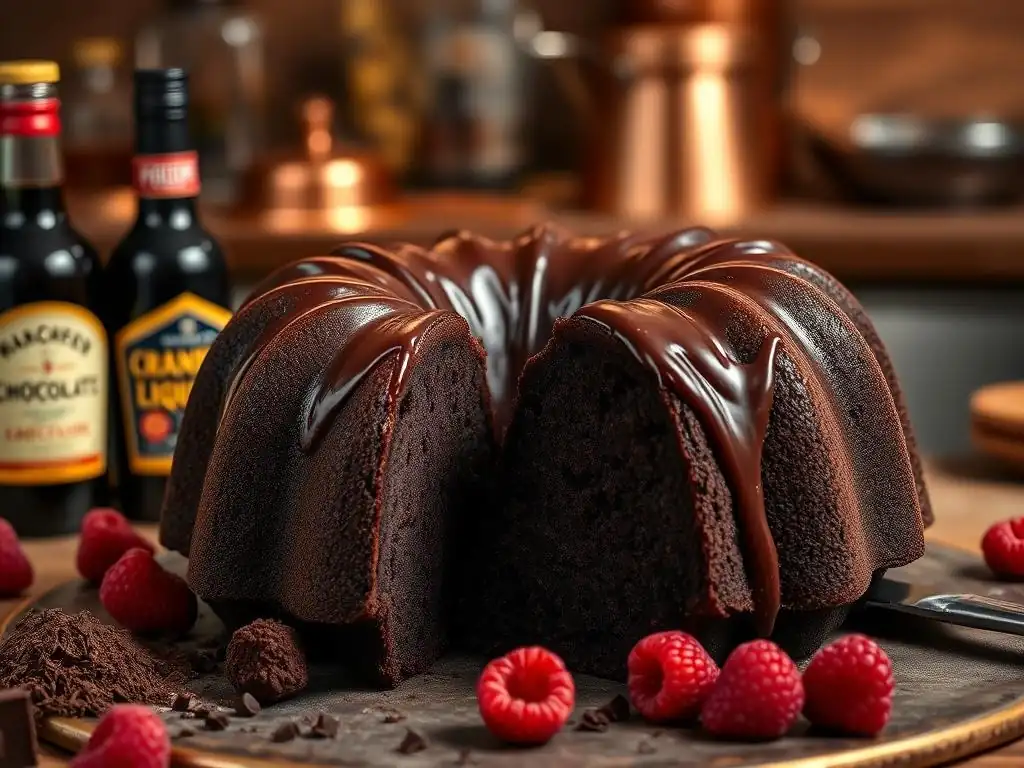
Welcome to BakeWithEase, your culinary sanctuary for all things baking! Ever wondered how to elevate your desserts from delightful to truly decadent? Prepare to unlock a world of rich, complex flavors as we delve into the secrets of using chocolate liqueurs in your baking. Discover easy and exciting chocolate liqueur baking recipes that will transform your creations and leave everyone craving more. Get ready to embark on a flavor-filled adventure – the delicious details await!
- Baking with Chocolate Liqueurs: Adding Depth of Flavor to Your Treats
- BakeWithEase: Elevating Your Baking with Chocolate Liqueurs
- Understanding Chocolate Liqueurs for Baking
- Chocolate Liqueur Baking Recipes: A Step-by-Step Guide
- Enhancing Chocolate Desserts with Liqueurs: Flavor Pairings
- Tips and Techniques for Baking with Chocolate Liqueurs
- Chocolate Liqueur Baking: Troubleshooting and Solutions
- Beyond Cakes and Brownies: Creative Chocolate Liqueur Baking Ideas
- Storing and Serving Chocolate Liqueur Baked Goods
- Mastering the Art of Chocolate Liqueur Baking: Conclusion
-
Frequently Asked Questions
- What exactly is chocolate liqueur and how does it enhance baking?
- Can I substitute chocolate liqueur with something else if I don't have it on hand?
- Are there specific types of baked goods that benefit most from chocolate liqueur?
- How much chocolate liqueur should I typically add to a baking recipe?
- Will baking with chocolate liqueur make my desserts alcoholic?
- Final Reflection: The Enduring Allure of Chocolate Liqueur in Baking
- Unleash Your Inner Chocolatier!
Baking with Chocolate Liqueurs: Adding Depth of Flavor to Your Treats
BakeWithEase: Elevating Your Baking with Chocolate Liqueurs
Welcome to BakeWithEase, where we explore exciting ways to make your baking journey even more delicious. Today, we're diving into the rich, complex world of baking with chocolate liqueurs. Adding a splash of your favorite chocolate liqueur can transform a simple dessert into something truly extraordinary, infusing it with layers of flavor that are both sophisticated and comforting. Whether you're a seasoned baker or just starting out, incorporating these delightful spirits is an accessible way to enhance chocolate's natural richness.
Using chocolate liqueurs in baking isn't just about adding alcohol; it's about introducing specific flavor notes – from creamy milk chocolate and dark cocoa to hints of vanilla, coffee, or nuts, depending on the liqueur chosen. This technique allows you to build upon the fundamental taste of chocolate, creating desserts with a more nuanced and memorable profile. It's a simple trick that yields impressive results, making your chocolate creations stand out.
Understanding Chocolate Liqueurs for Baking
What are Chocolate Liqueurs and How Do They Differ?
Chocolate liqueurs are alcoholic beverages flavored with chocolate. They vary widely in style, sweetness, viscosity, and alcohol content. Typically, they are made by combining spirits (like vodka, rum, or whiskey) with chocolate or cocoa solids, sugar, and often cream or other flavorings like vanilla, mint, or coffee.
The key difference between various chocolate liqueurs lies in their base spirit, the type and intensity of chocolate used, and whether they are cream-based or clear. Cream liqueurs, for instance, offer a richer mouthfeel and often contain dairy, while clear chocolate liqueurs tend to have a more intense, less sweet chocolate flavor profile.
Understanding these differences is crucial for baking. A cream-based liqueur like Baileys Chocolate Irish Cream will contribute richness and moisture differently than a non-cream liqueur like Godiva Chocolate Liqueur. The alcohol content also varies, usually ranging from about 15% to 20% ABV (Alcohol by Volume), though some can be higher. This percentage affects how much moisture is added to the batter and how much alcohol flavor remains after baking, as most alcohol evaporates during the heating process, but the flavor compounds often linger.
Exploring Different Types of Chocolate Liqueurs for Baking
The world of chocolate liqueurs offers a diverse palette for bakers. Cream-based options such as Baileys Chocolate, RumChata Chocolate, or various brands' chocolate cream liqueurs are popular for their smooth texture and often sweeter profile. They work wonderfully in fudgy brownies, moist cakes, or creamy fillings. Non-cream options, like Godiva Chocolate Liqueur (the original non-cream version), Mozart Chocolate Liqueur (available in milk, dark, and white chocolate varieties), or even certain craft distillery offerings, provide a purer chocolate essence without the added dairy richness, making them versatile for a wider range of recipes, including glazes and sauces.
Beyond the basic chocolate flavor, many liqueurs incorporate complementary notes. Kahlúa, a coffee liqueur, is frequently used alongside chocolate liqueurs or on its own in chocolate desserts, adding a delightful coffee kick that pairs exquisitely with cocoa. Frangelico, a hazelnut liqueur, brings a nutty dimension that is a classic pairing with chocolate. Mint chocolate liqueurs add a refreshing twist, perfect for holiday baking. Experimenting with these variations allows you to fine-tune the flavor profile of your baked goods.
Choosing the Right Chocolate Liqueur for Your Baking Recipe
Selecting the perfect chocolate liqueur depends on the desired outcome for your baked good. For a rich, decadent chocolate cake or moist brownies, a cream-based chocolate liqueur adds moisture and a velvety texture. If you want a deep, intense chocolate flavor in a ganache or sauce without excessive sweetness or creaminess, a non-cream dark chocolate liqueur is often a better choice. Consider the other flavors in your recipe as well.
- For a classic chocolate flavor boost: Godiva Chocolate Liqueur (non-cream) or Mozart Dark Chocolate Liqueur.
- For added richness and creaminess: Baileys Chocolate Irish Cream or RumChata Chocolate.
- To introduce coffee notes: Kahlúa or a chocolate coffee liqueur blend.
- To add a nutty complexity: Frangelico alongside a chocolate liqueur.
Think about the intensity of the chocolate flavor you're starting with in your recipe (e.g., dark cocoa vs. milk chocolate) and choose a liqueur that will complement or enhance it. A general guideline is to start with 2-4 tablespoons of liqueur per standard cake or brownie recipe, adjusting to taste in subsequent batches. This amount typically adds noticeable flavor without significantly altering the batter consistency or requiring major adjustments to baking time.
Chocolate Liqueur Baking Recipes: A Step-by-Step Guide
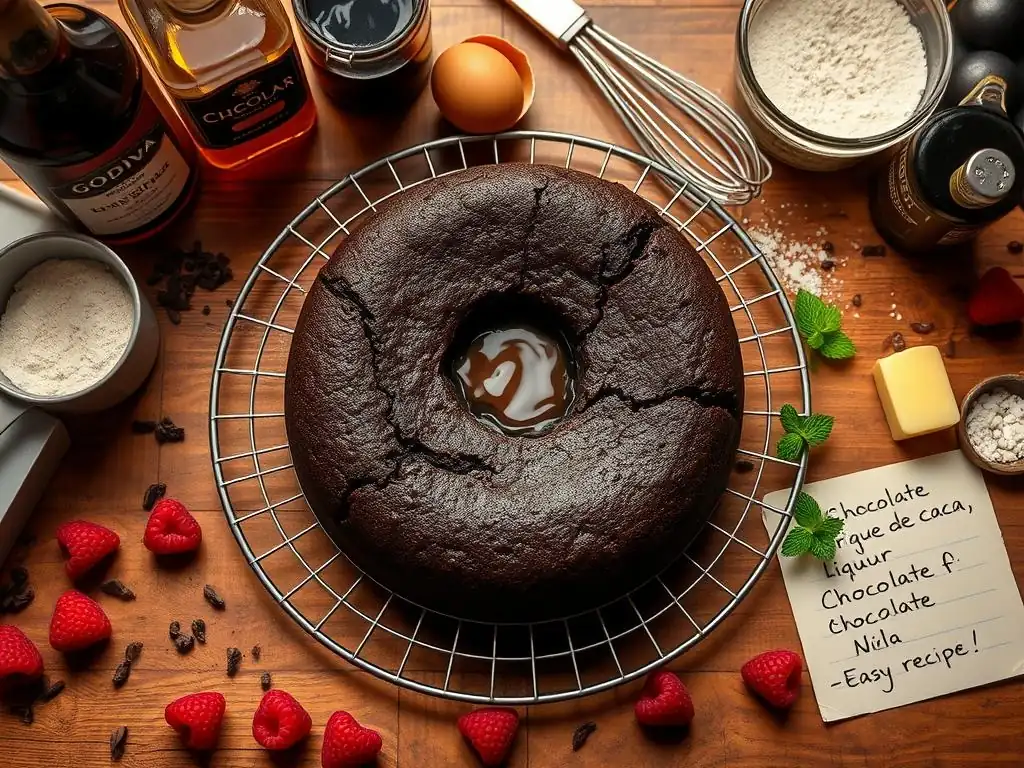
Ready to start baking? Let's look at some easy chocolate liqueur baking recipes to get you started, followed by more challenging options as you gain confidence. Using chocolate liqueur baking recipes easy to follow is the best way to begin incorporating this ingredient.
Beginner-Friendly Chocolate Liqueur Baking Recipes
Starting with simple recipes allows you to get a feel for how chocolate liqueur affects the flavor and texture. A basic chocolate mug cake is an excellent entry point. Most mug cake recipes involve just a few tablespoons of dry and wet ingredients mixed in a mug and microwaved for 1-2 minutes. To make it a chocolate liqueur treat, simply substitute 1-2 tablespoons of milk or water with a rich chocolate cream liqueur like Baileys Chocolate. This infuses the cake with flavor and moisture.
Another straightforward option is enhancing boxed brownie mix. Prepare the mix as directed, but replace 1/4 cup of the required liquid (water, milk, or oil, depending on the box) with your favorite chocolate liqueur. A non-cream liqueur works well here to avoid making the batter too thin. Bake according to package directions. This simple substitution dramatically elevates the flavor profile of standard brownies, making them taste homemade with a gourmet twist. These chocolate liqueur baking recipes easy to execute prove you don't need to be an expert to start experimenting.
Intermediate Chocolate Liqueur Baking Recipes
Once comfortable with basic substitutions, you can move on to slightly more involved recipes like scratch-made chocolate cupcakes or a simple chocolate loaf cake. For a standard recipe yielding 12-16 cupcakes or one loaf, you can typically incorporate 1/4 to 1/2 cup of chocolate liqueur. A common technique is to add it to the wet ingredients (like milk, eggs, and oil/butter). Ensure all ingredients are well-combined.
Consider making a simple chocolate ganache glaze infused with liqueur. Heat 1/2 cup heavy cream until simmering, then pour over 1 cup chopped chocolate. Let sit for 5 minutes, then whisk until smooth. Whisk in 2-3 tablespoons of a non-cream chocolate liqueur. This ganache can be poured over your cooled cupcakes or loaf cake, adding a potent layer of chocolate liqueur flavor. Baking from scratch gives you more control over the final taste profile.
Advanced Chocolate Liqueur Infused Baking Creations
For advanced bakers, integrating chocolate liqueur into complex desserts like multi-layered cakes, soufflés, or professional-style mousses offers exciting possibilities. In a multi-layered chocolate cake, you could use liqueur in several components: a splash in the cake batter, a liqueur-infused simple syrup brushed onto the baked layers for moisture and flavor, and in the frosting or filling. For example, a dark chocolate cake could be paired with a dark chocolate liqueur simple syrup and a chocolate buttercream infused with a touch of coffee liqueur.
Chocolate soufflés or mousses benefit greatly from the depth liqueur provides. In a chocolate mousse, fold 2-3 tablespoons of a rich chocolate liqueur into the cooled chocolate base before folding in whipped cream or egg whites. For soufflés, a small amount of liqueur can be added to the chocolate base mixture before baking. These applications require precise measuring and understanding of how the added liquid and alcohol might affect the texture and structure of delicate desserts. Mastering these requires practice, but the results are incredibly rewarding.
Enhancing Chocolate Desserts with Liqueurs: Flavor Pairings
Pairing the right liqueur with the right type of chocolate is key to creating harmonious and delicious desserts.
Complementary Flavors: Matching Liqueurs to Chocolate Types
Different chocolates have distinct flavor profiles – dark chocolate is intense and slightly bitter, milk chocolate is sweet and creamy, and white chocolate is rich and buttery with vanilla notes. Liqueurs can either complement or contrast these profiles.
- Dark Chocolate: Pairs beautifully with dark chocolate liqueurs, coffee liqueurs (Kahlúa), orange liqueurs (Grand Marnier), or even a hint of chili chocolate liqueur for heat. The bitterness of dark chocolate stands up well to strong, complex liqueur flavors.
- Milk Chocolate: Works well with cream-based chocolate liqueurs, hazelnut liqueur (Frangelico), or caramel liqueur. Its sweetness is enhanced by creamy, nutty, or caramel notes.
- White Chocolate: Often paired with vanilla liqueur, raspberry liqueur, or white chocolate liqueur itself. White chocolate's subtle flavor can be easily overpowered, so choose liqueurs that offer a gentle complement rather than a strong contrast.
Consider the overall flavor you want to achieve. Are you aiming for decadence, warmth, freshness, or nuttiness? Let the liqueur guide your flavor journey.
Experimenting with Unique Liqueur and Chocolate Combinations
Don't be afraid to venture beyond the classics! While chocolate and coffee are a match made in heaven, consider more unique pairings:
- Dark chocolate with a spiced chocolate liqueur.
- Milk chocolate with a cherry liqueur (like Kirsch) and a touch of chocolate liqueur.
- White chocolate with a coconut rum cream liqueur and white chocolate liqueur for a tropical twist.
A good way to test pairings is to melt a small amount of the chocolate you plan to use and stir in just a tiny amount of the liqueur. Taste the combination to see how the flavors meld before committing to a full recipe. This minimizes waste and ensures you'll love the final result.
Chocolate Espresso Cake with Coffee Liqueur
A classic example of a successful pairing is a Chocolate Espresso Cake featuring coffee liqueur. The deep, slightly bitter notes of espresso powder in the cake batter are intensely amplified by the addition of coffee liqueur like Kahlúa or Tia Maria. For a standard 9-inch cake, incorporating 1/3 to 1/2 cup of coffee liqueur into the liquid ingredients, perhaps alongside brewed espresso, creates an incredibly moist crumb and a powerful coffee-chocolate flavor.
Often, this cake is finished with a chocolate ganache or frosting also infused with coffee liqueur. For a ganache using 1 cup of heavy cream and 2 cups of chopped dark chocolate, whisking in 3-4 tablespoons of coffee liqueur after the chocolate has melted adds a final layer of intense flavor. This dessert is a testament to how well coffee and chocolate liqueurs work together, creating a sophisticated adult treat.
Chocolate Hazelnut Brownies with Frangelico
Another delightful combination is chocolate and hazelnut, brought to life with Frangelico liqueur in brownies. Rich, fudgy brownies provide the perfect base for the sweet, nutty notes of Frangelico. In a standard brownie recipe (e.g., using 1 cup flour, 1/2 cup cocoa, 1 cup sugar, 1/2 cup butter, 2 eggs, 1 tsp vanilla), substitute 3-4 tablespoons of the liquid (like milk or water) with Frangelico.
You can also add chopped toasted hazelnuts to the batter for extra texture and flavor reinforcement. For an extra flourish, drizzle the cooled brownies with a simple glaze made from powdered sugar, a little milk or water, and a tablespoon of Frangelico and a splash of chocolate liqueur. The hazelnut and chocolate liqueur flavors permeate the dense brownie, creating a truly indulgent dessert that's hard to resist.
Tips and Techniques for Baking with Chocolate Liqueurs
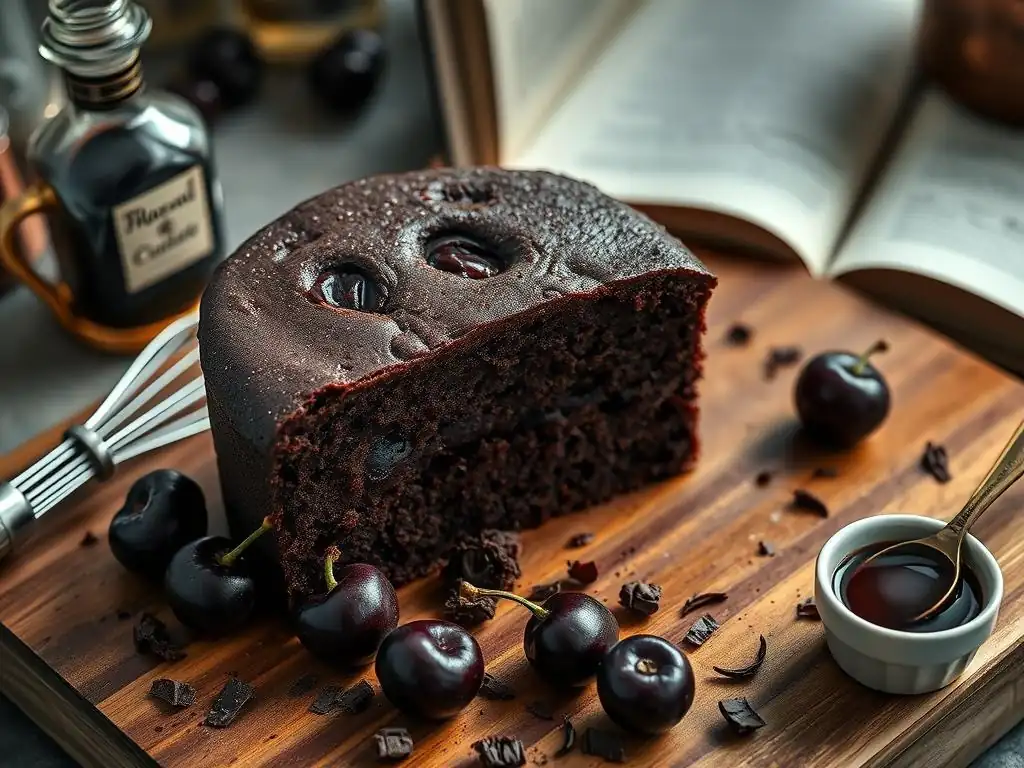
Mastering the art of baking with chocolate liqueurs involves a few key techniques to ensure the best results.
Measuring and Incorporating Liqueur into Your Batters
Accuracy in measuring is crucial when adding liquids to baking, including liqueurs. Use standard liquid measuring cups. For most recipes, especially cakes and muffins, the liqueur is best incorporated with the other wet ingredients (eggs, milk, oil/melted butter, vanilla extract). Whisk them together thoroughly before combining with the dry ingredients.
Start with a small amount, perhaps 2-3 tablespoons for a recipe serving 8-12 people. You can always add more in future attempts if you desire a stronger flavor. Adding too much liquid can upset the balance of the recipe, leading to a cake that's too dense or doesn't bake properly. If you're adding more than a few tablespoons, you might need to slightly reduce another liquid in the recipe to compensate, though for typical amounts used for flavor, this is often unnecessary in robust recipes like brownies or loaf cakes.
Adjusting Baking Times for Liqueur-Infused Recipes
Adding alcohol can slightly alter the baking time. Alcohol has a lower boiling point than water (around 173°F or 78°C), meaning it evaporates more quickly. This can sometimes lead to the edges of your baked goods setting faster than the center, or the overall bake time being slightly different.
Keep a close eye on your oven. Start checking for doneness a few minutes earlier than the original recipe suggests. Use the standard tests:
- For cakes/cupcakes: Insert a toothpick into the center; it should come out with moist crumbs, not wet batter.
- For brownies: A toothpick should come out with some fudgy crumbs attached (unless you prefer cakey brownies, in which case it should be cleaner).
Slight adjustments, maybe 2-5 minutes less or more baking time, might be needed. The goal is to ensure the center is cooked through without drying out the edges.
Avoiding Common Mistakes When Baking with Chocolate Liqueurs
Here are a few pitfalls to avoid:
- Adding too much liqueur: As mentioned, this can make your batter too wet and affect texture. Start small and increase gradually in future batches.
- Using a liqueur that clashes: Consider the flavor profile. A mint chocolate liqueur might not work well in a recipe designed for dark, intense chocolate flavor unless that's the intended result.
- Expecting a strong alcoholic kick: Most of the alcohol evaporates during baking, leaving behind the flavor compounds. The goal is flavor infusion, not adding potency.
- Not incorporating evenly: Ensure the liqueur is fully mixed into the wet ingredients or batter to distribute the flavor throughout the baked good.
- Using very old or expired liqueur: Liqueurs can lose flavor over time once opened. While they don't typically "go bad" in a harmful sense due to the alcohol and sugar content, their flavor can degrade, resulting in a less impactful taste in your baking.
[ ] Check liqueur expiration/quality
[ ] Measure liqueur accurately
[ ] Add liqueur to wet ingredients
[ ] Mix batter thoroughly
[ ] Monitor baking time closely
[ ] Test for doneness correctly
Chocolate Liqueur Baking: Troubleshooting and Solutions
Sometimes things don't go exactly as planned. Here's how to tackle common issues when baking with chocolate liqueurs.
Dealing with Excessive Moisture from Liqueurs
If you've added a bit too much liqueur, your batter might seem looser than usual, or your final product could be overly moist or even gummy. This is more likely with cream-based liqueurs or if you exceed the recommended 1/4-1/2 cup range for a standard recipe.
- Solution during mixing: If you notice the batter is too thin after adding the liqueur, you might be able to add a tiny bit more flour (e.g., 1-2 tablespoons) to absorb the extra liquid. Do this cautiously, as too much flour will make the baked good dry.
- Solution after baking: If the baked good is too moist or dense, ensure you baked it long enough. Sometimes, extra moisture simply requires a slightly longer bake time at the specified temperature. If it's already baked and still too moist, consider if it was underbaked. For future attempts, reduce the liqueur quantity or slightly increase dry ingredients.
Remember that some recipes, like fudgy brownies, are designed to be very moist, so assess if the texture is truly "wrong" or just very rich.
Balancing Liqueur Flavors in Your Baked Goods
Sometimes the liqueur flavor can be too strong, too weak, or simply not balanced with the chocolate.
- Too strong: You might have used too much liqueur, or the liqueur itself has a very intense flavor. For the current batch, serving with a neutral element like unsweetened whipped cream can help balance the taste. For future batches, reduce the amount of liqueur by 1-2 tablespoons.
- Too weak: You likely didn't add enough liqueur, or the liqueur's flavor was too subtle for the amount of chocolate used. For the current batch, consider making a liqueur-infused glaze or simple syrup to brush on the cooled baked good. For future batches, increase the liqueur amount by 1-2 tablespoons.
- Flavor clash: The liqueur's flavor profile might not complement the specific chocolate or other ingredients. Review the flavor pairing suggestions above. Did you use a cream liqueur where a non-cream might have been better? Did the liqueur have competing flavors (e.g., mint vs. orange)? Make a note for your next baking session to choose a more harmonious liqueur.
Preventing Liqueur Flavor Loss During Baking
While some alcohol flavor is expected to evaporate, you want to retain the desired notes.
- Avoid overbaking: The longer something bakes, especially at high temperatures, the more volatile flavor compounds (including those from the liqueur) can dissipate. Bake only until done.
- Consider adding liqueur post-bake: For maximum flavor impact, incorporate liqueur into components that aren't baked, such as:
- Simple syrups brushed onto cooled cake layers.
- Ganaches, frostings, or glazes.
- Fillings or mousses added after baking.
- A drizzle over the finished dessert.
- Use robust liqueurs: Some liqueur flavors hold up better to heat than others. Liqueurs with strong base flavors like coffee or dark chocolate may retain more flavor than very delicate or creamy ones when baked directly into a batter.
Adding liqueur to a frosting or glaze is an easy win for intense flavor without worrying about bake-off.
Beyond Cakes and Brownies: Creative Chocolate Liqueur Baking Ideas
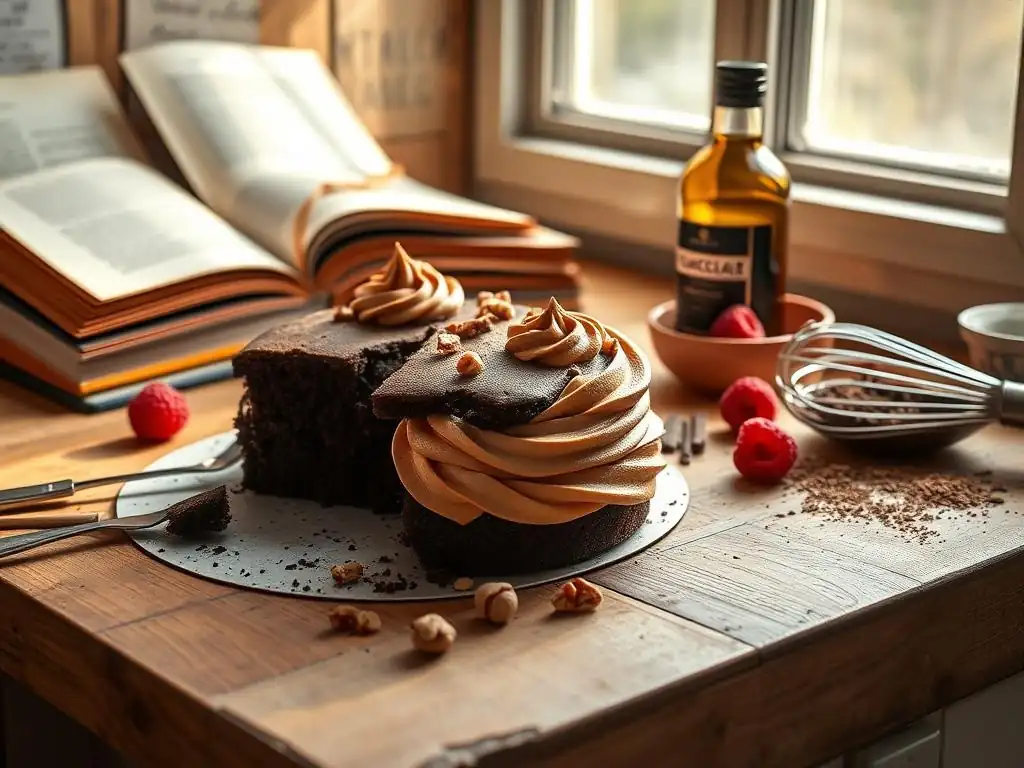
Chocolate liqueur isn't just for cakes and brownies. Get creative and explore its potential in other baked goods and desserts.
Cookies and bars offer a fantastic canvas for chocolate liqueur.
- Chocolate Chip Cookies: Replace 1-2 tablespoons of vanilla extract with a chocolate liqueur or a complementary liqueur like Frangelico or coffee liqueur. This adds depth to the classic cookie flavor.
- Shortbread: Add 1-2 tablespoons of a rich, non-cream chocolate liqueur to a chocolate shortbread dough. The low moisture content of shortbread means you need to be precise, but the result is a crumbly cookie with a sophisticated chocolate depth.
- Chocolate Pecan Bars: Incorporate a splash of chocolate liqueur into the gooey pecan filling, similar to how bourbon or rum is sometimes used. This enhances the richness and adds a subtle background note.
For cookies, the amount of liqueur will be smaller than in cakes due to less overall liquid in the dough, typically 1-3 tablespoons for a batch yielding 2-3 dozen cookies.
Chocolate Liqueur in Mousse and Puddings
Mousses and puddings are no-bake (or partially baked, like baked custards) desserts where liqueur flavor truly shines, as there's no significant heat to evaporate the alcohol and flavor compounds.
- Chocolate Mousse: Fold 2-4 tablespoons of a high-quality chocolate liqueur into your cooled chocolate base before incorporating whipped cream or meringue. This is a classic application found in many gourmet mousse recipes. A dark chocolate liqueur or a chocolate cream liqueur works wonderfully.
- Chocolate Pudding/Pots de Crème: Whisk 1-3 tablespoons of liqueur into the warm pudding base after it's thickened but before chilling. This infuses the entire pudding with flavor. Consider a coffee liqueur for a mocha pudding or a mint chocolate liqueur for a festive twist.
The amount used can be slightly higher in no-bake applications compared to baked goods, as you don't lose flavor to evaporation, but start conservatively (1-2 tablespoons per 2-3 cups of base) and adjust to your preference.
Chocolate Liqueur in Frostings and Glazes
This is arguably one of the easiest and most impactful ways to use chocolate liqueur for maximum flavor retention.
- Buttercream Frosting: Substitute 1-3 tablespoons of the liquid (milk, cream, or water) in your buttercream recipe with chocolate liqueur. Whisk it in gradually until you reach the desired consistency and flavor. A chocolate cream liqueur adds richness, while a non-cream liqueur adds intense chocolate flavor without extra fat.
- Powdered Sugar Glaze: Whisk powdered sugar with a liquid (milk, water, or melted butter) until smooth. Substitute some or all of the liquid with chocolate liqueur for a simple, flavorful glaze perfect for drizzling over cakes, brownies, or cookies. The ratio is typically about 1 cup powdered sugar to 1-3 tablespoons liqueur.
- Ganache: As mentioned earlier, whisking liqueur into warm ganache is a fantastic way to add flavor. Use 2-4 tablespoons per cup of chocolate used in the ganache recipe.
Using liqueur in frostings and glazes ensures the flavor is prominent on the surface of your baked good, providing an immediate flavor hit.
Storing and Serving Chocolate Liqueur Baked Goods
Proper storage helps maintain the flavor and texture of your liqueur-infused creations.
Best Practices for Maintaining Freshness and Flavor
- Airtight Container: Store baked goods in an airtight container at room temperature for 2-3 days. If the liqueur is cream-based or the filling/frosting contains dairy, refrigeration is necessary, typically extending freshness to 5-7 days.
- Refrigeration: For items requiring refrigeration (like those with cream cheese frosting or dairy fillings), store them in an airtight container to prevent them from drying out and absorbing odors from the fridge.
- Freezing: Most cakes, brownies, and cookies made with liqueur can be frozen for 2-3 months. Wrap them tightly in plastic wrap, then place in a freezer bag or airtight container. Thaw overnight in the refrigerator or at room temperature. Note that while the baked good freezes well, delicate mousses or certain frostings might change texture upon freezing and thawing.
Be mindful of cream-based liqueurs, as their presence might slightly reduce the shelf life compared to baked goods made without dairy or alcohol.
Serving Suggestions and Garnishing Ideas
Elevate your chocolate liqueur baked goods with thoughtful serving and garnishing.
- Temperature: Serve cakes and brownies at room temperature for the best flavor and texture. Refrigerated items should be allowed to sit out for 20-30 minutes before serving.
- Garnishes:
- A dusting of cocoa powder or powdered sugar.
- Chocolate shavings or curls.
- Fresh berries (raspberries, strawberries) which pair well with chocolate.
- A dollop of unsweetened or lightly sweetened whipped cream.
- Toasted nuts (hazelnuts, pecans) if the liqueur pairing is nutty.
- A small drizzle of complementary sauce, perhaps a caramel or berry coulis.
- For an extra flourish, lightly brush the top of a cooled cake or brownie with a tiny bit more of the same liqueur just before serving.
Serving these treats slightly warm (especially brownies) can intensify the chocolate and liqueur aromas.
Mastering the Art of Chocolate Liqueur Baking: Conclusion
Incorporating chocolate liqueurs into your baking is a simple yet effective way to add depth, complexity, and sophistication to your favorite chocolate desserts. From easy chocolate liqueur baking recipes like enhanced brownie mixes to advanced layered cakes, the possibilities are vast and delicious. By understanding the different types of liqueurs, practicing proper techniques, and experimenting with flavor pairings, you can unlock a new level of flavor in your kitchen.
Remember to start small, pay attention to how the liqueur affects your batter and baking time, and most importantly, have fun exploring the rich world of chocolate liqueur baking recipes easy enough for anyone to try. Your friends and family will surely appreciate the extra touch of flavor you've added to your baked goods. Happy baking!
Frequently Asked Questions
What exactly is chocolate liqueur and how does it enhance baking?
Chocolate liqueur is a sweet, chocolate-flavored alcoholic beverage that adds a rich, complex flavor profile to baked goods. It enhances baking by providing both chocolate notes and a subtle boozy warmth.
Can I substitute chocolate liqueur with something else if I don't have it on hand?
Yes, you can substitute it! A good option is chocolate extract combined with a small amount of rum or brandy, or even a strong coffee. However, the flavor won't be quite the same.
Are there specific types of baked goods that benefit most from chocolate liqueur?
Chocolate liqueur works wonderfully in a variety of treats, especially chocolate cakes, brownies, and truffles. It also adds a delightful twist to chocolate ganache and frosting recipes.
How much chocolate liqueur should I typically add to a baking recipe?
The amount depends on the recipe, but generally, start with 1-2 tablespoons per batch of cookies or cake. Be careful not to add too much, as it can affect the texture and add excessive moisture.
Will baking with chocolate liqueur make my desserts alcoholic?
While chocolate liqueur contains alcohol, most of it evaporates during the baking process. The resulting dessert will have a hint of the liqueur's flavor, but it will generally not be considered alcoholic.
Final Reflection: The Enduring Allure of Chocolate Liqueur in Baking
The subtle complexity of chocolate liqueur elevates baking from a simple act to a sophisticated art, a fact increasingly appreciated by home bakers seeking to create truly memorable desserts. The ease of incorporating these liqueurs, coupled with their ability to dramatically enhance flavor profiles, makes them a perfect ingredient for both novice and experienced bakers alike. This accessibility, combined with the rich depth they add, ensures their continued popularity in the culinary world.
The journey through various chocolate liqueur recipes highlighted the transformative power of this ingredient. It's not just about adding sweetness; it's about layering nuanced notes of cocoa, vanilla, and often a hint of spice, creating a symphony of flavors that dance on the palate. The best things in life are simple, but not easy.
This quote, while not directly about baking, perfectly encapsulates the experience of working with chocolate liqueurs: the process might require a little finesse, but the results are undeniably rewarding and deeply satisfying.
Now, I invite you to explore the world of chocolate liqueur baking. Don't be afraid to experiment, to adjust recipes to your own taste, and to discover the unique magic that each liqueur brings to your creations. The next time you're looking to elevate a simple cake or cookie, remember the power of a well-chosen chocolate liqueur – it's the secret ingredient to unlocking truly exceptional desserts. Let the rich aroma and exquisite taste inspire your next baking adventure!
Unleash Your Inner Chocolatier!
Thanks for joining us on this delicious journey into the world of baking with chocolate liqueurs! We hope you’ve discovered exciting new ways to elevate your baking game. Ready to put your newfound knowledge to the test?
- Craft your signature chocolate liqueur creation: Think outside the box! Experiment with different liqueur types and recipes to find your perfect blend. Don't be afraid to get creative!
- Share your masterpiece (and the recipe!): Tag us on social media and show off your decadent creations. Let's build a community of chocolate-loving bakers!
- Explore our other flavor-focused guides: Discover more unique ingredient combinations and expand your baking repertoire with our extensive library of recipes and tips.
What unexpected flavor combination will you try next to surprise your taste buds?