
Understanding Flour Types for Tender Sweet Roll Crumbs

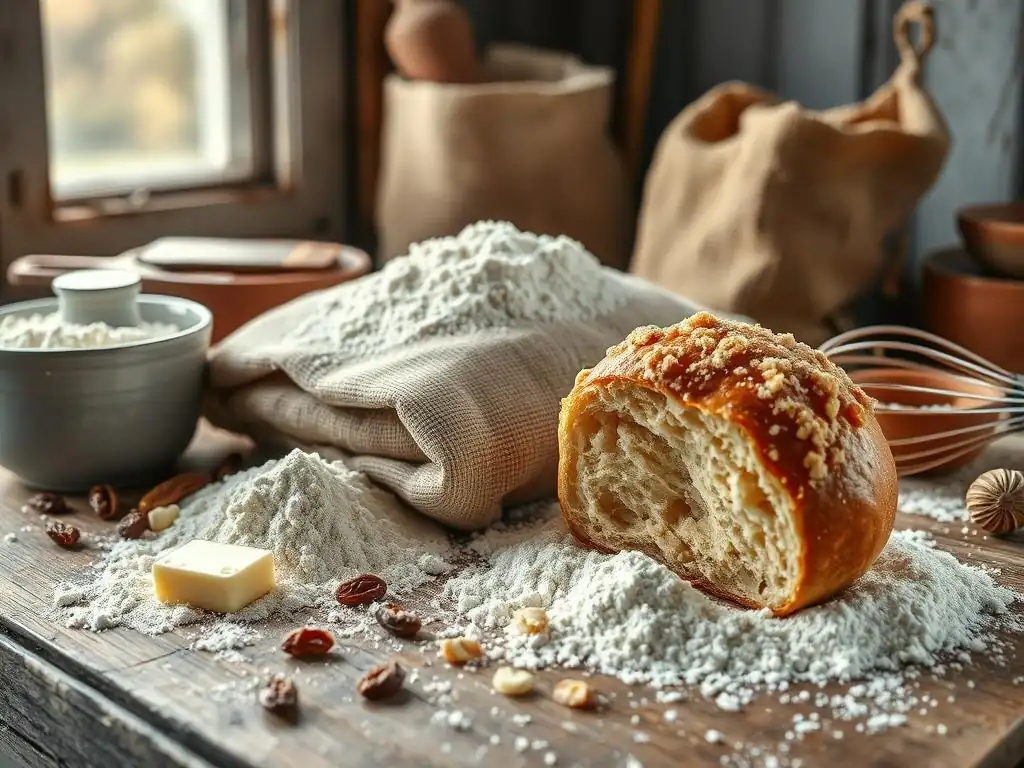
Welcome to BakeWithEase, where baking becomes a joy, not a chore! Ever wondered if your sweet rolls could be even more tender and delicious? Dive into our latest guide, " Understanding Flour Types for Tender Sweet Roll Crumbs," and unlock the secret to that perfect, melt-in-your-mouth texture. Discover which flour will elevate your baking and leave your family begging for more. Ready to bake the best sweet rolls of your life? Let's get started!
- Introduction to Flour and Sweet Roll Texture: BakeWithEase's Guide
- The Essential Flour Types for Baking Delicious Sweet Rolls
- Comparing Flour Types for Sweet Roll Baking: A Side-by-Side Analysis
- Adjusting Sweet Roll Recipes Based on Flour Type
- Expert Tips for Choosing the Right Flour for Your Sweet Rolls
- Troubleshooting Sweet Roll Dough Issues Based on Flour
- Conclusion: Mastering Flour Selection for Exceptional Sweet Rolls
-
Frequently Asked Questions
- What is the best type of flour to use for making sweet rolls?
- Can I use all-purpose flour instead of bread flour for sweet rolls?
- Why is gluten content important when choosing flour for sweet rolls?
- What other types of flour can be combined with bread flour for sweet rolls?
- How does the type of flour affect the final texture of sweet rolls?
- Final Reflection: The Sweet Science of Flour and the Perfect Crumb
- Unleash Your Inner Baker: Perfect Sweet Roll Crumbs Await!
Introduction to Flour and Sweet Roll Texture: BakeWithEase's Guide
Why Flour Choice Matters for Sweet Roll Success
Choosing the right flour is perhaps the most critical decision you'll make when aiming for perfect sweet rolls. The type of flour you select directly impacts the structure, tenderness, and overall mouthfeel of your final bake. Flour isn't just a filler; it's the foundation that determines whether your sweet rolls are light and airy, soft and tender, or perhaps a bit too dense or tough. Understanding the fundamental differences between various flour types for sweet rolls is the first step towards achieving bakery-quality results at home.
Different flours contain varying amounts of protein, specifically gluten-forming proteins. When mixed with liquid and kneaded, these proteins develop into a network called gluten, which provides structure and elasticity to dough. For sweet rolls, you typically want a balance – enough structure to hold the shape and rise, but not so much that the crumb becomes tough or overly chewy. The protein content of the flour dictates how strong that gluten network will be, making the selection of the correct flour types for sweet rolls absolutely essential for controlling texture.
Achieving the Perfect Sweet Roll Crumb: A Flour Deep Dive
The crumb of a sweet roll refers to its interior texture – how open or dense it is, and how it feels when you bite into it. A desirable sweet roll crumb is often described as soft, tender, and moist, easily pulling apart without being gummy or dry. This ideal texture is heavily influenced by the type of flour used. Flours with lower protein content tend to produce a more tender crumb because they develop less gluten, resulting in a softer structure.
Conversely, flours with higher protein content create a stronger gluten network, leading to a chewier crumb. While chewiness can be desirable in some breads, for most sweet rolls, the focus is on tenderness. Therefore, understanding the protein levels and characteristics of different flour types for sweet rolls allows you to manipulate the dough's structure and achieve that coveted delicate interior. We'll explore how common flour types stack up and how they contribute to the final sweet roll crumb.
The Essential Flour Types for Baking Delicious Sweet Rolls
All-Purpose Flour: A Versatile Option for Sweet Rolls?
All-purpose flour, as its name suggests, is a general-use flour found in most kitchens. It's milled from a blend of hard and soft wheat, giving it a moderate protein content, typically ranging from 10% to 12%. This makes it adaptable for a wide range of baking applications, including many sweet roll recipes. Its versatility comes from its ability to develop a moderate amount of gluten, providing enough structure for doughs like those used for sweet rolls, while still allowing for some tenderness, depending on how it's handled.
While all-purpose flour is a common choice for sweet rolls due to its availability and ease of use, it might not always yield the most tender results straight out of the bag. Its protein level is higher than flours specifically designed for cakes or pastries, meaning it has the potential to develop a stronger gluten network if overmixed or over-kneaded. However, with careful technique and potentially some minor recipe adjustments, all-purpose flour can certainly produce delicious sweet rolls, making it a reliable starting point for many bakers exploring different flour types for sweet rolls.
Pros and Cons of Using All-Purpose Flour in Sweet Rolls
One of the biggest advantages of using all-purpose flour for sweet rolls is its accessibility. It's readily available in nearly every grocery store and is often the most economical option. Its moderate protein level means it's forgiving for beginner bakers; it can handle a bit of kneading without instantly becoming tough, unlike bread flour, but it still provides enough structure to ensure your sweet rolls rise and hold their shape during baking. For many standard sweet roll recipes, AP flour works perfectly well and produces a satisfactory result.
However, the main drawback is that achieving that exceptionally soft, melt-in-your-mouth tender crumb often requires a flour with lower protein. All-purpose flour's protein content (around 10-12%) is higher than ideal for maximum tenderness. This means that sweet rolls made solely with AP flour can sometimes lean towards being slightly chewier or less delicate than those made with pastry or cake flour. While still delicious, they might lack that ultimate level of softness that some bakers strive for in their sweet rolls.
Tips for Optimizing All-Purpose Flour for Sweet Roll Dough
To achieve a more tender sweet roll using all-purpose flour, you can employ a few simple techniques. Firstly, be mindful of your mixing and kneading. Avoid overworking the dough, as this develops excessive gluten. Knead just until the dough is smooth and elastic enough to pass the windowpane test (stretching a small piece thin enough to see light through it without tearing), but no further. Some recipes suggest using a stand mixer on medium-low speed for only 5-7 minutes, or kneading by hand for 8-10 minutes, which is often sufficient for AP flour.
Secondly, consider incorporating ingredients that inhibit gluten development or add moisture and richness. Adding fat like butter or oil, or enriching the dough with egg yolks or milk, helps tenderize the crumb. For example, increasing the butter slightly in a recipe or swapping some water for milk can significantly improve softness when using all-purpose flour for sweet rolls. Some bakers also suggest adding a small amount of a tenderizing agent like potato flour or vital wheat gluten (counter-intuitively, a tiny amount can help AP flour perform more like bread flour if that's desired, but for tenderness, focus on fat/enrichment).
Bread Flour: Enhancing Gluten Development in Sweet Rolls
Bread flour is specifically milled from hard wheat and boasts a higher protein content than all-purpose flour, typically ranging from 12% to 14% or even higher. This elevated protein level means it has a greater capacity to form a strong, elastic gluten network when hydrated and kneaded. This strength is highly desirable in rustic loaves and chewy bagels, providing the structure needed for significant oven spring and a satisfying chew.
When considering bread flour for sweet rolls, its high gluten potential is both a feature and a challenge. While it provides excellent structure and ensures the rolls hold their shape beautifully during proofing and baking, it also naturally leads to a chewier crumb. For bakers who prefer a sweet roll with a bit more bite and resilience, similar to some traditional European pastries or enriched breads, bread flour can be an excellent choice. Understanding its gluten-forming power is key to successfully incorporating this type of flour into sweet roll recipes.
The Role of Protein Content in Bread Flour for Sweet Rolls
The high protein content in bread flour is directly responsible for the vigorous gluten development it facilitates. When you mix bread flour with liquid, the gliadin and glutenin proteins begin to bond. Kneading strengthens these bonds, creating a robust, stretchy matrix that traps the carbon dioxide produced by yeast. This trapped gas causes the dough to rise significantly, resulting in well-aerated sweet rolls with a strong structure.
For sweet rolls, this strong structure translates to a chewier texture. A high-protein flour like bread flour (12-14% protein) will produce a much chewier crumb than a low-protein flour like cake flour (6-8% protein). If your goal is a very soft, tender sweet roll, using 100% bread flour might not be the best approach. However, if you enjoy a sweet roll with a bit of chewiness to complement a rich filling, or if your recipe is heavily enriched and needs the extra structure to rise, bread flour can provide the necessary backbone.
Achieving a Chewy Texture with Bread Flour in Sweet Rolls
To maximize the chewy texture that bread flour offers in sweet rolls, ensure adequate kneading. The high protein content requires more extensive kneading than lower-protein flours to fully develop the gluten network. Using a stand mixer with a dough hook for 8-12 minutes on medium speed is often necessary to achieve optimal development. The dough should become very smooth, elastic, and pass the windowpane test easily, indicating a well-developed gluten structure.
Hydration also plays a role. Bread flour absorbs more liquid than lower-protein flours, so you might need to increase the liquid slightly in your sweet roll recipe when substituting bread flour for all-purpose.
A typical hydration level for bread dough is often 65-70% (water weight relative to flour weight), and while sweet roll doughs are richer and often less hydrated than lean bread doughs, using enough liquid to allow the gluten to fully hydrate is crucial for developing that desirable chewiness. Resting periods between kneading and shaping also allow the gluten to relax, which can help manage the chewiness slightly, but the fundamental characteristic of bread flour is its propensity for chew.
Pastry Flour: Creating Soft and Tender Sweet Rolls
Pastry flour is milled from soft wheat and has a significantly lower protein content than all-purpose or bread flour, typically ranging from 8% to 10%. This lower protein level means it forms less gluten when mixed with liquid. The result is a flour that produces baked goods with a very tender, delicate, and crumbly texture, making it ideal for pastries, pie crusts, biscuits, and yes, wonderfully soft sweet rolls.
Using pastry flour for sweet rolls is a direct route to achieving a tender crumb. Because less gluten develops, the dough is less elastic and strong, leading to a softer structure in the final product. While it might require gentler handling compared to doughs made with higher-protein flours, the outcome is often a sweet roll that is exceptionally soft and melts in your mouth. It's one of the go-to flour types for sweet rolls when tenderness is the top priority.
Understanding the Low Protein Content of Pastry Flour
The defining characteristic of pastry flour is its low protein percentage, typically 8-10%. This is lower than all-purpose flour (10-12%) and considerably lower than bread flour (12-14%+). These proteins are the building blocks of gluten. With fewer building blocks available, the gluten network that forms is weaker and less extensive. This reduced gluten development is key to the tender texture pastry flour imparts to baked goods.
In the context of sweet rolls, this means the dough will be less elastic and may feel less 'springy' during kneading compared to dough made with higher protein flours. It requires less mixing to reach its optimal development, as overmixing can still toughen it slightly, but the window for over-development is much narrower. The goal when working with pastry flour for sweet rolls is to develop just enough structure to hold the dough together and allow it to rise, without creating significant chewiness.
How Pastry Flour Contributes to a Delicate Sweet Roll Crumb
Pastry flour creates a delicate sweet roll crumb primarily because of its limited gluten formation. The weaker gluten network results in a softer internal structure. Additionally, pastry flour has a higher proportion of starch compared to high-protein flours. Starch absorbs moisture and contributes to the softness and moistness of baked goods. During baking, the starch gelatinizes, helping to set the structure while keeping the crumb tender.
Recipes specifically designed for pastry flour might also use slightly different hydration levels or mixing techniques to account for its characteristics. When using pastry flour for sweet rolls, you can expect a less chewy, more tender, and potentially more crumbly texture than if you used all-purpose or bread flour. If your ideal sweet roll is one that is incredibly soft and pulls apart easily with minimal resistance, pastry flour is a strong contender for achieving that specific texture.
Cake Flour: For Exceptionally Soft Sweet Rolls
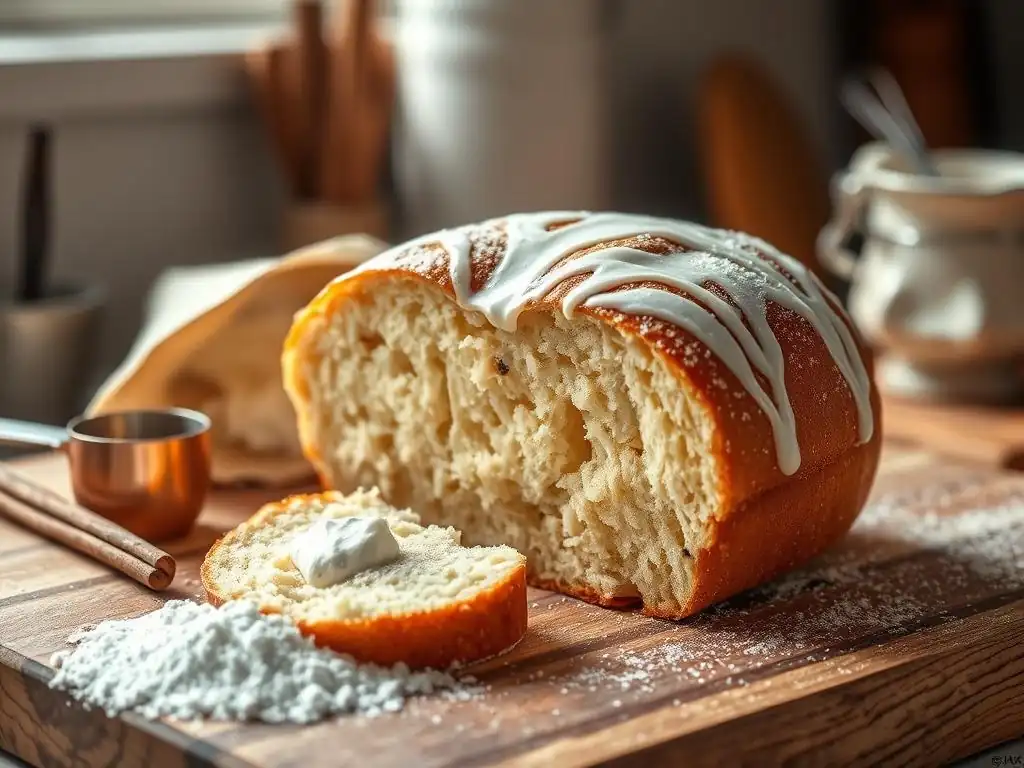
Cake flour is the softest wheat flour available, boasting the lowest protein content, usually between 6% and 8%. It is also typically bleached, which further weakens the protein and alters the starch, allowing it to absorb more liquid and sugar. This unique combination of low protein and altered starch makes cake flour the champion of creating incredibly soft, light, and airy baked goods with a fine, delicate crumb – hence its name and primary use.
While traditionally used for cakes and some cookies, cake flour can be incorporated into sweet roll recipes to achieve an unparalleled level of tenderness. Using 100% cake flour might result in a dough that is too fragile and lacks sufficient structure for a typical sweet roll rise, but blending it with other flours can produce a dough that rises well yet yields an exceptionally soft crumb. Exploring cake flour is essential for bakers seeking the ultimate in sweet roll softness and tenderness.
Achieving a Light and Airy Texture with Cake Flour
The extremely low protein content (6-8%) of cake flour is the primary reason it produces such light and airy textures. With minimal gluten development, the dough remains tender and delicate. The bleaching process specific to cake flour also plays a role; it changes the structure of the starch molecules, making them more efficient at absorbing liquid and sugar. This increased absorption helps keep the cake flour baked goods moist and contributes to their soft texture.
When used in sweet rolls, this translates to a crumb that is incredibly fine, soft, and almost melt-in-your-mouth. Compared to pastry flour (8-10% protein), cake flour will yield an even more tender result. However, this extreme softness comes at the cost of structure. A dough made solely with cake flour might be very sticky, difficult to handle, and might not develop enough strength to support a significant rise, potentially leading to flatter, denser sweet rolls despite the tender crumb.
Combining Cake Flour with Other Flours for Sweet Roll Perfection
To harness the tenderizing power of cake flour while maintaining sufficient structure for sweet rolls, it's often best used in combination with flours that have slightly higher protein content, such as all-purpose or even bread flour. A common strategy is to substitute a portion of the all-purpose flour in a standard sweet roll recipe with cake flour. For example, you might replace 1/4 to 1/2 of the all-purpose flour with cake flour.
This blending technique allows you to achieve a balance: the higher-protein flour provides the necessary gluten structure for rising and shaping, while the cake flour contributes its low-protein tenderness and fine crumb characteristics. Experimenting with different ratios of cake flour to all-purpose or bread flour (e.g., a 50/50 mix of AP and Cake, or 75% AP and 25% Cake) is key to finding the perfect balance for your desired sweet roll texture. This is a popular method used by many bakers aiming for super soft sweet rolls.
00 Flour: The Secret to Italian Sweet Roll Dough?
"00" flour, often called "doppio zero," is an Italian classification based on how finely the flour is milled, not necessarily its protein content. It is milled to a very fine, almost powdery texture. While the protein content can vary depending on whether it's made from soft wheat (like Tipo 00 for pastries, around 8-10% protein) or hard wheat (like Tipo 00 for pasta or pizza, often 12-14% protein), the fine granulation is its defining characteristic. For sweet rolls, you'd likely want a 00 flour milled from soft wheat for tenderness.
The incredibly fine texture of 00 flour means it absorbs liquid very quickly and evenly. When made from soft wheat, its protein content is often comparable to pastry flour (8-10%), leading to tender results. The fine milling contributes to a smooth, silky dough that is easy to work with. While not traditionally associated with American-style sweet rolls, 00 flour is used in various Italian sweet doughs and pastries, and its unique properties can offer interesting possibilities for achieving a specific texture in your sweet rolls.
Exploring the Fineness of 00 Flour for Sweet Rolls
The most notable aspect of 00 flour is its extreme fineness. It feels significantly silkier and less granular than all-purpose or bread flour. This fine particle size allows the flour to hydrate very rapidly and uniformly when mixed with liquid. This can lead to a smooth, cohesive dough forming relatively quickly, even with minimal mixing. For sweet rolls, a dough made with 00 flour might feel exceptionally pliable and easy to handle, assuming the hydration is correctly adjusted.
However, this rapid absorption also means the dough can become sticky if over-hydrated or if liquid is added too quickly. It requires careful attention during the mixing process to ensure the right consistency. While the fineness itself doesn't directly impact gluten potential (that's determined by protein), it influences how the gluten network develops by affecting hydration speed. This unique interaction between fineness, hydration, and protein content (if using a soft wheat 00) contributes to the specific texture achieved with this type of flour in sweet rolls.
How 00 Flour Affects the Sweet Roll's Texture and Flavor
When using a soft wheat 00 flour (8-10% protein) for sweet rolls, the texture tends to be very tender and soft, similar to results obtained with pastry flour, but often with a slightly finer, more delicate crumb structure due to the milling. The dough's smooth quality translates into a very smooth-textured baked good. Because the protein content is low, the gluten development is limited, preventing excessive chewiness and promoting tenderness.
In terms of flavor, 00 flour is typically made from refined wheat, resulting in a very neutral taste that allows the other flavors in the sweet roll (like cinnamon, sugar, butter, and fillings) to shine through. It doesn't impart a strong wheaty flavor like some less refined flours might. While less common in typical American sweet roll recipes, 00 flour can be a fascinating option for bakers looking to experiment with different flour types for sweet rolls and achieve a particularly fine, soft, and delicate crumb structure, perhaps inspired by Italian pastry techniques.
Comparing Flour Types for Sweet Roll Baking: A Side-by-Side Analysis
Gluten Strength and Sweet Roll Texture: A Flour Comparison Chart
Understanding how the protein content of different flours translates to gluten strength is crucial for predicting the final texture of your sweet rolls. Let's look at how common flour types compare in terms of protein and their typical impact on sweet roll texture:
- Cake Flour (6-8% Protein): Lowest protein, weakest gluten. Results in an exceptionally soft, tender, fine, and delicate crumb. Minimal chewiness.
- Pastry Flour (8-10% Protein): Low protein, weak gluten. Produces a soft, tender, and slightly crumbly texture. Low chewiness.
- All-Purpose Flour (10-12% Protein): Moderate protein, moderate gluten. Offers versatility; can result in a reasonably soft crumb with careful handling, but has the potential for more chewiness if overmixed.
- Bread Flour (12-14%+ Protein): High protein, strong gluten. Creates a chewy, resilient texture and a more open crumb structure. High chewiness.
- Soft Wheat 00 Flour (8-10% Protein): Similar protein to pastry flour, but very fine milling. Results in a very tender, soft, and typically fine-grained crumb. Low chewiness.
As you can see, there's a clear relationship: lower protein equals weaker gluten and a more tender, less chewy sweet roll. Higher protein equals stronger gluten and a chewier, more structured sweet roll.
Flour Absorption Rates and Sweet Roll Dough Hydration
Different flour types for sweet rolls absorb liquid at varying rates due to differences in protein and starch content, as well as particle size (fineness of milling). Generally, flours with higher protein content absorb more water. Bread flour, with its high protein, can typically absorb 65-70% or more of its weight in water (relative to flour weight) to form a workable dough, although sweet roll doughs are often lower hydration due to added fats and sugars. All-purpose flour usually absorbs slightly less, perhaps 60-65%.
Lower protein flours like pastry and cake flour absorb less water overall for a given dough consistency, though cake flour's treated starch allows it to hold more liquid relative to its protein content. The fine milling of 00 flour, even at lower protein, causes it to absorb water very quickly.
When substituting one flour for another in a sweet roll recipe, you will almost certainly need to adjust the amount of liquid. Starting with slightly less liquid than the recipe calls for and adding more gradually until the dough reaches the correct consistency is a wise approach when switching flour types for sweet rolls, especially to higher-absorption flours.
Flavor Profiles of Different Flours in Sweet Rolls
While the primary impact of different flour types for sweet rolls is on texture, they can also subtly influence flavor. Most refined white flours (all-purpose, bread, pastry, cake, 00) have a relatively neutral flavor compared to whole wheat or other whole-grain flours. They provide a clean base that allows the rich, sweet flavors of the fillings and enrichments in sweet rolls to dominate.
However, there can be subtle differences. Some bakers detect a slightly sweeter or more "wheaty" note in flours with higher protein or those less refined. Bleached flours (like most cake flour) might have a slightly different, sometimes described as milder, flavor profile than unbleached flours. Ultimately, in a sweet roll packed with butter, sugar, cinnamon, and glaze, the flavor contribution of the refined flour itself is usually minimal compared to its impact on texture. The choice of flour type for sweet rolls is overwhelmingly about achieving the desired crumb.
Adjusting Sweet Roll Recipes Based on Flour Type
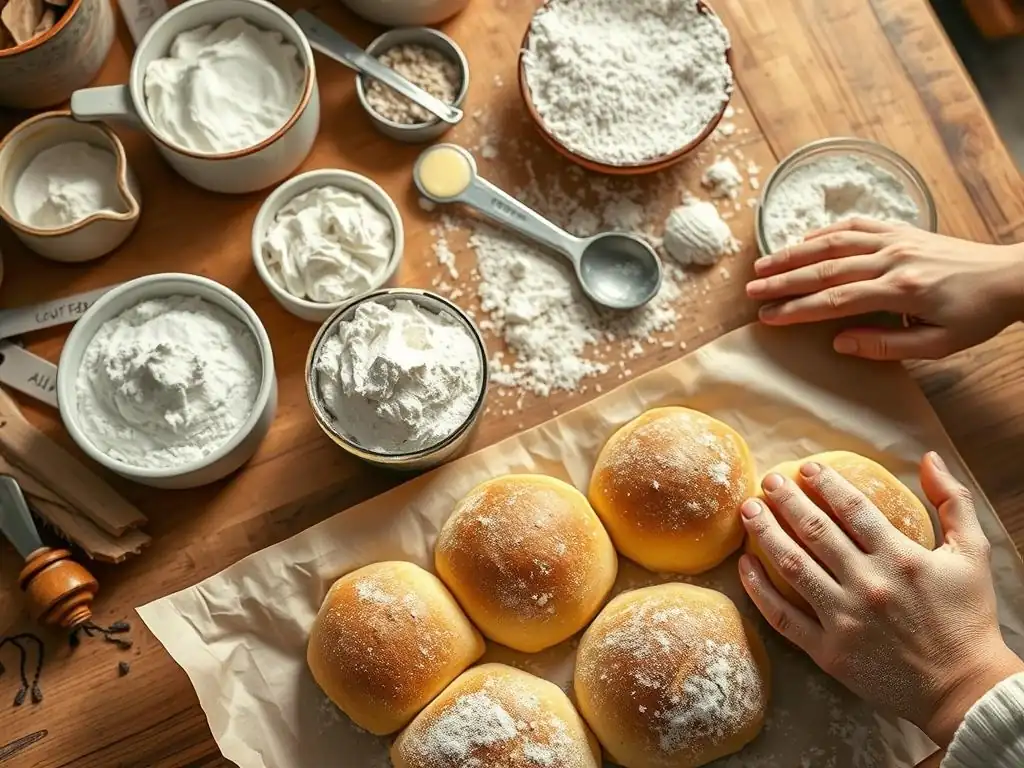
Hydration Adjustments for Different Flours
As discussed, flour types for sweet rolls absorb different amounts of liquid. When substituting flours, you'll need to adjust the hydration (the ratio of liquid to flour). If you are substituting a higher-protein flour (like bread flour) for a lower-protein flour (like AP or pastry), you will likely need to increase the amount of liquid in the recipe. Start by adding 5-10% more liquid relative to the flour weight and adjust as needed during mixing. The dough should feel soft but not overly sticky.
Conversely, if you are substituting a lower-protein flour (like pastry or cake flour) for a higher-protein flour (like AP or bread), you will need to decrease the amount of liquid. Start by reducing the liquid by 5-10% and add more only if the dough feels too dry.
Cake flour, despite its low protein, can hold a surprising amount of liquid due to starch modification, but still requires less overall liquid than bread flour to achieve a similar dough consistency. The goal is always a dough that is pliable, easy to handle, and not too stiff or too wet for sweet roll shaping.
Kneading Techniques for Optimal Gluten Development (Specific to Flour Type)
The amount and intensity of kneading required depend heavily on the flour type used for sweet rolls. High-protein flours like bread flour require significant kneading (often 8-12 minutes in a stand mixer) to develop their full gluten potential, necessary for structure and chewiness. All-purpose flour needs moderate kneading (5-8 minutes in a mixer) to develop sufficient structure without becoming overly tough.
Lower-protein flours such as pastry and cake flour require minimal kneading. Overworking these flours will quickly result in a tough product despite their low protein. Kneading should be just enough to bring the dough together and create a smooth surface, typically only 2-4 minutes in a stand mixer or gentle hand kneading until combined.
Soft wheat 00 flour, due to its fineness, hydrates quickly and requires less kneading than AP or bread flour, similar to pastry flour, to avoid over-developing the limited gluten. Pay attention to the dough's feel rather than sticking strictly to time – it should be smooth and elastic, but not overly resistant or tough.
Baking Time and Temperature Considerations Based on Flour Choice
While flour type primarily affects dough handling and texture, it can also have minor impacts on baking time and temperature. Doughs made with higher-protein flours like bread flour tend to be more robust and might require a slightly longer baking time to fully cook through and achieve a golden-brown color compared to very tender doughs. This is because the denser structure and potentially higher hydration require more time for heat to penetrate and cook the interior.
Conversely, sweet rolls made with lower-protein flours like pastry or cake flour might bake slightly faster or require a slightly lower temperature to prevent over-browning before the interior is set. The delicate structure is more prone to drying out if exposed to high heat for too long. Always rely on visual cues (golden brown color, internal temperature around 190-200°F or 88-93°C) rather than just time, but be aware that your flour choice might necessitate minor adjustments to your usual sweet roll baking routine.
Expert Tips for Choosing the Right Flour for Your Sweet Rolls
Considering Your Desired Sweet Roll Texture: Soft, Chewy, or Tender
The first and most important step in choosing the right flour types for sweet rolls is to define your texture goal. What kind of sweet roll are you trying to make?
- For a Soft and Tender Crumb: Lean towards lower-protein flours like pastry flour or a blend of all-purpose and cake flour. These flours minimize gluten development, resulting in a delicate, melt-in-your-mouth texture.
- For a Balanced, Moderately Soft Crumb: All-purpose flour is a good starting point. It provides enough structure for a good rise while still allowing for a relatively soft texture if handled correctly and enriched generously.
- For a Chewier Crumb with Good Structure: Consider using bread flour, either alone or blended with all-purpose. The higher protein will create a stronger, more elastic dough and a chewier finished sweet roll.
Your desired texture should be the primary driver for selecting among the various flour types for sweet rolls.
Experimenting with Flour Blends for Unique Sweet Roll Results
Don't feel limited to using just one type of flour! Blending different flour types for sweet rolls is an excellent way to fine-tune the texture and achieve unique results. For example, combining all-purpose flour with a percentage of cake or pastry flour (e.g., 75% AP / 25% Cake) can give you a dough that handles relatively easily (thanks to the AP) but yields a noticeably more tender crumb (thanks to the cake flour).
Similarly, blending a small amount of bread flour with all-purpose can add just a touch more structure and chewiness without making the rolls overly tough. Experimentation is key! Try a standard sweet roll recipe using 100% AP flour, then try it again replacing 25% of the AP with pastry flour. Note the differences in how the dough feels and the final texture. Keeping a baking journal can help you track which flour types or blends work best for your preferred sweet roll style.
Storing Flour Properly to Maintain Quality for Sweet Roll Baking
Proper storage is crucial for keeping your flour fresh and ensuring consistent results when baking sweet rolls. Flour can absorb moisture and odors, and it can also become stale or attract pantry pests if not stored correctly. The best way to store flour is in an airtight container (like a plastic bin with a tight-fitting lid or a large glass jar) in a cool, dry, dark place.
For longer storage, or if you live in a warm or humid climate, storing flour in the refrigerator or freezer is recommended, especially for whole grain or lower-germ flours which can go rancid more quickly. Before using refrigerated or frozen flour for sweet rolls, allow it to come back to room temperature to ensure it hydrates correctly in your recipe. Proper storage helps maintain the protein structure and overall quality of your flour types for sweet rolls, ensuring your bakes turn out perfectly every time.
Troubleshooting Sweet Roll Dough Issues Based on Flour
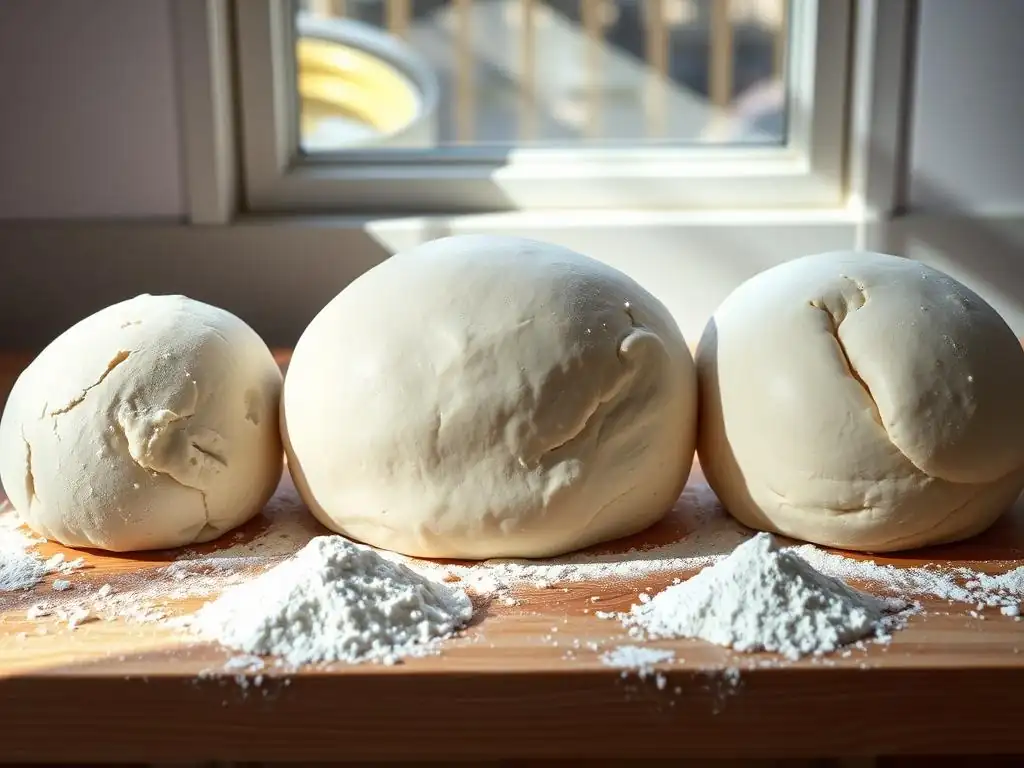
Dough Too Sticky: Flour Adjustment Strategies
If your sweet roll dough is excessively sticky after mixing, even after the initial kneading time, it could be related to the flour's absorption rate or the recipe's hydration level relative to the flour type used. If you've substituted a lower-absorption flour (like pastry or cake) for a higher-absorption one (like AP or bread) without reducing the liquid, the dough will be too wet.
- Solution: Add flour very gradually, a tablespoon at a time, mixing or kneading briefly after each addition, until the dough reaches the desired consistency – it should be slightly tacky but manageable and pull away from the sides of the bowl (if using a mixer). Avoid adding too much flour at once, as this can make the dough stiff and tough. If using a high-absorption flour like bread flour and it's still sticky, you might just need more kneading time to fully develop the gluten and absorb the liquid.
Dough Too Dry: Hydration Solutions
Conversely, if your sweet roll dough feels stiff, crumbly, or doesn't come together easily, it's likely too dry. This can happen if you've substituted a higher-absorption flour (like bread or even AP) for a lower-absorption flour (like pastry) without increasing the liquid, or if your flour is particularly dry (e.g., from long storage in a dry environment).
- Solution: Add liquid (usually milk or water, depending on the recipe) very gradually, a teaspoon or tablespoon at a time, mixing or kneading until the dough becomes pliable and smooth. It should be soft and elastic, not stiff. Be patient and add only enough liquid to achieve the correct consistency. A dry dough will result in dry, dense sweet rolls that don't rise well, so correcting hydration is crucial for achieving tender sweet rolls.
Dough Not Rising: Gluten Development Insights
A dough that doesn't rise sufficiently can have several causes, but flour type and gluten development are often factors, especially in enriched sweet roll doughs. If you used a very low-protein flour (like cake or pastry) and the dough isn't rising well, it might not have developed enough gluten structure to trap the gas produced by the yeast. While these flours yield tenderness, they offer less structural support for rising compared to AP or bread flour.
- Solution: Ensure you kneaded enough to develop some gluten, even with low-protein flours (though avoid overmixing). Check that your yeast is active and that the proofing environment is warm enough (around 75-85°F or 24-29°C). If using a low-protein flour, be aware that the rise might be less dramatic than with AP or bread flour. If you used AP or bread flour and it's not rising, it could be insufficient kneading (gluten not developed) or over-kneading (gluten too tight and tearing). Review kneading times specific to the flour type used for your sweet rolls and ensure proper proofing conditions.
Conclusion: Mastering Flour Selection for Exceptional Sweet Rolls
Mastering the art of sweet rolls involves understanding the crucial role of flour. The type of flour you choose directly dictates the texture of your final product, from the tenderness of the crumb to the chewiness of the bite. By learning about the protein content and characteristics of different flour types for sweet rolls – from the versatility of all-purpose to the tenderness of pastry and cake flour, the structure of bread flour, and the unique fineness of 00 flour – you gain the power to control and perfect your baking results.
Experimentation is a baker's best tool. Don't be afraid to try different flours or create your own blends to find what works best for your recipe and your desired outcome. Pay attention to how the dough feels during mixing and kneading, and make hydration adjustments as needed. With a little knowledge and practice, you'll be well on your way to consistently baking exceptional sweet rolls with the perfect tender crumb you've always dreamed of.
BakeWithEase's Recommended Flour Combinations for Sweet Rolls
Achieving the ultimate tender sweet roll often comes down to smart flour blending. Here are a couple of BakeWithEase's favorite combinations for achieving specific textures:
- For a Classic Soft & Tender Sweet Roll: Use 100% unbleached all-purpose flour. While not the most tender, it's reliable and widely available. Ensure you don't overmix, and enrich the dough with butter and eggs.
- For an Exceptionally Tender Crumb: Try a blend of 75% all-purpose flour and 25% cake flour. This ratio provides enough structure for a good rise while significantly boosting tenderness and creating a finer crumb.
- For a Very Soft, Delicate Sweet Roll: A blend of 50% all-purpose flour and 50% pastry flour works beautifully. This reduces the overall protein content substantially compared to 100% AP, resulting in a very soft, delicate sweet roll.
Remember to adjust liquid slightly when trying blends, as different flours absorb differently. Start with the lower end of the recipe's liquid amount and add more slowly until the dough feels right for your sweet rolls.
Further Exploration: Advanced Flour Techniques for Sweet Roll Enthusiasts
Once you've mastered the basics of using different flour types for sweet rolls, there are more advanced techniques you can explore to further refine your baking. Consider experimenting with dough hydration levels – slightly increasing hydration can sometimes lead to a more open, tender crumb, even with higher-protein flours, though it makes the dough stickier. Autolyse (mixing flour and water only and letting it rest before adding other ingredients) can also improve dough handling and gluten development, potentially allowing for a shorter kneading time, which can help maintain tenderness.
Another area is exploring the use of tangzhong or yudane methods, where a small portion of the flour is cooked with liquid into a paste before being added to the main dough. This technique gelatinizes the starch, allowing the dough to hold significantly more moisture. This increased moisture retention results in incredibly soft, moist sweet rolls that stay fresh longer. These techniques can be applied regardless of the specific flour types for sweet rolls you choose, offering another layer of control over your final texture.
Frequently Asked Questions
What is the best type of flour to use for making sweet rolls?
For tender sweet rolls, bread flour is often recommended. Its high gluten content provides structure, allowing the rolls to rise well and hold their shape.
Can I use all-purpose flour instead of bread flour for sweet rolls?
Yes, you can use all-purpose flour, but the rolls may not be as chewy or structured. You might need to adjust the liquid content slightly.
Why is gluten content important when choosing flour for sweet rolls?
Gluten provides the elasticity and structure needed for sweet rolls to rise properly. A higher gluten content, like in bread flour, creates a chewier, more robust texture.
What other types of flour can be combined with bread flour for sweet rolls?
Some bakers like to blend bread flour with pastry flour or even a small amount of cake flour. This can result in a slightly softer, more delicate crumb.
How does the type of flour affect the final texture of sweet rolls?
Different flours contribute to varying textures. Bread flour yields chewy results, while pastry or cake flour offers a softer, more tender crumb. The choice depends on your preferred texture.
Final Reflection: The Sweet Science of Flour and the Perfect Crumb
The quest for the perfect sweet roll crumb is more than just a baking pursuit; it's a journey into the heart of flour science and its profound impact on texture and taste. Understanding the nuances of different flour types, as explored in this article, is crucial for bakers of all levels, from seasoned professionals to enthusiastic home cooks. The seemingly simple act of choosing the right flour directly translates to the ultimate success—or failure—of your sweet roll endeavors.
The exploration of different flour proteins and their influence on gluten development has been a truly enlightening experience for me. It's fascinating to see how such a seemingly minor ingredient can have such a dramatic effect on the final product. The baker's skill is not merely in following a recipe, but in understanding the why behind each ingredient.
This quote perfectly encapsulates the importance of moving beyond rote memorization and into a deeper understanding of the baking process. The impact of this knowledge extends beyond just sweet rolls; it informs a broader appreciation for the science behind all baking.
Now, it's your turn. Consider the flour you typically use for your sweet rolls. Does it consistently deliver the crumb you desire? Experiment! Try a different flour type, even just a small substitution, and observe the results. Embrace the process of learning and refining your technique, for the journey towards the perfect sweet roll crumb is a rewarding one, filled with delicious discoveries and the satisfaction of creating something truly special. Don't be afraid to explore the world of flour—your taste buds (and your sweet rolls!) will thank you.
Unleash Your Inner Baker: Perfect Sweet Roll Crumbs Await!
Thanks for joining us on this flour-powered journey! You've now unlocked the secrets to achieving those perfectly tender, melt-in-your-mouth sweet roll crumbs. Ready to put your newfound knowledge to the test?
- Bake a batch of irresistible sweet rolls: Use your favorite recipe and experiment with the flour types discussed – you might be surprised by the results! This is your chance to create bakery-quality rolls at home.
- Share your sweet roll success (or even your flour-based failures!): Let’s build a community of bakers! Tag us on social media – we’d love to see your creations.
- Explore our other baking guides: Dive deeper into the world of baking with our comprehensive collection of tutorials and tips on BakeWithEase.com. We have more than just flour knowledge to share!
So, what flour type will you conquer next in your baking adventure?