
The Secrets to a Perfectly Moist Southern Pound Cake

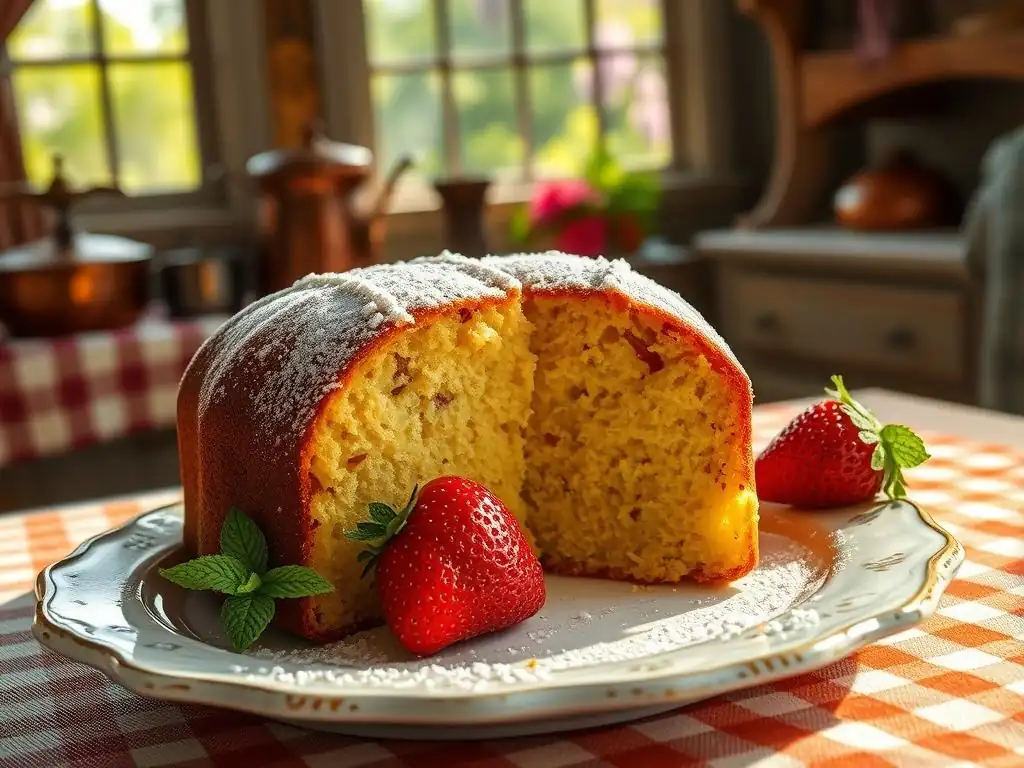
Welcome to BakeWithEase, your trusted companion on your baking journey! Ever wondered what makes a perfectly moist Southern pound cake so irresistible? We're about to unlock those secrets, revealing the techniques and tips that transform simple ingredients into a melt-in-your-mouth masterpiece. Get ready to explore the rich history and cultural significance of this beloved dessert, and discover how you can bake your own slice of Southern charm. Ready to dive in?
- Introduction: Achieving Pound Cake Perfection with Baking Expertise
- Understanding Southern Pound Cake: A Classic American Dessert
-
The Key to a Moist Pound Cake: Essential Ingredients
- Flour Power: Choosing the Right Flour for a Tender Crumb
- Fat is Flavor (and Moisture): Selecting the Best Fat Source
- Sugar's Role: Sweetness and Moisture Retention
- Eggs: Binding, Structure, and Richness in Southern Pound Cake
- The Secret Ingredient: Adding Moisture Enhancers [e.g., Sour Cream, Buttermilk]
- Mastering the Technique: Baking a Moist Southern Pound Cake
- Troubleshooting: Common Problems and Solutions for Dry Pound Cake
- Flavor Variations: Elevating Your Southern Pound Cake
- Serving and Storing Your Perfectly Moist Southern Pound Cake
- Conclusion: Enjoying the Ultimate Southern Pound Cake Experience
-
Frequently Asked Questions
- What is the key ingredient that contributes most to the moistness of a Southern Pound Cake?
- Why is it important to cream the butter and sugar for an extended period when making a pound cake?
- What is the best way to prevent a pound cake from becoming dry?
- Can I substitute ingredients in a Southern Pound Cake recipe, and if so, what should I be careful about?
- How long should I let my Southern Pound Cake cool before slicing and serving?
- Final Reflection: The Enduring Legacy of a Perfectly Moist Southern Pound Cake
- Unlock Your Inner Baker: Bake the Perfect Pound Cake Today!
Introduction: Achieving Pound Cake Perfection with Baking Expertise
Welcome to the heart of Southern baking! There's something truly special about a classic Southern pound cake. It's more than just a cake; it's a tradition, a centerpiece for gatherings, and a testament to simple ingredients coming together beautifully. While the recipe might seem straightforward – historically, it was simply a pound each of butter, sugar, eggs, and flour – achieving that perfectly moist southern pound cake texture is the key to its legendary status. A dry pound cake just doesn't cut it.
This article will guide you through the nuances of creating a pound cake that is dense yet tender, rich, and incredibly moist. We'll explore the foundational ingredients, delve into the techniques that make all the difference, and troubleshoot common pitfalls. Whether you're a seasoned baker or just starting, mastering the secrets to a truly moist Southern pound cake is a rewarding endeavor that will bring smiles to everyone who takes a bite. Let's get baking!
Understanding Southern Pound Cake: A Classic American Dessert
Southern pound cake holds a cherished spot in American culinary history, particularly below the Mason-Dixon line. Its origin is rooted in simplicity and abundance, reflecting the agricultural lifestyle where ingredients like butter, sugar, eggs, and flour were readily available. The name itself, "pound cake," directly refers to the original formulation using one pound of each main ingredient. This classic ratio creates a cake with a distinctively rich and heavy crumb, different from lighter, leavened cakes.
Over time, variations have emerged, often incorporating leavening agents like baking powder or baking soda, and moisture enhancers such as sour cream or buttermilk, to achieve a slightly lighter texture while still retaining that signature density and richness. Despite these modern adaptations, the core essence of a Southern pound cake remains: a dense, buttery cake with a fine crumb, often baked in a Bundt or loaf pan, perfect for slicing and serving simply or with fresh fruit. It's a dessert that speaks of comfort, tradition, and hospitality.
Defining Southern Pound Cake: Tradition and Texture
A true Southern pound cake is characterized by its substantial weight and fine, tight crumb. Unlike airy sponge cakes or fluffy layer cakes, it relies heavily on the fat and eggs for structure and richness, often containing very little or no chemical leavening in its most traditional form. This results in a cake that feels solid and luxurious, almost like a buttery shortbread in cake form. The texture should be dense enough to hold its shape when sliced but tender enough to melt in your mouth.
Historically, the "pound" ratio (1 lb butter, 1 lb sugar, 1 lb eggs, 1 lb flour) yielded a very large, dense cake, typically baked in a large cast-iron pan. Modern recipes often scale these quantities down and might adjust the ratios slightly or add leavening for a softer texture, but the goal remains the same: a rich, buttery, and dense cake. The surface often develops a beautifully cracked top during baking, a rustic characteristic that is considered desirable in many traditional Southern pound cakes.
Why Southern Pound Cake is Special: The Importance of Moisture
What elevates a good Southern pound cake to a perfectly moist southern pound cake is its moisture level. A dry pound cake can be crumbly and disappointing, lacking the luxurious mouthfeel that is its hallmark. The high fat content from butter and often eggs contributes significantly to the cake's inherent moisture and richness. However, additional factors are crucial in preventing dryness.
The inclusion of ingredients like sour cream, buttermilk, or cream cheese in modern recipes plays a vital role in enhancing and retaining moisture. These dairy products add tanginess and fat, which contribute to a tender crumb and prevent the cake from drying out during the relatively long baking time required for such a dense batter. Furthermore, proper mixing techniques and precise baking temperatures are essential to ensure the cake bakes evenly without becoming dry around the edges before the center is cooked through. Achieving that delicate balance is the secret to a truly memorable pound cake experience.
The Key to a Moist Pound Cake: Essential Ingredients
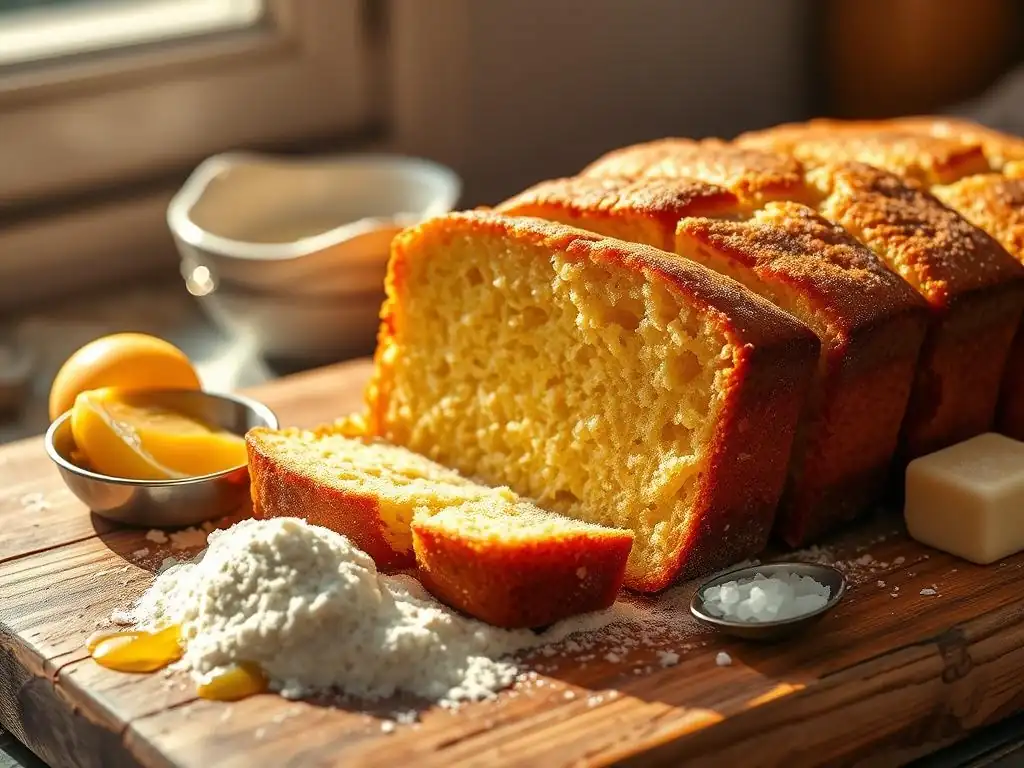
Every ingredient in a pound cake plays a specific role in its final texture and moisture. Understanding these roles is fundamental to baking a perfectly moist southern pound cake. It's not just about having the right items, but understanding their properties and how they interact.
From the type of flour you choose to the temperature of your eggs, each element contributes to the cake's structure, tenderness, and, most importantly, its moisture level. Let's break down the key players and why they matter when aiming for optimal moistness and texture in your Southern pound cake.
Flour Power: Choosing the Right Flour for a Tender Crumb
The choice of flour significantly impacts the texture of your pound cake. While all-purpose flour is most commonly used, its protein content affects gluten development. Too much gluten can result in a tough, dry cake. All-purpose flour typically has a protein content between 10-12%. For a tender crumb, some Southern bakers swear by using a lower-protein flour, such as cake flour (around 7-9% protein), or a blend of all-purpose and cake flour. Cake flour creates less gluten when mixed, resulting in a finer, softer crumb, which often feels more tender and moist.
If using all-purpose flour, be mindful of overmixing, as this develops more gluten. Sifting the flour is also a common practice that helps aerate it and makes it easier to incorporate without overworking the batter. Using precise measurements, preferably by weight, is also crucial, as scooping flour directly from the bag can compact it, leading to too much flour being added and a drier cake.
A cup of sifted all-purpose flour typically weighs about 120-125 grams, while a cup scooped and leveled can weigh up to 140-150 grams. This difference can significantly impact the wet-to-dry ratio and, consequently, the cake's moisture.
Fat is Flavor (and Moisture): Selecting the Best Fat Source
Fat is arguably the most critical ingredient for achieving a perfectly moist southern pound cake. It coats the flour particles, inhibiting gluten development, which leads to a more tender crumb. Fat also carries flavor and contributes significantly to the cake's richness and moist mouthfeel. The primary fat source in traditional pound cake is butter, but some recipes incorporate shortening or a blend.
The amount of fat is substantial, often equal in weight to the flour and sugar in classic recipes. This high fat ratio is fundamental to the pound cake's characteristic density and moisture. Ensuring your fat is at the correct temperature and properly creamed with the sugar is vital for incorporating air and creating a stable emulsion, which prevents the cake from being greasy and helps distribute moisture evenly throughout the batter.
Butter vs. Shortening: Which Fat Creates the Best Pound Cake Texture?
The debate between using all butter, all shortening, or a blend for pound cake is a classic one among bakers. Butter provides unparalleled flavor. Its melting properties also contribute to tenderness; as the butter melts during baking, it leaves tiny pockets in the crumb. However, butter is only about 80-82% fat, with the rest being water and milk solids. Shortening, on the other hand, is 100% fat (specifically, hydrogenated vegetable oil) and has a higher melting point than butter.
Using a portion of shortening can lead to a pound cake with a slightly higher rise and a very tender, almost melt-in-your-mouth texture, as the fat structure is different from butter. A blend, such as half butter for flavor and half shortening for texture, is a popular choice for many seeking a balance.
For instance, a recipe might call for 1 cup (2 sticks or ~227g) of butter or 1 cup (190g) of shortening, or 1/2 cup (1 stick or ~113g) butter plus 1/2 cup (95g) shortening. Experimenting with these ratios can help you find the texture you prefer for your perfectly moist southern pound cake.
Sugar's Role: Sweetness and Moisture Retention
Sugar does more than just sweeten the cake; it plays a crucial role in moisture and texture. Granulated sugar, the most common type used in pound cake, helps tenderize the crumb by interfering with gluten development and also attracts and holds onto moisture (it's hygroscopic). When sugar is creamed with butter, its sharp edges cut into the fat, creating tiny air pockets essential for the cake's structure and rise.
Using the correct amount of sugar is important for moisture. Too little sugar can result in a tougher, drier cake, while too much can make the cake overly dense or even greasy. A typical ratio might involve sugar being equal in weight to the flour, or slightly more. For instance, if using 400g of flour, you might use 400-500g of sugar. The interaction between sugar and fat during creaming is a foundational step for achieving a light yet dense texture in your perfectly moist southern pound cake.
Eggs: Binding, Structure, and Richness in Southern Pound Cake
Eggs are powerhouse ingredients in pound cake, contributing significantly to structure, richness, and moisture. They act as emulsifiers, helping to bind the fat and liquid ingredients together into a smooth batter. The proteins in eggs provide structure as they coagulate during baking, giving the cake its framework. The yolks, rich in fat and lecithin, add moisture, tenderness, and a beautiful golden hue.
Using a sufficient number of eggs is key; traditional recipes often call for a large quantity, sometimes equal in weight to the other main ingredients. For example, if using 1 pound (454g) of flour, you might use 8-9 large eggs, which weigh approximately 450-500g. Ensuring the eggs are at room temperature is also vital.
Room temperature eggs incorporate more easily into the creamed butter and sugar, creating a smoother, more stable emulsion and contributing to better volume and a finer crumb, both of which support a moist texture. Adding eggs one at a time and mixing just until incorporated prevents overmixing and helps maintain the delicate balance of the batter.
The Secret Ingredient: Adding Moisture Enhancers [e.g., Sour Cream, Buttermilk]
While traditional pound cake relies solely on butter and eggs for moisture, many modern recipes for a perfectly moist southern pound cake incorporate additional moisture enhancers. These ingredients add liquid and fat, further tenderizing the crumb and ensuring the cake stays moist for days. Common choices include sour cream, buttermilk, cream cheese, or even yogurt.
Sour cream and cream cheese, with their high fat content and tangy flavor, are excellent choices. They add richness and moisture without making the batter too thin. Buttermilk, being more liquid, adds moisture and its acidity reacts with baking soda (if used) to provide a slight lift, while also tenderizing the crumb by breaking down proteins.
A common addition might be 1 cup (about 227g) of sour cream or 1 to 1.5 cups (240-360ml) of buttermilk to a standard recipe using 3 cups of flour. Incorporating these ingredients correctly, often alternating with the dry ingredients, is crucial for maintaining a smooth, emulsified batter that bakes into a wonderfully moist cake.
Mastering the Technique: Baking a Moist Southern Pound Cake
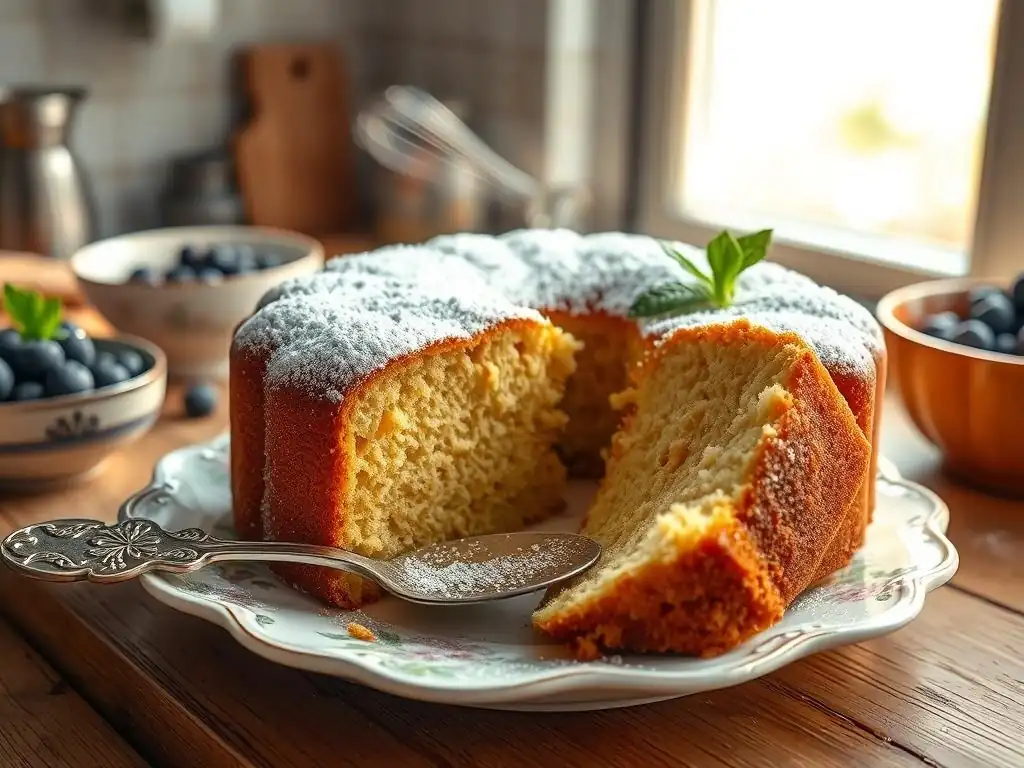
Beyond the ingredients, the technique used to prepare and bake a Southern pound cake is paramount to achieving that coveted moist texture. The steps involved in mixing the batter and the conditions under which the cake is baked all play a critical role.
Paying close attention to detail during mixing, ensuring the batter is not overworked, and controlling the baking environment are non-negotiable for success. Let's explore the key techniques that will help you bake a perfectly moist southern pound cake every time.
The Creaming Method: Achieving a Light and Airy Batter
The creaming method is the standard approach for making pound cake. It involves beating softened butter and sugar together until light and fluffy. This process incorporates air into the fat, creating tiny pockets that expand during baking, contributing to the cake's rise and tender structure. Proper creaming is foundational; it sets the stage for the rest of the ingredients to combine correctly and ensures a smooth, emulsified batter.
Insufficient creaming means less air is incorporated, resulting in a denser, potentially tougher cake. Over-creaming, while less common, can sometimes lead to issues, but the primary focus should be on achieving that light, pale, and fluffy texture before adding other ingredients. This initial aeration is a key step towards a cake that is both dense and tender, rather than heavy and dry.
Tips for Perfect Creaming: Temperature and Timing
Achieving perfect creaming starts with ingredient temperature, specifically the butter. Butter should be softened but still cool to the touch, around 65-68°F (18-20°C). If it's too cold, it won't cream properly; if it's too soft or melted, it won't hold air. The sugar should be granulated. Begin by beating the softened butter alone for about 30 seconds to break it up, then gradually add the sugar.
Beat the butter and sugar together on medium speed for an extended period, typically 5 to 10 minutes, scraping down the sides of the bowl frequently. The mixture should transform from dense and yellowish to pale yellow or nearly white, significantly increased in volume, and fluffy in texture. This long creaming time ensures maximum air incorporation, which is essential for the cake's structure and ultimately contributes to a perfectly moist southern pound cake. Don't rush this step!
Avoiding Overmixing: Preserving a Tender Crumb
While creaming the butter and sugar requires significant mixing, subsequent mixing after adding flour and liquid ingredients should be minimal. Flour contains protein that develops into gluten when agitated in the presence of liquid. Overmixing the batter after the flour has been added develops too much gluten, resulting in a tough, dense, and dry cake.
Once you begin adding the dry ingredients (flour, salt, leavening if used) and wet ingredients (eggs, milk, sour cream, etc. ), mix on the lowest speed possible, just until everything is combined. It's common practice to alternate adding dry and wet ingredients, starting and ending with the dry. For example, add one-third of the flour mixture, mix just until no dry streaks remain, then add half of the liquid mixture, mix just until combined, and repeat, ending with the final third of the flour.
Stop mixing as soon as the last of the flour disappears. A few small lumps are preferable to an overmixed batter. This gentle handling preserves the tender crumb crucial for a perfectly moist southern pound cake.
Baking Time and Temperature: Finding the Sweet Spot for Moistness
Baking temperature and time are critical for a pound cake's texture. Because pound cakes are dense and relatively large, they require a lower oven temperature and longer baking time than many other cakes. Baking at too high a temperature will cause the outside to set and potentially burn before the inside is cooked through, resulting in a dry crust and an undercooked center.
A common temperature range for pound cake is 325°F to 350°F (160°C to 175°C). Many bakers prefer 325°F (160°C) as it allows the cake to bake more slowly and evenly, promoting a moister interior. Baking time varies significantly depending on the pan size and oven, but a standard large Bundt cake might take anywhere from 60 to 90 minutes, or even longer. The cake should be golden brown and pulled slightly away from the sides of the pan when done. Using an oven thermometer is highly recommended to ensure your oven is heating accurately.
The Toothpick Test: Knowing When Your Pound Cake is Done
Determining when a dense cake like a pound cake is perfectly baked without drying it out can be tricky. The classic toothpick test is a reliable indicator, but it needs to be interpreted correctly for a pound cake. Insert a long wooden skewer or toothpick into the deepest part of the cake, usually the center.
For most cakes, you're looking for a clean toothpick. However, for a rich, moist pound cake, a few moist crumbs clinging to the toothpick are actually desirable. A completely clean toothpick can sometimes indicate the cake is slightly overbaked and potentially dry. The cake should also spring back slightly when gently pressed and the top should feel set. If the toothpick comes out with wet batter, the cake needs more time. Start checking around the minimum recommended baking time and check every 5-10 minutes thereafter.
Troubleshooting: Common Problems and Solutions for Dry Pound Cake
Even with the best ingredients and techniques, sometimes a pound cake doesn't turn out as moist as you'd hoped. Identifying the cause is the first step to fixing it in the future. Don't despair; many common issues leading to a dry pound cake are easily preventable once you know what to look for.
Understanding the potential culprits allows you to adjust your methods or recipe next time, ensuring your next attempt results in a truly perfectly moist southern pound cake. Let's look at why a pound cake might turn out dry and how to remedy or prevent these issues.
Why is My Pound Cake Dry? Identifying Potential Causes
Several factors can contribute to a dry pound cake. One of the most frequent causes is simply using too much flour. As mentioned earlier, inaccurate measuring, especially scooping directly from the bag, can easily add 20-30% more flour than intended by weight, drastically altering the wet-to-dry ratio. Another major culprit is overmixing the batter after the flour is added, developing excessive gluten which leads to a tough, dry texture.
Baking issues are also common. Baking at too high a temperature or for too long will evaporate too much moisture from the cake. An inaccurate oven temperature is often to blame here – an oven running hotter than the dial indicates can quickly dry out a cake. Lastly, using ingredients that aren't at the correct temperature (like cold butter or eggs) can prevent proper emulsification and aeration during mixing, impacting the final texture and moisture distribution.
Fixing a Dry Pound Cake: Rescue Techniques and Prevention
If you've baked a pound cake that turned out a bit dry, there are a few ways to try and salvage it, although prevention is always the best strategy for a perfectly moist southern pound cake. One common rescue technique is to brush the warm cake with a simple syrup or a flavored glaze while it's still in the pan or immediately after removing it.
The warm cake will absorb the liquid, adding back some moisture. A simple syrup can be made by boiling equal parts sugar and water (e.g., 1/2 cup sugar, 1/2 cup water) until the sugar dissolves.
For prevention, focus on the key areas:
- Measure accurately: Weigh your flour if possible. If using volume, spoon the flour lightly into the measuring cup and level it off.
- Don't overmix: Mix just until the dry ingredients disappear after adding flour.
- Check oven temperature: Use an oven thermometer.
- Bake correctly: Use the recommended temperature (often 325-350°F) and check for doneness using the toothpick test, looking for moist crumbs.
- Use room temperature ingredients: Ensure butter and eggs are at the correct temperature for proper emulsification.
- Consider moisture enhancers: Incorporating sour cream, buttermilk, or cream cheese can significantly improve moisture retention.
Flavor Variations: Elevating Your Southern Pound Cake
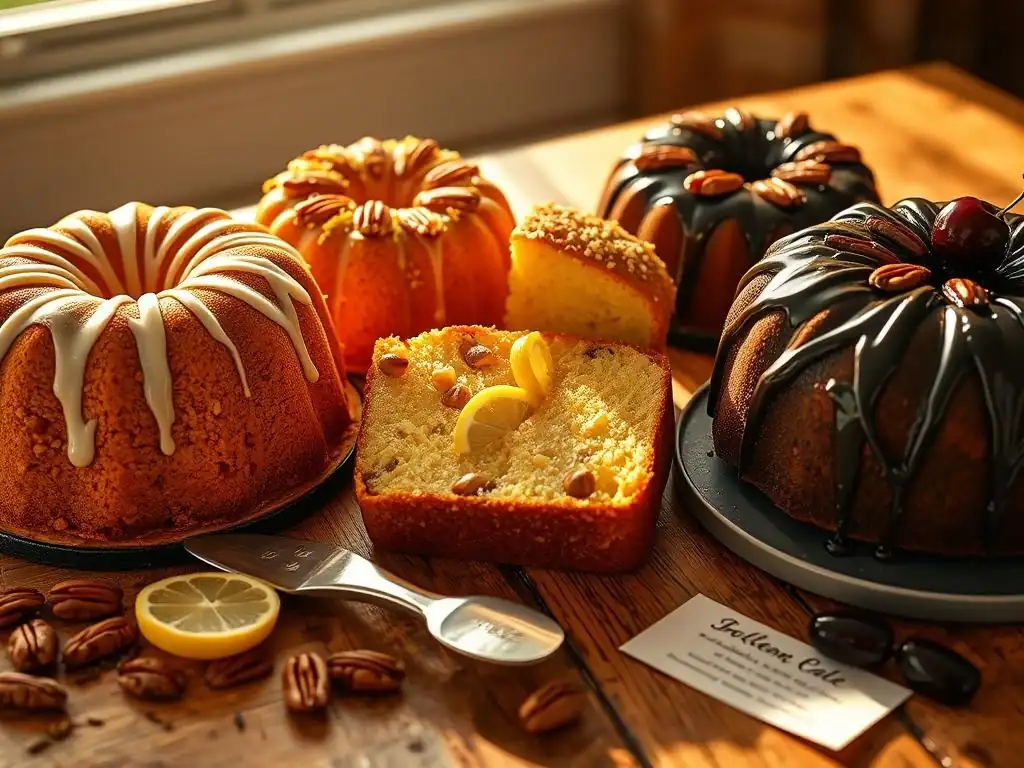
While a classic, unadulterated perfectly moist southern pound cake is a thing of beauty, its simple base makes it an excellent canvas for adding various flavors. Traditional Southern baking often features specific flavor profiles that pair wonderfully with the rich, buttery nature of pound cake.
Exploring different extracts, zests, and even incorporating fresh fruit can add exciting dimensions to this beloved dessert. These variations allow you to tailor the cake to different seasons, occasions, or personal preferences while still maintaining that core moist and tender texture.
Classic Southern Flavors: Vanilla, Lemon, Almond
The most classic flavorings for Southern pound cake are pure vanilla extract, fresh lemon zest and juice, and almond extract. Often, a combination is used. High-quality pure vanilla extract is essential, providing a warm, comforting base flavor that complements the butter and sugar beautifully. Many traditional recipes call for a generous amount, perhaps 1-2 tablespoons per standard cake.
Lemon is another Southern favorite. Adding the zest of 1-2 lemons to the batter provides a bright, aromatic lift that cuts through the richness. A splash of fresh lemon juice can also be added with the wet ingredients. Almond extract offers a slightly different, nutty depth of flavor that pairs wonderfully with the buttery cake. Some recipes use vanilla and almond extracts together for a complex, appealing taste. These classic flavors enhance the inherent deliciousness of a moist pound cake without overpowering it.
Adding Extracts and Zest: Intensifying the Flavor Profile
Incorporating extracts and zests correctly is key to achieving vibrant flavor in your perfectly moist southern pound cake. Extracts, being alcohol-based, should generally be added with the wet ingredients (like milk, buttermilk, or eggs) to ensure they are evenly distributed. Vanilla extract is often added with the creamed butter and sugar or with the eggs.
Citrus zest contains volatile oils that hold intense flavor. It's best to rub the zest into the sugar before creaming it with the butter. This process releases the oils and disperses them throughout the sugar, ensuring the lemon (or orange, or lime) flavor is fully integrated into the cake. For instance, if using the zest of 2 lemons, add it to the sugar in the mixing bowl, rub it with your fingers until fragrant, then add the softened butter and begin creaming. This simple step makes a significant difference in the final citrus flavor intensity.
Incorporating Fruit: Creating Delicious Variations of Pound Cake
Adding fruit to pound cake can create delightful textural and flavor variations while often contributing extra moisture. Small berries like blueberries or chopped fruits like apples or pears can be folded into the batter. It's often helpful to toss the fruit with a tablespoon or two of the recipe's flour before gently folding it in. This helps prevent the fruit from sinking to the bottom of the pan during baking.
For softer fruits or those that release a lot of juice, like mashed bananas or pumpkin puree, these can be incorporated directly into the wet ingredients, often replacing a portion of the liquid called for in the original recipe. For example, a banana pound cake might use 1-1.5 cups of mashed ripe bananas added with the eggs and other wet ingredients. Adjusting baking time might be necessary when adding fruit, as the extra moisture can sometimes prolong the process.
Strawberry Pound Cake
A particularly popular and delicious variation is Strawberry Pound Cake. This can be made in a couple of ways. One method involves adding finely diced fresh strawberries to the batter, often tossed in flour first. About 1 to 1.5 cups of diced strawberries work well for a standard Bundt size. The strawberries soften and become jammy pockets within the cake, adding bursts of flavor and moisture.
Another approach uses strawberry puree or reduced strawberry sauce incorporated into the batter, sometimes alongside strawberry extract or gelatin powder for intense flavor and color. For instance, you might reduce 2 cups of sliced strawberries into a thick puree (yielding about 1/2 to 3/4 cup) and add this with the wet ingredients, adjusting other liquids as needed. This method infuses the entire cake with strawberry flavor and helps ensure a perfectly moist southern pound cake with a fruity twist. Serve with fresh strawberries and whipped cream for an ultimate treat.
Serving and Storing Your Perfectly Moist Southern Pound Cake
Once you've successfully baked your perfectly moist southern pound cake, the next steps are enjoying it and ensuring any leftovers stay just as delicious. Proper serving suggestions can elevate the experience, and correct storage is key to maintaining that desirable moist texture over time.
Whether serving immediately or saving some for later, a little care goes a long way in preserving the quality of your homemade pound cake. Let's look at the best ways to serve and store your baking masterpiece.
Serving Suggestions: Pairing with Toppings and Drinks
A classic Southern pound cake is rich and flavorful enough to be enjoyed entirely on its own, perhaps with just a dusting of powdered sugar. However, it also serves as a wonderful base for various toppings and pairings. Fresh berries, especially strawberries, are a quintessential accompaniment. A dollop of freshly whipped cream or a scoop of vanilla ice cream adds a touch of luxury.
Other popular toppings include fruit sauces (like raspberry or peach), a simple glaze (lemon or vanilla), or even a warm caramel or chocolate sauce. For drinks, coffee or tea are natural partners. In the South, it's also often served alongside sweet tea or lemonade. The dense, buttery cake holds up well to slightly acidic or creamy toppings, making it incredibly versatile for dessert or even a special brunch treat.
Storing for Freshness: Keeping Your Pound Cake Moist
Proper storage is crucial for keeping your perfectly moist southern pound cake from drying out. Once the cake has cooled completely (this is important – storing a warm cake creates condensation, which can make it soggy), wrap it tightly in plastic wrap. Ensure the wrap makes direct contact with the cut surfaces and the exterior of the cake to prevent air from reaching it.
For longer storage, wrap the plastic-wrapped cake again in aluminum foil. A whole, uncut pound cake will stay moist for 4-5 days at room temperature when properly wrapped. Sliced cake should be wrapped just as carefully, focusing on covering the exposed cut surfaces. For even longer storage, pound cake freezes exceptionally well. Wrap cooled, whole or sliced cake tightly in plastic wrap, then foil, and place in a freezer bag. It can be frozen for up to 3-4 months. Thaw wrapped cake at room temperature before serving.
Conclusion: Enjoying the Ultimate Southern Pound Cake Experience
Baking a perfectly moist southern pound cake is a rewarding journey that connects you to a rich culinary tradition. By understanding the role of each ingredient, mastering the creaming method, paying attention to baking temperature and time, and preventing common pitfalls like overmixing, you can consistently achieve a cake that is dense, buttery, tender, and wonderfully moist.
From the classic vanilla and lemon versions to variations incorporating fruit, the Southern pound cake offers a versatile canvas for your baking creativity. Served simply or dressed up with toppings, it's a dessert that embodies comfort and hospitality. Armed with these secrets, you're ready to bake a truly exceptional pound cake that will be cherished by friends and family alike. Happy baking, and enjoy every delicious slice!
Frequently Asked Questions
What is the key ingredient that contributes most to the moistness of a Southern Pound Cake?
The high butter content is critical, as it provides richness and moisture. Another key is using room temperature ingredients for proper emulsification.
Why is it important to cream the butter and sugar for an extended period when making a pound cake?
Thoroughly creaming the butter and sugar incorporates air, creating a light and airy batter. This process is essential for a tender and moist crumb in the finished cake.
What is the best way to prevent a pound cake from becoming dry?
Avoid overbaking the cake! Use a toothpick test to check for doneness and remove it from the oven as soon as it's ready.
Can I substitute ingredients in a Southern Pound Cake recipe, and if so, what should I be careful about?
Substitutions can affect the texture and moisture. Avoid substituting butter or eggs without careful consideration, as they are crucial for structure and richness.
How long should I let my Southern Pound Cake cool before slicing and serving?
Allow the cake to cool completely in the pan before inverting it. This prevents it from crumbling and allows the moisture to redistribute, resulting in a better texture.
Final Reflection: The Enduring Legacy of a Perfectly Moist Southern Pound Cake
The pursuit of the perfectly moist Southern pound cake transcends mere baking; it's a testament to the enduring power of tradition, comfort, and the simple joy of sharing. This seemingly simple dessert holds within its layers a rich history, a connection to family gatherings, and a promise of sweet satisfaction that continues to resonate today. The techniques and ingredients detailed in this article are not just recipes; they are keys to unlocking a legacy.
The influence of this iconic cake on Southern culture is undeniable. It's more than just a dessert; it's a symbol of hospitality, a centerpiece at celebrations, and a comforting presence in times of both joy and sorrow. A cake is a celebration; it's a moment of joy, a symbol of happiness.
This sentiment perfectly captures the emotional weight this seemingly simple cake carries. From childhood memories of Grandma's kitchen to modern-day gatherings, the Southern pound cake remains a powerful symbol of connection and shared experience, a testament to the enduring power of culinary traditions.
Now, I invite you to consider your own relationship with this classic dessert. Will you try your hand at creating your own perfectly moist Southern pound cake, embracing the techniques and secrets shared within this article? Perhaps you'll discover a new appreciation for the artistry involved, or maybe you'll simply enjoy the delicious results. Regardless, I hope this exploration has inspired you to appreciate not only the deliciousness of a perfectly moist pound cake, but also the rich history and enduring legacy it represents. Go forth and bake!
Unlock Your Inner Baker: Bake the Perfect Pound Cake Today!
Thanks for joining us on this delicious journey into the world of moist and decadent Southern pound cakes! We hope you’ve gained valuable insights and a newfound confidence in your baking abilities. Now it's time to put your knowledge to the test.
- Bake your own masterpiece! Use the recipe and tips from this article to create your own perfect pound cake. Don't forget to experiment with different extracts or frostings to make it your own.
- Share your baking success! Post a picture of your creation on social media and tag us – we'd love to see your delicious results!
- Challenge a friend: Encourage a friend to bake along with you and compare your pound cake creations. It's a great way to share the joy of baking!
So, what delicious flavor will you explore in your next pound cake adventure?