
Getting the Most Flavor from Whole vs. Ground Spices

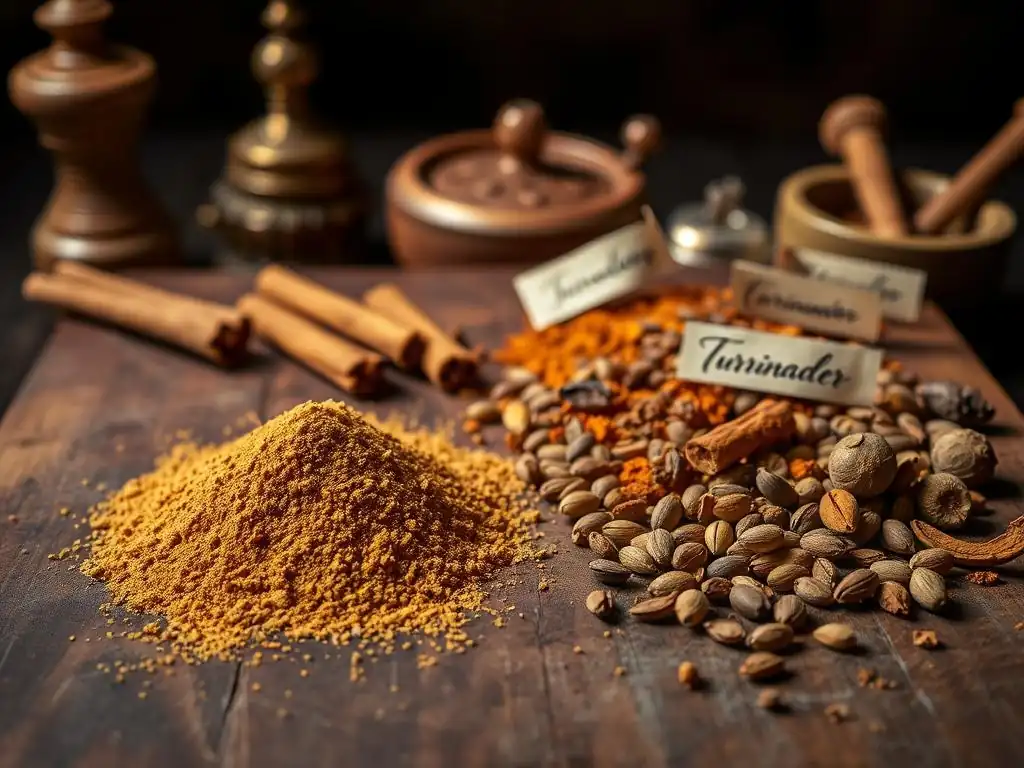
Welcome to BakeWithEase, your haven for all things baking! Ever wondered if your spice rack is truly unlocking its potential? Dive into our latest Ingredient Deep Dive and discover why whole spices flavor better. Prepare to transform your baking with our exploration of their vibrant flavors, and learn the secrets to unlocking their full aromatic power. Intrigued? Let's get started and elevate your next bake!
- Unlocking Spice Flavor in Baking: Whole vs. Ground
- Whole vs. Ground Spices: A Baker's Guide
- Maximizing Flavor from Whole Spices
- When to Use Ground Spices for Convenience
- The Science of Spice Flavor for Bakers
- Optimizing Baking with Spices
-
Frequently Asked Questions
- How do whole spices differ from ground spices in terms of flavor impact in baking?
- Why does BakeWithEase suggest using whole spices over ground spices for certain recipes?
- How should I store whole and ground spices to maximize their flavor retention, according to BakeWithEase's recommendations?
- What are some specific baking applications where using whole spices can significantly improve the final product, as highlighted on BakeWithEase?
- If I only have ground spices available, how can I compensate to achieve a similar flavor intensity to using whole spices, based on BakeWithEase tips?
- Final Reflection: The Unfolding Symphony of Spice
- Unleash the Aromatic Power of Your Spices!
Unlocking Spice Flavor in Baking: Whole vs. Ground
Whole vs. Ground Spices: A Baker's Guide
Aroma Differences: Whole vs. Pre-Ground
The captivating aroma of spices, so crucial in baking, comes from volatile organic compounds – tiny molecules that evaporate easily and reach our noses. In whole spices, these precious compounds are largely locked within the plant structure, protected from the environment. Think of a cinnamon stick or a whole nutmeg: their surface aroma is pleasant but relatively subtle. The magic happens when they are broken open.
When spices are ground, this protective structure is shattered, exposing a vast surface area of spice particles to the air. This immediately releases a burst of these volatile flavor compounds, creating that intense initial smell associated with a fresh bag of ground spice. However, this exposure is a double-edged sword. While the immediate aroma is stronger, the volatile oils begin dissipating rapidly. This is a primary reason why whole spices flavor better over time compared to their ground counterparts; they retain their aromatic potential until the moment you need it.
Shelf Life and Spice Flavor
The shelf life of a spice significantly impacts its flavor potency, and there's a stark difference between whole and ground forms. Whole spices, like cloves, star anise, or peppercorns, can maintain peak flavor quality for years, often retaining much of their potency for 3-4 years or even longer if stored correctly. Their intact structure acts as a natural barrier against the elements that degrade flavor.
Ground spices, conversely, have a much shorter vibrant life. Due to the increased surface area and exposure to air, light, and moisture, their volatile oils evaporate and oxidize far more quickly. While still usable, ground spices typically lose significant flavor within 6 months to a year. This rapid degradation means that while convenient, using ground spices often means compromising on the depth and intensity of flavor, reinforcing the idea that whole spices flavor better because they stay fresh longer.
Maximizing Flavor from Whole Spices
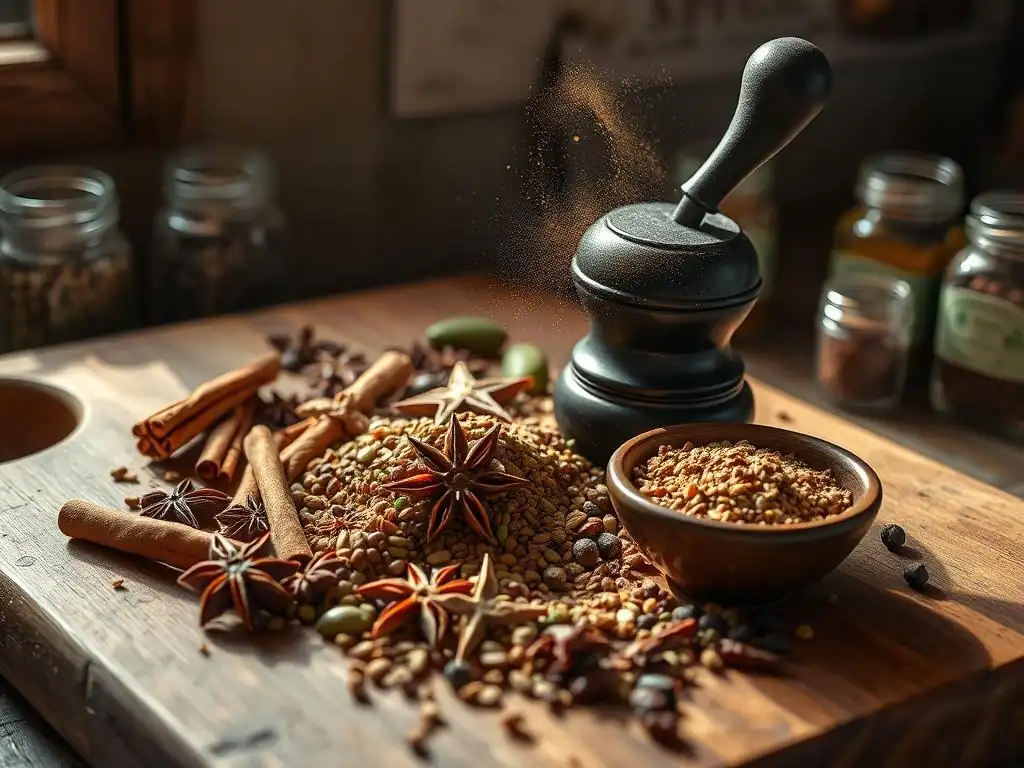
Techniques for Releasing Essential Oils
Unlocking the full potential of whole spices requires specific techniques that help break down their structure or extract their flavor compounds effectively. Simply adding a whole clove to a batter won't yield much flavor; you need to encourage the release of those essential oils. The methods chosen often depend on the type of spice and the recipe's liquid content and cooking time.
Mastering these techniques allows bakers to harness the superior flavor potential that whole spices offer. Whether it's through heat, infusion, or mechanical action, the goal is to get those aromatic oils out of their protective shell and into your baked goods. This hands-on approach is key to understanding why whole spices flavor better when properly prepared.
Toasting Whole Spices
Toasting whole spices is a simple yet transformative technique that dramatically enhances their flavor. Applying dry heat in a pan causes the volatile oils within the spice to warm up and become more fragrant. It also triggers the Maillard reaction and caramelization of natural sugars, adding complex, nutty, and deeper notes that weren't present before.
For example, lightly toasting whole cardamom pods or star anise in a dry skillet over medium heat for just a few minutes until fragrant (watch carefully to avoid burning!) can intensify their warm, sweet aromas. Once cooled, these spices are then ready to be ground or steeped. This process makes the spices more brittle, easier to grind, and significantly boosts the flavor profile they contribute to baked goods, demonstrating how a little effort with whole spices flavor better results.
Infusing Liquids with Whole Spices
Infusing liquids is an excellent way to impart the nuanced flavor of whole spices into batters, creams, custards, or syrups. This technique works particularly well with spices like cinnamon sticks, whole cloves, vanilla beans, or bruised cardamom pods that release their flavor gently over time in a liquid medium.
To infuse, simply add the whole spices to milk, cream, water, or syrup and gently heat the mixture. Let it simmer briefly or steep off the heat for 15-30 minutes (or longer, depending on desired intensity). A classic example is infusing milk with a cinnamon stick and maybe a few whole cloves for rice pudding or a spiced cake batter. Strain the liquid before incorporating it into your recipe. This slow extraction method pulls out a broad spectrum of flavor compounds, creating a more integrated and often richer taste than simply adding ground spice.
Grinding Spices Fresh
Grinding whole spices right before use is arguably the most effective way to capture their peak flavor. The act of grinding ruptures the cell walls, releasing the volatile oils at the very moment they are needed for your recipe. This provides an intensity and vibrancy that pre-ground spices, which have already lost many of these compounds, simply cannot match.
Using a mortar and pestle for small amounts or an electric spice grinder (a dedicated one is best to avoid flavor transfer) allows you to control the fineness of the grind. Think about freshly grated nutmeg over a custard or ground cumin and coriander for a savory flatbread. The difference is palpable. This immediate release of aroma upon grinding is the core reason why, for maximum impact, whole spices flavor better when processed fresh.
When to Use Ground Spices for Convenience
Recipes Suited for Ground Spices
While whole spices often offer superior flavor potential, there are many instances where ground spices are perfectly suitable and offer unmatched convenience. Recipes where the spice is evenly incorporated into a fine batter or dough, or where the cooking time is short, can often successfully use ground spices without a significant flavor deficit noticeable to most palates.
Think of classic chocolate chip cookies, quick breads like banana bread, or simple muffins. In these recipes, the fine texture of ground cinnamon, nutmeg, or ginger distributes easily throughout the mix. For a busy weeknight bake or a recipe where speed is key, reaching for a well-stored jar of ground spice is a practical choice. The key is understanding that while whole spices flavor better in terms of intensity and freshness, ground spices are a valuable tool for everyday baking ease.
Measuring Ground Spices Accurately
Accurately measuring ground spices is crucial for consistent baking results. Unlike whole spices, which you might count or weigh roughly, ground spices require precise measurement, typically using standard measuring spoons. It's important to dip the spoon into the spice container and level off the excess using a straight edge, like the back of a knife.
Avoid scooping directly from a large container if the spice is packed down, as this can result in using too much spice, potentially overpowering other flavors in your bake. Fluffing up the spice slightly before measuring can help ensure accuracy. Consistent measurement, whether it's 1/2 teaspoon of cinnamon or 1/4 teaspoon of cloves, is vital for balancing the flavors in your recipe, even when using the more convenient ground form.
Storing Ground Spices for Freshness
Proper storage is paramount for preserving the quality of ground spices, even if their shelf life is inherently shorter than whole spices. Exposure to air, light, heat, and moisture are the primary enemies of spice flavor. Storing ground spices correctly helps slow down the inevitable degradation of their volatile oils.
Always keep ground spices in airtight containers, preferably opaque glass or metal jars, to protect them from light. Store these containers in a cool, dark place, away from the stove or direct sunlight – a pantry or cupboard is ideal. While they won't last forever at peak potency, following these storage guidelines can help ensure that your ground spices retain as much flavor as possible for the 6-12 months they are typically considered "fresh."
The Science of Spice Flavor for Bakers
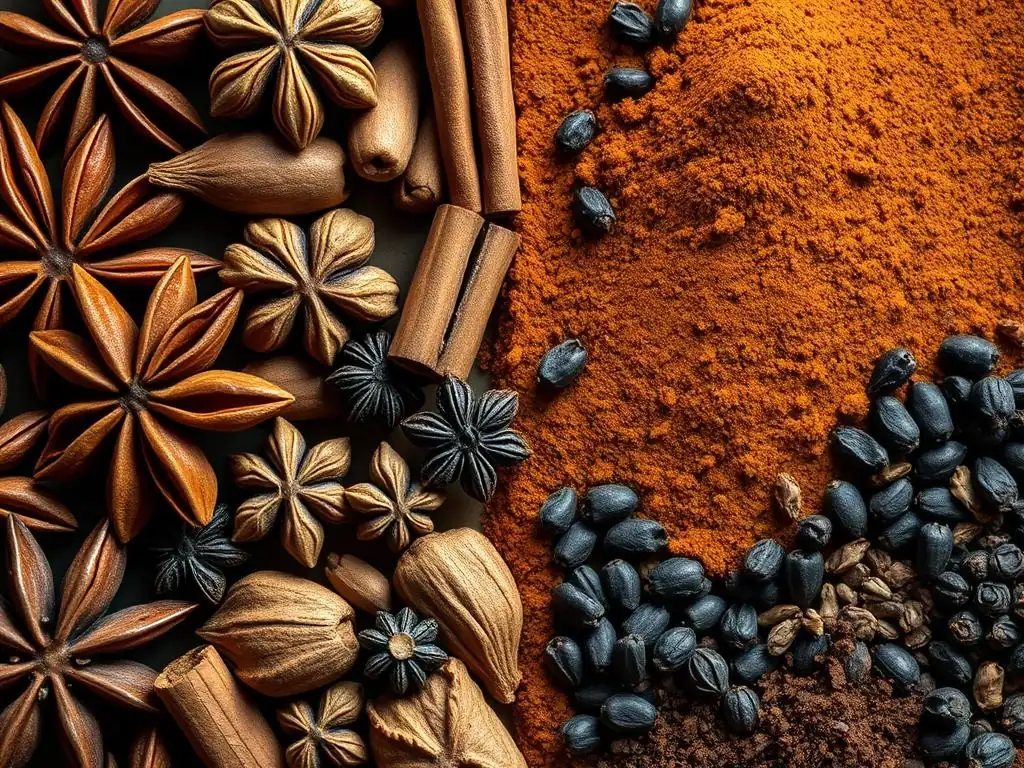
Volatile Compounds and Spice Aroma
The magic behind spice flavor lies in complex mixtures of volatile organic compounds (VOCs). These are small molecules that easily evaporate at room temperature, allowing them to travel to our olfactory receptors and be perceived as aroma. Each spice has a unique profile of these compounds; for instance, eugenol is a major component in cloves, while gingerol gives ginger its characteristic bite.
In baking, heat accelerates the release of these VOCs, intensifying the aroma during the baking process. However, this volatility also means they can escape from the spice and your baked goods over time. Whole spices, with their intact structure, keep these compounds better contained until they are intentionally released, which is a key factor in why whole spices flavor better when maximum impact is desired.
Oxidation and Flavor Loss
Oxidation is a chemical process that significantly contributes to the loss of flavor and aroma in spices, particularly ground ones. When the volatile compounds in spices are exposed to oxygen in the air, they can react and break down into less flavorful or even off-flavor compounds. The increased surface area of ground spices means much more of the spice is in direct contact with oxygen compared to whole spices.
This process is accelerated by light and heat. Think of ground nutmeg left in a clear jar on a sunny windowsill – its vibrant flavor will diminish rapidly. While oxidation eventually affects all spices, whole spices resist it for much longer because their internal compounds are shielded. This resistance to oxidation is another scientific reason why whole spices flavor better and maintain their potency over extended periods.
Cinnamon: Whole vs. Ground
Cinnamon's distinct warm, sweet flavor comes primarily from cinnamaldehyde, a major volatile compound. When you grind a cinnamon stick, this cinnamaldehyde is instantly released, creating that powerful, familiar aroma. However, being highly volatile, cinnamaldehyde also begins to evaporate and degrade upon exposure to air.
A cinnamon stick, on the other hand, holds onto its cinnamaldehyde much more effectively. While less fragrant on the surface, its flavor compounds are protected within its bark layers. When used for infusion in hot liquid or ground just before baking, the released cinnamaldehyde is fresh and potent. This is why infusing milk with a cinnamon stick yields a different, often richer, flavor than stirring in ground cinnamon, and freshly ground cinnamon provides a brighter aroma in a cake batter – illustrating how whole spices flavor better due to better compound preservation.
Nutmeg: Whole vs. Ground
Nutmeg, the seed of a tropical tree, contains a complex array of volatile compounds including myristicin, sabinene, and pinene, which contribute to its warm, slightly sweet, and subtly pungent flavor. Pre-ground nutmeg, like other ground spices, loses these volatile oils quickly once the protective seed structure is broken and exposed to air and light.
Grating whole nutmeg right before adding it to a recipe releases its oils instantaneously, providing an intense burst of fresh aroma and flavor that is far superior to stale ground nutmeg. A microplane grater makes this simple. The difference is particularly noticeable in delicate dishes like custards, cream sauces, or sprinkled over baked goods. This immediate activation of flavor compounds upon grating is a prime example of how whole spices flavor better, offering a level of freshness and complexity that pre-ground versions simply cannot achieve.
Optimizing Baking with Spices
Choosing the Right Spice Form
Deciding between whole and ground spices depends on your priorities for a specific bake: convenience versus maximum flavor impact and longevity. For recipes where spice is a star player and you want the brightest, most nuanced flavor, or if you plan to store the spice for a long time before use, whole spices are the superior choice. They require a little more effort but deliver significantly on taste, proving that whole spices flavor better.
For quick, everyday baking, or recipes where spices play a supporting role among many other strong flavors, good quality, well-stored ground spices can be perfectly adequate and save time. Consider the texture requirements too; finely ground spices blend seamlessly into batters, while whole or coarsely ground spices might be desired for texture or visual appeal in certain applications.
Elevating Baking with Freshly Ground Spices
Making the switch to grinding your own whole spices just before baking is one of the simplest ways to elevate the flavor of your homemade goods. The difference in aroma and taste is often striking. The volatile oils, released right before they hit the heat of the oven, contribute a vibrancy and depth that pre-ground options often lack.
Experiment with grinding whole coriander and cumin for savory scones, or whole cloves and allspice for a gingerbread. Even common spices like black pepper, freshly ground onto fruit tarts, can add a surprising pop of flavor. This small step requires minimal effort but yields significant returns in terms of the overall quality and aroma of your baked creations, showcasing the power of fresh spice.
Apple Pie Recipe with Freshly Grated Nutmeg
Apple pie is a classic canvas for warm spices, and while cinnamon is the star, nutmeg plays a crucial supporting role. Using freshly grated nutmeg in your apple pie filling, rather than pre-ground, makes a remarkable difference. The potent, slightly sweet, and woody aroma released by grating whole nutmeg just before mixing it with the apples complements the cinnamon beautifully, adding a layer of complexity that elevates the entire pie.
Imagine slicing into a warm apple pie where the nutmeg's aroma is vibrant and fresh, not dull and dusty. Grating even just a quarter teaspoon of whole nutmeg directly over your sliced apples before adding the sugar and other spices ensures that its volatile compounds are at their peak potency right as the pie bakes. This simple act highlights how whole spices flavor better, contributing a superior aroma and taste experience to a beloved dessert.
Frequently Asked Questions
How do whole spices differ from ground spices in terms of flavor impact in baking?
Whole spices generally offer a more complex and nuanced flavor profile due to the gradual release of their essential oils. Ground spices release their flavor quickly but can lose potency over time.
Why does BakeWithEase suggest using whole spices over ground spices for certain recipes?
BakeWithEase often recommends whole spices when a recipe benefits from a subtle and evolving flavor, or when the spice needs to infuse over a longer cooking period. The freshness and impact of whole spices is key.
How should I store whole and ground spices to maximize their flavor retention, according to BakeWithEase's recommendations?
Store both whole and ground spices in airtight containers away from light, heat, and moisture. Whole spices generally last longer, but both should be used within a reasonable timeframe for optimal flavor.
What are some specific baking applications where using whole spices can significantly improve the final product, as highlighted on BakeWithEase?
Recipes like spiced cakes, mulled wine-infused baked goods, or slow-cooked fruit compotes benefit greatly. Whole spices like cinnamon sticks or star anise can infuse deep flavor during the baking process.
If I only have ground spices available, how can I compensate to achieve a similar flavor intensity to using whole spices, based on BakeWithEase tips?
Use a larger quantity of ground spices, but be cautious as they can sometimes impart a slightly different taste. Consider toasting them lightly to enhance their aroma before adding them to the recipe.
Final Reflection: The Unfolding Symphony of Spice
The vibrant, complex flavors unlocked by using whole spices are not merely a culinary preference; they represent a deeper connection to the art of cooking and the appreciation of natural ingredients. The subtle nuances and potent aromas released when whole spices are toasted and ground just before use are a testament to the power of mindful preparation. This isn't just about taste; it's about elevating the entire cooking experience.
The journey from whole spice to finished dish is a transformative one, mirroring the evolution of culinary traditions across cultures and generations. The simple act of grinding spices freshly, releasing their full aromatic potential, connects us to a history rich in tradition and innovation. The spice trade is the backbone of civilization,
a phrase often attributed to various sources, highlights the profound impact spices have had on our world, and using them to their fullest potential honors that legacy. This exploration into the world of whole spices has deepened my own appreciation for the meticulous processes involved in creating truly flavorful dishes.
Now, consider your own spice rack. Are you ready to unlock the full potential of those dormant seeds, barks, and berries? Take the time to explore the difference – the vibrant burst of flavor, the captivating aroma, the deeper satisfaction of crafting a meal from the ground up. Embrace the ritual of grinding your own spices, and discover the symphony of flavors waiting to be unleashed in your kitchen. The journey of flavor begins with a single, whole spice.
Unleash the Aromatic Power of Your Spices!
Thanks for diving into the world of whole vs. ground spices with us! We hope you now feel empowered to choose the right spice for maximum flavor in your baking. Ready to take your culinary skills to the next level?
- Experiment with whole spices: Grind your own spices just before use to unlock their freshest, most potent aromas and flavors. Try it with your next batch of cookies or bread!
- Share your spice journey: Tell us about your favorite whole spices and how you use them in the comments below – let's inspire each other!
- Explore our spice recipes: Discover new and exciting ways to incorporate freshly ground spices into your favorite BakeWithEase recipes (you can find them on our website! ).
What's your favorite spice to experiment with, and what incredible flavor combinations will you try next?