
The Iconic Mixer: An InDepth Review of KitchenAid Hand Mixers

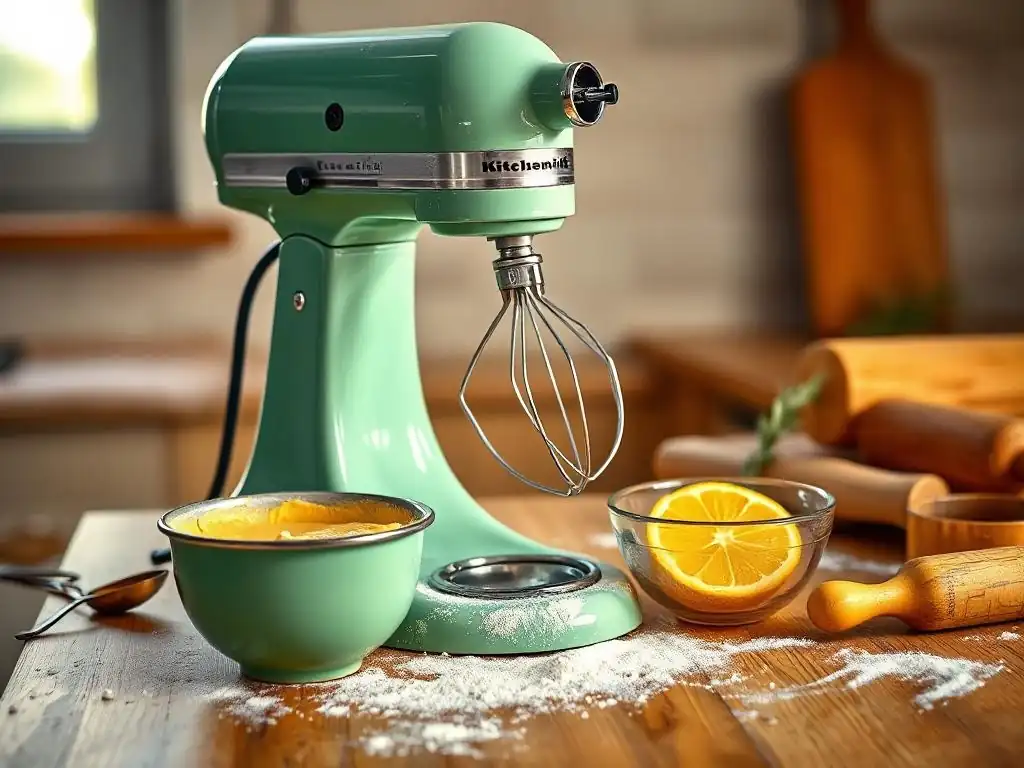
Welcome to BakeWithEase, your companion on the delicious journey of baking! Curious about the KitchenAid mixer and whether it's the right tool to elevate your creations? Dive into our in-depth review, packed with beginner tips and insights, and discover if this iconic hand mixer lives up to the hype – and how it can simplify your baking adventures. Let's get mixing!
- The Essential Hand Mixer: A Review for Baking Beginners
- Introduction: The Hand Mixer - A Baker's Essential Tool
- Hand Mixer Models: A Comprehensive Overview
- Unboxing and First Impressions: What to Expect
- Hand Mixer Performance Review: Putting It to the Test
- Key Features and Benefits of Hand Mixers
- Hand Mixer vs. Stand Mixer: Which is Right for You?
- Hand Mixer Cleaning and Maintenance: Keeping It in Top Shape
- Troubleshooting Common Hand Mixer Issues
- Hand Mixer Beginner Tips: Mastering Your Hand Mixer
- Where to Buy Hand Mixers: Best Deals and Retailers
- Final Verdict: Is a Hand Mixer Worth the Investment?
-
Frequently Asked Questions
- What are the key features to consider when buying a KitchenAid hand mixer for a beginner baker?
- Are KitchenAid hand mixers easy to clean for beginner bakers?
- What types of recipes are best suited for a KitchenAid hand mixer, especially for beginners?
- How does a KitchenAid hand mixer compare to a stand mixer for a beginner baker?
- What beginner tips are essential for using a KitchenAid hand mixer effectively?
- Final Reflection: The Enduring Legacy of the KitchenAid Hand Mixer
- Unleash Your Inner Baker Today!
The Essential Hand Mixer: A Review for Baking Beginners
Introduction: The Hand Mixer - A Baker's Essential Tool
Why Choose a Hand Mixer for Your Baking Needs?
For anyone just starting their baking adventure or working in a smaller kitchen, a hand mixer is often the first electric tool they consider. Unlike bulky stand mixers, hand mixers are compact, lightweight, and easy to store, making them ideal for apartments or limited counter space. They are incredibly versatile for numerous tasks, from whipping cream and beating egg whites to mixing cake batters and cookie doughs. Their portability allows you to work directly in different bowls, which can be a real time-saver when you're multitasking in the kitchen.
Moreover, hand mixers are significantly more budget-friendly than stand mixers, offering powerful performance for common baking tasks without a hefty investment. This makes them an accessible entry point into the world of electric mixing. For those seeking a comprehensive KitchenAid mixer review beginner tips often highlight the hand mixer as a fantastic starting point due to its ease of use and ability to handle most foundational baking recipes. It empowers beginners to tackle recipes that would be challenging or tiring with just a whisk, opening up a wider range of delicious possibilities.
Assessing Your Baking Needs
Before choosing a hand mixer, think about the types of baking you plan to do most often. Are you primarily making cookies, cakes, and whipped cream? Or do you envision tackling denser doughs like bread or pizza? While hand mixers excel at lighter tasks, their capability with thicker mixtures varies significantly between models. Understanding your typical recipes will help you determine the power and features you need.
Consider the quantity you usually bake. Are you whipping up a single batch of cupcakes, or do you often double recipes? The size and power of the hand mixer, as well as the types of attachments included, should align with the volume and consistency of the ingredients you'll be working with. A more powerful motor, often 100 watts or more, will handle larger batches and slightly thicker batters more comfortably than a basic 60-watt model. Factoring in these practical considerations ensures you select a tool that genuinely supports your baking goals.
Hand Mixer Models: A Comprehensive Overview
Basic Hand Mixers: Perfect for Simple Recipes
Basic hand mixers are typically the most affordable option and are excellent for foundational baking tasks. They usually feature a motor wattage between 60W and 120W and offer around 3 to 5 speed settings. These models are lightweight and straightforward, often coming with just one set of standard beaters. They are ideal for whipping egg whites to stiff peaks, making simple cake batters (like a classic vanilla sponge), mixing frosting, or creating light sauces and dressings.
These mixers shine in their simplicity and ease of handling. They are perfect for beginners who are just getting acquainted with electric mixing and don't yet need advanced features or high power. While they might struggle with very thick doughs or large quantities, for everyday tasks like making a batch of brownies or whipping cream for dessert, a basic hand mixer is more than sufficient and offers great value.
Mid-Range Hand Mixers: Balancing Power and Features
Stepping up to mid-range hand mixers, you'll find a noticeable increase in power, often ranging from 120W to 200W. These models typically boast more speed settings, commonly between 6 and 9, offering greater control over your mixing process. Beyond standard beaters, mid-range mixers often include additional attachments, such as whisk attachments for aeration and sometimes dough hooks for lighter doughs.
This category strikes a good balance between performance, versatility, and price. They can handle slightly thicker batters, larger quantities, and offer more precise control for delicate tasks like folding ingredients on a low speed or rapidly whipping on a high speed. For a beginner looking for a KitchenAid mixer review beginner tips often point to this category as a solid investment that grows with your skills, allowing you to tackle a wider variety of recipes with confidence.
Advanced Hand Mixers: For Versatile Baking
Advanced hand mixers represent the top tier, featuring powerful motors (often 200W or more) and a wide range of speed options, sometimes up to 9 or even more, with soft-start features to prevent splattering. These models are designed for maximum versatility and durability. They typically come with a comprehensive set of attachments, including heavy-duty beaters, wire whisks, and robust dough hooks capable of handling tougher mixtures like pizza dough or lighter bread doughs.
Some advanced models include digital displays for speed settings, timers, or even integrated lights to illuminate the bowl. While they come at a higher price point, their power and versatility make them suitable for more demanding baking projects and frequent use. For the ambitious beginner or someone looking for a hand mixer that can handle almost anything short of kneading heavy bread dough, an advanced model offers professional-level performance in a compact form factor.
Unboxing and First Impressions: What to Expect
What's Included in the Box?
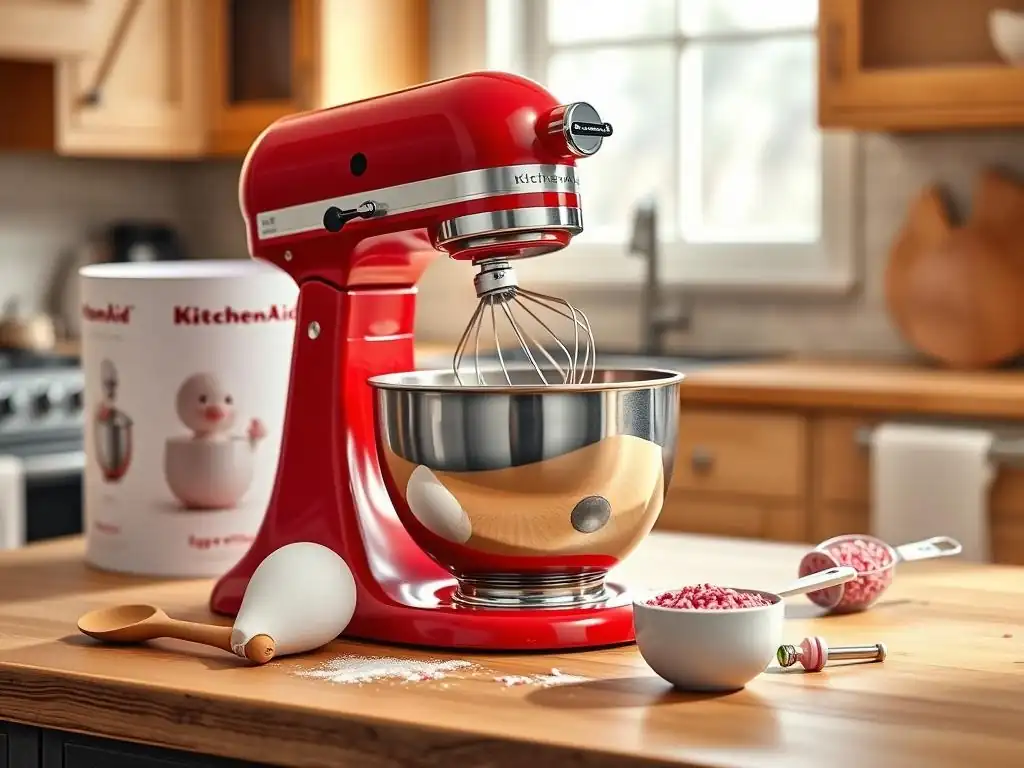
When you unbox a new KitchenAid hand mixer, you can typically expect to find the mixer unit itself, which houses the motor and controls. Alongside the main unit, you'll receive the essential mixing attachments. Standard models usually include a pair of traditional beaters, made of stainless steel or a similar durable material. These are your go-to for most general mixing tasks like batters, frostings, and whipping cream.
Depending on the specific model you purchased, the box might also contain additional attachments. Mid-range and advanced models often include a whisk attachment, which is excellent for aerating egg whites or light batters, and sometimes dough hooks, designed for mixing lighter bread or pizza doughs. You might also find a storage bag or case to keep the mixer and its attachments organized, and, of course, the instruction manual and warranty information. Checking the product description before purchasing gives you a clear picture of exactly what accessories are included.
Initial Setup and Ease of Use
Getting started with a KitchenAid hand mixer is remarkably simple, making it perfect for beginners. Once unboxed, the first step is usually to wash the attachments with warm, soapy water before their first use. The attachments are designed to click securely into the designated slots on the underside of the mixer body. There's usually a simple release button, often located near the attachment slots or on the handle, that allows you to easily insert or eject the beaters.
Operating the mixer involves plugging it into a standard wall outlet. The speed controls, whether a sliding switch or buttons, are intuitively placed on the handle for easy access while mixing. Most KitchenAid models feature a comfortable, ergonomic grip. Before mixing, ensure the beaters are fully inserted and locked into place. Starting on the lowest speed setting is a common beginner tip to prevent ingredients from splattering out of the bowl before gradually increasing the speed as needed. The straightforward design means you can go from unboxing to mixing your first batch of cookies in just a few minutes.
Hand Mixer Performance Review: Putting It to the Test
Mixing Performance: From Light Batters to Heavy Doughs
KitchenAid hand mixers are generally known for their reliable performance across various mixing tasks. For light batters, such as pancake mix or a simple cake batter, even basic models with lower wattage handle the job effortlessly, creaming butter and sugar and incorporating dry ingredients quickly. Whipping cream or egg whites is also a strength, with many models achieving stiff peaks in just a few minutes, depending on the speed and quantity.
When it comes to heavier tasks, the performance varies significantly with the mixer's power. A mid-range or advanced KitchenAid hand mixer (say, 160W+) can tackle thicker cookie doughs or brownie batters without excessive strain, though you might need to work in smaller batches compared to a stand mixer. While some models include dough hooks, they are generally suited for light doughs like pizza or brioche and may struggle with dense bread doughs that require significant kneading. For a thorough KitchenAid mixer review beginner tips often emphasize matching the mixer's power to the toughest task you anticipate performing regularly.
Speed Settings and Control
The number and range of speed settings are crucial for versatility. KitchenAid hand mixers commonly offer between 3 and 9 speeds. Basic models might have 3 or 5 speeds, providing essential options for slow stirring, medium mixing, and high-speed whipping. Mid-range and advanced models with 7 or 9 speeds offer finer control, which is particularly useful for delicate tasks like gently folding in ingredients on the lowest speed or achieving specific textures at various stages of mixing.
Many newer KitchenAid hand mixers feature a "soft start" function, which gradually increases the speed when you turn the mixer on. This is a fantastic feature for beginners as it helps prevent ingredients from flying out of the bowl when you start mixing, especially with dry ingredients like flour or powdered sugar. The placement and ease of use of the speed controls on the handle are also important factors contributing to a smooth mixing experience.
Noise Level and Vibration
All electric mixers produce some level of noise, but the intensity can vary. KitchenAid hand mixers are generally considered to be moderately noisy, typical for kitchen appliances of this type. The sound level tends to increase with speed and when mixing thicker ingredients that put more strain on the motor. While not silent, they are usually quieter than powerful stand mixers operating at high speeds.
Vibration is also a factor, especially when mixing heavier batters or doughs. A well-designed hand mixer minimizes vibration, allowing you to maintain a comfortable grip. KitchenAid models are generally known for good balance and relatively low vibration during normal operation. However, using a hand mixer on very thick mixtures for extended periods can increase both noise and vibration. Using the appropriate speed for the task and avoiding overloading the mixer can help manage both noise and vibration levels.
Key Features and Benefits of Hand Mixers
Power and Motor Details
The heart of any hand mixer is its motor, and its power, measured in watts, is a primary indicator of its capability. KitchenAid hand mixers typically range from around 60 watts for basic models up to 200 watts or more for advanced versions. A higher wattage motor generally translates to more power to handle thicker batters and larger quantities without overheating or stalling. For instance, a 160W motor can usually power through a double batch of chocolate chip cookie dough much more comfortably than a 100W motor.
Beyond just wattage, the quality and design of the motor are also important for durability and consistent performance. KitchenAid is known for manufacturing reliable motors. A robust motor allows the mixer to maintain its speed even when encountering resistance from ingredients, ensuring even mixing. Understanding the motor's power helps you align the hand mixer's capabilities with the demands of your intended baking projects.
Ergonomic Design for Comfortable Baking
Comfort during use is crucial, especially if you'll be mixing for more than a few minutes. KitchenAid hand mixers are often highlighted in a KitchenAid mixer review beginner tips section for their focus on ergonomic design. They typically feature a comfortable handle that fits well in the hand, reducing fatigue. The weight of the mixer is also important; a lighter mixer is easier to maneuver, particularly when working with larger or deeper bowls.
The placement of controls, such as the speed selector and the beater release button, is designed for intuitive access with the hand holding the mixer. Some models feature a swivel cord, which allows for greater flexibility and keeps the cord out of your way while mixing. A stable heel rest, which allows the mixer to stand upright on the counter when not in use, is another simple yet effective design feature that adds convenience and keeps your workspace cleaner.
Versatility with Attachments: Beyond Basic Mixing
While basic beaters are standard, the included attachments significantly expand a hand mixer's versatility. Standard beaters are excellent for creaming, mixing, and whipping. A whisk attachment, often included with mid-range and advanced models, is superb for incorporating air into egg whites, whipping cream to fluffy peaks, or making light meringues. It provides a different aeration pattern than standard beaters, resulting in lighter textures.
Dough hooks, found on some models, are useful for mixing and lightly kneading softer doughs like pizza, focaccia, or brioche. They are not designed for heavy, stiff bread doughs that require intense kneading, which is better left to stand mixers. Some KitchenAid models might also include a liquid blender rod for smoothies or sauces, further increasing their utility beyond just baking. Having a variety of attachments allows you to tackle a broader range of recipes with just one appliance.
Hand Mixer vs. Stand Mixer: Which is Right for You?
Hand Mixer Advantages: Portability and Storage
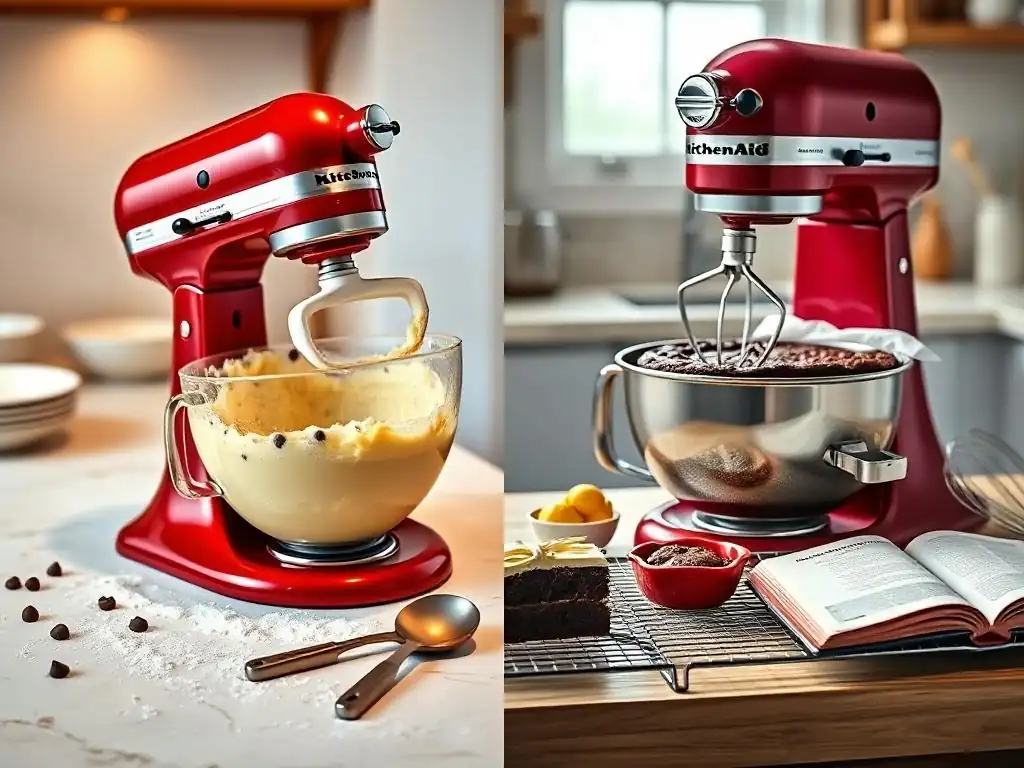
The most significant advantage of a hand mixer, especially for beginners or those with limited space, is its portability and compact size. Hand mixers are lightweight and can be used in any bowl, anywhere you have an electrical outlet. This flexibility is great if you need to mix ingredients directly in a pot on the stove (like for pudding or custard, after taking it off the heat!) or if you simply prefer to move around your kitchen while you work.
Storage is another major plus. A hand mixer and its attachments can easily fit into a drawer or a small cupboard, taking up minimal counter or storage space. This is a stark contrast to a stand mixer, which requires a dedicated spot on the counter or a significant amount of cabinet real estate. For someone just starting out or baking occasionally, the convenience and small footprint of a hand mixer are often deciding factors.
Stand Mixer Advantages: Power and Capacity
Stand mixers are the workhorses of the baking world, offering significantly more power and capacity than hand mixers. With powerful motors (often 300W to over 1000W), they can handle large batches and thick, heavy doughs, including dense bread doughs that require extensive kneading. Their large bowls, typically holding 4.5 to 7 quarts, allow you to mix much larger quantities of ingredients at once, which is a major advantage for bulk baking or entertaining.
The hands-free operation of a stand mixer is another key benefit. Once you've added ingredients, the mixer does the work while you can attend to other tasks, like preparing pans or measuring the next ingredients. Stand mixers also offer a wider range of attachments (purchased separately), including pasta makers, meat grinders, and ice cream makers, transforming them into versatile kitchen machines, not just mixers.
Choosing the Right Mixer for Your Baking Style
Deciding between a hand mixer and a stand mixer depends entirely on your baking habits, available space, and budget.
Consider a hand mixer if:
- You are a beginner or bake occasionally.
- You primarily make cakes, cookies, meringues, and whipped cream.
- Kitchen space is limited.
- Budget is a primary concern.
- You value portability and easy storage.
Consider a stand mixer if:
- You bake frequently or in large quantities.
- You plan to make bread or other heavy doughs regularly.
- You have ample counter and storage space.
- Budget allows for a larger investment.
- You want hands-free mixing and potential for other kitchen tasks with attachments.
For many beginners, starting with a good quality hand mixer, perhaps one covered in this KitchenAid mixer review beginner tips guide, is a practical first step. You can always upgrade to a stand mixer later if your baking passion grows and demands it.
Hand Mixer Cleaning and Maintenance: Keeping It in Top Shape
Easy Cleaning Tips and Tricks
Cleaning your hand mixer promptly after use is key to keeping it in good condition. Always unplug the mixer before cleaning! Remove the beaters or other attachments immediately after mixing; it's much easier to clean them before residue dries. Most KitchenAid hand mixer attachments are dishwasher-safe, making cleanup a breeze. Check your manual to confirm, but typically, the standard beaters and whisks can go in the dishwasher. Dough hooks might require hand washing depending on the model and material.
To clean the mixer body, wipe it down with a damp cloth. Avoid immersing the body in water, as this can damage the motor and electrical components. If you have sticky spots, a little mild dish soap on the cloth can help. Use a toothpick or a small brush (like a clean pastry brush) to gently remove any batter or flour that might have gotten into the vents or crevices. Ensure the mixer body is completely dry before storing it.
Proper Storage for Longevity
Proper storage protects your hand mixer and its attachments from damage and keeps everything organized. Many KitchenAid hand mixers come with a storage bag or case designed to hold the mixer body and all its attachments neatly. Using this case is the best way to keep everything together and prevent attachments from getting lost or damaged in a drawer.
If your mixer didn't come with a case, find a dedicated spot for it. A drawer or a shelf in a cabinet works well. Store the attachments alongside the mixer body. Avoid wrapping the power cord tightly around the mixer body, as this can stress the cord over time. Instead, loosely coil the cord before securing it with a twist tie or the integrated cord clip (if your model has one). Storing the mixer in a clean, dry place away from extreme temperatures will help ensure its longevity.
Troubleshooting Common Hand Mixer Issues
Motor Overheating - Causes and Solutions
One common issue, particularly when mixing thick batters or doughs for extended periods, is the motor getting warm or even overheating. This is often indicated by a hot smell or the mixer slowing down significantly. The primary cause is putting too much strain on the motor, either by mixing a mixture that is too thick for the mixer's power level or by trying to mix too large a quantity at once.
If your mixer feels hot or is struggling, immediately turn it off and unplug it. Remove the beaters and let the motor cool down completely before attempting to use it again. This might take 15-30 minutes. To prevent this, ensure you are using a mixer with adequate power for your task. If mixing thick dough with a less powerful model, try reducing the batch size or mixing in shorter intervals, allowing the mixer to rest in between. For a KitchenAid mixer review beginner tips often suggest starting with simpler recipes until you understand your mixer's capabilities.
Beaters Not Locking In - Quick Fixes
Sometimes, the beaters might not seem to lock securely into the slots on the mixer body. This can happen if they are not inserted correctly or if there's some obstruction in the slot. First, ensure you are inserting the correct beaters into the correct slots – some mixers have slightly different shaped slots for each beater. Push the beater firmly upwards until you hear or feel a click, indicating it's locked in place.
If they still won't lock, check the slots and the top of the beaters for any dried batter or debris that might be preventing a secure connection. Use a small brush or toothpick to gently clean out the slots. Also, ensure the beater release button isn't stuck or partially depressed. If the beaters seem bent or damaged, they may need to be replaced, as damaged beaters might not fit correctly and can cause vibration or damage to the mixer.
Speed Control Issues - Troubleshooting Guide
Problems with speed control can manifest as the mixer only working on one speed, speeds not changing, or the mixer cutting out at certain speeds. This could be due to internal electrical issues or sometimes a simple external factor. First, ensure the power cord is securely plugged into a working outlet. Try using a different outlet to rule out an electrical issue with the power source.
If the issue persists, it could be related to the speed control mechanism itself. Ensure there's no dried batter or debris around the speed control switch or buttons that might be preventing them from moving freely or making proper contact. If the problem is intermittent or the mixer cuts out under load, it might indicate the motor is struggling or there's an internal issue that requires professional repair. For a beginner's first KitchenAid mixer review beginner tips usually recommend contacting KitchenAid customer support if troubleshooting steps don't resolve the issue, as they have specific knowledge of their products.
Hand Mixer Beginner Tips: Mastering Your Hand Mixer
Beginner Baking Recipes to Try with Your Hand Mixer
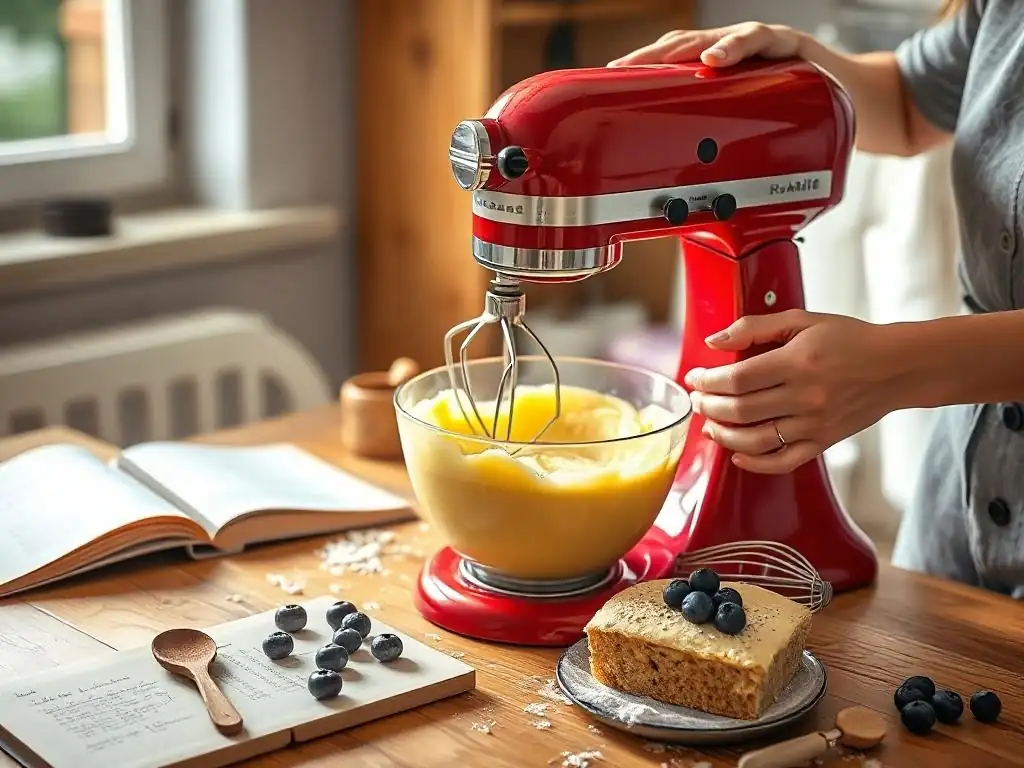
A hand mixer is a fantastic tool for beginners to tackle a wide array of recipes. Start with classics that rely on well-aerated ingredients or smooth batters.
Here are some ideas:
- Whipped Cream: Much faster and easier than whisking by hand.
- Simple Buttercream Frosting: Easily creams butter and powdered sugar.
- Muffins and Cupcakes: Perfect for mixing wet and dry ingredients until just combined.
- Quick Bread (like banana bread): Handles the batter with ease.
- Boxed Cake Mixes: Ideal for achieving the right consistency according to package directions.
- Basic Cookies (like chocolate chip or sugar cookies): Great for creaming butter and sugar and mixing in eggs and flour.
- Meringues: Using a whisk attachment makes whipping egg whites much quicker.
These recipes help you get comfortable with holding the mixer, controlling the speed, and understanding how different ingredients behave when mixed electrically.
Tips for Achieving Perfect Consistency
Achieving the right consistency is key to successful baking, and your hand mixer is a great aid.
- Start Slow: Always begin mixing on the lowest speed to incorporate ingredients without sending flour clouds or liquid splashes everywhere. Gradually increase the speed as the ingredients combine.
- Scrape Down the Bowl: Ingredients often stick to the sides and bottom of the bowl. Periodically stop the mixer and use a spatula to scrape down the bowl, ensuring everything is evenly incorporated. This is crucial for uniform batter and preventing pockets of unmixed ingredients.
- Don't Overmix: Many recipes, especially for cakes, muffins, and quick breads, can become tough if overmixed after adding the flour. Mix just until the dry ingredients are incorporated. Streaks of flour are okay; a few more turns of the mixer on low speed or a final fold with a spatula will finish the job.
- Observe Texture: Learn what the desired consistency looks and feels like for different stages – creamed butter and sugar should be light and fluffy, cake batter smooth but not overworked, and whipped cream should form soft or stiff peaks. Pay attention to visual cues as you mix.
Avoiding Common Mistakes When Using a Hand Mixer
Even with a simple tool like a hand mixer, there are a few pitfalls beginners can avoid.
- Not Unplugging Before Handling Beaters: Always, always unplug the mixer before attaching, removing, or cleaning the beaters. This prevents accidental activation.
- Using Too Small a Bowl: Use a bowl that is large enough to contain your ingredients, especially when mixing on higher speeds. A bowl that is too full or too shallow will result in splattering. Aim for a bowl where the ingredients fill no more than half to two-thirds of the depth.
- Forcing the Mixer: If the mixer sounds strained or the motor is getting hot, you might be asking it to do too much. Don't force it through overly thick doughs if your model isn't designed for it. Reduce the batch size or switch to hand mixing for very heavy mixtures.
- Ignoring the Manual: Your KitchenAid hand mixer manual contains specific instructions for your model, including which attachments to use for which tasks, cleaning instructions, and safety warnings. Reading it provides valuable KitchenAid mixer review beginner tips specific to your appliance.
Where to Buy Hand Mixers: Best Deals and Retailers
Online Retailers
Purchasing a hand mixer online offers convenience and a wide selection. Major online marketplaces like Amazon, Best Buy, and Walmart.com carry a full range of KitchenAid hand mixers, from basic models to the most advanced. These sites often provide detailed product descriptions, customer reviews, and comparison tools, allowing you to research different models and find the best fit for your needs and budget.
Manufacturer websites, like KitchenAid.com, also sell directly to consumers and can be a good source for the latest models and exclusive colors. Keep an eye out for seasonal sales events like Black Friday, Cyber Monday, or holiday promotions, where you can often find significant discounts. Comparing prices across several online retailers is a smart strategy to ensure you get the best deal on your desired KitchenAid mixer.
Brick-and-Mortar Stores
For those who prefer to see and feel a product before buying, brick-and-mortar stores are a great option. Department stores such as Macy's, Kohl's, and JCPenney often have kitchen appliance sections that stock KitchenAid hand mixers. Specialty kitchen stores and culinary shops may also carry a selection, sometimes offering expert advice from staff.
Large retailers like Target and Walmart typically have kitchenware aisles where you can find various hand mixer models. Shopping in-store allows you to assess the mixer's weight, feel the handle for comfort, and get a sense of its size. While the selection might not be as vast as online, you can often find competitive pricing, especially during sales events, and you can take your new mixer home immediately.
Final Verdict: Is a Hand Mixer Worth the Investment?
Pros and Cons of Hand Mixers
Let's sum up the advantages and disadvantages of investing in a hand mixer, particularly for a beginner baker.
Pros:
- Affordability: Generally much less expensive than stand mixers.
- Compact Size & Storage: Easy to store, ideal for small kitchens.
- Portability: Can be used with any bowl, anywhere near an outlet.
- Ease of Use: Simple controls and straightforward operation.
- Sufficient for Many Tasks: Handles most common baking tasks like whipping, mixing batters, and frosting.
- Easy to Clean: Attachments are often dishwasher-safe, body wipes clean.
Cons:
- Less Powerful: May struggle with very thick doughs or large batches.
- Not Hands-Free: Requires you to hold the mixer throughout the process.
- Limited Capacity: Better suited for single or double batches rather than very large quantities.
- Fewer Attachments: While some come with whisks/dough hooks, the range is less than stand mixers.
- Can Cause Fatigue: Holding the mixer for extended periods, especially with thick mixtures, can be tiring.
Recommendation for Baking Beginners
For the aspiring baker just starting their journey, a hand mixer is absolutely worth the investment. It's an accessible, versatile, and space-saving tool that can handle the vast majority of recipes you'll encounter as a beginner. It provides a significant upgrade from hand whisking and stirring, making many recipes quicker and easier to execute successfully.
Specifically, a KitchenAid hand mixer review beginner tips often highlight their reliability and quality build, even in their more basic models. Opting for a mid-range KitchenAid hand mixer (perhaps with 7 speeds and a whisk attachment) offers a sweet spot of power, versatility, and value that can support your baking skills as they grow. It's a practical first step into the world of electric mixers, allowing you to master fundamental techniques and explore a wide range of delicious baked goods without the larger commitment of a stand mixer.
Frequently Asked Questions
What are the key features to consider when buying a KitchenAid hand mixer for a beginner baker?
When starting out, look for a KitchenAid hand mixer with multiple speed settings for versatility and an ergonomic design for comfortable handling. A lightweight model is also beneficial for longer baking sessions.
Are KitchenAid hand mixers easy to clean for beginner bakers?
Yes, KitchenAid hand mixers are generally easy to clean. Most models come with dishwasher-safe attachments, and the mixer body can be wiped clean with a damp cloth. This makes post-baking clean-up a breeze.
What types of recipes are best suited for a KitchenAid hand mixer, especially for beginners?
KitchenAid hand mixers excel at recipes like cookie dough, cake batter, and whipped cream. They are perfect for beginners as they are easy to use and ideal for small to medium-sized batches.
How does a KitchenAid hand mixer compare to a stand mixer for a beginner baker?
A KitchenAid hand mixer is more affordable and compact than a stand mixer, making it a great starting point for beginners. While a stand mixer offers hands-free operation, a hand mixer provides greater control over the mixing process.
What beginner tips are essential for using a KitchenAid hand mixer effectively?
Always start with the lowest speed setting to prevent splattering, and gradually increase the speed as needed. Ensure the beaters are properly inserted before turning the mixer on, and scrape down the sides of the bowl periodically.
Final Reflection: The Enduring Legacy of the KitchenAid Hand Mixer
The humble hand mixer, once a kitchen luxury, has become a cornerstone of countless kitchens worldwide, and the KitchenAid remains a symbol of quality and dependability. Its enduring popularity speaks volumes about the desire for both functionality and a touch of timeless design in our homes. From novice bakers to seasoned professionals, the KitchenAid hand mixer continues to empower individuals to create delicious memories in their kitchens.
The impact of the KitchenAid, and hand mixers in general, extends beyond mere appliance functionality; it represents a connection to a richer culinary heritage. It's a tool that facilitates creativity, allowing individuals to experiment with recipes and express their personal style through baking and cooking. The best things in life are homemade,
a sentiment perfectly encapsulated by the simple act of whipping cream or kneading dough with a reliable hand mixer. This simple act, made easier and more efficient by the KitchenAid, connects us to generations past and fosters a sense of pride in creating something delicious from scratch.
Now, it's your turn. Consider the tools you use in your kitchen – what role do they play in your life? Do they simply perform a function, or do they represent something more?
Take a moment to appreciate the power of simple tools to enhance our lives and inspire creativity. Perhaps it's time to invest in a tool that will not only help you create delicious treats but also serve as a reminder of the joy found in the simple act of making something with your own hands. Embrace the legacy of the KitchenAid, and discover the joy of baking, one delicious recipe at a time.
Unleash Your Inner Baker Today!
Thank you for taking the time to explore the world of KitchenAid hand mixers with us! We hope you gained valuable insights on how this iconic tool can elevate your baking experience. Now, let's harness that inspiration and put it into action!
Here are some exciting ways to kick off your baking journey:
- Get your very own KitchenAid hand mixer! Begin whipping up delectable treats by choosing the model that fits your style and needs.
- Join our BakeWithEase community! Share your favorite recipes and baking tips, or seek advice from fellow enthusiasts who are just as passionate about baking as you are.
- Experiment today! Try a new recipe you've been curious about or challenge yourself with a fun baking project.
What delicious creation are you excited to make first with your new hand mixer? Share your thoughts in the comments below!