
We Blind TasteTested 10 Butters: Find the BEST for Your Cookies

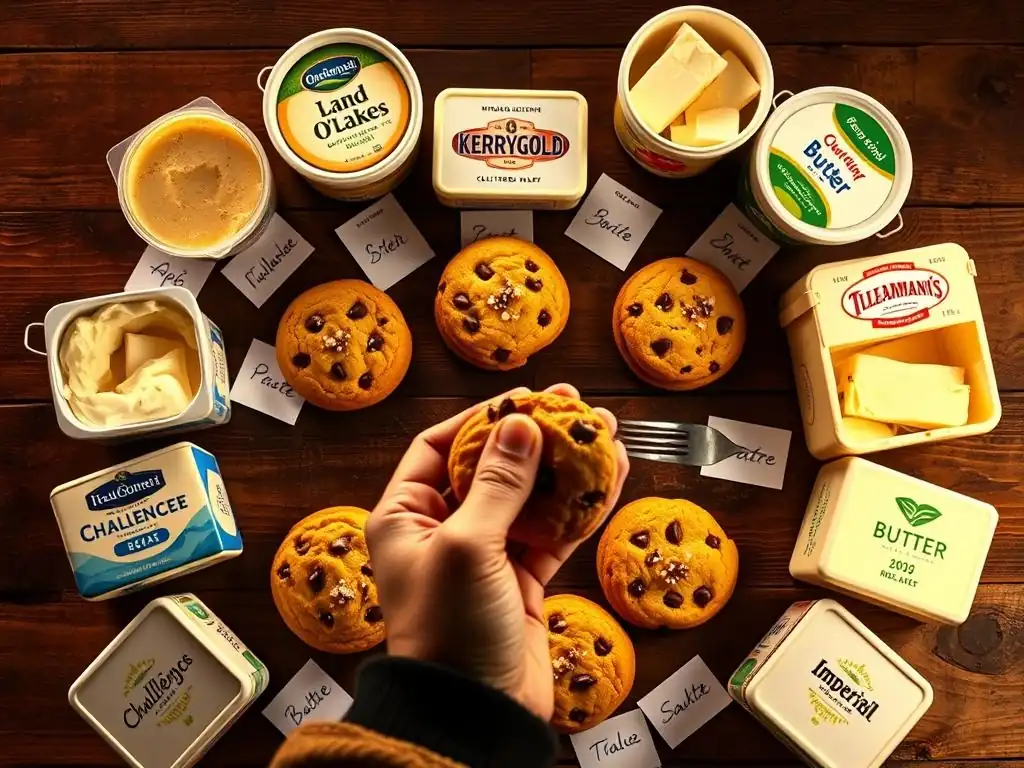
Welcome to BakeWithEase, where baking becomes a joy, not a chore! Ever wondered if all butter is created equal, especially when it comes to crafting the perfect cookie? We did too! That's why we embarked on a delicious experiment, blind taste-testing 10 different butters to discover which one reigns supreme. Prepare to have your cookie game elevated – the answer might surprise you! Keep reading to uncover our findings and ensure your next batch is the best it can be.
- Introduction: Unlocking Cookie Perfection with the Right Butter
-
The Top 10 Butters for Cookie Baking: A Taste Test Review
- 1. Kerrygold Irish Butter: Richness and Flavor Unleashed
- 2. Plugrá European-Style Butter: High Fat Content for Superior Cookies
- 3. Vermont Creamery Cultured Butter: Tangy Goodness for Unique Cookies
- 4. Land O'Lakes Unsalted Butter: A Baking Staple for Consistent Results
- 5. Organic Valley Salted Butter: Organic Option for Conscious Bakers
- 6. Miyoko's Kitchen Cultured Vegan Butter: Plant-Based Butter for Vegan Cookies
- 7. Challenge Butter: A Budget-Friendly Option for Cookie Baking
- 8. Straus Family Creamery European Style Unsalted Organic Butter: Supporting Organic Practices and Unique Flavors
- 9. Kirkland Signature Butter (Costco): Bulk Baking on a Budget
- 10. Trader Joe's European Style Cultured Butter: Unique Flavor Profile
- The Ultimate Verdict: Which Butter is REALLY the Best for Cookies?
- Tips for Using Different Butters in Your Cookie Recipes
- Conclusion: Bake with Confidence with the Perfect Butter Choice
-
Frequently Asked Questions
- What factors were considered when taste-testing the butters for cookies?
- Why is the type of butter important when baking cookies?
- Did the taste test include both salted and unsalted butter?
- What were the key differences observed between the different butters?
- Where can I find the full results of the butter taste test?
- Final Reflection: The Sweet Science of the Perfect Cookie
- Unleash Your Inner Baker: Master the Perfect Cookie Butter!
Butter isn't just an ingredient in your cookie dough; it's the foundation of flavor, texture, and structure. Its unique composition of fat, water, and milk solids plays a crucial role in how cookies spread, crisp up, and taste. The fat component tenderizes the dough, preventing it from becoming tough, while also carrying flavor compounds. When butter melts during baking, the water evaporates, creating steam that helps the cookies rise slightly before the fat spreads, contributing to that perfect balance of crisp edges and chewy centers that we all crave in the best butter for cookies.
The type of butter you choose can significantly alter the final outcome of your baked goods. Butters vary in fat content, water content, and even flavor profile (like cultured versus sweet cream). A higher fat content, often found in European-style butters, means less water.
This can lead to less spread during baking and a more tender crumb. On the other hand, standard American butters, typically with 80% fat, are reliable and widely available, offering consistent results for many classic recipes. Understanding these differences is key to elevating your cookie game and truly finding the best butter for cookies for your specific baking needs.
Our Blind Taste Test: Finding the Best Butter for Baking at Home
To truly understand the impact of different butters on everyone's favorite treat, we conducted a blind taste test right here at BakeWithEase. We selected 10 popular and readily available butters, ranging from standard supermarket staples to high-fat European-style options and even a plant-based alternative. Using a simple, classic sugar cookie recipe as our control, we swapped out only the butter, ensuring all other ingredients and baking conditions remained identical. Our panel of avid bakers and cookie enthusiasts then sampled the resulting cookies, evaluating them based on flavor, texture (crispness, chewiness, tenderness), spread, and overall appeal.
The goal was to move beyond assumptions and marketing claims to discover which butters genuinely produced the most delightful cookies in a real-world baking scenario. We carefully noted how each butter performed – did it lead to excessive spread? Was the flavor noticeably richer or flatter? Did the texture have that desirable chew? By removing the brand bias through a blind test, we aimed to provide an unbiased, practical guide to help you choose the best butter for cookies to achieve your desired results in your own kitchen.
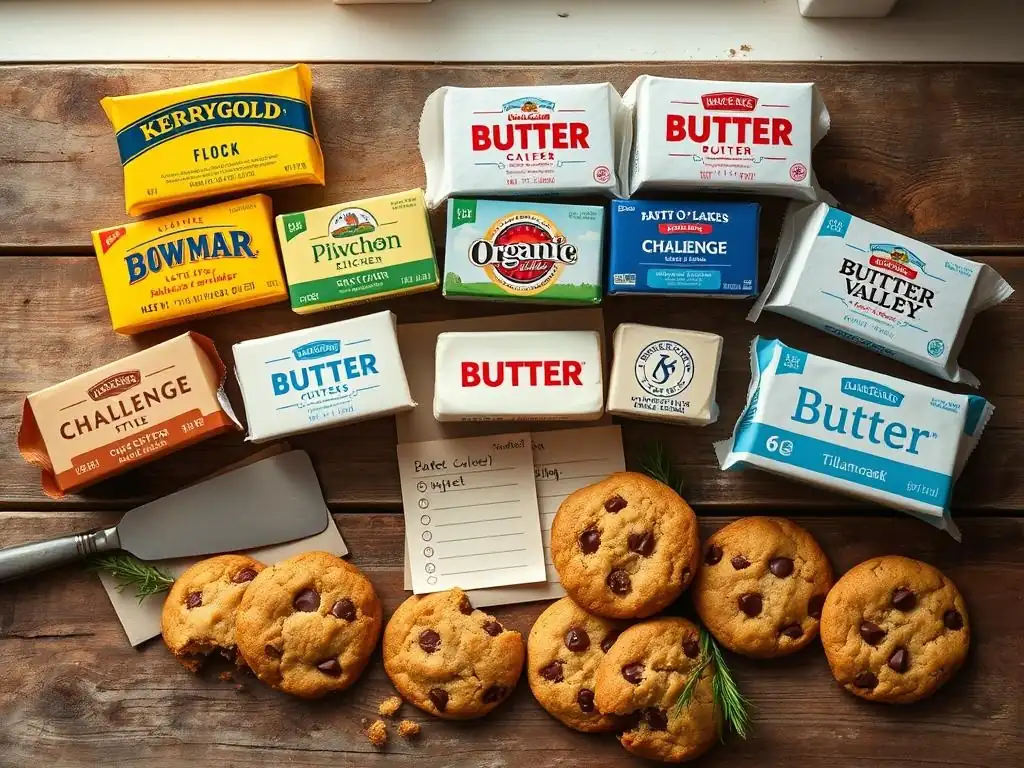
1. Kerrygold Irish Butter: Richness and Flavor Unleashed
Often hailed for its vibrant golden hue and rich flavor, Kerrygold Irish Butter stands out in the dairy aisle. It's made from the milk of grass-fed cows, which contributes to its higher fat content, typically around 82%, and a distinct, slightly nutty and creamy flavor profile. This higher fat percentage means it has less water compared to many standard butters, which can impact how your cookies bake. During our test, the Kerrygold cookies exhibited a beautiful golden color and a noticeably richer aroma straight out of the oven.
In terms of texture and taste, Kerrygold delivered on its promise of richness. The cookies made with Kerrygold had a tender interior and edges that crisped up nicely without becoming brittle. The flavor was distinctly more complex and dairy-forward than cookies made with lower-fat butters.
The higher fat content seemed to contribute to a slightly less spread-out cookie compared to some others tested, resulting in a thicker, chewier center. This butter is a fantastic choice when you want the butter flavor to truly shine in your cookies. You can typically find Kerrygold Irish Butter in most major supermarkets, often in the dairy or specialty cheese section.
Plugrá is marketed as a European-style butter, and its composition reflects this with a higher butterfat content, typically 82%, achieved through a slower churning process than traditional American butters. This process is designed to create a creamier texture and a more pliable consistency, which bakers often appreciate for pastry doughs and sensitive recipes. The reduced water content is a key factor that influences how baked goods perform, particularly cookies where spread is a critical characteristic.
In our blind taste test, cookies made with Plugrá butter demonstrated excellent structural integrity. The higher fat content resulted in less spread during baking compared to 80% fat butters, yielding cookies that were thicker and chewier in the center. The edges still developed a satisfying crispness.
While the flavor was rich and clean, it was perhaps less intensely "buttery" than the grass-fed Kerrygold, allowing other flavors in the cookie (like vanilla or chocolate) to come forward. Plugrá is an excellent choice when you're aiming for a cookie with a substantial bite and controlled spread. Look for Plugrá in the butter or dairy aisle of most large supermarkets and gourmet food stores.
Vermont Creamery produces a cultured butter, meaning the cream is allowed to ferment slightly before churning, often with added bacterial cultures similar to those used in yogurt or cheese. This process develops lactic acid, giving the butter a distinct, slightly tangy or nutty flavor profile compared to sweet cream butters. Vermont Creamery's butter also boasts a higher fat content, often around 82%, and a lovely creamy texture.
The unique flavor of Vermont Creamery's cultured butter definitely came through in our cookie test. The cookies had a subtle, pleasant tang that added a layer of complexity not present in those made with sweet cream butters. This tang wasn't overpowering but added an interesting dimension, making the cookies taste more artisanal.
The texture was also excellent, benefiting from the higher fat content which contributed to a good balance of chewiness and crispness with moderate spread. If you're looking to add a sophisticated, slightly tangy note to your cookies, especially recipes with brown sugar or chocolate, Vermont Creamery cultured butter is a superb choice. You can often find this butter in specialty food stores, health food markets, and larger supermarkets with a good dairy selection.
4. Land O'Lakes Unsalted Butter: A Baking Staple for Consistent Results
Land O'Lakes Unsalted Butter is arguably one of the most widely available and frequently used butters by home bakers across the United States. It's a standard sweet cream butter with an 80% fat content, making it a reliable workhorse for countless recipes. Its consistency and accessibility make it a go-to for many, providing predictable results time after time. The unsalted version is preferred by bakers as it gives them complete control over the salt level in their recipe, which is crucial for balancing sweetness and enhancing other flavors.
In our taste test, cookies made with Land O'Lakes Unsalted Butter performed exactly as expected: consistently well. They had a classic cookie spread, achieving a good balance between a slightly crisp edge and a soft, chewy center. The flavor was clean, pleasant, and neutral, allowing the other ingredients in the cookie recipe to be the stars. This butter is an excellent baseline and a perfect choice for everyday cookie baking, reliable for everything from chocolate chip to peanut butter cookies. You can find Land O'Lakes butter in virtually every grocery store across the country.
5. Organic Valley Salted Butter: Organic Option for Conscious Bakers
Organic Valley offers a range of dairy products, including certified organic butters made from the milk of pasture-raised cows. Their salted butter is a popular choice for those seeking an organic option. While our test focused on unsalted butter for consistency across samples, it's worth noting the quality of their organic dairy. Organic Valley's butter typically has an 80% fat content and a clean, creamy flavor profile that reflects the organic farming practices.
Choosing an organic butter like Organic Valley is a preference for many bakers concerned about sourcing and sustainability. While the added salt means you'd need to adjust your cookie recipe accordingly, the quality of the butter itself is high.
Based on the performance of similar 80% fat sweet cream butters in our test, an unsalted version of Organic Valley would likely yield cookies with good, consistent texture and a pleasant, clean dairy flavor, making it a solid choice for classic cookie recipes if organic is your priority. Organic Valley products are widely available in supermarkets, health food stores, and online grocery platforms.
For bakers following a vegan lifestyle or catering to dairy allergies, finding a plant-based butter that performs well in baking can be a challenge. Miyoko's Kitchen Cultured Vegan Butter is a leading option in this category, known for its primary ingredient, organic cashews, and its cultured process which aims to mimic the flavor complexity of dairy butter. It also contains coconut oil and sunflower oil to achieve a butter-like texture and melting point.
In our test of plant-based alternatives for cookies, Miyoko's butter stood out. While it behaved slightly differently than dairy butters (vegan fats can sometimes cause more spread), it produced cookies with a surprisingly good texture. They had a nice crispness and a pleasant chew.
The flavor was rich and savory with a hint of tang from the culturing, though distinctly different from dairy. It successfully delivered a delicious cookie experience without any dairy components, proving that the best butter for cookies can indeed be plant-based for vegan recipes. Miyoko's Kitchen products are commonly found in health food stores, specialty vegan shops, and the natural foods section of many large supermarkets.
Challenge Butter is another staple found in many American kitchens, offering a reliable and often more budget-friendly option compared to premium or European-style butters. It is a standard sweet cream butter with an 80% fat content, making it comparable in composition to Land O'Lakes. Its widespread availability and competitive pricing make it a practical choice for everyday cooking and baking needs.
Our taste test confirmed that Challenge Butter is a perfectly capable option for cookie baking, especially when cost is a consideration or when baking large volumes. The cookies made with Challenge Butter had a consistent texture and spread, much like those made with other standard 80% fat butters. The flavor was clean and straightforward, serving as a neutral base for other cookie ingredients.
While it may not offer the nuanced flavor profiles of cultured or grass-fed butters, it provides dependable results for classic cookie recipes without breaking the bank. You can find Challenge Butter in the dairy aisle of most major grocery stores.
8. Straus Family Creamery European Style Unsalted Organic Butter: Supporting Organic Practices and Unique Flavors
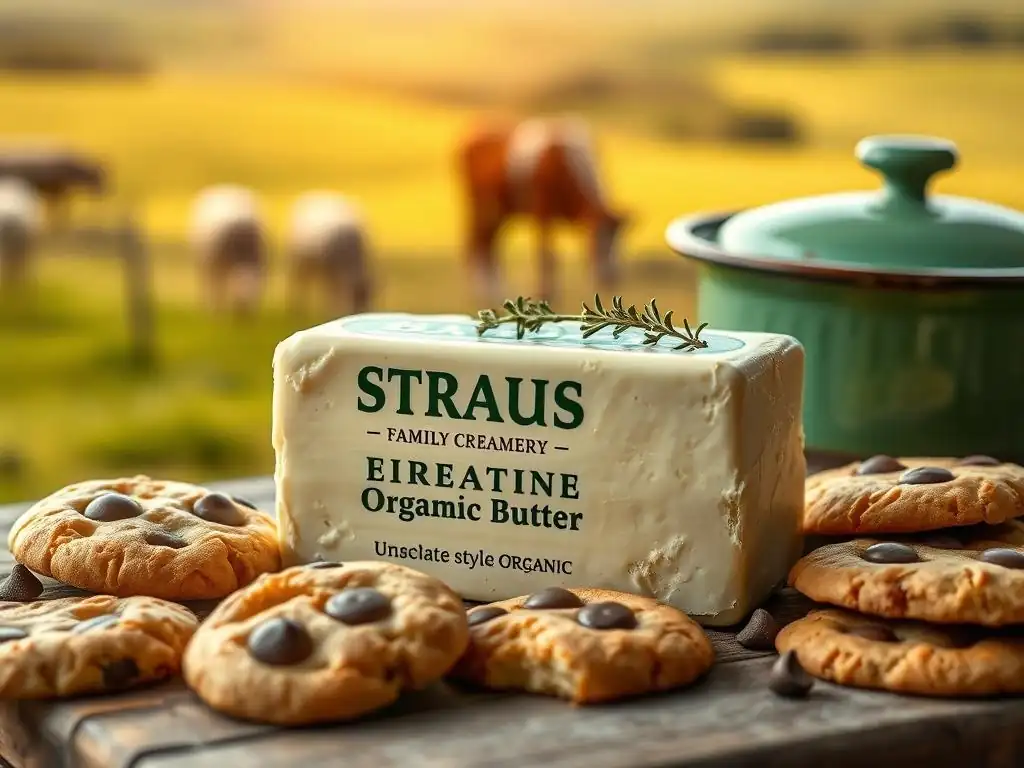
Straus Family Creamery, based in California, is known for its commitment to organic farming and producing high-quality dairy products. Their European Style Unsalted Organic Butter is made from the milk of cows on certified organic family farms and features a higher fat content, typically 82%, and a creamy texture. The focus on organic and local sourcing appeals to many consumers.
The Straus Family Creamery butter performed beautifully in our cookie test. The higher fat content contributed to less spread and a thicker cookie, resulting in a wonderfully chewy texture with satisfyingly crisp edges. The flavor was clean and distinctly creamy, with a pleasant richness that enhanced the overall taste of the cookie without being overpowering. Choosing Straus supports organic practices and offers a premium ingredient that can elevate your baking. This butter is often available in health food stores, specialty markets, and farmers markets, particularly on the West Coast, though its distribution is growing.
9. Kirkland Signature Butter (Costco): Bulk Baking on a Budget
For those who bake frequently or in large quantities, purchasing butter in bulk is often the most economical option. Kirkland Signature, Costco's house brand, offers unsalted butter in convenient four-pound packages. This butter is a standard 80% fat sweet cream butter, comparable in composition to other widely available American butters.
Our taste test found that Kirkland Signature butter is an excellent value for baking cookies in bulk. It performed similarly to other 80% fat butters, producing cookies with consistent spread, a good balance of crispness and chewiness, and a neutral, reliable flavor. While it doesn't offer unique flavor notes, its performance is solid and dependable for all types of cookie recipes.
If you're baking dozens of cookies for events, holidays, or just stocking up, Kirkland Signature provides the best butter for cookies in terms of cost-effectiveness for volume baking without sacrificing quality. This butter is exclusively available at Costco warehouses and on their website for members.
10. Trader Joe's European Style Cultured Butter: Unique Flavor Profile
Trader Joe's is known for its unique and often value-priced grocery items, including their own brand of European Style Cultured Butter. Like other European-style butters, it boasts a higher fat content, typically 82%, and undergoes a culturing process that imparts a slightly tangy or fermented flavor. This butter offers an accessible way to experiment with cultured butter in your baking.
In our blind taste, the Trader Joe's European Style Cultured Butter added an interesting dimension to the cookies. The tang was noticeable, similar to the Vermont Creamery butter but perhaps slightly milder, adding a pleasant complexity that brightened the overall flavor profile. The texture was also excellent, benefiting from the higher fat content which resulted in a good chewiness and controlled spread.
This butter is a great option if you enjoy the subtle tang of cultured butter and are looking for an affordable way to incorporate it into your cookie recipes. This butter is exclusively available at Trader Joe's stores.
After blind tasting cookies made with 10 different butters, our panel reached a clear consensus on which ones truly stood out for flavor, texture, and overall appeal. While all butters produced edible cookies, the differences in quality, flavor depth, and structural outcome were significant. The "best" butter ultimately depends on what you prioritize in your cookie – whether it's rich flavor, perfect chewiness, minimal spread, or specific dietary needs. However, based purely on performance in our classic sugar cookie test, a few butters consistently ranked at the top, demonstrating superior characteristics that elevated the simple recipe.
It's important to remember that the ideal butter can also vary depending on the type of cookie you're making. A butter that's fantastic for a thick, chewy chocolate chip cookie might not be the absolute best choice for a delicate, crisp shortbread. However, our top recommendations represent versatile performers that delivered excellent results across the board in our testing scenario. They offer a great starting point for anyone looking to improve their cookie baking and find their personal best butter for cookies.
Based on the collective scores and comments from our blind taste panel, these three butters consistently produced cookies that were exceptional in both flavor and texture:
- Kerrygold Irish Butter: Ranked highest for its rich, complex flavor and desirable chewy-yet-crisp texture. If you want the butter itself to contribute significant, delicious flavor, Kerrygold is a top contender.
- Plugrá European-Style Butter: Scored highly for its impact on texture, producing cookies with excellent chewiness and minimal, controlled spread thanks to its high fat content. Its clean flavor makes it versatile.
- Vermont Creamery Cultured Butter: Loved for the unique, subtle tang it added, which elevated the cookie's flavor profile. It also performed well texturally due to its higher fat content.
These three butters represent different styles (grass-fed, high-fat European, cultured), allowing you to choose the one that best aligns with your desired cookie outcome and flavor preferences.
Selecting the best butter for cookies isn't a one-size-fits-all answer. Consider what you want from your cookie:
- Rich Flavor: Opt for grass-fed butters like Kerrygold or cultured butters like Vermont Creamery or Trader Joe's.
- Chewy Texture & Less Spread: High-fat European-style butters (Plugrá, Straus, Trader Joe's, Kerrygold) are excellent choices due to their lower water content.
- Crisp Cookies: While fat content plays a role, ensure your butter is properly softened (not melted) for creaming and follow chilling instructions in the recipe. Standard 80% butters can work well here too.
- Consistency & Affordability: Land O'Lakes or Challenge Butter are reliable, accessible options for everyday baking. Kirkland Signature is great for bulk.
- Dietary Needs: Miyoko's Kitchen offers a strong plant-based alternative.
Think about the other ingredients in your recipe and how the butter's flavor might complement them. A neutral 80% butter is great when chocolate or spices are the main stars, while a cultured or grass-fed butter can add depth to simpler recipes like sugar cookies or shortbread. Experimenting with different butters in your favorite recipe is the best way to find your personal preference for the best butter for cookies.
Using the right butter is just one piece of the puzzle; how you handle it is equally important for achieving cookie perfection. Understanding the properties of different butters and adjusting your technique or recipe slightly can make a significant difference in the final result. Paying attention to details like fat content and temperature will help you get the most out of your chosen butter, ensuring your cookies turn out just the way you envision them.
Here are a few essential tips to keep in mind when working with various types of butter in your cookie recipes:
Adjusting Recipes for Different Butter Fat Content
Butters with higher fat content (like European styles at 82%+) have proportionally less water and milk solids than standard American butters (80% fat). While for most standard cookie recipes, you can often swap them 1:1 and get excellent results (potentially with slightly less spread), for very sensitive recipes or when aiming for a specific texture, you might consider minor adjustments. If a recipe was developed using 80% butter and you use 82%, you might notice slightly less spread and a marginally more tender crumb. This is usually a desirable outcome for many cookie types.
Conversely, if you were to use a lower-fat spread (which we don't recommend for serious baking! ), you would likely get excessive spread and a tougher texture due to higher water content. Stick to butters with at least 80% fat for reliable cookie results.
Butter temperature is perhaps one of the most critical factors in cookie baking, regardless of the type of butter you choose. Most recipes call for "softened" or "room temperature" butter, which means it should be pliable enough to indent easily with your finger but still cool to the touch, typically around 65-68°F (18-20°C). Creaming softened butter with sugar incorporates air, which provides lift and contributes to texture.
Using butter that is too cold will result in a dense dough and cookies that don't spread properly. Using butter that is too warm or melted will prevent proper emulsification, lead to excessive spread during baking, and can result in greasy, flat cookies. Always check your recipe's specific instructions regarding butter temperature and use a thermometer if you're unsure.
Conclusion: Bake with Confidence with the Perfect Butter Choice
Our blind taste test journey has shown that while many butters can make a good cookie, the best butter for cookies can truly elevate your baking from good to outstanding. From the rich depth of Kerrygold to the controlled spread of Plugrá and the tangy complexity of Vermont Creamery, each butter brings something unique to the dough. Standard butters like Land O'Lakes and Challenge offer reliable consistency, while options like Miyoko's open up possibilities for dietary needs, and Kirkland Signature provides value for bulk baking.
Ultimately, the "perfect" butter depends on your personal taste preferences, the specific cookie recipe you're using, and the characteristics you desire in the final bake. Don't be afraid to experiment! Try making a batch of your favorite cookie recipe with two different butters side-by-side, just like we did in our test. Pay attention to the subtle differences in flavor, texture, and spread. Armed with the knowledge of how different butters perform, you can choose with confidence, ensuring your next batch of cookies is the best one yet, baked with ease and the perfect butter.
Frequently Asked Questions
The taste test focused on factors like flavor, texture, and how each butter affected the overall quality of the baked cookie. We also considered meltability and how it browned.
The type of butter significantly impacts the flavor and texture of your cookies. Different butters have varying fat content and moisture levels, affecting spread, chewiness, and richness.
Did the taste test include both salted and unsalted butter?
Yes, both salted and unsalted butters were included in the blind taste test. The results helped determine which type contributes to the best cookie flavor profile.
What were the key differences observed between the different butters?
The key differences were in the butter's flavor profile (e.g., grassy, tangy, sweet), melting point, and how they influenced the cookie's spread and texture.
Where can I find the full results of the butter taste test?
You can find the complete breakdown of the taste test, including detailed notes on each butter and our final recommendations, on the BakeWithEase.com website under the article "We Blind TasteTested 10 Butters: Find the BEST for Your Cookies."
The quest for the perfect cookie is a timeless pursuit, and the choice of butter plays a surprisingly significant role. Our blind taste test revealed not only a clear winner, but also illuminated the nuanced differences that seemingly small variations in butter composition can create. This isn't just about finding the "best" butter; it's about understanding how the ingredients we choose directly impact the final product, a lesson applicable far beyond the kitchen.
This exploration into the world of butter and baking has underscored for me the importance of paying attention to detail, even in seemingly simple tasks. The subtle differences in flavor profiles, texture, and overall baking performance highlighted the power of mindful ingredient selection. The details are not the details. They make the design.
– Charles Eames. This quote perfectly encapsulates the essence of our findings; the seemingly minor details of butter type significantly impact the final cookie's quality. The journey of discovering the best butter for cookies has become a metaphor for the pursuit of excellence in any endeavor.
So, what's next? I encourage you to embark on your own culinary adventure. Don't just accept the first butter you see on the shelf; experiment! Try different brands, explore various fat percentages, and most importantly, savor the process of creating something delicious. The perfect cookie, like any great achievement, is a testament to the dedication and attention to detail you invest in the journey. The next time you bake, remember the power of mindful ingredient selection and the sweet reward of a perfectly crafted cookie.
Thanks for joining us on this buttery adventure! We hope you discovered the perfect butter for your next batch of cookies. Ready to take your baking to the next level?
- Bake a batch of cookies using your newfound favorite butter. Share your results with us – we'd love to see your creations!
- Experiment with different cookie recipes using your chosen butter. See how the flavor profiles change!
- Tell your friends about your butter discovery. Share this article and let them in on your secret ingredient!
Which butter will you choose for your next baking project, and what delicious treat will you make?