
Beyond Vanilla: Exciting Flavoring Ideas for Your Custard

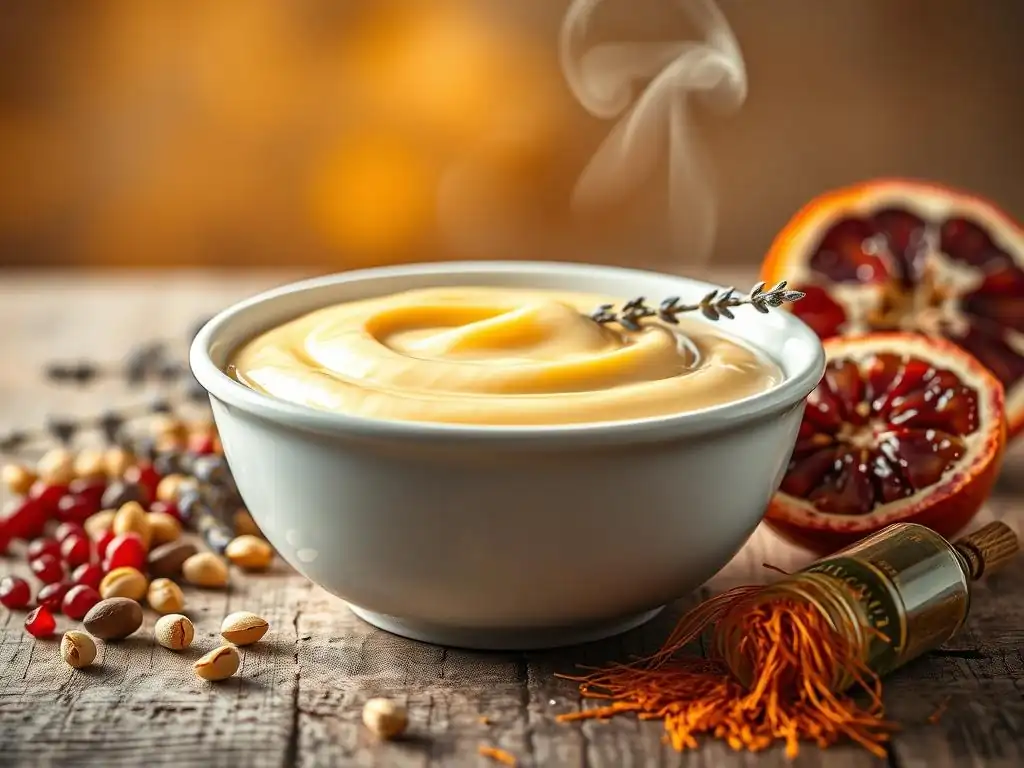
Welcome to BakeWithEase, your trusted guide to baking bliss! Are you ready to elevate your custard game? You know and love classic vanilla, but what if we told you there's a whole world of flavor waiting to be discovered? Dive into our article, " Beyond Vanilla: Exciting Flavoring Ideas for Your Custard," and unlock a treasure trove of Vanilla Custard Flavoring Ideas that will transform your pastries and desserts. Intrigued? Let's get baking!
- Introduction: Elevate Your Custard with Unique Flavors
- Understanding the Basics of Custard Flavoring
- Vanilla Custard Flavoring Ideas: A Classic Reimagined
- Fruit-Infused Custard: A Burst of Freshness
- Spice-Inspired Custard: Warm and Inviting Flavors
- Chocolate Custard Creations: Indulgent and Decadent
- Nutty Custard Delights: Adding Texture and Flavor
- Liqueur-Infused Custard: A Sophisticated Touch
- Uncommon Custard Flavor Combinations: Think Outside the Box
- Tips for Perfect Custard Flavoring
- Storage and Serving Suggestions for Flavored Custards
- Conclusion: Unleash Your Creativity with Custard Flavoring
- Frequently Asked Questions
- Final Reflection: A World Beyond Vanilla: Reimagining Custard's Potential
- Unleash Your Inner Pastry Chef: Elevate Your Custard!
Introduction: Elevate Your Custard with Unique Flavors
Custard is a beloved classic, a creamy, smooth dessert base that serves as the foundation for countless treats, from simple bowls of pudding to elaborate tarts and fillings. While traditional vanilla custard holds a special place in our hearts (and bellies! ), the world of flavor is vast and waiting to be explored. Moving beyond the familiar can transform your everyday dessert into something truly extraordinary, offering a delightful surprise with every spoonful.
This article delves into the exciting possibilities that await when you venture past the classic vanilla profile. We'll explore various techniques and ingredients to infuse your custard with vibrant, warm, or sophisticated notes. Whether you're looking for new vanilla custard flavoring ideas or eager to experiment with entirely different palettes, get ready to unlock a new level of deliciousness in your baking.
Understanding the Basics of Custard Flavoring
The Foundation: Choosing Your Custard Base
The success of any flavored custard begins with a well-made base. A standard custard typically involves egg yolks (or whole eggs), sugar, milk or cream, and often a thickening agent like cornstarch or flour. The ratio of these ingredients dictates the richness and consistency, from a pourable crème anglaise to a firm pastry cream.
For many flavor infusions, a classic stirred custard base made with milk and egg yolks is ideal, as its neutral profile allows added flavors to shine. A good starting point often uses 4-6 egg yolks, 1/2 cup sugar, and 2 cups of whole milk, cooked until thickened.
Consider the final application when choosing your base. A rich, cream-heavy base stands up well to intense flavors like dark chocolate or coffee liqueur, while a lighter, milk-based custard might be better suited for delicate floral or fruit infusions. The quality of your dairy is paramount; fresh, full-fat milk and cream provide the best texture and allow flavors to meld beautifully. Ensure your base is cooked gently to avoid scrambling the eggs, resulting in a silky smooth texture ready to embrace new flavors.
Extract vs. Infusion: Flavoring Methods Explained
Adding flavor to custard can be achieved primarily through two methods: using extracts or infusing the liquid base. Extracts, like the ubiquitous vanilla extract, are concentrated flavor compounds dissolved in alcohol or oil. They are typically added towards the end of the cooking process or after the custard has cooled slightly, as heat can diminish their potency. A few drops or teaspoons can dramatically change the flavor profile quickly, making them convenient for achieving specific notes like almond, peppermint, or citrus.
Infusion, on the other hand, involves steeping ingredients directly into the milk or cream, usually while it's being heated. This method is perfect for drawing out flavors from fresh herbs, spices, tea leaves, citrus zest, or even coffee beans. You might simmer a cinnamon stick, cardamom pods, or lemon zest in the milk for 15-20 minutes before straining it and proceeding with the custard recipe. This technique provides a more nuanced and integrated flavor compared to extracts and is essential for achieving true spice or botanical notes in your custard.
Vanilla Custard Flavoring Ideas: A Classic Reimagined
Exploring Different Vanilla Bean Varieties
While "vanilla" might seem singular, the world of vanilla beans offers a surprising array of subtle yet distinct flavor profiles, providing exciting vanilla custard flavoring ideas. Madagascar Bourbon vanilla is the most common, known for its creamy, sweet, and classic vanilla notes, often described as having hints of caramel. It's robust enough to stand up in cooked applications like custard. Using even just half a bean, split and scraped into 2 cups of milk, yields a far more complex and aromatic vanilla custard than extract alone.
Tahitian vanilla beans, while less common, offer a more floral, cherry-like, and sometimes slightly anise-like aroma. They are wonderful for adding a delicate, exotic twist to your custard. Mexican vanilla beans tend to be smoky, spicy, and woody, adding depth that pairs well with chocolate or warm spices. Exploring these varieties allows you to create different nuances within the classic vanilla custard theme. For instance, a Tahitian vanilla custard could be paired with berries, while a Mexican vanilla version might complement a spiced apple tart filling.
Vanilla Extract Alternatives: Vanilla Bean Paste and Powder
Beyond traditional liquid extract and whole beans, vanilla bean paste and vanilla powder offer excellent alternatives for enhancing your vanilla custard. Vanilla bean paste is a thick syrup containing concentrated vanilla extract and suspended vanilla bean seeds (specks). It provides the intense flavor of extract plus the visual appeal of the little black seeds, often desired in high-quality desserts. About 1-2 teaspoons of paste per 2 cups of custard base can provide significant flavor and beautiful flecks.
Vanilla powder, made from dried and ground vanilla beans, is less common but offers a pure, alcohol-free vanilla flavor. Because it's dry, it can be added directly to dry ingredients or whisked into the liquid base. It provides a deep, earthy vanilla note. Using about 1/2 to 1 teaspoon of powder per 2 cups of liquid can create a potent vanilla flavor. Both paste and powder are fantastic ways to elevate your vanilla custard flavoring ideas, providing intensity and visual interest that simple extract can't match.
Fruit-Infused Custard: A Burst of Freshness
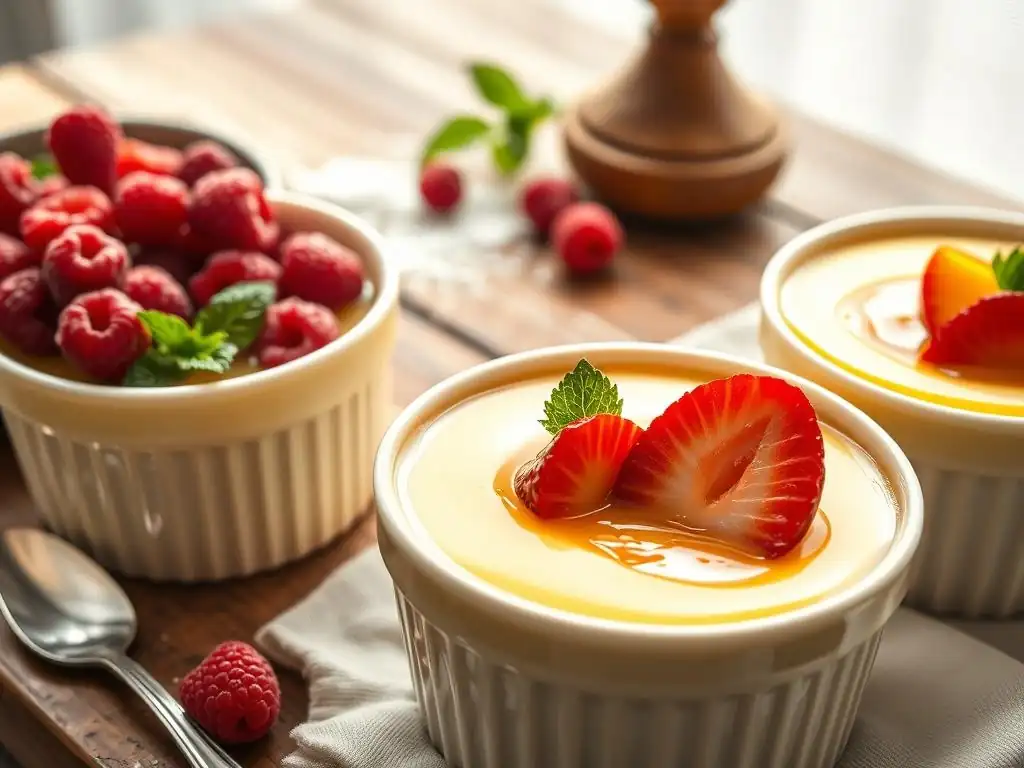
Berry Bliss: Raspberry, Strawberry, and Blueberry Custard Recipes
Adding fruit to custard can transform it into a vibrant, refreshing dessert, and berries are a natural fit. For a raspberry custard, you can make a smooth puree from about 1 cup of fresh or frozen raspberries, strained to remove seeds, and whisk it into the finished, cooled custard. This adds a tangy counterpoint to the sweetness. Alternatively, infuse the milk with fresh berries (about 1/2 cup per 2 cups of milk) before cooking the custard, straining the milk afterwards to capture a more subtle berry essence.
Strawberry and blueberry custards can be made similarly using purees or infusions. A strawberry puree (from about 1 cup of berries) adds a lovely pink hue and sweet flavor. Blueberry puree or a blueberry infusion (simmering about 1/2 cup blueberries in the milk) yields a beautiful purple shade and a slightly tart, earthy flavor. Remember that adding significant amounts of liquid puree after cooking can thin the custard, so consider reducing the puree slightly beforehand or adjusting your base recipe for thickness. These berry variations offer wonderful vanilla custard flavoring ideas with a fruity twist.
Citrus Zest: Lemon, Orange, and Lime Custard Variations
Citrus zest provides an incredibly bright and aromatic flavor that pairs wonderfully with the creamy richness of custard. Lemon zest is a classic choice for a tangy lemon custard. Simply peel the zest from 1-2 lemons using a vegetable peeler or microplane, avoiding the bitter white pith, and steep it in the milk as it heats. Strain the milk before adding egg yolks. This method infuses the milk with the essential oils from the zest, creating a clean, vibrant lemon flavor.
Orange and lime zests offer different citrus notes. Orange zest (from 1-2 oranges) provides a sweeter, more floral aroma, perfect for an orange blossom-like custard. Lime zest (from 1-2 limes) delivers a sharper, more aromatic tang. For maximum flavor, use fresh, unwaxed fruit. You can even add a small amount of citrus juice after the custard is cooked and slightly cooled, but be cautious as the acidity can curdle the custard if added while hot or in large quantities. These citrus infusions offer a refreshing alternative to traditional vanilla custard flavoring ideas.
Stone Fruit Sensations: Peach, Apricot, and Cherry Custard Delights
Stone fruits like peaches, apricots, and cherries can lend a beautiful sweetness and delicate flavor to custard, particularly when in season. To incorporate peach or apricot flavor, you can roast or gently cook about 1 cup of diced fruit until soft, then puree and strain it. Whisk this puree into the cooled custard. The cooking helps concentrate the fruit's flavor. Alternatively, infuse the milk with slices of ripe fruit (about 1 cup per 2 cups milk) before making the custard, straining thoroughly.
Cherries offer a slightly tarter, more intense flavor. You can infuse the milk with pitted fresh or frozen cherries (about 1 cup per 2 cups milk) or use a concentrated cherry juice (about 1/4 cup per 2 cups custard, added after cooking). For a more pronounced flavor, consider reducing cherry juice to a syrup consistency before adding it. These fruit variations provide delightful vanilla custard flavoring ideas with seasonal appeal.
Spice-Inspired Custard: Warm and Inviting Flavors
Cinnamon and Nutmeg: A Cozy Custard Experience
Cinnamon and nutmeg are classic warming spices that lend themselves perfectly to custard, creating a cozy and comforting dessert. To infuse your custard with cinnamon, add 1-2 whole cinnamon sticks to the milk while it heats, letting them steep for at least 15-20 minutes before removing them. Ground cinnamon can be used, but it can leave a slightly gritty texture and the flavor isn't as pure; if using ground, whisk 1/2 teaspoon into the sugar before adding it to the egg yolks.
Freshly grated nutmeg offers a superior flavor to pre-ground. Grate about 1/4 teaspoon directly into the milk as it heats, or whisk it into the finished custard. The combination of cinnamon and nutmeg is particularly harmonious, evoking flavors of apple pie or holiday treats. For a spiced vanilla custard, infuse the milk with both a vanilla bean and the spices, creating layers of warmth and sweetness. These spices are excellent additions to your repertoire of vanilla custard flavoring ideas, adding depth and comfort.
Cardamom and Ginger: An Exotic Custard Adventure
Cardamom and ginger can take your custard in a more exotic direction, offering pungent, aromatic, and slightly spicy notes. For cardamom, lightly crush 5-6 green cardamom pods and steep them in the heating milk for 15-20 minutes before straining. This releases their fragrant seeds. A pinch of ground cardamom (about 1/4 teaspoon) can be used, but like cinnamon, whole pods provide a cleaner flavor.
Fresh ginger, peeled and thinly sliced (about 1 inch of ginger per 2 cups of milk), can be steeped in the heating milk for a warming, slightly peppery kick. Strain the milk well to remove all solids. Ginger pairs particularly well with citrus or tropical fruits. A cardamom-infused custard offers a unique twist on vanilla custard flavoring ideas, pairing beautifully with pistachios or rosewater.
Chai Spice Custard: A Flavorful Fusion
Chai spice is a blend of warm spices, typically including cinnamon, cardamom, ginger, cloves, and black peppercorns. Creating a chai-spiced custard involves infusing the milk with this aromatic blend. You can use a pre-mixed chai spice blend (about 1-2 teaspoons per 2 cups milk) or create your own by adding 1 cinnamon stick, 4-5 crushed cardamom pods, 1 inch sliced ginger, 2-3 whole cloves, and a pinch of black peppercorns to the milk as it heats. Steep for 15-20 minutes, then strain thoroughly.
For an even deeper flavor, you can steep a chai tea bag or loose chai tea leaves (about 1-2 teaspoons per 2 cups milk) along with the spices. This method incorporates the tea's tannins and complexity. A chai-spiced custard is wonderfully comforting and pairs well with whipped cream or a sprinkle of extra cinnamon. It's a complex and inviting variation on traditional vanilla custard flavoring ideas.
Chocolate Custard Creations: Indulgent and Decadent
Dark Chocolate Custard: Intense and Rich
Transforming vanilla custard into a deep, dark chocolate delight is simple and incredibly rewarding. The key is using high-quality chocolate. For an intense and rich dark chocolate custard, melt about 4-6 ounces of finely chopped dark chocolate (around 60-70% cacao) and whisk it into the hot, finished custard base immediately after it comes off the heat. The residual heat will help the chocolate melt smoothly.
Stir until the chocolate is completely incorporated and the custard is uniformly dark and glossy. This method ensures the chocolate's flavor isn't dulled by prolonged cooking. The amount of chocolate can be adjusted based on desired intensity. A rich dark chocolate custard is perfect on its own or as a filling for a chocolate cream pie.
Milk Chocolate Custard: Smooth and Creamy
For a smoother, creamier, and sweeter chocolate custard, opt for milk chocolate. Use about 4-6 ounces of finely chopped milk chocolate per 2 cups of custard base. Melt and whisk it into the hot, finished custard just like with dark chocolate. Milk chocolate contains more sugar and milk solids, resulting in a less intense but very approachable chocolate flavor.
Milk chocolate custard is particularly appealing to those who prefer a sweeter, milder chocolate taste. It makes a fantastic filling for tarts or pastries and pairs well with fruit like raspberries or strawberries. It's a comforting and classic chocolate variation.
White Chocolate Custard: Sweet and Delicate
White chocolate custard offers a sweet, delicate, and creamy flavor profile quite different from dark or milk chocolate. While technically not "chocolate" as it contains no cocoa solids, it's a popular flavoring. Use about 4-6 ounces of finely chopped white chocolate per 2 cups of hot custard base. Melt and whisk it in until smooth. Be aware that white chocolate can sometimes seize or become grainy if overheated; ensure your custard isn't boiling when you add it.
White chocolate adds sweetness and a rich, buttery texture. It pairs beautifully with flavors like raspberry, matcha, or coconut. A white chocolate custard can be a sophisticated base for many desserts.
Mocha Custard: Coffee and Chocolate Delight
Combining coffee and chocolate creates the beloved mocha flavor, a perfect pairing for custard. To make a mocha custard, you can incorporate both flavors into your base. One method is to brew very strong coffee or espresso (about 1/2 cup) and use it as part of the liquid base, reducing the milk slightly. Alternatively, dissolve 1-2 tablespoons of instant espresso powder in the hot milk before making the custard.
Once the custard is cooked, melt and whisk in about 3-4 ounces of dark or milk chocolate, as described above. The combination of coffee's slight bitterness and the chocolate's richness creates a wonderfully complex and indulgent custard. Mocha custard is excellent on its own or as a filling for coffee-flavored cakes or tarts.
Nutty Custard Delights: Adding Texture and Flavor
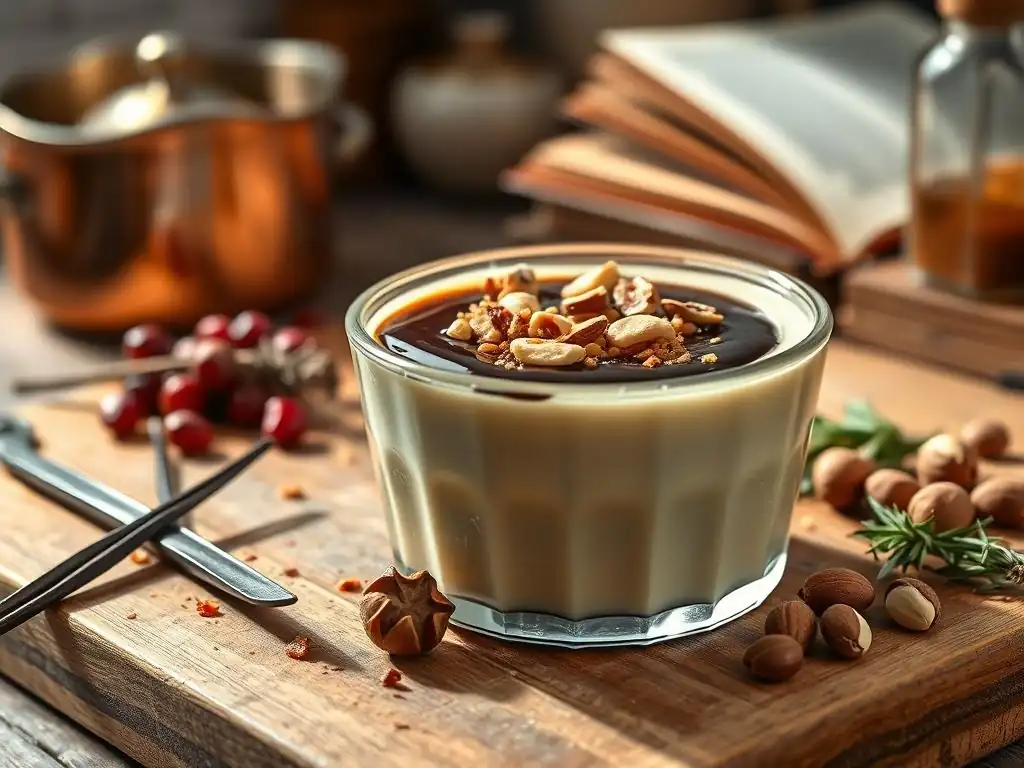
Hazelnut Custard: A Nutty Indulgence
Hazelnuts offer a rich, toasted flavor that is simply divine in custard. To create a hazelnut custard, you can infuse the milk with toasted hazelnuts or use hazelnut paste or extract. For infusion, toast about 1/2 cup of hazelnuts until fragrant, then roughly chop them and steep them in the heating milk for 20-30 minutes before straining.
Alternatively, stir in 2-3 tablespoons of high-quality hazelnut paste (like Nutella without the chocolate, or a pure hazelnut spread) into the hot, finished custard. Hazelnut extract (1-2 teaspoons) can be added to the cooled custard for a quicker flavor boost. Hazelnut custard is wonderfully indulgent and pairs well with chocolate or coffee.
Almond Custard: A Subtle Sweetness
Almond adds a delicate, slightly sweet, and nutty flavor to custard. The easiest way to achieve this is by adding almond extract to the cooled custard, starting with 1/2 teaspoon and adding more to taste. Almond extract is potent, so a little goes a long way.
For a more nuanced almond flavor, you can infuse the milk with slivered or blanched almonds (about 1/4 cup per 2 cups milk) as it heats, straining before proceeding. Another option is to use almond milk as part or all of your liquid base, though this can affect the custard's richness and setting depending on the almond milk brand. Almond custard is lovely on its own or paired with berries or stone fruits.
Pistachio Custard: A Vibrant Green Treat
Pistachio custard is known for its beautiful green color and distinct nutty flavor. To make it, the best method is often to use pistachio paste. Stir 2-4 tablespoons of pure pistachio paste into the hot, finished custard until fully combined. High-quality pistachio paste is made from ground pistachios and provides both flavor and color.
You can also try infusing the milk with ground pistachios (about 1/4 cup per 2 cups milk), but this can be harder to strain completely and may result in a less vibrant color. Adding a drop of green food coloring can enhance the visual appeal if using paste or infusion. Pistachio custard is elegant and pairs well with rosewater or berries.
Liqueur-Infused Custard: A Sophisticated Touch
Coffee Liqueur Custard: A Boozy Pick-Me-Up
Adding a touch of liqueur to custard introduces a sophisticated flavor dimension. Coffee liqueur, like Kahlúa or Tia Maria, adds a sweet, coffee-flavored kick. Stir 1-2 tablespoons of coffee liqueur into the finished custard after it has cooled slightly. Adding it while the custard is very hot can cause the alcohol to evaporate, reducing the flavor impact.
The amount can be adjusted based on desired strength, but too much alcohol can prevent the custard from setting properly. Coffee liqueur custard is a delightful twist on mocha and pairs wonderfully with chocolate desserts.
Amaretto Custard: A Hint of Almond
Amaretto, an almond-flavored liqueur, can add a warm, slightly bitter-sweet almond note to custard. Similar to coffee liqueur, stir 1-2 tablespoons of Amaretto into the finished, slightly cooled custard.
Amaretto complements vanilla beautifully, offering an interesting variation on classic vanilla custard flavoring ideas. It pairs well with cherry, peach, or chocolate desserts.
Rum Custard: A Caribbean-Inspired Dessert
Rum, particularly dark or spiced rum, adds a warm, caramel-like flavor to custard, evoking tropical or Caribbean vibes. Add 1-2 tablespoons of rum to the finished custard after it has cooled slightly.
Rum custard is excellent on its own or as a filling for rum cake or banana cream pie. It's a comforting and slightly boozy treat.
Uncommon Custard Flavor Combinations: Think Outside the Box
Lavender Honey Custard: Floral and Sweet
For a truly unique custard experience, consider lavender and honey. These flavors, often paired in other desserts, create a floral and sweet profile in custard. Infuse the milk by heating it with 1-2 teaspoons of culinary dried lavender buds (ensure they are food-grade) for about 15-20 minutes. Strain the milk very carefully to remove all buds.
Make the custard as usual, sweetening it partially with honey instead of just sugar. Use about 1/4 cup honey per 2 cups of liquid, adjusting sugar accordingly. The honey adds a distinct sweetness that complements the subtle floral notes of the lavender. This lavender honey custard is delicate and aromatic, a sophisticated alternative to traditional vanilla custard flavoring ideas.
Rosewater Custard: An Elegant Flavor
Rosewater provides an elegant, fragrant flavor that is common in Middle Eastern and Indian desserts. Add a small amount of high-quality rosewater to your finished, cooled custard. Start with just 1/4 teaspoon per 2 cups of custard, as rosewater is very potent, and add more carefully to taste. Too much can make the custard taste soapy.
Rosewater custard is often paired with pistachios or cardamom. It has a beautiful aroma and a subtle, refreshing flavor.
Earl Grey Tea Custard: A Unique and Aromatic Dessert
Tea can infuse custard with wonderful complexity. Earl Grey tea, with its distinctive bergamot orange flavor, makes a unique and aromatic custard. Heat the milk with 1-2 Earl Grey tea bags or 1-2 teaspoons of loose leaf tea steeped directly in the milk for 15-20 minutes. Strain the milk thoroughly to remove all tea solids.
Proceed with making the custard using the infused milk. The bergamot adds a bright, citrusy note that is surprisingly pleasant in a creamy custard. Earl Grey tea custard is a sophisticated choice, offering a refined departure from standard vanilla custard flavoring ideas.
Tips for Perfect Custard Flavoring
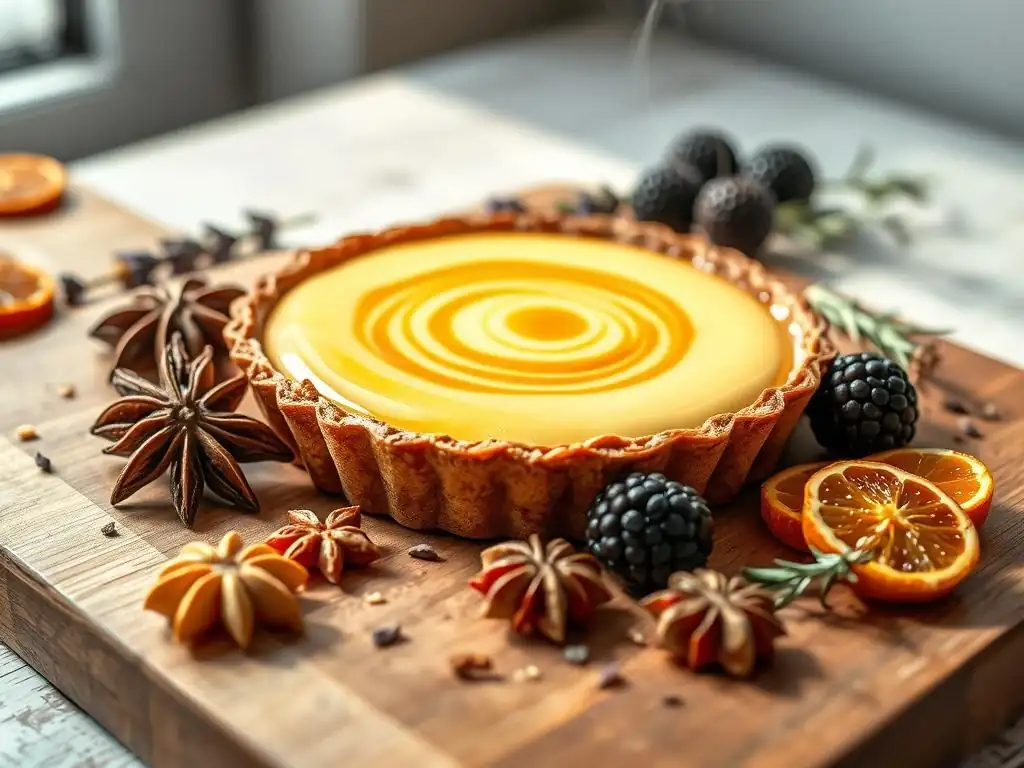
Achieving the Right Flavor Balance
Balancing flavors in custard is key to creating a harmonious dessert. Start with a well-made, neutral custard base. When adding flavors, particularly potent ones like extracts, spices, or liqueurs, begin with a small amount and taste as you go. It's easier to add more flavor than to take it away. If infusing, taste the infused milk before making the custard to ensure the flavor is strong enough – remember it will be diluted by the egg and sugar.
Consider the intensity of your base; a richer, creamier custard can handle stronger flavors like dark chocolate or coffee, while a lighter base is better for delicate fruit or floral notes. Think about how the flavor will interact with other components of your dessert, such as a pie crust, fruit topping, or whipped cream. The goal is for the flavor to enhance, not overpower, the creamy richness of the custard itself.
Avoiding Overpowering Flavors
An overpowering flavor can ruin a perfectly good custard. This is especially true for potent ingredients like extracts (almond, peppermint), strong spices (cloves, ginger), or floral waters (rosewater, orange blossom water). When using these, measure carefully and add incrementally. For example, with almond extract, start with 1/4 teaspoon per 2 cups of custard and add another 1/4 teaspoon only if needed after tasting.
When infusing, avoid steeping ingredients for too long, which can extract bitter notes (e.g., from citrus pith or over-steeped tea). Taste the infused liquid periodically. If a flavor does become too strong, sometimes adding a bit more plain milk or cream (if the custard isn't fully set) or serving it with a neutral accompaniment like plain whipped cream can help mellow it out. Proper vanilla custard flavoring ideas rely on balance, even when venturing beyond vanilla.
Optimizing Flavor Impact: Timing is Key
The timing of when you add flavorings can significantly impact their intensity and purity. As a general rule, flavors that are sensitive to heat, such as extracts, floral waters, and some liqueurs, are best added after the custard has finished cooking and has cooled slightly. Adding them while the custard is boiling hot can cause the volatile flavor compounds to evaporate.
Ingredients requiring infusion, like spices, citrus zest, tea, or herbs, must be added to the milk before cooking the custard. This allows the heat and time to draw out their flavors. Purees or melted chocolate are typically stirred into the hot, finished custard. Understanding the best time to incorporate each type of flavoring ensures you get the most vibrant and true flavor in your finished custard.
Storage and Serving Suggestions for Flavored Custards
Preserving Perfection: Proper Storage Techniques
Proper storage is crucial for maintaining the quality and flavor of your flavored custards. Once cooked, custards should be cooled quickly to prevent bacterial growth. Transfer the hot custard to a clean bowl, then place the bowl over an ice bath while stirring gently until it cools down. Once cooled, cover the surface of the custard directly with plastic wrap to prevent a skin from forming and to protect it from absorbing refrigerator odors.
Store the custard in an airtight container in the refrigerator. Most custards will keep well for 3-4 days. Flavors derived from extracts or liqueurs tend to hold up better during storage than those from fresh fruit purees or delicate infusions, which might fade slightly over time. Always check for any off smells or textures before serving.
Presentation Matters: Creative Serving Ideas
How you serve your flavored custard can enhance the overall experience. Simple flavored custards can be served chilled in individual ramekins or glasses, perhaps topped with a dollop of whipped cream, a sprinkle of spice, fresh fruit, or chocolate shavings that echo the custard's flavor. For instance, a lemon custard could be topped with candied lemon peel, or a coffee liqueur custard with chocolate-covered espresso beans.
Flavored custards are also excellent fillings for tarts, pies, éclairs, or cream puffs. A raspberry custard filling in a chocolate tart shell, or an Earl Grey custard in a classic pastry shell, offers a delightful combination of textures and flavors. Don't hesitate to garnish with ingredients that highlight the flavor, like a cinnamon stick for spiced custard, a few toasted hazelnuts for hazelnut custard, or a fresh mint leaf for a fruit-infused version.
Conclusion: Unleash Your Creativity with Custard Flavoring
Moving beyond the classic vanilla custard opens up a world of exciting culinary possibilities. By understanding the basics of flavoring methods – from simple extracts that offer easy vanilla custard flavoring ideas to complex infusions – you can transform this humble base into a sophisticated dessert. We've explored a range of options, from vibrant fruits and warming spices to indulgent chocolates, nutty delights, and elegant liqueurs, alongside some truly unique combinations.
Remember that the key to successful flavoring lies in using quality ingredients, understanding when to add your flavorings for maximum impact, and balancing the flavors so they complement the creamy texture of the custard. Don't be afraid to experiment and find your own favorite vanilla custard flavoring ideas and beyond. With a little creativity and these tips, your homemade custards will become unforgettable treats.
Frequently Asked Questions
What are some alternatives to vanilla for flavoring custard?
Beyond vanilla, you can experiment with citrus zests like lemon or orange, spices such as cinnamon or nutmeg, or even extracts like almond or peppermint.
How can I incorporate fruit flavors into my custard?
You can infuse fruit flavors by adding fruit purees directly into the custard base, or by macerating fresh fruit in sugar and layering it into your custard desserts. Remember to adjust sweetness accordingly.
Can I use alcohol to flavor my custard?
Yes, a small amount of alcohol, such as rum, brandy, or liqueur, can enhance the flavor of your custard. Add it after the custard has cooked to preserve its aroma.
What are some unique spice combinations that work well with custard?
Consider combinations like cardamom and rosewater, or ginger and orange zest. These unexpected pairings can elevate your custard beyond the ordinary.
How do I ensure the flavoring is evenly distributed throughout the custard?
For even distribution, add extracts or alcohol towards the end of the cooking process. For spices or zests, infuse them into the milk or cream before adding the eggs.
Final Reflection: A World Beyond Vanilla: Reimagining Custard's Potential
The seemingly simple custard, a culinary cornerstone, holds a universe of untapped flavor possibilities. This exploration into inventive flavor combinations demonstrates that even the most familiar desserts can be transformed into extraordinary experiences with a little creativity and experimentation. The possibilities are truly endless.
The journey through these unique flavor profiles highlights not just the versatility of custard, but also the power of culinary exploration itself. It's a reminder that breaking free from tradition can lead to surprising and delightful discoveries. As the renowned chef Julia Child once said, Find something you're passionate about and keep tremendously interested in it.
This passion for culinary innovation, whether it's experimenting with exotic spices or embracing unexpected pairings, is what elevates a simple dessert into a truly memorable one.
Now, it's your turn. Don't be afraid to step beyond the familiar comfort of vanilla. Grab your whisk, gather your ingredients, and embark on your own custard adventure. Let your imagination be your guide, and discover the unique and delicious flavor combinations that await you. The world of custard, and indeed, the world of culinary creativity, is yours to explore.
Unleash Your Inner Pastry Chef: Elevate Your Custard!
Thanks for joining us on this creamy adventure! We hope you've discovered some exciting new ways to spice up your custard creations. Ready to take your baking to the next level?
- Experiment with a new flavor profile: Try that cardamom-rosewater custard you've been eyeing – we bet it'll be amazing!
- Share your custard creations: Show off your culinary skills on social media using #BakeWithEaseCustard – we can't wait to see what you come up with!
- Consider a flavor pairing challenge: Can you think of an unexpected ingredient that would complement custard perfectly?
What unique flavor combinations are you dreaming up for your next custard masterpiece?