
From Beginner to Pro: Mastering Custard Pies with Confidence

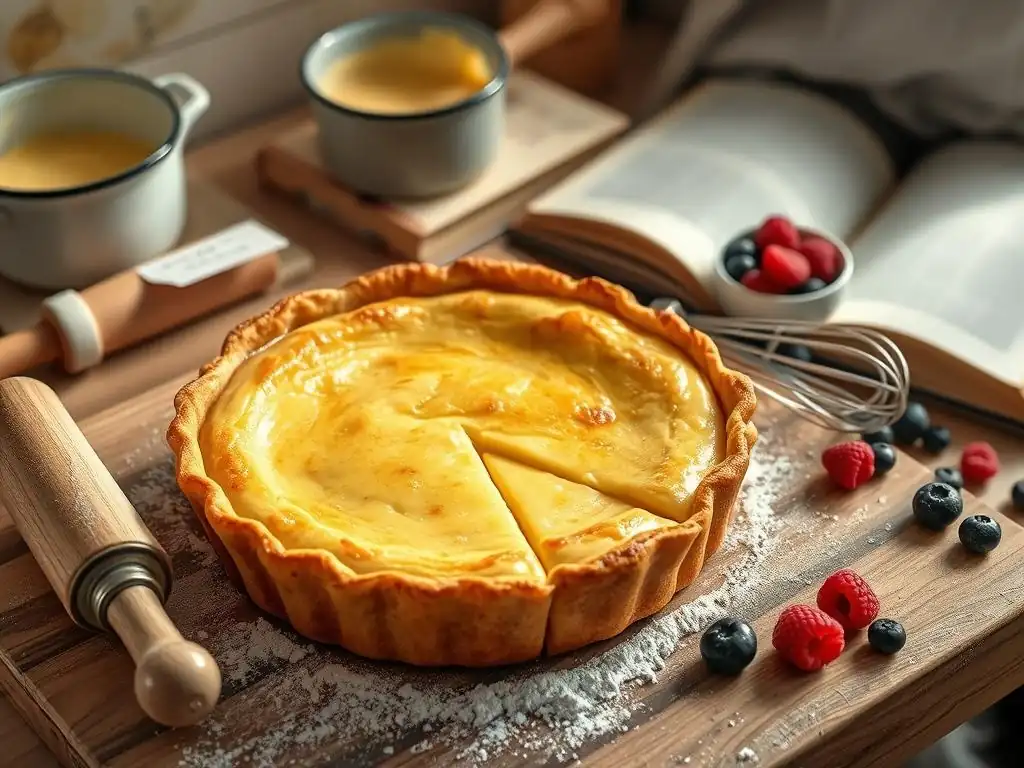
Welcome to BakeWithEase, your culinary launchpad for baking brilliance! Are you ready to unlock the secrets to creating the perfect custard pie? This week we're diving deep into easy custard pie recipes, demystifying the process and guiding you from wobbly novice to confident creator. But what makes a custard pie truly exceptional? Let's find out!
- BakeWithEase: Your Guide to Perfect Custard Pies
- Understanding Custard Pies: A Baker's Foundation
- Easy Custard Pie Recipes: Starting Simple
- Elevating Your Custard Pie Game: Intermediate Techniques
- Pro-Level Custard Pie Techniques: Achieving Perfection
- Tips and Tricks for the Ultimate Custard Pie
- Beyond the Basics: Exploring Different Custard Pie Crusts
- Enjoying Your Homemade Custard Pie: Sharing the Love
-
Frequently Asked Questions
- What makes BakeWithEase.com a good resource for learning how to make custard pie?
- What kind of custard pie recipes can I find on BakeWithEase.com?
- What common mistakes should I avoid when making custard pie, according to BakeWithEase.com?
- How can BakeWithEase.com help me troubleshoot a custard pie that didn't set properly?
- Does BakeWithEase.com offer any tips for making a perfect pie crust for custard pie?
- Final Reflection: The Sweet Symphony of Confidence in the Kitchen
- Unlock Your Inner Pastry Chef!
BakeWithEase: Your Guide to Perfect Custard Pies
Welcome to BakeWithEase, where we believe anyone can master the art of baking delicious desserts, including the beloved custard pie. Whether you're just starting your baking journey or looking to refine your skills, this guide will walk you through everything from understanding the basic science behind custard to tackling easy custard pie recipes and even exploring more advanced techniques. We'll cover essential ingredients, common pitfalls, and how to achieve that perfectly silky texture and golden crust that makes a custard pie so irresistible.
Custard pies are a cornerstone of classic dessert traditions, offering a comforting blend of creamy filling and flaky crust. While they seem simple, achieving perfection requires attention to detail and understanding the role each ingredient plays. This article is designed to demystify the process, providing clear, step-by-step instructions and helpful tips so you can bake with confidence and share your delicious creations with friends and family. Get ready to bake some truly delightful easy custard pie recipes!
Understanding Custard Pies: A Baker's Foundation
What is a Custard Pie? Defining the Classic Dessert
A custard pie is fundamentally a baked dessert consisting of a liquid filling, typically made from eggs, milk or cream, sugar, and flavorings, poured into a pie crust and baked until the filling sets. The magic happens during baking when the egg proteins coagulate, transforming the liquid mixture into a smooth, semi-firm custard. Unlike fruit pies or cream pies thickened with starch after cooking, the custard pie sets primarily through this protein network formed by the eggs.
This process is similar to making a baked custard like crème brûlée or flan, but the presence of the crust adds another layer of complexity and texture. The ideal custard pie features a filling that is rich, creamy, and holds its shape when sliced, without being rubbery or weeping liquid. The texture is paramount – it should melt in your mouth, offering a delicate balance of sweetness and flavor. Mastering the bake time and temperature is crucial to achieving this desired consistency, preventing both undercooked wobbliness and overcooked toughness.
The Key Ingredients for a Delicious Custard Pie
Eggs: The Heart of Your Custard
Eggs are the structural backbone of any baked custard. The proteins in egg yolks and whites coagulate when heated, thickening the liquid mixture into a stable custard. Most classic custard pie recipes rely heavily on egg yolks for richness and smooth texture, often using 4-6 yolks per standard pie. Using a higher ratio of yolks to whites results in a creamier, more decadent custard, while using whole eggs yields a firmer set, sometimes preferred for pies that need to be sliced cleanly.
The size and temperature of your eggs matter. Large eggs are standard in most recipes; variations in size can affect the final consistency. Using room temperature eggs helps them incorporate more smoothly into the mixture, preventing curdling and ensuring a more uniform custard. Gentle whisking is key when combining eggs with other liquids to avoid incorporating too much air, which can lead to cracks or an uneven texture in the finished pie.
Dairy: Cream, Milk, and Their Impact on Texture
The dairy component provides the liquid base for the custard and significantly influences its richness and texture. Whole milk is a common base, offering a balanced richness. However, many easy custard pie recipes and classic versions call for a combination of milk and heavy cream, or even just heavy cream, to achieve a truly luxurious, smooth, and rich filling. The fat content in cream contributes to a silky mouthfeel and prevents the custard from becoming dry or rubbery.
Using lower-fat milk will result in a less rich, potentially firmer custard that might be more prone to syneresis (weeping liquid). Conversely, using only heavy cream yields an extremely rich, dense custard. A typical ratio might involve 1.5 cups of milk combined with 0.5 cups of heavy cream for a standard 9-inch pie, providing a good balance. Scalding the milk or cream before combining it with the eggs helps to temper the eggs, preventing them from scrambling, and ensures a smoother final product.
Sweeteners: Choosing the Right Sugar for Your Pie
Granulated sugar is the most common sweetener used in custard pies. It dissolves easily into the liquid base and provides clean sweetness. The amount of sugar can vary depending on the recipe and desired sweetness level, but typically ranges from 1/2 cup to 3/4 cup for a standard pie. Too little sugar can result in a bland custard, while too much can make it overly sweet and potentially interfere with the setting process.
Other sweeteners like brown sugar can be used, but they will impart a different flavor profile and color. Light brown sugar adds a subtle caramel note, while dark brown sugar provides a deeper, molasses-like flavor. Some recipes might even call for a touch of corn syrup or honey to add moisture and prevent crystallization, contributing to a smoother texture. Always ensure your sugar is fully dissolved in the warm dairy mixture before adding the eggs to prevent a grainy texture in the final custard.
Flavorings: Vanilla Extract and Beyond
Vanilla extract is the quintessential flavoring for classic easy custard pie recipes. Pure vanilla extract offers a warm, aromatic flavor that perfectly complements the richness of the custard. A standard recipe often calls for 1-2 teaspoons of high-quality vanilla extract. Adding the vanilla after scalding the dairy and slightly cooling the mixture helps preserve its delicate aroma, as high heat can diminish the flavor compounds.
While vanilla is traditional, the possibilities for flavoring custard pies are vast. Spices like nutmeg, cinnamon, or cardamom can be whisked into the dairy for a spiced custard pie. Citrus zests (lemon, orange) add brightness, particularly in lemon custard pie variations. Extracts like almond or coconut can introduce different profiles. For a chocolate custard pie, melted chocolate or cocoa powder is incorporated into the warm dairy. Experimenting with flavorings is part of the fun once you've mastered the basic technique.
Easy Custard Pie Recipes: Starting Simple
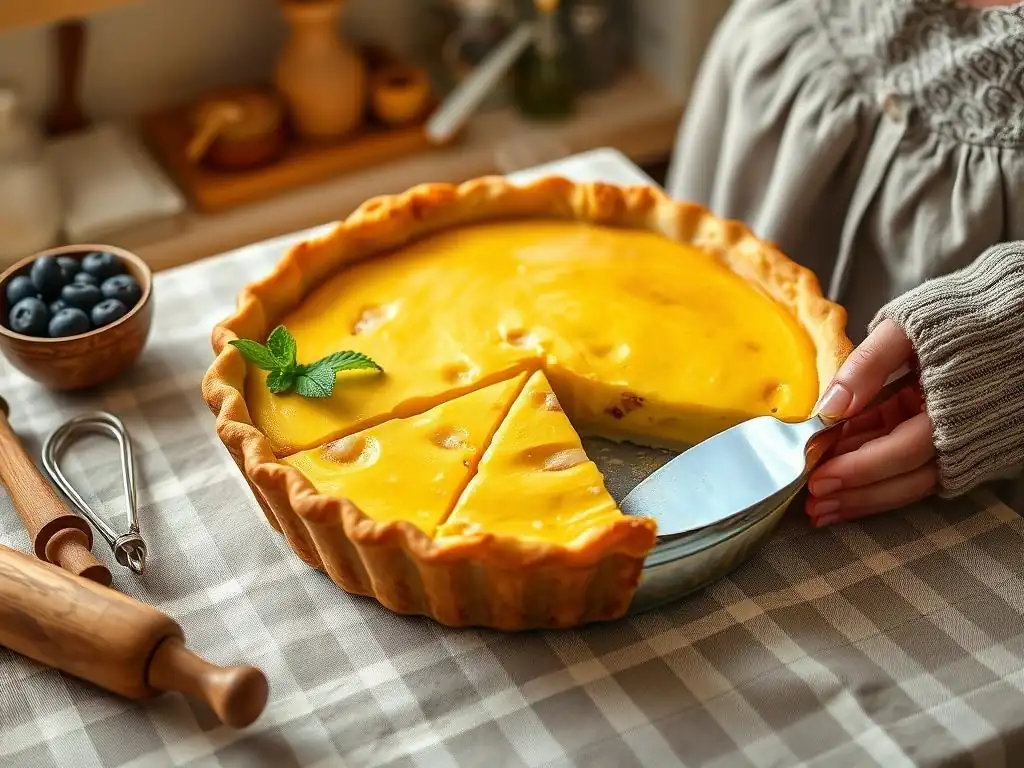
Beginner-Friendly Vanilla Custard Pie Recipe
Embarking on your custard pie journey starts here! This easy custard pie recipe is designed for beginners, focusing on fundamental techniques to build confidence. It requires minimal ingredients and steps, making it a perfect first project. You'll learn how to create a smooth custard filling and achieve a gently set pie. This recipe typically uses whole milk, eggs, sugar, vanilla, and a pre-made or simple homemade crust.
A key to success with this easy custard pie recipe is gentle handling and precise baking. We recommend using a standard 9-inch pie plate. The ingredients are usually whisked together (after tempering the eggs with warm milk) and poured into an unbaked pie shell. Baking at a moderate temperature, often around 325°F to 350°F (160°C to 175°C), for 45-60 minutes allows the custard to set gradually without curdling or cracking.
Ingredients for the Vanilla Custard Pie
Here's a typical ingredient list for a simple, easy custard pie recipe:
*   1 standard 9-inch pie crust (store-bought or your favorite recipe)
*   4 large eggs
*   3/4 cup granulated sugar
*   1/2 teaspoon salt
*   2 1/2 cups whole milk
*   2 teaspoons pure vanilla extract
*   Ground nutmeg (optional, for topping)
This list provides a solid foundation. Using whole milk ensures a decent richness, while the salt balances the sweetness. Four large eggs provide enough protein to set the custard firmly but not overly stiffly. The vanilla extract adds that classic, comforting flavor. Having all your ingredients measured and ready before you start mixing is a crucial step for baking success, especially when working with temperature-sensitive ingredients like eggs and milk.
Step-by-Step Instructions for Baking Success
Follow these steps closely for your first easy custard pie recipe:
1.  Preheat your oven to 350°F (175°C). Place the pie crust in a 9-inch pie plate.
2.  In a medium bowl, whisk together the eggs, sugar, and salt until well combined.
3.  In a saucepan, heat the milk over medium heat just until it begins to simmer around the edges. Do not boil.
4.  Slowly pour about half of the hot milk into the egg mixture while whisking constantly. This is called tempering and prevents the eggs from scrambling.
5.  Pour the tempered egg mixture back into the saucepan with the remaining milk.
6.  Cook over low heat, stirring constantly with a wooden spoon or heatproof spatula, until the mixture thickens slightly and coats the back of the spoon. Do not let it boil. This usually takes about 5-8 minutes.
7.  Remove from heat and stir in the vanilla extract.
8.  Pour the custard mixture into the unbaked pie crust. You can sprinkle with nutmeg if desired.
9.  Carefully place the pie in the preheated oven.
10. Bake for 45-60 minutes, or until the edges are set but the center is still slightly wobbly (like gelatin). A knife inserted about 1 inch from the edge should come out clean.
11. Remove from oven and let cool completely on a wire rack for at least 2-3 hours before slicing and serving. The custard will continue to set as it cools.
This method involves cooking the custard slightly on the stovetop before baking, a technique that helps ensure a smooth texture and reduces the risk of curdling during the final bake. Allowing the pie to cool fully is non-negotiable; slicing too early will result in a runny mess. Patience is key to achieving that perfect, sliceable custard.
Troubleshooting Common Custard Pie Problems for Beginners
Even with easy custard pie recipes, challenges can arise. Don't be discouraged! Understanding common issues and how to fix them is part of the learning process. Two frequent problems are a soggy crust and cracks in the custard surface. Addressing these will significantly improve your results and confidence for future baking endeavors.
One general tip for troubleshooting is to pay close attention to your oven temperature. Ovens can vary, and an oven thermometer is a valuable tool. If your oven runs hot, the custard might bake too quickly and crack. If it runs cool, the crust might not bake properly, leading to sogginess. Calibrating your oven or adjusting the temperature based on a thermometer can make a big difference in achieving consistent results.
Soggy Crust Solutions
A soggy bottom crust is a common frustration with custard pies, especially with easy custard pie recipes where the filling is poured into an unbaked shell. The liquid filling sits on the raw dough, and the moisture from the custard can prevent the bottom crust from baking through before the custard sets. This results in a pale, doughy layer instead of a crisp, flaky base.
The most effective solution for a soggy crust is blind baking, which involves partially pre-baking the pie crust before adding the filling. We'll cover this in more detail in the intermediate section. However, for a simple recipe poured into an unbaked crust, ensuring your oven is properly preheated and baking the pie on the lowest rack can help direct more heat to the bottom crust.
Using a metal pie plate instead of glass can also conduct heat more efficiently to the base. Some bakers sprinkle a thin layer of breadcrumbs or finely ground nuts on the bottom of the unbaked crust before adding the filling to create a barrier, absorbing some moisture.
Preventing Cracks in Your Custard
Cracks on the surface of a custard pie are usually a sign of overbaking or uneven cooling. When custard bakes too long or at too high a temperature, the egg proteins tighten excessively, causing the surface to pull apart as it cools and contracts. Rapid cooling can also stress the delicate surface, leading to fissures.
To prevent cracks, bake the pie just until the edges are set and the center is still slightly jiggly. It will continue to set as it cools. A common temperature range is 325°F to 350°F (160°C to 175°C). If you notice the edges setting much faster than the center, you can loosely cover the edges of the pie with foil to shield them.
Most importantly, allow the pie to cool slowly on a wire rack away from drafts. Avoid the temptation to place it directly in the refrigerator while it's still warm. Some bakers even use a water bath (explained later) to ensure the custard bakes gently and evenly, which drastically reduces the risk of cracking.
Elevating Your Custard Pie Game: Intermediate Techniques
Mastering the Blind Bake: Achieving a Perfectly Crisp Crust
Moving beyond the simplest easy custard pie recipes often involves mastering techniques like blind baking. Blind baking is the process of partially or fully baking a pie crust before adding the filling. For wet fillings like custard, a partial blind bake is usually sufficient to give the bottom crust a head start, ensuring it becomes golden and crisp rather than soggy under the weight and moisture of the custard.
This technique is a game-changer for achieving that desirable contrast between a smooth, creamy filling and a flaky, sturdy crust. It's particularly important if you are using a homemade crust, which can be more prone to sogginess than some commercial varieties. A properly blind-baked crust provides a solid foundation for your beautiful custard filling.
Preparing Your Pie Crust for Blind Baking
Whether using a homemade or store-bought crust, preparing it for blind baking is crucial. First, fit the dough into your pie plate, crimping the edges decoratively. Then, chill the crust thoroughly in the refrigerator for at least 30 minutes, or preferably in the freezer for 15-20 minutes. Chilling helps the fat in the dough solidify, which prevents the crust from shrinking excessively during baking.
Once chilled, the crust needs to be "docked" – pricked all over the bottom and sides with a fork. This creates small vents that allow steam to escape, preventing the crust from puffing up unevenly. After docking, the crust is typically lined with parchment paper or foil and filled with pie weights, dried beans, or rice. These weights hold the crust in place and prevent the sides from collapsing during baking.
Blind Baking Techniques for a Flawless Crust
For a partial blind bake suitable for custard pies, preheat your oven to a relatively high temperature, often 400°F to 425°F (200°C to 220°C). Bake the prepared crust (lined and weighted) for 15-20 minutes, or until the edges are lightly golden. Carefully remove the weights and parchment/foil. Return the crust to the oven for another 5-10 minutes, or until the bottom appears dry and lightly golden, but not fully baked.
The goal is to set the structure and dry out the bottom slightly. The crust will finish baking with the custard filling. If your recipe calls for a full blind bake (less common for custard but possible for certain types), you would bake it longer until it is fully golden brown. For most easy custard pie recipes adapted for blind baking, stopping when the bottom is just starting to color is perfect. Allow the crust to cool slightly before pouring in the prepared custard filling.
Adding Flavor Variations: Expanding Your Custard Pie Repertoire
Once you're comfortable with easy custard pie recipes, exploring different flavor profiles is a natural next step. The basic custard base is incredibly versatile, ready to be infused with various flavors beyond classic vanilla. These variations often involve simple additions or substitutions to the standard milk, egg, and sugar mixture, opening up a world of delicious possibilities.
Experimenting with flavorings allows you to tailor your custard pie to different tastes and occasions. From rich and decadent chocolate to bright and tangy lemon or tropical coconut, each variation offers a unique sensory experience. These aren't necessarily more complex than easy custard pie recipes in terms of technique, but they require careful balancing of flavors to ensure harmony within the creamy base.
Chocolate Custard Pie: A Rich Indulgence
Chocolate custard pie is a decadent twist on the classic. It typically involves incorporating melted chocolate or cocoa powder into the warm dairy base. For a truly rich pie, using bittersweet or semi-sweet chocolate (around 4-6 ounces per pie) melted into warm heavy cream creates a luxurious foundation. Alternatively, using 1/2 to 3/4 cup of unsweetened cocoa powder whisked into the milk and sugar provides a deep chocolate flavor.
When making chocolate custard, ensure the chocolate or cocoa is fully dissolved and the mixture is smooth before adding the eggs. The color will be a deep, inviting brown. Baking times and temperatures are usually similar to vanilla custard pies, but the darker color can make it slightly harder to judge doneness visually; rely more on the slight jiggle in the center. Serve chilled, perhaps with a dollop of whipped cream, for a truly indulgent dessert experience.
Lemon Custard Pie: A Zesty Delight
Lemon custard pie offers a bright, tangy contrast to the creamy sweetness. This variation requires careful balancing of acidity. Lemon juice and zest are added to the custard base, but too much acidity can curdle the milk or prevent the eggs from setting properly. Recipes often use a combination of lemon juice (around 1/4 to 1/3 cup) and the zest of 1-2 lemons for maximum flavor without excessive acidity.
Some lemon custard pie recipes use a cooked lemon curd base that is then lightened with whipped cream or meringue, but a true lemon custard pie incorporates the lemon directly into the baked custard. Adding the lemon juice and zest towards the end of the stovetop cooking process or just before pouring into the crust helps preserve the fresh lemon flavor. Bake gently to allow the custard to set while maintaining its zesty brightness.
Coconut Custard Pie: A Tropical Twist
Coconut custard pie brings a taste of the tropics to the classic dessert. This flavor is typically achieved by using coconut milk (full-fat canned coconut milk is best for richness) as part of the dairy base, often replacing some or all of the milk or cream. Adding shredded or flaked coconut (sweetened or unsweetened, about 1/2 cup) to the filling provides texture and boosts the coconut flavor.
When making coconut custard, ensure the coconut milk is well-mixed, as the cream can separate in the can. Heating the coconut milk with sugar allows the flavors to meld. The shredded coconut can be stirred directly into the filling before baking. The pie bakes similarly to other custard pies. The result is a creamy, fragrant custard with delightful pockets of chewy coconut. Toasted coconut flakes make an excellent garnish.
Pro-Level Custard Pie Techniques: Achieving Perfection

Advanced Custard Techniques: Water Bath & More
For bakers aiming for the smoothest, silkiest custard texture possible, employing advanced techniques like baking in a water bath is highly recommended. A water bath, or bain-marie, involves placing the pie plate inside a larger baking pan and filling the outer pan with hot water halfway up the sides of the pie plate. This creates a gentle, even heat environment that prevents the edges of the custard from overcooking before the center is set.
Baking in a water bath drastically reduces the risk of curdling and cracking, resulting in a uniformly smooth custard from edge to center. It's a technique often used for delicate custards like crème brûlée and flan and elevates the quality of easy custard pie recipes to a professional level. Ensure your pie plate is oven-safe and doesn't leak, and be careful when transferring the pan with water into and out of the oven.
Another advanced technique focuses on straining the custard mixture. After combining all ingredients, passing the liquid through a fine-mesh sieve at least once, or even twice, removes any potential bits of scrambled egg, unincorporated sugar, or chalazae (the white stringy bits in eggs). This simple step ensures an incredibly smooth and velvety texture in the final baked custard, free from any small lumps.
Caramelizing the Sugar: Brulee Topping for Your Custard Pie
Adding a caramelized sugar crust to a custard pie transforms it into a "custard brûlée" pie, offering a delightful textural contrast. This technique is borrowed directly from crème brûlée. Once the custard pie is baked and fully chilled, a thin, even layer of granulated sugar is sprinkled over the surface.
The sugar is then caramelized using a kitchen torch until it melts and turns into a hard, amber-colored shell. Alternatively, you can briefly place the pie under a hot broiler, watching it constantly as sugar burns very quickly. The key is to create a thin, brittle layer of caramel that cracks satisfyingly when broken with a spoon, revealing the creamy custard beneath. This step is done just before serving to ensure the caramel remains crisp.
Decorating Your Custard Pie: Presentation Matters
While the taste and texture are paramount, a beautifully decorated custard pie is a feast for the eyes. Simple garnishes can elevate even easy custard pie recipes to look polished and professional. The smooth surface of a custard pie provides a perfect canvas for various decorative elements.
Consider the flavor of your pie when choosing decorations. A classic vanilla custard pie pairs well with a sprinkle of nutmeg or cinnamon, while a lemon custard pie might be enhanced by candied lemon slices or fresh raspberries. The contrast in color and texture can make a significant visual impact.
Creating Elegant Designs with Fruit
Fresh fruit is a wonderful way to add color, freshness, and visual appeal to a custard pie. Sliced berries like strawberries or raspberries can be arranged in attractive patterns on top of the chilled custard. Thinly sliced stone fruits like peaches or plums can also be used, perhaps brushed with a little glaze for shine.
For a touch of elegance, consider creating simple patterns with fruit around the edge of the pie or a design in the center. A single perfect berry or a sprig of mint in the middle can also make a statement. Ensure the fruit is dry before placing it on the custard to prevent weeping.
Whipped Cream Techniques for a Professional Finish
Whipped cream is a classic accompaniment to custard pie, and how you apply it can enhance the presentation. Instead of simply spooning it on, use a piping bag fitted with a decorative tip (like a star tip or a round tip) to create swirls, rosettes, or dollops around the edge or over the entire surface of the pie.
Homemade whipped cream, made by whipping heavy cream with a little sugar and vanilla until medium or stiff peaks form, is always superior to store-bought. Ensure the cream is very cold for best results. Practice piping on a piece of parchment paper first if you're new to using a piping bag. A beautifully piped border of whipped cream adds volume and a touch of professional flair to your finished pie.
Tips and Tricks for the Ultimate Custard Pie
Achieving the "ultimate" custard pie involves attention to detail at every stage. Beyond following an easy custard pie recipe, incorporating these tips and tricks can make a significant difference in the final outcome, ensuring a perfectly textured custard and a delightful eating experience.
Remember that baking is both a science and an art. While precision is important, understanding the why behind certain steps empowers you to adapt and troubleshoot. These tips are gathered from years of baking experience and are applicable whether you're making your first easy custard pie recipe or experimenting with complex variations.
Achieving the Perfect Custard Consistency
The perfect custard consistency is smooth, creamy, and sets just enough to hold its shape when sliced but remains tender and slightly wobbly in the center. Overbaking is the most common culprit for a tough or rubbery custard. To avoid this, watch the pie carefully during the last 15-20 minutes of baking. The edges should look set, and the center about 2-3 inches wide should still have a slight jiggle.
Using a lower baking temperature (like 325°F or 160°C) for a longer time is often better than a higher temperature for a shorter time. This allows the custard to set gently. Straining the custard mixture before baking also contributes significantly to a smooth texture. Some recipes include a small amount of cornstarch or flour (e.g., 1-2 tablespoons) to help stabilize the custard, which can be helpful for beginners, though pure egg-set custards are often considered the smoothest.
Cooling and Storing Your Custard Pie
Proper cooling is just as critical as proper baking for a custard pie. Once removed from the oven, the pie should cool completely on a wire rack at room temperature. This process can take 2-4 hours, depending on the size of the pie and room temperature. Do not attempt to move or slice the pie until it is fully cooled and the center is set.
Once cooled, custard pies must be stored in the refrigerator due to their high dairy and egg content. Cover the pie loosely with plastic wrap or aluminum foil once it's chilled. A baked custard pie is best consumed within 2-3 days for optimal texture and freshness. While it might still be safe to eat for a bit longer, the quality of the custard can decline, potentially becoming watery or less smooth.
Serving Suggestions for a Memorable Dessert Experience
Serving a homemade custard pie is a simple pleasure. For a classic presentation, serve slices chilled, perhaps with a light dusting of nutmeg or a small dollop of freshly whipped cream. The simplicity allows the creamy texture and subtle flavor of the custard to shine.
Consider pairing different flavored custard pies with complementary toppings. A slice of chocolate custard pie is divine with a side of vanilla ice cream or a raspberry coulis. Lemon custard pie is wonderful with fresh berries or a meringue topping. For spiced custards, a sprinkle of toasted pecans or a drizzle of caramel sauce can be delightful. Serving temperature is key; custard pies are best enjoyed chilled, allowing the flavors to meld and the texture to be perfectly firm yet creamy.
Beyond the Basics: Exploring Different Custard Pie Crusts
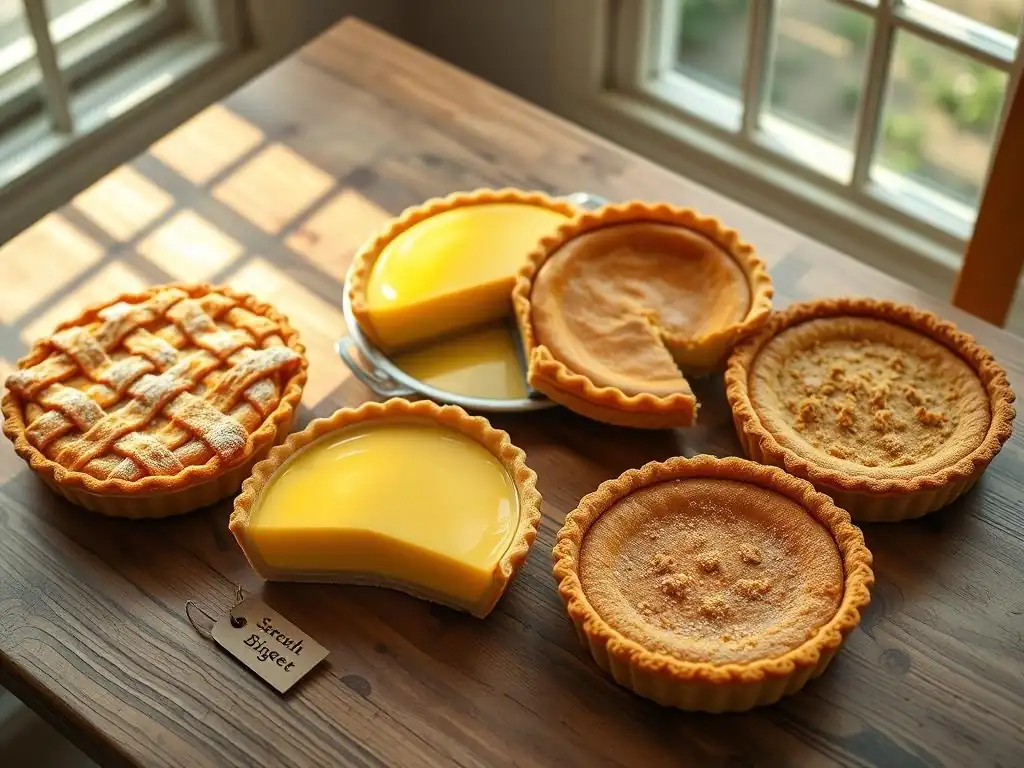
While easy custard pie recipes often feature a standard flaky pie crust, the choice of crust can dramatically impact the final dessert. Exploring different crust options allows for creative variations and caters to different dietary needs or flavor preferences. The crust provides texture and flavor contrast to the smooth, rich filling.
From traditional buttery pastry to simpler cookie crusts or gluten-free alternatives, each option brings something unique to the table. Consider the flavor profile of your custard when selecting a crust; a rich chocolate custard might pair beautifully with a cookie crust, while a delicate vanilla custard is often best showcased by a classic flaky pastry.
Homemade Pie Crust vs. Store-Bought: A Comparison
Choosing between homemade and store-bought pie crust is a common decision when making custard pies. Store-bought crusts offer convenience and consistency, making them an excellent choice for easy custard pie recipes, especially for beginners. They save significant time and effort and often produce reliable results, particularly when blind-baked.
Homemade pie crust, while requiring more time and skill, allows for greater control over ingredients, flavor, and texture. A well-made homemade crust, typically using butter or a combination of butter and shortening, can achieve unparalleled flakiness and a rich, buttery flavor that complements the custard beautifully. For intermediate and advanced bakers, mastering a flaky pastry dough is a rewarding skill that elevates the entire pie. The choice depends on your baking experience, available time, and desired outcome.
Gluten-Free Custard Pie Crust Options
For those with gluten sensitivities or celiac disease, delicious gluten-free custard pie is absolutely achievable. Many excellent gluten-free pie crust mixes are available commercially, which can be used just like their wheat-based counterparts, often requiring blind baking for wet fillings.
Alternatively, you can make a gluten-free crust from scratch using a blend of gluten-free flours (like rice flour, almond flour, and tapioca starch) combined with butter or shortening and cold water. Another popular gluten-free option is a nut-based crust, made from finely ground nuts (like almonds or pecans) mixed with melted butter and sugar, pressed into the pie plate and pre-baked. These crusts often require less handling than traditional pastry and offer a unique flavor dimension.
A chocolate cookie crust provides a decadent and easy alternative to traditional pastry, especially for chocolate or even vanilla custard pies. This crust is made by crushing chocolate cookies (like chocolate wafers or Oreos, with or without the filling) into fine crumbs, mixing them with melted butter, and pressing the mixture firmly into the pie plate.
A typical ratio is about 1 1/2 cups of cookie crumbs mixed with 1/4 to 1/3 cup of melted butter. This mixture is pressed into the bottom and up the sides of the pie plate using the back of a spoon or a flat-bottomed glass. The crust is then usually pre-baked for about 8-10 minutes at 350°F (175°C) to set it before adding the custard filling. This creates a firm, flavorful base that holds the creamy custard beautifully.
Enjoying Your Homemade Custard Pie: Sharing the Love
Baking a custard pie, from tackling easy custard pie recipes as a beginner to mastering advanced techniques, is a rewarding experience. The aroma filling your kitchen as it bakes is just the prelude to the simple joy of slicing into your creation and savoring that first bite of creamy, smooth custard paired with a delicious crust.
Sharing your homemade custard pie is one of the best parts of baking. Whether it's a classic vanilla version for a holiday gathering or a zesty lemon pie for a summer picnic, a homemade custard pie is a comforting dessert that brings people together. So, slice up your pie, share it with loved ones, and enjoy the sweet satisfaction of having baked it yourself!
Frequently Asked Questions
What makes BakeWithEase.com a good resource for learning how to make custard pie?
BakeWithEase.com provides simple recipes and step-by-step guides designed for bakers of all skill levels, ensuring even beginners can confidently create delicious custard pies. We focus on easy-to-find ingredients.
What kind of custard pie recipes can I find on BakeWithEase.com?
You can find a range of custard pie recipes, from classic vanilla custard to variations with fruit, chocolate, or spices. We emphasize easy custard pie recipes suitable for beginners.
What common mistakes should I avoid when making custard pie, according to BakeWithEase.com?
Common mistakes include overbaking the custard, resulting in a cracked or rubbery texture, and using too much liquid in the filling. Our recipes offer tips for avoiding these pitfalls.
How can BakeWithEase.com help me troubleshoot a custard pie that didn't set properly?
We provide guidance on factors that affect custard pie setting, such as oven temperature and ingredient ratios. We also offer tips on how to rescue a runny custard.
Does BakeWithEase.com offer any tips for making a perfect pie crust for custard pie?
Yes, we cover various pie crust techniques, including blind baking and preventing a soggy bottom. We also offer recipes for both homemade and store-bought crusts.
Final Reflection: The Sweet Symphony of Confidence in the Kitchen
Mastering the art of the custard pie isn't just about achieving a flawlessly smooth texture; it's about cultivating confidence in your culinary abilities. This journey, from hesitant beginner to confident pie-maker, is a testament to the power of practice, patience, and a willingness to embrace imperfection. The seemingly simple custard pie, with its delicate balance of flavors and textures, becomes a powerful symbol of self-efficacy in the kitchen.
The enduring appeal of the custard pie lies not only in its deliciousness, but in its ability to connect us to a richer culinary heritage. It's a recipe passed down through generations, a comforting tradition that transcends cultural boundaries. The process itself—the gentle whisking, the careful baking, the anticipation of that first creamy bite—is a meditative experience. As Julia Child wisely said, Find something you're passionate about and keep tremendously interested in it.
For me, that passion is found in the simple act of creating something beautiful and delicious, and the custard pie embodies this perfectly.
Now, it's your turn. Don't be intimidated by the seemingly complex nature of a perfect custard pie. Embrace the challenge, experiment with different flavors and techniques, and most importantly, allow yourself to enjoy the process. The journey of mastering this classic dessert is a journey of self-discovery, a testament to your own potential, and a delicious reward for your efforts. So, gather your ingredients, preheat your oven, and embark on your own custard pie adventure. You might surprise yourself with what you can create.
Unlock Your Inner Pastry Chef!
Thanks for joining us on this custard pie adventure! We hope you’ve gained the confidence to tackle even the flakiest crusts and creamiest fillings. Ready to put your new skills to the test?
- Bake your masterpiece! Try out one of the custard pie variations we discussed – maybe even experiment with a unique flavor combination!
- Share your creation! Post a picture of your finished pie on social media and tag us – we’d love to see your culinary triumph.
- Consider joining our online baking community (details can be found on our homepage) for more tips, recipes, and inspiration!
What unique twist will you add to your next custard pie?