
Exploring Lower Sugar Custard Tart Options

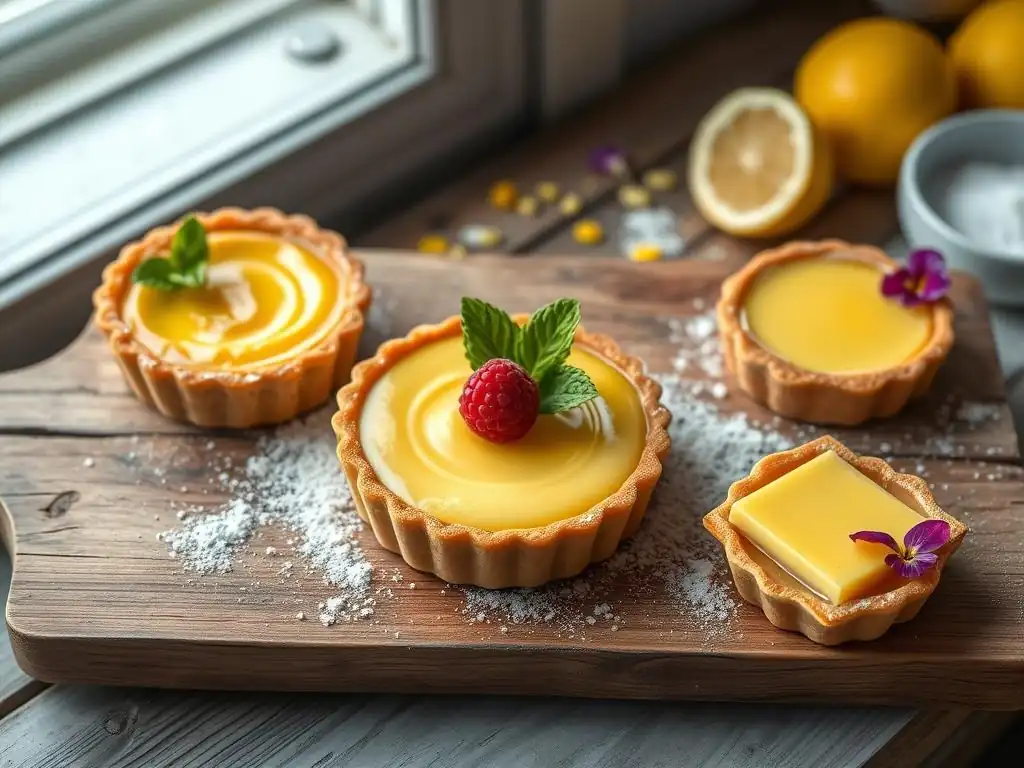
Welcome to BakeWithEase, your trusted guide to the wonderful world of baking!
Are you craving the creamy delight of a custard tart but watching your sugar intake? Then you're in the right place! This article dives deep into the delicious possibilities of a low sugar custard tart, exploring how to achieve that perfect balance of sweetness and flavor without the guilt. Intrigued? Discover our secrets to a healthier, yet equally satisfying, pastry experience and unlock the secrets of creating delectable desserts that are kind to your palate and your well-being. Read on to learn more!
- Exploring Lower Sugar Custard Tart Options: A BakeWithEase Guide
- Introduction: Indulging in Custard Tarts Without the Sugar Rush
- Why Choose Low Sugar Custard Tarts? Health Benefits and More
- Traditional Custard Tart Recipe: The Sugar-Laden Standard
- Low Sugar Custard Tart Ingredients: Smart Substitutions and Alternatives
- Recipes: BakeWithEase's Best Low Sugar Custard Tart Variations
- Techniques for Reducing Sugar in Custard Tarts
- Troubleshooting: Common Issues and Solutions for Low Sugar Custard Tarts
- Low Sugar Custard Tart Toppings and Garnishes: Adding Flavor and Visual Appeal
- Storing Your Low Sugar Custard Tart: Keeping it Fresh
- Conclusion: Enjoying Guilt-Free Custard Tarts with BakeWithEase
-
Frequently Asked Questions
- What are some common substitutes for sugar in a low sugar custard tart?
- Can I use a pre-made crust to further simplify making a low sugar custard tart?
- How can I adjust the baking time when making a low sugar custard tart?
- Are there any ingredients besides sugar that I should watch out for when aiming for a low sugar custard tart?
- What are some ways to enhance the flavor of a low sugar custard tart without adding more sweetness?
- Final Reflection: The Sweetness of Moderation in Baking
- Unlock Your Perfect Low-Sugar Custard Tart!
Exploring Lower Sugar Custard Tart Options: A BakeWithEase Guide
Introduction: Indulging in Custard Tarts Without the Sugar Rush
Custard tarts hold a special place in the hearts of many dessert lovers. Their creamy, smooth filling nestled within a crisp pastry shell offers a delightful combination of textures and flavors. Whether enjoyed warm from the oven or chilled to perfection, a classic custard tart is the epitome of simple, comforting indulgence. At BakeWithEase, we believe everyone should be able to enjoy their favorite treats, and that includes finding ways to make them align better with health-conscious choices.
While traditional recipes are undeniably delicious, they often come with a significant amount of added sugar. For those looking to reduce their sugar intake, perhaps for health reasons or simply as a preference, the idea of a low sugar custard tart might seem challenging. Can you really achieve that signature richness and sweetness without the bulk of the sugar? The good news is, with smart substitutions and careful techniques, you absolutely can. This guide explores how to create wonderful, reduced sugar custard tart options that don't compromise on flavor or texture, allowing you to enjoy this beloved dessert guilt-free.
Why Choose Low Sugar Custard Tarts? Health Benefits and More
Opting for a low sugar custard tart isn't just about following a trend; it offers tangible benefits for your health and overall well-being. Excessive sugar consumption has been linked to numerous health issues, and finding ways to reduce it in your diet, even in desserts, is a positive step. By exploring lower sugar custard tart options, you're making a conscious choice to enjoy treats mindfully.
Beyond the direct health impacts, reducing sugar can also subtly shift your palate, allowing you to appreciate the natural flavors of ingredients like eggs, vanilla, and butter more fully. A well-crafted low sugar custard tart can highlight these elements rather than masking them with overwhelming sweetness. It's about finding a balance where indulgence meets mindful eating, proving that delicious desserts don't have to be synonymous with excessive sugar.
Understanding the Impact of Sugar on Your Health
Consuming large amounts of added sugar can have immediate and long-term effects on your health. When you eat sugar, your blood sugar levels spike, triggering an insulin response. While necessary, frequent spikes can lead to energy crashes shortly after eating.
Health organizations like the World Health Organization recommend limiting added sugar intake to less than 10% of total daily energy intake, and ideally less than 5% (which equates to roughly 25 grams or about 6 teaspoons for an average adult). A single slice from a standard 8-inch custard tart can easily contain upwards of 25-35 grams of sugar, often exceeding the daily recommended limit in just one serving.
Over time, consistently high sugar intake contributes to more serious health concerns. It's a significant factor in the development of type 2 diabetes, increases the risk of heart disease, and contributes to weight gain and obesity. By choosing a low sugar custard tart, you are actively working to mitigate these risks. Reducing the sugar content in your baking allows you to enjoy a favorite dessert while keeping your blood sugar levels more stable and supporting your long-term health goals, making a low sugar custard tart a genuinely beneficial choice.
The Appeal of Lower Sugar Desserts: Taste and Well-being
One of the surprising benefits of reducing sugar in baking is the potential to enhance other flavors. When a dessert isn't overwhelmingly sweet, the subtle nuances of ingredients like high-quality vanilla extract, fresh eggs, and buttery pastry can truly shine. Your taste buds become more attuned to these underlying flavors, leading to a more complex and satisfying sensory experience. Many people find that once they reduce their sugar intake, overly sweet desserts become less appealing, and they start to prefer the balanced taste of a low sugar custard tart.
Choosing lower sugar desserts also contributes to a greater sense of well-being. Knowing you are enjoying a treat that aligns with your health goals can reduce feelings of guilt often associated with indulging in rich desserts. Furthermore, avoiding the sugar crash that follows the consumption of highly sugary foods can lead to more stable energy levels throughout the day. Enjoying a delightful low sugar custard tart becomes a moment of pleasure that supports, rather than detracts from, your overall health and vitality.
Traditional Custard Tart Recipe: The Sugar-Laden Standard
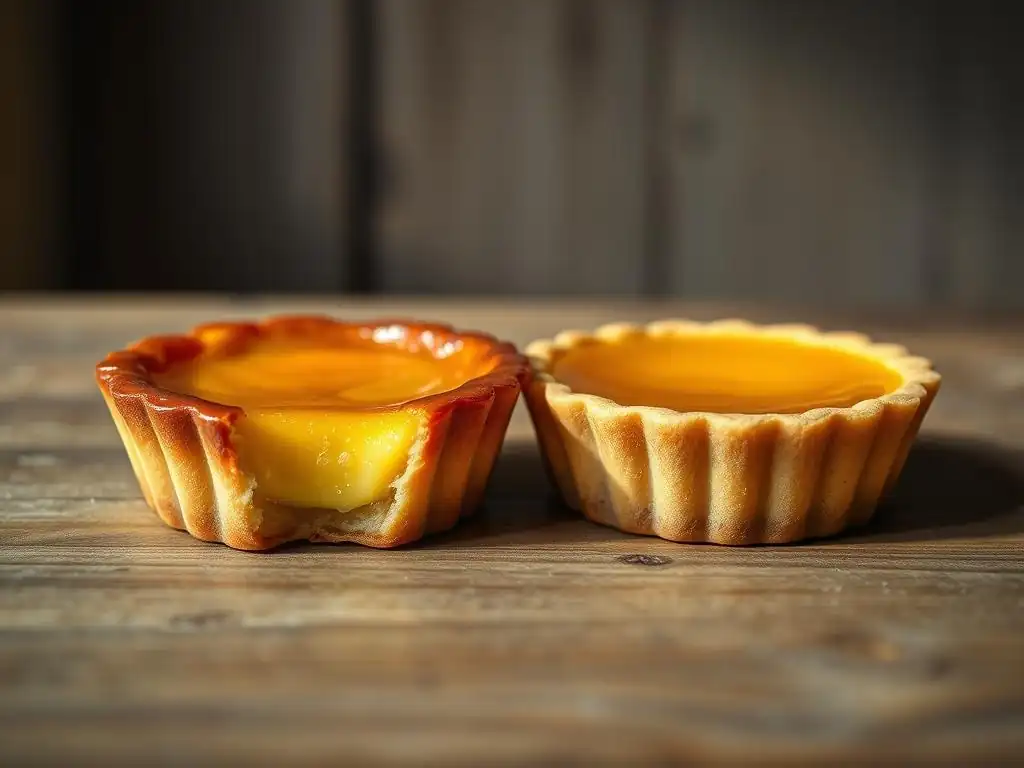
Before diving into low sugar options, it's helpful to understand the composition of a classic custard tart. This provides a baseline and highlights where the sugar is typically concentrated, explaining the challenge in creating a successful low sugar custard tart alternative.
A traditional recipe relies heavily on sugar for both sweetness and structural integrity in the custard, as well as contributing to the texture and browning of the pastry crust. Understanding these roles is key to effectively making substitutions in a low sugar custard tart version.
A Look at the Classic Ingredients and Sugar Content
A standard 8-inch custard tart typically involves two main components: the pastry crust and the custard filling. The sweet shortcrust pastry usually contains flour, cold butter, and a significant amount of granulated sugar – often 50 to 100 grams (about 4-8 tablespoons) for the crust alone. The custard filling, the heart of the tart, is primarily made from milk or cream, egg yolks (and sometimes whole eggs), vanilla, and a substantial quantity of sugar, commonly ranging from 150 to 200 grams (about 12-16 tablespoons).
Adding these amounts together, a typical 8-inch custard tart can contain between 200 and 300 grams of added sugar in total. If this tart is cut into 8 slices, each slice could contain anywhere from 25 to 37.5 grams of sugar. As noted earlier, this single serving can easily meet or exceed the daily recommended limit of added sugar, illustrating why exploring a low sugar custard tart recipe is a valuable endeavor for health-conscious bakers.
The Challenge: Recreating the Flavor with Less Sugar
Simply removing or drastically reducing sugar from a traditional recipe presents several challenges. Sugar isn't just for sweetness; it plays functional roles in baking. In custard, sugar helps to tenderize the egg proteins, preventing them from becoming tough or rubbery when heated, and contributes to a smooth, creamy texture. In the pastry, sugar aids in tenderization by interfering with gluten development and promotes browning during baking through the Maillard reaction.
Recreating the beloved taste and texture of a classic custard tart while significantly lowering the sugar requires careful consideration of alternative ingredients and adjusted techniques. Achieving the desired creamy consistency in the filling and a golden, crisp crust without the functional properties of sugar is the primary hurdle. This is where understanding the science behind baking and experimenting with different low sugar custard tart formulations becomes essential.
Low Sugar Custard Tart Ingredients: Smart Substitutions and Alternatives
Creating a successful low sugar custard tart relies on choosing the right ingredients to replace the bulk and sweetness of traditional sugar while maintaining desirable textures and flavors. Several options are available, each with its own characteristics and best uses.
Exploring these alternatives allows you to customize your low sugar custard tart based on your preferences and dietary needs, whether you prefer natural options or non-nutritive sweeteners.
Natural Sweeteners: Honey and Maple Syrup
Honey and maple syrup are often perceived as healthier alternatives to refined white sugar because they are less processed and contain trace amounts of minerals and antioxidants. While they are still forms of sugar (primarily fructose and glucose in honey, sucrose and fructose in maple syrup), they offer distinct flavors that can complement a custard tart. However, it's important to remember they still impact blood sugar, although sometimes with a slightly lower glycemic index compared to table sugar (approximate GI: White sugar ~65, Honey ~58, Maple Syrup ~54).
When using liquid sweeteners like honey or maple syrup in a low sugar custard tart, you typically need less by weight than granulated sugar due to their density and perceived sweetness, perhaps replacing 100g of sugar with 75-80g of honey or syrup. However, their liquid form adds moisture to the recipe, which might require slight adjustments to other liquid ingredients to maintain the correct consistency, particularly in the custard filling. Their robust flavors can also alter the taste profile, making them better suited for certain flavor combinations in a low sugar custard tart.
Sugar Alternatives: Stevia and Erythritol
Non-nutritive sugar alternatives like Stevia and Erythritol are popular choices for significantly reducing calorie and sugar content in baking. Stevia, derived from the Stevia rebaudiana plant, is incredibly sweet, estimated to be 200-400 times sweeter than sugar. It provides sweetness without calories or impact on blood sugar, making it a true low sugar option. However, because you need so little, it doesn't provide the bulk that sugar does, which can affect the structure and texture of baked goods.
Erythritol is a sugar alcohol that is about 70% as sweet as sugar but contains almost no calories (approximately 0.2 kcal/g compared to sugar's 4 kcal/g). It's commonly used in low-sugar baking because it provides some bulk, similar to sugar, and can be used in closer-to-1:1 ratios by volume with granulated sugar in some applications. While generally well-tolerated, consuming large quantities (e.g., over 50g in one sitting for some sensitive individuals) might cause digestive discomfort. Erythritol is often favored for creating a low sugar custard tart that closely mimics the texture and mouthfeel of a traditional one.
Reducing Sugar in the Pastry Crust: Techniques and Options
The pastry crust in a custard tart typically contains sugar to enhance tenderness and promote browning. To create a low sugar crust, you can reduce the amount of sugar significantly or replace it with a sugar substitute like erythritol that handles heat well. Reducing sugar might make the dough slightly less tender, so using cold butter and handling the dough minimally is even more crucial than in standard recipes to prevent toughness. Some low sugar custard tart crust recipes rely solely on the fat content (butter) and careful technique for tenderness.
Another approach is to incorporate ingredients that naturally add flavor and texture without relying on sugar. Using a portion of whole wheat flour can add nuttiness and fiber, while incorporating finely ground nuts like almond flour provides richness and a pleasant texture. These ingredients help create a flavorful crust where reduced sweetness feels intentional rather than lacking. Experimenting with different flour blends and fat-to-flour ratios can help you find the perfect low sugar custard tart crust that is both delicious and holds up well to the creamy filling.
Recipes: BakeWithEase's Best Low Sugar Custard Tart Variations
Here are a few variations of low sugar custard tart recipes developed by BakeWithEase, showcasing different approaches to reducing sugar while maintaining delicious results.
Recipe 1: Classic Low Sugar Custard Tart with Erythritol
This recipe aims to replicate the familiar taste and texture of a traditional custard tart using erythritol as the primary sweetener. It's a great starting point for those new to low-sugar baking.
Ingredients List and Detailed Instructions
Ingredients:
- For the Crust:
- 150g all-purpose flour
- 75g cold unsalted butter, cubed
- 20g erythritol (granulated or powdered)
- Pinch of salt
- 2-3 tbsp ice water
- For the Filling:
- 400ml whole milk (or a mix of milk and cream, e.g., 300ml milk, 100ml cream)
- 4 large egg yolks
- 70g erythritol (granulated or powdered)
- 1 tsp pure vanilla extract
- Optional: Pinch of grated nutmeg
Instructions:
- Make the Crust: Pulse flour, butter, erythritol, and salt in a food processor until it resembles coarse crumbs. Add ice water, 1 tablespoon at a time, pulsing until the dough just comes together. Do not overmix.
- Turn dough onto a lightly floured surface, form a disc, wrap in plastic wrap, and chill for at least 30 minutes.
- Roll out dough to fit an 8-inch tart pan. Press into the pan, trim edges, and prick the base all over with a fork. Chill for another 15 minutes.
- Blind Bake Crust: Preheat oven to 180°C (350°F). Line the chilled crust with parchment paper and fill with pie weights or dried beans. Bake for 15 minutes. Remove weights and parchment, and bake for another 5-10 minutes until the base looks dry and lightly golden. Remove from oven and reduce temperature to 150°C (300°F).
- Make the Custard: Gently heat milk (and cream, if using) in a saucepan over medium heat until just steaming, not boiling.
- In a bowl, whisk egg yolks and erythritol until pale and slightly thickened.
- Slowly pour about half of the warm milk mixture into the egg yolk mixture, whisking constantly to temper the eggs.
- Pour the tempered egg mixture back into the saucepan with the remaining milk. Stir constantly over low heat (or preferably over a double boiler) until the custard thickens enough to coat the back of a spoon (around 80-85°C or 175-185°F). Do not boil.
- Remove from heat, stir in vanilla extract and nutmeg (if using). Strain the custard through a fine-mesh sieve directly into the blind-baked tart shell.
- Bake the Tart: Carefully transfer the tart to the preheated 150°C (300°F) oven. Bake for 25-35 minutes, or until the custard is mostly set but still has a slight wobble in the center.
- Remove from oven and let cool completely on a wire rack. Refrigerate for at least 2-3 hours (preferably longer) before slicing and serving.
Tips for Perfecting the Texture and Flavor
- Blind Baking is Key: Ensure the crust is properly blind-baked until the base is dry to prevent a soggy bottom. Baking it for the second stage without weights helps dry out the base fully before the wet filling is added.
- Gentle Custard Cooking: Cook the custard slowly over low heat or a double boiler. Overheating will scramble the eggs, leading to a grainy texture. The target temperature range of 80-85°C is crucial; use a thermometer if unsure.
- Don't Overbake the Tart: The custard should be set but still slightly wobbly. It will continue to set as it cools. Overbaking results in a dry, rubbery custard.
- Chill Thoroughly: Refrigeration is essential for the custard to fully set and for the flavors to meld. Allow ample chilling time before slicing for clean cuts and the best texture.
Recipe 2: Raspberry Low Sugar Custard Tart
Adding fruit is a fantastic way to introduce natural sweetness and complexity to a low sugar custard tart. Raspberries pair wonderfully with creamy custard.
Adding Natural Sweetness and Complexity
Raspberries are relatively low in sugar compared to many other fruits (approx. 5g sugar per 100g) but offer bright, tart flavor and natural sweetness. Incorporating them into a low sugar custard tart adds visual appeal, a burst of fresh flavor, and a boost of antioxidants and fiber. Using about 150-200g of fresh or thawed (and well-drained) frozen raspberries provides noticeable fruitiness without significantly increasing the overall sugar content of the tart.
The raspberries can be placed on the bottom of the blind-baked crust before the custard is poured in, or gently scattered over the top of the poured custard before baking. As the tart bakes, the raspberries will soften slightly, releasing some of their juice and infusing the surrounding custard with their vibrant flavor. This natural tartness provides a beautiful contrast to the rich, reduced-sugar custard, enhancing the overall taste experience of the low sugar custard tart.
Balancing Flavors: Custard and Raspberry Harmony
The key to this variation is the interplay between the creamy, slightly sweet custard and the bright, tangy raspberries. The reduced sweetness of the custard allows the natural flavor of the raspberries to take center stage. To further enhance this harmony, consider adding a touch of lemon zest (from half a lemon) to the custard mixture along with the vanilla. The citrus zest brightens the flavor profile and complements both the custard and the fruit.
Ensure the raspberries are distributed relatively evenly throughout the tart so that each slice offers a balance of flavors. If using frozen raspberries, ensure they are fully thawed and drained to avoid excess liquid that could affect the custard's set. This raspberry low sugar custard tart is a perfect example of how adding natural ingredients can elevate a reduced-sugar dessert.
Recipe 3: Vegan Low Sugar Custard Tart with Almond Milk
For those seeking a dairy-free and low-sugar option, a vegan custard tart is achievable. This recipe uses almond milk and a plant-based thickener to create a creamy filling.
Dairy-Free and Delicious: A Guilt-Free Treat
Creating a vegan custard tart requires substituting not only sugar but also dairy and eggs. Almond milk provides a neutral base liquid, and while it's thinner than dairy milk, its low calorie and low sugar profile (unsweetened almond milk typically has less than 1g sugar per 240ml) makes it an excellent choice for a low sugar custard tart. The richness and creaminess typically provided by egg yolks and cream in traditional custard must be achieved through other means, primarily plant-based fats and thickeners.
Using a vegan pastry crust (made with vegan butter or coconut oil) sets the stage for this guilt-free treat. The filling relies on unsweetened almond milk combined with a sweetener like erythritol and a setting agent. This approach allows for a creamy, satisfying low sugar custard tart that fits within vegan and reduced-sugar diets.
Achieving a Creamy Texture Without Dairy
The texture of a vegan custard is often achieved using starches or hydrocolloids. Cornstarch is a common and effective thickener; approximately 30-40g per 400ml of liquid can create a firm, spoonable custard when cooked properly. Agar-agar, a seaweed-derived gelling agent, is another option, though it sets more firmly and requires boiling to activate (around 2-3g per 400ml). For added richness and a creamier mouthfeel, incorporating a small amount of full-fat canned coconut milk (just the thick cream part) or a tablespoon or two of vegan butter or cream cheese alternative into the heated almond milk base can help.
Cooking the vegan custard base requires whisking constantly to prevent lumps, similar to traditional custard. Ensure the thickener is fully dissolved and cooked out (cornstarch needs to simmer for a minute or two after thickening to remove any starchy taste). Pouring the thickened mixture into the blind-baked vegan crust and allowing it to chill thoroughly is key to achieving a well-set, creamy texture in this low sugar custard tart variation.
Techniques for Reducing Sugar in Custard Tarts
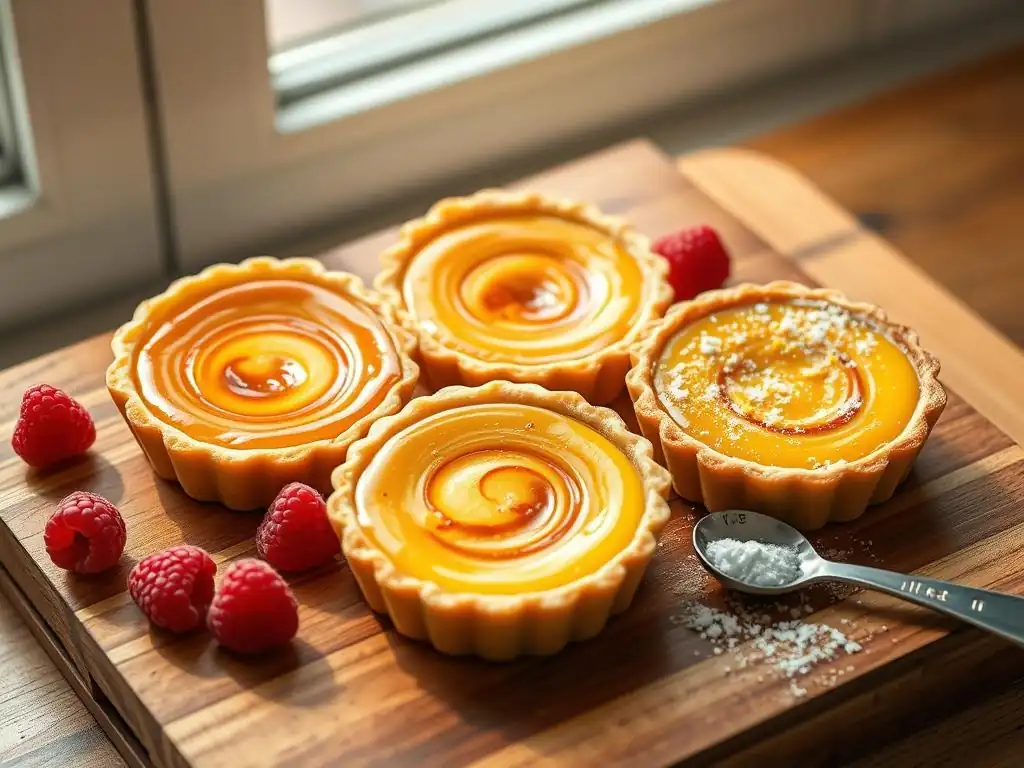
Beyond ingredient substitutions, specific techniques can help you successfully create a delicious low sugar custard tart. These methods address the functional roles of sugar and help balance the overall flavor profile.
Mastering these techniques ensures that your low sugar custard tart is not only less sweet but also maintains the desired texture and appearance.
The Art of Sweetness Balancing
Reducing sugar in a recipe means you need to find other ways to make the dessert appealing to the palate. Sweetness perception isn't solely about the amount of sugar; it's influenced by other flavors. Adding a small pinch of salt, for instance, can actually enhance the perceived sweetness of other ingredients. Similarly, incorporating generous amounts of high-quality vanilla extract or warming spices like cinnamon and nutmeg can add depth and aroma that trick the brain into perceiving more sweetness than is actually present.
Consider the temperature at which the low sugar custard tart will be served. Chilled desserts often taste less sweet than those served at room temperature or warm. Factoring this into your recipe development and taste-testing is important. Pairing your low sugar custard tart with naturally sweet toppings like fresh berries or a dollop of unsweetened whipped cream can also provide a balance that makes the reduced sweetness of the tart itself feel just right.
Mastering the Custard Consistency with Less Sugar
Sugar plays a role in preventing egg proteins from coagulating too quickly, which helps create a smooth custard. With less sugar, the eggs are more prone to scrambling if heated too rapidly or intensely. To compensate, cook the custard very gently. Using a double boiler provides indirect heat, which is ideal. If cooking directly in a saucepan, use the lowest possible heat and stir constantly. The goal is to reach the thickening point (around 80-85°C) slowly and evenly.
Ensuring you use a good ratio of egg yolks to liquid is also crucial for a rich, stable set in a low sugar custard tart. Yolks contain lecithin, an emulsifier, and more fat and protein than whites, contributing to creaminess and structure. If you find your low sugar custard is consistently too loose, adding a small amount of cornstarch (5-10g per 400ml liquid) can provide extra insurance for a firm, smooth set without significantly altering the flavor.
Tips for a Golden-Brown Crust Without Excess Sugar
Sugar contributes to the desirable golden color and crispness of a traditional pastry crust through caramelization and the Maillard reaction. When sugar is reduced or replaced with non-browning substitutes like erythritol, achieving that perfect golden-brown can be challenging. Proper blind baking is the first step; ensure the crust gets a good head start in the oven before the wet filling is added, allowing it to dry out and set.
To encourage browning on a low sugar custard tart crust, you can try a few techniques. Baking the tart slightly longer at a lower temperature after the custard is added can help the crust color without overcooking the filling. Using a darker metal tart pan absorbs more heat and promotes browning compared to lighter pans or ceramic. A convection oven setting can also help distribute heat more evenly, aiding in browning the crust edges and base.
Troubleshooting: Common Issues and Solutions for Low Sugar Custard Tarts
Even with careful attention, baking a low sugar custard tart can present specific challenges. Knowing how to identify and fix common issues will help you achieve perfect results.
Addressing these potential problems ensures your effort results in a beautiful and delicious low sugar custard tart every time.
Avoiding a Grainy Texture
Graininess in a custard tart filling is usually caused by overcooked egg proteins or undissolved sweetener. When egg proteins heat too quickly, they seize up and become lumpy, similar to scrambled eggs. To prevent this, always cook custard gently, preferably over a double boiler or on very low heat, stirring continuously. Ensure the liquid doesn't boil vigorously once the eggs are added.
If you are using a granulated sugar substitute like erythritol, ensure it is completely dissolved in the warm milk or cream mixture before adding the tempered egg yolks. Undissolved granules can lead to a gritty texture. As a final safeguard, straining the finished custard mixture through a fine-mesh sieve just before pouring it into the tart shell will catch any small lumps of egg or undissolved particles, guaranteeing a silky-smooth low sugar custard tart filling.
Preventing a Soggy Crust
A soggy bottom crust is a common woe in tarts, especially those with wet fillings like custard. It happens when moisture from the filling permeates the unbaked or under-baked pastry base. Proper blind baking is the most critical step in preventing this. Bake your crust until not just set, but visibly dry and starting to take on a little color on the bottom and sides before adding the filling. Pricking the base with a fork before the first blind bake helps steam escape.
After removing the blind-baked crust from the oven, you can brush the inside base with a thin layer of egg white or melted butter. This creates a moisture barrier. Ensure the custard filling isn't excessively hot when you pour it into the baked shell, as residual heat can steam the bottom crust. Finally, bake the filled low sugar custard tart at the correct temperature and time specified in the recipe to allow the custard to set and the bottom crust to finish baking simultaneously.
Achieving the Right Level of Sweetness
Finding the perfect sweetness level in a low sugar custard tart is subjective and might take a couple of tries. Sugar substitutes vary in potency and how they interact with other flavors. The perceived sweetness also changes as the tart chills. It's better to err on the side of slightly less sweet initially, as you can add sweetness later, but you can't remove it. Taste the custard mixture before baking (being mindful of raw egg safety, of course, or tasting the base liquid with sweetener before adding eggs).
If, after chilling, your low sugar custard tart isn't quite sweet enough for your preference, you have options for serving. A light dusting of powdered erythritol (often labeled "confectioners sugar substitute") adds sweetness to the surface. Serving the tart with naturally sweet accompaniments like fresh berries, a fruit coulis made without added sugar, or a dollop of unsweetened whipped cream can provide the extra sweetness needed to balance the flavor profile without adding significant sugar to the tart itself.
Low Sugar Custard Tart Toppings and Garnishes: Adding Flavor and Visual Appeal
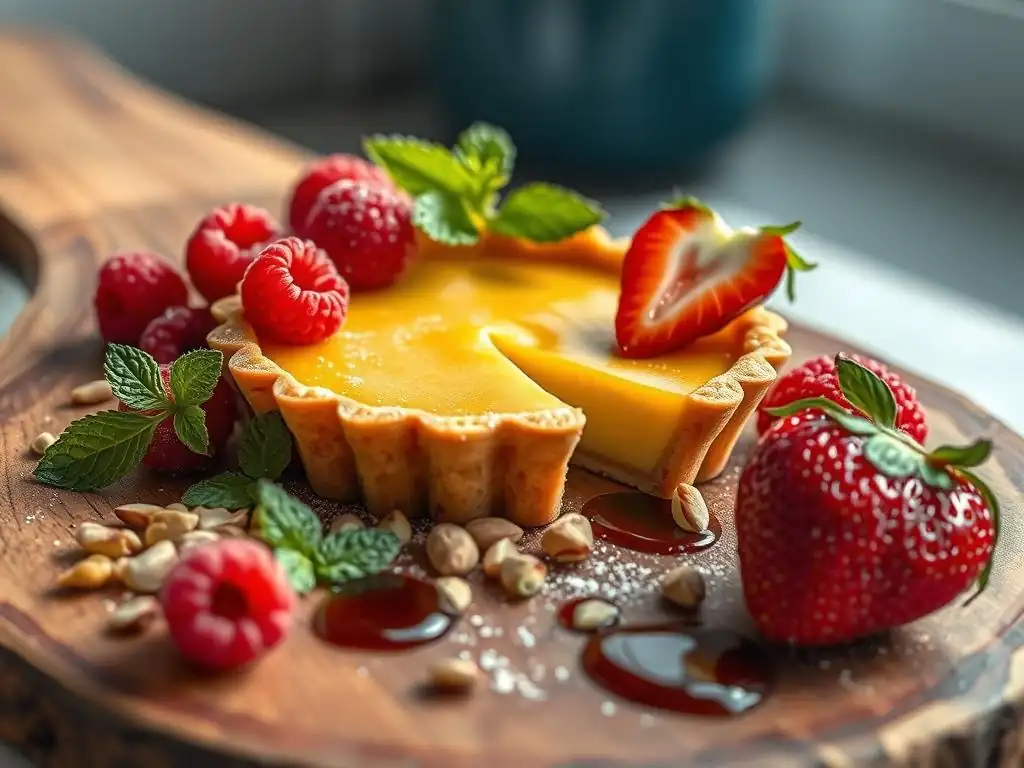
Toppings and garnishes are a wonderful way to enhance your low sugar custard tart, adding extra flavor, texture, and visual appeal without necessarily piling on more sugar.
These additions can elevate a simple low sugar custard tart into a showstopper dessert.
Fresh Fruit Options
Fresh fruit is a natural pairing for custard and provides sweetness, color, and nutrients. Berries like raspberries, blueberries, and sliced strawberries are excellent choices. They are relatively lower in sugar compared to some other fruits (e.g., 1 cup of sliced strawberries has approx. 7g sugar, 1 cup blueberries approx. 15g) and offer vibrant color and antioxidants. Other options include sliced kiwi, segments of oranges or grapefruit (for a tart contrast), or thinly sliced stone fruits like peaches (in season).
Arrange the fresh fruit decoratively over the chilled low sugar custard tart just before serving. A simple pattern or a generous scattering can make the tart look incredibly appealing. If you want to add a slight glaze for shine, warm a small amount of sugar-free apricot jam (sweetened with erythritol or similar) with a teaspoon of water and gently brush it over the fruit.
Spice Infusions: Cinnamon, Nutmeg, and Vanilla
Incorporating spices into the custard filling or as a garnish adds warmth and complexity that enhances the overall flavor profile of a low sugar custard tart. A teaspoon of ground cinnamon or nutmeg stirred into the custard base before baking provides a classic comforting flavor. Using the seeds scraped from half a vanilla bean instead of or in addition to vanilla extract offers a richer, more authentic vanilla taste.
A simple yet effective garnish is a light dusting of ground cinnamon or freshly grated nutmeg over the top of the chilled low sugar custard tart just before serving. This adds a subtle aroma and visual appeal, hinting at the warm flavors within. These spices help make the reduced sweetness feel intentional and satisfying.
Sugar-Free Chocolate Drizzle
For a touch of decadence, a sugar-free chocolate drizzle is a fantastic option. Use sugar-free chocolate chips or a bar sweetened with erythritol or stevia. Melt about 50g of sugar-free chocolate with a teaspoon of coconut oil or vegan butter in a microwave-safe bowl in 20-second intervals, stirring between each, until smooth.
Once melted, let the chocolate cool slightly, then drizzle it over the chilled low sugar custard tart using a spoon or by transferring it to a small piping bag or a zip-top bag with a corner snipped off. The rich flavor of the chocolate provides a delightful counterpoint to the creamy custard and adds an element of luxury to your reduced-sugar dessert.
Storing Your Low Sugar Custard Tart: Keeping it Fresh
Proper storage is essential for maintaining the quality and safety of your low sugar custard tart, especially since it contains dairy and eggs.
Knowing how to store it correctly ensures you can enjoy leftovers safely and deliciously.
Proper Storage Techniques
Custard tarts are perishable and require refrigeration. Once the low sugar custard tart has cooled completely on a wire rack after baking, cover it loosely with plastic wrap or aluminum foil. If the tart is in a pan, covering the entire pan is easiest. For individual slices, store them in airtight containers. Proper covering prevents the custard from drying out and absorbs odors from the refrigerator.
Place the covered low sugar custard tart in the coldest part of your refrigerator, typically the back. Ensure it is placed on a stable shelf where it won't be easily disturbed. Avoid stacking heavy items on top that could damage the delicate crust or filling.
Shelf Life and Best Consumption Practices
A properly stored low sugar custard tart is best enjoyed within 3-4 days of baking when refrigerated. While it may remain safe to eat for a slightly longer period, the texture of both the custard and the crust can begin to degrade, impacting the overall quality. The crust may become softer, and the custard might lose some of its initial creaminess.
For the best flavor and texture, some prefer to let a refrigerated slice of low sugar custard tart sit at room temperature for 10-15 minutes before serving, allowing the custard to soften slightly. Avoid freezing custard tarts, as the freezing and thawing process typically ruins the smooth texture of the custard, causing it to become watery and grainy. Plan to consume your low sugar custard tart within its optimal shelf life for the most enjoyable experience.
Conclusion: Enjoying Guilt-Free Custard Tarts with BakeWithEase
Exploring lower sugar custard tart options opens up a world of possibilities for enjoying this classic dessert while being mindful of your health. By understanding the role of sugar in traditional recipes and utilizing smart substitutions like erythritol, stevia, or even natural fruit, you can create delicious tarts that satisfy your craving for something sweet without the sugar overload.
Whether you opt for a classic low sugar custard tart, a fruity variation, or a vegan alternative, the techniques and tips provided here from BakeWithEase empower you to bake with confidence. Reducing sugar doesn't mean sacrificing flavor or texture; it means baking smarter and appreciating the nuanced tastes of quality ingredients. So go ahead, try a low sugar custard tart recipe, and discover how wonderfully satisfying guilt-free indulgence can be. Happy baking!
Frequently Asked Questions
What are some common substitutes for sugar in a low sugar custard tart?
Common substitutes include natural sweeteners like stevia and monk fruit, as well as sugar alcohols such as erythritol. Using fruit purees can also add sweetness and moisture.
Can I use a pre-made crust to further simplify making a low sugar custard tart?
Yes, using a pre-made crust is a great time-saver. Just be sure to check the label for added sugars and choose one that's low in sugar or unsweetened.
How can I adjust the baking time when making a low sugar custard tart?
Baking time might vary slightly depending on the sugar substitute used. Keep an eye on the tart and check for custard firmness – it should be set but still have a slight wobble.
Are there any ingredients besides sugar that I should watch out for when aiming for a low sugar custard tart?
Pay attention to the ingredients in the pastry crust, as some recipes may contain added sugar. Also, be mindful of any toppings or glazes you add to the tart.
What are some ways to enhance the flavor of a low sugar custard tart without adding more sweetness?
Enhance the flavor with extracts like vanilla or almond. Using spices such as cinnamon or nutmeg can also add warmth and depth without increasing the sugar content.
Final Reflection: The Sweetness of Moderation in Baking
The pursuit of healthier desserts is no longer a niche interest; it's a mainstream movement. Our exploration of lower-sugar custard tart recipes highlights a growing demand for delicious treats that don't compromise our well-being. This isn't about deprivation, but about mindful indulgence and finding creative ways to satisfy our cravings without the sugar overload.
The journey of adapting classic recipes to incorporate less sugar has been fascinating, revealing the surprising versatility of ingredients and the potential for equally satisfying, if not more nuanced, flavor profiles. The art of cooking is to create a harmony of flavors, not just a symphony of sweetness.
This quote perfectly encapsulates the shift we've witnessed, moving away from relying solely on sugar to achieve deliciousness and embracing the complexity of other flavor components. The subtle sweetness achieved through careful balancing of ingredients is, in many ways, far more rewarding.
Now, it's your turn. Consider the recipes explored in this article, not just as alternatives, but as stepping stones to a more conscious approach to baking. Experiment with reducing sugar in your own favorite recipes, exploring the potential of spices, fruits, and other natural sweeteners. Don't be afraid to adjust and adapt – the perfect balance is a personal journey of discovery. Embrace the sweetness of moderation, and unlock a world of healthier, equally delicious desserts.
Unlock Your Perfect Low-Sugar Custard Tart!
Thanks for exploring the delightful world of lower-sugar custard tarts with us! We hope you've discovered some delicious and healthier baking inspiration. Ready to take your baking to the next level?
- Bake your own masterpiece! Try out one of the recipes we shared—or get creative and adapt your favorite to reduce sugar. Let us know how it turns out!
- Share your creation: Post a picture of your low-sugar custard tart on social media and tag #BakeWithEaseLowSugar. We’d love to see your baking successes!
- Explore more healthy baking swaps: Discover more ways to reduce sugar in your favorite recipes on our website (bakewithease.com) - you might be surprised at what you can achieve!
What delicious low-sugar treat will you bake next?