
Savory Custard Tarts? Exploring Unexpected Possibilities

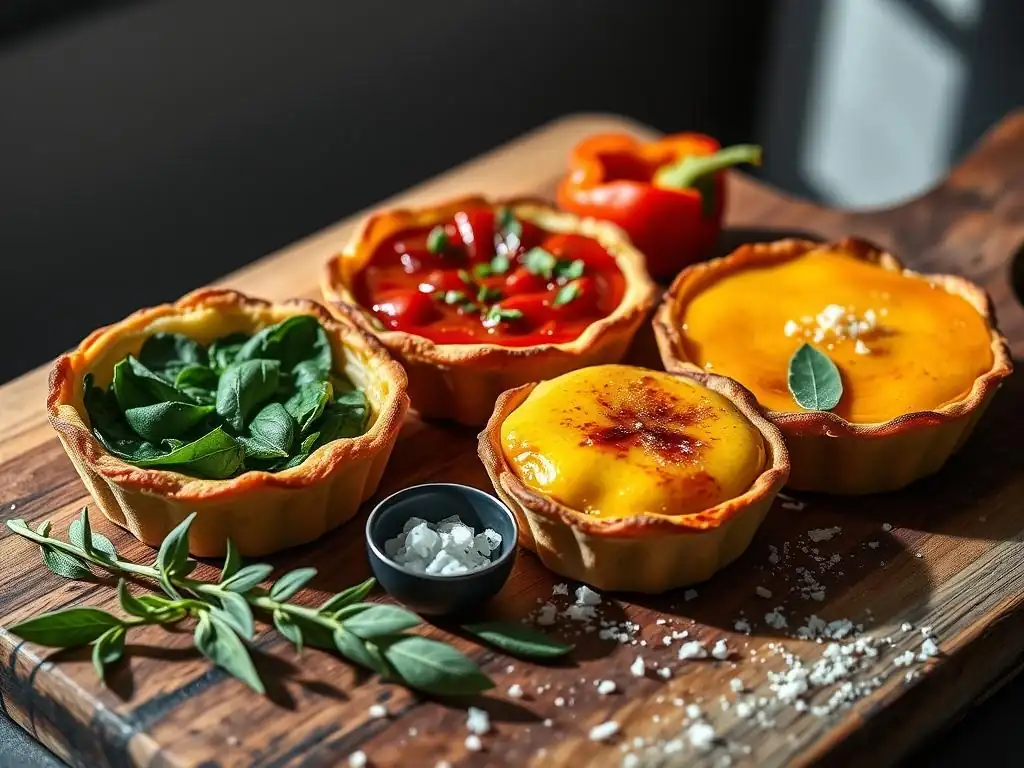
Welcome to BakeWithEase, where even the most ambitious baking dreams become deliciously achievable! Are you ready to redefine your understanding of "dessert"? This week, we're diving headfirst into the surprisingly delightful world of savory custards. Forget everything you thought you knew about sweet treats – we're about to unlock a treasure trove of savory custard tart recipes easy enough for anyone to master. But just how versatile can a custard tart really be? Read on to discover the unexpected possibilities!
- Exploring Regional Variations of Quiche: A Culinary Journey
- Quiche Around the World: A Global Perspective
- Beyond Lorraine: Understanding Quiche Variations
- Classic Quiche Recipes: A Foundation for Exploration
- Regional Quiche Variations: Ingredients and Flavor Profiles
- Mastering the Technique: Baking the Perfect Quiche
- Regional Quiche Recipes: Step-by-Step Guides
- Quiche Crust Variations: Exploring Different Doughs
- Serving and Enjoying Your Quiche
- Advanced Quiche Techniques: Taking Your Baking to the Next Level
- Quiche Recipe Inspiration: From Culinary Blogs and Cookbooks
- Conclusion: Embracing the Diversity of Quiche
-
Frequently Asked Questions
- What makes a savory custard tart different from a sweet one?
- Are savory custard tart recipes easy to make, even for beginners?
- What are some popular savory ingredients used in custard tarts?
- Can I customize a savory custard tart recipe to my dietary needs or preferences?
- What kind of crust is best for a savory custard tart?
- Final Reflection: Reimagining the Custard Tart: A Culinary Adventure
- Unleash Your Inner Pastry Chef: Craft Your Dream Custard Tart!
Exploring Regional Variations of Quiche: A Culinary Journey
Quiche Around the World: A Global Perspective
Quiche, a beloved savory custard tart, has transcended its French origins to become a global culinary staple. While its roots are firmly planted in the historical Duchy of Lorraine, its simple yet versatile nature has allowed it to adapt and flourish in diverse culinary landscapes. From bustling city bistros to home kitchens in remote villages, variations of this delightful dish can be found, each reflecting local ingredients, traditions, and palates. Its appeal lies in the comforting combination of a flaky crust and a rich, creamy filling, making it perfect for brunch, lunch, or a light supper.
The journey of quiche across continents highlights the fascinating way food evolves through cultural exchange and adaptation. In different countries, the basic formula of eggs, cream, and pastry is a canvas for regional creativity.
Whether it's the choice of cheese, the inclusion of specific vegetables, or the type of meat used, each regional quiche tells a story about its place of origin and the ingredients readily available there. This global perspective reveals not just a dish, but a culinary concept that is open to endless interpretation, proving that a simple savory custard tart recipe can truly be a foundation for global exploration.
Beyond Lorraine: Understanding Quiche Variations
What Defines a Quiche?
At its heart, a quiche is a savory open tart with a filling of eggs, cream or milk, and often cheese, meat, seafood, or vegetables, baked in a pastry crust. The classic ratio typically involves a mix of eggs and dairy, creating a smooth, stable custard when baked. While the specific ingredients in the filling can vary wildly, the core structure – a baked pastry shell holding a set savory custard – remains the defining characteristic. The pastry is traditionally shortcrust, providing a sturdy base and a pleasant contrast to the soft filling.
Historically, the original Quiche Lorraine was quite simple, featuring only cream, eggs, and bacon (lardons). The addition of cheese came later. Today, however, cheese is almost universally expected in a quiche.
The richness of the custard is key, achieved by using cream, half-and-half, or a mixture of milk and cream. The art lies in balancing the richness of the filling with the chosen savory ingredients, ensuring that the custard sets properly without curdling or becoming rubbery. It's this simple, elegant structure that makes quiche such a versatile and enduring dish, a perfect example of a savory custard tart recipe that’s both classic and adaptable.
The Breadth of Quiche Flavors: A Culinary Exploration
The beauty of quiche lies in its incredible versatility; the filling possibilities are virtually limitless. Beyond the iconic bacon and cheese of Lorraine, you can find quiches featuring everything from sautéed spinach and mushrooms (Florentine) to smoked salmon and dill, or even spicy chorizo and peppers. Cheeses range from Gruyère and Emmental in French variations to sharp cheddar in British versions or Monterey Jack in American Southwestern styles. Vegetables like broccoli, asparagus, leeks, and onions are common additions, often sautéed first to remove excess moisture.
Exploring the breadth of quiche flavors is like taking a culinary journey across regions and seasons. A summer quiche might feature fresh tomatoes and basil, while a winter version could incorporate roasted squash and sage. The key to a successful quiche filling is ensuring the added ingredients are cooked or prepared in a way that they don't release too much liquid during baking, which could result in a soggy crust.
Pre-cooking vegetables or meats, and allowing them to cool before adding them to the custard mix, is a crucial step for achieving that perfect set. This adaptability makes quiche an easy savory custard tart recipe to customize based on what's in season or what you have on hand.
Classic Quiche Recipes: A Foundation for Exploration
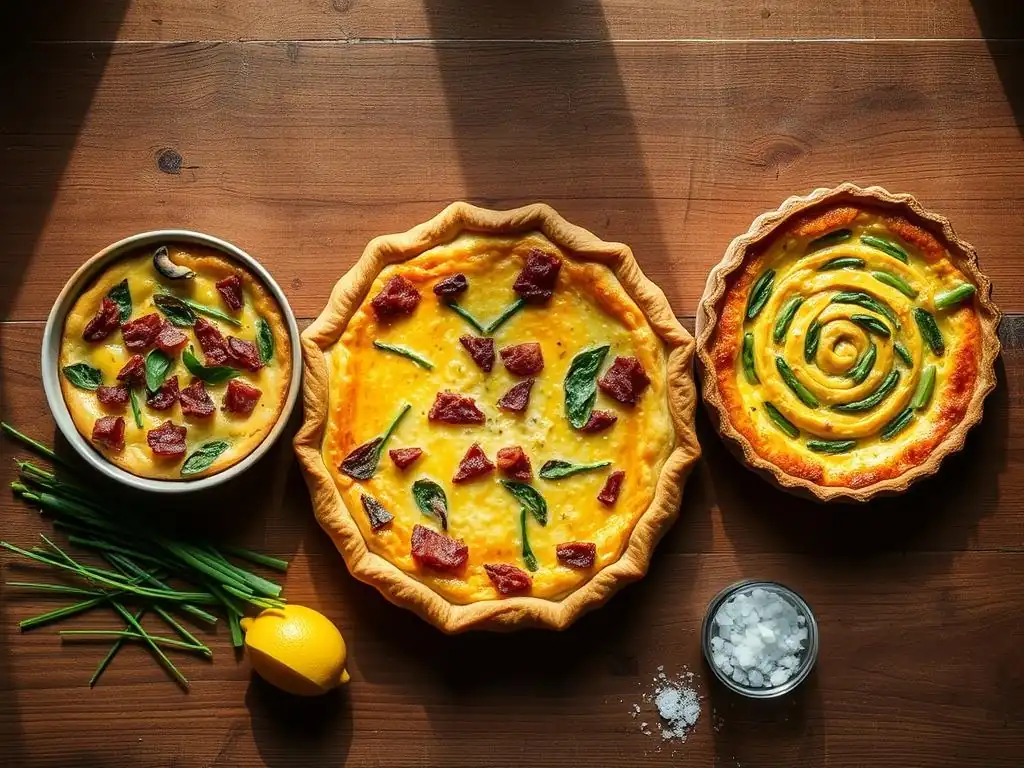
Traditional Shortcrust Pastry Recipe
A great quiche starts with a great crust. Traditional shortcrust pastry provides the perfect flaky and sturdy base. Here’s a basic recipe using the rub-in method, ideal for a standard 9-inch tart pan:
Ingredients:
- 1 ½ cups (190g) all-purpose flour
- ½ teaspoon salt
- ½ cup (115g) cold unsalted butter, cut into small cubes
- 3-4 tablespoons ice water
Instructions:
- In a large bowl, whisk together the flour and salt.
- Add the cold butter cubes to the flour mixture. Using your fingertips, rub the butter into the flour until the mixture resembles coarse crumbs with some pea-sized pieces of butter remaining. This is crucial for flakiness.
- Gradually add the ice water, one tablespoon at a time, mixing with a fork until the dough just comes together. Be careful not to add too much water; the dough should be moist enough to hold together but not sticky.
- Turn the dough out onto a lightly floured surface and gently bring it together to form a disc. Do not knead.
- Wrap the dough disc tightly in plastic wrap and refrigerate for at least 30 minutes (or up to 2 days) before rolling. Chilling the dough helps the gluten relax and the fat firm up, making it easier to roll and resulting in a flakier crust.
This recipe provides a reliable foundation for countless savory custard tart recipes, including quiche. The key is keeping the ingredients cold and handling the dough minimally to ensure a tender, flaky result.
Basic Quiche Filling Recipe
Once you have your crust ready (and potentially blind-baked, which we'll discuss later), a simple, classic filling is the next step. This basic recipe serves as a blank canvas for adding your favorite savory ingredients.
Ingredients:
- 3 large eggs
- 1 ½ cups (350ml) heavy cream (or a mix of cream and milk)
- ½ teaspoon salt
- ¼ teaspoon black pepper
- Pinch of nutmeg (optional, but traditional)
- ½ cup (around 50-75g) grated cheese (like Gruyère or Emmental), plus more for topping if desired
- Optional add-ins: Cooked bacon lardons, sautéed onions, spinach, mushrooms, etc. (ensure add-ins are cooked and drained of excess moisture)
Instructions:
- In a medium bowl, whisk together the eggs until well combined.
- Gradually whisk in the heavy cream (or cream/milk mixture), salt, pepper, and nutmeg (if using). Whisk until the mixture is smooth and well-integrated.
- If using optional add-ins like cooked bacon or sautéed vegetables, scatter them evenly over the bottom of the prepared (and possibly blind-baked) pastry shell.
- Sprinkle about half of the grated cheese over the add-ins (if using) or directly into the crust if making a simple cheese quiche.
- Carefully pour the egg and cream mixture over the ingredients in the pastry shell.
- Top with the remaining grated cheese, if desired.
This basic quiche filling recipe is incredibly versatile. It provides the creamy, rich custard base that is essential to any quiche or savory custard tart recipe easy to adapt. The ratio of eggs to dairy is crucial for achieving the correct texture – not too runny, not too firm.
Regional Quiche Variations: Ingredients and Flavor Profiles
French Quiche: Lorraine, Florentine, and Provençal
French quiche is the original standard, with Quiche Lorraine being the most famous. Hailing from the Lorraine region, the true Quiche Lorraine traditionally features a filling of lardons (small strips or cubes of bacon), eggs, and cream in a pastry shell. Cheese was not originally included, but modern versions often add Gruyère or Emmental. The flavor profile is rich, smoky from the bacon, and deeply savory.
Quiche Florentine incorporates spinach, often sautéed with garlic, into the classic egg and cream base, typically with cheese like Gruyère or Parmesan. It's a popular vegetarian option, offering a vibrant green color and earthy flavor. Quiche Provençal, inspired by the sunny region of Provence, features Mediterranean vegetables like tomatoes, zucchini, bell peppers, and onions, often sautéed with herbs like Herbes de Provence. These variations showcase how French regional ingredients influenced the evolution of this classic savory custard tart recipe.
British Quiche: Cheddar and Bacon, Smoked Haddock
British quiches often feature ingredients popular in UK cuisine, adapting the French concept to local tastes. A common variation is the Cheddar and Bacon Quiche, similar to Lorraine but using mature cheddar cheese for a sharper flavor profile. The bacon is usually standard back bacon or streaky bacon, often fried until crispy before being added to the filling. This creates a hearty, familiar flavor.
Another distinct British version is the Smoked Haddock Quiche. Flaked smoked haddock (often the naturally smoked, undyed kind) is combined with the egg and cream custard, sometimes with ingredients like chives or parsley. The smoky, slightly salty fish pairs wonderfully with the rich custard, creating a unique and comforting savory custard tart recipe. These British adaptations demonstrate the dish's flexibility in incorporating regional ingredients.
American Quiche: Southwestern, Vegetarian
American quiches often reflect the diverse culinary landscape of the United States, incorporating regional flavors and ingredients. A Southwestern Quiche might include ingredients like roasted green chilies, corn, black beans, and Monterey Jack or cheddar cheese, sometimes with added spices like cumin and chili powder. This gives the quiche a distinct spicy and earthy profile, drawing inspiration from Mexican and Tex-Mex cuisines.
Vegetarian quiches are also hugely popular in the US, often featuring a wide array of vegetables like broccoli, mushrooms, bell peppers, onions, and spinach, combined with various cheeses like cheddar, Swiss, or feta. These variations make quiche a versatile option for brunch or light meals, showcasing how easily a basic savory custard tart recipe can be adapted to dietary preferences and local availability.
Mastering the Technique: Baking the Perfect Quiche
Achieving a Crisp Pastry Crust: Tips and Tricks
A soggy bottom is the bane of any quiche baker's existence. Achieving a crisp pastry crust is essential for a perfect quiche. One of the most effective ways to prevent sogginess is blind baking the crust before adding the filling. This involves partially or fully baking the empty pastry shell weighed down with baking beans or pie weights. This sets the base and sides of the crust, creating a barrier against the wet filling.
Ensuring your ingredients are cold when making the dough, minimizing handling, and adequate chilling time are also crucial for a flaky, crisp crust. Rolling the dough evenly and fitting it snugly into the tart pan helps prevent gaps where the custard could seep under the crust. Using a hot oven temperature initially can help set the bottom crust quickly before the filling is added.
Preventing a Soggy Bottom: Common Baking Mistakes
Beyond not blind baking, several other factors can lead to a soggy quiche crust. Overworking the dough can develop too much gluten, resulting in a tough crust that doesn't bake up crisp. Using a filling that is too wet is another major culprit. Ensure any vegetables or meats added to the filling are thoroughly cooked and drained of excess moisture. Sautéing vegetables like spinach, mushrooms, or onions before adding them to the custard is vital.
Adding hot fillings to a cold crust can also cause issues. Always allow cooked ingredients to cool before incorporating them into the custard and pouring them into the pastry shell. Finally, ensuring your oven is preheated to the correct temperature and that the quiche bakes long enough for the custard to set fully is key. An underbaked quiche will have a wet, unstable filling that can contribute to a soggy bottom.
Baking Time and Temperature: Getting the Custard Just Right
Baking time and temperature are critical for achieving a perfectly set, creamy quiche custard without overcooking it into a rubbery texture. For a standard 9-inch quiche, baking is typically done in a moderate oven, often around 350°F to 375°F (175°C to 190°C). The exact temperature can vary slightly depending on the recipe and oven.
The baking time usually ranges from 35 to 50 minutes, depending on the depth of the quiche and the oven. You know the quiche is done when the edges are set and slightly puffed, and the center is just slightly jiggly when gently shaken. An internal temperature of around 160°F (71°C) in the center is a good indicator that the custard has set.
Avoid overbaking, which can cause the custard to crack or become dry. If the crust edges start browning too quickly, you can loosely cover them with foil. Allowing the quiche to rest for 10-15 minutes after baking allows the custard to finish setting outside the oven.
Regional Quiche Recipes: Step-by-Step Guides
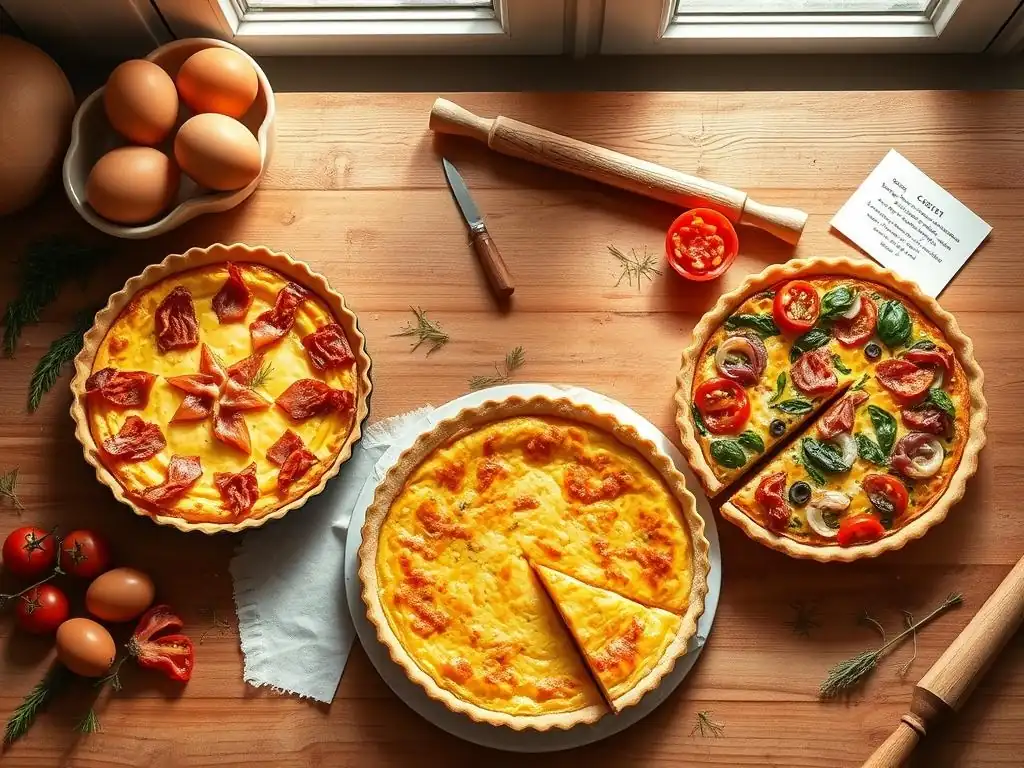
Recipe 1: Quiche Lorraine (Detailed Instructions)
This classic Quiche Lorraine recipe focuses on the traditional flavors of bacon and a rich custard. It's an easy savory custard tart recipe that's always a crowd-pleaser.
Ingredients:
- 1 blind-baked 9-inch shortcrust pastry shell
- 6 oz (about 170g) bacon, cut into ½ inch pieces (lardons if possible)
- ½ cup (about 75g) grated Gruyère or Emmental cheese (optional, but common in modern versions)
- 3 large eggs
- 1 ½ cups (350ml) heavy cream
- ½ teaspoon salt
- ¼ teaspoon black pepper
- Pinch of nutmeg
Instructions:
- Preheat oven to 375°F (190°C).
- Cook the bacon pieces in a skillet over medium heat until crispy. Drain on paper towels to remove excess fat.
- Scatter the cooked bacon evenly over the bottom of the blind-baked pastry shell. Sprinkle the grated cheese over the bacon (if using).
- In a medium bowl, whisk together the eggs, heavy cream, salt, pepper, and nutmeg until smooth.
- Carefully pour the egg mixture over the bacon and cheese in the pastry shell.
- Place the quiche on a baking sheet (to catch any spills) and bake for 35-45 minutes, or until the edges are set and the center is just slightly jiggly. The top should be lightly golden.
- Remove from oven and let stand for 10-15 minutes before slicing and serving.
A delightful vegetarian option, Quiche Florentine combines spinach and cheese with the classic custard base. This savory custard tart recipe is easy to make and full of flavor.
Ingredients:
- 1 blind-baked 9-inch shortcrust pastry shell
- 8 oz (about 225g) fresh spinach
- 1 small onion, finely chopped
- 1 clove garlic, minced
- 1 tablespoon olive oil or butter
- ½ cup (about 75g) grated cheese (Gruyère, Swiss, or Parmesan work well)
- 3 large eggs
- 1 ½ cups (350ml) heavy cream or half-and-half
- ½ teaspoon salt
- ¼ teaspoon black pepper
- Pinch of nutmeg
Instructions:
- Preheat oven to 375°F (190°C).
- Heat olive oil or butter in a large skillet over medium heat. Add the chopped onion and cook until softened, about 5-7 minutes. Add the minced garlic and cook for 1 minute more, until fragrant.
- Add the fresh spinach to the skillet in batches, stirring until wilted. Cook until all the spinach is wilted and any excess moisture has evaporated. Remove from heat and let cool slightly. Squeeze out any remaining liquid from the spinach.
- Scatter the cooked spinach and onion mixture evenly over the bottom of the blind-baked pastry shell. Sprinkle the grated cheese over the spinach.
- In a medium bowl, whisk together the eggs, heavy cream (or half-and-half), salt, pepper, and nutmeg until smooth.
- Carefully pour the egg mixture over the spinach and cheese in the pastry shell.
- Place the quiche on a baking sheet and bake for 35-45 minutes, or until the edges are set and the center is just slightly jiggly.
- Remove from oven and let stand for 10-15 minutes before slicing and serving.
Recipe 3: Cheddar and Bacon Quiche (Detailed Instructions)
This British-inspired quiche is hearty and satisfying, featuring sharp cheddar cheese and crispy bacon. It's a robust take on the savory custard tart recipe easy to adapt to your preferred bacon type.
Ingredients:
- 1 blind-baked 9-inch shortcrust pastry shell
- 6 oz (about 170g) bacon, cut into ½ inch pieces
- 1 cup (about 100g) grated sharp cheddar cheese
- 3 large eggs
- 1 ½ cups (350ml) heavy cream or milk
- ½ teaspoon salt
- ¼ teaspoon black pepper
- Optional: Pinch of cayenne pepper or dry mustard for extra kick
Instructions:
- Preheat oven to 375°F (190°C).
- Cook the bacon pieces in a skillet over medium heat until crispy. Drain on paper towels to remove excess fat.
- Scatter the cooked bacon evenly over the bottom of the blind-baked pastry shell. Sprinkle the grated cheddar cheese over the bacon.
- In a medium bowl, whisk together the eggs, heavy cream (or milk), salt, black pepper, and cayenne/mustard (if using) until smooth.
- Carefully pour the egg mixture over the bacon and cheese in the pastry shell.
- Place the quiche on a baking sheet and bake for 35-45 minutes, or until the edges are set and the center is just slightly jiggly.
- Remove from oven and let stand for 10-15 minutes before slicing and serving.
Quiche Crust Variations: Exploring Different Doughs
While traditional shortcrust pastry is the standard, you can explore other doughs for your quiche or savory custard tart recipe easy variations.
Gluten-Free Quiche Crust Options
For those with gluten sensitivities, several gluten-free flour blends work well for quiche crusts. You can use a store-bought gluten-free pie crust or make one from scratch using a blend of gluten-free flours like rice flour, almond flour, and tapioca starch, often combined with xanthan gum to provide structure.
- Store-Bought: Many supermarkets carry ready-made gluten-free pie crusts that can be blind-baked and used just like traditional pastry.
- Homemade Blend: A common ratio for a gluten-free pastry blend is 1 ½ cups of a mix like ⅔ rice flour, ⅓ tapioca starch, plus ½ teaspoon xanthan gum, combined with cold butter and ice water using the same method as traditional shortcrust.
Results can vary depending on the blend used, but a well-made gluten-free crust can provide a flaky base similar to the traditional version.
Whole Wheat Quiche Crust Recipe
Using whole wheat flour adds a nutty flavor and extra fiber to your quiche crust. It can be made using a similar method to traditional shortcrust, replacing a portion or all of the all-purpose flour with whole wheat flour.
Ingredients:
- 1 cup (125g) whole wheat flour
- ½ cup (65g) all-purpose flour (or use 1 ½ cups whole wheat for a stronger flavor)
- ½ teaspoon salt
- ½ cup (115g) cold unsalted butter, cut into small cubes
- 4-5 tablespoons ice water
Instructions: Follow the same method as the Traditional Shortcrust Pastry Recipe. Whole wheat flour absorbs more liquid, so you might need slightly more ice water. The dough might be slightly less pliable than all-purpose pastry.
This variation offers a healthier twist on the classic savory custard tart recipe easy to incorporate into your baking routine.
Puff Pastry Quiche Crust
For an extra-flaky and impressive crust, puff pastry is an excellent choice. You can use store-bought frozen puff pastry or make your own.
- Using Store-Bought Puff Pastry: Thaw the puff pastry according to package directions. Gently unfold it and press it into your tart pan, trimming excess dough. You can blind bake it briefly before adding the filling, though some recipes add the filling directly and bake. Puff pastry expands significantly, so ensure it's well-fitted and potentially prick the bottom with a fork before baking.
Puff pastry creates a light, airy, and incredibly flaky crust that provides a luxurious contrast to the rich quiche filling. It elevates the simple savory custard tart recipe easy to prepare using store-bought sheets.
Serving and Enjoying Your Quiche
Perfect Pairings: What to Serve with Quiche
Quiche is a versatile dish that pairs well with a variety of sides, making it suitable for different meal occasions. For a light lunch or brunch, a simple green salad with a vinaigrette is a classic accompaniment. The acidity of the dressing cuts through the richness of the quiche.
Other excellent pairings include:
- Fresh fruit salad: Adds a refreshing sweetness, particularly good for brunch.
- Roasted vegetables: Such as asparagus, broccoli, or cherry tomatoes, adding color and earthy flavors.
- Soup: A light tomato or vegetable soup can make a more substantial meal.
- Crusty bread: Perfect for soaking up any stray custard.
- Coleslaw: A creamy or vinegary coleslaw provides a nice textural contrast.
Choosing sides that complement the specific flavors of your quiche variation will enhance the overall dining experience.
Storage and Reheating Tips for Quiche
Quiche stores and reheats remarkably well, making it a great option for meal prep or leftovers.
- Storage: Allow the quiche to cool completely before storing. Wrap it tightly in plastic wrap or aluminum foil, or place slices in an airtight container. It can be refrigerated for 3-4 days.
- Freezing: Whole quiches or individual slices can be frozen. Wrap cooled quiche tightly in plastic wrap, then in aluminum foil or place in a freezer-safe container. Freeze for up to 1-2 months. Thaw overnight in the refrigerator before reheating.
- Reheating: For best results, reheat quiche in the oven. Preheat oven to 325°F (160°C). Place whole quiche or slices on a baking sheet. Reheat a whole quiche for 15-25 minutes, or slices for 10-15 minutes, until heated through. Microwaving is possible but can make the crust soggy; if using a microwave, reheat in short intervals until warm.
Proper storage and reheating ensure that your delicious savory custard tart recipe easy leftovers are just as enjoyable as the freshly baked version.
Advanced Quiche Techniques: Taking Your Baking to the Next Level
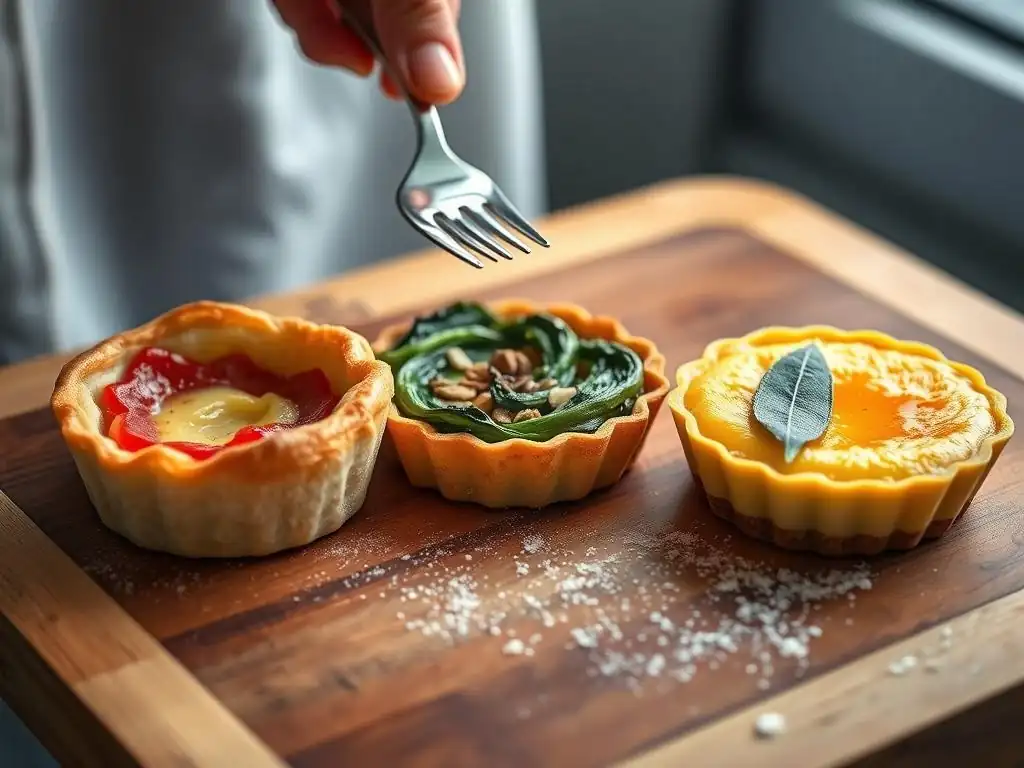
Blind Baking Quiche Crusts
Blind baking is a crucial technique for preventing a soggy bottom crust, especially with wet fillings. It involves partially baking the empty pastry shell before adding the custard.
Steps for Blind Baking:
- Prepare and chill your pastry dough.
- Roll out the dough and fit it into your tart pan. Trim and crimp the edges.
- Prick the bottom of the crust all over with a fork. This prevents it from puffing up too much.
- Line the raw crust with parchment paper or foil, pressing it snugly against the sides.
- Fill the lined crust with baking weights, dried beans, or rice, filling it right up to the top edges to support the sides.
- Bake in a preheated oven (often around 375°F/190°C) for 15-20 minutes, or until the edges are set.
- Carefully remove the weights and parchment/foil.
- If the recipe calls for a fully blind-baked crust (for very wet fillings or no further baking), continue baking for another 10-15 minutes until the bottom is golden brown and looks dry. For most quiches, a partial blind bake is sufficient.
This extra step significantly improves the texture of your savory custard tart recipe, ensuring a crisp base.
Creating Intricate Quiche Designs
While a simple quiche is beautiful on its own, you can elevate its appearance with decorative pastry work or creative filling arrangements.
- Pastry Lattice: Use leftover pastry dough to cut strips and create a lattice top over the filling before baking.
- Cut-outs: Use cookie cutters to create shapes (like leaves or stars) from pastry dough to place on top of the quiche or around the edges.
- Vegetable Arrangements: Arrange sliced vegetables (like zucchini, tomatoes, or bell peppers) in decorative patterns over the custard before baking. Overlapping slices or concentric circles can be visually appealing.
- Cheese Toppings: Sprinkle different types of cheese in patterns or cover the top completely for a golden, bubbly finish.
These techniques add a touch of artistry to your savory custard tart recipe easy to implement once you're comfortable with the basic pastry skills.
Experimenting with Infused Creams for Quiche Fillings
Adding an extra layer of flavor to your quiche custard can take it from good to exceptional. Infusing the cream or milk with herbs or aromatics is a simple yet effective technique.
Method for Infusion:
- Gently heat the cream (or milk/cream mixture) in a saucepan over low heat. Do not boil.
- Add your chosen aromatics, such as garlic cloves (lightly crushed), fresh herbs (like thyme, rosemary, or bay leaves), or spices (like a pinch of smoked paprika or a crushed peppercorn).
- Let the cream steep with the aromatics off the heat for about 15-20 minutes.
- Strain the cream through a fine-mesh sieve to remove the solids.
- Let the infused cream cool slightly before whisking it into the eggs for your custard.
This technique works particularly well for quiches where you want a subtle background note of flavor, like a garlic-infused cream for a mushroom quiche or a thyme-infused cream for a leek quiche. It's an advanced step that enhances the complexity of your savory custard tart recipes.
Quiche Recipe Inspiration: From Culinary Blogs and Cookbooks
Conclusion: Embracing the Diversity of Quiche
Quiche, in its many forms, is a testament to the enduring appeal of the savory custard tart. What began as a humble dish from Lorraine has evolved into a global phenomenon, adapting to local ingredients and culinary traditions across continents. We've explored the classic foundations, delved into regional variations from France, Britain, and America, and discussed the essential techniques for achieving a perfect crust and creamy filling.
Whether you prefer the smoky richness of a classic Quiche Lorraine, the fresh simplicity of a Florentine, or the hearty flavors of a Cheddar and Bacon quiche, there's a savory custard tart recipe easy to find and adapt to your taste. Mastering techniques like blind baking and experimenting with different crusts or infused creams can take your quiche baking to new heights. So, embrace the diversity, get creative with your fillings, and enjoy the delicious journey of exploring quiche!
Frequently Asked Questions
What makes a savory custard tart different from a sweet one?
Savory custard tarts differ primarily in their flavor profile. Instead of sugar and sweet spices, they feature savory ingredients like cheese, herbs, vegetables, or meats. The crust and custard base are also adjusted to complement these flavors.
Are savory custard tart recipes easy to make, even for beginners?
Yes, many savory custard tart recipes are designed for simplicity. BakeWithEase focuses on providing easy-to-follow instructions and readily available ingredients, making them accessible to beginners.
What are some popular savory ingredients used in custard tarts?
Popular ingredients include cheese (like Gruyere or Parmesan), vegetables (such as spinach, asparagus, or mushrooms), and cured meats (like bacon or prosciutto). These ingredients add depth and richness to the tart.
Can I customize a savory custard tart recipe to my dietary needs or preferences?
Absolutely! One of the benefits of making your own is the ability to customize. You can easily substitute ingredients to make it vegetarian, gluten-free, or dairy-free based on your specific needs and preferences.
What kind of crust is best for a savory custard tart?
A shortcrust pastry is a common and versatile choice. You can use a traditional butter-based crust or explore options like olive oil crusts for a more Mediterranean flavor profile.
Final Reflection: Reimagining the Custard Tart: A Culinary Adventure
The humble custard tart, a classic dessert, holds surprising potential beyond its traditional sweet form. This exploration into savory custard tarts reveals a world of unexpected flavors and textures, easily accessible even to novice bakers. The ease of adapting classic recipes, as demonstrated throughout this article, opens up a whole new culinary landscape for adventurous home cooks.
The shift towards savory applications of traditionally sweet ingredients reflects a broader culinary trend – a playful disregard for rigid boundaries and a celebration of inventive flavor combinations. This willingness to experiment, to push the limits of what we consider "normal," is incredibly exciting. The most beautiful discovery true chefs make is their own originality.
This quote, though not directly about custard tarts, perfectly encapsulates the spirit of culinary innovation that this article champions. The potential for creativity is limitless, and the savory custard tart stands as a delicious testament to that.
Now, it's your turn. Consider the recipes presented here as a springboard for your own culinary explorations. Don't be afraid to experiment with different cheeses, herbs, and spices. Try substituting ingredients, adapting techniques, and ultimately, creating your own unique savory custard tart masterpiece. The journey of culinary discovery is a personal one, and the possibilities are as vast as your imagination. Embrace the unexpected, and savor the results.
Unleash Your Inner Pastry Chef: Craft Your Dream Custard Tart!
Thanks for exploring the world of savory custard tarts with us! We hope you’ve discovered new flavor possibilities and gained the confidence to experiment in your own kitchen. Ready to take the next step?
- Master your own savory custard tart: Try one of the recipes mentioned in the article, or even better, create your own unique combination of savory fillings and sweet pastry. Let your creativity run wild!
- Share your culinary adventures: Post a picture of your creation on social media using #SavoryTartChallenge and tag @BakeWithEase – we'd love to see what you come up with!
- Explore further: Dive deeper into the world of unconventional tarts by browsing our other articles on BakeWithEase.com, focusing on unique flavor profiles.
What unexpected ingredient are you most excited to try in your next savory custard tart?