
Understanding Different Types of Cream for Baking Success

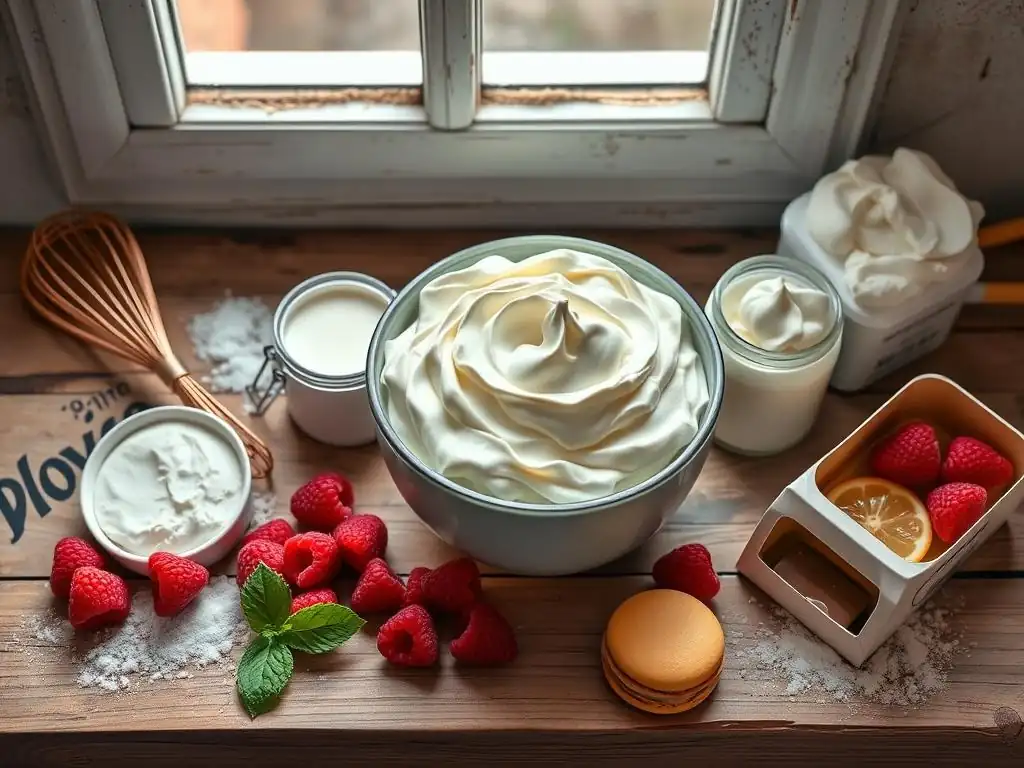
Welcome to BakeWithEase, your passport to pastry perfection! Ever wondered how the secret to a truly decadent dessert lies not just in the recipe, but in understanding the subtle nuances of different creams? This guide dives deep into the world of cream types baking recipes, unlocking the secrets to achieving that perfect texture and flavor. Get ready to elevate your baking game and discover which cream is the key to your next culinary masterpiece. Let's explore!
- Introduction: Achieving Baking Perfection with the Right Cream
- Exploring the World of Baking Creams: A Comprehensive Overview
- Heavy Cream: The Baker's Workhorse
- Whipping Cream: Versatility in Pastries and Desserts
- Light Cream: A Subtle Touch for Baking
- Half-and-Half: Balancing Richness in Baking
- Crème Fraîche: Adding Tang and Texture to Your Bakes
- Sour Cream: A Secret Ingredient for Moist Cakes
- Clotted Cream: The Ultimate Indulgence for Scones and More
- Baking Cream Substitutions: Adapting Recipes with Ease
- Cream Types Baking Recipes: Mastering Your Skills
- Conclusion: Elevate Your Baking with the Perfect Cream Choice
-
Frequently Asked Questions
- What are the main types of cream used in baking, and what are their key differences?
- How does the fat content of cream affect the outcome of baking recipes?
- Can I substitute one type of cream for another in a baking recipe?
- What is the best way to whip cream to achieve stiff peaks for cake decorating?
- Where can I find reliable baking recipes that specify the correct cream type to use?
- Final Reflection: The Sweet Science of Cream in Baking
- Unlock Your Baking Potential: Mastering Creams!
Introduction: Achieving Baking Perfection with the Right Cream
Welcome to BakeWithEase! Mastering baking often comes down to understanding your ingredients, and few are as versatile and transformative as cream. From adding richness to a simple sauce to creating gravity-defying whipped toppings, the type of cream you choose can significantly impact the final texture, flavor, and success of your baked goods. Getting the right cream for your cream types baking recipes is a fundamental step towards delicious results.
Why Cream Choice Matters in Baking
Choosing the correct cream isn't just about following a recipe; it's about understanding how fat content and processing methods affect the outcome of your baking. A recipe calling for heavy cream relies on its high fat percentage to create a stable structure when whipped or provide richness when cooked.
Using a lower-fat cream like half-and-half in place of heavy cream in a ganache, for instance, would likely result in a thin, runny mixture instead of a luscious, firm filling. This highlights why differentiating between different types of cream for baking is crucial for achieving the desired consistency and flavor profile.
The fat content of cream dictates its ability to emulsify, thicken, and provide moisture. For example, butterfat molecules are what allow cream to trap air when whipped, creating volume and stiffness. The higher the fat content, the more stable the whipped cream will be. Similarly, in baked goods, the fat contributes to tenderness and richness. Understanding these properties is key to successfully executing various cream types baking recipes, from delicate pastries to robust bread.
Exploring the World of Baking Creams: A Comprehensive Overview
Navigating the dairy aisle can sometimes feel overwhelming with the array of cream options available. Each type offers unique characteristics that make it suitable for specific baking applications. From the dense richness of clotted cream to the light airiness of whipped cream, knowing the properties of each can unlock new possibilities in your kitchen and improve your cream types baking recipes.
Decoding Cream Varieties: Fat Content and Baking Applications
Cream varieties are primarily distinguished by their butterfat content, which is typically expressed as a percentage. This percentage is the most significant factor determining how the cream will behave when heated, whipped, or mixed into doughs and batters. For example, regulations in the United States generally define heavy cream as having at least 36% fat, while whipping cream typically contains between 30% and 36%. This difference, though seemingly small, can affect how quickly the cream whips and how stable the resulting peaks are.
Understanding these fat percentages helps predict the performance of different cream types in baking recipes. A cream with lower fat content, like light cream (around 18-30% fat) or half-and-half (around 10.5-18% fat), won't whip into stiff peaks suitable for frosting but can add moisture and richness to sauces, custards, or batters without making them overly heavy. Conversely, creams with higher fat content are indispensable for creating stable whipped toppings, rich ganaches, and tender baked goods where fat is a key structural component.
Heavy Cream: The Baker's Workhorse
Heavy cream, often labeled "heavy whipping cream," is a staple in many baker's refrigerators for good reason. Its high fat content makes it incredibly versatile, capable of transforming into stiff, stable peaks when whipped or adding unparalleled richness when incorporated into sauces, fillings, and baked goods. It's a go-to ingredient for many classic cream types baking recipes.
Heavy Cream in Baking: Recipes and Techniques
Heavy cream's high butterfat content (typically 36% or more) makes it ideal for applications requiring stability or intense richness. Consider classic cream types baking recipes like chocolate ganache: a simple mixture of hot heavy cream poured over chocolate. The fat in the cream emulsifies the melted chocolate, creating a smooth, glossy, and firm filling or glaze once cooled. A standard ratio might be 1 part chocolate to 1 part heavy cream for a pourable ganache or 2 parts chocolate to 1 part heavy cream for a firmer filling.
Beyond ganache, heavy cream is essential for rich custards, panna cotta, and sauces like crème anglaise. In baked goods, a splash of heavy cream can add moisture and tenderness to scones or biscuits. For instance, some scone recipes call for about 1 cup of heavy cream per 2 cups of flour, contributing to a tender crumb structure. Its ability to thicken and hold shape makes it indispensable in many dessert applications.
Whipping Heavy Cream: Tips for Stiff Peaks
Whipping heavy cream into stiff peaks is a fundamental skill for many cream types baking recipes, used for frosting cakes, topping pies, or filling pastries. The key to success lies in temperature and technique. Ensure both the heavy cream and your mixing bowl (preferably metal or glass) are very cold. Some bakers even chill their whisk attachment. Cold fat molecules are crucial for trapping air effectively.
Start whipping at a medium speed until the cream begins to thicken, then increase the speed to medium-high. Watch carefully; cream can go from perfectly whipped to over-whipped (and potentially separating into butter) very quickly. You're looking for stiff peaks – when you lift the whisk, the peaks stand straight up without drooping. Adding a little powdered sugar (for sweetness and stability) and vanilla extract towards the end enhances flavor. A typical yield is about double the volume of the liquid cream; 1 cup of heavy cream yields roughly 2 cups of whipped cream.
Substituting Heavy Cream: Milk and Butter
While heavy cream is often preferred, sometimes you might need a substitute for certain cream types baking recipes. A common stand-in involves combining milk and melted butter to approximate the fat content. For every 1 cup of heavy cream needed, you can often substitute 3/4 cup milk mixed with 1/4 cup melted, unsalted butter. This mixture can work in recipes where the cream is incorporated into a batter or sauce for richness, like in a quiche or a simple cream sauce.
However, this substitution is generally not suitable for recipes requiring whipped cream. The milk/butter mixture lacks the specific structure and fat distribution necessary to trap air and form stable peaks. It's crucial to assess the role of the heavy cream in the original recipe. If it's for richness and moisture within a baked item, the milk and butter blend might suffice. If whipping or significant thickening is required, finding actual heavy cream or a dedicated whipping cream substitute is advisable for the best results in your cream types baking recipes.
Whipping Cream: Versatility in Pastries and Desserts
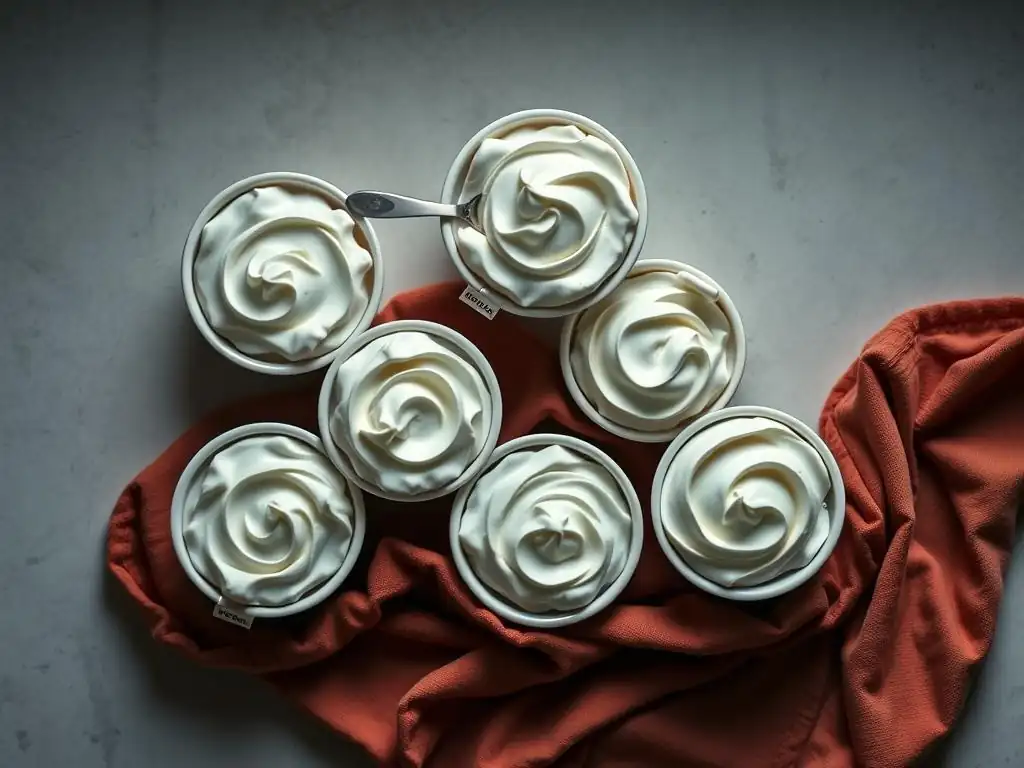
Whipping cream is another popular choice for bakers, sitting just below heavy cream in terms of fat content (typically 30-36%). This range still allows it to be whipped into peaks, making it a versatile ingredient for a wide array of pastries and desserts. It's a frequent star in many delightful cream types baking recipes.
Whipping Cream Applications: From Toppings to Fillings
Whipping cream excels in applications where a lighter, yet still stable, whipped topping or filling is desired. It whips up beautifully, offering a slightly less rich texture compared to heavy cream, which can be preferable in certain desserts. It's perfect for classic uses like topping fresh berries, hot chocolate, or pie slices. Many recipes for mousse, pastry cream, and light fillings incorporate whipped cream to add airiness and volume. For example, a chocolate mousse might fold whipped whipping cream into a chocolate base to create its characteristic light, airy texture.
In addition to toppings and fillings, whipping cream can be used in sauces and custards, though its slightly lower fat content might require a bit more reduction or a thickening agent compared to heavy cream to achieve the same consistency. Its ability to hold shape when whipped makes it indispensable for decorating cakes and cupcakes, providing a delicate, pipeable frosting that complements many sweet treats.
Achieving the Perfect Whipped Cream
Just like with heavy cream, temperature is paramount when whipping whipping cream. Ensure the cream, bowl, and whisk are well-chilled. Start on medium speed, gradually increasing as the cream thickens. Whipping cream tends to reach soft to medium peaks slightly faster than heavy cream due to its fat composition. For best results in cream types baking recipes calling for whipped cream, whip until stiff peaks form, where the cream holds its shape firmly.
Adding sugar and flavorings is best done towards the end of the whipping process. Powdered sugar (confectioners' sugar) is often preferred over granulated sugar as it dissolves more easily and contains a small amount of cornstarch, which helps stabilize the whipped cream. A general guideline is 1-2 tablespoons of powdered sugar and 1/2 teaspoon of vanilla extract per cup of whipping cream. Be mindful not to over-whip, as this can lead to a grainy texture or separation.
Whipping Cream vs. Heavy Cream: Key Differences for Baking
The primary difference between whipping cream and heavy cream lies in their fat content, which impacts their performance in cream types baking recipes. Heavy cream, with at least 36% fat, whips up firmer and holds its shape longer, making it ideal for applications requiring maximum stability, such as piping intricate decorations or making rich, stable ganaches. A dollop of heavy whipped cream holds its peak for a considerable time at room temperature (though refrigeration is always recommended).
Whipping cream, typically containing 30-36% fat, also whips well but may result in slightly softer peaks and might not hold its shape quite as long as heavy cream, especially in warmer conditions. However, this can be desirable for a lighter mouthfeel in certain desserts. While often interchangeable in many recipes, opting for heavy cream is usually best when maximum stability and richness are critical, whereas whipping cream is suitable for general topping and lighter filling needs. Understanding this subtle difference helps you select the best option for your specific cream types baking recipes.
Light Cream: A Subtle Touch for Baking
Light cream, also known as "coffee cream," contains a lower fat content than whipping or heavy cream, typically ranging from 18% to 30%. While it cannot be whipped into stable peaks like its higher-fat counterparts, it still offers valuable uses in the kitchen, particularly when you want to add richness without excessive thickness. It plays a supporting role in certain cream types baking recipes.
Light Cream in Baking: When to Use It
Due to its lower fat content, light cream isn't suitable for making whipped toppings or thick ganaches that need to hold shape. However, it can be used in baking to add moisture and a touch of richness to batters or doughs where the structure doesn't rely on the cream's fat for stability or emulsification. For example, a recipe for a moist cake or quick bread might call for milk or buttermilk, and light cream could potentially be substituted to add a slightly richer flavor and tender crumb, though adjustments might be needed for liquid volume.
Light cream can also be used in lighter sauces or glazes where a heavy, opaque finish isn't desired. It can contribute a creamy texture to fillings that are set by eggs or other thickeners rather than just fat content. Think of using it in a very light custard sauce or brushed onto pastry dough before baking for a subtle browning effect. Its use in cream types baking recipes is often more about adding subtle richness and moisture than providing structure or volume.
Light Cream in Coffee and Soups
While not the focus of cream types baking recipes, it's worth noting light cream's common uses outside of traditional baking. It's frequently added to coffee to lighten and enrich it without the thickness of heavy cream. In cooking, it's used to finish sauces or soups, providing a creamy texture and mouthfeel without making them overly dense or rich. A splash of light cream can transform a vegetable soup into a cream soup or finish a pan sauce for poultry or fish.
These non-baking applications highlight light cream's primary characteristic: it adds creaminess and richness but lacks the high fat needed for whipping or creating very thick, stable emulsions. This distinction is crucial when deciding if light cream is appropriate for a specific baking application versus a higher-fat cream.
Considerations When Baking with Light Cream
When considering using light cream in cream types baking recipes, it's important to understand its limitations. It will not whip, and it won't create the same rich, thick consistency in sauces or ganaches as heavy cream. Substituting light cream for heavy cream or whipping cream will significantly alter the outcome, likely resulting in a thinner batter, a less stable filling, or a topping that doesn't hold its shape.
If a recipe specifically calls for light cream, it's likely factored into the overall liquid and fat balance of the dish. Attempting to substitute light cream for a higher-fat cream requires careful consideration of the recipe's structure and desired outcome. In some cases, you might need to reduce other liquids or add a thickening agent if using light cream where a richer cream was intended, although this is generally not recommended for recipes where cream plays a structural role like in a classic ganache or whipped topping.
Half-and-Half: Balancing Richness in Baking
Half-and-half is a dairy product consisting of half milk and half cream, resulting in a fat content typically between 10.5% and 18%. This relatively low fat level means it cannot be whipped, but it offers a pleasant balance of richness and lightness that can be useful in specific baking contexts and various cream types baking recipes.
Half-and-Half in Baking: Uses and Limitations
Half-and-half is primarily used in baking applications where a moderate amount of richness is desired without the heaviness of full cream or the leanness of milk. It's excellent in custards, quiches, and bread puddings, contributing a creamy texture without being overly dense. For example, a standard quiche recipe might use 1.5 to 2 cups of half-and-half per 3-4 eggs for a tender, creamy filling that sets beautifully. It can also be used in batters for pancakes, waffles, or muffins to add a touch of richness compared to using only milk.
However, due to its low fat content, half-and-half is unsuitable for recipes requiring whipped cream or very thick, stable sauces. It won't emulsify chocolate into a firm ganache like heavy cream will. Substituting half-and-half for higher-fat creams will result in a much thinner product that won't hold shape or thicken significantly upon cooling.
Half-and-Half for Lighter Desserts
For cream types baking recipes aiming for a lighter profile, half-and-half can be a good choice. It can be used in place of richer creams in some sauces or glazes where only a hint of creaminess is needed. A light glaze for cakes or pastries might use half-and-half mixed with powdered sugar and flavoring, offering a less opaque and rich coating than one made with heavy cream or butter.
It can also be incorporated into ice cream bases for a less rich finished product compared to using heavy cream, resulting in a texture closer to gelato in some cases. While it won't provide the same luxurious mouthfeel as a full cream base, it's an option for those seeking a dessert with reduced fat content.
Understanding Half-and-Half's Role in Baking
Half-and-half serves as a middle ground between milk and cream. Its role in cream types baking recipes is generally to add moisture, a pleasant mouthfeel, and a moderate level of richness without contributing significantly to structure or stability through fat content. It's a liquid component that enhances flavor and texture in applications where whipping isn't needed and a very high fat content isn't desired.
Think of it as an enriching liquid rather than a primary structural ingredient. Using half-and-half appropriately means understanding that it will not perform the functions of heavy or whipping cream in terms of creating volume or stable emulsions. Its strength lies in providing creamy texture and flavor in applications where it's either cooked into a dish (like a custard) or used as a liquid component in a batter.
Crème Fraîche: Adding Tang and Texture to Your Bakes
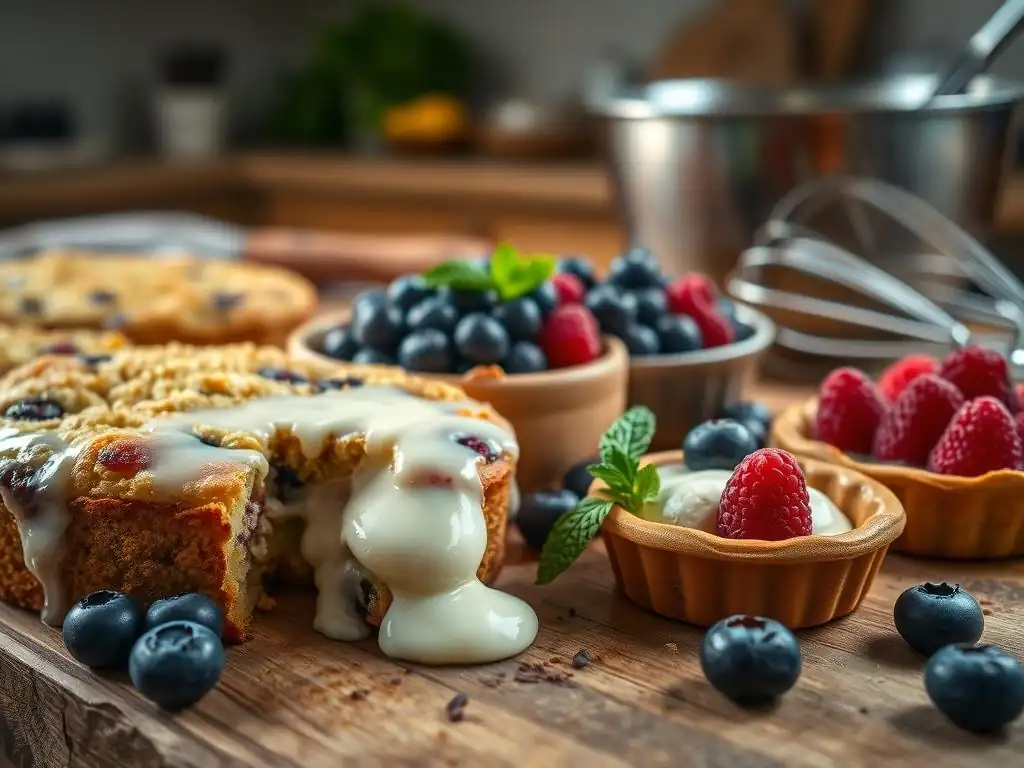
Crème fraîche is a cultured cream with a fat content typically ranging from 30% to 45%. Its key characteristic is its slightly tangy flavor and thick, velvety texture, which is less prone to curdling than sour cream when heated. It offers a unique dimension to cream types baking recipes.
Crème Fraîche in Baking: Unique Flavor Profiles
The tangy flavor of crème fraîche comes from the bacterial cultures added during its production. This tang can beautifully complement sweet flavors in baking, cutting through richness and adding complexity. It works wonderfully in fruit-based desserts, such as tarts, pies, or served alongside warm fruit crisps. Imagine a dollop of cool crème fraîche atop a slice of apple pie; the slight acidity balances the sweetness and warmth.
It can also be incorporated into batters, particularly for cakes, muffins, or scones. The acidity can react with baking soda, providing lift, similar to buttermilk or sour cream, while the high fat content contributes to a tender crumb. Its unique flavor profile makes it a distinct ingredient among cream types baking recipes.
Baking with Crème Fraîche
Crème fraîche's high fat content makes it relatively stable when heated, unlike sour cream, which can curdle easily. This makes it suitable for incorporating directly into warm sauces or fillings without worrying about separation. It can be stirred into custard bases, added to cheesecake mixtures for a tangy note, or used in pastry fillings.
While it has a high fat content, crème fraîche doesn't whip up into the same stiff, airy peaks as heavy cream because of its culturing process and slightly different protein structure. It whips into a softer, slightly denser consistency, often described as having soft peaks or a thick, spoonable texture. This whipped version is delightful served as a topping where its tangy flavor can shine.
Crème Fraîche vs. Sour Cream: Baking Differences
While both crème fraîche and sour cream are cultured dairy products with a tangy flavor, their differences significantly impact their use in cream types baking recipes. Sour cream typically has a lower fat content (around 18-20%) compared to crème fraîche (30-45%). This lower fat content makes sour cream more prone to curdling when heated.
Crème fraîche's higher fat makes it more stable under heat, allowing it to be stirred directly into hot dishes or baked into goods without curdling. Sour cream, while excellent for adding moisture and tang to batters (where the heat is more even and less direct), is less suitable for hot sauces or fillings unless tempered carefully. In terms of texture, crème fraîche is generally thicker and smoother than sour cream. These differences mean they are not always interchangeable in cream types baking recipes, especially those involving direct heat.
Sour Cream: A Secret Ingredient for Moist Cakes
Sour cream is a cultured cream product with a distinct tangy flavor and thick texture, typically containing around 18-20% butterfat. It's a beloved ingredient in many cream types baking recipes for its ability to add moisture, tenderness, and a subtle tang that enhances other flavors.
Sour Cream in Baking: Enhancing Moisture and Flavor
Sour cream is a fantastic addition to batters for cakes, muffins, quick breads, and even some cookies. Its acidity helps break down gluten, resulting in a more tender crumb. The fat content contributes moisture and richness, leading to baked goods that stay moist longer. The tangy flavor also adds a pleasant complexity, balancing sweetness and adding depth. For instance, adding 1/2 cup of sour cream to a standard butter cake recipe can significantly improve its moisture and texture compared to using only milk.
It also works well in cheesecake fillings, contributing to a smooth texture and that classic tangy finish. A layer of sour cream topping is a traditional finish for many baked cheesecakes, providing a cool, tangy contrast to the rich filling. Its versatility in adding both moisture and flavor makes it a go-to ingredient in many cream types baking recipes.
Sour Cream Cakes and Muffins
Sour cream is particularly famous for its role in creating incredibly moist cakes and muffins. The fat coats flour particles, preventing excessive gluten development, while the moisture keeps the crumb soft. The acidity reacts with leavening agents like baking soda, contributing to a good rise. Classic recipes like Sour Cream Pound Cake or Sour Cream Coffee Cake highlight its ability to produce a dense, yet tender and moist, result.
In muffins, adding sour cream can prevent them from being dry or crumbly. A typical muffin recipe might use 1/4 to 1/2 cup of sour cream alongside other wet ingredients to ensure a moist and tender crumb. This makes sour cream an invaluable asset for achieving excellent texture in many cream types baking recipes.
Substituting Sour Cream: Greek Yogurt
If a recipe calls for sour cream and you don't have it on hand, plain Greek yogurt is often the best substitute for cream types baking recipes. Greek yogurt has a similar tang and thick texture due to its straining process. Like sour cream, its acidity can help tenderize baked goods and react with baking soda.
When substituting, use full-fat plain Greek yogurt for the closest texture and fat content to regular sour cream. You can usually substitute it measure-for-measure (e.g., 1 cup sour cream = 1 cup Greek yogurt). While the flavor might be slightly different, Greek yogurt provides a comparable level of moisture and tang that works well in most cakes, muffins, and quick bread recipes calling for sour cream. Avoid using low-fat or non-fat yogurt, as the reduced fat content will impact the texture and moisture of the final baked good.
Clotted Cream: The Ultimate Indulgence for Scones and More
Clotted cream is a thick, rich cream made by indirectly heating full-cream milk using steam or a water bath and then leaving it in shallow pans to cool slowly. During cooling, the cream separates and clots. It has a very high fat content, typically 55-60%, making it incredibly rich and luxurious. It's a specialty item for certain cream types baking recipes, most notably British tea time.
Clotted Cream: Traditional Uses
The most famous traditional use for clotted cream is as an accompaniment to scones, served alongside jam. This pairing is a cornerstone of a traditional English cream tea. The thick, spoonable texture and rich, slightly cooked flavor of clotted cream are the perfect complement to a warm, fluffy scone. A generous dollop of clotted cream topped with strawberry jam on a split scone is a simple yet decadent treat.
Beyond scones, clotted cream can be used as a luxurious topping for fresh fruit, pies, or puddings. Its density means it doesn't whip like heavy cream; it's served as is, a thick, spoonable indulgence. While not a common ingredient in batters or doughs for most cream types baking recipes, its role as a classic accompaniment makes it essential for specific traditional bakes.
Serving Clotted Cream
Serving clotted cream is straightforward. It's enjoyed at room temperature or slightly chilled. The key is its simplicity; its rich flavor and texture are meant to be savored. When serving with scones, the debate continues whether the cream or the jam goes first – the "Cornish" method (jam first, then cream) or the "Devon" method (cream first, then jam). Either way, a generous amount is essential for the full experience.
It can also be dolloped onto desserts like trifles, fruit crumbles, or bread pudding for an extra layer of richness. Its unique texture and flavor profile make it distinct from whipped cream or other dairy toppings in cream types baking recipes.
Making Your Own Clotted Cream
While readily available in some regions or specialty stores, clotted cream can also be made at home, though it requires time and patience. The process involves gently heating high-fat cream (ideally non-ultra-pasteurized heavy cream, around 36% fat or higher) in a shallow pan in a very low oven (around 180-200°F or 80-90°C) for many hours, typically 8-12 hours, without letting it boil. The cream develops a thick, wrinkled skin and separates.
After the slow heating, the pan is cooled completely, usually overnight in the refrigerator. The thick, clotted cream is then skimmed off the liquid whey underneath. While homemade might differ slightly from commercially produced versions, it captures the essence of this unique dairy product, allowing you to enjoy traditional cream types baking recipes like scones with authentic clotted cream.
Baking Cream Substitutions: Adapting Recipes with Ease
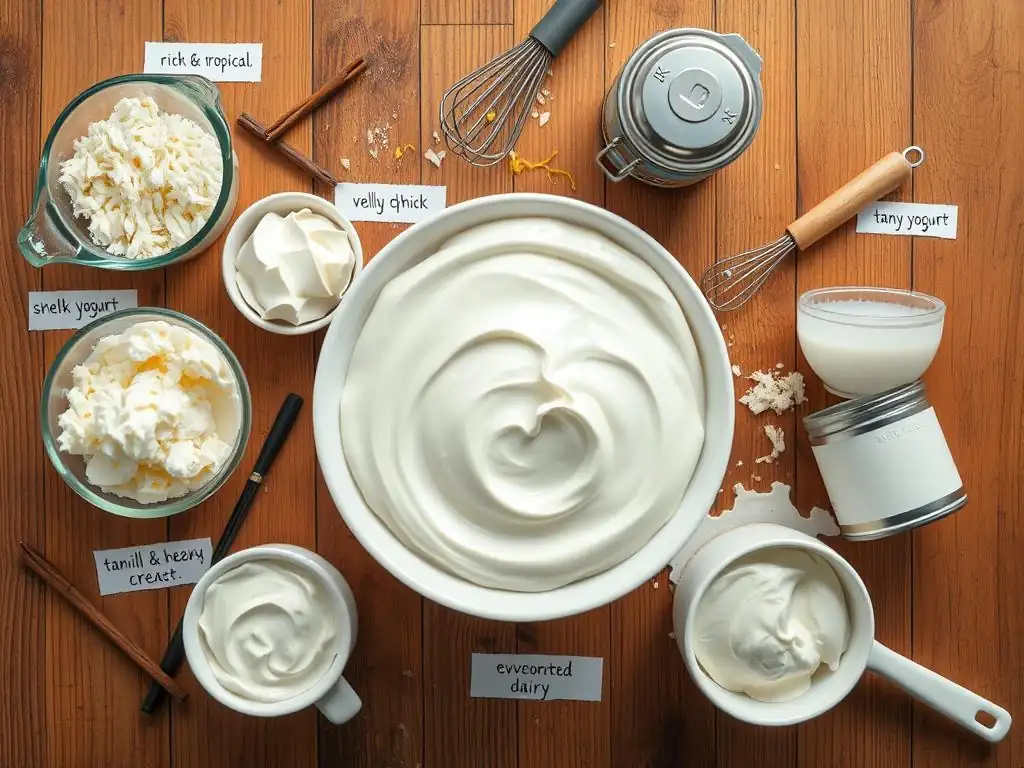
Understanding how different cream types baking recipes rely on the specific properties of cream allows for informed substitutions when necessary. While direct substitutions aren't always perfect, knowing the role of the cream in the original recipe helps determine suitable alternatives, including dairy-free options.
Vegan Cream Alternatives: Coconut Cream
For those following a vegan diet or dealing with dairy allergies, coconut cream is a popular and effective substitute in many cream types baking recipes. Canned full-fat coconut milk, when chilled, separates into a thick, scoopable cream layer at the top and liquid underneath. This thick layer is coconut cream.
Coconut cream has a high fat content and can be whipped into peaks much like dairy whipping cream. It works well in ganaches, mousses, and as a whipped topping. The flavor is distinctly coconut, which works wonderfully in tropical-inspired desserts or chocolate dishes, though it may not be suitable for every recipe. When substituting for heavy cream in a ganache, use a similar ratio of coconut cream to chocolate. For whipping, ensure the coconut cream is very cold and ideally contains stabilizers (like guar gum) for best results.
Dairy-Free Baking
Beyond coconut cream, the market for dairy-free alternatives has expanded significantly. Soy-based, almond-based, oat-based, and cashew-based cream alternatives are available, often specifically formulated for whipping or cooking. These products vary in fat content and behavior, so it's essential to choose one designed for the intended application in your cream types baking recipes.
- Dairy-free whipping creams: Often found in the refrigerated section, these are formulated to whip and hold shape, suitable for toppings and fillings.
- Dairy-free half-and-half or creamers: Lower in fat, these are better suited for adding richness to sauces, custards (if they can withstand heat), or batters, similar to dairy half-and-half.
Always check the product label for intended uses and fat content when selecting a dairy-free substitute to ensure it aligns with the requirements of your cream types baking recipes.
Understanding the Impact of Substitutions on Baking Results
Substituting one cream type for another, whether dairy or non-dairy, will inevitably impact the final baked good. Changes can include differences in texture (e.g., tenderness, richness, stability), flavor, and even appearance (e.g., browning). A lower-fat substitute will yield a less rich and potentially less moist result. A different type of fat (like coconut fat vs. butterfat) will behave differently when heated and cooled.
When adapting cream types baking recipes, consider:
- What role does the cream play (moisture, richness, structure, whipping)?
- What is the fat content of the original cream and the substitute?
- Will the flavor profile of the substitute complement the other ingredients?
It might take some experimentation to find the best substitution for a specific recipe. Always prioritize substitutes that closely match the fat content and intended function of the original cream for the most successful outcome.
Cream Types Baking Recipes: Mastering Your Skills
Putting your knowledge of different creams into practice is the best way to master cream types baking recipes. By selecting the appropriate cream for each task, you can ensure your creations achieve the desired texture, flavor, and appearance, moving from simply following instructions to truly understanding the craft.
Choosing the Right Cream for Specific Recipes
Let's recap how to choose the right cream for common cream types baking recipes:
- Whipped Toppings/Fillings: Heavy cream or whipping cream (dairy), or specifically formulated dairy-free whipping cream (like coconut cream or commercial alternatives). Aim for high fat content (30%+).
- Rich Ganaches: Heavy cream (dairy) or full-fat coconut cream (dairy-free). High fat is crucial for proper emulsification and setting.
- Custards, Quiches, Sauces: Heavy cream, whipping cream, light cream, or half-and-half depending on desired richness and thickness. Consider crème fraîche for a tangy note that is heat stable.
- Moist Cakes, Muffins, Quick Breads: Sour cream or full-fat Greek yogurt are excellent for adding moisture, tenderness, and tang. Heavy cream or half-and-half can add richness as a liquid component.
- Scones (as an accompaniment): Clotted cream for traditional British scones. Whipped heavy cream is an alternative topping.
Understanding the fat content and properties of each cream type empowers you to make informed decisions, even when adapting recipes or troubleshooting.
Recommended Cream Recipes
Here are a few classic cream types baking recipes that showcase the unique properties of different creams:
- Classic Chocolate Ganache: Uses heavy cream to create a rich, versatile filling or glaze. (Ratio example: 8 oz chocolate + 1 cup heavy cream).
- Perfect Whipped Cream: Highlights the whipping ability of heavy or whipping cream for a simple yet essential topping. (Ratio example: 1 cup heavy cream + 2 tbsp powdered sugar + 1/2 tsp vanilla).
- Sour Cream Coffee Cake: Demonstrates how sour cream adds incredible moisture and tenderness to a crumb cake. (Often includes 1/2 to 1 cup of sour cream in the batter).
- Traditional Scones with Clotted Cream: The quintessential use of clotted cream as a luxurious accompaniment. (Requires clotted cream served alongside warm scones and jam).
- Crème Fraîche Tart Filling: Utilizes crème fraîche for a tangy, rich filling that sets beautifully. (Can be used in fruit tarts or cheesecakes).
Experimenting with these and other cream types baking recipes will deepen your understanding of how each cream contributes to the final delicious outcome.
Conclusion: Elevate Your Baking with the Perfect Cream Choice
Mastering the use of different cream types is a significant step in elevating your baking skills. Each cream, with its unique fat content, texture, and flavor profile, plays a distinct role in the vast world of cream types baking recipes. Understanding these differences allows you to not only follow recipes accurately but also to confidently adapt them and create your own culinary masterpieces.
Cream Selection for Baking Success
Choosing the right cream is about aligning the ingredient's properties with the desired outcome of your recipe. Whether you need the sturdy stability of heavy cream for a piped decoration, the tenderizing tang of sour cream for a moist cake, or the delicate richness of half-and-half for a light custard, the correct selection is paramount. Pay attention to the fat content and whether the recipe requires whipping, heat stability, or specific texture contribution.
By exploring the nuances of heavy cream, whipping cream, light cream, half-and-half, crème fraîche, sour cream, and clotted cream, you gain the knowledge to make informed decisions in your kitchen. Don't be afraid to experiment with these different cream types in baking recipes to discover their full potential and find your favorites. Happy baking!
Frequently Asked Questions
What are the main types of cream used in baking, and what are their key differences?
The main types include heavy cream, whipping cream, and light cream. The key difference lies in their fat content: heavy cream has the highest, influencing richness and stability.
How does the fat content of cream affect the outcome of baking recipes?
Higher fat content, like in heavy cream, contributes to a richer flavor and a more stable whipped texture. Lower fat creams, such as light cream, may curdle more easily and offer less structural support.
Can I substitute one type of cream for another in a baking recipe?
Substitution is possible, but consider the impact. Using light cream instead of heavy cream will result in a less rich and potentially less stable outcome. It's best to use the recommended cream type for optimal results.
What is the best way to whip cream to achieve stiff peaks for cake decorating?
Ensure your cream and equipment are cold. Use heavy cream and whip at medium-high speed until stiff peaks form. Avoid over-whipping, which can cause the cream to separate and become grainy.
Where can I find reliable baking recipes that specify the correct cream type to use?
Websites like BakeWithEase.com offer reliable recipes with clear instructions and ingredient lists, including the specific cream type needed. Look for recipes tailored to the cream you have available.
Final Reflection: The Sweet Science of Cream in Baking
Understanding the nuances of different cream types is not merely a technical detail; it's the key to unlocking truly exceptional baking. The seemingly simple ingredient of cream holds within it a world of flavor profiles, textures, and functionalities that can elevate a humble cake to a masterpiece or transform a simple cookie into something truly unforgettable. Mastering this knowledge empowers bakers of all levels to achieve consistent, delicious results.
The impact of cream on the culinary landscape is undeniable, extending far beyond the simple addition of richness. From the airy lightness of whipped cream topping a delicate pastry to the luxurious smoothness of crème fraîche enriching a savory dish, cream's versatility is a testament to its enduring appeal. Its influence transcends mere functionality; it speaks to a desire for indulgence and a celebration of sensory experience. The best things in life are simple, but not easy.
This quote perfectly encapsulates the effort required to understand cream's complexities, yet the simple pleasure it brings to the final product.
Now, armed with this newfound knowledge, I urge you to experiment! Don't be afraid to explore the diverse world of creams, to try new recipes, and to discover the unique qualities each type brings to your baking. The journey of culinary exploration is a lifelong adventure, and understanding the role of cream is just one delicious step along the way. Embrace the challenge, savor the process, and most importantly, enjoy the sweet rewards of your baking success.
Unlock Your Baking Potential: Mastering Creams!
Thanks for taking the time to explore the wonderful world of creams and their impact on baking! You've now gained valuable insights to elevate your baking game. Ready to put this knowledge into practice?
- Experiment with a new cream recipe: Choose one cream type you haven't tried before (maybe that crème fraîche you've been eyeing?) and bake something amazing! This is your chance to shine.
- Share your cream-based baking triumphs (or even your flour-power fails!) on social media using #BakeWithEaseCreams. Let's inspire each other!
- Discover more baking secrets: Dive deeper into our other articles on BakeWithEase.com for even more tips and techniques! Let's level up your baking expertise together.
What incredible cream-infused creation will you bake first?