
Making Ahead: Storing Cream Pies and Tarts Safely and Deliciously

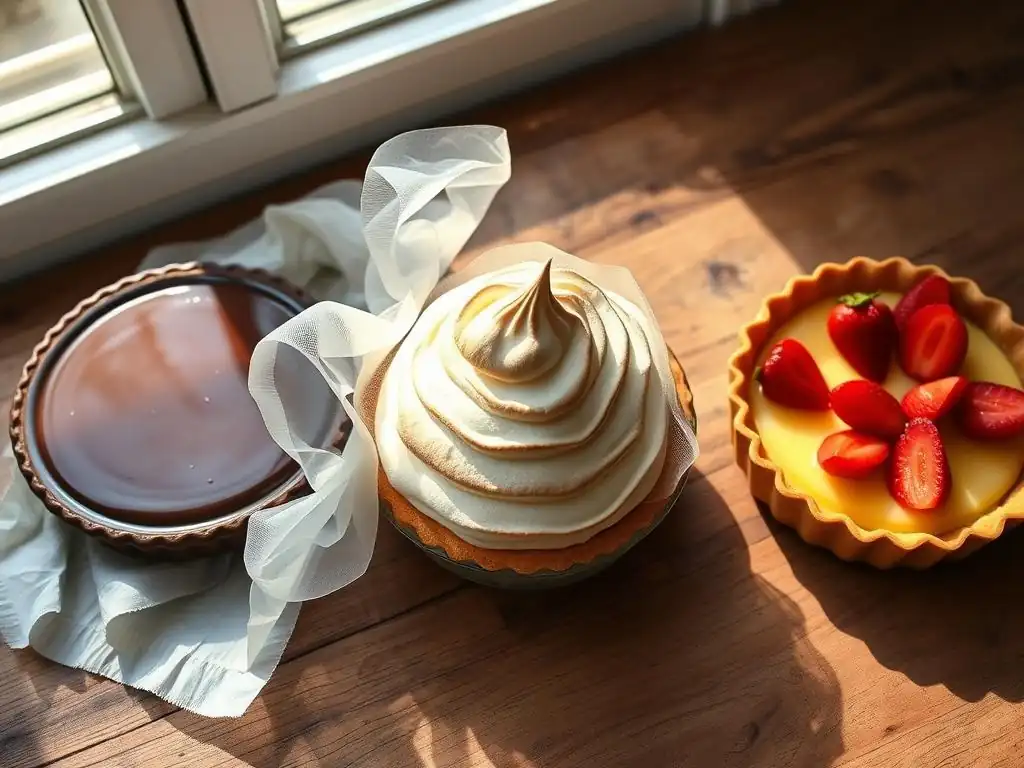
Welcome to BakeWithEase, your trusted guide to the world of baking! Ever wondered how to keep that delicate cream pie perfectly fresh and flavorful? Dive in to discover our expert tips on storing cream pie safely and deliciously. Unlock the secrets to preserving your pastry masterpieces and ensuring every slice is as delightful as the first. Let's get baking (and storing! )!
- Handle & Store: Guide to Storing Cream Pies & Custard Tarts
- Understanding the Challenges of Storing Cream Pies
- Best Practices for Storing Cream Pies to Maintain Freshness
- Step-by-Step Guide: Storing Cream Pies and Custard Tarts
- How Long Can You Store Cream Pies and Tarts?
- Storing Different Types of Cream Pie and Tart Fillings
- Preventing a Soggy Crust: Storage Secrets
- Reviving Cream Pies After Refrigeration
- Essential Tools for Storing Cream Pies and Tarts
- Delicious Cream Pie and Tart Recipes to Try
-
Frequently Asked Questions
- How long can I store a cream pie in the refrigerator and still have it be safe to eat?
- What is the best way to prevent my cream pie crust from getting soggy during storage?
- Can I freeze a cream pie to extend its shelf life?
- What temperature should my refrigerator be set to for optimal cream pie storage?
- What type of container is best for storing cream pies in the refrigerator?
- Final Reflection: The Enduring Delight of Perfectly Stored Pies
- Unlock Your Pie-Baking Potential!
Handle & Store: Guide to Storing Cream Pies & Custard Tarts
Cream pies and custard tarts are beloved desserts, known for their rich, smooth fillings nestled in flaky crusts. While they are often best enjoyed fresh, mastering the art of making them ahead is a game-changer for busy bakers and entertainers. Proper handling and storage are absolutely crucial when dealing with these delicate pastries, especially those containing dairy and eggs, to maintain both their delightful texture and, more importantly, their safety. Unlike fruit pies that can often sit at room temperature for a while, cream and custard-based desserts require strict refrigeration to prevent spoilage.
Understanding the specific needs of these types of pies and tarts is key to successfully storing cream pie safely delicious. The high moisture content and perishable ingredients create an environment where bacteria can multiply rapidly if not kept at cool temperatures. This guide will walk you through the best practices, from cooling to packaging, ensuring your make-ahead pies and tarts remain a delicious highlight rather than a food safety concern. We'll cover everything from preventing common issues like soggy crusts to knowing exactly how long you can safely store your creations.
Understanding the Challenges of Storing Cream Pies
Why Cream Pies and Custard Tarts Require Special Storage
Cream pies and custard tarts are inherently different from many other baked goods due to their primary ingredients: eggs and dairy. Fillings like vanilla cream, chocolate cream, or classic custard rely heavily on milk, cream, and eggs cooked together, creating a rich, moist base. These ingredients are highly perishable and provide a perfect medium for bacterial growth if left at room temperature for extended periods.
The U.S. Department of Agriculture (USDA) identifies the temperature range between 40°F (4°C) and 140°F (60°C) as the "danger zone," where bacteria can double every 20 minutes. Cream and custard fillings fall squarely into the category of foods that must be kept out of this zone.
Therefore, after baking and cooling, these pies and tarts must be refrigerated promptly and kept consistently cold. This strict temperature control is the most critical factor in ensuring the safety of your dessert. Leaving a cream pie out on the counter for more than two hours, even if it feels cool to the touch, can be risky. The goal is to minimize the time the pie spends in the danger zone, moving it quickly from cooling to cold storage to preserve its safety and quality, which is fundamental to storing cream pie safely delicious.
Common Problems: Soggy Crusts and Weeping Fillings
Beyond safety, bakers often face quality challenges when storing cream pies: the dreaded soggy crust and the issue of weeping fillings. A flaky crust is a hallmark of a great pie, but the moisture from a cream or custard filling will inevitably migrate into the crust over time, turning it soft and unappealing. This process is accelerated in humid environments or when the pie isn't properly sealed. Imagine the disappointment of a perfectly baked pie with a bottom crust that's become mushy after just a day of storage!
Weeping, particularly common in meringue-topped pies like Lemon Meringue, occurs when the sugar in the meringue draws moisture out, forming beads of syrup on the surface or causing the meringue to shrink and collapse. Custard fillings can also sometimes weep or separate slightly, especially if they contain a high amount of egg yolk or aren't cooked to the correct consistency. Addressing these potential issues through smart storage techniques is vital for maintaining the deliciousness alongside the safety of your stored cream pie.
Best Practices for Storing Cream Pies to Maintain Freshness
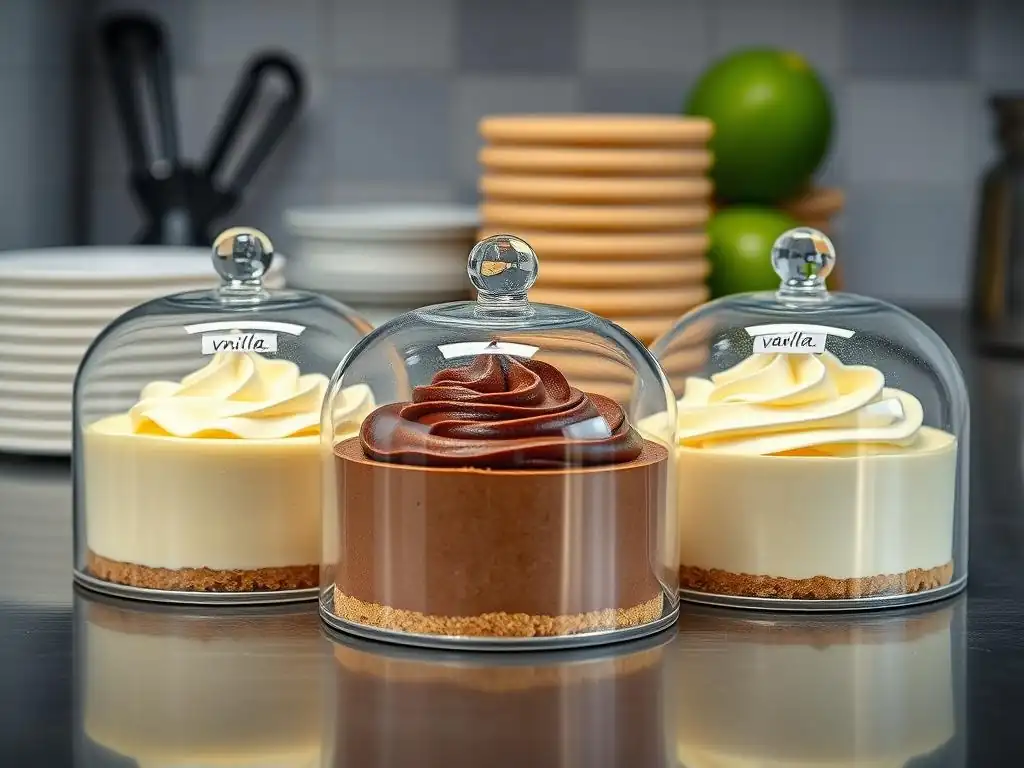
The Key: Proper Cooling Before Storage
The very first step in successfully storing cream pie safely delicious is allowing it to cool completely before refrigerating. Placing a warm or hot pie directly into the refrigerator can cause several problems. First, it raises the temperature inside the refrigerator, potentially putting other stored foods at risk. Second, it creates significant condensation inside the pie container or wrapping as the heat escapes, leading to a soggy crust faster than usual.
Allow your pie or tart to cool at room temperature on a wire rack for typically 1 to 2 hours, or until the pie dish feels cool to the touch and the filling is no longer warm. However, remember the "two-hour rule": never leave a perishable pie out at room temperature for more than two hours total. Once it has cooled sufficiently, it must be moved to refrigeration immediately. This initial cooling phase is non-negotiable for both food safety and textural quality.
Choosing the Right Container for Optimal Preservation
Selecting the appropriate storage container is crucial for protecting your cream pie. The ideal container should be airtight to prevent the absorption of refrigerator odors and to minimize moisture loss from the filling (which can lead to weeping) and moisture gain by the crust (leading to sogginess). A pie carrier with a dome lid is an excellent choice as it protects the pie's structure, especially if it has a topping like whipped cream or meringue.
If you don't have a dedicated pie carrier, a large, airtight plastic or glass container that the pie dish fits into is a good alternative. Ensure the lid seals tightly. Avoid simply covering the pie dish with plastic wrap without a container if possible, as this offers less protection against bumps and odors. The goal is to create a stable, sealed environment for the pie during its time in the cold.
Preventing Condensation: Tips for Airtight Storage
Condensation is the enemy of a crisp pie crust during storage. It forms when warm, moist air comes into contact with a cold surface. Even after initial cooling, slight temperature fluctuations or moisture within the container can cause it. An airtight seal is your primary defense, preventing humid refrigerator air from reaching the pie.
Beyond an airtight container, consider adding a layer of plastic wrap directly over the pie before putting the lid on the container, especially if the lid isn't perfectly flush with the pie's surface. For pies with a solid top (like a chocolate cream pie with a ganache layer), you can even gently press the plastic wrap onto the surface of the filling itself to minimize air contact.
For delicate toppings like meringue or whipped cream, this isn't possible, emphasizing the need for a dome lid or a container tall enough to prevent contact with the topping. Some bakers even place a paper towel inside the container lid to absorb excess moisture, though this is a secondary measure to a good seal.
Step-by-Step Guide: Storing Cream Pies and Custard Tarts
Step 1: Completely Cool Your Pie or Tart
As mentioned, this is the critical first action. Once your cream pie or custard tart is out of the oven, place it on a wire rack to cool. This allows air circulation around the dish, speeding up the cooling process.
- Ensure the pie dish is cool to the touch.
- The filling should no longer feel warm when tested gently (if possible without damaging the surface).
- Do not leave the pie at room temperature for longer than two hours total.
Step 2: Wrap the Pie Securely
Once fully cooled, the pie needs to be protected. This step is vital for maintaining quality and is part of storing cream pie safely delicious.
Using Plastic Wrap Effectively
Carefully wrap the entire pie dish tightly in plastic wrap. Use several layers, ensuring there are no gaps where air can enter or moisture can escape/enter. For pies with toppings, you might need to wrap the dish itself and then potentially use a dome lid over the top rather than wrapping over the topping.
Alternatives: Pie Carriers and Dome Lids
A dedicated pie carrier is often the best solution, especially for pies with delicate toppings. Place the wrapped pie (or unwrapped if the carrier provides a tight seal around the base) into the carrier and secure the lid. Ensure the lid is elevated enough not to touch the pie's surface. Alternatively, a large container with a tall dome lid works similarly.
Step 3: Refrigerate Immediately for Safe Storage
After cooling and wrapping, move the pie to the refrigerator without delay.
Optimal Refrigerator Temperature for Cream Pies
Your refrigerator should be set to a temperature between 35°F and 40°F (1.7°C to 4°C). This range is cold enough to significantly slow down bacterial growth and keep your cream or custard filling safe. Use a refrigerator thermometer to verify your appliance is operating within this safe zone. Placing the pie towards the back of the main compartment, where temperatures are typically most consistent, can be beneficial.
How Long Can You Store Cream Pies and Tarts?
Maximizing Shelf Life While Ensuring Food Safety
When properly stored in the refrigerator at or below 40°F (4°C), most cream and custard pies are safe to eat for 3 to 4 days. While some might argue for a slightly longer duration, 3-4 days is a widely accepted guideline that balances quality and safety. The quality, particularly the crispness of the crust and the freshness of the filling, is usually best within the first 1-2 days.
After 3-4 days, even if it looks okay, the risk of bacterial growth increases, and the texture and flavor will likely have deteriorated significantly. This timeframe is key to successfully storing cream pie safely delicious.
For pies with very delicate toppings like fresh fruit or meringue, the shelf life might feel even shorter from a quality perspective, as these elements degrade quickly. Plan to consume these within 2-3 days for the best experience. Always prioritize safety over extending shelf life by an extra day or two.
Recognizing Signs of Spoilage: When to Discard
Knowing the safe storage duration is important, but it's equally vital to be able to recognize the signs that a pie has gone bad. If you are ever in doubt about the safety of your stored cream pie, it is always best to err on the side of caution and discard it.
Look for visual cues such as mold growth (which can appear as fuzzy spots of various colors), discoloration of the filling, or a separation of liquids that looks unusual. Smell the pie – any off odors, sourness, or yeasty smells are clear indicators of spoilage. The texture might also change significantly, becoming slimy or excessively watery. A sour or unpleasant taste is the final confirmation. Do not taste a pie that shows other signs of spoilage. Discard immediately if any of these signs are present to ensure food safety.
Storing Different Types of Cream Pie and Tart Fillings
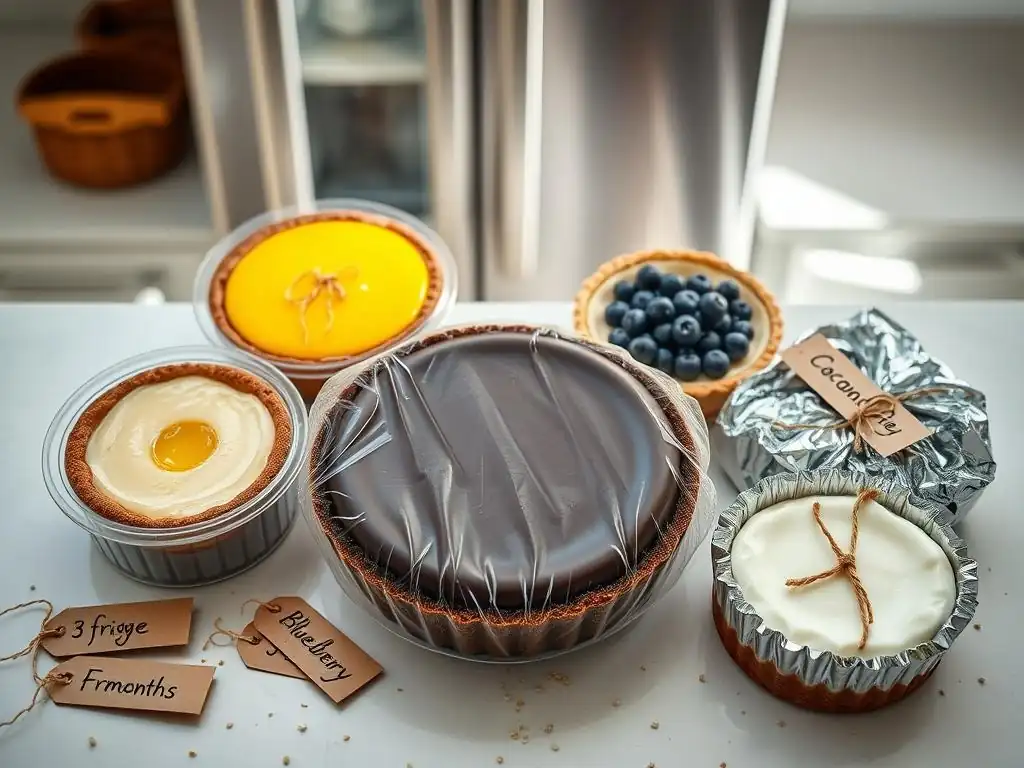
The general rules for storing cream pie safely delicious apply broadly, but specific fillings can have nuances.
Tips for Storing Chocolate Cream Pie
Chocolate cream pie, often made with a cooked custard base enriched with chocolate, follows the standard 3-4 day refrigeration rule. Ensure it's well-cooled and wrapped tightly to prevent the surface from drying out or absorbing odors. If topped with whipped cream, add the whipped cream just before serving for the best texture. If it has a ganache or solid chocolate layer on top, wrap tightly against the surface after cooling to prevent bloom (white, powdery streaks caused by fat separation) and maintain freshness.
Storing Coconut Cream Pie for Best Flavor
Coconut cream pie, frequently made with a rich, dairy-based filling and often topped with shredded coconut, also requires strict refrigeration for 3-4 days. The coconut itself, especially if toasted, can lose its crispness over time in the refrigerator's humid environment. Store it airtight. If the recipe calls for toasted coconut garnish, it's best to add this just before serving to preserve its texture and aroma.
Storing Lemon Meringue Pie: A Special Case
Lemon meringue pie presents unique storage challenges primarily because of the meringue topping. Meringue is prone to "weeping" (releasing syrupy liquid) and shrinking in the refrigerator. While the lemon custard filling itself needs refrigeration (3-4 days), the meringue quality degrades quickly, often becoming sticky or weeping within 24-48 hours. For the best quality meringue, this pie is ideally served the same day it's made. If storing, wrap the dish itself carefully without touching the meringue and store in a container with a tall dome. Accept that the meringue's appearance and texture will likely suffer.
Best practices for Custard Tart Storage
Custard tarts, whether large or individual, contain a similar egg and dairy base to cream pies and require the same rigorous refrigeration. Store them in an airtight container for 3-4 days. Individual tarts can be placed in a single layer in a container, perhaps with parchment paper between layers if stacking is necessary (though a single layer is preferable). Ensure they are completely cool before storing to prevent condensation within the smaller tart shells, which can quickly lead to sogginess.
Preventing a Soggy Crust: Storage Secrets
A soggy crust is arguably the most common complaint about stored cream pies. Several techniques can help maintain that desirable crispness.
The Importance of a Well-Baked Crust Initially
Prevention starts with the bake. Ensure your pie crust is fully baked, golden brown, and cooked through before adding the filling. Many cream pie recipes call for "blind baking" or pre-baking the crust. Make sure you bake it long enough that the bottom is set and slightly colored, not just the edges. An underbaked crust is a soggy crust waiting to happen. Baking on a hot baking stone or sheet can help ensure the bottom gets enough heat.
Creating a Barrier: Chocolate Coating or Egg Wash
Some bakers employ barrier methods to protect the crust from moisture. A thin layer of melted chocolate (white or dark, depending on the pie) can be brushed or spread on the cooled, blind-baked crust before the filling is added. Once the chocolate sets, it creates a waterproof layer.
Another method is brushing the blind-baked crust with a thin layer of egg wash (egg whisked with a little water or milk) in the last few minutes of baking to create a slightly sealed surface. While not foolproof, these methods can buy you some extra time before sogginess sets in, contributing to storing cream pie safely delicious for longer.
Storing Cut Slices of Cream Pie: Extra Precautions
Storing a partial pie or individual slices is often necessary. The cut surfaces are particularly vulnerable to drying out and absorbing odors. Cover the cut edges of the pie remaining in the dish with plastic wrap, pressing it gently against the filling and crust. Store the dish in an airtight container. Individual slices are best stored in small, airtight containers sized just for the slice, again with a piece of plastic wrap pressed onto the cut surfaces if possible. Consume cut slices within 2-3 days for best quality.
Reviving Cream Pies After Refrigeration
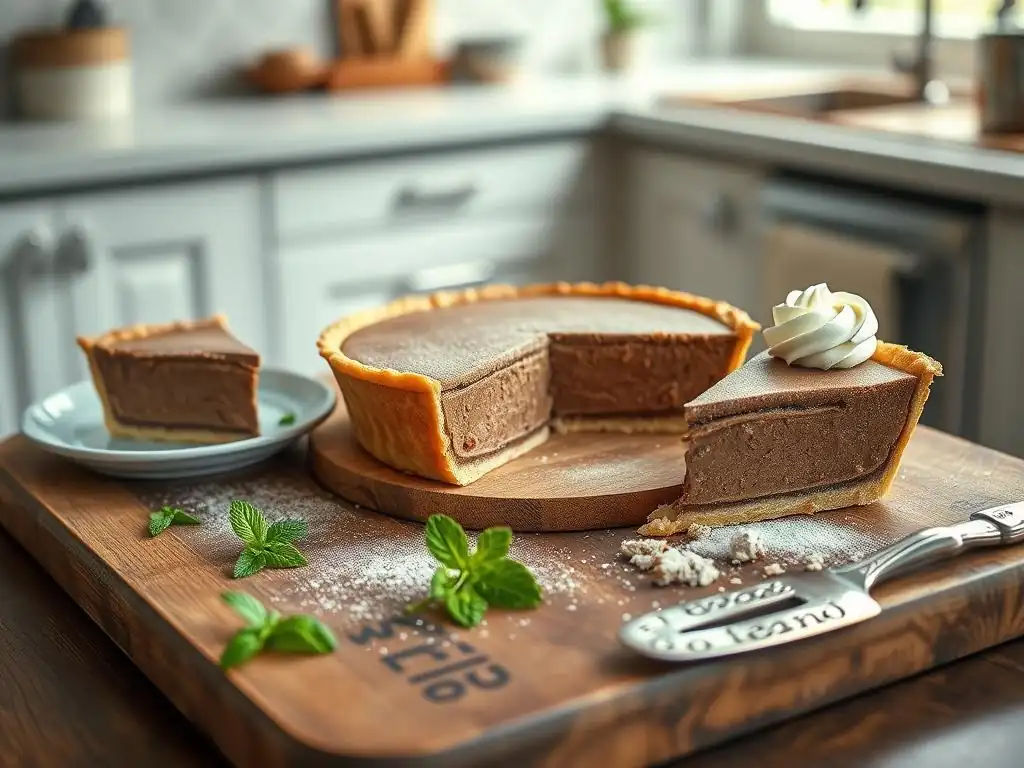
Even with the best storage, a pie straight from the refrigerator can sometimes benefit from a little attention before serving.
Tips for Refreshing Your Pie Before Serving
Remove the pie from the refrigerator about 15-30 minutes before serving. This allows the filling to lose some of its chill, enhancing the flavor and texture. Very cold fillings can sometimes taste muted.
Do not leave it out for too long, especially if it contains whipped cream or meringue. If the crust feels slightly soft, you can sometimes briefly (5-10 minutes) warm the bottom of the pie dish very gently in a low oven (around 250°F or 120°C) or even carefully with a kitchen torch from the underside, being extremely cautious not to melt the filling or burn the crust. This trick is risky and requires close attention.
Addressing Minor Imperfections: A Baker's Tricks
If your stored cream pie has minor surface imperfections, like slight weeping on a custard or a slightly dull finish, you can often refresh its appearance. For cream pies, a fresh dollop of whipped cream or a sprinkle of appropriate garnish (like toasted coconut, chocolate shavings, or a dusting of cocoa powder) can instantly revitalize the look. For lemon meringue, if the weeping is minimal, you might be able to gently blot it with a paper towel, though this is often temporary. Embrace the fact that homemade pies are imperfectly perfect!
Essential Tools for Storing Cream Pies and Tarts
Having the right gear makes storing cream pie safely delicious much easier.
Recommended Storage Containers
- Pie Carriers with Dome Lids: Ideal for protecting pies, especially those with tall toppings. Look for ones with secure latches.
- Large Airtight Food Storage Containers: Choose containers large enough to fit your standard pie dish (usually 9 or 10 inches) with sufficient height. Both plastic and glass options work well. Glass is excellent for not retaining odors.
- Individual Airtight Containers: Handy for storing single slices or small tarts.
Food Storage Wraps and Alternatives
- Plastic Wrap: Essential for creating a tight seal around the pie dish or pressing onto the surface of the filling. Opt for good quality, clingy wrap.
- Aluminum Foil: Can be used as an outer layer over plastic wrap for added protection against odors, but not ideal for direct contact with the pie surface as it doesn't seal as tightly as plastic wrap.
- Beeswax Wraps: A reusable alternative to plastic wrap, though their ability to create a truly airtight seal can vary.
Delicious Cream Pie and Tart Recipes to Try
Now that you're equipped with the knowledge for storing cream pie safely delicious, why not try making some?
Chocolate Cream Pie Recipe
Rich and decadent, a classic for a reason.
Lemon Meringue Pie Recipe
Bright, tangy, and topped with airy meringue (remember the storage tips! ).
Coconut Cream Pie Recipe
A tropical delight with a creamy filling and toasted coconut.
Frequently Asked Questions
How long can I store a cream pie in the refrigerator and still have it be safe to eat?
Cream pies are best when eaten fresh, but generally, you can store them in the refrigerator for 2-3 days. After that, the filling may start to weep and the crust can become soggy. Always check for signs of spoilage.
What is the best way to prevent my cream pie crust from getting soggy during storage?
To help prevent a soggy crust, consider brushing the baked crust with melted chocolate or a thin layer of egg wash before adding the filling. This creates a barrier against moisture.
Can I freeze a cream pie to extend its shelf life?
Freezing cream pies is generally not recommended. The cream filling can become grainy and separate upon thawing, and the crust may become soggy. Some recipes freeze better than others, so research beforehand.
What temperature should my refrigerator be set to for optimal cream pie storage?
Your refrigerator should be set to 40°F (4°C) or below to ensure proper storage and prevent bacterial growth. This is crucial for maintaining the safety and freshness of your cream pie.
What type of container is best for storing cream pies in the refrigerator?
Store cream pies in an airtight container or cover them securely with plastic wrap. This helps to prevent the pie from absorbing odors from the refrigerator and keeps the filling from drying out.
Final Reflection: The Enduring Delight of Perfectly Stored Pies
The art of making a delicious cream pie is only half the battle; preserving its delicate glory is the true test of a baker's skill. Knowing how to store your creations properly ensures that every bite, whether enjoyed immediately or days later, is a moment of pure indulgence. This article has explored the crucial techniques for keeping your cream pies and tarts safe, fresh, and tasting their absolute best, a skill increasingly relevant in our busy modern lives where meal prepping and advance planning are essential.
The impact of understanding proper food storage extends far beyond the individual pie. It speaks to a broader appreciation for food preservation, a skill honed over centuries and vital for minimizing waste and maximizing enjoyment. Waste not, want not,
a timeless adage, perfectly encapsulates the importance of understanding how to store our culinary creations responsibly and effectively. This knowledge allows us to savor the fruits of our labor for longer, and to share the joy of homemade goodness with others without compromising on quality or safety.
Now, I invite you to consider your own baking journey. Think about the pies and tarts you've made, the moments of joy they've brought, and the potential for even greater enjoyment with a deeper understanding of proper storage. Experiment with the techniques outlined in this article, and discover the satisfaction of savoring a perfectly preserved cream pie, a testament to your culinary skills and your commitment to mindful food handling. Let the deliciousness endure!
Unlock Your Pie-Baking Potential!
Thanks for taking the time to learn how to store your delicious cream pies and tarts! You've now got the knowledge to keep those creamy creations perfect for days to come. Ready to put your newfound skills to the test?
- Bake a show-stopping cream pie this weekend! Challenge yourself with a new recipe or perfect your favorite.
- Share your baking triumphs (or even your baking mishaps!) with us in the comments below. We love to see your creations!
- Consider trying a completely new filling or crust variation next time—you might discover your new signature pie!
What incredible flavor combination will you create next?