
The Magic of Using HighQuality Vanilla in Your Custard

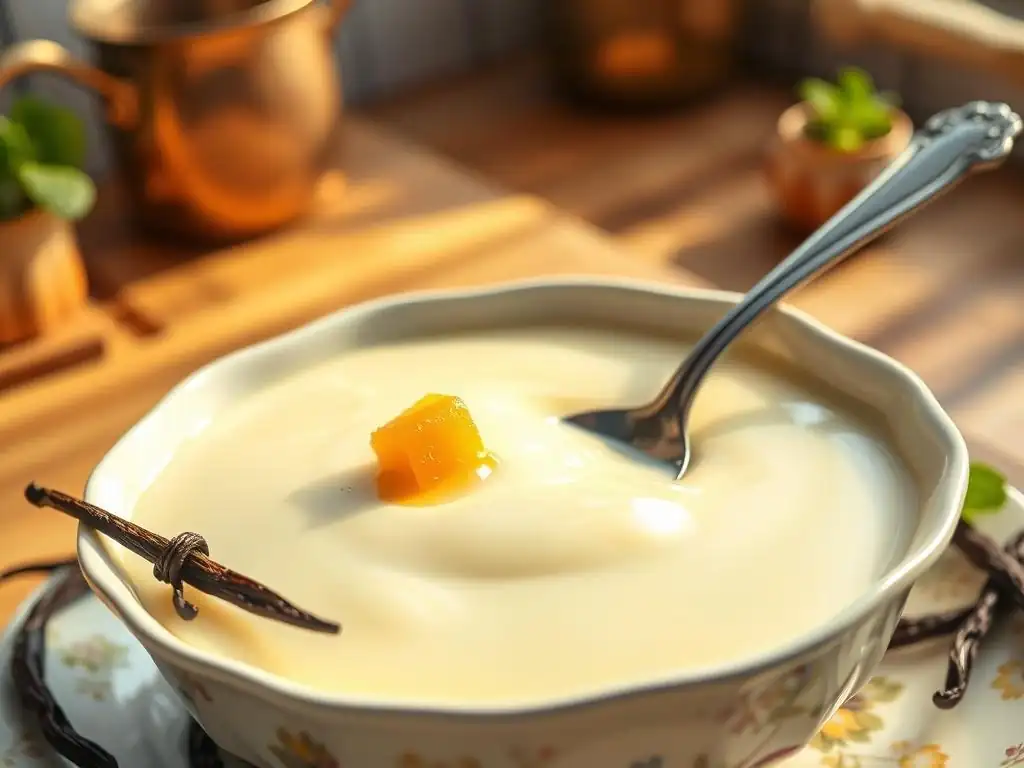
Welcome to BakeWithEase, your guide to baking bliss! Ever wondered how to elevate your desserts from good to unforgettable? This time, we're diving deep into the secret ingredient that transforms a simple recipe into a culinary masterpiece: high quality vanilla custard. Prepare to unlock the magic as we reveal how to infuse this classic dessert with unparalleled flavor and texture. Intrigued? Keep reading to discover the secrets!
- The Magic of Using Tahitian Vanilla in Your Crème brûlée
- Elevating Your Crème brûlée: Why High-Quality Vanilla Matters
- Exploring Vanilla Options for Your Crème brûlée Recipe
- Achieving the Perfect Vanilla Infusion in Your Crème brûlée
- High-Quality Vanilla Crème brûlée Recipe
- Beyond Basic Vanilla Crème brûlée: Flavor Variations and Applications
- Storing and Serving Your High-Quality Vanilla Crème brûlée
- Sourcing the Best Vanilla for Baking
-
Frequently Asked Questions
- How does using high-quality vanilla impact the taste of custard?
- What are the key differences between vanilla extract and vanilla bean when making custard?
- Can I substitute vanilla paste for vanilla extract in a custard recipe?
- How can I store leftover high-quality vanilla custard to maintain its flavor?
- What are some signs that my vanilla custard is not of high quality, despite using vanilla?
- Final Reflection: The Enduring Allure of Exquisite Custard
- Unlock the Creamy Secrets of Vanilla Custard!
The Magic of Using Tahitian Vanilla in Your Crème brûlée
Elevating Your Crème brûlée: Why High-Quality Vanilla Matters
Understanding the Impact of Vanilla on Crème brûlée Flavor
Vanilla is far more complex than just a sweet aroma; it contains hundreds of aromatic compounds that contribute depth and nuance to baked goods and desserts. In a simple yet elegant dish like crème brûlée, where the primary ingredients are cream, egg yolks, sugar, and vanilla, the quality of that vanilla is paramount.
It's not merely a background note but a star player, providing the foundational flavor that defines the dessert. High-quality vanilla introduces layers of creamy, floral, sometimes fruity or smoky notes that a lower-quality product simply cannot replicate, transforming a good custard into an exceptional high quality vanilla custard.
When using high-quality vanilla, you unlock the full spectrum of flavors present in the bean. For instance, while vanillin is the most well-known compound, responsible for the classic sweet vanilla scent, a premium bean also contains piperonal (heliotropin), guaiacol, and other complex phenols. These compounds interact with the rich dairy and egg base of crème brûlée, creating a harmonious and lingering finish on the palate. Using a truly high-quality vanilla ensures that your high quality vanilla custard isn't just sweet, but possesses a profound, natural vanilla essence that elevates every bite.
Identifying High-Quality Vanilla: Color, Aroma, and Origin
Identifying high-quality vanilla beans involves assessing several key characteristics: appearance, feel, aroma, and origin. A premium vanilla bean should be plump, moist, and pliable, not dry and brittle. Its color should be a deep, rich dark brown, almost black, often with a slightly oily sheen on the surface, indicating high moisture content and proper curing. Beans that are thin, dry, or have a dull appearance are likely older and will yield less flavor.
The aroma is another crucial indicator. A high-quality vanilla bean will have a complex, rich, and sweet fragrance, often with specific undertones depending on its origin – think floral hints in Tahitian, creamy sweetness in Madagascar, or smoky notes in Mexican. Avoid beans that smell predominantly of alcohol (if not extract) or have a weak, flat aroma.
Understanding the origin helps predict the flavor profile; for instance, Madagascar Bourbon vanilla (from Reunion, Madagascar, and Comoros) is known for its classic sweet, creamy notes, while Tahitian vanilla (grown in French Polynesia) offers a more delicate, floral, and fruity profile. Choosing based on these indicators ensures you're starting with the best possible ingredient for your high quality vanilla custard.
Exploring Vanilla Options for Your Crème brûlée Recipe
Vanilla Extract vs. Vanilla Bean: Which is Best for Crème brûlée?
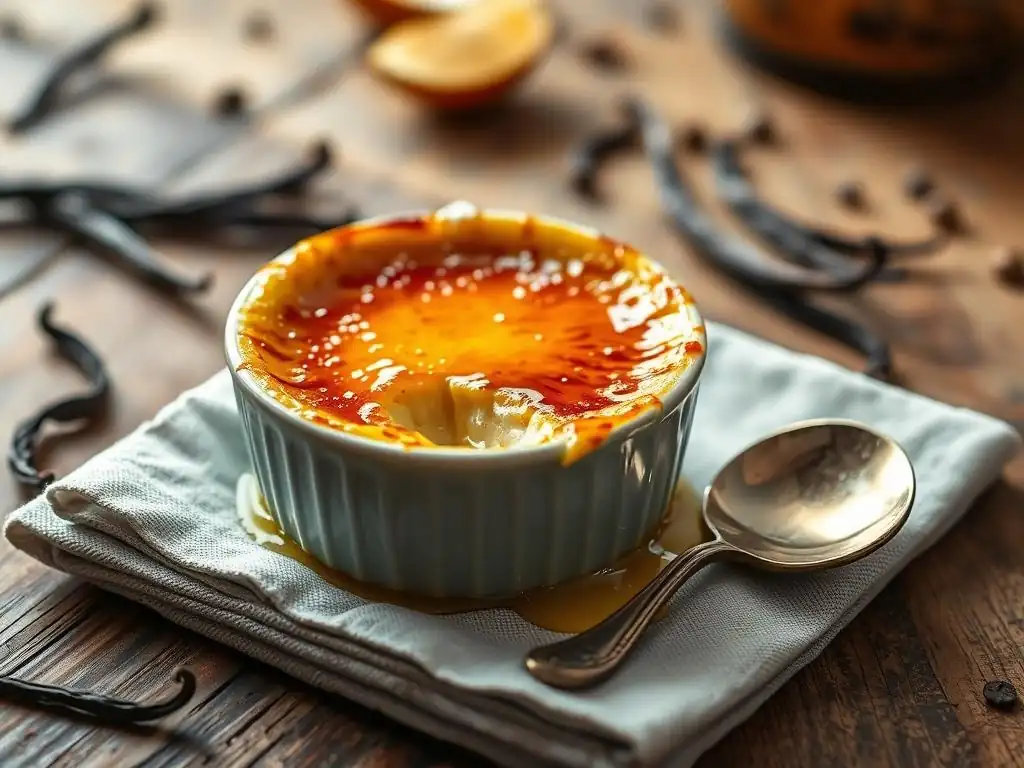
When crafting a classic crème brûlée, the choice between vanilla extract and vanilla bean significantly impacts the final flavor and appearance. Vanilla extract is made by macerating vanilla beans in alcohol and water, extracting the flavor compounds. It's convenient and consistent, but typically only captures a portion of the bean's full flavor profile. Vanilla beans, on the other hand, offer the complete essence – both the tiny, flavorful seeds (often called "vanilla caviar") and the pod itself, which contains many fat-soluble aromatic compounds that infuse beautifully into the cream base.
For a truly luxurious and visually stunning high quality vanilla custard like crème brûlée, using a whole vanilla bean is generally considered superior. The seeds distribute throughout the custard, adding beautiful black speckles that signal authentic vanilla flavor. More importantly, infusing the entire split bean and scraped seeds into the warm cream allows for a deeper, more nuanced flavor extraction than using extract alone. While a high-quality extract can be used in a pinch or in combination with beans, the depth and visual appeal provided by the bean are unmatched for this particular dessert.
The Subtle Nuances of Tahitian, Madagascar, and Mexican Vanilla Beans
The world of vanilla beans offers distinct flavor profiles influenced by species and origin. Madagascar Bourbon vanilla, from the Vanilla planifolia species, is the most common and widely recognized, known for its classic sweet, creamy, and rich flavor with high vanillin content, making it a reliable choice for a traditional high quality vanilla custard. Tahitian vanilla, primarily from the Vanilla tahitensis species, is plumper and contains less vanillin but boasts a unique floral, fruity, and sometimes cherry or anise-like aroma, offering a more exotic twist to crème brûlée.
Mexican vanilla, also from Vanilla planifolia, presents a different character, often described as smoky, spicy, and woody, sometimes with notes of chocolate or clove. While Madagascar and Tahitian beans are frequently favored for their compatibility with the creamy base of crème brûlée, experimenting with Mexican vanilla can yield an interesting, more complex flavor profile. Understanding these subtle differences allows you to select the bean that best aligns with the desired outcome for your high quality vanilla custard.
Vanilla Paste: A Convenient and Flavorful Crème brûlée Ingredient
Vanilla paste offers a middle ground between the convenience of extract and the visual appeal and flavor complexity of whole beans. It's typically a concentrated vanilla extract thickened with a binder and containing suspended vanilla bean seeds. This provides the desirable speckles of vanilla caviar visible in the final high quality vanilla custard, similar to using a whole bean.
The flavor of vanilla paste is generally more intense and rounded than standard extract due to its concentration and the presence of the seeds. It's easy to measure and incorporates readily into the cream base. While it may not offer the absolute peak of nuanced flavor that a perfectly cured whole bean provides, it's an excellent option for achieving a delicious and visually appealing high quality vanilla custard with less effort than scraping a bean. Many bakers find it a valuable staple for consistent results.
Achieving the Perfect Vanilla Infusion in Your Crème brûlée
Step-by-Step Guide: Infusing Vanilla Bean into Your Crème brûlée Cream
Properly infusing vanilla bean is key to a flavorful high quality vanilla custard. Start by splitting a plump vanilla bean lengthwise with a sharp knife, revealing the thousands of tiny seeds inside. Use the back of the knife or a spoon to scrape out these seeds, creating a paste-like consistency. Add both the scraped seeds and the split pod to your cold or lukewarm heavy cream and milk mixture in a saucepan.
Gently heat the cream mixture over medium-low heat, stirring occasionally, until it just reaches a simmer – you'll see small bubbles forming around the edges. Do not bring it to a rolling boil, as high heat can cook off delicate flavor compounds. Once simmering, remove the pan from the heat, cover it, and let the vanilla steep. A minimum of 15-20 minutes is recommended, but allowing it to steep longer as the mixture cools, or even refrigerating it overnight, will yield a more intense vanilla flavor for your high quality vanilla custard base.
Maximizing Vanilla Flavor Extraction: Time and Temperature Considerations
Extracting the maximum flavor from your high-quality vanilla bean requires patience and control over temperature. The aromatic compounds in vanilla are fat-soluble, which is why infusing them into warm cream is so effective. Heating the cream gently to around 180-190°F (82-88°C) helps release these compounds without destroying them. Boiling, on the other hand, can lead to a loss of volatile aromatics and potentially introduce bitter notes from the pod.
After heating, allowing the vanilla to steep off the heat is crucial. As the liquid cools, the flavors continue to meld and deepen. For the most profound high quality vanilla custard flavor, consider heating the cream with the vanilla, letting it cool completely at room temperature for an hour, then covering and refrigerating it for several hours or overnight. Re-warming the mixture gently before proceeding with the recipe will reactivate the flavors and ensure a deeply infused base.
Avoiding Bitter Notes: Properly Handling Vanilla in Crème brûlée
While vanilla is inherently sweet and aromatic, improper handling can introduce undesirable bitter notes into your high quality vanilla custard. One common cause is over-scraping the vanilla bean pod. The very outer, woody part of the pod contains lignin, which can become bitter when heated excessively or for too long. Focus on scraping only the inner seeds and the soft, pliable inner membrane of the pod.
Using old, dry, or poor-quality vanilla beans can also contribute to bitterness or simply a lack of desirable flavor. Always choose plump, moist beans. Furthermore, boiling the vanilla pod in the cream should be avoided, as this aggressive heat can extract those bitter compounds from the lignin. Gentle simmering and steeping off the heat are the best methods for achieving a pure, sweet high quality vanilla custard flavor without any off-notes.
High-Quality Vanilla Crème brûlée Recipe
Ingredients for the Ultimate Vanilla Crème brûlée
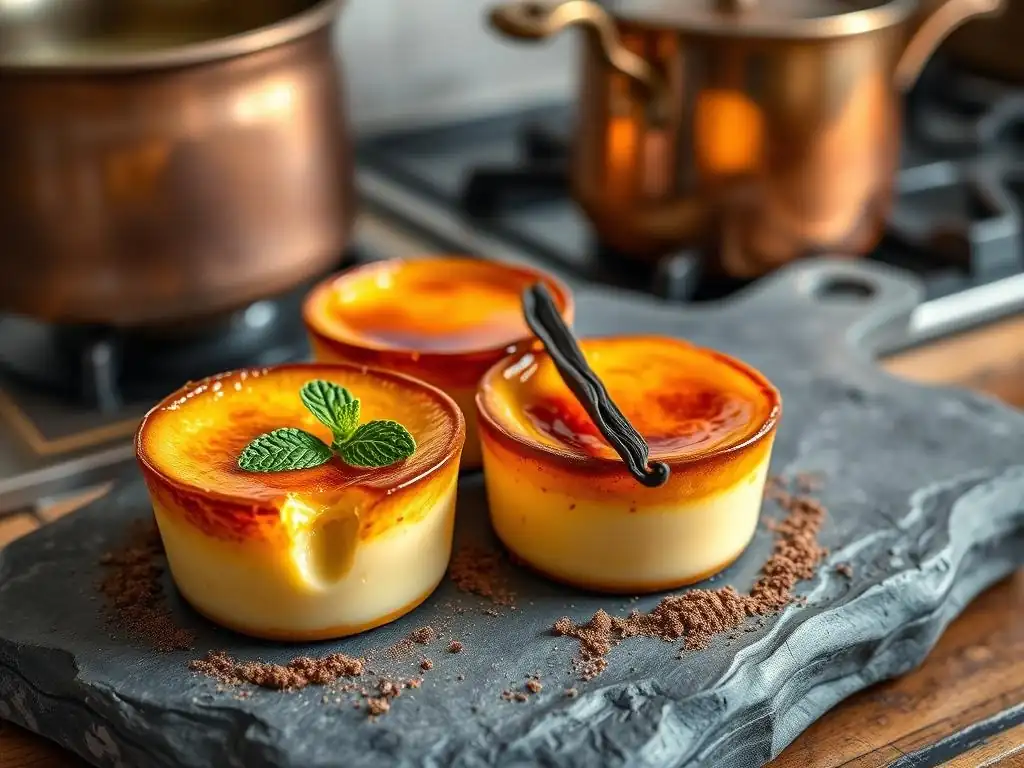
To create a truly ultimate high quality vanilla custard crème brûlée, start with the finest ingredients. You will need approximately 2 cups (480ml) of heavy cream (at least 36% fat content for richness), about 1/2 cup (100g) of granulated sugar for the custard base, and crucially, 1 plump, high-quality vanilla bean, preferably Tahitian or Madagascar, or 1 to 2 teaspoons of high-quality vanilla paste. You'll also need 6 large egg yolks, a pinch of fine salt to enhance the flavors, and additional granulated sugar (about 1-2 tablespoons per ramekin) for the signature brûléed topping.
Using fresh, high-quality ingredients ensures the best possible texture and flavor. The high fat content of heavy cream creates a rich, silky custard. Fresh egg yolks provide the necessary structure and contribute to the creamy mouthfeel. And, as emphasized, the choice of a premium vanilla bean or paste is non-negotiable for achieving that deep, authentic high quality vanilla custard flavor that distinguishes a memorable crème brûlée.
Precise Instructions: Creating a Smooth and Flavorful Crème brûlée
Creating a smooth and flavorful high quality vanilla custard crème brûlée requires precision. Begin by infusing your split vanilla bean and scraped seeds (or vanilla paste) into the heavy cream by gently heating it as described earlier, then letting it steep. In a separate bowl, whisk together the egg yolks, sugar, and salt until the mixture is pale yellow and slightly thickened; ensure the sugar is fully dissolved.
Slowly temper the egg mixture by gradually whisking about half of the warm, vanilla-infused cream into the yolks. This slowly raises the temperature of the yolks, preventing them from scrambling. Pour the tempered yolk mixture back into the remaining cream in the saucepan.
Strain the entire mixture through a fine-mesh sieve into a clean bowl or pitcher to remove any bits of vanilla pod, chalazae (the stringy bits in egg yolks), or potential curdling. Pour the smooth custard into individual ramekins. Place the ramekins in a large baking dish and carefully pour hot water into the dish until it comes halfway up the sides of the ramekins.
Bake in a preheated oven at 325°F (160°C) for 30-40 minutes, or until the edges are set but the center is still slightly wobbly. Remove from the water bath, cool completely, then chill in the refrigerator for at least 4 hours, preferably overnight, to allow the high quality vanilla custard to set fully. Just before serving, sprinkle an even layer of granulated sugar over each custard and brûlée with a kitchen torch until caramelized and golden brown.
Troubleshooting Common Crème brûlée Problems: Curdling, Texture, and Burning
Even with the best ingredients, crème brûlée can present challenges. Curdling usually occurs if the custard gets too hot during the initial cooking or if the eggs are not tempered properly. To avoid this, heat the cream gently and always temper the yolks by slowly adding warm liquid. If slight curdling occurs, vigorously whisking or straining again can sometimes help.
A grainy texture often results from sugar not fully dissolving or overbaking the custard. Ensure sugar is dissolved before adding cream, and use a water bath to regulate temperature and promote even cooking. Overbaking will make the custard solid and rubbery instead of smooth and creamy; the center should still have a slight jiggle.
Burning the sugar topping is another common issue. This happens if the torch is held too close or for too long in one spot, or if the sugar layer is too thick. Use an even, thin layer of sugar and keep the torch moving constantly until the sugar melts and caramelizes to a beautiful amber color. A perfectly brûléed top is essential for the characteristic contrast with the smooth high quality vanilla custard below.
Beyond Basic Vanilla Crème brûlée: Flavor Variations and Applications
Adding Complementary Flavors to Your Vanilla Crème brûlée [Espresso, Lavender]
While a classic high quality vanilla custard crème brûlée is exquisite on its own, its rich, creamy base provides a perfect canvas for complementary flavors. Once you've mastered the basic technique, you can easily infuse additional elements into the cream mixture along with the vanilla. For an espresso variation, add a tablespoon or two of finely ground coffee beans or a teaspoon of instant espresso powder to the cream while it heats with the vanilla. Steep as usual, then strain.
For a delicate, aromatic twist, infuse culinary lavender buds. Add about one to two teaspoons of dried culinary lavender to the cream with the vanilla bean. Heat gently and steep. Strain thoroughly before tempering with the yolks to remove all the buds. Other possibilities include infusing citrus zest, cardamom pods, or ginger slices, each adding a unique dimension to the foundational high quality vanilla custard flavor.
Using Vanilla Crème brûlée in Layered Desserts and Parfaits
The smooth, rich texture of chilled high quality vanilla custard makes it an excellent component in layered desserts and parfaits, even before the signature sugar crust is added. Once your custard is baked, chilled, and fully set, you can spoon it into glasses or dishes, alternating layers with other textures and flavors.
Consider layering the crème brûlée custard with fresh berries (strawberries, raspberries, blueberries), crumbled cookies (like shortbread or biscotti), cake cubes (sponge cake or pound cake), or even granola for crunch. These parfaits offer a delightful interplay of creamy custard, sweet fruit, and crunchy elements. Using your carefully prepared high quality vanilla custard as a layer elevates simple parfaits into sophisticated desserts.
Vanilla Crème brûlée as a Base for Fruit Tarts and Pastries
The un-brûléed high quality vanilla custard can also serve as a luxurious filling for various pastries and tarts. It functions much like a rich pastry cream, providing a smooth, sweet base that pairs wonderfully with fruit. For a fruit tart, pour the strained custard mixture into a pre-baked tart shell and bake it until the custard is set, following similar baking instructions as for ramekins (though timing might vary slightly depending on the size and depth of the tart).
Once baked and chilled, the tart can be topped with fresh fruit. This vanilla custard base is also excellent for filling choux pastries like éclairs or cream puffs. Simply pipe the chilled, unset custard into the baked pastry shells. While a traditional pastry cream is often thickened with flour or cornstarch, the richness of a crème brûlée custard comes solely from the egg yolks, resulting in a more delicate and intensely flavored filling.
Storing and Serving Your High-Quality Vanilla Crème brûlée
Proper Storage Techniques to Maintain Flavor and Texture
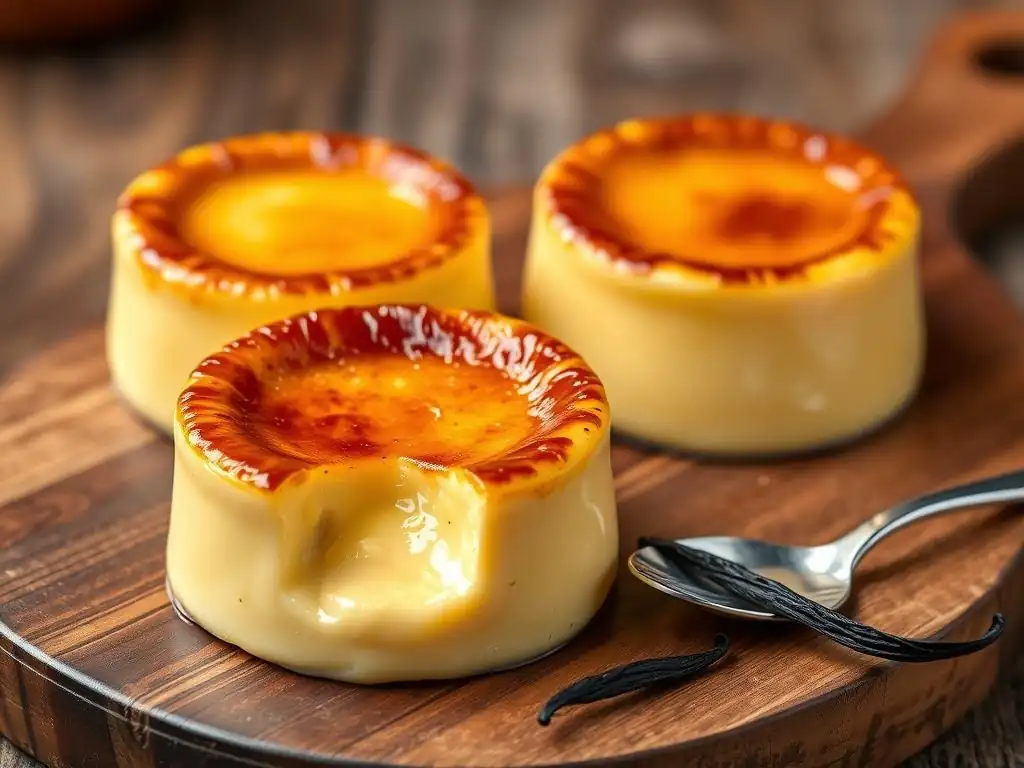
Proper storage is essential to preserve the delicate flavor and creamy texture of your high quality vanilla custard. Before brûléeing the sugar topping, cover the individual ramekins tightly with plastic wrap. This prevents a skin from forming on the surface and keeps the custard fresh. Store them in the refrigerator for up to 3-4 days.
Once you have brûléed the sugar topping, the storage method changes slightly. To maintain the crisp sugar crust, store the brûléed crème brûlée uncovered or very loosely covered in the refrigerator. Covering tightly will cause condensation to form on the sugar crust, dissolving it and making it sticky. Storing them uncovered in the fridge allows the sugar to remain hard and crunchy, preserving the delightful textural contrast with the smooth high quality vanilla custard below.
Serving Suggestions: Enhancing the Crème brûlée Experience
Serving your high-quality vanilla crème brûlée correctly ensures your guests experience it at its best. Crème brûlée is traditionally served chilled, providing a refreshing contrast to the warm, caramelized sugar topping. Take the chilled custards out of the refrigerator about 10-15 minutes before you plan to brûlée them; this slightly takes the chill off the custard while keeping it cold.
Apply an even layer of granulated sugar (or superfine sugar for a smoother finish) over the surface and use a kitchen torch to melt and caramelize the sugar until it forms a hard, amber crust. Work quickly and keep the torch moving to prevent burning. Serve immediately after brûléeing to enjoy the perfect shatter of the sugar crust against the cold, creamy high quality vanilla custard. A simple garnish like a few fresh berries or a sprig of mint can add visual appeal.
Understanding Crème brûlée Shelf Life and Safety
Like most dairy and egg-based desserts, high quality vanilla custard crème brûlée has a limited shelf life and requires proper refrigeration for food safety. When stored correctly in the refrigerator at or below 40°F (4°C), crème brûlée is typically safe to eat for 3 to 4 days. The high sugar content offers some preservation, but the eggs and cream are perishable.
It is crucial to keep the custard chilled at all times, except for the brief period before serving when you brûlée the sugar. Avoid leaving crème brûlée at room temperature for more than two hours, as this can allow bacteria to multiply rapidly. If your crème brûlée develops any off odors, discoloration, or signs of spoilage before the 3-4 day mark, it's best to discard it to ensure safety.
Sourcing the Best Vanilla for Baking
Where to Buy High-Quality Vanilla Beans and Extracts
Finding high-quality vanilla beans and extracts is the crucial first step to making an outstanding high quality vanilla custard. Reputable sources include specialty spice shops, which often have a knowledgeable staff and a selection of beans from different origins. Online retailers specializing in vanilla or baking ingredients are also excellent sources, often providing detailed information about the beans' origin, grade, and curing process.
Some high-end grocery stores or gourmet food shops may also carry quality vanilla beans, but be wary of beans sold in large quantities at suspiciously low prices, as they may be dry or of lower quality. For extracts, look for "pure vanilla extract" and ideally those made with a higher concentration of beans (sometimes labeled "double-fold" or "two-fold" extract) for a more intense flavor. Investing in vanilla from a trusted source ensures you get the best flavor for your high quality vanilla custard.
Evaluating Vanilla Quality: Key Indicators to Look For
When purchasing vanilla beans, evaluating their quality visually and aromatically is key. Look for beans that are plump, supple, and slightly oily to the touch, indicating they are fresh and have a good moisture content, typically around 25-30% for Grade A beans. Avoid beans that are brittle, dry, or appear dusty. The color should be a deep, uniform brown-black.
Smell the beans if possible (often they are sold in glass tubes or bags allowing this). A high-quality bean will have a rich, complex aroma that goes beyond simple sweetness, perhaps with notes of cream, fruit, or spice depending on the origin. The length of the bean can also be an indicator of quality, with longer beans (often 6-8 inches) typically being plumper and more flavorful. By checking these indicators, you can confidently select the best vanilla for your high quality vanilla custard.
Supporting Sustainable Vanilla Farming Practices
Choosing to source your high-quality vanilla from vendors who support sustainable and ethical farming practices is increasingly important. Vanilla cultivation is incredibly labor-intensive, from hand-pollination to the multi-month curing process. This intensive labor, combined with factors like weather and market speculation, makes vanilla the second most expensive spice by weight.
Supporting sustainable practices often means purchasing beans from cooperatives or companies that ensure fair wages and safe working conditions for farmers. These practices not only benefit the communities that produce vanilla but often result in a higher quality product, as farmers are incentivized to use traditional, careful curing methods. Opting for ethically sourced high-quality vanilla means you're contributing positively to the industry while also securing the finest flavor for your high quality vanilla custard.
Frequently Asked Questions
How does using high-quality vanilla impact the taste of custard?
High-quality vanilla, such as Madagascar Bourbon vanilla, significantly enhances the flavor profile. It provides a richer, more complex aroma and taste, elevating the custard beyond a simple sweet treat to a gourmet experience. It avoids any artificial or chemical aftertastes.
What are the key differences between vanilla extract and vanilla bean when making custard?
Vanilla extract is a convenient option, offering a concentrated vanilla flavor, but vanilla bean provides a more nuanced and authentic taste. Using the bean's seeds directly infuses the custard with intense vanilla flavor and visible specks, enhancing its visual appeal.
Can I substitute vanilla paste for vanilla extract in a custard recipe?
Yes, vanilla paste is a suitable substitute. It offers a thicker consistency and more intense flavor than extract, often containing vanilla bean seeds. Use it in a 1:1 ratio, adjusting to taste for desired vanilla strength.
How can I store leftover high-quality vanilla custard to maintain its flavor?
Store leftover custard in an airtight container in the refrigerator. Consume within 2-3 days for optimal freshness and flavor, as the delicate vanilla nuances can fade over time. Avoid temperature fluctuations that could affect its texture.
What are some signs that my vanilla custard is not of high quality, despite using vanilla?
If the custard tastes artificial, overly sweet, or has a chemical aftertaste, it may indicate low-quality vanilla or improper preparation. A lack of depth and complexity in the vanilla flavor is another telltale sign.
Final Reflection: The Enduring Allure of Exquisite Custard
The pursuit of the perfect custard is not merely a culinary endeavor; it's a testament to the power of high-quality ingredients to elevate the everyday. A seemingly simple dessert, custard reveals its true magic only when crafted with the finest vanilla, transforming a commonplace treat into an experience of unparalleled richness and depth. The subtle nuances, the intoxicating aroma, the lingering warmth on the palate – these are the hallmarks of a custard made with true dedication.
The influence of high-quality vanilla extends far beyond the individual experience. It speaks to a broader cultural appreciation for craftsmanship and the inherent value of using superior ingredients. The meticulous process of sourcing and selecting the best vanilla beans reflects a commitment to excellence that resonates across various culinary traditions. The simplest things are often the most profound,
a sentiment perfectly encapsulated in the transformative power of a single, exceptional vanilla bean. This dedication to quality isn't just about taste; it's about respecting the artistry involved in food creation and appreciating the journey from bean to bowl.
Now, consider your own culinary journey. What seemingly small detail could elevate your cooking to a new level? I encourage you to experiment, to explore the subtle differences between ordinary and extraordinary ingredients. Embrace the magic of high-quality vanilla in your next custard, and discover the profound satisfaction of creating something truly exceptional. Let the experience inspire you to seek excellence in all aspects of your life, appreciating the transformative power of dedication and attention to detail.
Unlock the Creamy Secrets of Vanilla Custard!
Thanks for joining us on this delicious journey into the world of vanilla custard! We hope you've discovered the transformative power of high-quality vanilla. Ready to elevate your baking game?
- Whip up your own incredible vanilla custard: Use your newfound knowledge to create a batch today—you'll taste the difference immediately!
- Share your custard creations: Show off your baking skills and inspire others by sharing photos on social media using #BakeWithEaseVanilla.
- Explore our other recipes: Discover more ways to use high-quality vanilla in our extensive recipe collection – maybe a vanilla bean ice cream is next?
What's your favorite way to use high-quality vanilla extract in your baking? Let us know in the comments!