
Cracked Custard Top? How to Prevent and Fix It

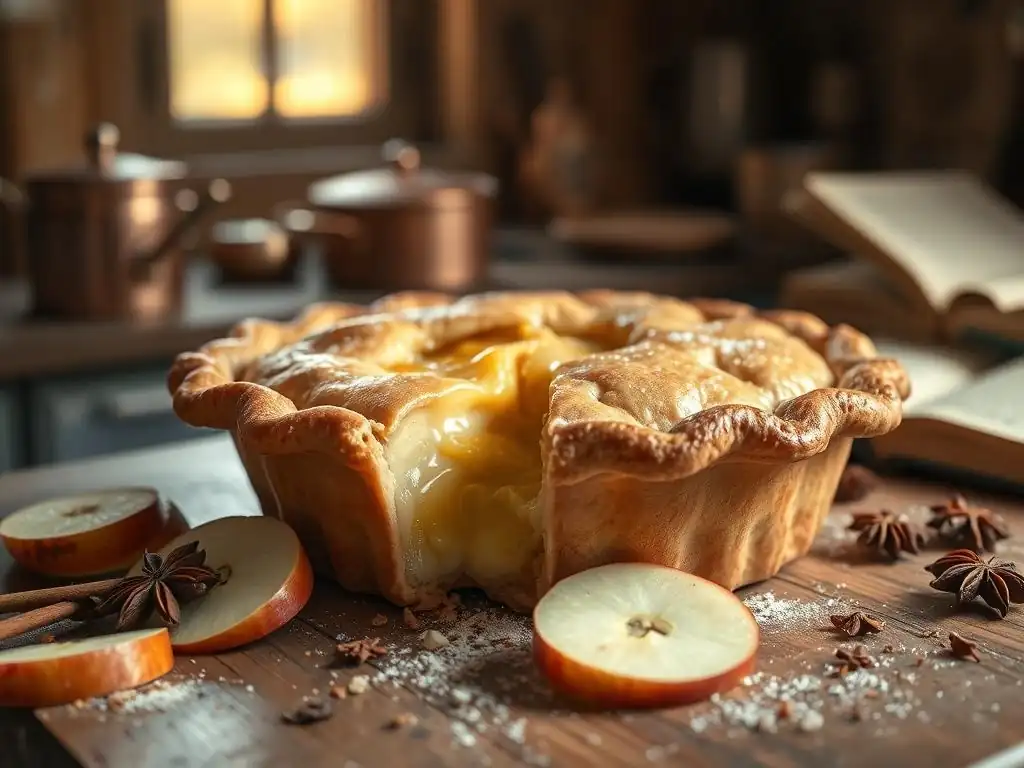
Welcome to BakeWithEase, your trusted guide to baking bliss! Ever wonder why your perfectly crafted dessert is marred by a cracked custard topping? It's a common baking woe, but don't despair! This week, we're diving deep into the secrets of preventing cracked custard topping, uncovering the techniques and tips you need to achieve that flawlessly smooth finish. Are you ready to unlock the secrets? Let's get baking!
- Cracked Custard Top? How to Prevent and Fix It - BakeWithEase
- Understanding Custard Cracks: Why It Happens
- Preventing Cracked Custard Topping: Expert Baking Tips
- Fixing a Cracked Custard Top: Rescue Techniques
- Advanced Techniques for Flawless Custard
- Mastering Custard Baking: Practice Makes Perfect
- Bake With Ease: Enjoy Your Perfect Custard!
- Frequently Asked Questions
- Final Reflection: The Sweet Science of a Perfect Custard
- Unleash Your Inner Pastry Chef: Perfect Custard Every Time!
Cracked Custard Top? How to Prevent and Fix It - BakeWithEase
Understanding Custard Cracks: Why It Happens
The Science Behind Custard Cracking: Overbaking and Rapid Cooling
Custard is essentially a delicate suspension of egg proteins, often thickened with starch, in a liquid base like milk or cream. When heated, these proteins coagulate, forming a stable, smooth gel structure. The perfect custard is cooked just enough for the proteins to set, resulting in a creamy, tender texture. However, exceeding this ideal temperature, typically around 175-180°F (about 80-82°C) for a baked custard, causes the proteins to tighten excessively.
This tightening forces moisture out of the structure, leading to shrinkage. Imagine a sponge drying out – it pulls in on itself. This shrinkage, especially around the edges where it cooks fastest, creates tension that can manifest as unsightly cracks on the surface.
Rapid cooling exacerbates this issue significantly. After baking, the custard is still hot and relatively pliable. If it's moved from a warm oven directly into a cold environment, like a refrigerator or even a cool countertop with a draft, the outer layers cool and contract much faster than the inner core.
This uneven contraction puts immense stress on the delicate protein network that has already been tightened by heat. The surface, being the first to cool and shrink, often gives way under this stress, resulting in cracks. It's similar to how hot glass will shatter if plunged into cold water; the thermal shock is too great for the material to handle the sudden temperature change.
Common Causes of Custard Cracks: Identifying the Culprits
Beyond the fundamental science, several practical factors commonly lead to cracks when preventing cracked custard topping is the goal. One frequent culprit is simply baking at too high a temperature or for too long. A recipe might suggest 325°F (160°C), but oven calibration varies, and even a slight difference can overcook the edges before the center is set. Another major cause is inadequate insulation during baking; baking dishes placed directly on an oven rack are exposed to harsh, dry heat, encouraging rapid setting and shrinkage, particularly around the perimeter.
Furthermore, removing the custard from the oven too soon after it appears set on the edges but still slightly jiggly in the center can also contribute to cracking during cooling. While a slight jiggle is desired for tenderness, if the center is too liquid, the structure isn't strong enough to support itself as it cools and contracts, causing the set outer layer to crack under the strain. Using too little fat in the recipe, or an imbalance of eggs to liquid, can also weaken the final structure, making it more susceptible to cracking.
Preventing Cracked Custard Topping: Expert Baking Tips
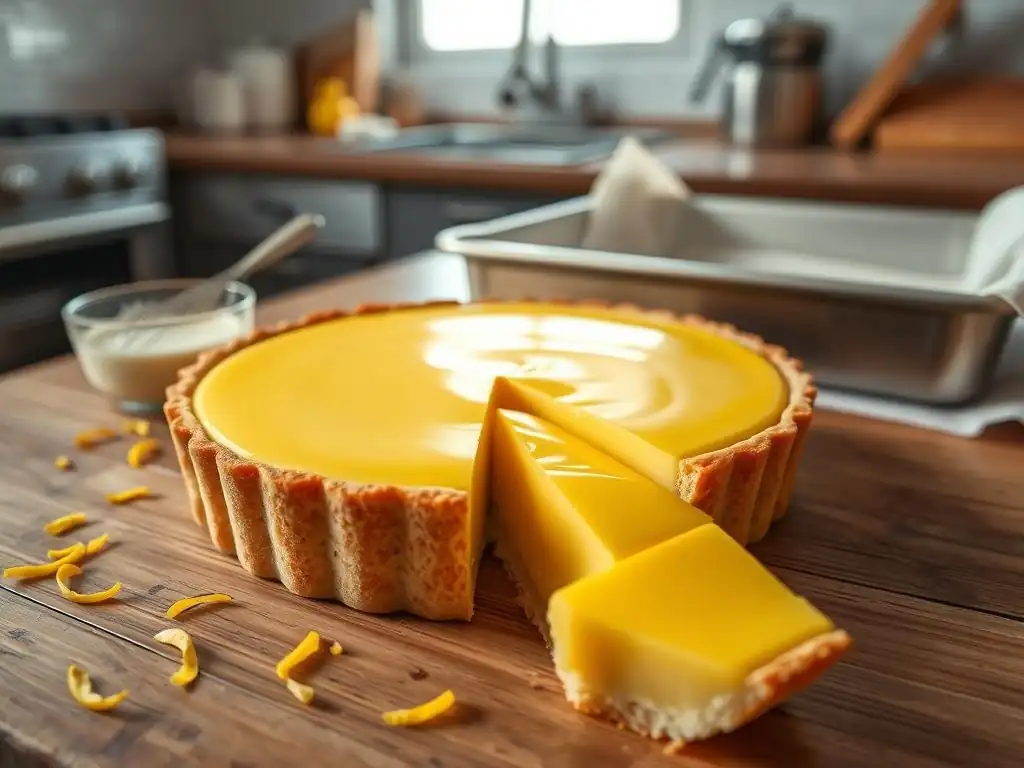
Achieving Smooth Custard: Controlling Oven Temperature for Even Baking
Controlling oven temperature is paramount for achieving a smooth, crack-free custard surface. Baked custards benefit immensely from lower, more consistent heat. Aim for temperatures typically between 300°F and 325°F (150°C to 160°C). Using an oven thermometer is highly recommended, as many home ovens can be off by as much as 25-50°F (about 15-30°C). Preheat your oven thoroughly for at least 20-30 minutes to ensure the temperature is stable.
Baking at a low temperature allows the custard to cook gently and evenly from the edges to the center. This slower coagulation of proteins prevents the outer layers from setting and shrinking prematurely while the inside is still liquid. It creates a more uniform texture throughout the custard. This gentle heat is a key strategy in preventing cracked custard topping on pies and tarts.
Importance of a Water Bath: Baking Custard Gently for Best Results
Employing a water bath (or bain-marie) is arguably the most effective technique for preventing cracked custard topping. This method involves placing your baking dish containing the custard mixture into a larger pan, then filling the larger pan with hot water about halfway up the sides of the custard dish. The water bath serves two critical functions: it insulates the custard from the direct, harsh heat of the oven, and it creates a humid environment within the oven.
The water bath's temperature will not exceed the boiling point of water (212°F or 100°C), providing a more gentle and consistent heat source than the dry oven air. This ensures the custard cooks slowly and evenly, reducing the risk of overbaking the edges. The steam generated by the hot water also keeps the surface of the custard moist, preventing a skin from forming and cracking as the custard sets. For many delicate custards, such as crème brûlée or flan, a water bath is non-negotiable for achieving a silky texture and preventing surface imperfections.
Recipe Adjustments: Optimizing Your Custard Recipe for Crack-Free Success
Sometimes, minor tweaks to your custard recipe can significantly improve its crack resistance, contributing to preventing cracked custard topping. The balance of ingredients is key.
Choosing the Right Ingredients: Egg Quality and Starch Content
The quality and quantity of eggs are fundamental. Eggs provide the structure, but too many can lead to a rubbery texture and increased risk of cracking due to excessive protein. Using a mix of whole eggs and egg yolks often yields a richer, more tender custard that is less prone to cracking than using only whole eggs. Egg yolks contain more fat and fewer proteins that tighten aggressively. The size of eggs matters; using extra-large eggs when a recipe calls for large can throw off the balance.
Incorporating a small amount of starch, such as cornstarch or flour, can also help stabilize the custard structure, making it more forgiving and less likely to crack. Starch molecules absorb liquid and swell when heated, creating a network that supports the egg proteins. For example, a classic pastry cream uses flour or cornstarch for stability, resulting in a very smooth, crack-resistant surface, even when baked into tarts. Adding just 1-2 tablespoons of cornstarch per 2 cups of liquid can make a noticeable difference in baked custards, aiding in preventing cracked custard topping.
Using Starch or Additional Yolks: Techniques for Stabilizing Your Custard
As mentioned, starch is a valuable ally in preventing cracks. For a baked custard pie, adding 1 to 2 tablespoons of cornstarch or all-purpose flour whisked into the cold liquid before heating can provide extra insurance against cracking. This is a common technique in recipes like classic pumpkin pie or certain types of baked pudding. The starch helps create a more robust network alongside the egg proteins.
Alternatively, increasing the proportion of egg yolks relative to whole eggs can also enhance stability and richness. Egg yolks contain lecithin, an emulsifier, and their proteins set more gently than egg white proteins. Replacing one whole egg with two egg yolks in a standard recipe (like a 4-egg recipe) can result in a creamier, more stable custard that is less susceptible to cracking during cooling. This method relies on the richness and fat content of the yolks to create a smoother, less brittle set.
Proper Cooling Techniques: Avoiding Thermal Shock
Once your custard is perfectly baked, how you cool it is just as crucial as how you bake it when preventing cracked custard topping. Thermal shock is the enemy of a smooth surface.
Oven Cooling: Letting Your Custard Cool Gradually in the Oven
The most gentle cooling method is to leave the custard in the turned-off oven with the door ajar. After the baking time is complete, turn off the oven, open the door slightly (you can prop it open with a wooden spoon), and let the custard cool inside for 1 to 2 hours. This allows the temperature to decrease very gradually, giving the proteins time to relax and settle without rapid contraction.
This slow cooling process minimizes the temperature differential between the center and the edges of the custard. It's a passive yet highly effective way of preventing cracked custard topping. Only after this initial slow cooling period in the oven should you remove the custard to a wire rack to finish cooling completely at room temperature before refrigerating.
Handling Custard Edges: Preventing Cracks as the Custard Cools
Unlike cheesecakes where scoring edges can help, baked custards in pies or tarts don't benefit from scoring. Instead, focus on minimizing stress on the edges during cooling. Ensure your crust is fully baked and sturdy enough to support the custard as it sets. If baking a free-standing custard (like a flan), ensure the mold is properly greased and floured (or sugared) to allow for slight movement as it cools and contracts.
For custard pies, cooling the pie gradually on a wire rack after the oven cooling period is vital. Avoid placing the hot pie directly on a cold countertop, which can cause the bottom crust and the custard edge to cool too quickly. A wire rack allows air circulation around the entire pie, promoting more even cooling. Patience is key; don't rush the cooling process by placing a warm custard in the refrigerator, as this almost guarantees cracks.
Fixing a Cracked Custard Top: Rescue Techniques
Even with the best efforts in preventing cracked custard topping, sometimes a crack happens. Don't despair! There are ways to salvage your dessert.
Hiding Minor Cracks: Clever Garnishing Ideas
For small, hairline cracks, the simplest solution is often creative garnishing. A dusting of powdered sugar is a classic and effective way to camouflage minor imperfections. Sift it evenly over the entire surface just before serving.
Other options include a layer of whipped cream, strategically piped swirls of meringue, fresh berries, chocolate shavings, or a drizzle of caramel or fruit sauce. These decorative elements draw the eye away from the crack and add extra flavor and texture. For instance, a berry compote spread over a cracked custard pie top is a delicious fix.
Repairing Significant Cracks: The Glaze or Topping Method
For more significant cracks, a pourable glaze or a full topping can be used to cover the entire surface. A simple ganache, a fruit glaze (like apricot or raspberry), or a classic meringue topping can effectively hide even large cracks.
Consider making a simple glaze by warming fruit preserves and straining them, then brushing or pouring over the cooled custard. Alternatively, prepare a batch of Italian or Swiss meringue and spread or pipe it over the top, then perhaps briefly torch it for a beautiful finish. These methods not only hide cracks but also add an extra layer of flavor and texture to your dessert.
Salvaging Overbaked Custard: Custard Parfaits or Crumbles
If the custard is severely overbaked, rubbery, or has extensive cracking that can't be easily hidden, you can repurpose it. Overbaked custard can be transformed into delicious parfaits.
Break or crumble the problematic custard into pieces. Layer these pieces in glasses or bowls with other components like crumbled cookies (like graham crackers or shortbread), fresh fruit, whipped cream, granola, or sauce. These layered desserts are attractive and turn a baking mishap into a delightful new creation. This is a great way to ensure your effort doesn't go to waste.
Advanced Techniques for Flawless Custard
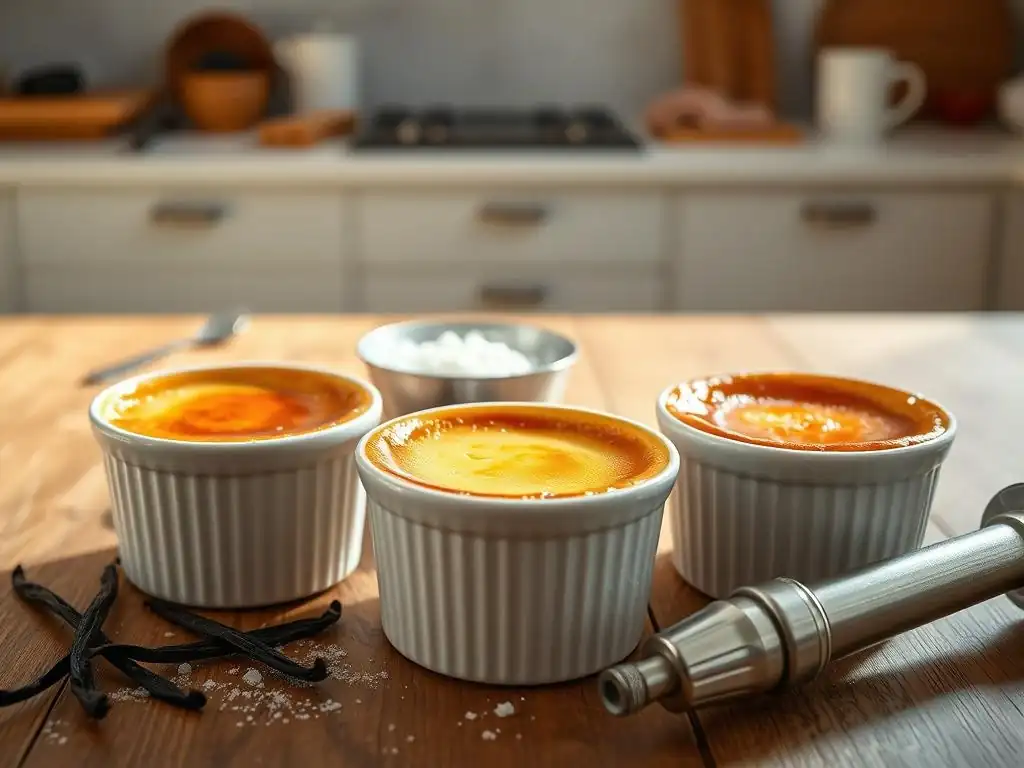
Low and Slow Baking: Extended Baking Time at a Lower Temperature
Embracing the "low and slow" philosophy is an advanced technique for achieving consistently flawless baked custards. Instead of baking at 325°F (160°C) for 45-60 minutes, try reducing the temperature to 275°F or 300°F (135°C or 150°C) and extending the baking time. This ultra-gentle heat minimizes the risk of overcooking and promotes the most even setting possible.
While it requires more patience – baking time might increase by 30-50% – the results are often superior: incredibly smooth, silky texture and a virtually guaranteed crack-free surface. This method is particularly effective for large custards or those baked in dishes that are slow to conduct heat. Always check for doneness by gently shaking the dish; the center should be slightly jiggly but the edges set.
Using the Right Dish: Ensuring Even Baking and Preventing Cracks
The material and size of your baking dish significantly impact how the custard bakes and cools. Glass or ceramic dishes conduct heat more gently and evenly than metal pans, making them ideal for baked custards. A ceramic pie plate, for example, heats up gradually and retains heat well, contributing to even cooking and cooling.
Ensure the dish size is appropriate for the volume of custard. An overly shallow dish will cook too quickly around the edges, while a dish that's too deep might result in an overcooked exterior before the center is set, increasing the likelihood of cracks. Using the specified dish size in a recipe is crucial for consistent results and is part of preventing cracked custard topping.
Mastering Custard Baking: Practice Makes Perfect
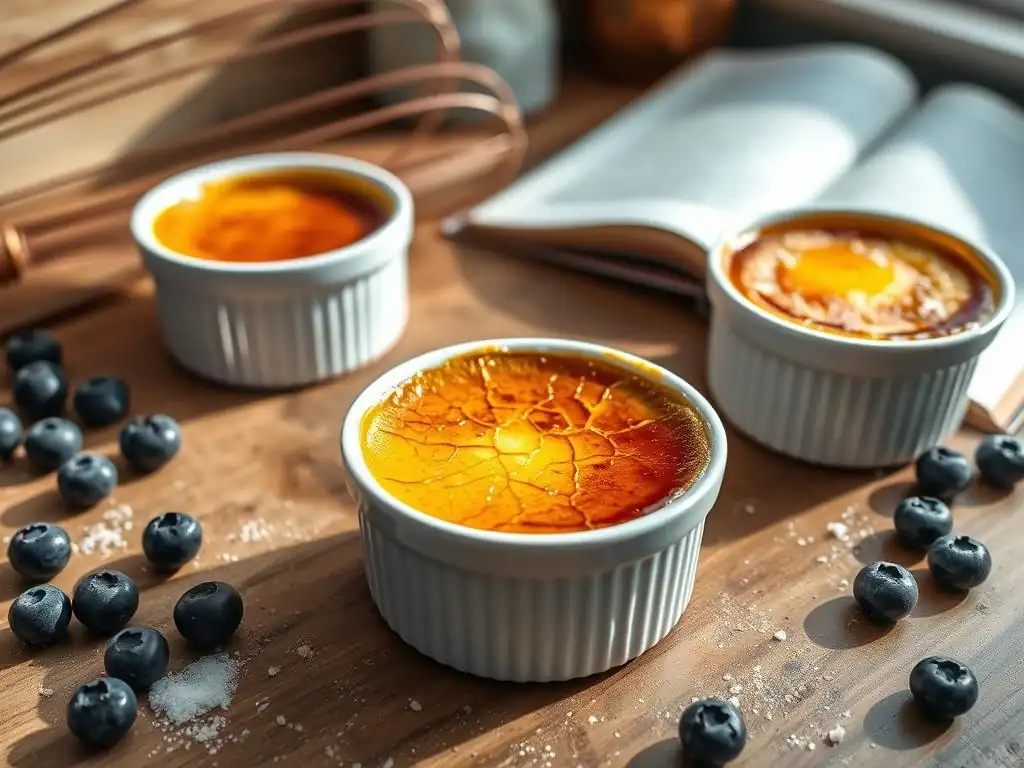
Baking perfect custard consistently takes practice. Don't be discouraged by a few cracks along the way. Each attempt is a learning opportunity to understand how your oven behaves, how different recipes perform, and how subtle changes in technique impact the final result.
Troubleshooting Common Custard Problems
- Rubbery Texture: Usually caused by overbaking or baking at too high a temperature. Ensure accurate oven temperature and check for doneness earlier.
- Weeping (Liquid Separating): Also often due to overbaking, forcing liquid out of the tightened protein structure. Can also happen if cooled too quickly.
- Cracked Surface: As discussed, primarily due to overbaking, rapid cooling, or lack of a water bath.
Here's a quick checklist for preventing cracked custard topping:
- [ ] Use a water bath.
- [ ] Bake at a low temperature (300-325°F / 150-160°C).
- [ ] Check oven temperature with a thermometer.
- [ ] Don't overbake (center should be slightly jiggly).
- [ ] Cool gradually in the turned-off oven.
- [ ] Avoid placing hot custard on a cold surface.
- [ ] Consider adding a little starch or extra yolks.
Experimenting with Different Custard Flavors and Crusts
Once you've mastered the basic techniques for preventing cracked custard topping, feel free to experiment! Custards are incredibly versatile. Try infusing your milk or cream with vanilla bean, citrus zest, spices like cinnamon or nutmeg, or even coffee beans.
Pair your smooth custard filling with different crusts – a classic flaky pastry, a crumbly shortbread, a graham cracker crust, or even a gluten-free alternative. Each variation will offer a new challenge and opportunity to perfect your skills while enjoying delicious results. Baking is a journey of learning and delicious discovery!
Bake With Ease: Enjoy Your Perfect Custard!
Frequently Asked Questions
What causes custard toppings to crack?
Cracking in custard toppings is often due to rapid temperature changes or overbaking. The custard sets unevenly, causing stress and leading to fractures on the surface.
How can I prevent overbaking my custard?
Use a water bath during baking to ensure even heat distribution. Also, monitor the internal temperature with a thermometer; it should be just set, not dry.
What temperature should I bake my custard at?
Bake custard at a low temperature, typically between 300°F (150°C) and 325°F (163°C). This helps prevent rapid setting and cracking.
Is there a specific type of custard that is more prone to cracking?
Custards with a high egg content are generally more prone to cracking. The protein in the eggs can contract during baking, leading to surface tension.
What can I do to fix a cracked custard topping?
While you can't fully fix a cracked topping, you can gently smooth it with a heated spatula or brush with a simple syrup. Alternatively, decorate the top with fruit or whipped cream to hide the imperfections.
Final Reflection: The Sweet Science of a Perfect Custard
The quest for a flawlessly smooth custard topping isn't just about aesthetics; it's a testament to understanding the delicate balance of ingredients and technique. A cracked custard, while still delicious, represents a missed opportunity for culinary perfection, a subtle imperfection that can detract from an otherwise magnificent dessert. This seemingly minor detail speaks volumes about the precision required in baking.
The pursuit of the perfect custard topping reflects a broader cultural appreciation for detail and craftsmanship. We strive for excellence in all aspects of our lives, and even a simple dessert becomes a canvas for this pursuit. The frustration of a cracked top mirrors the challenges we face in other areas, reminding us that patience and attention to detail are key to achieving our goals. Perfection is not attainable, but if we chase perfection we can catch excellence.
- Vince Lombardi. This quote, while not directly about custard, perfectly encapsulates the spirit of striving for excellence, even in the seemingly small details of baking.
So, the next time you find yourself facing a bowl of custard, remember the lessons learned. Don't be discouraged by a cracked top; instead, use it as a learning opportunity. Embrace the science, understand the process, and strive for that perfect, smooth finish. But most importantly, remember that even with a few cracks, the joy of creating and sharing something delicious remains. You, too, can master the art of the perfect custard topping.
Unleash Your Inner Pastry Chef: Perfect Custard Every Time!
Thanks for joining us on this custard-conquering adventure! You've now got the secrets to flawlessly smooth custard—no more cracked tops! Ready to put your new skills to the test?
- Bake a batch of your favorite custard dessert today! Challenge yourself to use your newfound knowledge to create something truly delicious.
- Share your custard creations with us on social media using #BakeWithEaseCustard – we’d love to see your masterpieces!
- Explore our other baking guides for more tips and tricks to elevate your baking game.
So, what incredible custard creation will you bake first? Let us know in the comments!