
Achieving That Perfect Jiggle in Your Homemade Flan

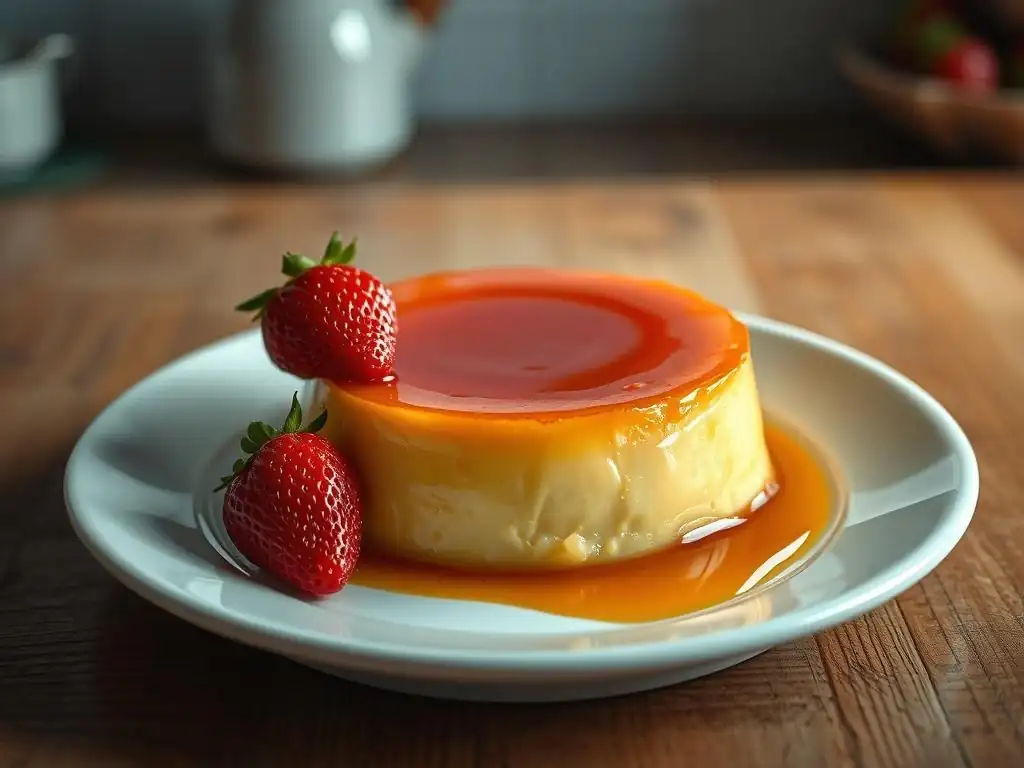
Welcome to BakeWithEase, your trusted companion on your baking journey! Ever wondered how to achieve that perfectly jiggly texture in your homemade flan? Unlock the secrets to creating this decadent dessert with our expert tips and tricks. Discover the key techniques and ingredients that will elevate your flan from good to unforgettable. Ready to master the art of the jiggle? Let's get baking!
- Achieving the Perfect Jiggle: A Guide to Homemade Flan
- Introduction: The Appeal of a Jiggly Flan
- The Science Behind Flan Texture
- Troubleshooting Flan Texture
- Step-by-Step Guide to Jiggly Flan
- Flavor Variations
- Essential Tools and Ingredients
- Tips and Tricks for Consistent Texture
- Conclusion: Enjoying Your Homemade Flan
-
Frequently Asked Questions
- How do I achieve the signature "jiggle" in my homemade flan?
- What type of custard base works best for a jiggly flan?
- What role does the water bath play in achieving the desired flan texture?
- Can I use a different type of sweetener besides granulated sugar for the caramel?
- How long should I chill my flan before serving to achieve the best jiggly texture?
- Final Reflection: The Enduring Allure of the Perfectly Jiggly Flan
- Unlock Your Flan's Silky Smooth Potential!
Achieving the Perfect Jiggle: A Guide to Homemade Flan
Introduction: The Appeal of a Jiggly Flan
Why Texture Matters in Flan
The hallmark of a truly excellent flan isn't just its rich, creamy flavor or glistening caramel sauce; it's that signature, delicate wobble – the perfect homemade flan jiggly texture. This unique consistency is what differentiates a superb flan from a dense or rubbery disappointment. It speaks to a custard that has been set just right, where the egg proteins have coagulated enough to hold shape but not so much that they become stiff. This ideal texture melts in your mouth, providing a luxurious and satisfying sensory experience that is central to the dessert's appeal.
Achieving this specific texture is a goal for many home bakers, and it's often the measure of success when making flan from scratch. A flan that is too firm feels heavy and lacks that melt-away quality, while one that is too loose or watery hasn't set properly. The gentle jiggle indicates a perfect balance of ingredients, temperature, and cooking time, resulting in a custard that is both structurally sound when unmolded and incredibly smooth and tender on the palate.
BakeWithEase's Commitment to Flan Perfection
At BakeWithEase, we understand the desire to master classic desserts, and achieving the perfect homemade flan jiggly texture is high on that list for many of our users. Our mission is to demystify baking techniques, making them accessible and achievable for everyone, regardless of their experience level. We are committed to providing clear, reliable guidance that helps you navigate the nuances of recipes like flan, ensuring your efforts in the kitchen are rewarded with delicious results.
Our extensive collection of recipes and technique guides, developed and tested by experienced bakers, focuses on providing the precise information you need to succeed. We break down complex processes into manageable steps, offering insights into the 'why' behind each instruction. Community feedback consistently highlights the effectiveness of our detailed approach, with a significant majority of users reporting improved results, including mastering that elusive perfect homemade flan jiggly texture, after following our tutorials and tips. We're here to support your baking journey, one perfect jiggle at a time.
The Science Behind Flan Texture
The Role of Eggs in Silky Flan
Eggs are the foundational ingredient for setting flan, providing the protein structure that transforms a liquid mixture into a solid custard. Both the yolks and whites contain proteins that coagulate, or firm up, when heated. Yolks contribute richness and smoothness due to their fat and lecithin content, while whites provide more structure due to their higher protein concentration (albumen). The ratio of yolks to whites significantly impacts the final texture: using more yolks relative to whites results in a richer, silkier, and more tender flan, while using more whites can lead to a firmer, potentially rubbery texture.
For a truly silky homemade flan jiggly texture, bakers often use a combination of whole eggs and extra yolks. A common starting point might be 4 large whole eggs plus 2-4 extra yolks per quart of dairy. This balance leverages the setting power of whole eggs while boosting the richness and smoothness with additional yolks. The delicate network formed by the gently heated egg proteins traps the liquid and other ingredients, creating the custard's characteristic set. If heated too quickly or too high, these proteins contract too much, squeezing out moisture and resulting in a tough, weeping (syneresis) flan.
Sugar's Influence on Consistency
Sugar plays a subtle but important role in the texture of flan beyond just sweetness. When dissolved in the custard mixture, sugar interferes with the coagulation process of the egg proteins. It raises the temperature at which the proteins set, allowing them to coagulate more slowly and gently. This slower setting results in a finer, more delicate protein network, which contributes to a smoother, more tender texture and helps prevent the custard from becoming tough or grainy.
The amount of sugar used needs to be balanced. Too little sugar can allow the proteins to set too quickly, potentially resulting in a less smooth texture. Conversely, using too much sugar can dilute the egg proteins excessively or even prevent the custard from setting firmly enough, leading to a watery or overly soft result.
A typical ratio falls within the range of 1/2 to 3/4 cup of granulated sugar per quart of liquid base, though this can be adjusted slightly based on desired sweetness and texture. The sugar also contributes to the overall density and mouthfeel of the finished homemade flan jiggly texture.
Milk & Cream: The Optimal Ratio
The liquid base in flan, typically milk, cream, or a combination, serves to dilute the egg proteins. This dilution is crucial because it prevents the proteins from forming an overly dense, rigid structure when heated. The fat content of the dairy also profoundly affects the final texture. Whole milk (around 3.25% fat) provides a lighter base, while heavy cream (typically 35-40% fat) adds significant richness, smoothness, and body. The fat molecules interfere with protein-protein interactions, further preventing a tough set and contributing to that luxurious, melt-in-your-mouth feel.
Using only whole milk will yield a lighter, potentially firmer flan. Using only heavy cream would create an extremely rich, dense custard that might feel heavy rather than delicately jiggly. A popular ratio for achieving a creamy, yet perfectly jiggly homemade flan jiggly texture is a 1:1 mixture of whole milk and heavy cream.
This blend offers a balance of richness and structural integrity, allowing the custard to set properly while remaining incredibly smooth and tender. Experimenting with slightly different ratios (e.g., 2 parts milk to 1 part cream for a lighter flan) can help you find your personal preference, but maintaining adequate fat content is key for preventing syneresis and ensuring silkiness.
Troubleshooting Flan Texture
Flan Too Firm: Causes and Solutions
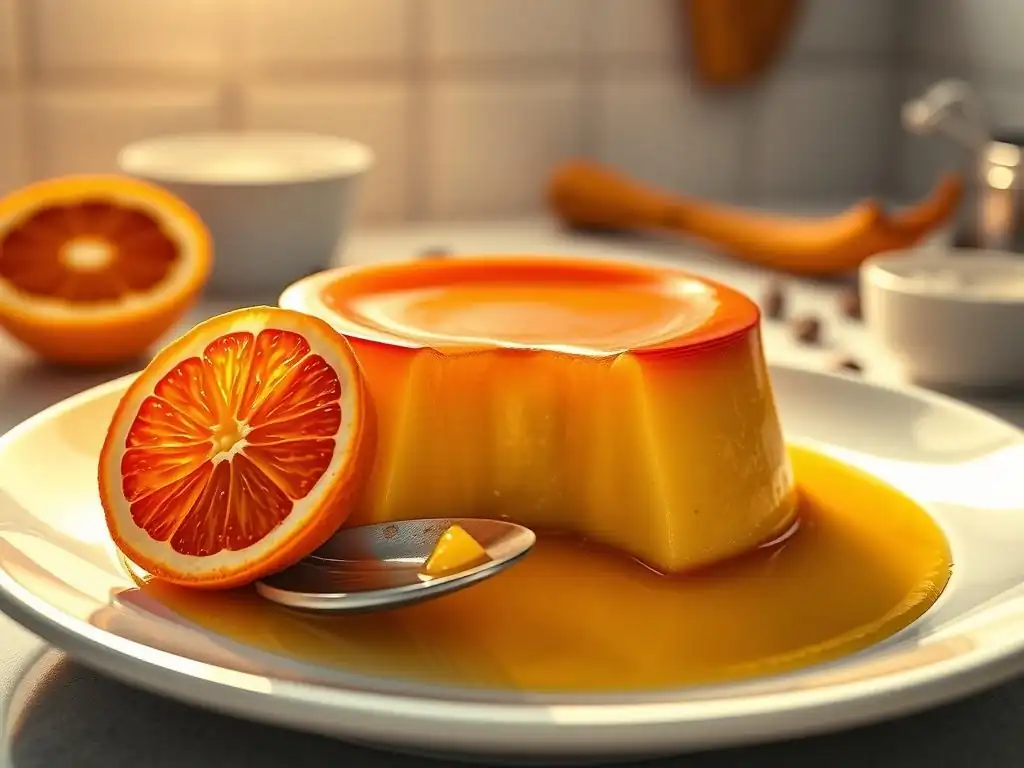
A flan that turns out too firm or rubbery is a common issue, almost always stemming from overcooking. When egg proteins are heated beyond their optimal setting point, they contract excessively, squeezing out moisture and creating a dense, sometimes porous texture lacking that desired homemade flan jiggly texture. This can happen if the oven temperature is too high, if the flan bakes for too long, or if the water bath isn't effective.
Baking at a relatively low temperature, typically between 300°F and 325°F (150°C - 160°C), is crucial for a gentle set. Baking at 350°F (175°C) or higher significantly increases the risk of overcooking the edges before the center is done.
To remedy this, first ensure your oven temperature is accurate – consider using an oven thermometer. Next, reduce the baking time in subsequent attempts and rely on visual cues and the "jiggle test" rather than just the clock.
Ensure your water bath is properly set up, with hot water reaching at least halfway up the sides of the flan mold, as this regulates the temperature and prevents the edges from cooking too quickly. Finally, consider adjusting your egg ratio slightly, perhaps reducing the number of whole eggs or adding an extra yolk, as too many whites can contribute to a firmer set.
Flan Too Watery: Baking Time and Temperature
Conversely, a flan that remains too watery or doesn't set properly is usually the result of undercooking. The egg proteins haven't reached the temperature required to fully coagulate and form a stable gel network. This can happen if the baking time was insufficient, the oven temperature was too low, or the water bath wasn't hot enough or deep enough to provide consistent heat transfer. A watery flan lacks the structural integrity to hold its shape when unmolded and certainly won't have that satisfying homemade flan jiggly texture.
To address this, first verify your oven temperature. If it's accurate, increase the baking time gradually in your next attempt, checking for doneness using the jiggle test (described below) and potentially an instant-read thermometer. A perfectly set flan typically reaches an internal temperature of 170-175°F (77-79°C) in the center.
Ensure your water bath contains hot water (from the tap or kettle, not boiling) and comes up sufficiently high on the sides of your mold – ideally at least halfway. If using a very shallow water bath or cool water, the custard won't heat evenly or quickly enough to set properly within a reasonable timeframe.
Achieving the Ideal Jiggle: Avoiding Overcooking
The sweet spot for achieving the perfect homemade flan jiggly texture lies squarely in avoiding overcooking. This is the most critical factor after ensuring the correct ingredient ratios. The goal is to remove the flan from the oven when the edges are set and slightly pulled away from the mold, but the center still has a distinct, gentle wobble.
It should look semi-set, like very soft gelatin or pudding, not liquid like milk. The residual heat within the custard and mold will continue to cook the flan gently as it cools, bringing the center to the perfect level of firmness.
The "jiggle test" is your best friend here. Gently nudge the baking pan or the side of the flan mold. If the entire flan ripples like a wave, it's likely still undercooked. If only the very center wobbles slightly, while the edges are firm, it's probably done.
If there is no wobble at all, it's likely overcooked. It's better to err slightly on the side of undercooking than overcooking, as a slightly undercooked flan will often finish setting as it chills, whereas an overcooked one cannot be salvaged for texture. Promptly remove the flan from the hot water bath immediately after taking it out of the oven to stop the cooking process.
Step-by-Step Guide to Jiggly Flan
Step 1: Crafting the Caramel Base
Achieving Perfect Caramel Color and Consistency
The caramel layer at the bottom of the mold is the first step and adds a beautiful amber glaze and bittersweet counterpoint to the creamy custard. To make it, you'll heat granulated sugar in a heavy-bottomed saucepan over medium heat. You can add a tablespoon or two of water to help it dissolve initially, but it's not strictly necessary. As the sugar melts, swirl the pan occasionally (avoid stirring with a spoon, which can cause crystallization) until it turns a beautiful amber color. This usually happens when the sugar reaches around 340-350°F (170-175°C).
Pour the hot caramel immediately into your flan mold(s), tilting the mold carefully to coat the bottom evenly. The caramel will be extremely hot and will set quickly as it cools. You're looking for a uniform, medium-amber color – too light, and it lacks flavor; too dark, and it will be bitter. The consistency should be liquid enough to coat the mold but will harden into a glassy layer as it cools. Work quickly but cautiously, as burnt sugar is painful.
Step 2: Preparing the Custard Mixture
Blending for a Silky Smooth Custard
Preparing the custard involves gently combining the dairy, sugar, eggs, and flavorings. Start by gently whisking the eggs and sugar together in a bowl until just combined – avoid whipping vigorously, as incorporating too much air can lead to bubbles and a less smooth texture. Meanwhile, heat your milk and cream mixture (and any flavorings like vanilla bean or zest) in a saucepan over medium heat until it's hot but not boiling, typically steaming around 180-190°F (82-88°C).
Gradually temper the eggs by slowly pouring the hot dairy mixture into the egg mixture while whisking continuously. This prevents the eggs from scrambling. Once combined, you can briefly blend the mixture with an immersion blender or in a standard blender on low speed for about 10-15 seconds. This helps ensure the mixture is perfectly homogenous and incorporates some air bubbles that will rise to the surface, making the next step easier.
Straining for a Lump-Free Flan
Straining the custard mixture is a non-negotiable step for achieving a perfectly smooth and lump-free homemade flan jiggly texture. This process removes any bits of cooked egg from the tempering process, chalazae (the white cords that anchor the yolk), or any undissolved sugar or flavoring particles.
Pour the entire custard mixture through a fine-mesh sieve set over a clean bowl or directly into your prepared flan mold(s). For the smoothest possible result, you can even strain it twice. Discard any solids left in the sieve. This simple step makes a dramatic difference in the final texture, ensuring your flan is uniformly silky.
Step 3: Baking Your Flan to Perfection
Water Bath Essentials
A water bath, or bain-marie, is essential for baking flan gently and evenly. It provides a consistent, moist heat environment that prevents the edges from setting too quickly or developing a rubbery texture before the center is done. Without a water bath, the direct heat of the oven would cause the custard to cook unevenly, potentially leading to cracks on the surface and an inconsistent homemade flan jiggly texture.
Place your flan mold(s) in a larger baking pan. Carefully pour hot water into the larger pan, making sure the water comes at least halfway, and ideally two-thirds, up the sides of the flan mold(s). Use hot tap water or water heated in a kettle, but it doesn't need to be boiling. Be careful not to splash any water into the custard. Placing a towel on the bottom of the larger pan before adding the molds can help prevent them from shifting and provides a slight buffer.
Temperature Control
Baking flan requires a low and slow approach to allow the egg proteins to set gently. The ideal oven temperature is typically between 300°F and 325°F (150°C - 160°C). High temperatures risk overcooking the delicate custard. The baking time will vary depending on the size and depth of your mold(s). Small ramekins might take 30-40 minutes, while a large mold could take 60-90 minutes or even longer.
Monitor the flan closely as it approaches the estimated baking time. Don't rely solely on the clock; visual cues are more important. The edges should appear set and slightly firm, while the center should still be soft. Consistent temperature control, both from the oven and the water bath, is key to achieving an evenly cooked custard with that sought-after homemade flan jiggly texture.
The Jiggle Test
This is the crucial test for doneness. Gently nudge the baking pan or tap the side of the flan mold. The edges of the flan should be set and firm, but the center should still have a distinct, gentle wobble. It should jiggle like unset gelatin, not slosh like liquid. If the entire flan wobbles freely, it needs more time. If there is no wobble at all, it is likely overcooked.
Remove the flan from the oven immediately once the center shows only a slight jiggle. The residual heat will continue to cook it as it cools. Promptly remove the flan mold(s) from the hot water bath to halt the cooking process and prevent carryover cooking from making it too firm.
Step 4: Chilling and Unmolding
Proper Chilling Techniques
Once removed from the water bath, allow the flan to cool at room temperature for about 30-60 minutes. Then, cover the mold tightly with plastic wrap, ensuring the plastic doesn't touch the surface of the flan if possible to prevent condensation from dripping onto it. Transfer the covered flan to the refrigerator to chill completely.
Chilling is essential for the flan to firm up properly and for the flavors to meld. It needs a minimum of 4-6 hours in the refrigerator, but ideally, chill it overnight (8-12 hours) for the best texture and easiest unmolding. Proper chilling ensures the homemade flan jiggly texture is stable enough to hold its shape when inverted and allows the caramel to loosen slightly.
Unmolding Tips and Tricks
Unmolding can be the moment of truth! To make it easier, run a thin, sharp knife or a small offset spatula around the edge of the flan, tilting the mold slightly to help loosen it from the sides. Be careful not to go too deep or damage the edges.
Next, prepare your serving plate by placing it upside down over the flan mold. Holding the plate and the mold together firmly, quickly and confidently invert them. You should feel the flan release onto the plate. If it doesn't release immediately, you can try briefly dipping the bottom of the flan mold in a bowl of hot water for 10-15 seconds. This warms the caramel slightly, helping it to loosen and flow down over the flan. Lift the mold straight up to reveal your beautiful, perfectly jiggly flan with its cascade of caramel sauce.
Flavor Variations
Classic Vanilla Flan
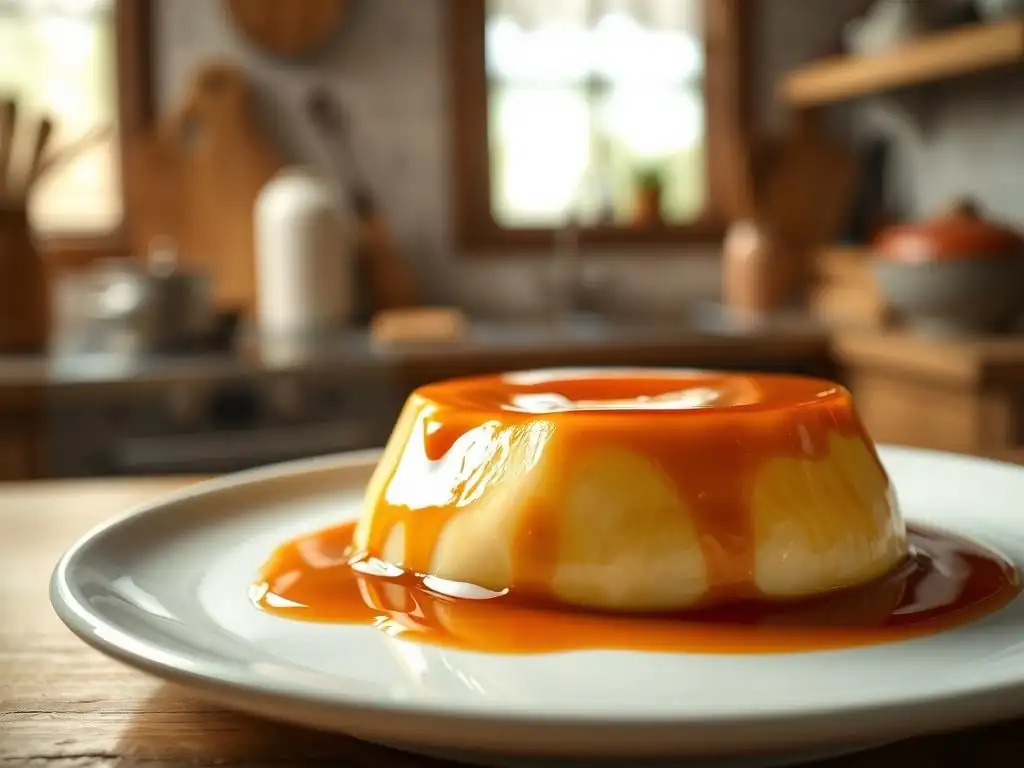
The classic vanilla flan is beloved for its pure, creamy flavor and elegant simplicity. It relies on the quality of the dairy, eggs, and vanilla to shine through. This version is the perfect canvas for mastering the foundational techniques needed to achieve a perfect homemade flan jiggly texture. The subtle sweetness of the custard perfectly complements the slightly bitter caramel.
To infuse your classic flan with authentic vanilla flavor, you can use 1-2 teaspoons of high-quality vanilla extract, the seeds scraped from half a vanilla bean, or 1-2 teaspoons of vanilla bean paste per quart of liquid base. Using a vanilla bean or paste will result in tiny black flecks throughout the custard, a visual indicator of genuine vanilla. This timeless recipe is a must-try for anyone starting their flan-making journey.
Chocolate Flan
For chocolate lovers, a chocolate flan offers a decadent twist on the classic. The addition of chocolate adds richness and depth, creating a luxurious dessert. Incorporating chocolate requires careful consideration, as added solids can slightly affect the texture compared to a pure custard. However, with the right approach, you can still achieve a beautiful, creamy consistency.
You can incorporate chocolate by melting bittersweet or semi-sweet chocolate and whisking it into the hot dairy mixture before tempering the eggs. A common ratio is 4-6 ounces (about 115-170g) of chopped chocolate per quart of liquid. Alternatively, you can whisk unsweetened cocoa powder (about 1/4 cup per quart) into the dry sugar before adding the liquids. While chocolate adds solids, the goal is still to maintain a smooth, homemade flan jiggly texture by ensuring proper cooking and ingredient balance.
Coconut Flan
Adding coconut to flan brings a tropical dimension and a unique creaminess. This is often achieved by substituting some or all of the dairy with coconut milk or coconut cream. Full-fat coconut milk provides a rich base and imparts a distinct coconut flavor that pairs wonderfully with the sweet caramel.
Replacing up to half of the milk/cream mixture with full-fat coconut milk is a good starting point for a noticeable coconut flavor without drastically altering the texture profile. Using only coconut milk might result in a slightly different set due to the different fat composition compared to dairy. The resulting flan will have a lovely tropical aroma and a creamy texture that, while perhaps slightly less "jiggly" in the traditional sense depending on the ratio, is still incredibly smooth and satisfying.
Coffee Flan
Coffee flan, or Flan de Café, offers a sophisticated flavor profile by infusing the custard with the rich aroma of coffee. This variation provides a delightful balance between the sweetness of the caramel, the creaminess of the custard, and the slightly bitter, robust notes of coffee. It's a favorite for those who enjoy coffee-flavored desserts.
You can incorporate coffee flavor by using strong brewed coffee (espresso works well) as part of your liquid base, replacing some of the milk or cream (e.g., 1/4 to 1/2 cup per quart). Another method is to dissolve instant espresso powder (1-2 tablespoons per quart) directly into the hot dairy mixture. The intensity of the coffee flavor can be adjusted to your preference. Like other variations, maintaining the correct balance of liquids, eggs, and sugar is key to ensuring the coffee flan retains that desirable homemade flan jiggly texture.
Essential Tools and Ingredients
Must-Have Baking Equipment
Having the right tools makes the process of creating a perfect flan much smoother and increases your chances of success. You'll need appropriate mold(s) – these can be individual ramekins (typically 4-6 ounce capacity) or a single larger flan mold (often 6-8 cup capacity), usually made of ceramic, glass, or metal. A heavy-bottomed saucepan is crucial for making the caramel, as it distributes heat evenly and prevents scorching.
Other essential tools include a fine-mesh sieve for straining the custard, a whisk for combining ingredients, measuring cups and spoons for accuracy, and a large baking pan (roasting pan or casserole dish) that is large enough to comfortably hold your flan mold(s) for the water bath. An instant-read thermometer can be helpful for checking the internal temperature of the flan, though the jiggle test is often sufficient for experienced bakers aiming for that perfect homemade flan jiggly texture.
High-Quality Ingredients
The quality of your ingredients directly impacts the final flavor and texture of your flan. Using fresh, large eggs is paramount, as they provide the essential protein structure. Older eggs may not set as reliably. The dairy you choose also matters significantly; using whole milk and heavy cream provides the necessary fat content for a rich, smooth, and creamy custard that sets beautifully.
Granulated sugar is standard for both the caramel and the custard. Ensure it's fresh and free-flowing. For flavoring, use high-quality extracts or natural sources like vanilla beans. While approximations for ratios are provided throughout this guide, starting with fresh, high-quality ingredients gives you the best foundation for achieving a delicious dessert with that coveted homemade flan jiggly texture. Think of ingredients as the building blocks – the better the blocks, the sturdier and more appealing the final structure.
Tips and Tricks for Consistent Texture
Mastering the Water Bath
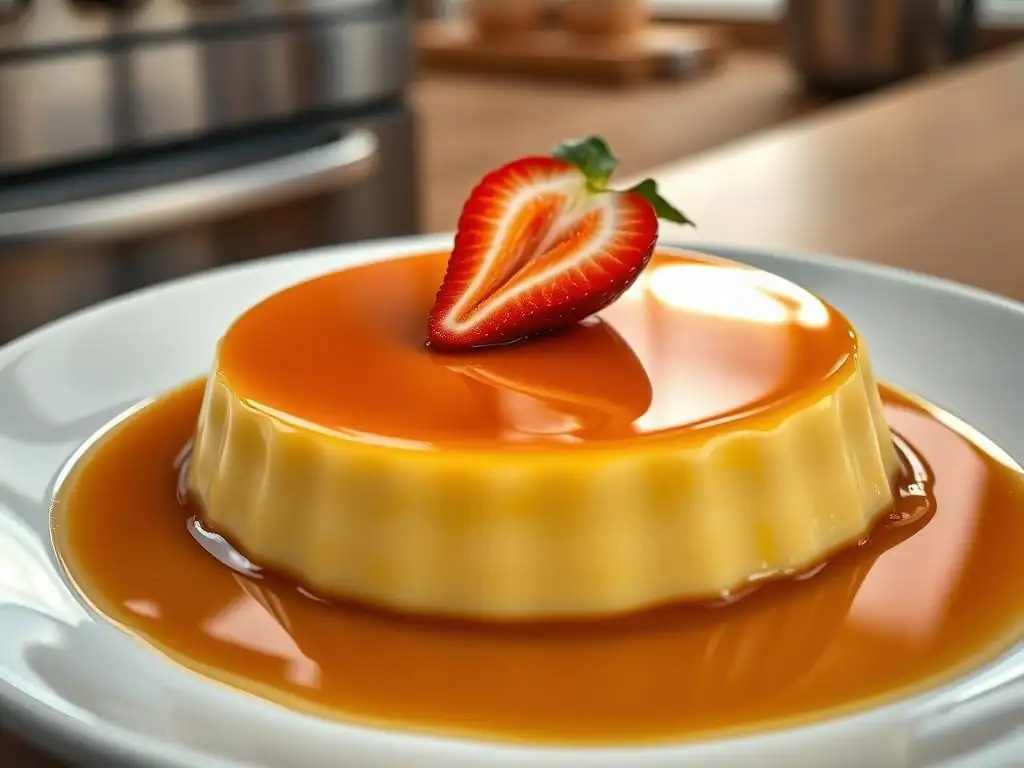
The water bath is arguably the single most important technique for consistent, perfect homemade flan jiggly texture. It ensures the custard cooks gently and evenly from all sides, preventing the edges from overcooking and becoming rubbery before the center is set. Always use hot water (from the tap or a kettle) to fill the water bath; starting with cold water means the custard will take longer to heat up, potentially affecting the set.
Ensure the water level in the baking pan comes at least halfway up the sides of your flan mold(s). If the water level is too low, the top of the custard will cook faster than the bottom, leading to an uneven texture and potentially cracks on the surface. Monitor the water level during baking, especially for longer baking times, and carefully add more hot water if needed. Placing a folded towel on the bottom of the baking pan before adding the molds helps insulate the bottom of the molds slightly and prevents them from sliding around.
Avoiding Common Mistakes
Several common mistakes can lead to a less-than-ideal homemade flan jiggly texture. The most frequent is overcooking, which results in a firm, rubbery, or porous custard. To avoid this, bake at a low temperature (300-325°F / 150-160°C) and rely on the jiggle test rather than just the time. Undercooking is another issue, leaving you with a watery flan; if this happens, it needed more time or a more effective water bath/oven temperature.
Not straining the custard is a mistake that results in a lumpy texture. Always pass the mixture through a fine-mesh sieve. Incorporating too much air when mixing the custard can lead to a foamy layer on top or small bubbles within the flan; mix gently and consider a brief blend followed by straining. Finally, not chilling the flan for long enough before unmolding can cause it to fall apart; patience is key – aim for overnight chilling.
Achieving a Smooth, Creamy Texture
Beyond the jiggle, the overall smoothness and creaminess of flan are paramount. This is achieved through a combination of proper ingredient ratios, careful preparation, and gentle cooking. Using a blend of whole milk and heavy cream provides the necessary fat content for richness and a smooth mouthfeel. Ensuring your eggs are fresh and using the right proportion of yolks to whites contributes to silkiness.
Tempering the eggs properly prevents scrambling, and straining the custard removes any potential lumps, guaranteeing a uniform texture. Baking in a water bath at a low temperature ensures the egg proteins set slowly and evenly, creating a fine, tender gel network rather than a tough, tight one. By focusing on these steps – the right ingredients, gentle mixing, straining, and careful baking in a water bath – you'll consistently produce a flan that is not only perfectly jiggly but also wonderfully smooth and creamy.
Conclusion: Enjoying Your Homemade Flan
Celebrating Your Success
Congratulations! By following these steps and tips, you've likely achieved that coveted perfect homemade flan jiggly texture. Unmolding your flan to reveal the glossy caramel cascading down the sides is a moment of pure baking satisfaction. Take a moment to appreciate the beautiful result of your efforts. The delicate wobble, the smooth surface, and the inviting aroma are testaments to mastering a classic dessert technique.
Sharing your homemade flan with family and friends is part of the joy of baking. Serve it chilled, allowing the flavors and textures to be fully appreciated. Whether enjoyed simply on its own or perhaps garnished with a touch of whipped cream or fresh berries, your perfectly jiggly flan is sure to impress and delight. Each spoonful is a reward for the care and precision you put into its creation.
Further Exploration: Other Custard Desserts
Mastering the techniques for achieving a perfect homemade flan jiggly texture opens the door to exploring a world of other delightful custard-based desserts. Many share similar principles of gentle egg coagulation, temperature control, and the importance of chilling. Consider trying your hand at classic crème brûlée, which involves a rich custard base (often just yolks and cream) baked until just set and topped with a brittle layer of torched sugar.
Other options include smooth panna cotta (gelatin-set cream, requiring no baking but similar chilling), rich pots de crème (baked custards often served in individual cups), or even adapting your skills to savory quiches (which use an egg and cream custard base). The understanding you've gained about egg proteins, fat content, and gentle heating is transferable and will serve you well as you continue your baking adventures with BakeWithEase.
Frequently Asked Questions
How do I achieve the signature "jiggle" in my homemade flan?
The key to that perfect jiggle is controlling the heat and cooking time. Overbaking will result in a firm, less desirable texture.
What type of custard base works best for a jiggly flan?
A custard base rich in egg yolks and whole milk or cream will contribute to a smoother, jigglier texture. Avoid using too much cornstarch as it can lead to a firmer set.
What role does the water bath play in achieving the desired flan texture?
The water bath, or bain-marie, ensures even cooking and prevents the flan from overheating and curdling. This gentle cooking method is crucial for a smooth and jiggly texture.
Can I use a different type of sweetener besides granulated sugar for the caramel?
While granulated sugar is traditional, you can experiment with other sweeteners like honey or maple syrup. However, be mindful of the different caramelization properties and adjust your technique accordingly.
How long should I chill my flan before serving to achieve the best jiggly texture?
Chilling the flan for at least 4 hours, or preferably overnight, allows the custard to fully set and develop its characteristic jiggly texture. This also enhances the flavors.
Final Reflection: The Enduring Allure of the Perfectly Jiggly Flan
The pursuit of the perfect jiggly flan transcends mere culinary skill; it's a testament to the enduring power of texture in creating unforgettable culinary experiences. The seemingly simple act of achieving that ideal wobble speaks volumes about precision, patience, and the delicate balance of ingredients. This quest, explored throughout this article, remains incredibly relevant today, as home cooking continues to flourish and the desire for authentic, handcrafted food grows stronger.
The journey to mastering the jiggly flan has been a personal one, filled with both triumphs and failures. It's a journey that mirrors life itself – requiring careful attention to detail, a willingness to experiment, and the acceptance that perfection is often a process, not a destination. The best things in life are worth waiting for,
a sentiment perfectly encapsulates the slow-cooked patience needed to create a truly exceptional flan. The subtle nuances of texture, the delicate balance of sweetness and richness – these are the elements that elevate a simple dessert into a cherished memory.
Now, consider your own culinary adventures. What seemingly small detail, like the perfect jiggle in a flan, brings you immense satisfaction? I encourage you to embrace the pursuit of perfection in your own cooking, to find joy in the process, and to savor the moments of triumph, however small they may seem. The next time you attempt a flan, remember the lessons learned here, and let the quest for that perfect jiggle be a reminder of the beauty found in attention to detail and the enduring power of culinary passion.
Unlock Your Flan's Silky Smooth Potential!
Thanks for joining me on this creamy journey into flan perfection! You've now armed yourself with the secrets to achieving that signature jiggle. Ready to put your newfound knowledge to the test?
- Master the art of the perfect caramel: Experiment with different sugars and cooking times to discover your signature caramel flavor. Try adding a pinch of sea salt for an unexpected twist!
- Share your flan triumphs (and tribulations!): Tag us on social media with your creations – we'd love to see your delicious results!
- Bake another flan (immediately!): The best way to perfect your technique is through practice. What flavor will you try next?
What delicious twist will you add to your next flan masterpiece?