
Creative Serving Suggestions for Cream Pies and Tarts

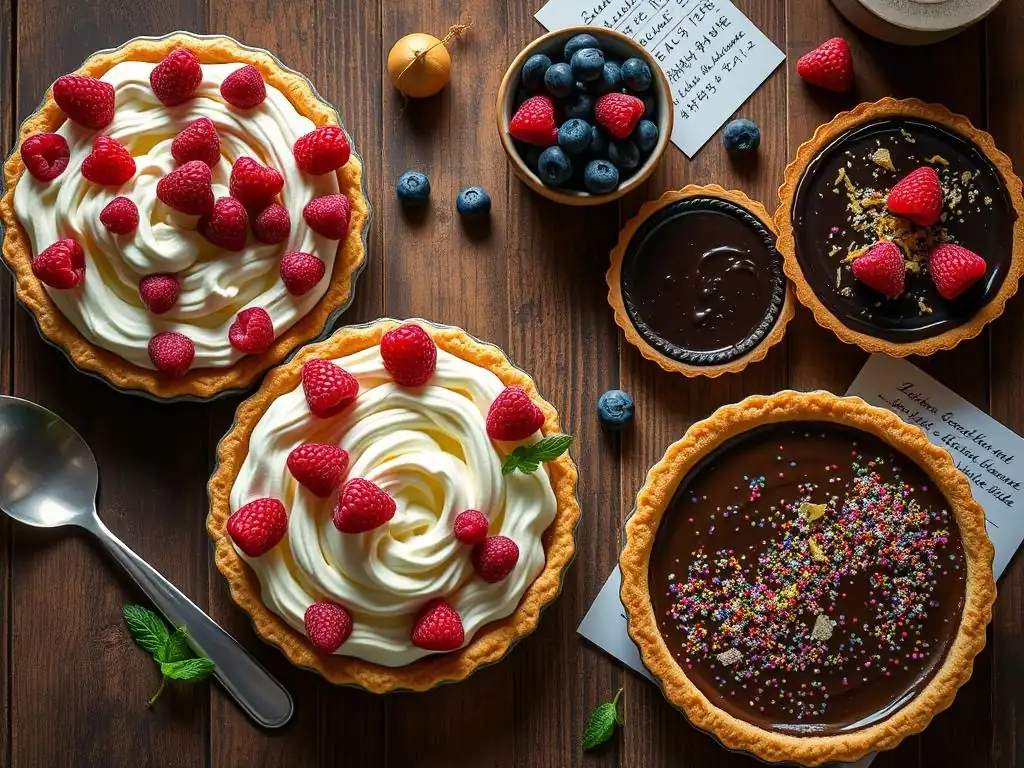
Welcome to BakeWithEase, where delicious baking is made simple! Ever wondered how to elevate your cream pie beyond the ordinary? Unlock a world of flavor and presentation possibilities with our guide to cream pie topping recipes. Discover innovative serving suggestions and creative twists that will transform your next cream pie or tart into a showstopping masterpiece. Ready to impress? Let's get baking!
- Creative Serving Suggestions for Key Lime Pie and Lemon Tart | Sweet Sensations
- Introduction to Key Lime Pie and Lemon Tart: Beyond the Basic Slice
- Creative Pie Topping Recipes and Serving Ideas
- Serving Suggestions for Key Lime Pie: Presentation is Key
- Creative Serving Ideas for Lemon Tarts
- Pairing Key Lime Pie and Lemon Tarts with Complementary Flavors
- Tips for Maintaining Pie and Tart Freshness
- Conclusion: Inspiring Your Pie and Tart Creations
-
Frequently Asked Questions
- What are some unusual toppings I can use to elevate my cream pie?
- Can I prepare cream pie toppings in advance?
- How can I prevent my cream pie topping from becoming soggy?
- What are some ways to make my cream pie topping visually appealing?
- What are some non-traditional cream pie fillings that would pair well with unique toppings?
- Final Reflection: Sweetening the Everyday with Creative Cream Pie
- Unleash Your Inner Pastry Chef!
Creative Serving Suggestions for Key Lime Pie and Lemon Tart | Sweet Sensations
Introduction to Key Lime Pie and Lemon Tart: Beyond the Basic Slice
Cream pies and tarts hold a special place in the world of desserts. Their smooth, tangy fillings paired with a crisp or crumbly crust offer a delightful contrast that appeals to many palates. While a simple slice served directly from the pie plate is perfectly enjoyable, the true magic often lies in how we choose to present and enhance these classic treats. Thinking beyond the basic cut can transform a humble dessert into a show-stopping creation, elevating the entire dining experience.
This article will explore various innovative ways to serve Key Lime Pie and Lemon Tart, focusing on creative cream pie topping recipes and presentation techniques. We'll delve into simple yet effective methods to make your desserts visually stunning and even more delicious. From classic whipped cream variations to unique flavour combinations and elegant plating ideas, get ready to discover how to turn your next pie or tart into a sweet sensation.
Elevating Your Pie Presentation: Why It Matters
The visual appeal of food plays a significant role in how we perceive its taste and quality. A beautifully presented dessert can heighten anticipation and enjoyment, making the experience more memorable for your guests. It's not just about aesthetics; careful presentation can also enhance the textural and flavour contrasts within the dish, guiding the diner's palate through each delightful element.
Investing a little extra time in how you plate and garnish your Key Lime Pie or Lemon Tart signals care and attention to detail. Whether you're hosting a formal dinner party or simply treating yourself, taking presentation seriously can make the difference between a good dessert and a truly exceptional one. It's an opportunity to express creativity and add a personal touch to your baking, transforming a familiar recipe into something truly special.
Understanding Key Lime Pie and Lemon Tart Variations
Key Lime Pie traditionally features a filling made from Key lime juice, egg yolks, and sweetened condensed milk, often set in a graham cracker crust. Its signature is a distinct tartness balanced by sweetness. Lemon Tarts, while similar in their citrusy profile, typically use a rich lemon curd filling made with lemon juice, zest, eggs, sugar, and butter, encased in a shortcrust or pâte sucrée pastry shell. The texture of the filling can range from soft and creamy to firm and jelly-like, depending on the recipe and cooking method.
Variations abound for both desserts. Key Lime Pie crusts can also be made from crushed cookies like vanilla wafers or even a traditional pastry crust. Lemon tarts might feature meringue toppings (like Lemon Meringue Pie) or be served plain to highlight the intensity of the curd. Understanding these core differences and potential variations is crucial when considering creative cream pie topping recipes and serving styles, as the topping and presentation should complement the specific type of pie or tart you've created.
Creative Pie Topping Recipes and Serving Ideas
Classic Topping Variations: Reinventing the Familiar
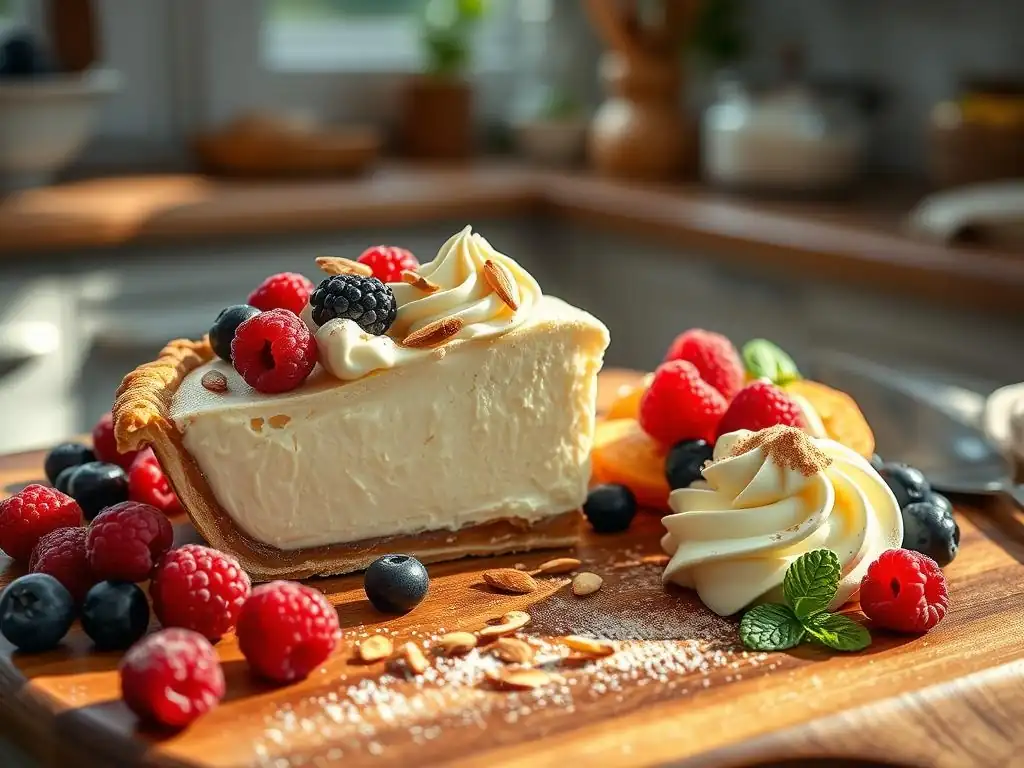
Whipped cream is the quintessential companion for many cream pies and tarts, offering a light, airy counterpoint to the rich, tangy filling. However, even this classic can be enhanced. Simple additions like finely grated lime zest or lemon zest stirred into the whipped cream just before serving can boost the citrus aroma and flavour, tying the topping directly to the pie's core profile. For a touch of elegance, consider piping the whipped cream using a star tip rather than simply dolloping it on.
For situations where the dessert needs to hold up for a while, like a buffet or outdoor event, a stabilized whipped cream is a game-changer. This involves adding a small amount of gelatin or cornstarch to the cream before whipping, which helps it maintain its shape and prevents weeping. A standard ratio might be 1 teaspoon of gelatin dissolved in 1-2 tablespoons of cold water per cup of heavy cream. This simple technique ensures your cream pie topping recipes look perfect for longer.
Whipped Cream Wonders: Lime Zest and Stabilized Options
Incorporating lime zest into your whipped cream is a straightforward yet impactful technique. For every cup of heavy cream, gently fold in the zest of about half a Key lime or a quarter of a regular lime after the cream has reached stiff peaks. This infuses the cream with a subtle, fragrant citrus note that enhances the pie's flavour without overpowering it. Ensure the zest is finely grated to avoid a gritty texture.
To create stabilized whipped cream, bloom 1 teaspoon of unflavored gelatin in 2 tablespoons of cold water for 5-10 minutes. Gently heat the mixture (microwave for 10-15 seconds or over low heat) until the gelatin is fully dissolved and the liquid is clear. Let it cool slightly but not set.
Whip 1 cup of very cold heavy cream with 2 tablespoons of powdered sugar and ½ teaspoon of vanilla extract until soft peaks form. Gradually drizzle in the cooled gelatin mixture while continuing to whip until stiff peaks are achieved. This provides a sturdy, beautiful cream pie topping recipe that holds its shape for hours.
Graham Cracker Crumble: Adding Texture
A simple graham cracker crumble, perhaps with a touch of melted butter and sugar, can be toasted lightly to enhance its flavour and crunch. This topping directly echoes the traditional Key Lime Pie crust, creating a harmonious textural layer on top of the smooth filling. Sprinkle the crumble just before serving to maintain its crispness.
For an elevated crumble, pulse graham crackers with a pinch of salt, a tablespoon of sugar, and a tablespoon of melted butter. Spread the mixture on a baking sheet and bake at 350°F (175°C) for 5-8 minutes, or until lightly golden and fragrant. Let it cool completely before scattering it over the pie slices or individual tarts. This provides a delightful crunch that contrasts beautifully with the creamy filling, making it an excellent addition to your repertoire of cream pie topping recipes.
Fresh Fruit Arrangements: Lime Wedges and Berries
Fresh fruit adds a vibrant splash of color and a burst of natural flavour that complements the tartness of both Key Lime Pie and Lemon Tarts. Thin wedges or slices of fresh lime are a classic garnish for Key Lime Pie, emphasizing the star ingredient. Position them artfully on top of the whipped cream or directly on the pie surface.
Berries, such as raspberries, blueberries, or strawberries, offer a sweet and slightly tart counterpoint. Their bright colors pop against the pale yellow or green of the pie filling. Arrange a few berries around the base of the pie slice or on top of the whipped cream. A mix of lime and berries provides both visual appeal and a complex flavour profile, enhancing the overall dessert experience.
Unique Topping Recipes: Thinking Outside the Box
Beyond the classics, several less common but equally delicious cream pie topping recipes can elevate your desserts. Candied lime or lemon peel, for instance, offers an intense burst of citrus flavour and a chewy texture that's both sweet and slightly bitter. This can be made by simmering strips of peel in sugar syrup until translucent and tender.
Toasted coconut flakes bring a tropical dimension to Key Lime Pie, pairing wonderfully with the lime and graham cracker flavours. Simply toast shredded coconut in a dry pan over medium heat until golden brown, watching carefully as it can burn quickly. Meringue kisses or small baked meringue drops provide a delicate, crisp texture and a sweet contrast to the tart filling, adding a touch of elegance to Lemon Tarts.
Candied Lime Peel: A Zesty Addition
Candied lime peel is surprisingly simple to make and adds a sophisticated touch to your cream pie topping recipes. Start by peeling limes, removing as much of the white pith as possible. Cut the peels into thin strips. Blanch the strips in boiling water for a few minutes, then drain and repeat this process 2-3 times to remove bitterness.
Next, combine equal parts sugar and water in a saucepan and bring to a simmer. Add the blanched lime peel strips and simmer gently until they become translucent and tender, about 30-60 minutes. Remove the peels from the syrup and let them dry on a wire rack. These chewy, intensely flavored strips can be scattered over the pie or used as an elegant garnish.
Toasted Coconut Flakes: Tropical Twist
Toasted coconut flakes are a fantastic way to introduce a different texture and flavour profile, especially for Key Lime Pie. Use unsweetened shredded or flaked coconut for the best result. Spread the coconut in a single layer on a dry baking sheet or in a dry, non-stick skillet over medium heat.
Stir the coconut constantly as it toasts, as it can go from perfectly golden to burnt in seconds. It should take only 3-7 minutes depending on the heat. Once the flakes are fragrant and a beautiful golden brown, remove them from the heat immediately and transfer to a plate to cool. Sprinkle these crunchy, tropical flakes generously over your cream pie topping recipes or directly onto the pie.
Meringue Kisses: A Touch of Elegance
Small meringue kisses are a charming and elegant addition, particularly suited for Lemon Tarts, echoing the classic Lemon Meringue Pie but in a more delicate form. To make them, whip egg whites with a pinch of cream of tartar until soft peaks form. Gradually add superfine sugar while continuing to whip until stiff, glossy peaks are achieved. A general ratio is about 2 tablespoons of sugar per egg white.
Pipe small dollops or "kisses" onto a baking sheet lined with parchment paper. Bake in a very low oven (around 200°F or 90°C) for 1-2 hours, or until they are dry and crisp throughout. Let them cool completely before using them to garnish your Lemon Tart slices or entire tart. These sweet, airy meringues provide a delightful textural contrast to the smooth lemon curd.
Serving Suggestions for Key Lime Pie: Presentation is Key
Beyond the toppings, how you portion and plate your Key Lime Pie significantly impacts its appeal. Serving individual portions, whether as mini tarts or carefully cut slices, allows for more personalized presentation and makes handling easier for guests. Mini Key Lime Tarts baked in muffin tins or individual tart molds are inherently charming and require no cutting.
For a full-sized pie, mastering the art of cutting clean slices is paramount. Using a hot, sharp knife is essential. Dip the knife in hot water and wipe it clean between each cut. This prevents the filling from sticking and dragging, ensuring neat edges. For a whimsical touch, consider using a cookie cutter to create fun shapes from larger pie pieces, perfect for casual gatherings or children's parties.
Individual Pie Portions: Mini Tarts and Slices
Mini Key Lime Tarts are a fantastic option for controlled portions and easy serving. They can be baked in standard muffin tins using cut-out pastry or pressed-in graham cracker crust mixture, or in specialized mini tart pans. Fillings can be poured and baked as usual. These individual portions allow for consistent size and make it simple to add specific cream pie topping recipes or garnishes to each one.
Alternatively, serving carefully cut slices from a larger pie still offers opportunities for beautiful presentation. A standard 9-inch pie can typically yield 8-12 slices, depending on desired portion size. Aim for slices that are not too thin, as they can fall apart, especially with a soft filling. A slice width of approximately 1.5 to 2 inches is usually ideal for stability and a satisfying portion.
How to Cut Pie for Perfect Slices
Achieving perfect pie slices requires a few simple steps. First, ensure the pie has been properly chilled; a cold pie is much easier to cut cleanly. Use a long, sharp knife. Before making each cut, dip the knife blade into a tall glass or pitcher of hot water, then quickly wipe it dry with a clean cloth.
Cut straight down through the pie, applying even pressure. Once the slice is cut, leave the knife in place briefly to help the filling set against the cut edge. Use a pie server or a large spatula to carefully lift the slice from the pan, supporting it from underneath. Reheat and wipe the knife before making the next cut. This technique minimizes crumbling crust and smearing filling, resulting in clean, attractive slices ready for your cream pie topping recipes.
Using Cookie Cutters for Fun Shapes
For a playful twist, especially when serving Key Lime Pie to children or at a casual event, consider using cookie cutters to create unique shapes. This works best with a pie that has a slightly firmer filling and crust. Bake the pie in a rectangular or square pan rather than a round one to maximize usable area.
Once the pie is chilled and set, gently press metal cookie cutters (like stars, hearts, or geometric shapes) directly into the pie, cutting through both the topping (if applicable), filling, and crust. Carefully lift the shaped piece out with a small spatula. This method creates charming, bite-sized portions that are fun to eat and visually unexpected. Any leftover scraps can be enjoyed separately or crumbled over the shaped pieces as an extra topping.
Plating Pies: Visual Appeal Techniques
Once you have your pie slices or individual tarts, the plate itself becomes your canvas. Simple techniques can dramatically enhance visual appeal. A drizzle of contrasting sauce around or under the pie piece adds color and moisture. A dusting of powdered sugar or lime zest provides a subtle, elegant finish.
Garnishes like fresh mint leaves, edible flowers, or additional fruit pieces placed strategically on the plate or on the pie itself draw the eye and add freshness. Consider the color palette – the pale green or yellow of the pie against a white plate, contrasted with the vibrant red of raspberries or the deep green of mint. Thoughtful arrangement of these elements transforms a simple slice into a composed dessert.
Raspberry Sauce Drizzles: Adding Depth and Flavor
A vibrant raspberry sauce offers a beautiful color contrast and a complementary tart-sweet flavour profile for both Key Lime Pie and Lemon Tart. To make a simple sauce, simmer fresh or frozen raspberries with a little sugar and a splash of lemon juice until the berries break down. Pass the mixture through a fine-mesh sieve to remove seeds.
Drizzle the cooled sauce artistically on the plate before placing the pie slice, or create a pool of sauce beside the slice. A simple zigzag pattern or a few scattered dots can add visual interest. This sauce not only looks great but also adds another layer of flavour and moisture, enhancing the overall tasting experience alongside your chosen cream pie topping recipes.
Dusting with Lime Zest: A Simple Elegance
A light dusting of finely grated lime zest over the pie slice or the surrounding plate is an incredibly simple yet effective way to add visual flair and boost aroma. Use a microplane grater to get very fine zest. You can dust the entire surface or use a stencil (like a doily or a cut-out shape) to create a pattern.
This technique works particularly well on top of a layer of whipped cream or directly onto the pie filling if serving without cream. The bright green flecks stand out beautifully against pale backgrounds and release a burst of fresh citrus scent, signaling the flavour to come. It's a quick trick that adds a professional touch to your cream pie topping recipes presentation.
Garnishing with Mint: A Refreshing Touch
Fresh mint leaves are a classic garnish for many desserts, and they pair exceptionally well with the bright, clean flavours of Key Lime Pie and Lemon Tart. Their vibrant green color provides a beautiful contrast, and their refreshing aroma complements the citrus notes.
Select small, perfect mint leaves. Place one or two leaves strategically on top of the whipped cream, alongside a fruit garnish, or tucked near the base of the pie slice on the plate. Avoid overcrowding; a few well-placed leaves are more effective than a large sprig. The simple addition of mint elevates the visual presentation and adds a hint of cool freshness to the overall composition.
Creative Serving Ideas for Lemon Tarts
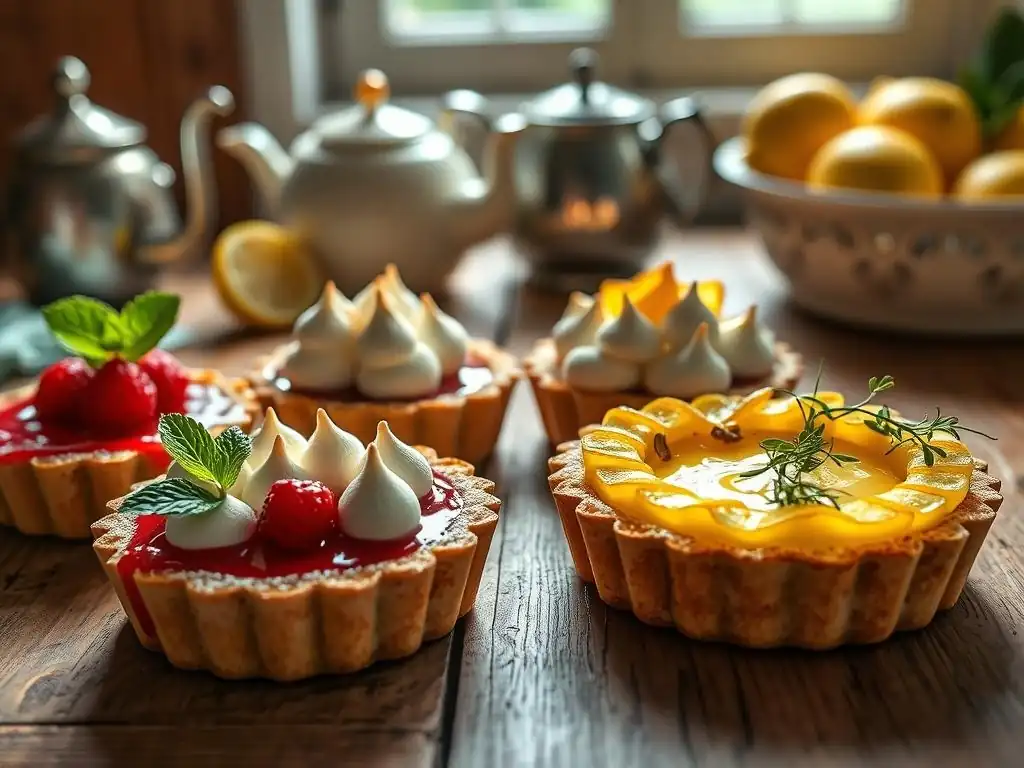
Lemon Tarts, with their often firmer curd and crisp pastry crust, lend themselves to several creative serving styles beyond the traditional slice. These approaches can highlight the different textures and components of the tart in innovative ways.
One popular modern technique is the deconstructed tart, where the elements (curd, crust, toppings) are presented separately on the plate. This allows diners to appreciate each component individually before combining them. Another idea is to layer components in a glass to create a tart parfait, offering a delightful mix of textures in every spoonful.
Deconstructed Tart Presentation: A Modern Twist
Deconstructing a Lemon Tart involves separating its core components – the lemon curd, the pastry crust, and any desired cream pie topping recipes or garnishes – and arranging them artfully on a plate. This presentation style is popular in contemporary restaurants and can easily be replicated at home for a sophisticated look.
Instead of baking the curd in a full tart shell, you might bake the pastry crust separately as small discs or shards. The lemon curd can be piped onto the plate or served as a quenelle. Crumbled crust pieces are scattered for texture. Add dollops of whipped cream, fresh berries, or candied lemon peel as garnishes. This allows for a dynamic arrangement that highlights the quality of each element.
Layered Tart Parfaits: Combining Textures and Flavors
Transforming a Lemon Tart into a parfait creates an attractive layered dessert served in a glass. This is an excellent way to incorporate various textures and flavours into each bite. Start with crumbled tart crust at the bottom of a clear glass or jar.
Next, layer spoonfuls of lemon curd, followed by a layer of whipped cream or Greek yogurt for richness and contrast. Repeat the layers, perhaps adding fresh berries, toasted nuts, or cookie crumbles between layers. Finish with a final dollop of cream and a garnish. This creates a visually appealing dessert that offers a delightful mix of smooth curd, crisp crust, and creamy topping.
Tart Crumbles and Croutons: Adding Crunch
Utilizing tart crust as a separate textural element is a key aspect of creative Lemon Tart serving. Excess or broken tart shells can be crumbled and toasted further to create crunchy "tart croutons." These provide a satisfying textural contrast to the smooth lemon curd.
Simply break leftover tart pastry into small pieces and bake them on a tray until golden and crisp. These crumbles or croutons can be scattered over plated tart slices, used as a layer in a parfait, or served alongside a deconstructed tart. They ensure that the buttery, crisp element of the tart is present and enjoyable in every creative presentation style.
Pairing Key Lime Pie and Lemon Tarts with Complementary Flavors
The bright, tangy nature of Key Lime Pie and Lemon Tarts makes them excellent candidates for pairing with beverages and other dessert elements that can complement or contrast their flavours. Thoughtful pairings can enhance the overall dining experience.
Consider beverages like coffee, tea, or even certain wines that can cleanse the palate or echo flavour notes in the dessert. Incorporating slices or portions of these pies into larger dessert boards or platters allows them to be enjoyed alongside other sweet treats, offering guests a variety of options.
Coffee and Tea Pairings for Pies
Coffee, especially a medium roast, can offer a robust counterpoint to the sweetness and tartness of these pies. The slight bitterness of the coffee can balance the sugar in the dessert, while its warmth contrasts with a chilled pie. A classic espresso or a pour-over coffee provides a clean finish after each bite.
For tea lovers, several options work well. A black tea like Earl Grey, with its bergamot notes, complements the citrus in Lemon Tart beautifully. Green tea offers a refreshing palate cleanser. Herbal teas like chamomile or mint can provide a calming, fragrant finish after enjoying a slice of Key Lime Pie.
Wine and Dessert Pairings for Tarts
Pairing wine with dessert can be tricky, as the wine should be sweeter than the dessert itself. For Lemon Tarts, consider a sweet dessert wine like a French Sauternes or a late-harvest Riesling. These wines often have honeyed and sometimes citrusy notes that echo the tart's flavours while providing enough sweetness to stand up to the lemon curd.
For Key Lime Pie, a Moscato d'Asti, with its light fizziness and sweet, peachy notes, can be a refreshing match. Alternatively, a fortified wine like a chilled Fino Sherry can offer an interesting nutty complexity that contrasts nicely with the pie's tartness. Always serve dessert wines slightly chilled.
Incorporating Pies and Tarts into Dessert Boards
Dessert boards are increasingly popular, offering a visually abundant and varied sweet experience. Key Lime Pie and Lemon Tart slices or mini versions can be a stunning centerpiece or a key component of such a board. Arrange them alongside other complementary desserts and elements.
Think about including fresh berries, clusters of grapes, small cookies (like shortbread or macarons), pieces of chocolate, nuts, and perhaps small dishes of cream pie topping recipes like whipped cream or fruit coulis for dipping or dolloping. This allows guests to sample different items and create their own perfect bites, making the pies part of a larger, interactive dessert experience.
Tips for Maintaining Pie and Tart Freshness
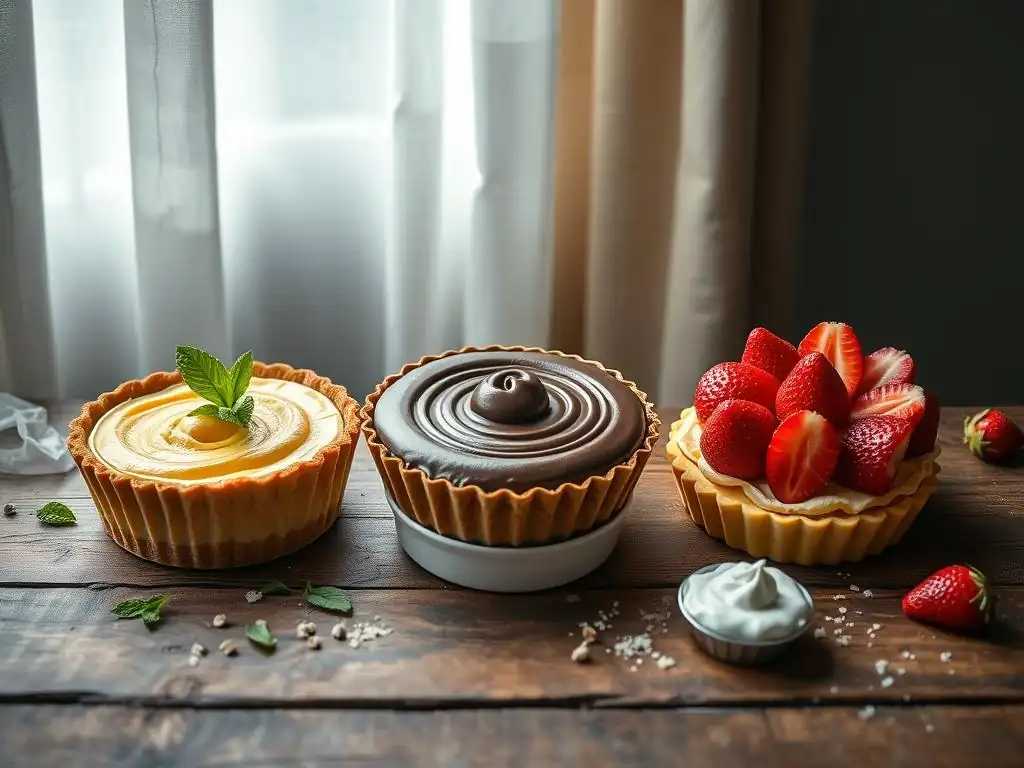
Proper storage is key to ensuring your Key Lime Pie and Lemon Tart remain delicious and appealing. Both pies, due to their dairy and egg-based fillings, should be stored in the refrigerator. Cover them loosely with plastic wrap or aluminum foil once they have cooled completely to prevent them from drying out or absorbing odors.
Generally, these pies and tarts are best consumed within 2-3 days of baking for optimal flavour and texture. While they might be safe to eat for a bit longer, the quality of the crust and filling can deteriorate over time. Always trust your senses – if the pie looks or smells off, it's best not to consume it.
Proper Storage Techniques
After baking and allowing the pie or tart to cool completely on a wire rack, it's crucial to refrigerate it promptly. Leaving it at room temperature for extended periods (more than two hours) can risk bacterial growth due to the perishable filling ingredients.
For a whole pie or tart, cover it loosely with plastic wrap or aluminum foil. Avoid pressing the wrap directly onto the surface, especially if it has a delicate topping like whipped cream or meringue, as this can damage it. If storing individual slices, place them in an airtight container with a piece of parchment paper between layers if stacking. This protects them from drying out and keeps them fresh for those future moments when you crave a slice with your favorite cream pie topping recipes.
Preventing Soggy Crusts
A common challenge with cream pies and tarts, especially those with a pastry crust, is preventing the bottom crust from becoming soggy from the moisture in the filling. One effective technique is blind baking the crust before adding the filling. This involves partially or fully baking the empty pie shell weighted down with pie weights or dried beans.
For fillings that require baking within the crust, you can brush the bottom of the partially baked crust with a thin layer of egg white or melted butter before adding the filling. This creates a barrier that helps seal the crust and slow down moisture absorption during the final bake. Serving the pie within a day or two of baking also minimizes the time the crust is in contact with the moist filling.
Serving at the Optimal Temperature
The ideal serving temperature for Key Lime Pie and Lemon Tart is typically chilled, directly from the refrigerator. Chilling helps the filling set properly, resulting in clean slices and a firm texture. The cold temperature also enhances the refreshing, tangy quality of the citrus filling, making it particularly enjoyable after a meal.
While serving straight from the fridge is standard, allowing the pie or tart to sit at room temperature for 10-15 minutes before cutting can slightly soften the filling and crust, which some people prefer. However, avoid leaving it out for too long, especially in warm environments, to maintain food safety and the integrity of the pie's structure and any delicate cream pie topping recipes.
Conclusion: Inspiring Your Pie and Tart Creations
Key Lime Pie and Lemon Tart are timeless desserts that offer endless possibilities for creative expression. By exploring different cream pie topping recipes, embracing innovative serving techniques, and paying attention to presentation details, you can transform these beloved classics into truly memorable culinary experiences.
Whether you opt for classic whipped cream enhancements, unique flavour combinations, or modern deconstructed presentations, the goal is to highlight the delicious qualities of the pie or tart while adding your personal touch. So, next time you bake a Key Lime Pie or Lemon Tart, think beyond the basic slice and let your creativity shine in how you serve it.
Embracing Creativity in Baking
Baking is not just about following a recipe; it's an art form that allows for personal flair and creativity. Experimenting with different cream pie topping recipes, garnishes, and plating styles is a wonderful way to make your baked goods uniquely yours. Don't be afraid to try new combinations or adapt ideas to suit your taste and the occasion.
The process of thinking creatively about presentation can also deepen your understanding of flavours and textures. Consider how a crunchy crumble contrasts with a smooth filling, or how a vibrant sauce enhances the visual appeal. Each element contributes to the overall sensory experience, inviting you and your guests to savor every bite of your carefully crafted pie or tart.
Frequently Asked Questions
What are some unusual toppings I can use to elevate my cream pie?
Consider adding toasted coconut flakes, candied citrus peels, or even a sprinkle of sea salt to enhance the flavor and texture of your cream pie. These unexpected additions can really make your dessert stand out.
Can I prepare cream pie toppings in advance?
Yes, many toppings like whipped cream or chocolate shavings can be prepared a day ahead. Store them properly in the refrigerator to maintain their freshness and prevent spoilage. Fruit compotes can also be made ahead.
How can I prevent my cream pie topping from becoming soggy?
To prevent a soggy topping, avoid adding it too far in advance. Also, consider using a stabilized whipped cream or a layer of melted chocolate as a barrier between the filling and the topping.
What are some ways to make my cream pie topping visually appealing?
Use a piping bag to create decorative swirls or rosettes with whipped cream. You can also arrange fresh fruit in an artistic pattern or sprinkle with edible glitter for extra flair.
What are some non-traditional cream pie fillings that would pair well with unique toppings?
Try experimenting with fillings like lavender-infused cream, earl grey tea custard, or spiced pumpkin puree. These unusual bases offer a great canvas for trying new and exciting topping combinations.
Final Reflection: Sweetening the Everyday with Creative Cream Pie
The art of the cream pie, far from being a relic of the past, is experiencing a vibrant resurgence. We've explored countless ways to elevate this classic dessert, moving beyond simple whipped cream and venturing into a world of innovative toppings that transform a simple pie into a culinary masterpiece. The possibilities, as we've seen, are truly endless.
This journey through creative cream pie toppings has not only broadened my own culinary horizons but has also highlighted the enduring power of simple pleasures. The act of creating something beautiful and delicious, whether it's a meticulously crafted fruit compote or a decadent chocolate ganache, offers a profound sense of satisfaction. It's a reminder that even the most familiar dishes can be infused with creativity and personal expression. The best things in life are simple, but not easy.
This quote perfectly encapsulates the spirit of this exploration – the simplicity of the cream pie base contrasted with the effort and artistry involved in creating truly exceptional toppings.
Now, it's your turn. Don't be afraid to experiment! Let the recipes within this article serve as a springboard for your own culinary adventures. Try a new combination, adapt a technique, and most importantly, have fun. The next time you bake a cream pie, remember the power of a thoughtfully crafted topping to transform a classic into something truly special – a testament to your creativity and a delicious treat for yourself and those you share it with.
Unleash Your Inner Pastry Chef!
Thanks for joining us on this creamy journey through the world of pies and tarts! We hope you've discovered some delicious new serving ideas to elevate your baking game. Ready to take your creations to the next level?
- Showcase your masterpiece: Try one of the suggested serving styles from the article – the unexpected presentation will wow your guests!
- Share your success: Snap a picture of your beautifully served pie or tart and share it on social media using #BakeWithEaseCreamyCreations – let's inspire each other!
- Explore new flavor combinations: Experiment with the techniques and ingredient ideas we discussed to create your own unique signature dessert.
What innovative serving idea will you try first, and what delicious flavor combinations are you dreaming up?