
Tangy Lemon Custard Tart with a Zesty Twist

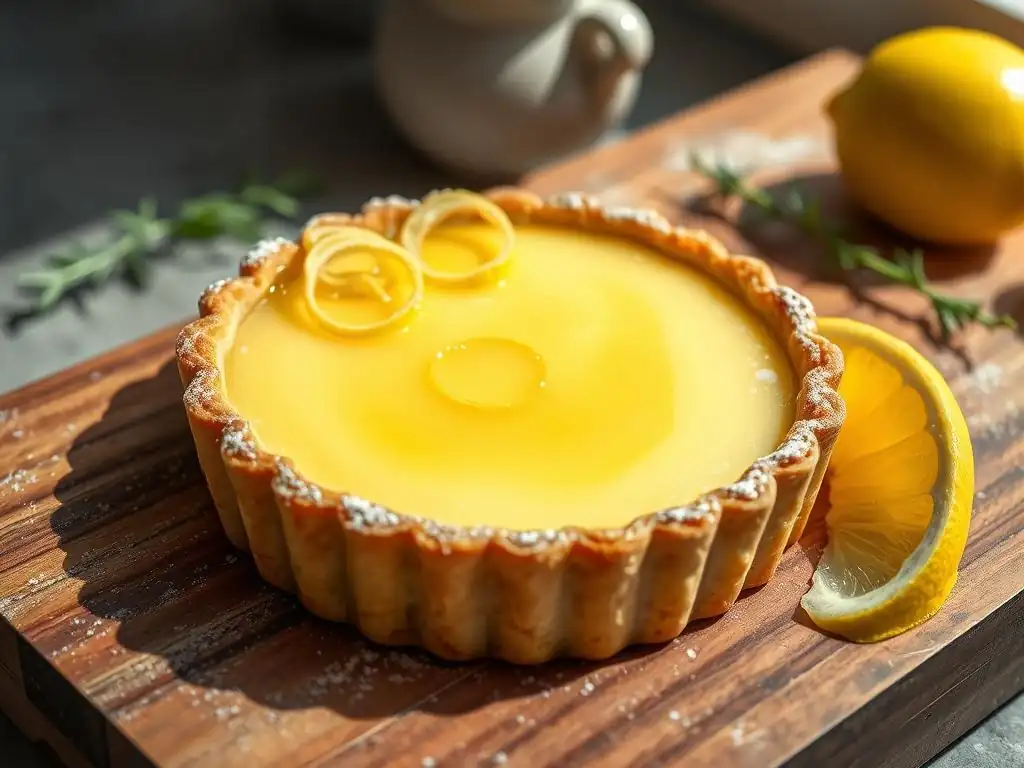
Welcome to BakeWithEase, your culinary companion in the delightful world of baking! Ever dreamt of creating a dessert that's both refreshingly tangy and effortlessly elegant? Then prepare to be captivated. Today, we're diving into the secrets of crafting an Easy Tangy Lemon Custard Tart, a pastry that's guaranteed to brighten any occasion. But what makes this tart truly special? Read on to discover the zesty twist that elevates this classic to a new level of deliciousness...
- Easy Tangy Lemon Custard Tart with a Zesty Twist
- Introduction: A Bright and Easy Lemon Tart Recipe
- Mastering the Lemon Custard Tart: Ingredients and Equipment
- Step-by-Step Guide to Baking Your Tangy Lemon Custard Tart
- Achieving the Perfect Tangy Lemon Flavor Profile
- Tips and Tricks for a Flawless Lemon Custard Tart
- Serving and Storing Your Easy Tangy Lemon Custard Tart
- Variations and Adaptations: Customize Your Lemon Tart
- Conclusion: Enjoy Your Homemade Tangy Lemon Custard Tart
-
Frequently Asked Questions
- How easy is the Tangy Lemon Custard Tart to make for a beginner baker?
- What makes this Tangy Lemon Custard Tart stand out from other lemon tart recipes?
- What kind of ingredients do I need to make the Tangy Lemon Custard Tart?
- Can I substitute any ingredients in the Tangy Lemon Custard Tart recipe?
- How do I prevent the Tangy Lemon Custard Tart crust from becoming soggy?
- Final Reflection: The Enduring Allure of a Simple Tart
- Unleash Your Inner Pastry Chef!
Easy Tangy Lemon Custard Tart with a Zesty Twist
Introduction: A Bright and Easy Lemon Tart Recipe
Why This Tangy Lemon Custard Tart Will Become Your New Favorite
Baking a truly stellar lemon tart might sound daunting, but this easy tangy lemon custard tart recipe is designed to be approachable for bakers of all skill levels. What sets this version apart is its perfect balance of vibrant acidity and creamy sweetness, creating a dessert that's both refreshing and indulgent. Unlike some overly sweet or bland versions, this recipe delivers a genuinely tangy punch from fresh lemons, encased in a delicate, flaky crust. It’s the kind of dessert that brightens any table and is surprisingly simple to execute once you understand a few key techniques.
Imagine slicing into a tart where the filling is smooth, bright yellow, and has just the right wobble, complemented by a crisp, buttery base. This isn't just a theoretical ideal; it's entirely achievable with the steps outlined here. The beauty of this easy tangy lemon custard tart lies in its simplicity and reliance on fresh, high-quality ingredients. It requires minimal fuss but yields maximum flavor payoff, making it an ideal choice for a weeknight treat or a special occasion dessert. You'll find yourself returning to this reliable recipe again and again.
The Ultimate Guide to Lemon Tart Perfection
Creating the perfect lemon tart involves understanding the interplay between the crust and the filling, and mastering a few basic techniques. This guide breaks down the process into manageable steps, ensuring that even if you've never made a tart before, you can achieve beautiful and delicious results. We'll cover everything from selecting the right ingredients to troubleshooting common issues like soggy bottoms or cracked custard. The goal is to demystify the process and empower you to bake with confidence.
This comprehensive guide goes beyond just listing ingredients and instructions. It delves into the why behind each step – why blind baking is crucial, why temperature control is vital for the custard, and how to coax the most vibrant flavor from your lemons. Whether you're aiming for a classic, smooth finish or experimenting with extra zest, this resource will equip you with the knowledge needed to customize and perfect your easy tangy lemon custard tart. By the end, you'll have the skills to create a dessert that rivals any bakery creation.
Mastering the Lemon Custard Tart: Ingredients and Equipment
Key Ingredients for the Perfect Tangy Lemon Filling
The magic of a truly delicious tangy lemon custard tart lies in the quality and freshness of its core ingredients. While the recipe itself is straightforward, choosing the best components makes a significant difference in the final flavor and texture. We're aiming for a filling that is bright, intensely lemony, smooth, and creamy – not overly sweet or artificial tasting.
Success starts with the fundamentals. Using fresh, ripe lemons is non-negotiable, as bottled juice simply won't deliver the same vibrant zest and tang. Similarly, high-quality dairy and eggs contribute significantly to the custard's richness and silken texture. Think of these ingredients as the building blocks; investing in good ones ensures a superior foundation for your easy tangy lemon custard tart.
Fresh Lemons: The Secret to a Vibrant Flavor
Fresh lemons are the heart and soul of an easy tangy lemon custard tart. Their juice provides the essential acidity and brightness, while the zest contains aromatic oils that contribute a complex, fragrant layer of flavor. Using fresh lemons means you get both the sharp tang and the subtle floral notes that define a great lemon dessert. The average large lemon yields about 2-3 tablespoons of juice and about 1 tablespoon of zest, though this varies. For a typical 9-inch tart requiring about 1/2 cup of juice and 2-3 tablespoons of zest, you'll likely need 3-4 good-sized lemons.
When selecting lemons, look for ones that are firm, heavy for their size (indicating juiciness), and have bright, unblemished skin. Organic lemons are often preferred, especially when using the zest, to avoid pesticides. Remember to wash and dry the lemons thoroughly before zesting. The zest should be removed carefully, avoiding the bitter white pith underneath. This simple step is crucial for achieving that signature vibrant flavor in your easy tangy lemon custard tart.
High-Quality Butter and Eggs: Building the Rich Custard Base
Butter and eggs are foundational to the creamy, rich texture of the custard filling in an easy tangy lemon custard tart. Eggs act as the primary thickener, creating a smooth, set custard when heated gently. Using large, fresh eggs ensures proper emulsification and structure. A typical 9-inch tart might use 3-4 large eggs plus a couple of yolks for extra richness. The yolks contribute fat and lecithin, resulting in a silkier, more luxurious mouthfeel.
High-quality unsalted butter adds richness and helps create a smooth finish. It's typically melted and whisked into the warm custard base. Using unsalted butter allows you to control the salt level in the recipe. The fat from both the egg yolks and butter enriches the tartness of the lemon, preventing it from being overwhelmingly sour and contributing to the overall creamy texture that defines a delicious lemon custard tart.
Granulated Sugar: Providing Sweetness and Structure
Granulated sugar plays a dual role in an easy tangy lemon custard tart: it provides essential sweetness to balance the sharp acidity of the lemon, and it contributes to the structure and texture of the custard. The amount of sugar is critical; too little, and the tart will be excessively sour; too much, and it becomes cloyingly sweet, masking the delicate lemon flavor. A standard 9-inch tart recipe might call for anywhere from 1 cup to 1.5 cups of sugar, depending on the desired level of tanginess.
When sugar is heated with the other custard ingredients, it dissolves and interacts with the proteins in the eggs, helping the custard set properly. It also contributes to the shiny, smooth appearance of the finished filling. Getting the sugar balance right is key to achieving the perfect harmony between sweet and tangy that makes this easy tangy lemon custard tart so appealing.
Heavy Cream: Adding Richness and Smoothness
Heavy cream is a crucial addition to the lemon custard filling, elevating its richness and contributing significantly to its velvety smoothness. While some lemon curd recipes rely solely on butter for richness, incorporating heavy cream (or sometimes a mix of cream and milk) results in a lighter, more elegant texture that is characteristic of a true custard tart. The fat content in heavy cream helps to soften the set of the egg proteins, preventing the custard from becoming rubbery or dense.
Adding about 1/2 cup to 1 cup of heavy cream to the mixture provides a luxurious mouthfeel that beautifully complements the bright lemon flavor. It helps create that desirable gentle wobble in the finished tart and contributes to a pale, sunny yellow color. Using cold heavy cream initially can also help cool down the cooked mixture slightly before pouring it into the crust, which can be beneficial for preventing cracking.
Essential Baking Equipment for a Smooth Process
Having the right tools makes the process of baking an easy tangy lemon custard tart much smoother and increases your chances of success. While you don't need a professional kitchen setup, a few key pieces of equipment are highly recommended. These tools help ensure accuracy, even cooking, and proper texture development for both the crust and the filling.
Investing in good quality basic baking equipment pays off in consistently better results. From measuring ingredients precisely to baking the tart evenly, these tools streamline the process and help you avoid common pitfalls, making your journey to a perfect easy tangy lemon custard tart much more enjoyable.
Tart Pan Essentials: Choosing the Right Size and Material
A proper tart pan is essential for achieving the classic look and easy serving of an easy tangy lemon custard tart. Tart pans typically have fluted sides and a removable bottom, which makes releasing the finished tart effortless and preserves the beautiful edge. The most common size is a 9-inch round pan, which usually holds enough filling to serve 8-10 people. However, 8-inch pans or even individual mini tart pans can also be used, adjusting baking times accordingly.
Tart pans are usually made of metal, which conducts heat efficiently for even baking of the crust. Pans with a dark finish tend to brown the crust more quickly than light-colored pans. Ensure your pan is clean and consider lightly greasing it, although many recipes for buttery crusts don't strictly require it if the pan is non-stick or well-seasoned. The removable bottom is the key feature, allowing you to slide the finished tart onto a serving plate without damaging the delicate crust.
Reliable Oven Thermometer: Ensuring Even Baking
Oven temperature accuracy is surprisingly variable, and using a reliable oven thermometer is one of the simplest ways to improve your baking consistency, especially when making delicate items like an easy tangy lemon custard tart. Ovens can often be off by as much as 25-50°F (around 15-30°C) from the setting on the dial. This discrepancy can significantly impact baking time and the final texture of both the crust and the custard.
For blind baking the crust, an accurate temperature ensures it bakes through and gets properly golden without burning. For the custard filling, baking at a precise, often lower, temperature (typically around 300-325°F or 150-160°C) is crucial for a smooth, non-cracked finish. An oven thermometer placed inside the oven allows you to know the true temperature, enabling you to adjust your oven dial as needed for perfect results every time you bake your easy tangy lemon custard tart.
Kitchen Scale: Ensuring Accurate Measurements
While measuring cups are common, using a kitchen scale for dry ingredients, and especially for flour, is the most accurate way to bake. Flour can compress in a measuring cup, leading to significant variations in the amount used from one baker to another. Just a few grams too much flour can result in a tough crust, while too little can make the dough difficult to handle. Accuracy is paramount for consistent results, particularly in baking where chemistry plays a big role.
Most recipes provide measurements in both volume (cups) and weight (grams or ounces). For best results with your easy tangy lemon custard tart crust, measure your flour and butter by weight. For example, 1 cup of all-purpose flour can weigh anywhere from 120 to 140 grams depending on how it's scooped and leveled. Using a scale ensures you are using the exact amount intended by the recipe developer, leading to a perfectly tender and flaky crust every time.
Fine Mesh Sieve: Achieving a Silky Smooth Filling
A fine mesh sieve is an indispensable tool for achieving the signature silky smooth texture of a perfect lemon custard filling. After cooking the custard base on the stovetop, it's highly recommended to strain the mixture through a fine sieve before pouring it into the tart shell. This step removes any small bits of cooked egg that may have formed, as well as any unincorporated zest particles, ensuring a perfectly smooth and homogenous custard.
Even if you cook the custard gently and whisk constantly, tiny protein clumps can form. Straining takes just a moment but makes a dramatic difference in the final texture of your easy tangy lemon custard tart. It's a simple technique that elevates the quality of the filling from good to exceptional, providing that luxurious mouthfeel that is so desirable in a classic custard tart.
Step-by-Step Guide to Baking Your Tangy Lemon Custard Tart
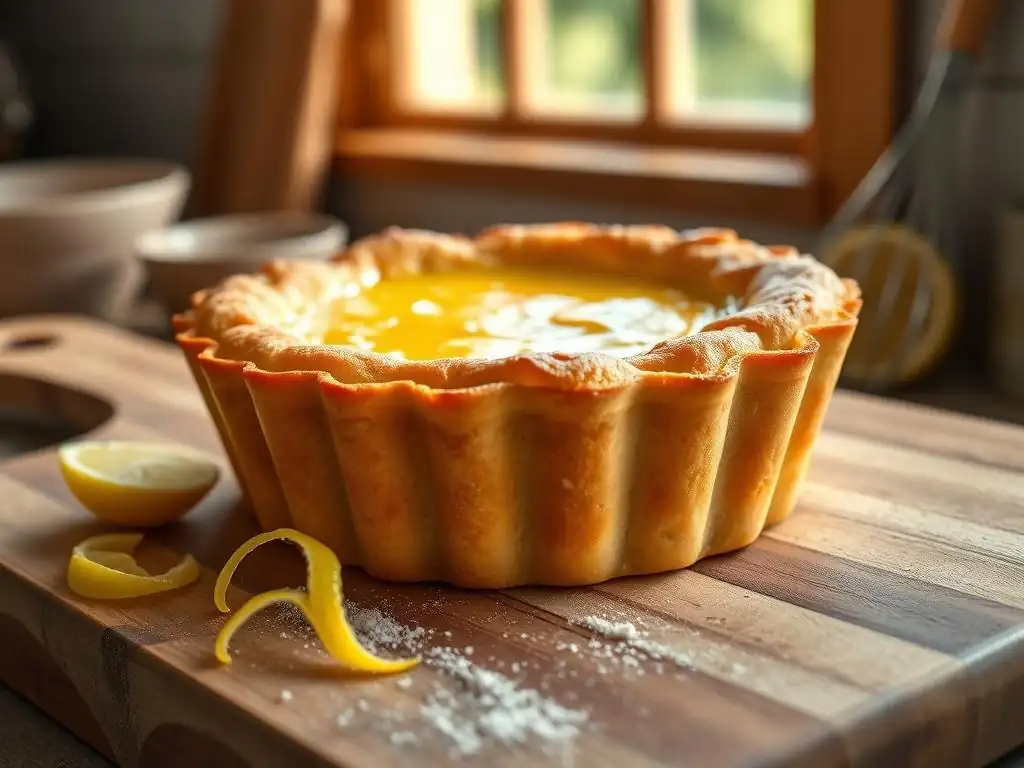
Part 1: Crafting the Perfect Tart Crust
A great tangy lemon custard tart starts with a great crust. The ideal tart crust is buttery, flaky, and tender, providing a delightful contrast to the smooth, creamy filling. Making tart dough is similar to making pie dough, focusing on keeping ingredients cold and handling the dough minimally to prevent toughness. The goal is to create layers of butter within the dough that expand and create flakiness as they bake.
Mastering the tart crust is perhaps the most challenging part for beginners, but with a few simple tricks, you can achieve bakery-quality results. Keeping your butter and water very cold is key, as is resisting the urge to overwork the dough. Resting the dough in the refrigerator is also crucial, allowing the gluten to relax and the fat to firm up, making it easier to roll and resulting in a more tender baked crust for your easy tangy lemon custard tart.
Making the Dough: Tips for a Flaky and Tender Crust
Creating a flaky and tender tart crust for your easy tangy lemon custard tart relies on a few key principles. Start with very cold ingredients – cold butter cut into small cubes and ice water. The cold butter is cut into the flour until the mixture resembles coarse crumbs with some pea-sized pieces of butter remaining. These butter pieces are what create the flaky layers during baking. Overmixing at this stage will result in a tough crust.
Once the butter is incorporated, add ice water, one tablespoon at a time, mixing just until the dough comes together. It should be moist enough to hold its shape but not sticky. Typically, a 9-inch tart crust uses around 1.5 cups (about 180g) of flour and about 1/2 cup (about 115g) of cold butter, requiring maybe 2-4 tablespoons of ice water.
Form the dough into a disc, wrap it tightly, and chill it in the refrigerator for at least 30-60 minutes. This chilling period is essential for relaxing the gluten and firming the butter, making the dough easier to roll and ensuring a tender, flaky crust when baked.
Blind Baking: Preventing a Soggy Bottom
Blind baking, or pre-baking, the tart crust is a critical step when making a wet-filled tart like an easy tangy lemon custard tart. Since the custard filling is liquid and doesn't require a long baking time to set, pouring it into an unbaked or partially baked crust would result in a soggy, unappetizing bottom. Blind baking ensures the crust is fully cooked and sturdy enough to hold the filling without becoming saturated.
To blind bake, line the chilled dough in the tart pan with parchment paper or foil and fill it with pie weights, dried beans, or rice. This prevents the crust from shrinking or bubbling up during baking. Bake in a preheated oven, often around 375°F (190°C), for about 15-20 minutes with the weights, then remove the weights and paper and bake for another 10-15 minutes, or until the crust is golden brown and cooked through. This creates a firm, golden base ready to receive the tangy lemon custard filling.
- [ ] Combine flour, butter, sugar, and salt; cut in cold butter until crumbly.
- [ ] Add ice water, mixing until dough just comes together.
- [ ] Form dough into a disc, wrap, and chill for at least 30 minutes.
- [ ] Roll out dough and press into tart pan.
- [ ] Chill pan again for 15-30 minutes.
- [ ] Line chilled crust with parchment/foil and fill with pie weights.
- [ ] Blind bake at 375°F (190°C) for 15-20 minutes.
- [ ] Remove weights and paper; bake for another 10-15 minutes until golden.
Part 2: Preparing the Zesty Lemon Custard Filling
The heart of the easy tangy lemon custard tart is its vibrant, smooth filling. This section guides you through combining the key ingredients to achieve that perfect balance of intense lemon flavor and creamy texture. The process involves gently cooking the mixture to thicken the eggs without scrambling them, a step that requires patience and attention.
Getting the filling right is crucial for the overall success of the tart. We want a filling that is bright yellow, sets firmly but remains creamy, and delivers a powerful burst of tangy lemon flavor. Careful whisking and gentle heat are your allies in this process, ensuring a perfectly smooth and luscious custard for your easy tangy lemon custard tart.
Zesting and Juicing: Extracting Maximum Lemon Flavor
Extracting the maximum flavor from your fresh lemons is the first step to a truly zesty and tangy lemon custard filling. Start by zesting the lemons before you juice them – it's much easier to zest a whole, firm lemon. Use a microplane or a fine grater to remove only the bright yellow part of the peel, avoiding the bitter white pith underneath. Aim for about 2-3 tablespoons of finely grated zest for a standard 9-inch tart. This zest is packed with aromatic oils that infuse the custard with intense lemon essence.
After zesting, juice the lemons. Rolling the lemons on a counter under the palm of your hand for a few seconds before cutting them can help yield more juice. You'll need about 1/2 cup (120ml) of fresh lemon juice. Strain the juice through a fine-mesh sieve to remove any seeds or pulp. The combination of fresh zest and juice provides the complex, bright, and tangy flavor that defines a great easy tangy lemon custard tart.
Combining the Ingredients: Achieving a Silky Smooth Texture
Achieving a silky smooth texture in your lemon custard filling requires careful combining and gentle cooking of the ingredients. The base of the custard typically involves whisking together eggs, sugar, lemon zest, and lemon juice. Some recipes add melted butter or heavy cream at this stage, while others incorporate them later. Whisking these ingredients together thoroughly ensures the sugar dissolves and the mixture is homogenous before heating.
The mixture is then typically heated over low to medium heat, often in a double boiler or a saucepan set over simmering water, whisking constantly. The goal is to gently cook the egg proteins until the custard thickens enough to coat the back of a spoon (reaching about 170-175°F or 77-79°C). Overheating will scramble the eggs, resulting in a lumpy texture.
Once thickened, remove from heat and whisk in cold butter, piece by piece, until melted and smooth. Finally, strain the warm custard through a fine-mesh sieve to remove any potential lumps or zest, ensuring that signature silky smooth texture for your easy tangy lemon custard tart.
- [ ] Whisk eggs, sugar, lemon zest, lemon juice, and cream (if adding now) in a saucepan or double boiler.
- [ ] Heat mixture gently over low heat, whisking constantly, until thickened to coat a spoon.
- [ ] Remove from heat; whisk in cold butter until melted and smooth.
- [ ] Strain warm custard through a fine mesh sieve.
Part 3: Assembling and Baking the Tart
With the crust blind-baked and the custard filling prepared, the final steps involve assembling and baking the easy tangy lemon custard tart to perfection. This stage is relatively quick, as the goal is simply to set the custard gently within the pre-baked shell. Careful handling and precise temperature control are key to achieving a beautiful, unblemished surface on your tart.
Ensuring the custard bakes evenly without cracking is the primary focus here. A lower oven temperature and gentle baking are essential. This final bake transforms the liquid custard into a delicate, set filling that holds its shape when sliced, completing your delicious easy tangy lemon custard tart.
Pouring the Custard: Filling the Pre-Baked Crust
Once your blind-baked tart crust has cooled slightly (it doesn't need to be completely cold, just not piping hot), it's ready to be filled with the prepared lemon custard. Place the pre-baked tart shell on a baking sheet – this makes it easier to transfer in and out of the oven, especially with a liquid filling. Gently pour the strained lemon custard filling into the warm crust, filling it almost to the brim. Pouring slowly and steadily helps prevent air bubbles.
If you notice any small bubbles on the surface after pouring, you can gently pop them with a toothpick or the tip of a knife to ensure a smooth finish. The baking sheet provides stability and catches any potential spills, making the assembly and baking process of your easy tangy lemon custard tart much cleaner and safer. Ensure the custard is evenly distributed across the tart shell.
Baking Time and Temperature: Avoiding Cracking and Over-Browning
Baking the lemon custard tart requires a delicate touch to set the filling without overcooking it, which can lead to cracking or a rubbery texture. The key is a relatively low oven temperature, typically between 300°F and 325°F (150°C to 160°C). Baking at a lower temperature allows the custard to heat through and set slowly and evenly. High heat can cause the edges to set too quickly while the center is still liquid, leading to tension and cracking as it bakes and cools.
Bake the tart for approximately 20-35 minutes, depending on the size of the tart and your oven. The tart is ready when the edges are set, and the center is still slightly wobbly when gently shaken. It will continue to set as it cools.
Over-baking is the main culprit for cracks, so err on the side of slightly under-baked; the residual heat will finish the job. Keep an eye on the tart, and if the crust edges start to brown too much, you can loosely cover them with foil. This careful baking ensures a perfectly set and smooth easy tangy lemon custard tart.
- [ ] Place pre-baked crust on a baking sheet.
- [ ] Gently pour strained lemon custard filling into the crust.
- [ ] Bake at 300-325°F (150-160°C) for 20-35 minutes.
- [ ] Tart is done when edges are set and center is slightly wobbly.
Achieving the Perfect Tangy Lemon Flavor Profile
The defining characteristic of this easy tangy lemon custard tart is its bold, bright lemon flavor balanced by sweetness and richness. Achieving this perfect equilibrium is an art form, but thankfully, it's one that's easily mastered with a little attention to your ingredients and technique. We're aiming for a tartness that makes your taste buds sing, not pucker excessively, complemented by just enough sweetness to make it a delightful dessert.
Beyond the basic ingredients, there are ways to enhance and customize the lemon flavor profile. Whether you prefer a subtler hint of lemon or an intensely zesty experience, understanding how to manipulate the ingredients allows you to tailor the easy tangy lemon custard tart to your personal preference.
Balancing Sweetness and Acidity in Your Lemon Tart
The balance between the sugar and the lemon juice is paramount in an easy tangy lemon custard tart. Too little sugar, and the tart will be overwhelmingly sour; too much, and the vibrant lemon flavor gets lost in cloying sweetness. The amount of sugar needed also depends on the tartness of your specific lemons, which can vary. A good starting point is a ratio that results in a mixture that tastes quite tangy but not unpleasantly so before baking.
You can slightly adjust the sugar level to your preference. If you love a very tangy tart, reduce the sugar by a tablespoon or two. If you prefer it sweeter, add a bit more. However, significant changes can affect the custard's setting properties, as sugar influences the temperature at which eggs coagulate. For this easy tangy lemon custard tart, the provided recipe aims for a classic balance that is widely appealing, offering a pronounced tang without being overly sharp.
Adding a Zesty Twist: Enhancing the Lemon Flavor
While fresh lemon juice provides acidity, the true "zesty twist" comes from the lemon zest. The zest contains volatile oils that provide the complex, aromatic side of lemon flavor. Incorporating zest correctly can dramatically enhance the overall intensity and brightness of your easy tangy lemon custard tart. There are several ways to ensure you get the most out of your zest.
Using a microplane grater yields very fine zest, which distributes easily throughout the custard and infuses its flavor effectively. You can also infuse the cream or milk component of the custard with lemon zest by gently heating them together and letting them steep before straining and adding to the main mixture. This technique extracts more oil-soluble flavors. For an extra punch, a small amount of finely minced zest can be stirred into the finished custard just before pouring into the crust, adding tiny bursts of intense lemon flavor.
Lemon Zest Infusion Techniques
To maximize the aromatic lemon flavor in your easy tangy lemon custard tart, consider infusing the liquid component of the custard with zest. A common technique is to heat the heavy cream or milk gently in a saucepan with all the lemon zest specified in the recipe. Bring it just to a simmer, then remove from the heat, cover, and let steep for 15-20 minutes. This allows the warmth to extract the flavorful oils from the zest.
After steeping, strain the cream through a fine-mesh sieve, pressing on the solids to extract as much flavor as possible. Discard the solids. Use this lemon-infused cream in your custard recipe as directed. This method provides a deeper, more integrated lemon flavor throughout the filling compared to simply adding the zest directly to the raw mixture. It's a simple step that adds a significant "zesty twist" to your easy tangy lemon custard tart.
Candied Lemon Peel Garnish
For a beautiful presentation and an extra burst of intense, sweet-tart lemon flavor, consider garnishing your easy tangy lemon custard tart with homemade candied lemon peel. This adds both visual appeal and a delightful textural contrast. Candied peel is made by blanching strips of lemon peel multiple times to remove bitterness, then simmering them slowly in a sugar syrup until translucent and tender.
Once cooled, the candied peel can be cut into thin strips or shapes and arranged decoratively on top of the cooled tart just before serving. The process takes some time but results in a stunning and flavorful garnish that perfectly complements the tangy filling. A small amount goes a long way, providing little bites of intense, sweet lemon that elevate the entire easy tangy lemon custard tart experience.
Tips and Tricks for a Flawless Lemon Custard Tart
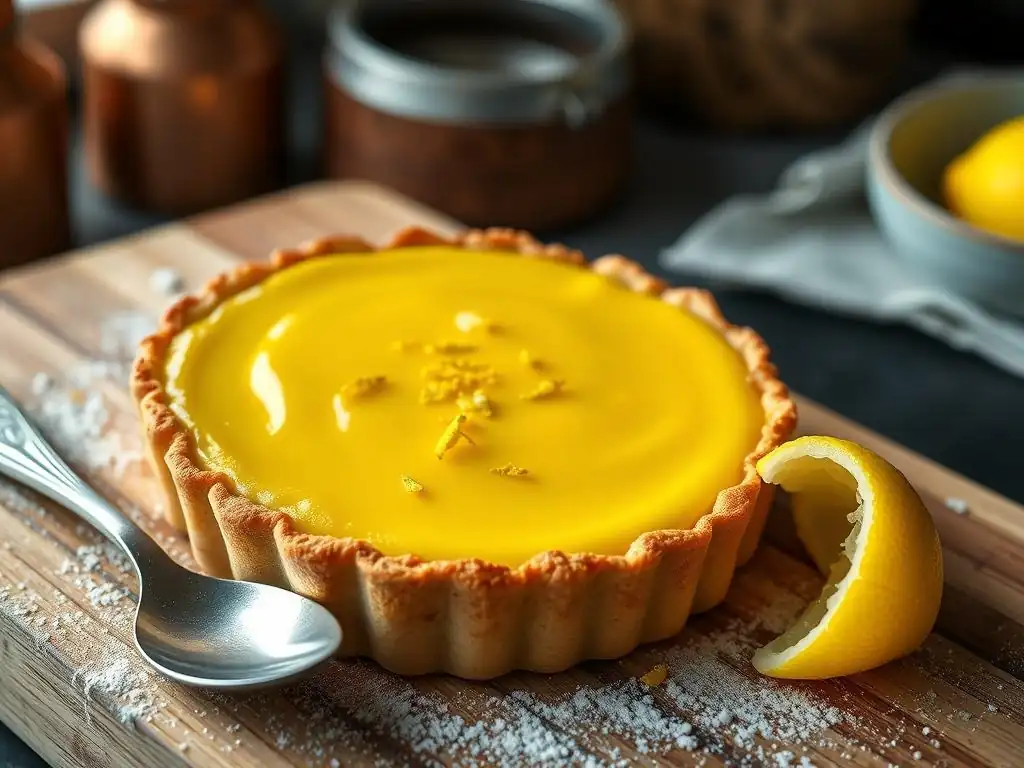
Even with a great recipe for an easy tangy lemon custard tart, baking can sometimes present challenges. Knowing how to anticipate and address common issues can save you frustration and ensure your tart turns out perfectly every time. From preventing a soggy crust to avoiding cracks in the delicate custard, these expert tips cover the most frequent baking hurdles.
These simple tricks are born from experience and understanding the science behind baking. Incorporating them into your process will help you achieve a professional-looking and delicious easy tangy lemon custard tart, making you feel like a seasoned pro in your own kitchen.
Preventing a Soggy Crust: Expert Baking Advice
A soggy bottom is one of the most common and disappointing issues when baking a wet-filled tart like an easy tangy lemon custard tart. The primary cause is the moisture from the filling seeping into an under-baked crust. The best defense against this is thorough blind baking. Ensure your crust is baked until it is deep golden brown across the entire bottom, not just the edges, before adding the filling.
Using a metal tart pan, especially one with a dark finish, helps conduct heat efficiently to the bottom crust. Baking the crust directly on a preheated baking sheet or pizza stone can also provide an extra boost of heat to the bottom. Finally, ensuring the crust is completely cooled before adding the filling can help, though some recipes call for adding warm custard to a warm crust. The most reliable method remains ensuring the crust is fully baked and golden during the blind baking stage.
Avoiding Cracking in the Custard: Temperature Control is Key
Cracks in the surface of a baked lemon custard tart are often caused by over-baking or rapid cooling. The custard is a delicate matrix of proteins that sets at a specific temperature range. If heated too high or for too long, the proteins tighten excessively, causing the surface to pull apart as it cools and contracts. Baking at a low, consistent temperature (300-325°F or 150-160°C) is the most effective way to prevent this.
Another key factor is cooling the tart gradually. Once baked, turn off the oven, prop the door open slightly, and let the tart cool inside for 15-30 minutes before transferring it to a wire rack to cool completely. Avoiding sudden temperature changes minimizes stress on the custard's structure. If a crack does appear, don't despair! It can often be hidden by a decorative dusting of powdered sugar, whipped cream, or fruit garnish, and it doesn't affect the delicious flavor of your easy tangy lemon custard tart.
Troubleshooting Common Lemon Tart Baking Issues
- Custard is lumpy: This usually means the eggs cooked too quickly or at too high a temperature, scrambling slightly. Straining the custard through a fine-mesh sieve before baking is the best way to fix this.
- Crust shrunk during blind baking: This happens if the dough wasn't chilled enough or wasn't weighted down properly during the initial blind bake. Ensure dough is well-chilled and use enough pie weights to fill the pan cavity.
- Tart is difficult to slice cleanly: Ensure the tart is fully chilled before slicing. Lemon custard tart needs several hours (preferably 4-6 or even overnight) in the refrigerator to set completely firm enough for clean slices. Use a sharp knife dipped in hot water and wiped clean between cuts.
- Filling isn't tangy enough: This could be due to using less potent lemons or an incorrect sugar-to-juice ratio. Taste the custard mixture before baking and adjust sugar if needed, keeping in mind changes can affect set. Ensure you used plenty of fresh zest!
Serving and Storing Your Easy Tangy Lemon Custard Tart
Once your easy tangy lemon custard tart is baked and cooled, it's ready to be presented and enjoyed. Proper handling ensures it not only looks beautiful but also maintains its delicious texture and flavor. Serving it correctly can enhance the experience, and knowing how to store leftovers (if there are any!) ensures they remain fresh and delightful.
Lemon tarts are best served chilled, allowing the flavors to meld and the custard to set perfectly. A little thought into presentation can turn a simple tart into a stunning dessert centerpiece.
Presentation Ideas: Making Your Tart Look as Good as it Tastes
A beautifully baked easy tangy lemon custard tart is already quite appealing, but a few simple touches can elevate its presentation. Once the tart is completely cooled and chilled, a light dusting of powdered sugar over the surface adds a classic, elegant finish. You can use a stencil to create a pattern or simply dust the entire surface.
Other popular garnishes include fresh berries (raspberries, blueberries, or strawberries pair wonderfully with lemon), dollops of whipped cream or meringue, or the candied lemon peel discussed earlier. A few fresh mint leaves can add a pop of color. For a rustic look, you can leave the surface plain, showcasing the smooth, vibrant yellow of the custard. Choose a serving plate that complements the tart's color and shape.
Storage Recommendations: Keeping Your Tart Fresh and Delicious
An easy tangy lemon custard tart should always be stored in the refrigerator due to its dairy and egg-based filling. Once it has cooled completely at room temperature, cover it loosely with plastic wrap or aluminum foil, or place it in an airtight container. Proper chilling is also essential for the custard to fully set, making it easier to slice cleanly.
The tart will keep well in the refrigerator for 3-4 days. The crust may soften slightly over time, but the filling should remain delicious. For best quality, consume it within this timeframe. It is generally not recommended to freeze baked lemon custard tarts, as the custard's texture can become watery or grainy upon thawing. Enjoy your chilled, tangy lemon tart straight from the fridge!
Variations and Adaptations: Customize Your Lemon Tart

While the classic easy tangy lemon custard tart is a beloved dessert, the recipe is quite adaptable. You can easily modify it to suit different dietary needs, experiment with different crust flavors, or even swap out the citrus for a different twist. Exploring variations allows you to put your own spin on this classic and discover new favorite combinations.
These adaptations show the versatility of the basic lemon tart structure. Whether you need a gluten-free option or simply want to try something new, the core techniques for creating a smooth custard and a sturdy crust remain the same, making it easy to experiment.
Gluten-Free Lemon Tart: Adapting the Recipe for Dietary Needs
Adapting the easy tangy lemon custard tart for a gluten-free diet primarily involves substituting the flour in the crust. There are many excellent gluten-free flour blends available on the market that can be used as a direct 1:1 substitute for all-purpose flour in tart crust recipes. Look for blends specifically designed for baking or pastry, which often contain a mix of rice flour, tapioca starch, and potato starch.
Alternatively, you can make a gluten-free crust using almond flour or a combination of nut flours and gluten-free grains. Some recipes also use crushed gluten-free cookies or graham crackers mixed with melted butter for a simple press-in crust that requires no rolling. The custard filling itself is naturally gluten-free, so no modifications are needed there. With a good gluten-free crust recipe, you can easily create a delicious and easy tangy lemon custard tart that everyone can enjoy.
Different Crust Options: Exploring Alternative Flavors and Textures
Beyond the classic buttery pastry crust, you can experiment with various other crust options to add different flavors and textures to your easy tangy lemon custard tart. A popular alternative is a graham cracker crust or a digestive biscuit crust, made by crushing the cookies and mixing them with melted butter. These crusts are quick, require no rolling, and offer a slightly sweeter, crumbly texture that contrasts nicely with the tangy filling.
Another option is to flavor the traditional pastry crust. You could add finely ground nuts (like almonds or pecans) to the flour mixture, incorporate citrus zest into the dough itself, or even add a touch of spice like cardamom or ginger for a warm undertone. Using chocolate wafer cookies for a crust creates a dramatic visual contrast and a delicious chocolate-lemon combination. Each crust variation offers a unique take on the classic easy tangy lemon custard tart.
Lime Tart Variation
Easily transform your easy tangy lemon custard tart into a vibrant lime tart by simply substituting fresh lime juice and zest for the lemon. The process remains exactly the same – follow the steps for making the crust and the custard, but use the same volume of fresh lime juice and the corresponding amount of lime zest. Limes tend to be slightly less acidic than lemons but offer a distinct floral and bright flavor profile.
You might find you need a touch less sugar, as limes can sometimes seem less intensely sour than lemons, or you might prefer to keep the sugar level the same for a sharper lime flavor. Taste the mixture before cooking and adjust carefully. Garnish a lime tart with lime slices, zest, or perhaps toasted coconut for a tropical twist. This simple substitution yields a delightful and refreshing variation on the classic easy tangy lemon custard tart.
Conclusion: Enjoy Your Homemade Tangy Lemon Custard Tart
Frequently Asked Questions
How easy is the Tangy Lemon Custard Tart to make for a beginner baker?
The recipe is designed to be beginner-friendly, with clear instructions and easy-to-find ingredients. We focus on simple techniques to achieve a delicious result.
What makes this Tangy Lemon Custard Tart stand out from other lemon tart recipes?
Our recipe includes a "zesty twist" which enhances the lemon flavor. It also utilizes a method for a perfectly smooth custard filling.
What kind of ingredients do I need to make the Tangy Lemon Custard Tart?
The ingredients are commonly available in most grocery stores. You'll need lemons, sugar, eggs, butter, and flour, among other basic baking supplies.
Can I substitute any ingredients in the Tangy Lemon Custard Tart recipe?
While we recommend using the specified ingredients for the best results, some substitutions are possible. For example, you could use gluten-free flour for the crust.
How do I prevent the Tangy Lemon Custard Tart crust from becoming soggy?
Blind baking the crust before adding the filling is crucial to prevent sogginess. Also, ensure the crust is completely cooled before adding the custard.
Final Reflection: The Enduring Allure of a Simple Tart
The seemingly simple act of baking a tangy lemon custard tart resonates far beyond the kitchen; it's a testament to the power of accessible joy. This recipe, designed for ease and deliciousness, proves that extraordinary flavors can emerge from uncomplicated techniques. The bright, zesty notes of the lemon, perfectly balanced by the creamy custard, offer a taste of sunshine, a reminder of the simple pleasures life offers.
The enduring appeal of this classic dessert lies not just in its taste, but in its ability to connect us to something larger than ourselves. Baking, in its essence, is an act of creation, a mindful process that allows us to slow down and appreciate the small details. It's a tradition passed down through generations, a comforting ritual that transcends cultural boundaries. The best things in life are simple,
a sentiment perfectly embodied by this tart. It's a reminder that sometimes, the most profound experiences are found in the simplest of things.
Now, I invite you to embrace the joy of baking. Don't be intimidated by the seemingly complex world of pastry; this recipe is your gateway. Try it, adapt it, share it – let the zesty aroma and delightful taste of this lemon custard tart fill your home with warmth and happiness. Let it be a reminder that even amidst the complexities of life, simple pleasures hold immense power. So, gather your ingredients, preheat your oven, and embark on a culinary adventure that will leave you feeling refreshed and fulfilled.
Here's a Call to Action (CTA) for an article titled "Tangy Lemon Custard Tart with a Zesty Twist" on BakeWithEase.com:
Unleash Your Inner Pastry Chef!
Thanks for joining us on this zesty culinary adventure! We hope you’ve gained the confidence to tackle this delightful lemon tart. Now it's time to put your newfound skills to the test!
- Bake your own Tangy Lemon Custard Tart: Gather your ingredients and follow the recipe – you'll be amazed at how rewarding the process is!
- Share your baking triumph: Post a picture of your creation on social media and tag us @BakeWithEase – we’d love to see your masterpiece!
- Explore more of our lemon-licious recipes: Discover other exciting lemon-based treats on our website for even more baking inspiration.
Ready to transform your kitchen into a sweet haven? What unique twist will you add to your lemon tart?