
Adding Fresh Fruit to Cream Pies: Best Practices


Welcome to BakeWithEase, your trusted guide to baking bliss! Ever wondered how to elevate your cream pies from ordinary to extraordinary? This week, we're diving deep into the secrets of crafting the perfect fresh fruit cream pie filling. Discover the best fruits to use, techniques to prevent soggy crusts, and tips for achieving that irresistible balance of creamy sweetness and fruity tang. Curious to learn more? Let's get baking!
- Adding Fresh Fruit to Cream Pies: Best Practices for BakeWithEase
- Introduction: Elevating Cream Pies with Fresh Fruit
- Choosing the Right Fresh Fruit for Your Cream Pie
- Preparing Fresh Fruit for Cream Pie Filling
- Incorporating Fresh Fruit into Cream Pie Filling: Key Techniques
- Cream Pie Filling Recipes Optimized for Fresh Fruit
- Maintaining the Integrity of Your Fresh Fruit Cream Pie
- Troubleshooting Common Fresh Fruit Cream Pie Problems
- Fresh Fruit Cream Pie Variations and Creative Ideas
- Conclusion: Mastering the Art of Fresh Fruit Cream Pie Filling
- Frequently Asked Questions
- Final Reflection: The Enduring Allure of Fresh Fruit Cream Pies
- Unleash Your Inner Pastry Chef: Elevate Your Cream Pies!
Adding Fresh Fruit to Cream Pies: Best Practices for BakeWithEase
Introduction: Elevating Cream Pies with Fresh Fruit
The Allure of Fresh Fruit in Cream Pie Filling
Adding fresh fruit to a classic cream pie filling transforms a simple dessert into a vibrant, multi-layered experience. The bright, sometimes tart, flavors of fruit provide a delightful contrast to the rich, smooth sweetness of the cream filling. This combination isn't just about taste; it also introduces appealing textures, from the slight pop of berries to the soft succulence of peaches.
A well-made fresh fruit cream pie filling is a celebration of seasonal produce, bringing freshness and a touch of elegance to your baking. For home bakers, mastering the technique of incorporating fresh fruit is key to elevating their cream pie game, moving beyond basic fillings to create something truly special and memorable for family and friends.
Beyond flavor and texture, incorporating fresh fruit boosts the visual appeal of a cream pie significantly. Imagine slices of vibrant strawberries peeking through a velvety vanilla filling, or a swirl of deep purple raspberry puree creating a marbled effect. These visual elements make the dessert more enticing before the first bite is even taken.
Furthermore, using fresh, seasonal fruit often means you're working with produce at its peak flavor, requiring less added sugar to achieve a delicious result. This focus on natural sweetness and flavor complexity is a hallmark of exceptional baking, making a fresh fruit cream pie filling a truly rewarding project for any baker.
BakeWithEase Tips for Perfect Fruit and Cream Pie Combinations
Achieving the perfect fresh fruit cream pie filling requires careful planning and execution. One of the most crucial tips is understanding the moisture content of your chosen fruit and how it interacts with the dairy-based filling. Fruits with high water content, like strawberries or raspberries, can potentially make the filling watery or cause the crust to become soggy if not prepared correctly.
We recommend gently macerating softer fruits with a little sugar or cornstarch beforehand to draw out excess moisture and create a light syrup that can be controlled. For firmer fruits, a brief par-cooking might be necessary to ensure they are tender without releasing too much liquid into the final pie.
Another essential tip from BakeWithEase is considering the flavor harmony between the fruit and the cream filling base. A bright, acidic fruit like kiwi might clash with a rich chocolate filling but pair beautifully with a light, tangy lime or coconut cream. Conversely, sweet berries are often universally appealing and work well with vanilla, chocolate, or even lemon fillings.
Don't be afraid to experiment with small batches to test flavor combinations. For example, a classic vanilla cream pie filling is a versatile canvas for almost any fruit, while a lemon cream pie filling might be best paired with berries or stone fruits that can stand up to its tang. Tasting your ingredients and understanding their profiles is fundamental to creating a harmonious fresh fruit cream pie filling.
Choosing the Right Fresh Fruit for Your Cream Pie
Selecting Seasonal Fruits for Optimal Flavor and Texture
The peak season for any fruit is when it offers the best flavor, aroma, and texture, making it the ideal choice for a fresh fruit cream pie filling. Using seasonal fruit means you're likely getting produce that was recently harvested, resulting in maximum sweetness and ripeness. For instance, strawberries in June are far more flavorful than those available in December. Similarly, peaches in late summer are juicy and fragrant, perfect for baking. Consulting a local seasonal fruit calendar can guide your choices. This approach not only guarantees superior taste but can also be more cost-effective and environmentally friendly.
Furthermore, seasonal fruits often possess the ideal texture for baking. Berries are firm yet tender when in season, preventing them from turning mushy too quickly. Ripe stone fruits have just the right balance of firmness and juiciness. Using fruit out of season might mean compromising on these characteristics – you might find strawberries that are hard and pale, or peaches that lack sweetness and aroma. Prioritizing seasonal produce is a simple yet effective way to ensure your fresh fruit cream pie filling is packed with the best possible flavor and texture, truly highlighting the natural goodness of the ingredients.
Fruits to Avoid in Cream Pies: Considerations for Texture and Moisture
While many fruits work wonderfully in cream pies, some present significant challenges due to their high water content or enzymatic properties. Certain fruits release a large amount of liquid as they sit, which can easily make a delicate cream filling runny and potentially turn a crisp pie crust into a soggy mess. For example, melons like watermelon or cantaloupe, while delicious on their own, are almost entirely water and are generally unsuitable for uncooked cream pie fillings. Their texture also doesn't lend itself well to holding shape within the filling.
Another important consideration is the presence of enzymes that can break down dairy proteins, leading to a curdled or unpleasant texture in the cream filling. Pineapple and kiwi are notorious for containing enzymes (bromelain and actinidin, respectively) that can curdle milk or cream unless they are briefly cooked or canned (canning deactivates the enzymes). Using fresh pineapple or kiwi directly in an uncooked fresh fruit cream pie filling is likely to result in textural issues. While cooking can mitigate this, it also changes the fruit's texture and flavor, so careful consideration is needed.
Best Fresh Fruits for Cream Pie Filling: A Detailed Guide
Choosing the right fruit is paramount for a successful fresh fruit cream pie filling. Here's a breakdown of some top contenders:
Berries: Strawberries, Blueberries, Raspberries, and Blackberries
Berries are perhaps the most popular choice for fresh fruit cream pie filling due to their vibrant color, intense flavor, and manageable size. Strawberries offer sweetness with a slight tang, blueberries provide a burst of juicy sweetness, and raspberries and blackberries deliver a more intense, slightly tart flavor. Their small size means they don't require extensive chopping, and they distribute well throughout the filling.
However, they have relatively high water content. To combat this, gently tossing them with a tablespoon or two of cornstarch or arrowroot starch before adding them to the filling can help absorb excess moisture. Macerating them with a little sugar for 15-30 minutes first can also draw out liquid, which can then be discarded or reduced into a syrup to drizzle over the finished pie.
Stone Fruits: Peaches, Nectarines, and Plums
Stone fruits like peaches, nectarines, and plums bring a wonderful sweetness and soft, yielding texture to a fresh fruit cream pie filling, especially when ripe and in season. Their juicy flesh pairs beautifully with creamy textures. These fruits usually need to be peeled, pitted, and sliced or diced.
Due to their juiciness, they can also benefit from a light coating of cornstarch or flour, especially if used in large quantities. Peaches, with their classic sweetness, work well in vanilla or almond-flavored cream fillings. Plums and nectarines, with their slightly more tart notes, can add a nice contrast to a sweet fresh fruit cream pie filling.
Tropical Fruits: Mangoes, Pineapple, and Kiwi (Use with Caution)
Tropical fruits offer exotic flavors and vibrant colors, but require more care when used in a fresh fruit cream pie filling. Mangoes, when ripe, are incredibly sweet and soft, bringing a rich, tropical note. They work well diced and folded into a coconut or vanilla cream filling. As mentioned, fresh pineapple and kiwi contain enzymes that can curdle dairy.
If you want to use them fresh, you must briefly heat them first to deactivate the enzymes. For pineapple, using canned pineapple (which is heat-treated) is a safer option for uncooked fillings, though it alters the fresh flavor. When using mangoes, ensure they are ripe but not overly mushy to maintain some texture.
Preparing Fresh Fruit for Cream Pie Filling
Washing and Sanitizing Fresh Fruit
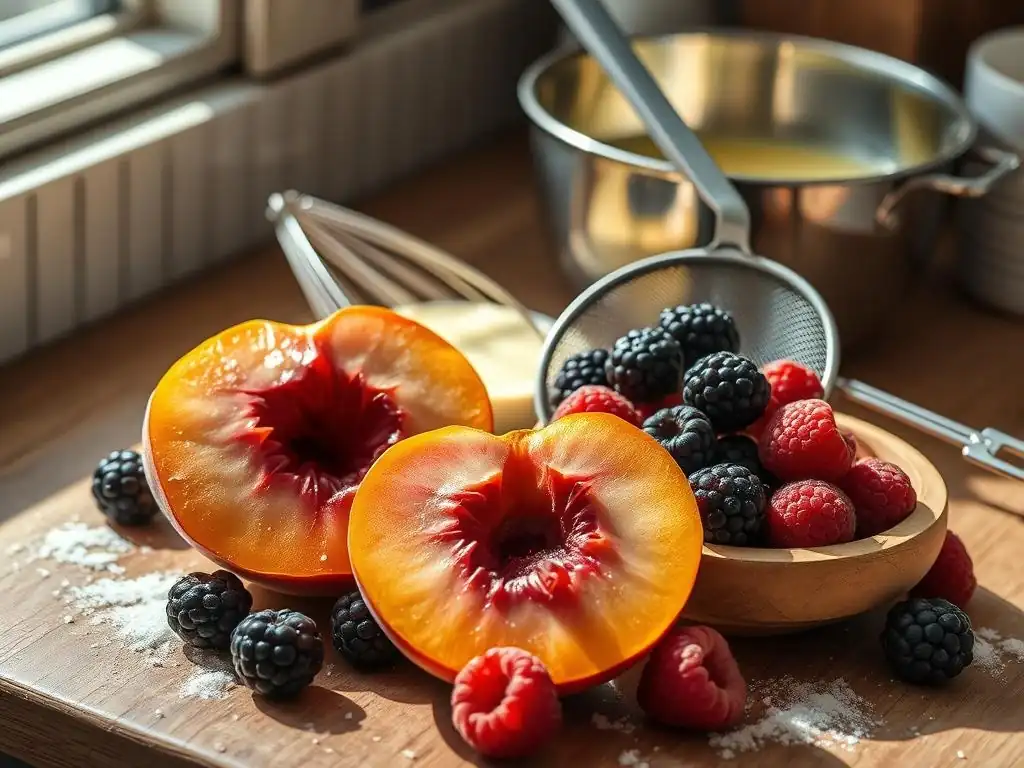
Properly washing and sanitizing fresh fruit is a non-negotiable step before adding it to any fresh fruit cream pie filling. Fruit can carry dirt, pesticides, and bacteria from the farm and transit. A simple rinse under cool running water is often sufficient for many fruits. However, for berries or fruits with textured skins, a gentle wash in a bowl of water, perhaps with a splash of white vinegar (about 1 part vinegar to 3 parts water), can help remove stubborn residues and bacteria. After washing, it is crucial to dry the fruit thoroughly.
Excess moisture on the fruit's surface can contribute to a watery filling or soggy crust. Use paper towels or a clean kitchen towel to pat the fruit completely dry. For berries, laying them out on a paper towel-lined baking sheet allows them to air dry effectively. Taking a few extra minutes to ensure your fruit is clean and dry will significantly contribute to the success and safety of your fresh fruit cream pie filling.
Proper Cutting Techniques for Uniform Distribution
The way you cut your fresh fruit impacts both the texture and visual appeal of your fresh fruit cream pie filling. Uniformity is key. Aim for pieces of roughly the same size so that each slice of pie gets an even distribution of fruit. This also ensures that if you are par-cooking the fruit, it cooks evenly. For berries, leaving smaller ones whole and halving or quartering larger strawberries is usually sufficient.
For larger fruits like peaches, plums, or mangoes, dicing them into bite-sized pieces (perhaps around 1/2 to 3/4 inch) works well. Avoid cutting pieces that are too large, as they can make slicing the pie difficult and might sink more easily in the filling. Conversely, cutting pieces too small can result in a mushy texture. Practice your knife skills to achieve consistent sizing, which will enhance the overall eating experience of your fresh fruit cream pie filling.
Preventing Browning: Tips for Fruits Like Apples and Bananas
Some fruits, like apples, bananas, and pears, are prone to enzymatic browning when exposed to air. While less common in traditional fresh fruit cream pie filling (as these fruits are often baked into pies), if you plan to use them in a layered or folded-in capacity in an uncooked filling, preventing browning is important for visual appeal. A simple and effective method is to toss the cut fruit immediately with a small amount of acidic liquid, such as lemon juice or a solution of citric acid powder dissolved in water.
About a tablespoon of lemon juice per cup of cut fruit is usually sufficient. This acidity inhibits the enzymes responsible for browning. While apples and bananas aren't typical choices for uncooked cream pie fillings due to texture and browning issues, if you adapt a recipe to include them (perhaps lightly cooked first), this tip is crucial.
Incorporating Fresh Fruit into Cream Pie Filling: Key Techniques
Layering Fruit within the Cream Pie
Layering is a popular technique for incorporating fresh fruit into a cream pie filling, especially for fruits like berries or sliced stone fruits. This method involves pouring a portion of the cream filling into the prepared pie crust, then arranging a layer of fresh fruit over it, followed by the remaining filling. This can be repeated for multiple layers depending on the depth of the pie dish and the amount of fruit used.
Layering ensures that fruit is present throughout the pie, not just concentrated at the bottom or top. It also allows for beautiful presentation when the pie is sliced, showcasing distinct layers of cream and vibrant fruit. This technique works particularly well with fruits that hold their shape relatively well and don't release excessive liquid quickly.
Folding Fruit Gently into the Cream Filling
For a more integrated fresh fruit cream pie filling, gently folding the prepared fruit directly into the finished cream filling is another common technique. This is often done just before pouring the mixture into the pie crust. The key word here is "gently." Overmixing can bruise delicate fruits like berries and potentially deflate a light, airy filling.
Use a spatula and a 'cut and fold' motion to combine the fruit and filling until just distributed. This method results in fruit dispersed throughout the filling, creating a more homogeneous texture in each bite. It's suitable for fruits that are less likely to break apart during the folding process, such as small berries or firm diced pieces of stone fruit. This technique is essential for creating a uniform fresh fruit cream pie filling.
Creating Fruit Purees or Compotes for Enhanced Flavor
Sometimes, incorporating fresh fruit flavor into a cream pie filling is best achieved by transforming the fruit into a puree or compote first. A puree involves blending the fruit until smooth, while a compote involves simmering fruit with a little sugar and sometimes lemon juice until it breaks down and thickens slightly. Using a puree or compote allows the fruit's flavor to infuse more thoroughly into the cream filling.
A fruit puree can be blended directly into the filling base before chilling and thickening. A compote can be swirled into the filling for a marbled effect or used as a distinct layer. This approach is excellent for fruits like raspberries or blueberries, creating a smooth, intensely flavored fresh fruit cream pie filling without worrying about whole fruit texture or excessive moisture release from raw fruit.
Cream Pie Filling Recipes Optimized for Fresh Fruit

Classic Vanilla Cream Pie with Strawberry Rhubarb Compote
This recipe starts with a rich, smooth classic vanilla cream pie filling as its base. The twist comes from a vibrant strawberry rhubarb compote, made by simmering chopped strawberries and rhubarb with sugar until softened and slightly thickened. The tartness of the rhubarb perfectly balances the sweetness of the strawberries and the vanilla filling. To assemble, pour half of the chilled vanilla filling into the baked crust.
Spoon dollops of the cooled compote over the filling, then add the remaining filling. Gently swirl the top with a knife or spoon for a marbled effect. This combination provides both the creamy texture of the pie and bursts of bright, slightly tart fruit flavor from the compote, creating an irresistible fresh fruit cream pie filling.
Chocolate Cream Pie with Raspberry Swirl
A decadent chocolate cream pie filling is elevated by the addition of a simple raspberry swirl. A quick raspberry puree (fresh raspberries blended and strained to remove seeds) is briefly cooked with a little sugar to thicken slightly. After pouring the prepared chocolate cream filling into the crust, spoonfuls of the slightly cooled raspberry puree are dropped onto the surface.
A skewer or knife is then used to gently swirl the puree through the chocolate, creating beautiful patterns and distributing the tart raspberry flavor. The combination of rich chocolate and bright, slightly tart raspberry is a classic pairing that makes for a sophisticated fresh fruit cream pie filling.
Coconut Cream Pie with Pineapple Chunks and Toasted Coconut
For a tropical twist, a creamy coconut cream pie filling pairs wonderfully with fresh (or canned, heat-treated) pineapple chunks and toasted coconut flakes. The filling is made with coconut milk and/or cream, flavored with vanilla and almond extract. Small, heat-treated pineapple chunks are gently folded into the finished coconut cream filling just before pouring it into the pie crust.
The pie is then chilled until set. Before serving, the top is generously sprinkled with toasted coconut flakes, adding texture and enhancing the coconut flavor. The sweet, creamy coconut base provides a perfect backdrop for the juicy pineapple, resulting in a delightful fresh fruit cream pie filling with a tropical escape in every bite.
Maintaining the Integrity of Your Fresh Fruit Cream Pie
Preventing a Soggy Crust: Essential Tips
A soggy crust is a common frustration when making fresh fruit cream pie filling. The primary culprit is moisture from the filling or the fruit seeping into the baked crust. To prevent this, blind baking the pie crust is essential. This involves baking the crust fully before adding any filling. Use pie weights or dried beans lined with parchment paper to keep the crust from shrinking or bubbling during blind baking. Bake until the crust is golden brown and cooked through, not just partially baked.
Another crucial step is to create a barrier between the baked crust and the fresh fruit cream pie filling. A thin layer of melted chocolate (white or dark, depending on the filling) brushed onto the bottom and sides of the cooled crust can create a moisture-proof seal.
Alternatively, a light dusting of finely ground cookies or cake crumbs (like graham cracker or vanilla wafer crumbs) on the bottom of the blind-baked crust can help absorb any minor moisture leakage from the fresh fruit cream pie filling. Ensure the filling and fruit are completely cooled before adding them to the crust.
Stabilizing Cream Filling for Long-Lasting Freshness
Cream fillings, especially those containing fresh fruit, can be prone to becoming too soft or weeping over time. Stabilizing the fresh fruit cream pie filling is important for maintaining its texture and appearance. Cornstarch or flour are common thickeners used when cooking the filling base on the stovetop. Using the correct amount specified in the recipe is crucial for achieving the right consistency.
Gelatin is another effective stabilizer, particularly for fillings that aren't cooked or need extra firmness. A small amount of unflavored gelatin dissolved in cold water and then gently heated until clear can be whisked into the warm or slightly cooled cream filling. This helps the filling set more firmly and prevents it from breaking down, especially when holding juicy fresh fruit within the fresh fruit cream pie filling. Ensure the filling is well chilled before slicing; chilling allows the stabilizers to fully activate and set the filling.
Storing Fresh Fruit Cream Pie for Optimal Enjoyment
Proper storage is key to keeping your fresh fruit cream pie filling delicious and safe to eat. Due to the dairy-based filling and fresh fruit, the pie must be stored in the refrigerator. Cover the pie loosely with plastic wrap or aluminum foil, or place it in a pie carrier to protect it from absorbing odors from other foods in the fridge.
Fresh fruit cream pies are best enjoyed within 2-3 days of being made. The quality of the fresh fruit cream pie filling and the texture of the crust can deteriorate over time as the fruit releases moisture and the filling potentially softens. While the pie is safe to eat for a bit longer, the peak freshness and texture are within this initial period. Freezing is generally not recommended for cream pies with fresh fruit, as it can significantly alter the texture of both the filling and the fruit upon thawing, often resulting in a watery or grainy consistency.
Troubleshooting Common Fresh Fruit Cream Pie Problems
Addressing a Runny Filling
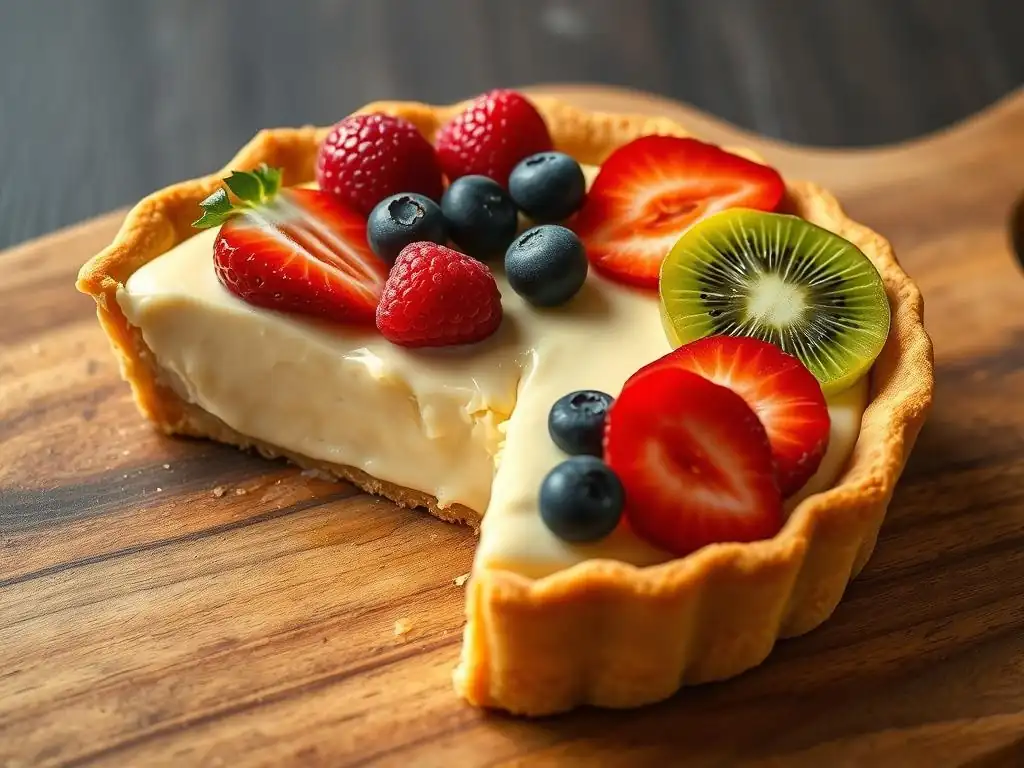
A runny fresh fruit cream pie filling is often caused by insufficient thickening during the cooking process or too much moisture from the fruit. If the filling is still liquid after chilling, it might not have been cooked long enough to activate the starch thickeners, or the ratio of thickener to liquid was incorrect. Ensure you bring the filling mixture to a proper boil while stirring constantly, allowing the starch to fully thicken.
If the issue is excess moisture from the fruit, ensure you've prepared the fruit properly by drying it thoroughly or using a thickening agent like cornstarch mixed with the fruit before adding it. For a finished pie with a slightly runny filling, there's not much you can do to fix the entire pie, but you can try serving it very cold, which helps firm up the filling. Next time, adjust your thickening method or fruit preparation for a perfect fresh fruit cream pie filling.
Preventing Fruit from Sinking
Sometimes, fresh fruit added directly to a cream pie filling can sink to the bottom, leaving the top layer fruitless. This usually happens because the fruit is too heavy relative to the consistency of the filling, or the filling hasn't set enough before the fruit is added. To prevent this, ensure your cream filling is adequately thickened according to the recipe instructions before adding the fruit.
If folding fruit in, do so gently and just before pouring into the crust. For layering, ensure the filling layers provide enough support for the fruit. Using slightly smaller pieces of fruit can also help them stay suspended. For fruits prone to sinking, like heavier berries or diced stone fruit, consider using the layering technique or folding them into a filling that is already partially set around the edges from chilling, carefully spooning it into the center. A well-structured fresh fruit cream pie filling should hold its fruit evenly.
Solving a Cracked Crust
While not directly related to the fresh fruit cream pie filling itself, a cracked crust affects the overall presentation and can potentially allow moisture to seep out during baking (if blind baking) or in from the filling. Cracks often occur if the dough is overworked, rolled too thin, or handled roughly, or if there are sudden temperature changes.
To prevent cracks, handle your pie dough gently and avoid stretching it when fitting it into the pie plate. Ensure the dough is at the right temperature – too cold and it can crack easily; too warm and it can become sticky.
If a crack appears before baking, you can usually patch it with a small piece of leftover dough, moistened slightly with water to help it adhere. For cracks that appear after blind baking, a thin layer of melted chocolate or the crumb barrier mentioned earlier can help seal them before adding the fresh fruit cream pie filling.
Fresh Fruit Cream Pie Variations and Creative Ideas
Adding Zest and Extracts to Complement Fruit Flavors
Enhancing the flavor profile of your fresh fruit cream pie filling goes beyond just the fruit itself. Citrus zest (lemon, lime, or orange) can brighten and lift the flavor of both the cream filling and the fruit. For example, lemon zest pairs wonderfully with berry or stone fruit fillings, while orange zest can complement tropical fruits. Add zest to the cream filling base during the cooking process or grate some fresh over the finished pie.
Extracts also offer an easy way to add depth. Almond extract pairs beautifully with stone fruits like peaches and cherries. Coconut extract enhances tropical fruit combinations. Vanilla extract is versatile and complements almost any fruit. Consider a touch of rosewater or orange blossom water for a more exotic fresh fruit cream pie filling. A few drops are usually sufficient to add a subtle, aromatic note that harmonizes with the fruit.
Incorporating Nuts and Seeds for Texture and Flavor
Adding nuts or seeds can introduce a delightful textural contrast and nutty flavor to a fresh fruit cream pie filling. Toasted pecans or walnuts can be sprinkled over a peach or apple cream pie. Toasted almonds or macadamia nuts pair well with berry or tropical fruit fillings. For a finer texture, chopped nuts can be gently folded into the filling itself, though this works best with firmer nuts that won't become soggy.
Seeds like poppy seeds or chia seeds can also be incorporated, though they have a different effect. Poppy seeds add a subtle crunch and visual appeal, particularly in lemon-based cream fillings paired with berries. Chia seeds can actually help thicken fruit purees or sauces used in the pie, adding a unique texture. Ensure any nuts or seeds are toasted beforehand to bring out their maximum flavor, contributing another layer of complexity to your fresh fruit cream pie filling.
Exploring Different Crust Options for Enhanced Fruit Pairings
The type of pie crust can significantly impact the overall enjoyment of a fresh fruit cream pie filling. While a classic flaky pastry crust is traditional and versatile, other options can enhance specific fruit pairings. A graham cracker crust or a vanilla wafer crust works wonderfully with lighter, sweeter fruits like strawberries, bananas, or tropical fruits, offering a slightly crumbly texture and complementary flavor.
For richer or tarter fruits like cherries, plums, or raspberries, a chocolate cookie crust (made from crushed chocolate cookies like Oreos) can provide a decadent counterpoint. Shortbread crusts offer a buttery, firm base that pairs well with most fruits. Consider how the texture and flavor of the crust will interact with your chosen fresh fruit cream pie filling to create a truly harmonious dessert. Blind baking is crucial regardless of the crust type to prevent sogginess.
Conclusion: Mastering the Art of Fresh Fruit Cream Pie Filling
BakeWithEase Final Thoughts on Creating Delicious Fruit-Filled Cream Pies
Creating a perfect fresh fruit cream pie filling is a delightful baking challenge that yields incredibly rewarding results. It's a process that involves understanding the unique characteristics of different fruits, mastering techniques for incorporating them into a delicate filling, and paying close attention to potential pitfalls like a soggy crust or runny filling. From selecting the ripest seasonal berries to carefully dicing stone fruits or transforming them into vibrant compotes, each step contributes to the final masterpiece.
Remember that successful fresh fruit cream pie filling relies on balancing flavors, textures, and moisture levels. Don't be afraid to experiment with different fruit combinations and complementary flavors like citrus zest or extracts. With practice and attention to these best practices, you'll be well on your way to baking stunning and delicious fresh fruit cream pies that are sure to impress. Happy baking from BakeWithEase!
Frequently Asked Questions
How do I prevent my fresh fruit cream pie filling from becoming watery?
Preventing a watery filling involves properly preparing your fruit and using a stabilizer like cornstarch or gelatin. Also, be sure to drain excess juices from the fruit before adding it to the cream.
What types of fresh fruit work best in a cream pie filling?
Berries like strawberries, blueberries, and raspberries work wonderfully. Stone fruits like peaches and nectarines are also great, but be sure they are ripe but firm. Avoid fruits with a very high water content, like watermelon.
Can I use frozen fresh fruit for a cream pie filling?
Yes, you can use frozen fruit, but thaw it completely and drain off all excess liquid before using. Frozen fruit can sometimes be softer than fresh, so adjust your stabilizer as needed.
What is the best way to sweeten a fresh fruit cream pie filling?
Use granulated sugar, powdered sugar, or a simple syrup to taste. The amount of sweetener will depend on the tartness of the fruit and your personal preference. Taste as you go!
How long will a fresh fruit cream pie last?
Because of the moisture content of the fruit and cream, these pies are best served within 2-3 days of making. Store in the refrigerator to prevent spoilage.
Final Reflection: The Enduring Allure of Fresh Fruit Cream Pies
The art of crafting a perfect fresh fruit cream pie transcends mere culinary skill; it's a celebration of nature's bounty and a testament to the enduring power of simple pleasures. In a world increasingly dominated by processed foods and fleeting trends, the dedication to sourcing the freshest ingredients and meticulously layering them into a creamy, delightful pie remains a powerful statement of intentionality and care. This commitment to quality shines through in every bite, offering a sensory experience that connects us to both tradition and the present moment.
The influence of fresh fruit pies on our cultural landscape is undeniable. From family gatherings to celebratory feasts, these pies have consistently served as symbols of comfort, joy, and shared experiences. A pie is a love letter to the earth.
This sentiment perfectly encapsulates the deep connection between the simple act of baking a fresh fruit cream pie and the appreciation for the natural world that provides its ingredients. The enduring popularity of this classic dessert speaks volumes about our ongoing desire for authentic, handcrafted treats that nourish both body and soul.
Now, consider your own kitchen. Imagine the possibilities: the vibrant colors of summer berries, the comforting warmth of autumn apples, the bright zest of citrus fruits. You, too, can contribute to this rich culinary tradition. Don't be afraid to experiment with different fruits, to refine your techniques, and to share the joy of your creations with loved ones. The journey of mastering the fresh fruit cream pie is a rewarding one, filled with delicious discoveries and the satisfaction of creating something truly special. Embrace the challenge, and let your own unique interpretation of this classic dessert blossom.
Unleash Your Inner Pastry Chef: Elevate Your Cream Pies!
Thanks for joining us on this delicious journey into the world of fruit-filled cream pies! We hope you've gained some valuable insights and inspiration for creating truly unforgettable desserts. Ready to take your baking to the next level?
- Craft your masterpiece: Try out one of the fruit combinations we discussed – or even better, invent your own! Let your creativity run wild and experiment with textures and flavors.
- Share your creation: Show us your beautiful pies! Use #BakeWithEaseFruitPies on social media and inspire other bakers with your stunning work.
- Explore new fruit varieties: Head to your local farmer's market and discover a new fruit to add to your pie repertoire – you might just stumble upon your next favorite filling!
What unique fruit combination are you dreaming up for your next cream pie adventure?