
Unlock Deeper Flavors: Using HighQuality Unsweetened Chocolate

Welcome to BakeWithEase, where every recipe is a journey to baking brilliance! Ever wondered how to truly elevate your desserts? This time, we're diving deep into the secret weapon of professional bakers: high quality unsweetened chocolate. Unlock the intense, complex flavors it brings to your creations and discover how this often-overlooked ingredient can transform your baking from good to unforgettable. Ready to explore the world of premium baking ingredients and elevate your creations? Let's get started!
- Unlock Deeper Flavors: Using High-Quality Unsweetened Chocolate for Baking
- Understanding High-Quality Unsweetened Chocolate for Baking
- Mastering the Art of Baking with Unsweetened Chocolate: A Step-by-Step Guide
- Beyond Recipes: Exploring Advanced Techniques with Unsweetened Chocolate
- Maximizing Flavor and Minimizing Waste
- Elevate Your Baking: The Power of High-Quality Unsweetened Chocolate.
-
Frequently Asked Questions
- What exactly is high-quality unsweetened chocolate, and how does it differ from other types of chocolate?
- Why is using high-quality unsweetened chocolate important in baking?
- How should I store high-quality unsweetened chocolate to maintain its freshness?
- Can I substitute high-quality unsweetened chocolate with cocoa powder in a recipe? If so, how do I adjust the recipe?
- Where can I find high-quality unsweetened chocolate?
- Final Reflection: The Enduring Power of Pure Chocolate
- Unleash Your Inner Chocolatier!
Unlock Deeper Flavors: Using High-Quality Unsweetened Chocolate for Baking
Understanding High-Quality Unsweetened Chocolate for Baking
What is Unsweetened Chocolate and Why Choose High-Quality?
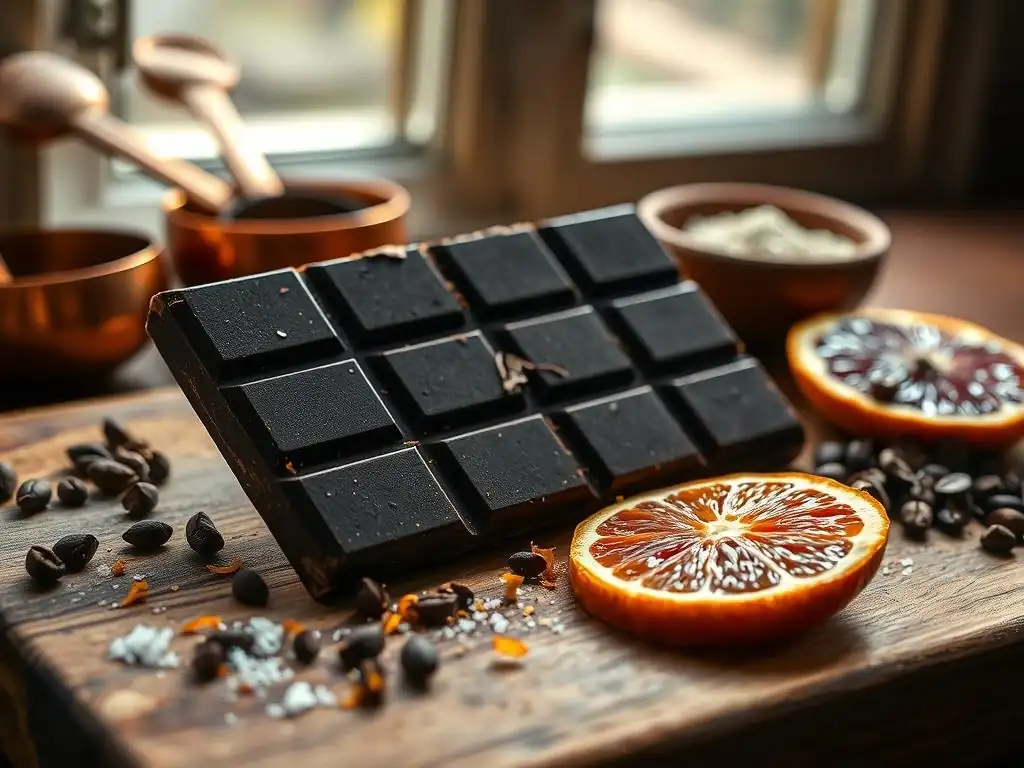
Unsweetened chocolate, often labeled as baking chocolate, bitter chocolate, or 100% cacao, is chocolate in its purest form. It's made directly from roasted cocoa beans that have been ground into a paste called chocolate liquor. This liquor contains both cocoa solids (which provide the flavor) and cocoa butter (the natural fat).
Unlike other types of chocolate, unsweetened chocolate contains no added sugar, milk, or flavorings. This intense, pure cocoa flavor makes it indispensable in many baking recipes, especially those where you want deep, complex chocolate notes without excessive sweetness. It provides the foundation for rich brownies, decadent cakes, and intense chocolate sauces.
Choosing high-quality unsweetened chocolate is paramount because its purity means there's nothing to mask poor bean quality or improper processing. The flavor profile of high-quality unsweetened chocolate directly reflects the origin of the cocoa beans, the fermentation process, and the roasting technique. Using a superior product ensures a more nuanced and less bitter taste compared to lower-grade options, which can sometimes taste flat or acrid.
For example, a high-quality bar might offer notes of fruit, nuts, or even floral hints, while a standard bar might just taste overwhelmingly bitter. This difference significantly impacts the final flavor of your baked goods, making the investment in quality worthwhile for truly exceptional results.
Key Characteristics of Exceptional Unsweetened Chocolate
Exceptional high-quality unsweetened chocolate possesses several key characteristics that distinguish it. Firstly, the aroma should be rich and complex, hinting at the flavor notes to come, such as subtle fruitiness or deep earthy tones, rather than just a generic chocolate smell. Secondly, the texture when solid should be firm and snap cleanly when broken, a sign of proper tempering and a good cocoa butter content. When melted, it should become smooth and fluid, not grainy or thick. A high cocoa butter content, typically ranging from 50% to 55% of the chocolate liquor, contributes to this desirable texture and richness.
Flavor is, of course, the most critical characteristic. High-quality unsweetened chocolate should offer intense, pure cocoa flavor that is balanced and complex, not just overwhelmingly bitter. The bitterness should be present but pleasant, complementing deeper notes.
Tasting a small piece should reveal layers of flavor that linger on the palate. For instance, a high-quality bar from a specific region might have tasting notes described as "red fruit" or "toasted nut." The quality is also reflected in the ingredient list – ideally, it should only contain cocoa liquor (or cocoa mass) and potentially lecithin as an emulsifier, with no added sugars, vegetable oils (other than cocoa butter), or artificial flavors.
Mastering the Art of Baking with Unsweetened Chocolate: A Step-by-Step Guide
Step 1: Selecting the Right High-Quality Unsweetened Chocolate
Selecting the right high-quality unsweetened chocolate begins with reading the label. Look for bars labeled "100% Cacao" or "Unsweetened Chocolate." Reputable brands known for their quality chocolate are a good starting point.
Some popular brands often cited for their high-quality baking chocolate include Valrhona, Guittard, Ghirardelli (their baking bars), and Callebaut. While specific flavor profiles vary by brand and origin, choosing a brand with a strong reputation for bean-to-bar quality or ethical sourcing often correlates with better flavor. Consider the origin if specified; for example, chocolate from Madagascar might offer brighter, fruitier notes, while West African cocoa often provides a more classic, robust chocolate flavor.
Beyond the brand, consider the form the chocolate comes in: bars, wafers, or blocks. Bars are common and require chopping. Wafers or feves are small, consistent pieces that melt easily and require less preparation. Blocks are economical for frequent bakers but need significant chopping. For most home baking, a high-quality unsweetened chocolate bar or wafers around 4-8 ounces is sufficient and convenient. Ensure the packaging is intact and the chocolate looks smooth, not bloomed (white streaks), although minor bloom doesn't affect baking performance, it can indicate less-than-ideal storage.
Step 2: Preparing Unsweetened Chocolate for Baking
Proper preparation is crucial when working with high-quality unsweetened chocolate. If using a bar or block, you must chop it into small, uniform pieces. This helps it melt evenly and prevents scorching. Aim for pieces roughly the size of chocolate chips or smaller.
A serrated knife can be helpful for this task, carefully cutting through the hard chocolate. Weighing the chopped chocolate is far more accurate than using volume measurements like cups, as chopped chocolate can pack differently. Use a kitchen scale to ensure precision, as baking is a science where ratios matter. For instance, a recipe calling for 4 ounces might translate to slightly different volumes depending on how finely it's chopped.
Melting unsweetened chocolate requires gentle heat to prevent it from seizing or burning. The two most common methods are using a double boiler or a microwave. For a double boiler, place the chopped chocolate in a heatproof bowl set over a saucepan of simmering (not boiling) water, ensuring the bottom of the bowl does not touch the water. Stir occasionally until smooth.
In the microwave, heat in 30-second intervals on medium power (around 50%), stirring thoroughly after each interval, until mostly melted, then stir until completely smooth using residual heat. Avoid high power or continuous heating, which can quickly scorch the chocolate, ruining its texture and flavor. Aim for a melted temperature typically between 105°F and 115°F (40°C-46°C).
Step 3: Incorporating Unsweetened Chocolate into Your Recipes
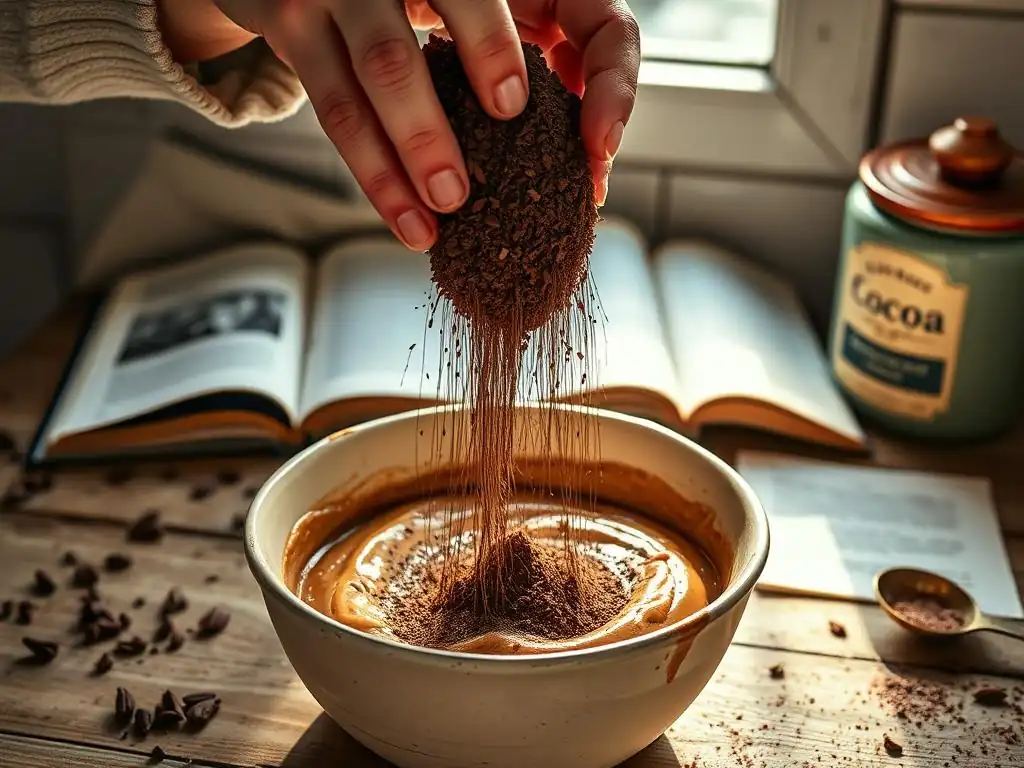
Incorporating melted high-quality unsweetened chocolate into your batter or dough requires careful blending to ensure even distribution and prevent the mixture from cooling too quickly and solidifying the chocolate prematurely. Often, melted chocolate is whisked into wet ingredients like butter, sugar, and eggs, or sometimes folded gently into dry ingredients after being combined with wet components. When adding the melted chocolate, ensure the other ingredients aren't excessively cold, as this can cause the chocolate to seize into a hard, grainy mass. Bringing eggs and butter to room temperature, for example, helps facilitate a smooth incorporation.
Because unsweetened chocolate contains no sugar, it contributes significant bitterness and richness, primarily through its cocoa solids and cocoa butter content. Recipes designed for unsweetened chocolate will typically include a higher proportion of sugar than recipes using semi-sweet or bittersweet chocolate to balance the bitterness. The high cocoa butter content (around 50-55%) also adds fat to the recipe, which can affect texture, making baked goods moist and tender.
Understanding this fat contribution is important; substituting other types of chocolate for unsweetened without adjusting fat and sugar ratios will significantly alter the outcome. For example, replacing 4 ounces of unsweetened chocolate might require adding extra fat and significantly reducing sugar compared to replacing 4 ounces of bittersweet chocolate.
Step 4: Troubleshooting Common Issues
One common issue when working with unsweetened chocolate is seizing. This happens when even a tiny amount of water or steam comes into contact with melted chocolate, causing the cocoa solids to clump up and the chocolate to become thick and grainy.
To prevent seizing, ensure all utensils and bowls are completely dry when melting chocolate, and be cautious of steam, especially when using a double boiler. If seizing occurs, sometimes you can rescue it by vigorously whisking in a tablespoon or two of hot liquid (like melted butter, oil, or hot cream) per ounce of chocolate, but this doesn't always fully restore the texture, especially if the seizing was severe.
Another challenge is managing the intense bitterness of unsweetened chocolate. While high-quality unsweetened chocolate has a more pleasant bitterness, it still requires careful balancing. Recipes using 100% cacao typically call for a significant amount of sugar to counteract this.
If your final baked good is too bitter, it might be due to insufficient sugar, overbaking (which can concentrate bitter flavors), or using a lower-quality chocolate. Ensure you are using the exact amount of sugar specified in the recipe. If adapting a recipe, consider adding a pinch of salt or a splash of vanilla extract, which can help soften and round out bitter edges without adding sweetness.
Beyond Recipes: Exploring Advanced Techniques with Unsweetened Chocolate
Creating Chocolate Decorations: Ganache, Curls, and Shavings
High-quality unsweetened chocolate can be tempered and used to create stunning chocolate decorations, although its lack of sugar makes tempering slightly different and the resulting decorations intensely flavored. A classic use is in ganache, a simple mixture of chocolate and hot cream.
While ganache is often made with sweeter chocolates, a ganache made with unsweetened chocolate will be incredibly rich and require sweetening the cream or serving it with something very sweet. A common ratio for a firm ganache suitable for truffles might be 2 parts high-quality unsweetened chocolate to 1 part hot heavy cream by weight, though this would result in a very bitter product; a more balanced version might use a 1:1 ratio or incorporate some sweetener.
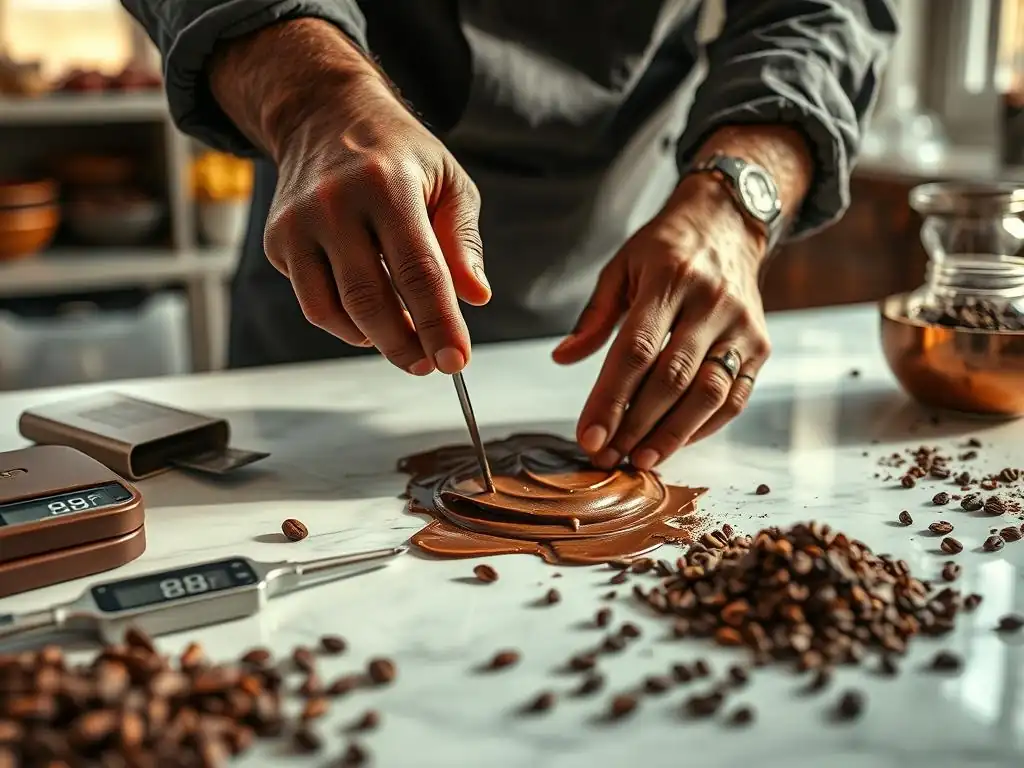
Creating chocolate curls or shavings requires tempering the chocolate first, which involves carefully melting, cooling, and reheating the chocolate to stabilize the cocoa butter crystals, resulting in a shiny, snappy finish. Once tempered, spread a thin layer of the unsweetened chocolate onto a flat, cool surface (like the back of a baking sheet).
Once it's just set but still slightly pliable, scrape a metal spatula or bench scraper across the surface at an angle to create curls or shavings. The intensity of the unsweetened chocolate means even small quantities of these decorations pack a flavor punch, adding both visual appeal and a deep chocolate note to cakes, pastries, and desserts.
Exploring Different Origins of Unsweetened Chocolate
Just like coffee or wine, the origin of cocoa beans profoundly impacts the flavor of high-quality unsweetened chocolate. Exploring single-origin unsweetened chocolates allows bakers to appreciate these subtle differences and choose chocolate that complements specific recipes. For example, unsweetened chocolate made from Nacional beans from Ecuador might exhibit floral or nutty undertones.
Chocolate from Criollo beans, often found in Venezuela or Mexico, can have complex profiles ranging from fruity to spicy. In contrast, chocolate made from Forastero beans, commonly grown in West Africa (like Ghana or Ivory Coast), typically offers a more classic, robust, and sometimes slightly earthy or bitter chocolate flavor.
Many high-quality unsweetened chocolate producers specify the origin or blend of their beans. Experimenting with a 100% cacao bar from, say, the Dominican Republic (known for balanced, sometimes earthy notes) versus one from Peru (often described as fruity or acidic) in the same recipe, like a simple chocolate cake, can reveal fascinating variations in the final taste. This exploration is particularly rewarding for bakers seeking to add unique depth and character to their creations, moving beyond generic "chocolate flavor" to specific, nuanced profiles offered by different high quality unsweetened chocolate varieties.
Maximizing Flavor and Minimizing Waste
Storage Tips for Unsweetened Chocolate
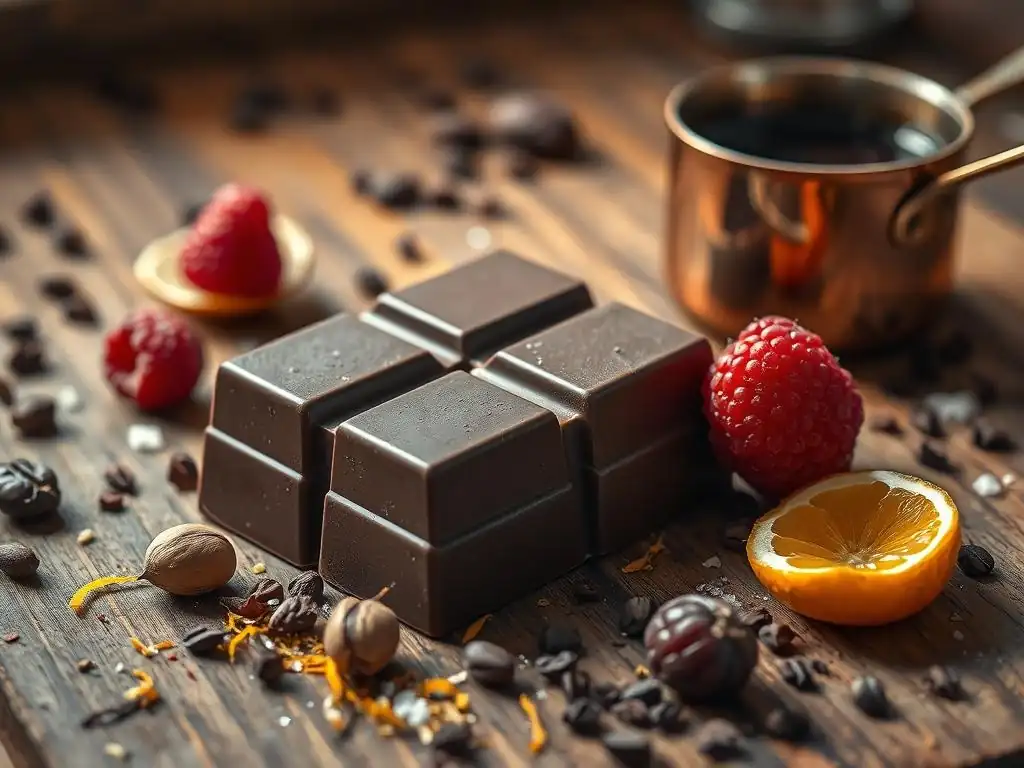
Proper storage is essential to maintain the quality and flavor of your high-quality unsweetened chocolate. Chocolate is sensitive to temperature, light, air, and odors. The ideal storage temperature is cool and stable, typically between 60°F and 70°F (15°C-21°C).
Avoid storing it in the refrigerator, as condensation can cause sugar bloom (a white, powdery coating) and it can absorb odors from other foods. Similarly, keep it away from heat sources like ovens or sunny windows, which can cause it to melt or develop fat bloom (a different type of white coating caused by cocoa butter separation, still usable but affecting appearance and temper).
Store unsweetened chocolate in its original airtight packaging if possible. If the package is opened, wrap the chocolate tightly in plastic wrap or foil and place it in an airtight container. This protects it from moisture, air, and strong smells. Stored correctly in a cool, dark, dry place, high-quality unsweetened chocolate can last for a year or even longer, although it's best used within 12-18 months for optimal flavor. While it doesn't truly "go bad" in a way that makes it unsafe to eat, its flavor can degrade over time, losing some of its complexity and intensity.
Creative Uses for Leftover Unsweetened Chocolate
Even after a baking project, you might find yourself with small pieces or shards of high-quality unsweetened chocolate. Don't let these go to waste! These leftovers are perfect for adding intense chocolate flavor to smaller applications. One simple use is grating a small amount over desserts, hot beverages like lattes or hot chocolate, or even savory dishes like chili for a subtle depth. The intense bitterness provides a counterpoint to sweetness or spice.
Another creative use is to melt small amounts into sauces or glazes where you want a deep cocoa background without added sugar. For instance, whisking a tablespoon of melted unsweetened chocolate into a pan sauce for meat or a mole can add complexity. You can also incorporate small pieces into cookie dough or muffin batter alongside other chocolate chips for pockets of intense flavor.
A few grams can also be melted and stirred into a simple syrup for brushing onto cakes, adding a rich chocolate essence. These small applications allow you to leverage the powerful flavor of high quality unsweetened chocolate efficiently.
Elevate Your Baking: The Power of High-Quality Unsweetened Chocolate.
Frequently Asked Questions
What exactly is high-quality unsweetened chocolate, and how does it differ from other types of chocolate?
High-quality unsweetened chocolate, also known as baking chocolate, is pure chocolate liquor made from cacao beans with no added sugar or milk solids. It differs by having a more intense chocolate flavor than sweetened varieties.
Why is using high-quality unsweetened chocolate important in baking?
Using high-quality unsweetened chocolate significantly impacts the flavor profile of your baked goods. It provides a richer, deeper, and more complex chocolate taste that cannot be replicated with lower-quality options.
How should I store high-quality unsweetened chocolate to maintain its freshness?
Store high-quality unsweetened chocolate in a cool, dry place, away from direct sunlight and strong odors. Properly stored, it can last for several months.
Can I substitute high-quality unsweetened chocolate with cocoa powder in a recipe? If so, how do I adjust the recipe?
Yes, you can substitute high-quality unsweetened chocolate with cocoa powder, but adjustments are necessary. Typically, you'll need to add a fat source and liquid to compensate for the missing cocoa butter.
Where can I find high-quality unsweetened chocolate?
You can find high-quality unsweetened chocolate at most grocery stores in the baking aisle, as well as at specialty chocolate shops or online retailers. Look for brands known for their quality and cacao percentage.
Final Reflection: The Enduring Power of Pure Chocolate
The pursuit of high-quality unsweetened chocolate is more than just a culinary quest; it's a journey towards unlocking a deeper appreciation for the nuanced flavors of nature. The subtle bitterness, the complex notes of earth and fruit, the sheer intensity – these are experiences often overlooked in the rush for sugary sweetness. This exploration has revealed the transformative power of a simple ingredient, highlighting its versatility and potential to elevate even the simplest recipes.
The impact of high-quality unsweetened chocolate extends far beyond the kitchen table. It speaks to a growing awareness of ingredient sourcing, a desire for authenticity, and a rejection of artificial enhancements. The best things in life are simple,
a phrase often repeated, rings particularly true when considering the profound satisfaction derived from savoring the pure, unadulterated flavor of exceptional chocolate. This appreciation for quality resonates with a broader cultural shift towards mindful consumption and a deeper connection with the origins of our food.
Now, consider your own culinary journey. Will you continue to settle for mass-produced, heavily processed chocolate, or will you embark on a quest to discover the hidden depths of high-quality unsweetened chocolate? I invite you to explore the world of rich, complex flavors waiting to be uncovered. Experiment, innovate, and savor the difference. The reward is a richer, more fulfilling culinary experience, and a deeper appreciation for the simple elegance of nature's bounty.
Unleash Your Inner Chocolatier!
Thanks for exploring the rich world of high-quality unsweetened chocolate with us! We hope you now feel empowered to elevate your baking to the next level. Ready to put your new knowledge into practice?
- Bake a masterpiece: Try substituting unsweetened chocolate in your favorite recipe – you might be surprised at the depth of flavor you discover! Start small, perhaps with a simple brownie recipe, and see the difference it makes.
- Share your creations: Post a picture of your delicious chocolate treat on social media and tag us! We'd love to see what you bake.
- Explore our recipe collection: Discover more recipes that showcase the versatility of unsweetened chocolate. We've got everything from decadent cakes to simple cookies.
What unexpected flavor combinations will you experiment with next? Let us know in the comments!