
Explore Global Rye Breads: Recipes from Around the World

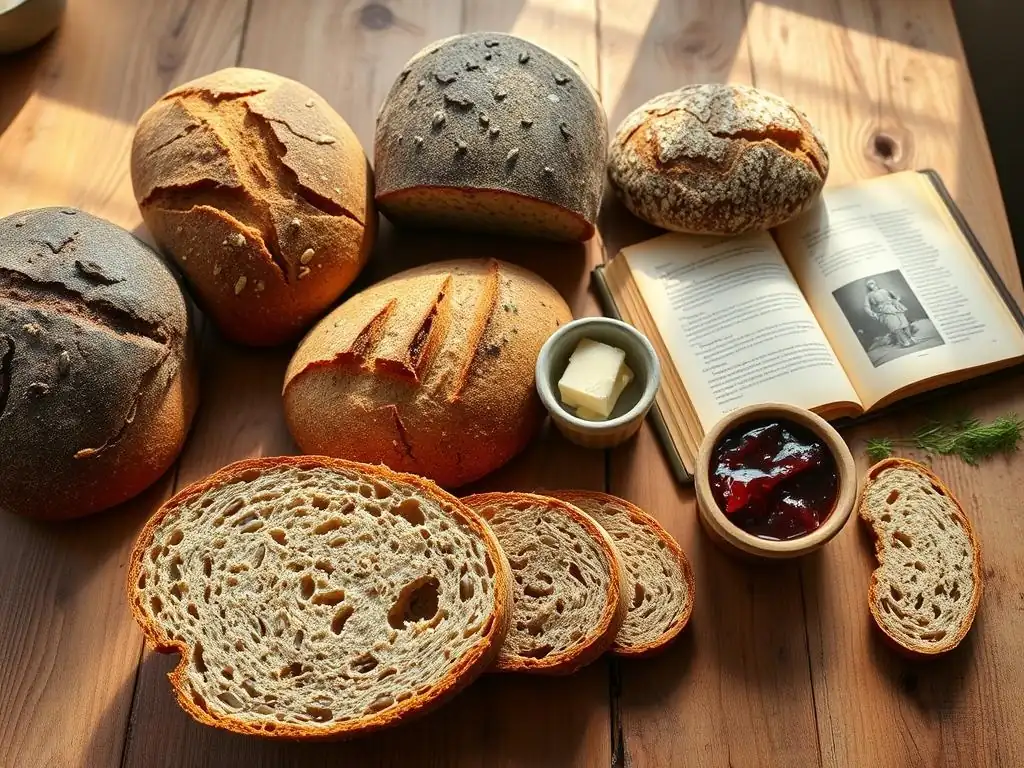
Welcome to BakeWithEase, your guide to unlocking the delightful world of baking!
Ever wondered if you could bake a truly authentic rye bread at home? We make it easier than you think. Dive into our exploration of global rye bread traditions, starting with our easy sourdough rye bread recipe. Discover time-tested techniques and simple steps to crafting delicious, crusty loaves, and prepare to expand your baking horizons!
- BakeWithEase: Your Guide to Rye Bread Baking
- Understanding Rye Bread: A Global Perspective
- Easy Sourdough Rye Bread Recipe: A BakeWithEase Staple
- Global Rye Bread Recipes: A Baker's Journey
- Tips and Tricks for Baking Perfect Rye Bread
- Storing and Serving Your Homemade Rye Bread
- Beyond the Basics: Advanced Rye Bread Techniques
- Conclusion: Embrace the World of Rye Bread Baking
- Frequently Asked Questions
- Final Reflection: The Humble Rye, A Global Journey of Flavor
- Unleash Your Inner Baker: Global Rye Adventures Await!
BakeWithEase: Your Guide to Rye Bread Baking
Welcome to BakeWithEase, where we explore the wonderful world of baking, one delicious loaf at a time. Today, we're embarking on a journey to uncover the diverse and fascinating realm of rye breads from across the globe. Rye bread, with its distinct flavor, texture, and often dense crumb, holds a cherished place in many culinary traditions, particularly in Northern and Eastern Europe.
Whether you're just starting your baking adventure or looking to expand your repertoire, understanding the nuances of rye baking can be incredibly rewarding. Unlike wheat, rye flour presents unique challenges and opportunities due to its different gluten structure. But fear not! With our guidance, you'll learn the techniques needed to master everything from a simple loaf to a complex, multi-day bake, including delicious variations like an easy sourdough rye bread recipe.
Understanding Rye Bread: A Global Perspective
Rye bread is a staple food in many parts of the world, known for its hearty texture, deep flavor, and long shelf life. Its characteristics vary dramatically depending on the region, influenced by local ingredients, climate, and historical baking traditions. From light, airy loaves to dark, dense bricks, the spectrum of rye bread is vast and captivating.
Exploring these global variations not only broadens your baking skills but also connects you to centuries of culinary history. Each loaf tells a story of resilience, resourcefulness, and regional identity. Let's delve into the origins and diverse forms this remarkable bread takes.
The History and Origins of Rye Bread
Rye (Secale cereale) is one of the oldest cultivated grains, with evidence suggesting its use dating back to around 400 BC in regions encompassing modern-day Turkey. It thrived in harsher climates and poorer soils where wheat struggled, making it a vital crop in Northern and Eastern Europe, including countries like Poland, Russia, Germany, and Scandinavia. Its resilience meant it could be grown reliably, providing sustenance through long winters.
Historically, rye bread was often the primary bread consumed by large populations due to the accessibility and hardiness of the grain. For instance, in medieval Europe, rye was far more common than wheat in many areas. The development of dense, long-lasting rye loaves was crucial for survival, providing energy and nutrients. Early forms of rye bread were often baked using natural leavening methods, laying the groundwork for techniques still used today, such as the sourdough rye bread process.
Regional Variations in Rye Bread Recipes
The way rye bread is made differs significantly from one region to another, reflecting local tastes and available resources. In Germany, for example, Roggenbrot (rye bread) is a broad category, with many variations like Pumpernickel (a very dark, dense, often steamed bread made from coarse rye meal) and Vollkornbrot (whole grain rye bread), often containing 90-100% rye flour. These breads are typically dense and have a distinct, sometimes slightly sweet, flavor.
Contrastingly, Scandinavian rye breads can range from the dense, slightly sweet Limpa found in Sweden, often flavored with orange zest and anise, to the ultra-thin, crisp Knäckebröd (crispbread) popular across the region. In Russia, Borodinsky bread is famous for its dark color, sticky crumb, and unique flavor profile derived from rye flour, rye malt, and coriander. These examples highlight how cultural preferences and ingredient availability shape the final product, resulting in a rich tapestry of rye bread types worldwide.
Key Ingredients in Rye Breads Worldwide
While rye flour is the star, the supporting cast of ingredients plays a crucial role in defining the character of global rye breads. The type of rye flour used, the leavening method, and the addition of specific spices or flavorings all contribute to the final taste, texture, and appearance. Understanding these components is key to successfully baking different styles of rye bread.
Beyond flour and water, many rye breads incorporate sweeteners like molasses or honey, which add color and moisture, and fats like butter or oil for tenderness. The choice of leavening – be it commercial yeast, sourdough starter (essential for an easy sourdough rye bread recipe), or a combination – also profoundly impacts the crumb structure and flavor development.
Rye Flour Types: From Light to Dark
Rye flour is milled to different degrees, impacting its color, flavor, and baking properties. Light rye flour is produced from the inner part of the rye berry, similar to white wheat flour, and contains less bran and germ. It results in lighter-colored, less dense loaves compared to darker flours. Medium rye flour includes more of the outer layers and germ, offering a stronger rye flavor and darker crumb.
Dark rye flour, often synonymous with pumpernickel flour, is milled from the whole rye berry, including the bran and germ. It is the most flavorful and nutrient-dense type, producing dark, hearty breads with a dense texture. The classification can also relate to extraction rate; for instance, German rye flours are often categorized by type numbers (e.g., Type 997, Type 1150, Type 1370), indicating the mineral content and roughly correlating to the amount of the grain included in the flour.
Essential Spices and Flavorings
Many traditional rye bread recipes feature specific spices that complement the grain's inherent flavor. Caraway seeds are perhaps the most classic addition, particularly in Jewish rye bread and some German and Eastern European varieties, providing a warm, slightly peppery anise-like note. Other common spices include coriander seeds (a signature of Russian Borodinsky bread), fennel seeds, and anise seeds.
Sweeteners like molasses, honey, or dark corn syrup are often added, especially in darker or sweeter rye breads like Swedish Limpa or American-style deli rye. These not only add sweetness but also contribute to the bread's dark color and moist texture. Ingredients like orange zest, sourdough starter (crucial for adding tang and lift to an easy sourdough rye bread recipe), or even beer can also be used to add complexity and regional authenticity.
Easy Sourdough Rye Bread Recipe: A BakeWithEase Staple
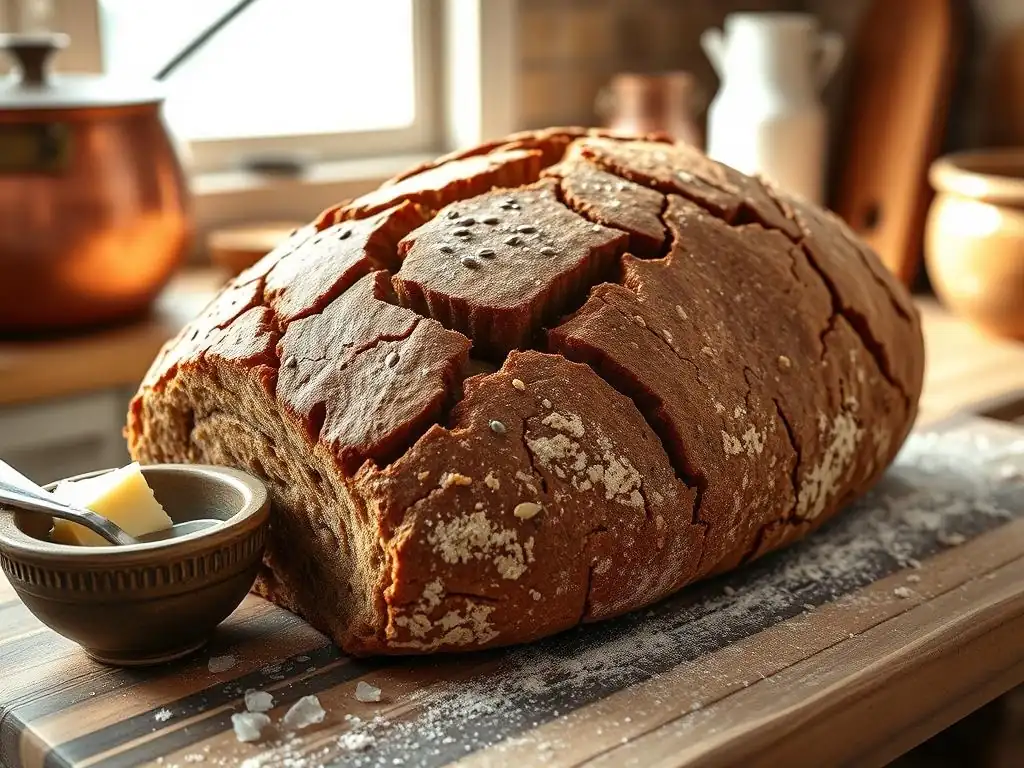
Sourdough baking might sound intimidating, but creating a delicious, tangy rye loaf using natural leavening is more accessible than you might think. This section focuses on an easy sourdough rye bread recipe designed to be straightforward for beginners while delivering fantastic results. Using a sourdough starter adds a depth of flavor and a unique crumb that yeast alone can't replicate.
This easy sourdough rye bread recipe emphasizes simple techniques and minimal fuss, proving that baking with sourdough doesn't require hours of complex steps. It's a great way to get comfortable with sourdough and experience the wonderful qualities of rye flour combined with natural fermentation.
Mastering the Basic Sourdough Rye
Baking with a high percentage of rye flour requires understanding its unique properties. Rye contains less gluten-forming protein than wheat, and the proteins it does contain behave differently. This means rye doughs are often stickier and don't develop the same elastic structure as wheat doughs. Instead of traditional kneading, techniques like mixing and resting are more effective.
For an easy sourdough rye bread recipe, we focus on hydration levels that are manageable and fermentation times that fit a typical schedule. A starter that is active and bubbly is crucial for providing lift and sourness. The dough will be mixed, allowed to bulk ferment, shaped simply, and then proofed before baking. The result is a moist, flavorful loaf with a slightly dense crumb and a wonderful tangy finish.
Ingredient List for the Basic Recipe
Here are the simple ingredients you'll need for this easy sourdough rye bread recipe:
- 100g active sourdough starter (100% hydration, fed and active)
- 300g warm water (around 30-35°C)
- 200g strong bread flour (wheat)
- 200g medium or dark rye flour
- 8g fine sea salt
Optional:
- 5g caraway seeds (for classic flavor)
Step-by-Step Instructions for Baking the Basic Recipe
Follow these steps to create your easy sourdough rye bread:
- Activate Starter: Ensure your sourdough starter is active and bubbly. Feed it 4-6 hours before starting your dough.
- Mix Ingredients: In a large bowl, whisk together the warm water and active sourdough starter until combined. Add the strong bread flour, rye flour, and salt (and caraway seeds, if using).
- Combine Dough: Use a spoon or your hands to mix the ingredients until no dry flour remains. The dough will be sticky and shaggy. Do not knead vigorously like wheat dough.
- Bulk Fermentation: Cover the bowl and let the dough rest at room temperature (ideally 20-24°C) for 3-4 hours. Perform a series of "stretch and folds" or simple folds within the first 1-2 hours. Wet your hands to prevent sticking. For example, gently pull one edge of the dough up and fold it over the center. Rotate the bowl and repeat 3-4 times. Do this every 30-45 minutes for the first couple of hours.
- Shape Loaf: After bulk fermentation, the dough should be slightly increased in volume and feel a bit smoother. Gently turn the dough out onto a lightly floured surface. Shape it into a round or oval loaf using gentle tension. Avoid degassing the dough completely.
- Final Proof: Place the shaped loaf into a floured banneton or proofing basket (or a bowl lined with a floured cloth). Cover and proof at room temperature for 1-2 hours, or refrigerate for 8-12 hours for a more developed flavor. The dough should look slightly puffy but not doubled.
- Preheat Oven: About 30-45 minutes before baking, preheat your oven to 230°C (450°F) with a Dutch oven or baking stone inside.
- Bake: Carefully turn the dough out onto parchment paper or directly onto the hot baking surface. If using a Dutch oven, place the loaf inside and cover. If baking on a stone, use steam (e.g., pour a cup of hot water into a tray on the bottom rack). Bake covered (or with steam) for 20 minutes.
- Finish Baking: Remove the lid (or steam source) and reduce the oven temperature to 200°C (390°F). Bake for another 25-35 minutes, or until the crust is dark brown and the internal temperature reaches 96-99°C (205-210°F).
- Cool: Transfer the baked loaf to a wire rack and let it cool completely for at least 2-3 hours before slicing. This is crucial for the texture of rye bread.
This easy sourdough rye bread recipe provides a fantastic introduction to baking with rye and sourdough together.
Global Rye Bread Recipes: A Baker's Journey
Beyond the basic sourdough rye, the world offers a fascinating array of rye bread styles, each with its own unique history, ingredients, and baking methods. Exploring these regional variations allows you to appreciate the versatility of rye flour and expand your baking horizons. Let's take a culinary tour of some of the most iconic global rye breads.
From the dense, earthy loaves of Germany to the spiced, aromatic breads of Scandinavia and the complex, dark ryes of Russia, each type presents a different challenge and reward. Baking these breads connects you to the culinary traditions of different cultures and offers a delicious way to experience global flavors.
German Rye Bread (Roggenbrot): Hearty and Dense
German rye breads are renowned for their density, deep flavor, and long shelf life. They often contain a very high percentage of rye flour, sometimes 80-100%, which contributes to their characteristic tight crumb and robust taste. The term Roggenbrot encompasses a wide range, from lighter mixed-flour loaves to the intensely dark Pumpernickel.
A key characteristic of many German rye breads is the use of sourdough or a combination of sourdough and commercial yeast for leavening. This adds the necessary acidity to break down the rye starches, which helps prevent the crumb from becoming gummy. Baking times are often longer, sometimes several hours at lower temperatures, especially for very dense types like Pumpernickel, which might even be steamed rather than baked in a dry oven for many hours (e.g., 16-24 hours at 100-120°C).
Authentic German Roggenbrot Recipe (Approximation)
An authentic German Roggenbrot often uses a high percentage of rye flour and sourdough. Here's a simplified approximation focusing on a medium-dark loaf:
Ingredients:
- 150g active rye sourdough starter
- 350g warm water
- 400g dark rye flour
- 100g bread flour (wheat)
- 10g salt
- Optional: 5g caraway seeds
Method:
- Mix starter and water. Add flours, salt, and seeds. Mix until just combined into a sticky dough.
- Ferment at room temperature for 2-3 hours, folding once or twice.
- Shape gently into a loaf. Proof in a floured banneton for 1.5-2 hours or refrigerate 8-12 hours.
- Bake in a preheated oven at 220°C (430°F) for 15 mins, then reduce to 180°C (350°F) and bake for 40-50 mins, or until internal temp is 96°C (205°F).
Tips for Achieving the Perfect German Rye Crust
A good crust on German rye bread is often dark, firm, and sometimes slightly cracked. To achieve this:
- Use Steam: Baking with steam during the initial phase (first 15-20 minutes) is crucial. This keeps the surface moist, allowing the loaf to expand properly and contributes to a better crust structure. A Dutch oven is excellent for this.
- High Initial Temperature: Starting the bake at a high temperature (around 220-230°C) helps set the crust quickly.
- Longer Baking Time: Rye breads, especially dense ones, require longer baking times than wheat breads to cook through. Ensure the internal temperature reaches 96-99°C (205-210°F).
- Cooling: Crucially, let the bread cool completely on a wire rack for several hours (4-6 hours for a very dense loaf) before slicing. This allows the internal moisture to redistribute, preventing a gummy texture and improving the crust.
Scandinavian rye breads showcase a different side of rye's versatility, ranging from soft, spiced loaves like Swedish Limpa to the ubiquitous, ultra-crisp flatbreads. These breads often incorporate sweeteners and unique flavorings that distinguish them from their Central and Eastern European counterparts.
Swedish Limpa, for instance, is a sweet, aromatic rye bread traditionally baked around Christmas but enjoyed year-round. It typically includes dark molasses, orange zest, anise, fennel, and sometimes caraway, giving it a distinct, slightly sweet and spicy profile. Rye crispbread (Knäckebröd), on the other hand, is a very thin, dry cracker made primarily from rye flour, water, and salt, baked until completely crisp for long-term storage.
Exploring Swedish Limpa Recipe (Approximation)
Swedish Limpa often uses a mix of rye and wheat flour and includes aromatic spices and sweeteners.
Ingredients:
- 200g rye flour
- 300g bread flour (wheat)
- 300ml lukewarm water or milk
- 50g molasses or dark syrup
- 5g active dry yeast or 15g fresh yeast
- 7g salt
- 1 tsp ground anise
- 1 tsp ground fennel
- Zest of 1 orange
Method:
- Dissolve yeast in warm liquid with molasses.
- Combine flours, salt, spices, and orange zest in a bowl. Add liquid mixture.
- Mix into a dough (it will be sticky). Knead for 5-10 minutes until somewhat smooth.
- Let rise in a covered bowl until doubled (approx. 1-1.5 hours).
- Shape into one or two round loaves. Proof for 45-60 minutes.
- Bake at 200°C (390°F) for 30-40 minutes.
Making Traditional Rye Crispbread at Home
Rye crispbread is surprisingly simple in ingredients but requires rolling the dough very thin.
Ingredients:
- 200g rye flour (fine or medium)
- 100ml cold water
- 5g salt
Method:
- Mix ingredients to form a stiff dough.
- Knead briefly until smooth.
- Divide dough into small pieces (e.g., 50g each).
- Roll each piece very thinly (1-2mm thick) on a floured surface or between parchment paper. Use a special ridged rolling pin if available, or prick with a fork.
- Bake on a baking sheet at 200-220°C (390-430°F) for 8-15 minutes, or until golden brown and crisp. Watch carefully as they burn easily.
Russian Rye Bread (Borodinsky): Dark, Rich, and Complex
Borodinsky bread is arguably the most famous Russian rye bread, known for its distinctive dark color, dense, slightly moist crumb, and unique aroma dominated by coriander. Its complexity comes from a multi-stage process that often involves a scalded flour mixture (zavarka) and a rye sourdough starter. The historical origin story links it to the Battle of Borodino in 1812, though the modern recipe likely developed later in the Moscow region.
This bread is typically made with a high percentage of dark rye flour, often combined with wheat flour. The scalded zavarka, made by mixing rye flour and sometimes rye malt with hot water or kvass, gelatinizes the starches, adding moisture, sweetness, and depth of flavor. Fermentation is primarily driven by a rye sourdough starter, contributing tang and lift. The final touch is usually whole or crushed coriander seeds baked into or sprinkled on top of the loaf.
Baking Borodinsky Bread: A Step-by-Step Guide (Simplified)
Baking Borodinsky is a multi-day process involving a scald and sourdough. Here's a simplified outline:
- Prepare the Scald (Zavarka): Mix dark rye flour (and rye malt if using) with boiling water or kvass. Let it cool and ferment for several hours, often overnight.
- Mix Sponge (Opara): Combine the cooled scald with active rye sourdough starter and some rye flour and water. Let this ferment until bubbly and active (several hours).
- Mix Final Dough: Combine the sponge with the remaining flours (dark rye and wheat), salt, sugar, molasses, and ground coriander. Mix thoroughly – the dough will be very sticky.
- Bulk Fermentation: Let the dough ferment for 1-2 hours.
- Shape: Gently shape the dough into a loaf (often a free-form oval or baked in a tin). Sprinkle with whole coriander seeds.
- Final Proof: Proof until visibly expanded but not necessarily doubled (1-2 hours).
- Bake: Bake in a preheated oven (often starting around 220°C/430°F with steam, then reducing to 180-190°C/350-375°F) for 40-60 minutes, or until dark and the internal temp is 96°C (205°F).
Secrets to Borodinsky's Unique Flavor Profile
Borodinsky's distinctive taste comes from a combination of factors:
- Rye Sourdough: Provides essential acidity and complex fermented notes.
- Scalding (Zavarka): The process of scalding rye flour with hot liquid activates enzymes that break down starches into sugars, contributing sweetness and moisture and a slightly malty flavor, especially if rye malt is included.
- Molasses/Sugar: Adds sweetness and contributes to the bread's dark color.
- Coriander: This is the signature spice, providing a warm, citrusy, slightly peppery aroma that pairs perfectly with the dark, rich rye. Using both ground coriander in the dough and whole seeds on top maximizes its impact.
Jewish Rye Bread: A Classic Deli Staple
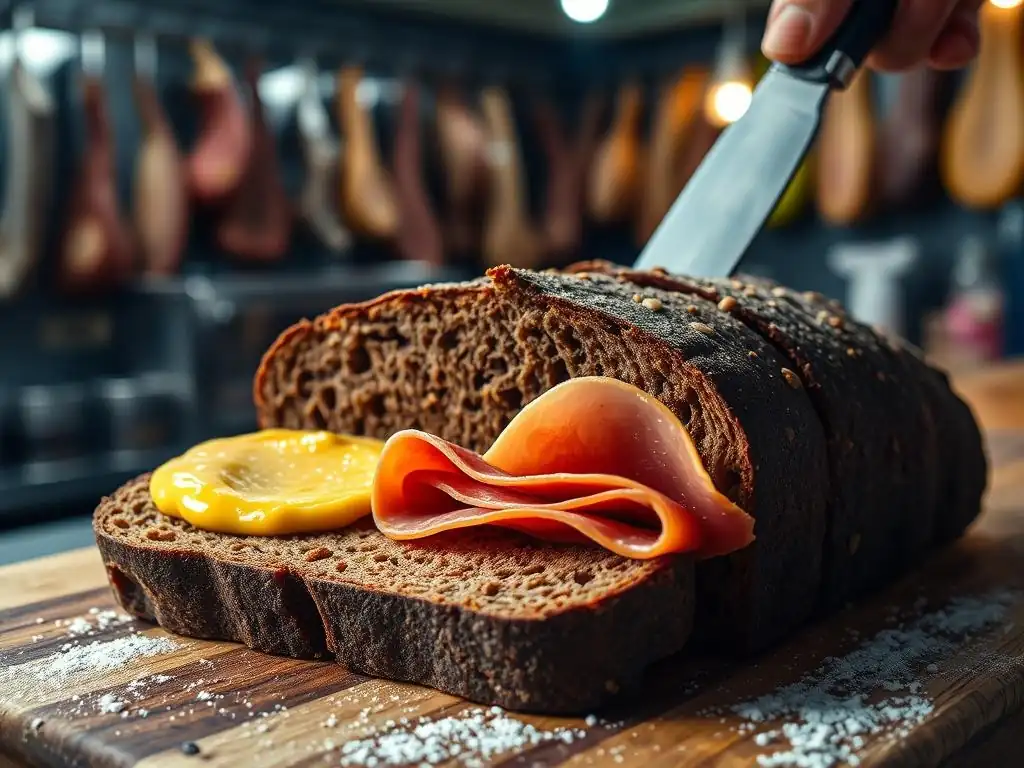
Jewish rye bread, particularly the New York-style deli version, is a beloved classic, famous for its chewy texture, tangy flavor, and generous scattering of caraway seeds. While it's called "rye," this bread typically contains a significant proportion of wheat flour, which provides the necessary gluten structure for a lighter crumb and higher rise compared to many European 100% rye loaves.
Often leavened with a combination of commercial yeast and a sour (a rye sour dough starter or simply vinegar/citric acid), Jewish rye achieves its characteristic tang. It's traditionally shaped into oval loaves and often baked directly on the oven hearth or a baking stone, which contributes to a firm crust. Steaming the oven is key to getting a good oven spring and crust development.
Recreating Authentic Jewish Rye Bread (Approximation)
Authentic Jewish rye balances rye and wheat flours with tang and caraway.
Ingredients:
- 300g bread flour (wheat)
- 200g medium rye flour
- 300ml warm water
- 10g salt
- 5g active dry yeast
- 10g caraway seeds (or more, to taste)
- 1 tbsp rye sour flavor (e.g., a bit of active rye starter, or 1 tsp vinegar + 1 tsp citric acid powder)
- Optional: 1 tsp sugar or molasses
Method:
- Combine warm water, yeast, sugar (if using), and sour flavor. Let stand a few minutes.
- In a large bowl, mix flours, salt, and caraway seeds. Add wet ingredients.
- Mix and knead (by hand or machine) for 8-10 minutes until a smooth, elastic dough forms.
- Bulk ferment in a greased bowl until doubled (approx. 1-1.5 hours).
- Shape into one or two oval loaves. Proof on parchment paper or a cornmeal-dusted peel for 45-60 minutes.
- Preheat oven to 230°C (450°F) with a baking stone. Create steam in the oven.
- Bake for 30-40 minutes, or until golden brown and internal temp is 96°C (205°F).
The Importance of Caraway Seeds in Jewish Rye
Caraway seeds are almost synonymous with Jewish rye bread. Their warm, slightly bitter, and anise-like flavor provides a perfect counterpoint to the bread's tangy and sometimes slightly sweet base. They are typically added generously to the dough and often sprinkled on top before baking.
Beyond flavor, the seeds also add textural interest. While some recipes use ground caraway for a more subtle infusion of flavor throughout the crumb, whole seeds provide bursts of flavor and a pleasant crunch. The amount of caraway can vary significantly by personal preference, but a classic deli rye is rarely shy with the seeds.
Other Rye Bread Variations from Around the World
The world of rye bread extends far beyond the most famous examples. Many other cultures have their own unique ways of incorporating rye into their baking traditions, from simple flatbreads to complex fermented loaves. Exploring these lesser-known variations offers even more opportunities for discovery in your baking journey.
These diverse examples demonstrate how rye flour can be used in various forms, adapting to different climates, available ingredients, and culinary needs. Whether it's a quick-to-bake flatbread or a dense, long-fermented loaf, rye bread continues to be a vital and flavorful staple in many parts of the world.
Finnish Reikäleipä (Rye Flatbread) Recipe (Approximation)
Finnish Reikäleipä, meaning "hole bread," is a dense, round rye bread with a hole in the center, traditionally baked to be hung from rafters for storage. It's a staple in Finland, often made with a high percentage of rye flour.
Ingredients:
- 400g dark rye flour
- 100g wheat flour
- 400ml lukewarm water
- 7g salt
- 3g active dry yeast (or rye sourdough starter)
Method:
- Mix ingredients into a stiff dough. Knead briefly.
- Let rise until slightly increased (approx. 1 hour if using yeast).
- Shape into a round, flat loaf (about 2-3 cm thick) and poke a hole in the center.
- Proof for 30-45 minutes.
- Bake at 200°C (390°F) for 40-50 minutes until dark and firm.
Swiss Rye Bread (Walliserbrot) Recipe (Approximation)
Walliserbrot is a traditional rye bread from the Valais region of Switzerland. It's known for being made with at least 50% rye flour and often uses a rye sourdough starter, resulting in a flavorful, slightly tangy loaf with a firm crust.
Ingredients:
- 250g active rye sourdough starter
- 250g dark rye flour
- 200g bread flour (wheat)
- 250ml water
- 9g salt
Method:
- Mix starter, water, flours, and salt into a dough. Knead for 5-8 minutes.
- Bulk ferment for 2-3 hours, folding once.
- Shape into a round loaf. Proof in a floured banneton for 2-3 hours or refrigerate 8-12 hours.
- Bake in a preheated oven at 230°C (450°F) for 15 mins (with steam), then reduce to 190°C (375°F) for 30-40 mins.
Tips and Tricks for Baking Perfect Rye Bread
Baking with rye flour presents unique challenges compared to wheat, primarily due to its different protein structure and higher soluble fiber content. But with a few key tips and tricks, you can overcome these hurdles and achieve fantastic results, whether you're tackling an easy sourdough rye bread recipe or a complex multi-grain loaf.
Understanding how rye dough behaves is the first step. It tends to be stickier and less elastic than wheat dough. Proper hydration, gentle handling, and sufficient fermentation and cooling times are critical for success.
Troubleshooting Common Rye Bread Baking Problems
Even experienced bakers encounter issues with rye bread. Here are some common problems and how to address them:
- Dense, Gummy Crumb: This is perhaps the most frequent issue. It can be caused by insufficient fermentation (especially with sourdough), too high hydration, or slicing the bread before it has fully cooled.
- Ensure your sourdough starter is active and the dough has had enough time to ferment. For sourdough rye, fermentation takes time to develop acidity.
- Check your hydration. Rye flour absorbs water differently; recipes provide a starting point, but you might need to adjust slightly based on your flour.
- Always let rye bread cool completely (several hours!) before slicing. This is non-negotiable.
- Flat Loaf / Lack of Rise: Rye dough doesn't rise as dramatically as wheat. Reasons include inactive leavening (sourdough or yeast), under-proofing, or over-proofing.
- Verify your yeast is active or your sourdough starter is strong and recently fed.
- Rye loaves show subtle signs of proofing; they won't double in size. Learn to judge readiness by feel – the dough should feel slightly airy and respond slowly to a gentle poke.
- Over-proofing can cause the structure to collapse in the oven. Watch the dough, not just the clock.
- Cracked Crust: While some rye breads should have a cracked crust (like some German types), excessive cracking can mean the crust set too early.
- Ensure adequate steam in the oven during the initial bake phase. This keeps the surface pliable, allowing it to expand with the loaf.
- You can also score the loaf before baking, but rye dough is often too soft for intricate scoring. A simple slash is often sufficient.
[ ] Check sourdough starter activity
[ ] Verify recipe hydration levels
[ ] Ensure sufficient cooling time
[ ] Use steam during baking
[ ] Monitor proofing carefully
Achieving the Ideal Rye Bread Texture
The "ideal" texture for rye bread varies greatly by type, from the light chew of Jewish rye to the dense, moist crumb of Pumpernickel. However, for most leavened rye loaves, you're aiming for a consistent crumb that isn't overly dense or gummy.
Proper fermentation is key. The acidity developed by sourdough or added sour agents helps the rye starches behave correctly, preventing gumminess. Hydration also plays a role; too little water results in a dry, crumbly loaf, while too much leads to soupiness and gumminess. Finding the right balance for the specific flour you're using is crucial. Gentle handling during mixing and shaping is also important; unlike wheat, rye does not benefit from aggressive kneading that develops gluten.
Sourdough Rye Bread Starter Maintenance
A healthy, active rye sourdough starter is fundamental for any easy sourdough rye bread recipe. Rye flour is excellent for starter maintenance because it's rich in nutrients that wild yeasts and bacteria love. Maintaining a rye starter is similar to maintaining a wheat starter, but it often becomes active more quickly.
Feed your rye starter regularly, typically once a day if kept at room temperature, using a ratio of starter, rye flour, and water (e.g., 1:1:1 by weight). If you don't bake frequently, store your starter in the refrigerator and feed it weekly. Before baking, take a small amount and feed it 2-3 times at room temperature to ensure it's vigorous and ready to leaven your dough. A strong starter will be bubbly and have increased significantly in volume a few hours after feeding.
Storing and Serving Your Homemade Rye Bread
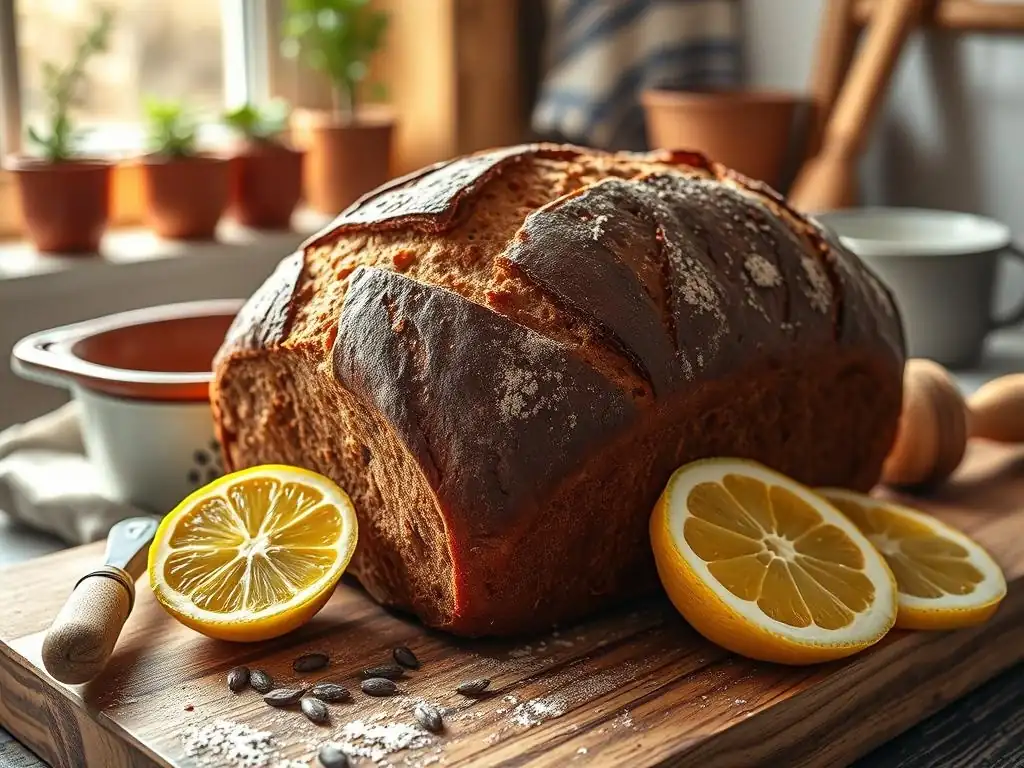
You've successfully baked your beautiful rye loaf! Now, how do you keep it fresh, and what are the best ways to enjoy its unique flavors? Proper storage is essential to maintain the texture and prevent your bread from drying out or becoming stale too quickly.
Rye bread generally has a longer shelf life than wheat bread, especially denser, high-percentage rye loaves. This is partly due to the properties of rye flour and the acidity from sourdough or other leavening methods.
Best Practices for Rye Bread Storage
Once your rye bread is completely cool (this can take 4-6 hours for very dense loaves! ), store it properly.
- Room Temperature: For short-term storage (2-4 days), wrap the cooled loaf tightly in a linen bread bag or paper bag, followed by a plastic bag or beeswax wrap. This balances allowing the crust to breathe slightly while preventing the crumb from drying out. Avoid airtight plastic containers immediately after baking, as trapped moisture can soften the crust and encourage mold.
- Refrigeration: Refrigerating bread can actually make it stale faster due to starch retrogradation. It's generally not recommended unless you live in a very humid climate or need to store it for longer than a few days before slicing.
- Freezing: For longer storage (up to 3-4 months), freezing is the best option. Let the loaf cool completely, then wrap it tightly in plastic wrap followed by aluminum foil or place it in a freezer bag. To thaw, unwrap and let it sit at room temperature, or reheat gently in a low oven (150°C/300°F) for 20-30 minutes. You can also slice the cooled loaf before freezing and take out slices as needed.
Delicious Serving Suggestions for Rye Bread
Rye bread's robust flavor pairs wonderfully with a variety of toppings and accompaniments.
- Classic Pairings: Serve sliced rye bread simply with good quality butter. It's also excellent with cheese, especially strong or aged varieties like cheddar or Gruyère.
- Savory Open-Faced Sandwiches: Inspired by Scandinavian tradition, top slices with smoked fish (salmon, herring), cured meats, pickled vegetables, or hard-boiled eggs.
- With Soups and Stews: A hearty slice of rye is the perfect accompaniment to rich soups, stews, or goulash, providing a sturdy base to soak up flavorful liquids.
- Toasted: Toasting rye bread enhances its flavor and crispiness. Enjoy toasted slices with cream cheese and smoked salmon, or use them for delicious grilled cheese sandwiches. An easy sourdough rye bread recipe yields a loaf that toasts beautifully, developing even more tang.
Beyond the Basics: Advanced Rye Bread Techniques
Once you're comfortable with basic rye baking, including perhaps mastering an easy sourdough rye bread recipe, you might want to explore more advanced techniques to further enhance flavor, texture, and appearance. These methods can take your rye loaves to the next level, mimicking the complexity of traditional European bakeries.
Advanced techniques often involve manipulating fermentation times, incorporating different forms of rye, or adding inclusions that boost flavor and nutrition. These steps require a deeper understanding of rye's properties but offer incredibly rewarding results.
Experimenting with Different Rye Flour Blends
The ratio of rye to wheat flour significantly impacts the final bread. A loaf with 30-40% rye flour will behave more like wheat bread, while increasing the rye percentage (50%, 70%, or even 100%) creates denser loaves with stronger rye flavor. Experimenting with these ratios allows you to find your preferred balance.
You can also blend different types of rye flour in a single loaf – for example, combining dark rye flour for color and flavor with a smaller amount of light rye for a slightly less dense crumb. Using stone-ground rye flour versus roller-milled can also introduce textural differences and a more pronounced whole-grain flavor. Documenting your results with different blends will help you refine your recipes.
Adding Seeds and Grains for Enhanced Flavor
Incorporating whole or cracked seeds and grains is a common practice in many global rye breads, adding texture, flavor, and nutritional value. Pumpkin seeds, sunflower seeds, flax seeds, sesame seeds, and poppy seeds are popular choices. Grains like rye berries, wheat berries, or oats can also be added.
Often, seeds and grains are soaked or scalded before being added to the dough. This "soaker" (or Quellstück in German baking) prevents them from absorbing moisture from the dough during fermentation and baking, which could result in a dry crumb. A typical soaker might involve mixing seeds/grains with an equal weight of hot water and letting it sit for a few hours or overnight before incorporating it into the final dough mix. For instance, adding a soaker of 10% of the total flour weight in seeds can significantly improve the texture and moisture retention of a high-rye loaf.
Baking with Rye Malt for Deeper Color and Aroma
Rye malt, particularly diastatic or non-diastatic dark rye malt, is a traditional ingredient in many dark European rye breads, including Russian Borodinsky. Diastatic malt contains enzymes that convert starches into sugars, providing food for yeast and contributing to crust browning. Non-diastatic malt (often roasted or kilned) primarily adds color and a rich, malty flavor without enzymatic activity.
Adding dark rye malt, often as part of the zavarka (scald) in Russian and some German breads, enhances the depth of color and imparts a characteristic sweet, slightly caramel-like or coffee-like aroma. Even a small percentage (1-3% of the total flour weight) of dark rye malt can dramatically impact the bread's sensory profile. It's a key component in achieving the authentic taste and appearance of very dark rye loaves.
Conclusion: Embrace the World of Rye Bread Baking
Exploring global rye breads is a rewarding journey that connects you with diverse culinary traditions and expands your baking skills. From mastering an easy sourdough rye bread recipe to tackling complex multi-day bakes, each loaf offers a unique challenge and a delicious reward.
Rye flour, with its distinct properties, invites you to learn new techniques and appreciate the nuances of fermentation and flavor development. Whether you prefer the hearty density of German Roggenbrot, the aromatic sweetness of Scandinavian Limpa, or the complex richness of Russian Borodinsky, there's a whole world of rye bread waiting for you to discover. So, get your hands dusty with rye flour, feed your sourdough starter, and embark on your own global rye bread adventure!
Frequently Asked Questions
What makes a sourdough rye bread recipe "easy"?
An easy sourdough rye bread recipe typically simplifies the baking process by using readily available ingredients and streamlined methods, focusing on techniques that are manageable for novice bakers.
Can I substitute ingredients in the sourdough rye bread recipe?
While some substitutions are possible, rye flour is essential for the distinctive flavor and texture. Experiment with different flours at your own risk, but understand it can affect the final outcome.
How long does it take to make sourdough rye bread from start to finish?
Sourdough rye bread requires time for fermentation. From mixing to baking, expect a total time commitment of at least 24-36 hours, including proofing time.
What equipment do I need for an easy sourdough rye bread recipe?
Basic equipment includes a mixing bowl, a kitchen scale, a Dutch oven (or baking stone), a proofing basket (banneton), and a reliable oven.
What if my sourdough starter isn't active enough?
An inactive starter will result in a dense, under-risen loaf. Ensure your starter is fed regularly and shows signs of vigorous bubbling before using it in the recipe.
Final Reflection: The Humble Rye, A Global Journey of Flavor
The seemingly simple act of baking sourdough rye bread connects us across cultures and centuries, a testament to the enduring power of tradition and the boundless creativity of human ingenuity. This exploration of global rye recipes has revealed not just a diversity of techniques and flavors, but also a shared human experience centered around the transformative power of fermentation and the comforting warmth of freshly baked bread. The ease with which many of these recipes can be adapted, even for beginner bakers, underscores the accessibility of this ancient craft.
This journey through diverse rye bread recipes has profoundly impacted my understanding of food as a cultural artifact. It's more than just sustenance; it's a tangible link to history, a reflection of local ingredients and techniques passed down through generations. The subtle variations in flavor profiles – from the robust tang of a German pumpernickel to the delicate sweetness of a Polish żytni – highlight the rich tapestry of human experience. Bread is the staff of life,
a simple phrase, yet it encapsulates the profound significance of this staple food in shaping our cultures and communities.
Now, I invite you to embark on your own rye bread adventure. Don't be intimidated by the seemingly complex process of sourdough; embrace the journey of fermentation, the satisfaction of kneading, and the sheer joy of sharing the fruits of your labor. Experiment with different flours, add your own unique twist, and discover the magic that unfolds in your own kitchen. The world of rye bread awaits, and your unique contribution to its rich history is just a loaf away.
Unleash Your Inner Baker: Global Rye Adventures Await!
Thanks for joining us on this delicious journey through the world of rye bread! We hope you've discovered some new baking inspiration and learned a thing or two about this versatile grain. Ready to put your newfound knowledge into practice?
- Bake your own rye masterpiece! Choose your favorite recipe from the article and get baking. Let the aromas fill your kitchen!
- Share your baking journey! Post a picture of your creation on social media and tag us – we'd love to see your results.
- Explore further: Dive deeper into the world of rye by researching regional variations or experimenting with different flours and additions.
What unique rye bread creation will you bake next?