
The Art of Glazing Pastries: Beyond Mirror Glaze Finishes

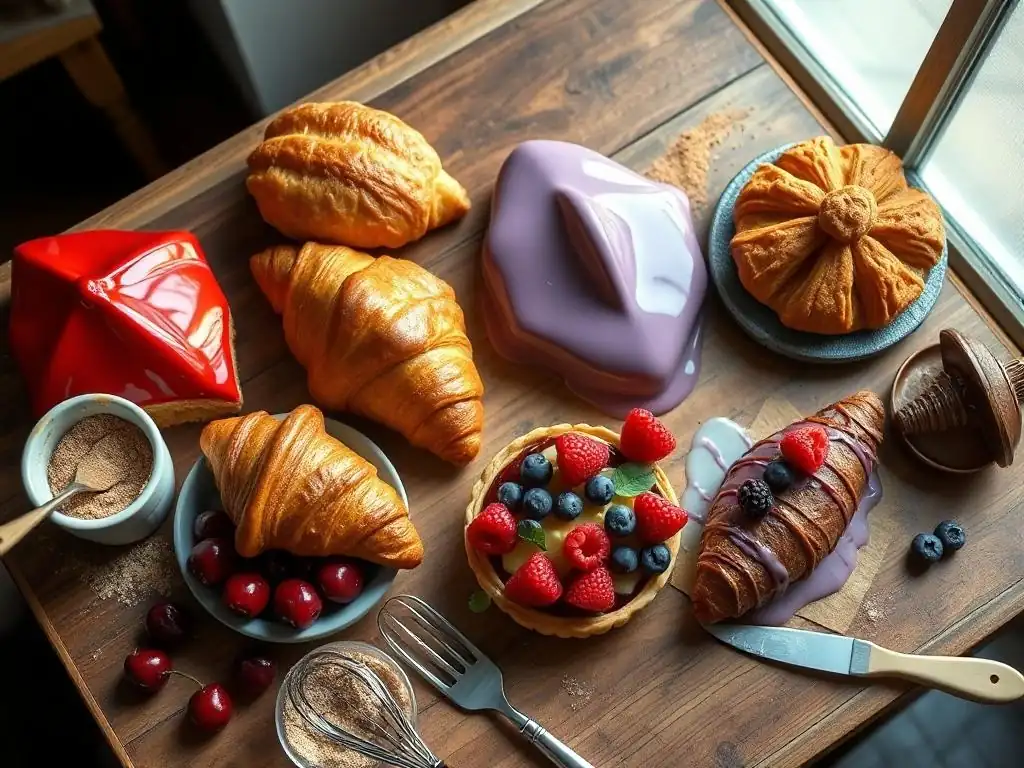
Welcome to BakeWithEase, your trusted companion on your baking journey! Ever wondered how to achieve that perfect, irresistible sheen on your pastries? This isn't just about mirror glazes; it's about unlocking a world of simple yet stunning finishes. Dive into our article, The Art of Glazing Pastries: Beyond Mirror Glaze Finishes, and discover a collection of easy pastry glaze recipes that will elevate your creations from delicious to dazzling. Ready to transform your baked goods? Let's get glazing!
- The Art of Glazing Pastries: Beyond Mirror Glaze Finishes | BakeWithEase.com
- Introduction to Pastry Glazes: Elevating Your Baking
- Easy Pastry Glaze Recipes: A Baker's Guide
- Achieving a Professional Finish: Glazing Techniques for Stunning Results
- Exploring Unique Pastry Glaze Variations
- Advanced Glazing Techniques: Beyond the Simple Pour
- Troubleshooting Common Pastry Glaze Problems
- Storing Glazed Pastries: Keeping Your Creations Fresh
- Conclusion: Mastering the Art of Pastry Glazing for BakeWithEase
-
Frequently Asked Questions
- What are some common mistakes people make when creating easy pastry glazes?
- Are there easy pastry glaze recipes that don't require specialized equipment?
- Can I use different types of liquids in easy pastry glaze recipes, and if so, which ones are recommended?
- How do I prevent my easy pastry glaze from becoming too thick or too thin?
- What are some alternatives to traditional sugar-based glazes for a healthier option?
- Final Reflection: The Enduring Allure of a Perfect Glaze
- Unleash Your Inner Pastry Artist: Master Glazing Techniques!
The Art of Glazing Pastries: Beyond Mirror Glaze Finishes | BakeWithEase.com
Introduction to Pastry Glazes: Elevating Your Baking
Understanding the Importance of a Perfect Pastry Glaze
A well-executed pastry glaze is far more than just a sweet coating; it's the finishing touch that transforms a simple baked good into a professional-looking masterpiece. Beyond aesthetics, a glaze adds a layer of flavor and moisture, enhancing the overall eating experience. Think of a classic doughnut: the glaze provides that initial burst of sweetness and a slightly chewy texture that complements the soft interior.
For cakes, a glaze can seal in moisture, keeping the crumb tender for longer. Achieving a smooth, even glaze demonstrates skill and attention to detail, significantly increasing the perceived value and appeal of your baked creations, whether they are simple cookies or elaborate tarts.
Moreover, glazes play a crucial role in defining the character of a pastry. A bright, tangy lemon glaze signals freshness, while a rich chocolate glaze promises indulgence. The right glaze can balance the sweetness of the pastry itself, add a contrasting flavor profile, or introduce a different texture. For instance, a tart raspberry glaze can cut through the richness of a butter cake. Mastering easy pastry glaze recipes allows bakers to experiment with these interactions, turning everyday bakes into something special. It's a fundamental skill that opens up a world of decorative and flavorful possibilities.
Beyond the Basics: Exploring Different Glaze Types
While the ubiquitous mirror glaze often steals the spotlight for its high-gloss finish, the world of pastry glazes is vast and varied. Beyond simple powdered sugar and liquid mixtures, we encounter glazes based on chocolate (ganache or fondant), fruit purees, caramel, and even those thickened with egg whites or gelatin. Each type offers unique characteristics in terms of texture, sheen, flavor, and application method. For example, a classic fondant glaze used on éclairs sets to a soft, slightly firm shell, while a simple powdered sugar glaze remains softer and sometimes slightly translucent.
Exploring different easy pastry glaze recipes allows bakers to match the perfect glaze to the specific pastry. A sturdy pound cake can handle a thicker, more opaque glaze, whereas delicate choux pastry might benefit from a lighter application. Some glazes, like a cooked sugar glaze or a basic fondant, require specific temperature control for proper application and setting, adding another layer of skill to master. Understanding these variations is key to choosing the right finish for your baked goods, ensuring both visual appeal and delightful flavor synergy.
Easy Pastry Glaze Recipes: A Baker's Guide
Classic Sugar Glaze Recipe for Beginners
The classic sugar glaze is perhaps the simplest and most versatile of all easy pastry glaze recipes, perfect for beginners. It typically consists of just two ingredients: powdered sugar (also known as confectioners' sugar or icing sugar) and a liquid, usually milk or water. A common ratio is about 1 cup of powdered sugar to 1 to 2 tablespoons of liquid.
The key is to whisk the ingredients together until smooth, adding liquid gradually until the desired consistency is reached – thick enough to coat but thin enough to drip smoothly. This basic glaze sets quickly at room temperature, forming a slightly opaque, sweet coating ideal for everything from simple sugar cookies to bundt cakes and quick breads.
This fundamental recipe is incredibly adaptable. Instead of milk or water, you can use citrus juice (lemon, orange), flavored extracts (vanilla, almond), or even melted butter for added richness. For a slightly more robust flavor, a pinch of salt can be added. To color the glaze, a tiny amount of food coloring works well. Because it requires minimal ingredients and no cooking, it's an excellent starting point for anyone wanting to learn how to make easy pastry glaze recipes. It's forgiving, quick to prepare, and effective at adding a sweet finish.
Simple Lemon Glaze Recipe: Adding Zest to Your Treats
A simple lemon glaze is a fantastic way to add a bright, tangy counterpoint to sweet baked goods. This easy pastry glaze recipe builds upon the basic sugar glaze by replacing the liquid with fresh lemon juice. The acidity of the lemon juice cuts through sweetness and imparts a wonderful citrus aroma and flavor.
A typical recipe might use 1 cup of powdered sugar mixed with 2 to 3 tablespoons of fresh lemon juice, adjusting the amount of juice to achieve the desired thickness. Sometimes, a little lemon zest is added for an extra punch of flavor and visual interest.
This glaze is particularly delightful on muffins, scones, pound cakes, and even sugar cookies. For instance, drizzled over a blueberry muffin, the lemon glaze enhances the fruitiness and adds a zesty brightness. It sets similarly to the classic sugar glaze but offers a more complex flavor profile. Like the basic sugar glaze, it's incredibly easy to make, requiring just whisking. It's a perfect example of how a minor ingredient swap in an easy pastry glaze recipe can dramatically change the outcome, proving that delicious and beautiful finishes don't have to be complicated.
Chocolate Glaze Recipe: Decadence Made Easy
For chocolate lovers, an easy chocolate glaze recipe is a must-have in their baking repertoire. One of the simplest methods involves melting chocolate with a small amount of fat and sometimes a liquid. A basic version uses about 1 cup of chocolate chips (semi-sweet or dark work well) melted with 1 to 2 tablespoons of butter or coconut oil.
The mixture is gently heated until smooth and glossy. For a slightly softer glaze, a tablespoon or two of milk or cream can be stirred in after melting. This creates a rich, pourable glaze that sets into a firm but not hard coating.
This type of easy pastry glaze is perfect for coating doughnuts, éclairs, cakes, and cupcakes. The quality of the chocolate significantly impacts the final flavor, so using good chocolate is recommended. Another approach is a simple cocoa powder glaze, made by whisking cocoa powder with powdered sugar, milk, and a touch of melted butter or vanilla extract. This yields a slightly less intense but still delicious chocolate flavor. Both methods provide accessible ways to achieve a decadent chocolate finish without complex techniques, fitting perfectly into the category of easy pastry glaze recipes.
Achieving a Professional Finish: Glazing Techniques for Stunning Results
Preparing Your Pastries for Glazing: Key Considerations
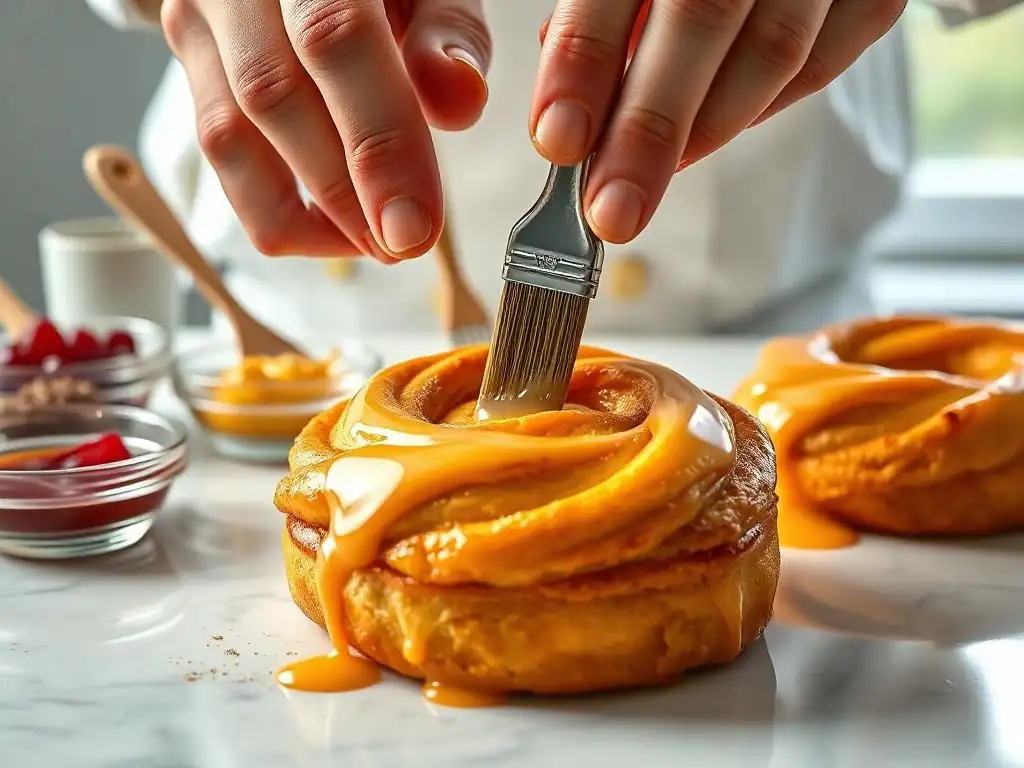
Proper preparation is crucial for achieving a smooth, professional glaze finish. First and foremost, your pastries must be completely cooled. Applying glaze to a warm pastry will cause the glaze to melt, run off, and potentially create a sticky, uneven mess. For cakes, ensuring the surface is level is important; any bumps or dips will be highlighted by the glaze. Trimming off domes or filling gaps with frosting can help. For smaller items like cookies or doughnuts, ensure they are free of crumbs or excess flour.
The surface texture also matters. A very porous surface might absorb too much glaze, requiring multiple coats or resulting in a dull finish. Sometimes, applying a thin crumb coat of frosting or a sugar syrup wash can help seal the surface before glazing, particularly for cakes. For items like fruit tarts, ensure the fruit is well-drained and arranged neatly, as the glaze will highlight the underlying structure. Taking these few moments to prepare your baked goods properly will make the glazing process much easier and yield far superior results, even when using the simplest of easy pastry glaze recipes.
Mastering the Pour: Achieving an Even Glaze Application
Mastering the pouring technique is key to achieving a smooth, even coating, especially for cakes and large pastries. The glaze needs to be at the right consistency – pourable but not too thin. It should coat the back of a spoon and drip in a steady stream.
For cakes, place the cooled cake on a wire rack set over a baking sheet or tray to catch drips. Start pouring the glaze in the center of the cake, allowing it to flow outwards towards the edges. Use an offset spatula or knife to gently encourage the glaze to cover the sides, if desired.
For smaller items like doughnuts or individual pastries, dipping is often preferred, but pouring can still be used for decorative effects or partial coverage. When pouring over multiple items arranged on a wire rack, ensure they are close enough so that the glaze drips between them are minimized, making cleanup easier. The speed and temperature of the glaze are critical; a slightly warm glaze (not hot) will flow more easily and set more smoothly than a cold, thick one. Practice with easy pastry glaze recipes will quickly help you gauge the perfect pouring consistency and technique.
Dipping vs. Pouring: Choosing the Right Glazing Method
The choice between dipping and pouring depends largely on the type and shape of the pastry, as well as the desired finish. Dipping is ideal for small, individual items like doughnuts, cookies, petit fours, or madeleines. It typically results in a thicker, more uniform coating on one side or the entire item if fully submerged.
To dip, hold the pastry carefully and lower the top surface into the glaze, or if glazing the whole item, use tongs or a fork. Lift, allow excess to drip off, and place on a wire rack to set. Dipping is efficient for glazing many small items with easy pastry glaze recipes.
Pouring, as discussed, is generally better suited for larger pastries such as bundt cakes, loaf cakes, or sheet cakes where uniform coverage over a large area or controlled drips are desired. It allows for more flexibility in covering sides or creating specific patterns. For instance, a zig-zag pattern of glaze is easily achieved by drizzling from a spoon or piping bag.
While dipping offers speed and full coverage on one side, pouring provides control and is necessary for items too large or delicate to dip. Understanding the strengths of each method helps you choose the best approach for your specific baking project.
Avoiding Common Glazing Mistakes: Tips and Tricks
Even with easy pastry glaze recipes, common pitfalls can occur. One frequent issue is a lumpy or grainy glaze. This is often due to undissolved powdered sugar or using liquid that is too cold. Sifting the powdered sugar beforehand and ensuring the liquid is at room temperature or slightly warm can help. Over-mixing can also incorporate too much air, leading to bubbles on the surface. Gentle whisking is usually sufficient.
Another mistake is applying glaze to warm pastries, causing it to melt or become transparent and sticky. Always wait until pastries are completely cool. If the glaze is too thick, add liquid sparingly, a teaspoon at a time, until the right consistency is reached.
If it's too thin, whisk in more powdered sugar. For chocolate glazes, overheating the chocolate can cause it to seize or become dull; melt gently, ideally over a double boiler or in short bursts in the microwave. Paying attention to temperature, consistency, and preparation will help you avoid frustration and achieve beautiful results with any easy pastry glaze recipe.
Exploring Unique Pastry Glaze Variations
Fruit-Based Glazes: Raspberry, Strawberry, and More
Fruit-based glazes offer vibrant colors and fresh, tangy flavors, moving beyond simple sweetness. These glazes often use fruit purees or reductions mixed with powdered sugar or a simple syrup. For example, a raspberry glaze can be made by pureeing fresh or frozen raspberries, straining out the seeds, and then whisking the smooth puree with powdered sugar until it reaches a pourable consistency. A touch of lemon juice can brighten the fruit flavor. A typical ratio might be 1/4 cup fruit puree to 1 cup powdered sugar, adjusted for thickness.
Strawberry, blueberry, passion fruit, and even apricot are excellent candidates for fruit glazes. These glazes are particularly wonderful on cheesecakes, tarts, cupcakes, and fruit-based cakes, enhancing the fruit flavors already present or adding a complementary note. While some fruit glazes can be slightly less opaque than traditional sugar glazes, they offer a natural color and a burst of authentic fruit taste. Experimenting with different fruits expands the possibilities of easy pastry glaze recipes, adding a healthy-ish twist to your finishes.
Coffee Glaze: Adding a Caffeine Kick to Your Baked Goods
For those who love the rich aroma and flavor of coffee, a coffee glaze is an excellent way to infuse baked goods with a subtle caffeine kick and a sophisticated taste. This glaze is typically made by substituting the liquid in a classic sugar glaze with strong brewed coffee or espresso. The intensity of the coffee flavor depends on the strength of the brew used. A basic recipe might combine 1 cup of powdered sugar with 2-3 tablespoons of very strong, cooled coffee, whisking until smooth.
Coffee glaze pairs beautifully with chocolate cakes, coffee cakes, spice cakes, and even vanilla bean scones or muffins. The slight bitterness of the coffee provides a lovely contrast to the sweetness of the glaze and the pastry. For an extra layer of flavor, a hint of vanilla extract or a touch of cocoa powder can be added. This easy pastry glaze recipe offers a simple yet impactful way to add an adult-friendly flavor profile to your baking repertoire, perfect for morning pastries or after-dinner treats.
Spiced Glazes: Cinnamon, Nutmeg, and Ginger Infusions
Spiced glazes are perfect for adding warmth and aromatic depth to baked goods, especially during cooler months or for holiday baking. These glazes are created by incorporating ground spices into a basic sugar glaze or a cream cheese glaze. Common spices include cinnamon, nutmeg, ginger, cloves, or a blend like pumpkin pie spice. A simple method is to whisk about 1/2 to 1 teaspoon of ground spice into 1 cup of powdered sugar before adding the liquid (milk, water, or even apple cider).
These glazes are fantastic on apple cakes, pumpkin muffins, gingerbread, carrot cake, and sweet potato bread. A cinnamon glaze over a warm apple fritter is a classic comfort. The amount of spice can be adjusted to personal preference, from a subtle hint to a bold, spicy kick. Using fresh spices will yield the most potent flavor. Adding spices is an easy tweak to basic easy pastry glaze recipes, transforming them into something uniquely comforting and flavorful, perfectly complementing spiced baked goods.
Advanced Glazing Techniques: Beyond the Simple Pour
Marbling Techniques: Creating Artistic Glaze Designs
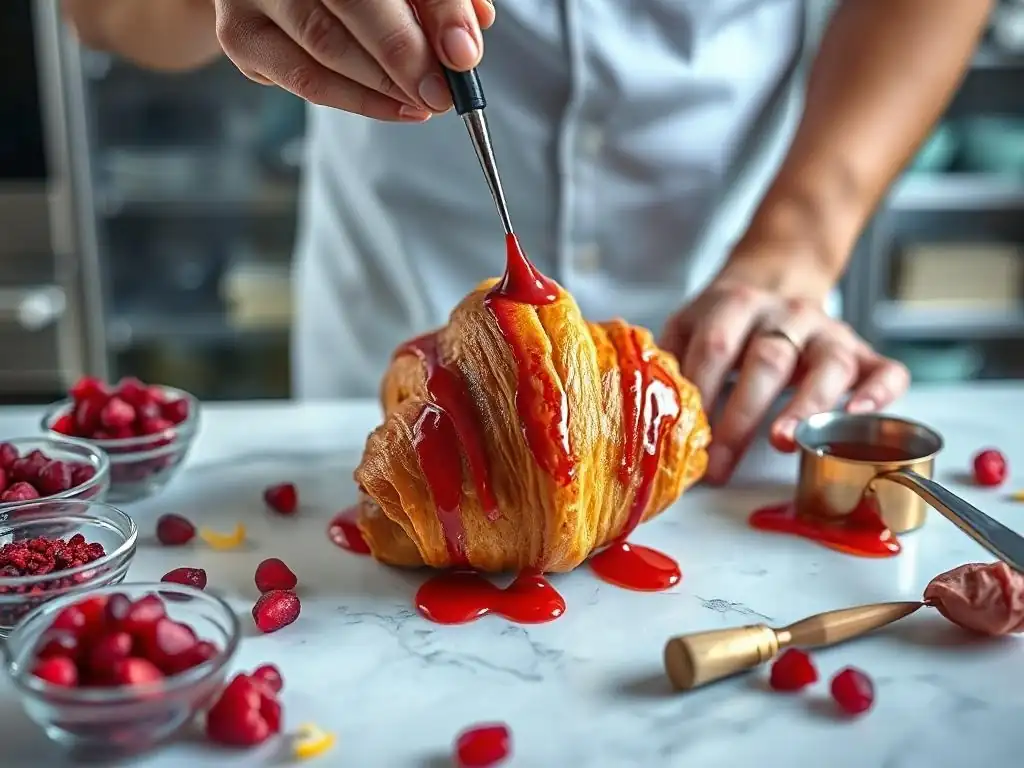
Marbling is a stunning advanced glazing technique that creates beautiful, swirling patterns on a pastry's surface. While often associated with mirror glazes, it can also be adapted for slightly thicker glazes. The basic principle involves applying a base layer of one glaze color and then adding lines or dots of a contrasting glaze color on top while the base is still wet. A skewer, toothpick, or offset spatula is then gently dragged through the colors to create swirls and patterns.
For example, you could use a white sugar glaze as the base on a cake, then drizzle lines of a chocolate glaze over it. Dragging a skewer back and forth through the lines will create a marbled effect. The consistency of both glazes is critical; they need to be fluid enough to swirl but thick enough not to simply blend into one color.
Practicing on a flat surface like a piece of parchment paper before applying to your pastry can help you get the feel for the technique. While requiring a bit more practice than easy pastry glaze recipes, marbling adds a truly artistic dimension.
Ombre Glaze Effects: Achieving a Gradient Finish
Creating an ombre glaze effect involves transitioning smoothly between colors, usually from dark to light or one color to another. This technique requires careful application and glaze consistency. One method is to make batches of glaze in varying shades of a color (e.g., three shades of blue, from dark to light). Apply the darkest shade to the bottom portion of the pastry, the medium shade above it, and the lightest shade at the top. While the glazes are still wet, use a clean spatula or bench scraper to gently blend the edges between the colors with smooth, upward strokes.
Alternatively, you can use a single batch of glaze and gradually lighten it by adding more white glaze or powdered sugar as you move up the pastry. For instance, glaze the bottom third with the darkest color, then add a little white to the remaining glaze, apply to the middle third, add more white, and apply to the top third. Blending the edges is key to achieving a seamless gradient. This technique requires patience and a knack for blending, taking easy pastry glaze recipes into the realm of visual artistry.
Using Stencils for Glaze Decoration: Precision and Elegance
Stencils offer a precise way to apply glaze in decorative patterns or shapes onto a pastry surface. This technique works best with glazes that are slightly thicker and set relatively quickly, like a basic sugar glaze or a thin royal icing. Place a stencil carefully onto the cooled pastry surface. Ensure it lies flat against the surface to prevent bleed-under.
Then, using an offset spatula or palette knife, spread a thin, even layer of glaze over the stencil, covering all the cut-out areas. Scrape off any excess glaze to ensure clean lines. Carefully lift the stencil straight up and away from the pastry immediately after applying the glaze, before it sets completely. This technique allows for intricate designs, logos, or patterns that would be difficult to freehand. While needing careful execution, using stencils with easy pastry glaze recipes can elevate your decorating with elegant and precise details.
Troubleshooting Common Pastry Glaze Problems
Glaze is Too Thick: How to Thin it Out
Encountering a glaze that's too thick is a common issue, often resulting in a clumpy texture or difficulty spreading. This usually happens when too little liquid is added relative to the powdered sugar or other dry ingredients. Fortunately, thinning out a glaze is straightforward. The simplest solution is to add more of the liquid called for in the recipe, whether it's milk, water, juice, or melted butter. Add the liquid very gradually, typically one teaspoon at a time, whisking thoroughly after each addition.
Keep adding and whisking until the glaze reaches the desired pourable or spreadable consistency. For a basic sugar glaze made with powdered sugar and milk, adding just a tablespoon or two of extra milk can transform a thick paste into a smooth, flowing glaze. For chocolate glazes, adding a little more melted butter, oil, or warm cream can help. It's always easier to add more liquid than to remove it, so proceed cautiously to avoid making the glaze too thin in the next step.
Glaze is Too Thin: How to Thicken it
Conversely, if your easy pastry glaze is too thin, it will likely run off the pastry without coating it properly, resulting in a translucent or messy finish. This usually occurs when too much liquid has been added. To thicken a glaze, you need to add more of the dry ingredient. For most easy pastry glaze recipes based on powdered sugar, this means adding more powdered sugar.
Add the powdered sugar gradually, about a tablespoon at a time, whisking until it is fully incorporated and the consistency thickens. Continue adding powdered sugar until the glaze reaches the desired thickness – it should coat the back of a spoon and hold a slight shape before dripping. For chocolate glazes, adding a bit more melted chocolate or cocoa powder (depending on the recipe type) can help. Patience is key; add small amounts and mix well before deciding if more is needed.
Achieving a Smooth, Glossy Finish: Avoiding Air Bubbles
A perfectly smooth and glossy glaze elevates the appearance of any pastry. Air bubbles are a common culprit that can disrupt this smooth finish. They are often introduced by over-vigorous whisking or incorporating ingredients too quickly. To minimize air bubbles, whisk the glaze gently and steadily rather than beating it aggressively. Ensure all dry ingredients, like powdered sugar, are fully dissolved without needing excessive force.
If bubbles do appear on the surface of the mixed glaze, let it sit for a few minutes before using. Many small bubbles will rise to the surface and dissipate. For persistent bubbles after applying the glaze, you can gently pop them with a clean pin or the tip of a skewer immediately after glazing, while the glaze is still wet. For glazes that require heating, ensuring they are heated gently and not boiled can also help prevent bubble formation.
Preventing Glaze from Cracking: Maintaining Optimal Moisture Levels
Glaze cracking, especially on cakes, is often caused by the glaze drying out too quickly or the underlying pastry expanding or contracting. Glazes that are too thick or contain too much powdered sugar relative to liquid can be prone to cracking. Using a glaze with a slightly higher liquid content or adding a small amount of corn syrup or glycerin (a humectant) can help keep the glaze pliable after it sets.
Another factor is the environment. Very dry air can cause the glaze to dry out too rapidly. Storing glazed pastries properly (as discussed in the next section) is crucial. For cakes, ensuring the cake itself is moist helps prevent it from pulling away from the glaze as it settles. Applying the glaze when the cake is cool but not chilled can also help; a very cold surface might cause the glaze to set too quickly and become brittle. Using a well-balanced easy pastry glaze recipe and proper storage are your best defenses against cracking.
Storing Glazed Pastries: Keeping Your Creations Fresh
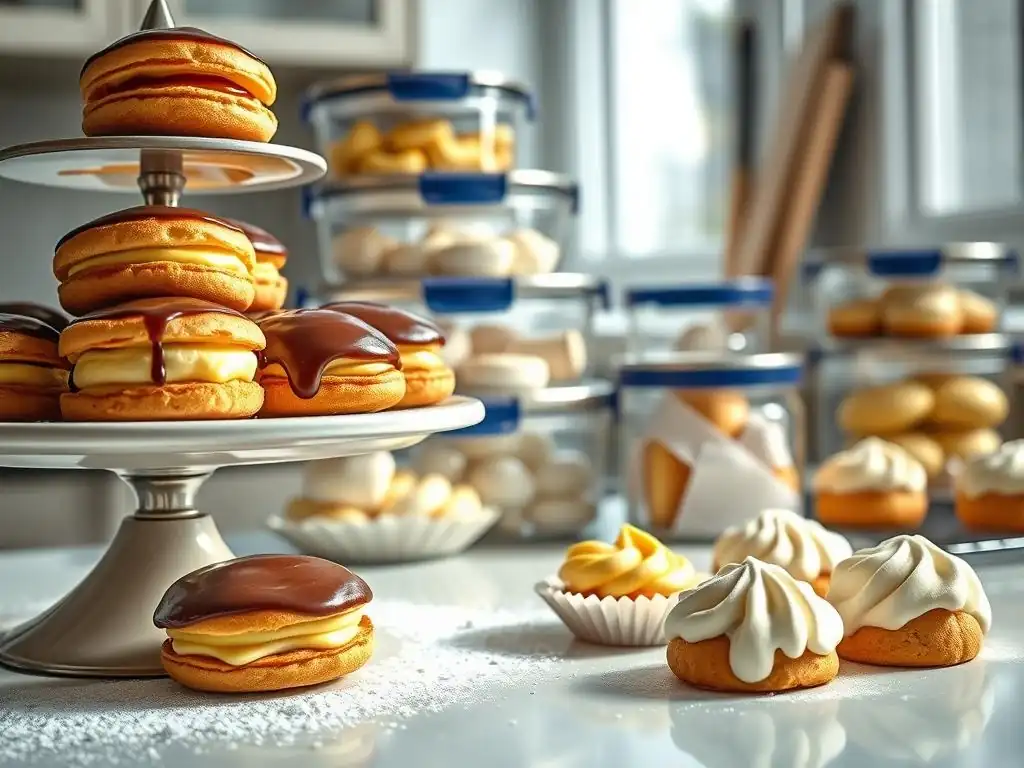
Proper storage is essential to maintain the quality and appearance of glazed pastries. For cakes coated with a simple sugar or lemon glaze, an airtight container is your best friend. Place the cooled, glazed cake inside, ensuring the lid seals tightly to prevent air exposure, which can dry out both the cake and the glaze. Store at room temperature for 1-2 days, or refrigerate if the filling or frosting requires it, though refrigeration can sometimes dull the glaze's shine and texture.
Glazed cookies should also be stored in an airtight container once the glaze is completely set. Layering cookies with parchment or wax paper can prevent them from sticking to each other. Most glazed cookies will stay fresh at room temperature for 3-5 days. Avoid placing glazed items directly on top of each other unless the glaze is very hard-set, as this can cause sticking and damage the finish. Keeping them away from direct sunlight and excessive heat is also important.
Preventing Glaze from Becoming Sticky
A sticky glaze is often the result of too much humidity in the air, insufficient drying time, or an imbalance in the glaze recipe itself (sometimes too much liquid or corn syrup). To prevent stickiness, ensure your glaze has ample time to set completely before storing or stacking the pastries. This might take anywhere from 30 minutes to several hours, depending on the glaze type and humidity levels.
Once set, store pastries in a cool, dry environment. If you live in a humid climate, using a glaze recipe with a slightly higher ratio of powdered sugar or adding a small amount of meringue powder can help the glaze set firmer and resist humidity. Ensure the storage container is truly airtight to protect the pastries from ambient moisture. Avoid covering glazed items with plastic wrap directly touching the glaze before it's fully set, as this traps moisture and encourages stickiness.
Conclusion: Mastering the Art of Pastry Glazing for BakeWithEase
The Versatility of Easy Pastry Glaze Recipes
As we've explored, easy pastry glaze recipes offer incredible versatility, allowing bakers of all levels to add beautiful, flavorful finishes to their creations. From the simplicity of a classic sugar glaze on a bundt cake to the zesty brightness of a lemon glaze on scones, these basic recipes serve as a foundation for endless variations. They require minimal ingredients, are quick to prepare, and provide a significant visual and gustatory impact.
Mastering these straightforward techniques empowers you to elevate everyday baked goods into something special without needing complex skills or equipment. Whether you're glazing cookies for a bake sale, adding a finishing touch to a quick bread, or decorating cupcakes, easy pastry glaze recipes are an indispensable tool in your baking arsenal. They prove that achieving professional-looking results can be accessible and fun.
Elevating Your Baking with Creative Glazing Techniques
Moving beyond the basic pour, incorporating creative glazing techniques like marbling, ombre effects, or using stencils allows you to transform your pastries into edible art. While these methods might require a bit more practice than simple easy pastry glaze recipes, they open up a world of possibilities for personalization and stunning presentation. Imagine a cake with a swirling two-tone glaze or cookies decorated with intricate stenciled patterns.
These techniques not only enhance the visual appeal but also demonstrate growing skill and creativity in your baking journey. Combining different glaze types with decorative applications means you're limited only by your imagination. So, start with the easy pastry glaze recipes, build your confidence, and then dare to experiment with more advanced techniques to truly make your baked goods shine. Happy glazing!
Frequently Asked Questions
What are some common mistakes people make when creating easy pastry glazes?
The most common mistakes include using incorrect ratios of ingredients, not allowing the glaze to cool sufficiently before applying, and failing to strain the glaze for a smooth finish.
Are there easy pastry glaze recipes that don't require specialized equipment?
Yes, many recipes rely on basic kitchen tools. Simple glazes using powdered sugar, milk, and vanilla extract require only a bowl and whisk. Other simple options involve using melted jam or fruit preserves.
Can I use different types of liquids in easy pastry glaze recipes, and if so, which ones are recommended?
Absolutely! You can experiment with liquids like fruit juice, coffee, or even liqueurs to add flavor. Milk or water are common, but these alternatives can enhance the glaze's taste.
How do I prevent my easy pastry glaze from becoming too thick or too thin?
Consistency is key. To thin a glaze, add small amounts of liquid, like water or milk, until desired. If too thin, add a bit more powdered sugar or cornstarch, stirring constantly.
What are some alternatives to traditional sugar-based glazes for a healthier option?
Consider using a glaze made with honey or maple syrup in smaller quantities. Fruit purees can also provide a natural sweetness and vibrant color, creating a healthier, fruit-based glaze.
Final Reflection: The Enduring Allure of a Perfect Glaze
The pursuit of the perfect pastry glaze is more than just a culinary quest; it's a reflection of our desire for beauty, precision, and the simple joy of a flawlessly finished dessert. From the simplest fruit glaze to the most intricate mirror glaze, the techniques explored in this article highlight the accessibility and rewarding nature of achieving professional-looking results at home. The ease with which even novice bakers can elevate their creations speaks to the enduring power of a well-executed glaze.
The impact of a visually stunning dessert should not be underestimated. It's a sensory experience that engages not only our taste buds but also our eyes, transforming a simple treat into a moment of celebration. The best things in life are simple, but not easy.
This quote perfectly encapsulates the journey of mastering pastry glazes. While the recipes themselves may be straightforward, the practice and attention to detail required to achieve that perfect sheen and consistency are what truly elevate the experience. This pursuit of perfection, I believe, resonates deeply within our culture's appreciation for artistry and craftsmanship.
Now, it's your turn. Consider the simple elegance of a perfectly glazed pastry – the subtle shine, the smooth texture, the way it catches the light. Don't be intimidated by the seemingly complex techniques. Choose a recipe from this article, gather your ingredients, and embark on your own glazing adventure. Let the process be a mindful one, a chance to connect with the creative spirit within you. The reward? Not just a delicious dessert, but a newfound appreciation for the artistry and satisfaction found in even the simplest culinary endeavors.
Unleash Your Inner Pastry Artist: Master Glazing Techniques!
Thanks for diving into the world of pastry glazing with us! You've just unlocked a treasure trove of techniques to elevate your baking game. Ready to put your new knowledge into practice?
- Try a new glaze recipe this week: Challenge yourself to experiment with a flavor profile you haven't explored before – think lavender honey or spiced caramel. This is your chance to shine!
- Share your glazing creations: Post a picture of your masterpiece on social media and tag us! Let's inspire each other with our beautiful (and delicious) results.
- Join our baking community: Head over to our forums to connect with fellow pastry enthusiasts and share your glazing tips and tricks. Let's collaborate and learn together!
What unique glaze flavor will you create next?