
Swiss Meringue Method: StepbyStep Instructions for Flawless Execution

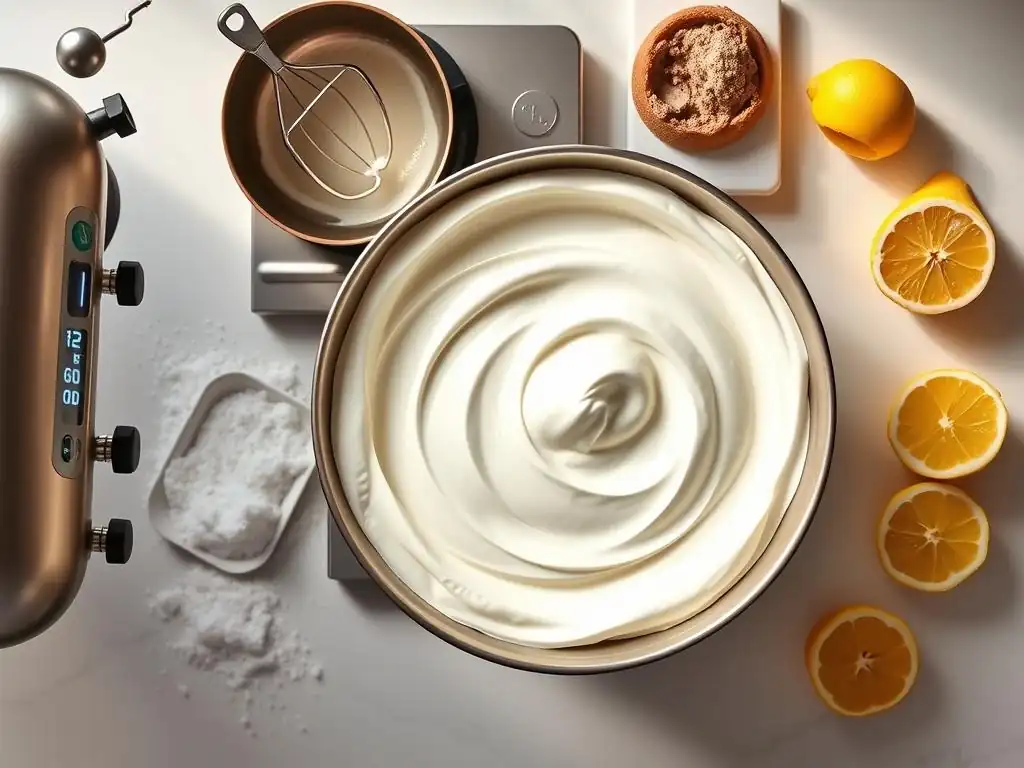
Welcome to BakeWithEase, where mastering the art of baking becomes a delightful journey! Ever wondered how to achieve that perfectly silky, melt-in-your-mouth texture in your frosting? Unlock the secrets with our guide to a flawless Swiss meringue buttercream recipe easy. We'll break down the process step-by-step, ensuring even beginners can achieve professional results. Ready to elevate your baking game? Let's get started!
- Swiss Meringue Buttercream Recipe: A Comprehensive Guide
- Introduction to Swiss Meringue Buttercream
- Essential Ingredients for Swiss Meringue Buttercream
- Step-by-Step Swiss Meringue Buttercream Recipe
- Troubleshooting Common SMBC Issues
- Tips and Best Practices for Perfect SMBC
- Swiss Meringue Buttercream Variations
- Applications of Swiss Meringue Buttercream
- Conclusion: Mastering Swiss Meringue Buttercream
-
Frequently Asked Questions
- How easy is the Swiss meringue buttercream recipe on BakeWithEase?
- What makes the Swiss meringue method described on BakeWithEase different?
- What ingredients are needed for the Swiss meringue buttercream recipe according to BakeWithEase?
- Can I find troubleshooting tips for Swiss meringue buttercream on BakeWithEase?
- Does BakeWithEase offer variations on the basic Swiss meringue buttercream recipe?
- Final Reflection: The Sweet Science of Perfect Buttercream
- Unlock Your Inner Pastry Chef: Master the Swiss Meringue!
Swiss Meringue Buttercream Recipe: A Comprehensive Guide
Introduction to Swiss Meringue Buttercream
What is Swiss Meringue Buttercream (SMBC)?
Swiss Meringue Buttercream, often abbreviated as SMBC, is a sophisticated yet surprisingly approachable frosting known for its silky smooth texture and less cloying sweetness compared to traditional American buttercream. It's created by first heating egg whites and sugar over a water bath until the sugar is fully dissolved, then whipping this mixture into a glossy, stable meringue.
Once the meringue is cool, softened butter is gradually added and whipped in, transforming the fluffy meringue into a rich, creamy buttercream. This process results in a stable frosting that is perfect for filling, frosting, and decorating cakes and cupcakes, offering a professional finish.
Unlike other meringue-based buttercreams like Italian (where hot sugar syrup is poured into whipping egg whites) or French (which uses egg yolks), the Swiss method gently cooks the egg whites, making it safer to consume raw and providing a more stable base. The heating step also helps dissolve the sugar completely, preventing a grainy texture.
Mastering this technique is a valuable step for any baker looking to elevate their decorating skills and achieve that coveted smooth, pipeable consistency that is ideal for intricate designs and elegant layers. Getting this Swiss meringue buttercream recipe easy to follow is key to baking success.
Advantages of Swiss Meringue Buttercream
One of the primary advantages of Swiss Meringue Buttercream is its incredibly smooth, almost velvety texture. This makes it exceptionally pleasant to eat and work with, gliding easily over cakes and holding sharp edges when piped. Furthermore, SMBC is significantly less sweet than American buttercream, which is typically made with powdered sugar and butter. This reduced sweetness allows other flavors in the cake or filling to shine through, creating a more balanced dessert experience. Many bakers find this balance appealing, especially for multi-layered cakes where the frosting is a substantial component.
Another key benefit is its remarkable stability. Once properly made, Swiss Meringue Buttercream holds up well at room temperature for several hours (depending on the climate) and is less prone to melting or collapsing than some other frostings, making it ideal for stacking cakes or creating elaborate decorations. It also takes on flavorings and colors beautifully, allowing for endless creativity in taste and appearance. For those seeking an easy Swiss meringue buttercream recipe that delivers professional results, the stability and smooth finish of SMBC are undeniable draws.
Key Considerations for Successful SMBC
Achieving a perfect Swiss Meringue Buttercream relies on paying close attention to a few critical factors. Temperature is paramount throughout the process. The egg white and sugar mixture must be heated to a specific temperature (typically between 130°F and 160°F or 54°C and 71°C) to ensure the sugar is fully dissolved and the egg whites are safe.
Equally important is ensuring the meringue is completely cooled before adding the butter; adding butter to warm meringue will result in a soupy, unusable mess. The butter itself also needs to be at the correct consistency – soft but not melted, usually around 65°F (18°C).
Equipment cleanliness is another non-negotiable. Any trace of grease in your mixing bowl or whisk can prevent the egg whites from whipping into a stable meringue, leading to a failed batch. Using a stand mixer is highly recommended for the lengthy whipping process, as it allows for consistent speed and frees up your hands.
Patience is also a virtue; the process involves waiting for mixtures to heat and cool, and the buttercream goes through several stages (sometimes looking curdled or separated) before it comes together into a smooth emulsion. Understanding these key considerations is vital for anyone attempting a Swiss meringue buttercream recipe easy or complex.
Essential Ingredients for Swiss Meringue Buttercream
Egg Whites: Quality and Preparation
The foundation of Swiss Meringue Buttercream is the meringue, which relies entirely on the quality and preparation of the egg whites. Fresh eggs generally yield stronger, more stable meringues due to the structure of their proteins. While carton egg whites can work, many bakers prefer fresh for optimal results.
It is absolutely crucial that the egg whites are completely separated from the yolks; even a tiny speck of yolk, which contains fat, can prevent the whites from whipping properly. Using three large egg whites, for example, is a common starting point for a standard batch, yielding enough buttercream for a two-layer cake.
Bringing the egg whites to room temperature before beginning is highly recommended. Room temperature egg whites whip up to a greater volume and achieve more stable peaks than cold ones. This is because the proteins are more relaxed and elastic at warmer temperatures, allowing them to stretch and hold air better.
To quickly bring cold eggs to room temperature, you can place the separated whites in a bowl set inside a larger bowl of warm water for about 10-15 minutes. Proper preparation of the egg whites is the first critical step in ensuring your Swiss meringue buttercream recipe easy comes together smoothly.
Granulated Sugar: Role and Alternatives
Granulated sugar plays a dual role in Swiss Meringue Buttercream. First, it is heated with the egg whites, which helps to dissolve the sugar crystals completely. This dissolution is crucial for a smooth, non-gritty texture in the final buttercream. Second, the sugar stabilizes the meringue by bonding with the egg white proteins, helping them hold their structure and preventing weeping. A typical ratio might involve roughly twice the weight of sugar to egg whites, for instance, using about 150-200 grams of granulated sugar for 100 grams of egg whites.
While standard granulated sugar is the most common choice, superfine or castor sugar can also be used as it dissolves even more readily, potentially speeding up the heating step slightly. Avoid using powdered sugar at this stage, as it contains cornstarch which is not suitable for the meringue base. Brown sugar or other unrefined sugars would also impact the color and flavor significantly, so they are not typically used in classic SMBC. Ensuring the sugar is fully dissolved during the heating phase is a non-negotiable step for achieving that signature smooth texture in your easy Swiss meringue buttercream recipe.
Unsalted Butter: Importance of Temperature
Butter is what transforms the stable meringue into a rich, creamy buttercream. Unsalted butter is preferred because it gives the baker control over the overall saltiness of the final product. The temperature of the butter is absolutely critical; it must be soft but not melted.
If the butter is too cold, it won't emulsify properly with the meringue, resulting in a curdled appearance. If it's too warm or melted, it will melt the meringue structure, leading to a soupy mess. The ideal temperature is typically around 65°F (18°C), where the butter yields slightly when pressed but still holds its shape.
Using good quality butter can also make a difference in the final flavor and texture. European-style butters, which often have a higher fat content (around 82% compared to typical American butter at 80%), can contribute to an even richer and smoother buttercream. Cutting the butter into cubes (around 1-inch or 2.5 cm) before adding it to the cooled meringue helps it incorporate more evenly and quickly. Having the butter at the perfect temperature is a fundamental step to achieving that smooth, desirable consistency in your Swiss meringue buttercream recipe easy to handle.
Flavorings and Extracts: Enhancing the Taste
While the base Swiss Meringue Buttercream has a lovely mild flavor from the butter and meringue, adding flavorings is where you can truly customize it for your specific dessert. Vanilla extract is the most common addition, providing a classic and comforting flavor profile. High-quality pure vanilla extract or vanilla bean paste will yield the best results. Typically, about 1-2 teaspoons of extract or paste are added per batch made with 3-4 egg whites, but this can be adjusted to personal preference.
Beyond vanilla, the possibilities are nearly endless. Almond extract, lemon zest, coffee extract, melted and cooled chocolate, fruit purees (added carefully to avoid adding too much liquid), or even liqueurs can be folded in after the buttercream has come together. Remember to add flavorings gradually and taste as you go, as some extracts are more potent than others. For instance, using 1/2 teaspoon of almond extract might be sufficient compared to 1 teaspoon of vanilla. These additions allow you to tailor your easy Swiss meringue buttercream recipe to complement any cake flavor imaginable.
Step-by-Step Swiss Meringue Buttercream Recipe
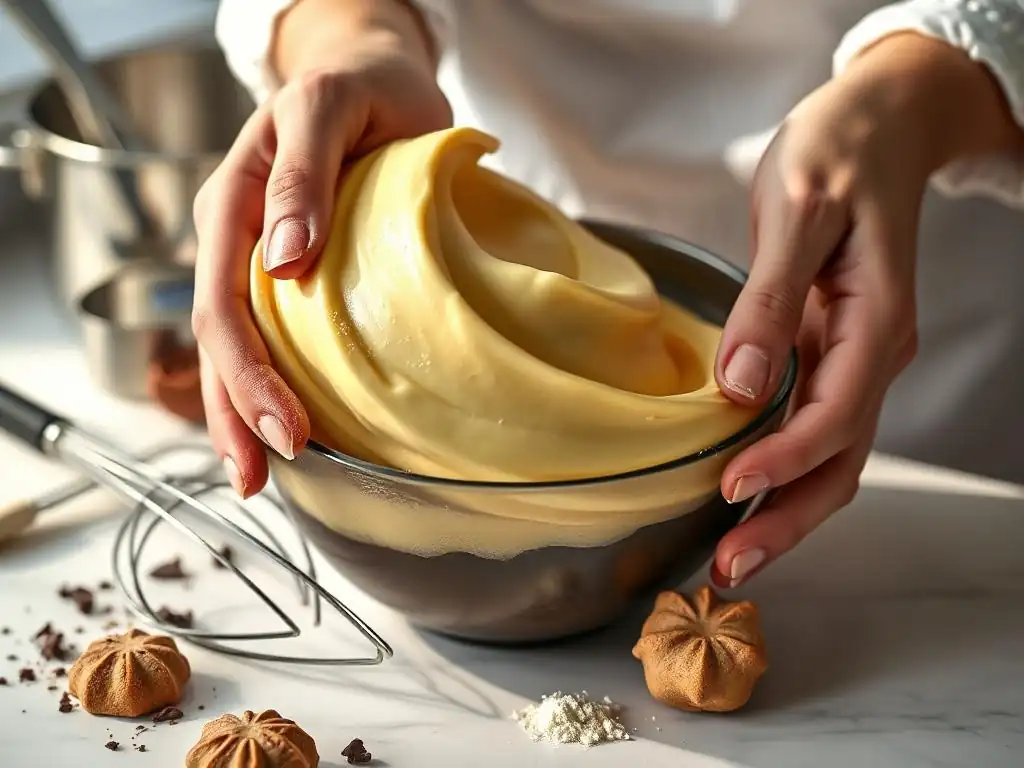
Step 1: Combining Egg Whites and Sugar
Preparing the Mixture for Heating
Begin by carefully separating your egg whites from the yolks, ensuring no yolk contamination. Weigh or measure your granulated sugar accurately. Place the egg whites and sugar into the clean, dry bowl of your stand mixer (or a heatproof bowl if using a hand mixer later). Whisk them together gently using a hand whisk just until combined. The mixture will look cloudy and grainy at this stage. This initial whisking helps to distribute the sugar evenly through the egg whites before heating begins.
Ensure your bowl is completely clean and free of any grease or soap residue. Even a small amount can prevent the meringue from whipping properly later. If using a stand mixer bowl, make sure the whisk attachment is also sparkling clean. This simple preparation step sets the stage for successfully dissolving the sugar over the heat and is the starting point for a smooth Swiss meringue buttercream recipe easy to follow.
Gentle Whisking Technique
Once the sugar and egg whites are combined in the heatproof bowl, place the bowl over a saucepan containing about an inch or two of simmering water (a double boiler setup). Ensure the bottom of the bowl does not touch the water. Begin whisking the mixture gently and continuously by hand. The goal here is not to whip air into the eggs, but to keep the mixture moving so it heats evenly and the sugar dissolves without scrambling the egg whites.
Continue whisking gently until the mixture is warm to the touch and the sugar crystals are no longer perceptible when you rub a small amount between your fingers. This usually takes about 5-10 minutes over medium heat. Using a whisk helps distribute the heat and prevents hotspots. This gentle, continuous whisking is a crucial technique for successfully starting your easy Swiss meringue buttercream recipe.
Step 2: Heating the Egg White Mixture
Double Boiler Setup and Management
Setting up a proper double boiler is essential for safely heating the egg white and sugar mixture without cooking the eggs. Choose a saucepan that your mixing bowl can sit on top of without falling in, creating a seal so steam is trapped but the bowl's bottom doesn't touch the water. Fill the saucepan with about 1-2 inches (2.5-5 cm) of water and bring it to a gentle simmer over medium heat. A rolling boil is too vigorous and can cause the water level to drop too quickly or the steam to become excessively hot.
Place the bowl containing the egg white and sugar mixture over the simmering water. The steam from the simmering water will indirectly heat the bottom of the bowl, gently warming the mixture. It's important to maintain a consistent simmer throughout this process. Adjust the heat as needed to keep the water simmering gently, adding a little more hot water to the pot if necessary, though typically this isn't needed for the short duration of heating. This careful management of the double boiler ensures the egg whites are heated safely for your Swiss meringue buttercream recipe easy to make.
Monitoring Temperature and Dissolution
While whisking gently over the double boiler, use an instant-read thermometer or a candy thermometer to monitor the temperature of the egg white mixture. The target temperature range is typically between 130°F and 160°F (54°C and 71°C). Heating to at least 130°F (54°C) is important for food safety by pasteurizing the eggs, while heating closer to 160°F (71°C) ensures all the sugar is fully dissolved and creates a very stable meringue.
Simultaneously, periodically check for sugar dissolution by carefully rubbing a small amount of the mixture between your thumb and forefinger. It should feel completely smooth, with no grittiness from sugar crystals. If it still feels grainy, continue heating and whisking gently, even if the temperature is within the target range, as full dissolution is key for a smooth buttercream. This dual monitoring of temperature and texture is vital for a successful start to your easy Swiss meringue buttercream recipe.
Achieving the Correct Temperature
Reaching and maintaining the correct temperature range (130-160°F or 54-71°C) is a critical step. Once the thermometer registers within this range and you have confirmed that the sugar is fully dissolved, immediately remove the bowl from the heat. Do not let the mixture overheat, as this can start to cook the egg whites, resulting in a less stable meringue or even scrambled eggs. The gentle whisking throughout helps ensure even heating, preventing the edges from cooking before the center reaches the target temperature.
The higher end of the temperature range (closer to 160°F) generally results in a more robust and stable meringue, which can be particularly helpful in humid environments. However, even reaching 130°F is sufficient for food safety and dissolving the sugar if done properly. The key is consistency and ensuring both temperature and texture goals are met before moving to the next step. Successfully reaching this stage is a major milestone in creating a stable base for your easy Swiss meringue buttercream recipe.
Step 3: Whipping the Meringue
Transferring to a Stand Mixer
Immediately after removing the bowl from the double boiler, carefully transfer it to the base of your stand mixer. If you used a separate heatproof bowl, pour the warm egg white and sugar mixture into your clean, dry stand mixer bowl. Attach the whisk attachment. Ensure the bowl is securely locked into place. This swift transfer is important because you want to start whipping the mixture while it is still warm to build volume and structure as it cools.
If you don't have a stand mixer, a powerful hand mixer can be used, but be prepared for a much longer whipping time and potential arm fatigue. Using a stand mixer is highly recommended for the sheer duration of the whipping required to develop a strong, stable meringue. Having the right equipment ready makes this step of the Swiss meringue buttercream recipe easy and less strenuous.
Whipping to Stiff Peaks
Begin whipping the warm egg white mixture on medium-low speed initially for about a minute, then gradually increase the speed to medium-high or high. Whip continuously. At first, the mixture will be foamy and transparent. As you continue whipping, it will become opaque, then gradually thicken and turn glossy. You are looking for stiff, glossy peaks. This means that when you lift the whisk, the meringue stands straight up without drooping at the tip.
This whipping process can take a significant amount of time, often 10-15 minutes or even longer, depending on your mixer's power and the amount of meringue. Be patient and resist the urge to stop too soon. Under-whipped meringue will not hold its structure when the butter is added, leading to a failed buttercream. Whipping to the correct stiff peaks is crucial for a stable and successful easy Swiss meringue buttercream recipe.
Cooling the Meringue
While whipping, the hot meringue will gradually cool down. It is absolutely essential that the meringue cools completely before you begin adding the butter. The bowl should feel cool to the touch from the outside. If you add butter while the meringue is still warm, it will melt the butter and result in a liquid mess that won't emulsify into buttercream. This cooling process typically takes the entire duration of the whipping to stiff peaks, but in a warm kitchen, it might take slightly longer.
You can check the temperature by carefully touching the bottom of the mixing bowl. It should feel cool, close to room temperature (around 70-75°F or 21-24°C). If the meringue has reached stiff peaks but the bowl is still warm, continue whipping on medium-low speed until it cools down. Patience during this cooling phase is non-negotiable for achieving a smooth and stable easy Swiss meringue buttercream recipe.
Step 4: Incorporating the Butter
Gradual Butter Addition
Once the meringue is completely cool and has reached stiff, glossy peaks, it's time to add the softened, cubed butter. Reduce the mixer speed to low. Add the butter cubes one at a time, allowing each cube to be partially incorporated before adding the next. Do not dump all the butter in at once, as this will overwhelm the meringue and prevent proper emulsification. This gradual addition allows the meringue to absorb the fat evenly.
Continue adding butter cubes until they are all incorporated. The mixture will go through several strange-looking stages during this process. It might look curdled, separated, or even soupy. This is normal! Do not panic. Keep mixing on low speed until all the butter is in, then increase the speed back to medium.
Recognizing and Addressing Curdling
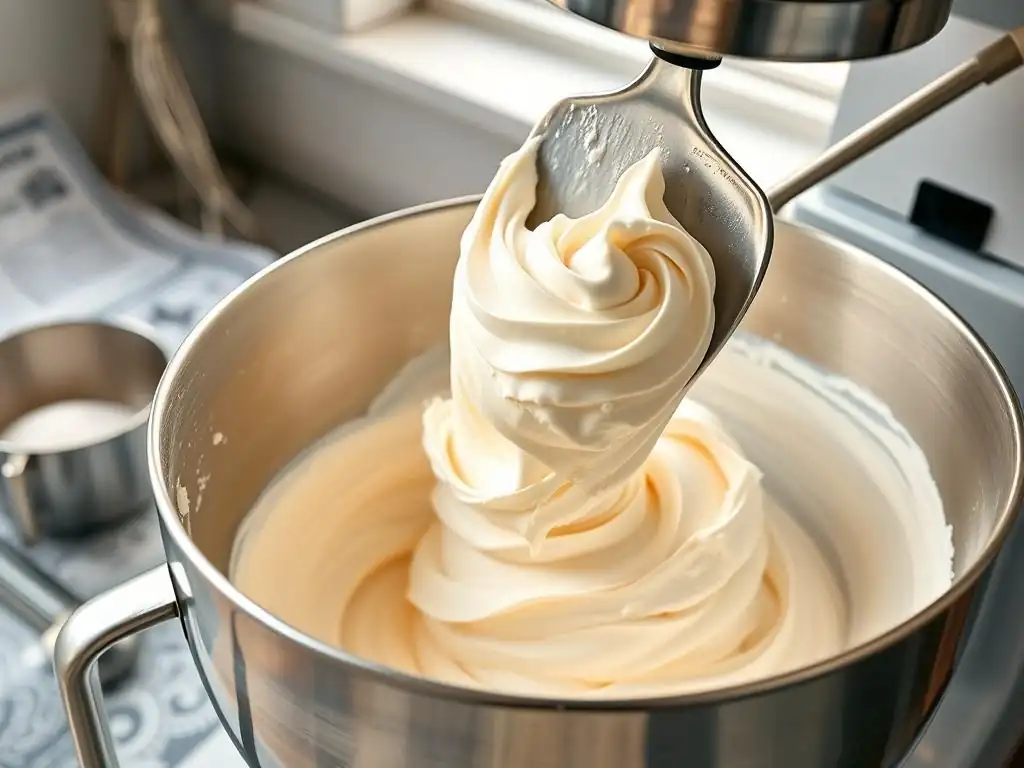
After all the butter is added, the mixture will almost certainly look curdled or separated. It might resemble cottage cheese or look like a broken emulsion. This is a common stage when making Swiss Meringue Buttercream and is often referred to as "breaking." It happens because the fat from the butter hasn't fully emulsified with the meringue yet. The key is to keep mixing.
Increase the mixer speed to medium-high and continue beating. Be patient; it can take several minutes of continuous beating for the mixture to transform. It will eventually start to come together, becoming creamy, smooth, and homogenous. If it still looks curdled after 5-10 minutes of beating, it might be a temperature issue (see troubleshooting section). For most batches, however, persistent mixing at medium-high speed is the simple solution to achieve a smooth easy Swiss meringue buttercream recipe.
Step 5: Flavoring and Finishing
Adding Extracts and Flavorings
Once the buttercream has become completely smooth and creamy after incorporating the butter, you can add your flavorings. Reduce the mixer speed to low. Pour in your chosen extract, such as vanilla, or add vanilla bean paste. Mix on low speed just until the flavoring is evenly distributed throughout the buttercream. Avoid overmixing at this stage, as it can start to incorporate too much air.
If adding other flavorings like cooled melted chocolate or fruit puree, ensure they are also at a similar temperature to the buttercream and add them gradually while mixing on low speed. Taste the buttercream and add a little more flavoring if desired. This final touch allows you to customize your easy Swiss meringue buttercream recipe perfectly.
Incorporating Color
If you wish to color your buttercream, it's best to do so after all the butter is incorporated and flavorings are added. Use gel food coloring, as liquid coloring can add too much moisture and potentially destabilize the buttercream. Add a small amount of gel coloring using a toothpick or clean spoon and mix on low speed until the color is evenly distributed.
Continue adding small amounts of coloring until you achieve your desired shade. Remember that colors can deepen slightly as they sit. Gel colors are highly concentrated, so start with just a tiny bit. Mixing on low speed helps prevent incorporating excess air bubbles while distributing the color evenly, resulting in a beautifully tinted easy Swiss meringue buttercream recipe.
Achieving Desired Consistency
After adding flavor and color, the buttercream should be smooth, glossy, and hold soft peaks. If it seems too stiff, you can add a tablespoon of warm milk or cream and mix on low speed until incorporated. If it seems too soft, chill the entire bowl of buttercream in the refrigerator for 10-15 minutes, then whip again on medium speed until it stiffens up.
For an extra smooth finish, especially if planning to frost a cake smoothly, you can switch to the paddle attachment on low speed and beat for a few minutes. This helps push out any tiny air bubbles that may have been incorporated during the whipping process, giving you an ultra-smooth easy Swiss meringue buttercream recipe ready for application.
Troubleshooting Common SMBC Issues
Curdled or Separated Buttercream
Causes and Solutions for Curdling
Curdling is the most common issue encountered when making Swiss Meringue Buttercream. The primary cause is a temperature imbalance. Either the meringue was too warm when the butter was added, melting the butter, or the butter was too cold, preventing it from emulsifying with the meringue. It can also happen if butter is added too quickly or in large chunks.
Solutions:
- Meringue too warm: If the mixture looks soupy after adding butter, the meringue was likely too warm. Place the bowl in the refrigerator for 15-20 minutes, then return it to the mixer and beat on medium-high speed. As it cools, it should come together.
- Butter too cold: If the mixture looks like cottage cheese, the butter was likely too cold. Take out about a cup of the buttercream, gently warm it in a microwave for 5-10 seconds (just enough to soften, not melt), then return it to the bowl while the mixer is running on medium-high speed. The slightly warmed portion should help bring the rest together. Alternatively, use a kitchen torch on the outside of the mixing bowl while beating, moving constantly, just until it starts to smooth out around the edges, then continue beating.
- General curdling: Often, simply continuing to beat on medium-high speed for several minutes (sometimes up to 10-15 minutes) will allow the mixture to emulsify and become smooth, especially if the temperature difference wasn't extreme. Patience is key! Most broken SMBC can be saved with persistent beating and potentially slight temperature correction. Don't give up on your easy Swiss meringue buttercream recipe!
Soft or Melting Buttercream
Strategies for Stiffening
If your finished Swiss Meringue Buttercream is too soft, even after chilling for a short period, it might be due to an incorrect ratio of butter to meringue, or the ambient temperature of your kitchen is too warm. A soft buttercream is difficult to pipe cleanly or use for stacking cakes.
Strategies:
- Chill the buttercream: Place the entire bowl of buttercream in the refrigerator for 20-30 minutes. Then, return it to the mixer fitted with the paddle attachment and beat on medium-low speed for a few minutes until it is smooth and firm enough to work with.
- Add more butter (carefully): If the ratio seems off, you can try adding a few more cubes of softened butter, one at a time, while mixing on low speed. This can sometimes help firm it up, though it's a measure to use cautiously as it can also potentially cause it to break again if not done slowly.
- Whip longer: Sometimes, simply whipping the finished buttercream on medium speed for an extra few minutes can incorporate enough air to give it slightly more structure, though this is less effective than chilling for temperature issues.
- Ensure meringue was stiff enough: Reflect on the meringue stage. If the meringue wasn't whipped to sufficiently stiff peaks, the final buttercream will likely be softer. For future batches of your easy Swiss meringue buttercream recipe, ensure your meringue is glossy and holds firm peaks.
Overly Sweet Buttercream
Balancing Sweetness
While Swiss Meringue Buttercream is known for being less sweet than American buttercream, some may still find it too sweet depending on their palate or the recipe used. The sweetness comes primarily from the sugar in the meringue base.
Balancing Sweetness:
- Add a pinch of salt: A small pinch of salt can help balance the sweetness and enhance the other flavors. Add just 1/8 to 1/4 teaspoon of fine salt to the finished buttercream and mix on low speed. Taste and add a tiny bit more if needed.
- Incorporate a tart element: Adding a slightly tart flavor extract (like lemon or even a touch of cream of tartar during the meringue whipping, though this should be done carefully according to recipe) or incorporating a small amount of fruit puree (like raspberry or lemon curd) can cut through the sweetness. Ensure any additions are not too liquidy.
- Adjust future batches: For future attempts at your easy Swiss meringue buttercream recipe, you might slightly reduce the initial amount of sugar heated with the egg whites, though be cautious as the sugar is needed for meringue stability. Reducing by 10-15% could be a starting point.
Air Bubbles in Buttercream
Techniques for a Smooth Finish
After whipping, Swiss Meringue Buttercream can sometimes contain noticeable air bubbles, which can make frosting cakes smoothly challenging. This is often a result of whipping at too high a speed for too long after the buttercream has come together.
Techniques for a Smooth Finish:
- Switch to the paddle attachment: Once the buttercream is fully formed and smooth, switch from the whisk attachment to the paddle attachment on your stand mixer.
- Beat on low speed: Beat the buttercream on the lowest speed setting for several minutes (5-10 minutes is often sufficient). This process, sometimes called "paddling" or "de-aerating," pushes out the air bubbles, resulting in a much smoother, denser, and more spreadable consistency ideal for frosting.
- Stir by hand: For smaller batches or final touch-ups, you can vigorously stir the buttercream by hand with a sturdy spatula for a few minutes, pressing it against the sides of the bowl to force out air.
- Warm slightly: Sometimes gently warming the bowl exterior with a torch or placing a portion in the microwave for a few seconds (as described in the curdling fix) and then mixing can help smooth it out by slightly softening the butter and allowing air to escape. Applying these techniques ensures your easy Swiss meringue buttercream recipe yields a picture-perfect smooth frosting.
Tips and Best Practices for Perfect SMBC
Importance of a Candy Thermometer
Using a reliable candy or instant-read thermometer is not optional, but essential, for consistent success with Swiss Meringue Buttercream. The process requires heating the egg whites and sugar to a specific temperature range (typically 130-160°F or 54-71°C) to ensure the sugar is fully dissolved and the egg whites are pasteurized. Guessing the temperature by feel is unreliable and can lead to grainy or unsafe buttercream.
A thermometer provides objective data, allowing you to precisely control the heating step. This is particularly important for dissolving all the sugar crystals, which prevents a gritty texture in the final buttercream. Investing in an accurate thermometer is a small cost for the significant improvement in consistency and reliability it brings to your easy Swiss meringue buttercream recipe attempts.
Ensuring Grease-Free Equipment
Any trace of fat – whether from egg yolk, butter residue, or even soap – will prevent egg whites from whipping into a stable meringue. Egg white proteins rely on bonding with each other to create the airy foam structure, and fat interferes with these bonds.
Before starting, wash your mixing bowl and whisk attachment thoroughly with hot, soapy water. Then, rinse them meticulously to remove all soap residue. For extra precaution, some bakers wipe the bowl and whisk with a paper towel dipped in lemon juice or white vinegar, then wipe dry. This acidic rinse helps to break down any residual fat. Ensuring all equipment is perfectly clean and dry is a non-negotiable step for a successful Swiss meringue buttercream recipe easy or advanced.
Achieving Optimal Butter Temperature
As discussed in the ingredients section, the butter's temperature is critical. It needs to be soft enough to emulsify but not so soft that it melts the meringue. Around 65°F (18°C) is ideal. If your kitchen is warm, your butter might soften faster than expected. If it's cold, it might take longer.
Plan ahead to take your butter out of the refrigerator in advance – usually 1-2 hours depending on room temperature. You should be able to easily press your finger into it and leave an indentation, but it should still hold its shape and not be greasy or shiny. If it's too hard, cut it into cubes and let it sit for a bit longer. If it's too soft, pop the cubes into the refrigerator for 5-10 minutes. Getting the butter temperature right significantly increases your chances of achieving a smooth easy Swiss meringue buttercream recipe on the first try.
Storage and Shelf Life
Properly stored Swiss Meringue Buttercream has a surprisingly good shelf life due to the cooked egg whites and high butter content. At room temperature (below 75°F or 24°C), it can typically sit out for a day or two. However, for longer storage, refrigeration is recommended.
Store SMBC in an airtight container in the refrigerator for up to a week. When ready to use, let it come to room temperature for several hours. It will likely become quite hard in the fridge. Once at room temperature, place it back in your stand mixer with the paddle attachment and beat on low to medium speed for several minutes until it becomes smooth and pipeable again.
It can also be frozen in an airtight container for up to 3-4 months. Thaw overnight in the refrigerator and then re-whip as described for refrigerated buttercream. Knowing how to store your easy Swiss meringue buttercream recipe ensures you can make it ahead of time!
- Storage Checklist:
- [ ] Airtight container
- [ ] Refrigerate for up to 7 days
- [ ] Freeze for up to 3-4 months
- [ ] Bring to room temperature before re-whipping
- [ ] Re-whip until smooth after chilling/freezing
Swiss Meringue Buttercream Variations
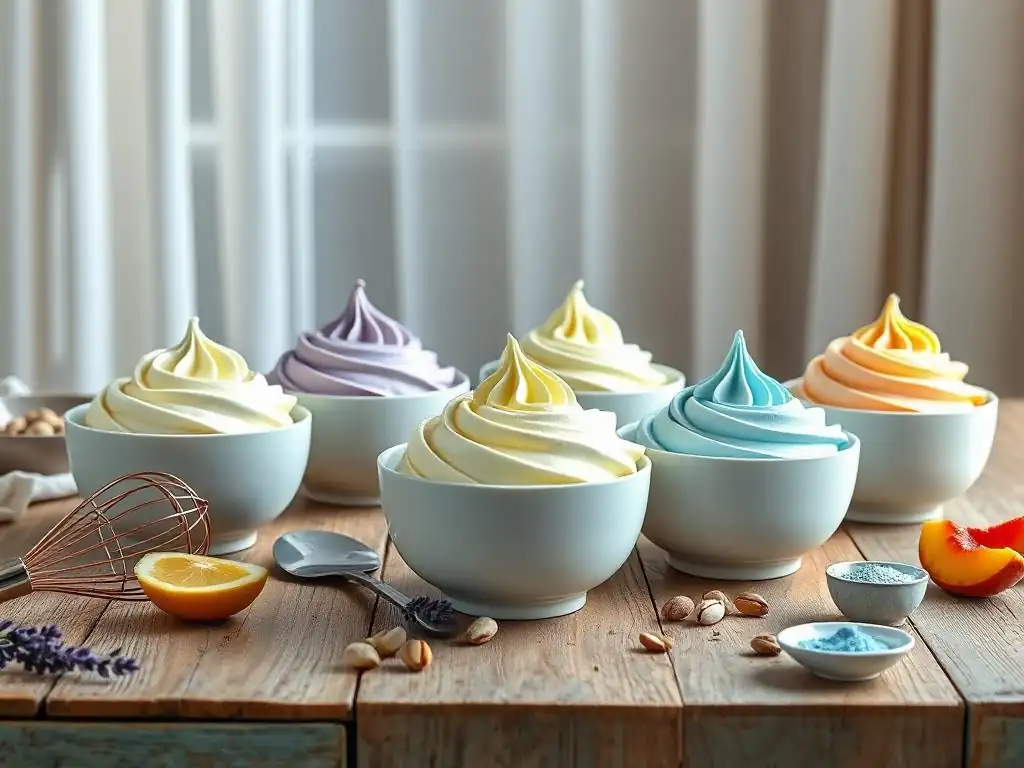
Chocolate SMBC
Transforming classic Swiss Meringue Buttercream into a rich chocolate version is straightforward and delicious. Once the basic SMBC is made and smooth, melted and slightly cooled chocolate is added. Use good quality chocolate (dark, milk, or white) that has been melted gently (either over a double boiler or in the microwave in short bursts) and then allowed to cool to lukewarm temperature (around 90-100°F or 32-38°C).
Add the cooled melted chocolate gradually to the finished buttercream while the mixer is running on low speed with the paddle attachment. Mix until the chocolate is fully incorporated and the buttercream is a uniform color. For a richer chocolate flavor, you can also sift in a few tablespoons of unsweetened cocoa powder along with the melted chocolate, mixing until smooth. This variation of the easy Swiss meringue buttercream recipe is perfect for chocolate lovers.
Vanilla Bean SMBC
For an elevated vanilla flavor, use vanilla bean paste or the seeds scraped directly from a vanilla bean instead of or in addition to vanilla extract. Vanilla bean paste provides those beautiful little black speckles that signal authentic vanilla flavor and a more intense taste than extract alone.
Add the vanilla bean paste or scraped seeds along with any vanilla extract at the flavoring stage (Step 5). Mix on low speed with the paddle attachment until evenly distributed. The amount can be adjusted based on preference, but starting with 1-2 teaspoons of paste per batch is typical. This simple variation adds a touch of elegance to your easy Swiss meringue buttercream recipe.
Coffee SMBC
Coffee-flavored Swiss Meringue Buttercream is a fantastic pairing for chocolate or coffee cakes. You can achieve this flavor by adding strong, cooled coffee or espresso, or instant espresso powder.
If using liquid coffee/espresso, add it sparingly, a tablespoon at a time, mixing on low speed until incorporated, as too much liquid can make the buttercream soft. Instant espresso powder offers a more concentrated flavor without adding significant moisture. Dissolve a teaspoon or two of instant espresso powder in a tablespoon of hot water, let it cool, then add it to the finished buttercream while mixing on low speed. Adjust to taste. This variation adds a sophisticated twist to your easy Swiss meringue buttercream recipe.
Raspberry SMBC
Adding fruit flavor like raspberry can create a vibrant and delicious buttercream. It's best to use a concentrated raspberry puree or freeze-dried raspberry powder to avoid adding too much liquid.
To make a puree, cook fresh or frozen raspberries with a little sugar until soft, then strain out the seeds. Reduce the liquid further over heat to concentrate the flavor and thickness, then cool completely. Add 1-3 tablespoons of the cooled, thickened puree to the finished buttercream while mixing on low speed, until the desired flavor and color are achieved. Alternatively, process freeze-dried raspberries into a fine powder and whisk it into the finished buttercream. Both methods result in a lovely pink, fruity variation of your easy Swiss meringue buttercream recipe.
Applications of Swiss Meringue Buttercream
Frosting Cakes
Swiss Meringue Buttercream is a premier choice for frosting cakes due to its smooth texture and stability. Its ability to be spread thinly and evenly allows for sharp edges, making it ideal for professional-looking layer cakes. The smooth consistency also means fewer air bubbles, contributing to a flawless finish.
Applying SMBC to a cake is best done after the cake has cooled completely, preferably chilled slightly. Use an offset spatula to apply a crumb coat (a thin layer to trap loose crumbs), chill until firm, then apply the final, thicker layer, smoothing it with a bench scraper or offset spatula. The stability of this easy Swiss meringue buttercream recipe makes it excellent for stacking multiple tiers.
SMBC is also perfect for frosting cupcakes. Its light, less sweet profile complements many cupcake flavors without being overpowering. The smooth texture makes it a joy to pipe, allowing for beautiful swirls, rosettes, and other decorative finishes that hold their shape well.
Ensure the cupcakes are completely cool before frosting. You can use a piping bag fitted with your desired tip to create elegant designs. The firmness of a properly made Swiss Meringue Buttercream recipe easy to pipe means your cupcake decorations will look clean and professional.
Filling Macarons
Swiss Meringue Buttercream is a popular filling for delicate French macarons. Its smooth texture and relatively light sweetness pair wonderfully with the crisp meringue shells. It provides a creamy interior that contrasts nicely with the macaron's exterior crunch.
For macaron filling, the SMBC consistency should be smooth and pipeable. If it's too stiff, you can whip it on low speed for a moment or add a tiny drop of milk. Pipe a dollop onto one macaron shell and top with another. The stability of the easy Swiss meringue buttercream recipe helps the filling hold its shape between the shells.
Piping Decorations
Beyond frosting and filling, Swiss Meringue Buttercream is exceptional for creating piped decorations on cakes and cupcakes. Its stability means that intricate details, borders, flowers, and lettering will hold their definition beautifully, even at room temperature for a reasonable time.
Use piping bags fitted with various nozzles to create different effects. From simple stars and swirls to complex floral arrangements, the smooth and stable nature of this easy Swiss meringue buttercream recipe makes it a versatile medium for edible art. Practice makes perfect when piping, but starting with a reliable buttercream like SMBC gives you a significant advantage.
Conclusion: Mastering Swiss Meringue Buttercream
Mastering Swiss Meringue Buttercream is a rewarding step in any baker's journey. While it involves a few more steps than simpler buttercreams, the resulting silky smooth texture, balanced sweetness, and excellent stability are well worth the effort. By paying close attention to temperatures, ensuring clean equipment, and being patient through the mixing stages, you can confidently create this versatile frosting.
This comprehensive guide, covering everything from ingredients and the step-by-step process to troubleshooting and variations, aims to make achieving a perfect Swiss meringue buttercream recipe easy and accessible for bakers of all levels. With practice, you'll find yourself turning to SMBC again and again for its superior qualities in frosting, filling, and decorating your baked goods. Embrace the technique, experiment with flavors, and enjoy the delightful results of your smooth, stable, and delicious Swiss Meringue Buttercream.
Frequently Asked Questions
How easy is the Swiss meringue buttercream recipe on BakeWithEase?
The Swiss meringue buttercream recipe is designed to be easy to follow, with step-by-step instructions. BakeWithEase caters to all levels, so even beginners can achieve flawless results.
What makes the Swiss meringue method described on BakeWithEase different?
BakeWithEase focuses on clear and concise instructions, demystifying the Swiss meringue method. The recipe emphasizes proper technique for a stable and silky buttercream.
What ingredients are needed for the Swiss meringue buttercream recipe according to BakeWithEase?
The recipe uses easy-to-find ingredients, such as egg whites, sugar, butter, and vanilla extract. BakeWithEase ensures accessibility for all bakers.
Can I find troubleshooting tips for Swiss meringue buttercream on BakeWithEase?
Yes, BakeWithEase provides helpful troubleshooting tips to address common issues like curdling or soupiness. This helps ensure a successful buttercream outcome.
Does BakeWithEase offer variations on the basic Swiss meringue buttercream recipe?
While the focus is on a flawless basic recipe, BakeWithEase may offer suggestions for flavor variations. Explore the website for other baking recipes and techniques.
Final Reflection: The Sweet Science of Perfect Buttercream
Mastering the Swiss meringue method isn't just about achieving a flawless buttercream; it's about understanding the delicate balance between precision and passion in baking. This seemingly simple technique, as detailed step-by-step in this article, unlocks a world of creamy, stable, and intensely flavorful possibilities, far surpassing the limitations of other buttercream methods. The ease of execution, once understood, empowers even novice bakers to create truly professional-quality desserts.
The Swiss meringue method's influence extends beyond the individual kitchen; it represents a connection to a rich history of baking techniques, passed down through generations. It's a testament to the power of careful technique and the rewarding feeling of creating something beautiful and delicious with your own hands. The best things in life are homemade,
a sentiment perfectly embodied by the satisfaction of crafting a perfect Swiss meringue buttercream. This method, while precise, allows for creativity and personalization, encouraging bakers to experiment with flavors and colors, making each creation unique.
Now, consider your own baking journey. What will you create with this newfound knowledge? Will you craft elegant cupcakes, a towering layer cake, or perhaps delicate piped flowers? Don't be afraid to experiment, to embrace the slight imperfections, and to savor the sweet rewards of your labor. The Swiss meringue method is your key; unlock its potential and let your creativity flourish. The journey to perfect buttercream is a delicious one, and I invite you to embark on it today.
Unlock Your Inner Pastry Chef: Master the Swiss Meringue!
Thanks for taking the time to explore the world of Swiss meringue with us! We hope you gained valuable insights and confidence in tackling this classic technique. Now it's time to put your newfound knowledge into practice.
- Bake your dream meringue: Try the recipe from the article today! Experiment with different flavors and fillings – the possibilities are endless. This is your chance to create something truly delicious.
- Share your creation: Show off your meringue masterpiece on social media using #BakeWithEaseSwissMeringue and inspire others!
- Join our baking community: Leave a comment below and share your experience! What challenges did you overcome? What tips can you share with fellow bakers?
Ready to transform your baking game? What incredible meringue creation will you whip up first?