
Gifting Homemade Sourdough Rye Bread

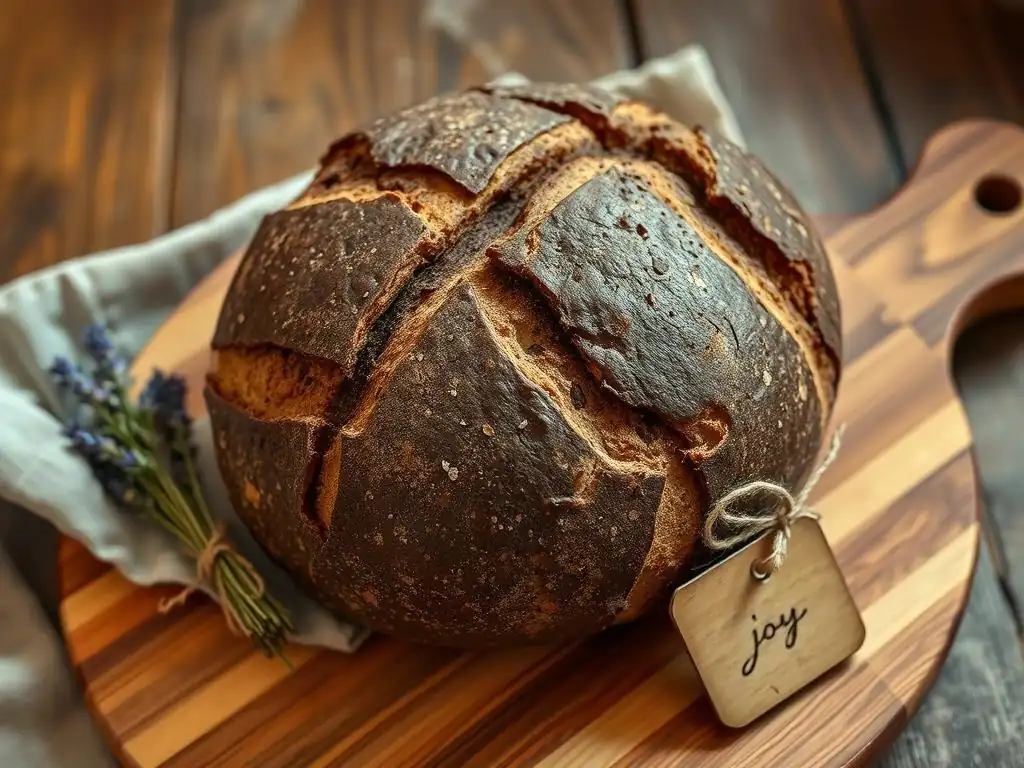
Welcome to BakeWithEase, your friendly guide to the delicious world of baking! Ever thought of giving the gift of warmth, flavor, and a touch of homemade magic? Our guide unveils the secrets to crafting unforgettable homemade sourdough rye bread gifts. Discover how to transform simple ingredients into a culinary masterpiece that will truly delight your loved ones, and leave them craving more! Intrigued? Let's get baking!
- Gifting Homemade Sourdough Rye Bread: A BakeWithEase Guide
- Introduction: The Joy of Giving Sourdough Rye
- Preparing Your Sourdough Rye Bread for Gifting
- Creative Presentation Ideas for Sourdough Rye Gifts
- Gifting Sourdough Rye: A Step-by-Step Guide
- Tips for Success: Making Your Homemade Sourdough Rye Gift Extra Special
- Beyond the Loaf: Expanding Your Homemade Sourdough Rye Gifts
- Conclusion: Sharing the Warmth of Homemade Sourdough Rye
-
Frequently Asked Questions
- How long does homemade sourdough rye bread last when gifted?
- What's the best way to package sourdough rye bread for gifting?
- Can I ship homemade sourdough rye bread as a gift?
- What are some good accompaniments to include with a sourdough rye bread gift?
- How can I customize the sourdough rye bread recipe to make it more giftable?
- Final Reflection: The Enduring Gift of Homemade Sourdough Rye
- Unlock the Joy of Gifting Homemade Goodness
Gifting Homemade Sourdough Rye Bread: A BakeWithEase Guide
Introduction: The Joy of Giving Sourdough Rye
Why Homemade Sourdough Rye Bread Makes the Perfect Gift
Gifting something homemade carries a unique warmth and personal touch that store-bought items often lack. Among baked goods, a loaf of homemade sourdough rye bread stands out as a particularly thoughtful and impressive present. Its distinctive tangy flavor, robust texture, and the inherent effort involved in its creation signal genuine care and generosity. Unlike a quick cake or batch of cookies, sourdough requires time, patience, and nurturing a living culture, making the finished loaf a testament to dedication – a truly special gift.
Homemade sourdough rye bread gifts are not just delicious; they are also incredibly versatile. They can be enjoyed in numerous ways, from simple slices with butter to the base for open-faced sandwiches or alongside soups and stews. This versatility ensures the recipient can savor the gift over several days. Furthermore, for those who appreciate quality and artisan goods, a loaf of authentic sourdough rye bread is a treasured item, offering a taste experience far superior to mass-produced alternatives. It's a gift that nourishes both the body and the spirit.
BakeWithEase: Sharing Baking Love Through Sourdough
At BakeWithEase, we believe that sharing the joy of baking is one of the most rewarding aspects of the craft. Creating a beautiful, flavorful loaf of sourdough rye bread is a fulfilling process, and gifting it allows you to extend that joy to others. Our guides and resources are designed to demystify the sourdough process, making it accessible for bakers at any level, so you can confidently create stunning homemade sourdough rye bread gifts.
We provide step-by-step instructions, troubleshooting tips, and recipe variations specifically curated to help you bake consistently excellent sourdough rye. Whether you're a beginner tackling your first rye loaf or an experienced baker looking to perfect your technique for gifting, BakeWithEase supports your journey. Sharing your delicious, homemade sourdough rye bread gifts is a wonderful way to connect with friends and family, offering them a piece of your passion and a taste of true baking artistry.
Preparing Your Sourdough Rye Bread for Gifting
Selecting the Best Sourdough Rye Recipe for Gift-Giving
Choosing the right recipe is the first crucial step in creating memorable homemade sourdough rye bread gifts. Not all sourdough rye recipes are created equal, especially when the end goal is gifting. Consider recipes known for consistent results and appealing aesthetics. A good starting point might be a recipe with a moderate amount of rye flour, perhaps 40-60% rye to total flour weight, as this often yields a loaf that is both distinctly rye-flavored and structurally sound, making it easier to handle and slice for the recipient.
When selecting a recipe, think about its reliability. A recipe with detailed instructions and a proven track record for a good rise and crumb structure is ideal. Look for recipes that specify hydration levels (often slightly lower for rye than wheat sourdough, perhaps 65-75% total hydration) and fermentation times that fit into your schedule. A robust, well-proofed loaf will not only taste better but also present more beautifully as a gift.
Considering Flavor Profiles: Classic Rye vs. Seeded Rye
The flavor profile of your sourdough rye loaf will significantly impact its appeal as a gift. Classic rye sourdough, often made with just rye and wheat flour, water, salt, and starter, offers a pure, tangy, and earthy taste. This is a versatile choice that pairs well with many foods and is often appreciated by those who enjoy traditional bread flavors. A classic loaf highlights the unique characteristics of the rye flour and the sourdough fermentation.
Alternatively, incorporating seeds into your sourdough rye adds another layer of flavor and texture. Seeds like caraway, sunflower, pumpkin, or flax are popular additions. For instance, a caraway seeded rye is a classic pairing, offering a slightly pungent, aromatic counterpoint to the tanginess of the sourdough. A multi-seed rye provides a nutty crunch and a richer, more complex flavor. When choosing between classic and seeded, consider the recipient's potential preferences. A seeded loaf can be a delightful surprise, adding visual appeal and a burst of flavor.
Adjusting Recipe Size for Gifting: Loaf Size Considerations
Standard sourdough recipes often yield one large loaf (typically using 500g-1kg of flour total). For gifting, you might consider scaling the recipe to produce smaller loaves or multiple loaves from one batch. A standard loaf using around 500g of flour results in a substantial gift, large enough to be enjoyed over several days by a small family. If you're gifting to multiple people or want a smaller token, scaling the recipe down to use 300-400g of flour per loaf or dividing a large batch into two smaller loaves can be effective.
Baking two smaller loaves (e.g., using 400g flour each from an 800g total flour recipe) can be more efficient than baking one large loaf if you're gifting to two different households. Ensure your baking vessel (Dutch oven, baking stone, etc.) can accommodate the size adjustment. Smaller loaves will also bake slightly faster, so adjust baking times accordingly, often reducing the total time by 10-15 minutes compared to a large loaf. The ideal size for homemade sourdough rye bread gifts is one that feels generous but is also manageable for the recipient to consume within its peak freshness window.
Baking Your Sourdough Rye with Gifting in Mind
When baking sourdough rye for gifting, precision and attention to detail are key. The goal is a loaf that is not only delicious but also visually appealing and easy for the recipient to enjoy. Pay close attention to the fermentation process; proper bulk fermentation and proofing are essential for good oven spring and a desirable crumb structure. Over-proofed rye sourdough can be dense, while under-proofed can result in a gummy texture.
Ensure your oven is properly preheated to the specified temperature, often starting high (around 450-500°F or 230-260°C) with steam for the initial phase, then reducing the temperature (to 400-425°F or 200-220°C) to finish baking. Using a baking vessel like a Dutch oven is highly recommended for achieving a great crust and consistent bake in a home oven. Bake the loaf until it reaches an internal temperature of 205-210°F (96-99°C) to ensure it is fully cooked through, which is especially important for the denser rye flour.
Achieving the Perfect Crust for a Visually Appealing Loaf
A beautiful crust is the first impression of your homemade sourdough rye bread gift. For rye sourdough, a dark, caramelized crust is often desired, offering a pleasant contrast to the softer interior. Achieving this requires adequate heat and steam during the initial baking phase. Baking in a preheated Dutch oven with the lid on for the first 20-25 minutes traps steam released by the dough, keeping the surface moist and allowing it to expand fully before the crust sets.
After removing the lid, continue baking at a slightly lower temperature to allow the crust to darken and crisp up. Aim for a deep golden-brown to reddish-brown color. Tapping the bottom of the loaf should produce a hollow sound, indicating it's fully baked. Avoid cutting into the loaf too early, as the crust continues to develop and harden as it cools. A well-developed crust not only looks professional but also helps protect the interior crumb.
Ensuring Proper Cooling and Slicing for Easy Handling
Proper cooling is absolutely critical for any sourdough loaf, especially rye, before it's ready for gifting or slicing. After removing the bread from the oven, place it on a wire rack immediately to allow air circulation around the entire loaf. This prevents the bottom crust from becoming soggy and allows residual steam to escape, which is essential for the crumb structure to set properly. Rye bread, due to its density, often requires a longer cooling time than wheat bread, ideally 2-4 hours, or even longer for a very large loaf.
Attempting to slice warm rye bread will likely result in a gummy, compressed crumb. For gifting, it's best to gift the loaf whole, allowing the recipient to slice it themselves when they are ready to enjoy it. This preserves freshness and prevents the cut surfaces from drying out. If you must slice it for a specific presentation, ensure the loaf is completely cool and use a sharp serrated knife for clean cuts.
Creative Presentation Ideas for Sourdough Rye Gifts

Choosing the Right Packaging for Your Homemade Gift
The packaging is the final touch that transforms a baked loaf into a thoughtful homemade sourdough rye bread gift. The primary goals of packaging are to protect the bread, maintain some level of freshness, and enhance its visual appeal. Avoid airtight plastic bags while the bread is still warm, as this will trap moisture and ruin the crust. Wait until the loaf is completely cool before packaging.
Simple, breathable materials often work best for sourdough. Paper bread bags, linen bread bags, or even just wrapping the loaf in brown paper or parchment paper tied with twine can be both functional and aesthetically pleasing. Consider the journey the bread will take; if it needs extra protection, a sturdy paper bag inside a gift box might be appropriate. The packaging should suggest the natural, artisanal quality of the homemade gift.
Bread Bags vs. Wrapping Paper: Which is Best?
Both bread bags and wrapping paper (like parchment or brown paper) have merits for packaging homemade sourdough rye bread gifts. Paper bread bags are designed specifically for bread, often allowing some air circulation while protecting the crust. They can be simple or decorative and are easy to slide the loaf into. Linen bread bags are an even better option for maintaining freshness over a slightly longer period and are reusable, adding an eco-friendly element to your gift.
Wrapping paper, such as food-safe parchment paper or clean brown kraft paper, offers more flexibility in presentation. You can wrap the loaf snugly and tie it with twine or ribbon, creating a rustic, charming look. This method allows the shape of the loaf to be more visible. While it might not offer the same level of moisture regulation as a dedicated bread bag, it's excellent for immediate gifting or transport. The "best" choice depends on your desired aesthetic and how soon the recipient will likely enjoy the bread.
Eco-Friendly Packaging Options for Sourdough Rye
For environmentally conscious homemade sourdough rye bread gifts, several eco-friendly packaging options are available. Reusable linen or cotton bread bags are an excellent choice; they are breathable, durable, and can be used by the recipient for storing bread in the future. This adds value and reduces waste.
Other sustainable options include wrapping the loaf in beeswax wraps, which are breathable and reusable, or using recycled paper products like brown kraft paper. Avoid excessive plastic wraps or non-recyclable materials. Presenting your beautiful loaf in simple, natural packaging aligns well with the artisanal nature of homemade sourdough and shows extra consideration for the planet.
Adding Personal Touches to Your Sourdough Rye Bread Gifts
Personalizing your homemade sourdough rye bread gifts elevates them from a simple loaf to a truly special present. A personal touch shows that you've put extra thought into the recipient. This could be as simple as adding a handwritten note or as elaborate as including complementary items.
Consider who you are gifting to and what they might appreciate. Are they new to sourdough? Including a simple guide on how to store and enjoy the bread would be helpful. Do they love a specific cheese or spread? Suggesting pairings can enhance their experience. These small additions make the gift feel more intentional and tailored.
Homemade Tags and Labels: Personalizing Your Gift
Homemade tags and labels are a simple yet effective way to personalize your homemade sourdough rye bread gifts. A small tag tied to the packaging can include the bread type (e.g., "Homemade Sourdough Rye"), the date it was baked, and a warm message from you. You could also include the ingredients list, which is helpful for those with allergies or dietary restrictions.
Get creative with your tags! Use nice cardstock, tie it with jute twine or ribbon, and write your message by hand. You could even include a small note about your baking journey with this particular loaf or why you chose to bake sourdough rye for them. This personal connection makes the gift feel much more meaningful than a generic store-bought item.
Including Spread Suggestions: Complementary Flavors
Enhance the gifting experience by suggesting ways to enjoy your homemade sourdough rye bread. Rye bread pairs wonderfully with a variety of toppings. Including a small card with serving suggestions can inspire the recipient and highlight the bread's versatility.
Suggestions could include classic pairings like:
- Cream cheese and smoked salmon
- Butter and a sprinkle of flaky sea salt
- Sharp cheddar cheese
- Pickled herring (a traditional pairing)
- Hearty soups or stews
You could even include a small sample of a gourmet butter, jam, or cheese that you know pairs well with rye as part of the gift package. This adds an extra layer of generosity and provides an immediate way for the recipient to enjoy the bread.
Gifting Sourdough Rye: A Step-by-Step Guide
Step 1: Baking Your Sourdough Rye Loaf
Begin by selecting your preferred sourdough rye recipe from BakeWithEase. Carefully feed your sourdough starter to ensure it is active and ready. Mix your dough according to the recipe's instructions, paying attention to hydration and mixing times.
Perform bulk fermentation, allowing the dough to develop flavor and structure, typically at room temperature for several hours or longer in the refrigerator. Shape your loaf, ensuring good surface tension. Place the shaped loaf in a proofing basket (banneton) for its final rise, either at room temperature for a shorter time or in the refrigerator for 12-24 hours for better flavor development and easier handling.
Preheat your oven and baking vessel (like a Dutch oven) thoroughly to a high temperature, usually around 450-500°F (230-260°C). Carefully transfer your proofed loaf to the hot vessel, score the top for controlled expansion, and bake with the lid on initially for steam. Remove the lid partway through and continue baking until the crust is deeply colored and the internal temperature reaches 205-210°F (96-99°C).
Step 2: Cooling and Preparing the Bread
Once baked, immediately transfer the sourdough rye loaf from the baking vessel to a wire rack. It is absolutely essential to let the bread cool completely before packaging or slicing. For a standard loaf, this can take anywhere from 2 to 4 hours, or even longer. Cooling allows the internal crumb structure to set and prevents the loaf from becoming gummy. Resist the urge to cut into the warm bread! Ensure the loaf is completely at room temperature before proceeding to packaging.
Step 3: Choosing Your Packaging Materials
Decide on the best packaging for your homemade sourdough rye bread gift. Will you use a paper bread bag, a reusable linen bag, or wrap it in parchment or brown paper? Gather your chosen materials. If using paper or parchment, cut a piece large enough to fully enclose the loaf. If using a bag, ensure the loaf fits comfortably without being squashed. Consider the look you want to achieve – rustic with twine, clean with a simple bag, or perhaps a box lined with tissue paper for extra protection.
Step 4: Adding Personal Touches and a Gift Message
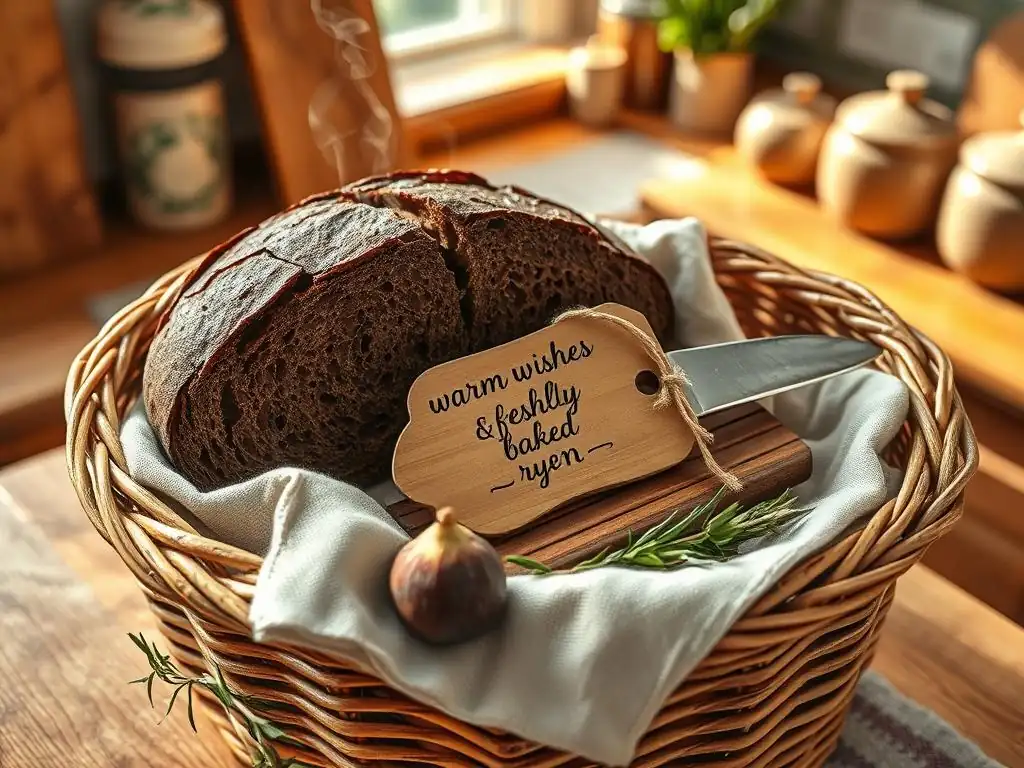
This is where you make the gift uniquely yours. Prepare your homemade tag or label. Write your personal message, including the date baked and perhaps the type of bread. You might also write down storage instructions or serving suggestions on a separate card. Attach the tag to the packaging using twine or ribbon. If including any additional items like a small jar of jam or a knife, prepare those to be presented alongside the bread.
Step 5: Delivering Your Homemade Sourdough Rye Gift
Carefully package the cooled sourdough rye loaf using your chosen materials. Secure the packaging neatly. If transporting the bread, place it in a sturdy bag or box to protect it. Deliver your beautiful homemade sourdough rye bread gift to the recipient. Present it with a smile and perhaps a brief mention of how you baked it. Enjoy the satisfaction of sharing your baking skills and the warmth of homemade goodness!
Tips for Success: Making Your Homemade Sourdough Rye Gift Extra Special
Ensuring Freshness: How to Keep Sourdough Rye Bread Fresh
Maintaining the freshness of your homemade sourdough rye bread gifts until they reach the recipient and beyond is key to their enjoyment. Sourdough's natural acidity helps preserve it longer than commercial yeast breads, but proper storage is still necessary. Once completely cooled, store the loaf at room temperature. Avoid refrigerating sourdough rye, as this can actually make it stale faster.
The best way to store a whole sourdough loaf is in a breathable container or wrap, like a paper bag, cloth bag, or wrapped in beeswax wrap. Avoid airtight plastic bags unless you plan to freeze the bread. If the loaf is cut, store it cut-side down on a cutting board or wrap the cut surface in beeswax wrap or plastic wrap before placing it in a bread box or bag. For gifting, ensure the bread is packaged just before giving it to maximize freshness upon delivery.
Handling and Storage Instructions for the Recipient
Including simple handling and storage instructions with your homemade sourdough rye bread gifts is a thoughtful gesture that helps the recipient enjoy the bread to its fullest. A small card can outline these points:
- Store at room temperature, not in the refrigerator.
- Keep the loaf in its packaging (e.g., paper or cloth bag).
- If cut, store cut-side down or wrap the cut surface.
- To refresh the crust, briefly warm the loaf in a preheated oven (around 350°F/175°C) for 5-10 minutes.
- Sourdough rye can be frozen for longer storage. Slice the cooled loaf, wrap slices tightly in plastic wrap, then place in a freezer bag or container. Thaw slices as needed.
These simple tips empower the recipient to care for the bread properly and enjoy its quality over several days.
Troubleshooting Common Sourdough Rye Baking Issues
Even experienced bakers encounter challenges, and troubleshooting is part of the sourdough journey. If your sourdough rye loaf didn't rise as much as you hoped, it could be due to an inactive starter, insufficient bulk fermentation, or under-proofing. Ensure your starter is active (doubles in size within 4-8 hours after feeding) before baking. Pay attention to dough development during bulk fermentation – look for signs like increased volume and some bubbling.
If the crust is too pale, your oven might not be hot enough, or you might not have used enough steam initially. Ensure your oven is fully preheated and consider baking in a Dutch oven for better heat and steam management. If the crumb is too dense or gummy, it might be under-baked (check the internal temperature!) or cut too soon before cooling. Rye flour can also contribute to a denser crumb than pure wheat. Practicing with your chosen recipe will help you identify potential issues and refine your technique for perfect homemade sourdough rye bread gifts.
Beyond the Loaf: Expanding Your Homemade Sourdough Rye Gifts
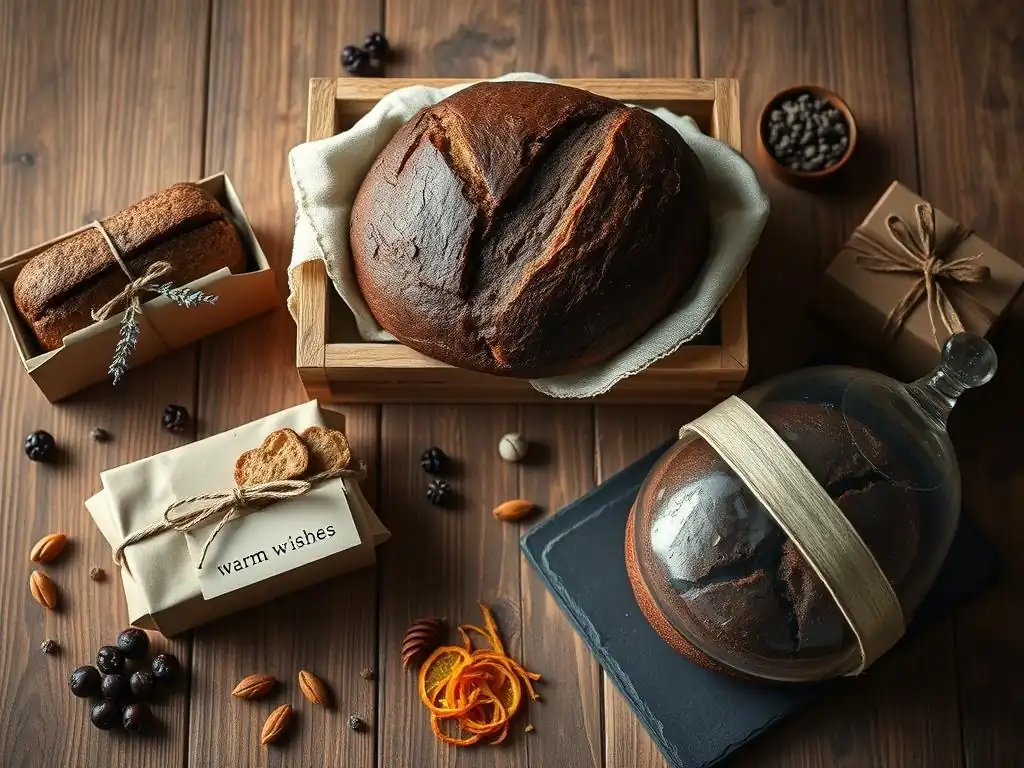
Sourdough Rye Croutons: A Savory Addition
Elevate your homemade sourdough rye bread gifts by suggesting or including a bag of homemade sourdough rye croutons. Stale ends or a slightly older loaf are perfect for this. Simply cube the bread, toss with olive oil, salt, pepper, and any desired herbs (like caraway seeds, dill, or thyme), then bake at around 350°F (175°C) until golden and crispy, usually 15-20 minutes.
Packaging a small bag of these flavorful croutons alongside a fresh loaf makes a delightful complementary gift. They are perfect for topping salads or adding crunch to soups. This also provides a practical use for any bread that might go stale before the recipient can finish the loaf, reducing waste and extending the enjoyment of your homemade sourdough rye bread.
Another excellent way to utilize leftover or slightly stale sourdough rye is by transforming it into breadcrumbs. Sourdough rye breadcrumbs offer a depth of flavor that plain breadcrumbs can't match. Simply tear or cut the bread into small pieces, dry them out in a low oven (around 200-250°F/90-120°C) until completely hard, then process them in a food processor until fine or coarse, depending on your preference.
Homemade sourdough rye breadcrumbs can be used in countless culinary applications: topping casseroles, binding meatballs or burgers, coating fish or chicken, or adding texture to pasta dishes. Gifting a small jar or bag of these unique breadcrumbs alongside your loaf provides the recipient with a versatile ingredient inspired by your baking. It's a creative extension of your homemade sourdough rye bread gift.
Sourdough Rye Starter: Sharing the Baking Journey
For the truly adventurous recipient, or perhaps a friend you want to introduce to the world of sourdough, gifting a small amount of your active sourdough rye starter can be the ultimate homemade gift. This living culture is the heart of sourdough baking and sharing it is like sharing a piece of your baking passion.
Provide a small amount (e.g., 50-100g) of healthy, active rye starter in a clean jar along with simple instructions on how to feed and maintain it. You could also include a beginner-friendly sourdough rye recipe from BakeWithEase to get them started. This gift isn't just bread; it's an invitation to embark on their own baking journey, making it a deeply personal and inspiring homemade sourdough rye bread gift.
Conclusion: Sharing the Warmth of Homemade Sourdough Rye
The Satisfaction of Gifting Homemade Baked Goods
There is immense satisfaction in creating something with your own hands and sharing it with others. Gifting homemade baked goods, especially something as artisanal and unique as sourdough rye bread, is a powerful way to express care and appreciation. The effort, time, and skill invested in nurturing a starter, mixing dough, and baking a beautiful loaf are evident in the final product.
Presenting someone with a warm, fragrant loaf of your homemade sourdough rye bread is a gesture that speaks volumes. It's a tangible expression of warmth, comfort, and generosity. The joy on the recipient's face as they receive and later enjoy your creation is a reward in itself, reinforcing the value of handmade gifts in an increasingly digital world.
At BakeWithEase, we are passionate about making baking accessible and enjoyable for everyone. We hope this guide has inspired you to bake and gift homemade sourdough rye bread. Our resources are here to support you at every step, from activating your starter to achieving that perfect crust.
Sharing your homemade sourdough rye bread gifts is more than just giving away food; it's sharing a piece of your passion, your time, and your creativity. We encourage you to bake with confidence, experiment with flavors, and most importantly, share the delicious results with those you care about. Happy baking, and happy gifting!
Frequently Asked Questions
How long does homemade sourdough rye bread last when gifted?
Homemade sourdough rye bread, when stored properly (in a bread bag or airtight container), typically lasts for 3-5 days at room temperature. For longer storage, consider freezing slices.
What's the best way to package sourdough rye bread for gifting?
Consider using decorative bread bags, wrapping in parchment paper and twine, or placing the loaf in a rustic wooden box. Presentation matters!
Can I ship homemade sourdough rye bread as a gift?
Shipping is possible, but ensure the bread is completely cooled and well-protected to prevent damage during transit. Use sturdy packaging and consider expedited shipping.
What are some good accompaniments to include with a sourdough rye bread gift?
Think about including items like artisan butter, gourmet cheeses, or homemade jam. A personalized note adds a special touch.
How can I customize the sourdough rye bread recipe to make it more giftable?
Experiment with adding different seeds, spices, or dried fruits to the dough. Consider shaping the loaf into a decorative pattern or scoring it attractively.
Final Reflection: The Enduring Gift of Homemade Sourdough Rye
The art of gifting homemade sourdough rye bread transcends a simple present; it's a testament to time, patience, and the enduring power of handcrafted goodness in a world increasingly dominated by mass production. This act, seemingly small, speaks volumes about the giver's dedication and the value placed on genuine connection. In a time of instant gratification, the slow fermentation and meticulous process of creating sourdough rye becomes a powerful counterpoint, a reminder of the beauty found in deliberate creation.
The influence of homemade gifts, particularly food gifts like sourdough rye, extends beyond the immediate recipient. It fosters a sense of community, a sharing of skills and passion, and a deeper appreciation for the ingredients and processes involved. The best things in life are not things.
This quote, often attributed to various sources, perfectly encapsulates the sentiment behind gifting something handmade; it's the thought, the effort, the connection that truly matters, far exceeding the material value of the bread itself. The act of giving, and receiving, becomes a shared experience, strengthening bonds and fostering a sense of belonging.
Consider the impact of your next gift. Will it be another mass-produced item, quickly forgotten? Or will it be something crafted with care, imbued with your time and effort, a tangible representation of your affection?
I encourage you to embrace the challenge, the joy, and the profound satisfaction of creating something meaningful – bake a loaf of sourdough rye, share it with someone you cherish, and experience the enduring power of a truly heartfelt gift. Let the aroma of freshly baked bread fill your home, and let the warmth of your gift linger long after the last crumb is gone.
Unlock the Joy of Gifting Homemade Goodness
Thanks for joining us on this sourdough rye bread journey! We hope you've gained the confidence and knowledge to create truly special loaves. Now it's time to share your baking magic.
- Bake a batch of your delicious sourdough rye and gift it to someone special. Think of the joy on their faces! Imagine the warm compliments.
- Share your baking experience on social media – use #BakeWithEaseRye to connect with other sourdough enthusiasts!
- Consider writing down your recipe and adding a personal touch, perhaps sharing a story about your baking process.
Ready to spread the love (and the bread)? What unique twist will you add to your next sourdough rye creation?