
Bake Hearty Danish Rugbrød: Packed with Grains

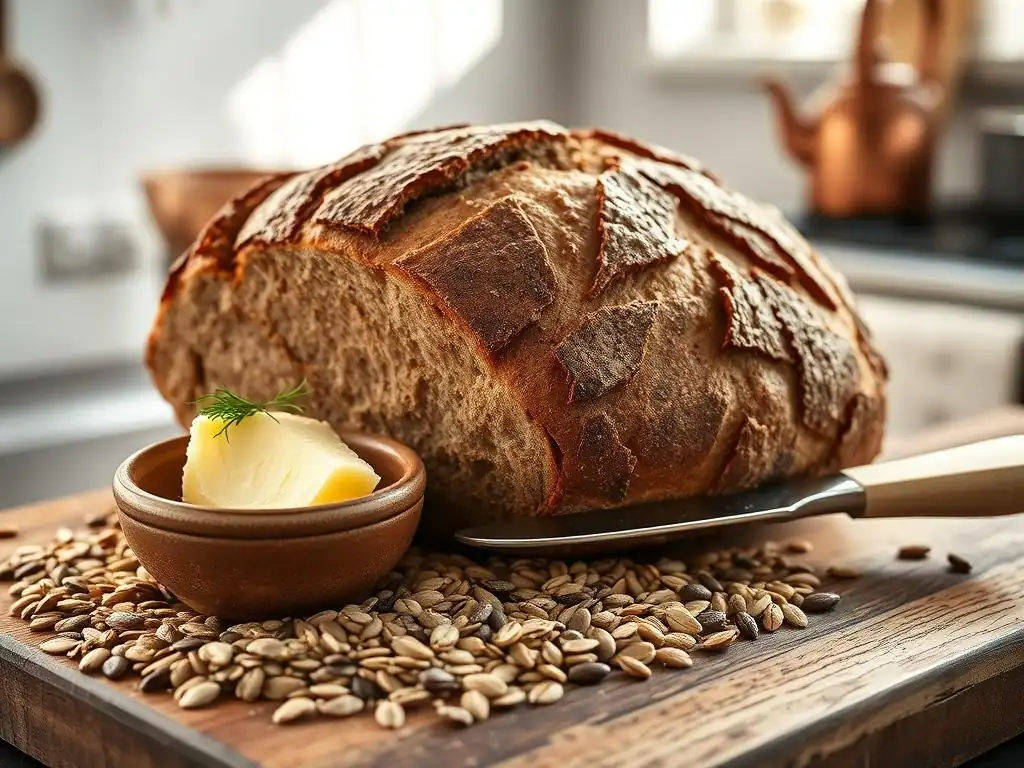
Welcome to BakeWithEase, your haven for all things baking!
Ever dreamt of crafting a dense, flavorful loaf packed with wholesome grains? Delve into our world of bread baking and discover the secrets to a truly authentic experience. Get ready to embark on a rewarding journey as we unveil our Hearty Danish Rugbrød sourdough recipe. This isn't just bread; it's a taste of tradition. Curious to learn the simple steps to create this incredible loaf? Let's get baking!
- Bake Authentic Danish Rugbrød: A Guide to Dense, Flavorful Rye
- Introduction to Rugbrød Baking
- Understanding the Rugbrød Recipe
- Gathering Your Ingredients for Rugbrød
- The Rugbrød Starter: Your Foundation for Flavor
- Step-by-Step: Baking Your Authentic Danish Rugbrød
- Tips for Perfect Rugbrød
- Variations on the Traditional Rugbrød Recipe
- Storing Your Rugbrød
- Serving Suggestions for Rugbrød
- Troubleshooting Common Rugbrød Baking Problems
- The Joy of Baking Authentic Danish Rugbrød
-
Frequently Asked Questions
- What makes this Rugbrød recipe "hearty"?
- Is the "Hearty Danish Rugbrød" recipe suitable for beginner bakers?
- What are the key ingredients that differentiate this Rugbrød from other sourdough breads?
- Can I substitute any of the grains or seeds in the "Hearty Danish Rugbrød" recipe?
- How long does the "Hearty Danish Rugbrød" sourdough recipe take to bake?
- Final Reflection: The Enduring Power of Rugbrød
- Unleash Your Inner Baker: Craft the Perfect Rugbrød!
Bake Authentic Danish Rugbrød: A Guide to Dense, Flavorful Rye
Introduction to Rugbrød Baking
Discover the Authentic Taste of Danish Rye Bread
Danish Rugbrød is more than just bread; it's a cultural staple, a dense, dark, and incredibly flavorful rye loaf packed with whole grains and seeds. Unlike many lighter breads, Rugbrød is known for its substantial texture and complex, slightly tangy taste, often achieved through a sourdough fermentation process. This hearty bread serves as the foundation for the famous Danish open-faced sandwiches, smørrebrød, showcasing its versatility from simple buttered slices to elaborate toppings.
Baking your own Hearty Danish Rugbrød sourdough recipe at home allows you to experience this unique flavor profile firsthand. The process, while requiring patience, is rewarding, resulting in a loaf far superior in taste and texture to mass-produced versions. The combination of coarse rye flour, various seeds like sunflower and pumpkin, and the deep flavor from fermentation creates a genuinely satisfying bread experience that is both nourishing and delicious.
Why Bake Rugbrød at Home?
Baking Rugbrød at home offers unparalleled control over ingredients and quality, ensuring a loaf free from preservatives or unnecessary additives. You can select high-quality organic rye flour and choose your preferred mix of seeds and grains, tailoring the bread to your taste and dietary needs. Furthermore, the aroma of baking rye bread filling your kitchen is an experience in itself, promising a fresh, warm loaf ready to be enjoyed.
Creating your own Hearty Danish Rugbrød sourdough recipe from scratch also provides a deeper connection to the food you eat and the traditional craft of baking. It's an opportunity to learn about the nuances of working with rye flour, the magic of sourdough fermentation, and the satisfaction of pulling a perfectly baked, dark loaf from your oven. The dense structure and long shelf life of homemade Rugbrød make it a practical addition to your weekly baking routine.
Understanding the Rugbrød Recipe
The Essence of Rugbrød: Rye and Fermentation
At the heart of any authentic Rugbrød is rye flour, predominantly coarse or whole rye, which gives the bread its characteristic dark color, dense crumb, and earthy flavor. Unlike wheat flour, rye contains less gluten, resulting in a heavier dough and a bread that doesn't achieve the same airy structure as wheat loaves. This unique composition necessitates different handling techniques and often relies on sourdough fermentation rather than commercial yeast alone to develop flavor and provide lift.
Sourdough fermentation is crucial for Rugbrød, contributing significantly to its tangy complexity and aiding in breaking down phytic acid in the rye, making the nutrients more available. A typical Rugbrød sourdough recipe often involves a multi-stage process, including soaking grains or creating a scald (a mixture of grains/flour with hot water) to soften them and enhance flavor before incorporating them into the main dough.
This slow fermentation process, often spanning 12 to 24 hours or even longer, allows beneficial bacteria and wild yeast to work their magic, transforming simple ingredients into a loaf with incredible depth of flavor and texture.
What Makes Danish Rugbrød Unique?
Danish Rugbrød stands out due to its high proportion of whole rye flour and an abundance of whole grains and seeds incorporated directly into the dough. While other rye breads might use a mix of wheat and rye, traditional Danish Rugbrød is often made with 50% or more rye flour, sometimes even 100%. The inclusion of substantial amounts of seeds like sunflower, pumpkin, flax, and sometimes cracked wheat or rye chops is a defining feature, contributing significant texture, nutty flavors, and nutritional value.
The dense, moist crumb is another hallmark. This texture isn't a flaw but an intentional characteristic achieved through high hydration doughs and the specific properties of rye flour. The long, slow fermentation, often at cool temperatures, further develops the flavor and contributes to the bread's structure. When you slice into a Hearty Danish Rugbrød sourdough recipe loaf, you should see a tight, moist crumb packed with visible grains and seeds, a stark contrast to the open, airy structure of wheat sourdoughs.
Gathering Your Ingredients for Rugbrød
Essential Ingredients for an Authentic Rugbrød Loaf
To bake a true Hearty Danish Rugbrød sourdough recipe, you'll need a few key ingredients. The foundation is rye flour, ideally a mix of coarse or whole rye and potentially some finely ground rye. You'll also need an active rye sourdough starter, which provides the leavening and signature tang. Water is essential for hydrating the dough, often in significant amounts due to rye's absorption properties; hydration levels can easily exceed 80-90% relative to the flour weight.
Beyond the basics, the "hearty" aspect comes from a generous mix of whole grains and seeds. Common additions include sunflower seeds, pumpkin seeds, flax seeds, and sometimes cracked rye or wheat. Salt is crucial for flavor balance and controlling fermentation. Some recipes might also include a touch of malt syrup or dark syrup (like molasses or rye malt syrup) to enhance color and sweetness, though this isn't strictly necessary for a basic, authentic loaf.
Sourcing High-Quality Rye Flour
The quality of your rye flour significantly impacts the final taste and texture of your Hearty Danish Rugbrød. Look for stone-ground whole rye flour if possible, as it retains more of the grain's nutrients and flavor compared to roller-milled flour. Coarse rye flour (sometimes labeled as pumpernickel flour) is often preferred for Rugbrød as it adds structure and texture. Fine rye flour can also be used, but a mix often yields the best results.
Check the protein content if available, though it's less critical than for wheat bread. More importantly, ensure the flour is fresh; old flour can have diminished flavor and leavening power. Purchasing from a reputable mill or a store with high turnover ensures you get the best quality for your Danish rye bread. Storing rye flour in a cool, dark place, or the refrigerator, will help maintain its freshness.
Choosing Grains and Seeds for Texture and Flavor
The selection of grains and seeds is where you can truly customize your Hearty Danish Rugbrød sourdough recipe. A typical mix might include 50-100 grams each of sunflower seeds, pumpkin seeds, and flax seeds per standard loaf. Cracked rye or cracked wheat can add a different kind of chewiness, often requiring soaking overnight or scalding with hot water before mixing into the dough to soften them.
Consider the flavor profiles: sunflower seeds offer a mild, nutty taste; pumpkin seeds are slightly sweeter and crunchier; flax seeds contribute healthy fats and a slightly earthy note. A mix provides complexity. Ensure your seeds are fresh and not rancid. Toasting the seeds lightly before adding them to the dough can enhance their nutty flavor, adding another layer of depth to your authentic Danish rye bread.
The Rugbrød Starter: Your Foundation for Flavor
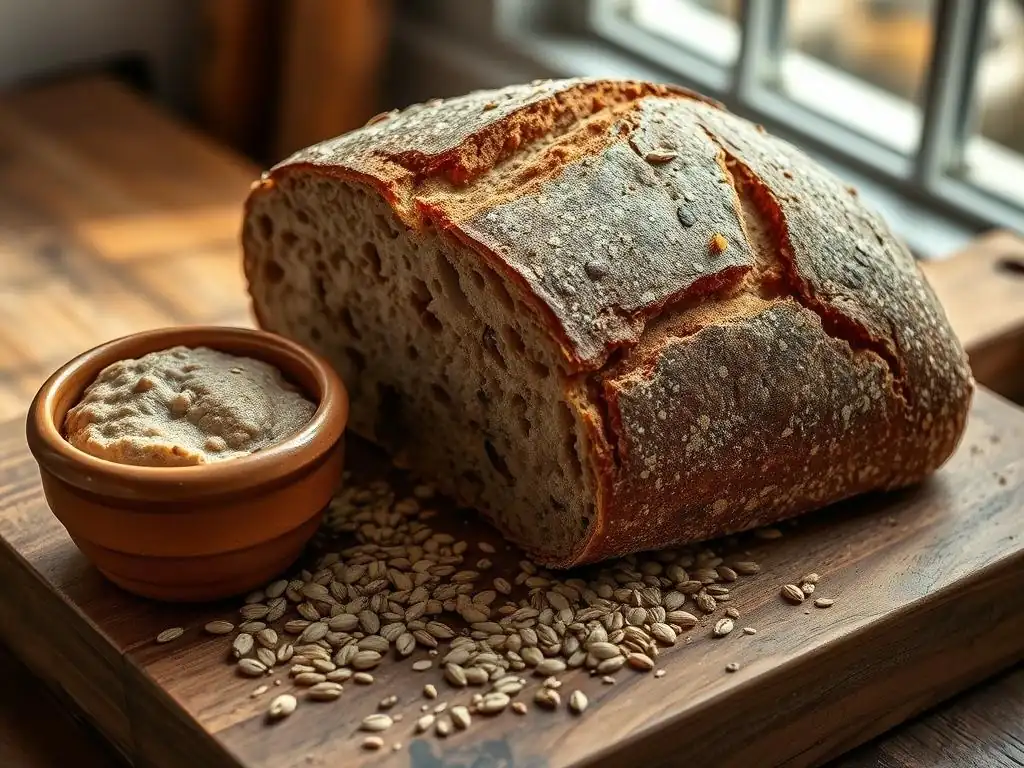
Creating a Rye Sourdough Starter for Rugbrød
A robust rye sourdough starter is fundamental to a great Hearty Danish Rugbrød sourdough recipe. To create one, you'll need whole rye flour and water. Begin by mixing equal parts (e.g., 50g) of whole rye flour and lukewarm water in a jar. Stir until well combined, cover loosely, and leave at room temperature (ideally 20-24°C or 68-75°F). Over the next few days, you'll discard most of the starter and feed it daily with fresh rye flour and water.
Initially, you might see some activity with small bubbles, which could be transient bacteria. After about 3-5 days, you should start seeing more consistent bubbling and a rise after feeding, along with a pleasant, slightly tangy aroma. It typically takes 7-14 days for a new rye starter to become strong enough to reliably leaven bread. A mature rye starter should double in size within 6-8 hours after feeding at room temperature and have a lively, bubbly texture.
Maintaining and Feeding Your Rye Starter
Once your rye starter is active and mature, regular maintenance is key, especially when preparing to bake your Hearty Danish Rugbrød sourdough recipe. If you bake frequently (several times a week), you can keep your starter at room temperature, feeding it once or twice daily. A standard feeding ratio is 1:1:1 (starter:flour:water) by weight, e.g., 25g starter, 25g rye flour, 25g water.
For less frequent baking, storing your rye starter in the refrigerator is more practical. Feed it generously (e.g., 1:2:2 or 1:3:3 ratio) and let it sit at room temperature for a couple of hours before refrigerating. In the fridge, it only needs feeding about once a week or every two weeks. Before baking Rugbrød, take the starter out, feed it a couple of times at room temperature to wake it up and ensure it's vigorous and active, doubling within a few hours after its final feeding.
Troubleshooting Your Sourdough Starter
Sometimes, a rye sourdough starter can seem sluggish or develop off smells. If your starter isn't bubbling or rising after feeding, it might need more consistent feeding or a warmer environment. Try feeding it more frequently (every 12 hours) and ensure the room temperature is adequate. If it smells strongly of acetone (nail polish remover), it's hungry and needs more frequent or larger feedings.
Mold is a sign that the starter is compromised and should be discarded; however, a dark liquid layer on top (called "hooch") is normal, especially in refrigerated starters, and indicates hunger. Simply stir it back in or pour it off before feeding. If your starter seems consistently weak, try using a higher ratio of flour and water to starter (e.g., 1:3:3) and ensure you're using good quality, unbleached rye flour and non-chlorinated water. Patience is key; sometimes, starters just need time and consistent care to thrive.
Step-by-Step: Baking Your Authentic Danish Rugbrød
Preparing the Rugbrød Dough: A Detailed Guide
Preparing the dough for your Hearty Danish Rugbrød sourdough recipe typically starts with a scald or soak. Combine the whole grains and seeds with boiling water and let them soak for several hours or overnight. This softens them, making the bread more tender and preventing them from absorbing moisture from the dough during baking. In a separate bowl, mix your active rye sourdough starter with lukewarm water.
Next, combine the soaked grain mixture (including any leftover water) with the starter/water mix. Add the rye flour(s) and salt, and any optional syrup. Rye dough is very sticky and doesn't require kneading like wheat dough. Mix everything thoroughly with a sturdy spoon or in a stand mixer with a paddle attachment until all ingredients are fully incorporated. The dough will be more like a thick batter than a traditional bread dough, quite wet and sticky.
Bulk Fermentation: Developing Depth of Flavor
Bulk fermentation for Rugbrød is primarily about developing flavor rather than significant rise, as rye dough doesn't rise dramatically. Transfer the mixed dough into your prepared baking pan – typically a loaf pan lined with parchment paper. Smooth the top with a wet spatula or the back of a wet spoon. This dough is usually fermented directly in the pan it will be baked in because it's too wet to shape later.
Cover the pan loosely and let the dough ferment at room temperature. This stage can be quite long, often 12 to 18 hours, sometimes even up to 24 hours, depending on the temperature and the vigor of your starter. During this time, the sourdough bacteria produce lactic and acetic acids, contributing to the bread's characteristic tang. The dough might show a slight increase in volume and develop small surface bubbles. The long, slow fermentation is key to the robust flavor of this Hearty Danish Rugbrød sourdough recipe.
Shaping the Rugbrød Loaf: Achieving the Perfect Form
For most Hearty Danish Rugbrød sourdough recipe loaves, the shaping step is minimal because the wet dough is fermented and baked directly in the loaf pan. The "shaping" involves transferring the mixed dough into the prepared pan and smoothing the top. Using wet hands or a wet spatula helps prevent the sticky dough from adhering.
Ensure the dough is evenly distributed in the pan, reaching into the corners. You can sprinkle the top with additional seeds (like poppy or sesame seeds) at this stage for visual appeal and extra texture. This simple approach to shaping is suitable for the dense, wet nature of rye dough and ensures the loaf holds its form during the long fermentation and baking process.
Proofing: Ensuring a Balanced Rise
Proofing for Rugbrød is less about achieving a dramatic rise and more about allowing the sourdough culture to continue its work, developing flavor and slightly aerating the dough before baking. Since the dough is fermented in the baking pan, the bulk fermentation is the proofing stage. There isn't a separate final proofing period outside the pan.
Monitor the dough towards the end of the recommended fermentation time. The surface might look slightly puffy, and you might see small bubbles. A good test is to gently poke the surface with a wet finger; it should feel soft but offer some resistance and slowly spring back slightly. Over-proofing can lead to a gummy texture, while under-proofing might result in a very dense loaf. The long fermentation time in the pan for this Hearty Danish Rugbrød sourdough recipe is crucial for both flavor and a balanced crumb structure.
Baking Your Rugbrød: Achieving a Dark, Rich Crust
Baking Rugbrød requires a relatively long time at moderate temperatures to ensure the dense interior is cooked through without burning the crust. Preheat your oven to around 200-220°C (390-430°F). Some bakers recommend starting at a higher temperature for the first 15-20 minutes to encourage oven spring (minimal for rye) and crust development, then reducing the temperature to 170-180°C (340-350°F) for the remainder of the baking time.
The total baking time for a standard 1.5-2 kg loaf can range from 1.5 to 2.5 hours. The crust should be dark brown, almost black in some traditional variations, which contributes significantly to the flavor. To check for doneness, the internal temperature should reach around 95-98°C (203-208°F). Baking until the correct internal temperature is reached is critical to prevent a gummy interior in your Hearty Danish Rugbrød sourdough recipe.
Tips for Perfect Rugbrød
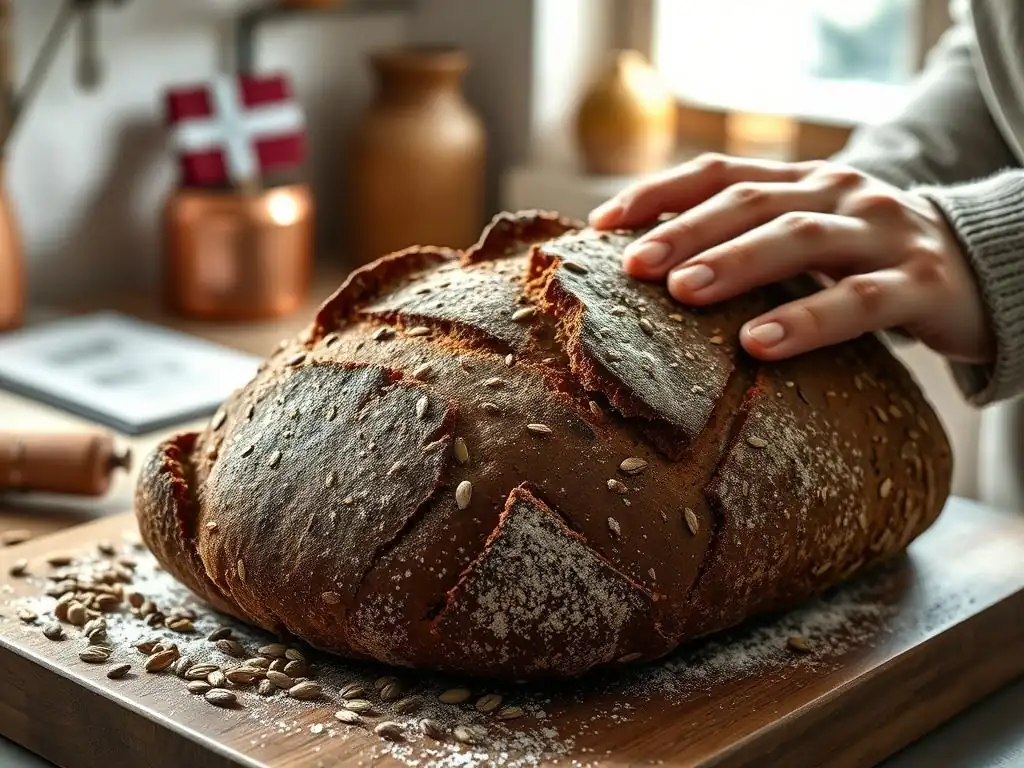
Mastering the Baking Temperature for Optimal Texture
Achieving the correct internal texture in Rugbrød is heavily reliant on proper baking temperature and time. Starting too hot can burn the exterior before the dense interior is cooked. Baking too cool or for too short a time will result in a gummy, underbaked loaf. A common strategy is to bake at 200-220°C (390-430°F) for the first 20 minutes to set the crust, then drop the temperature to 170-180°C (340-350°F) for the remaining 1-2 hours.
Using a baking stone or steel can help ensure even heat transfer to the pan base, promoting a well-cooked bottom crust. Tent the loaf loosely with foil if the top is browning too quickly. Always use an internal thermometer; aiming for 95-98°C (203-208°F) is the most reliable way to guarantee a perfectly cooked Hearty Danish Rugbrød sourdough recipe loaf.
Achieving the Right Dough Hydration
Hydration levels in Rugbrød dough are typically very high compared to wheat bread, often between 80% and 100% or more relative to the weight of the flour and grains. Rye flour absorbs water differently and more slowly than wheat. The high hydration contributes to the moist, dense crumb characteristic of authentic Danish rye bread. If the dough is too dry, the resulting bread will be overly dense and potentially crumbly.
However, too much water can lead to a gummy texture. The correct consistency should be like a very thick batter or porridge – it should be sticky and not hold a shape easily outside of the pan. Adjust the water slightly based on the specific flour and grains you are using, as absorption rates can vary. Experience with your chosen Hearty Danish Rugbrød sourdough recipe and ingredients will help you gauge the perfect hydration level.
Preventing a Soggy or Gummy Rugbrød
A common issue with baking rye bread, especially Rugbrød, is a gummy or soggy interior. This is almost always caused by underbaking. Rye bread requires a long, slow bake to allow heat to penetrate the dense crumb and cook it thoroughly. The high moisture content means it takes longer for the starches to set properly.
Ensure your oven temperature is accurate and bake until the internal temperature reaches at least 95°C (203°F). Letting the bread cool completely before slicing is also crucial. Slicing warm Rugbrød traps steam inside, leading to a gummy texture. Allow the loaf to cool on a wire rack for several hours, ideally 12-24 hours, before cutting into it. This resting period allows the internal moisture to redistribute and the crumb to set properly, resulting in the desired firm yet moist texture of your Hearty Danish Rugbrød sourdough recipe.
Variations on the Traditional Rugbrød Recipe
Adding Spices and Herbs for Complexity
While traditional Hearty Danish Rugbrød sourdough recipe is often made with just rye, grains, seeds, salt, and starter, adding spices and herbs can introduce fascinating layers of flavor. A small amount of caraway seeds is a classic addition, providing a warm, slightly peppery note that complements the rye beautifully. Around 1-2 teaspoons per loaf is usually sufficient.
Other spices like fennel seeds, coriander seeds, or even a pinch of ground anise can be used, often toasted lightly before adding to the dough to release their aromatic oils. For a different twist, consider incorporating dried herbs like rosemary or thyme, although this is less traditional for Danish Rugbrød. Start with small quantities, perhaps half a teaspoon, to see how they affect the overall flavor profile of your Danish rye bread.
Exploring Different Grain and Seed Combinations
The beauty of the Hearty Danish Rugbrød sourdough recipe lies in its flexibility regarding grains and seeds. While sunflower, pumpkin, and flax seeds are standard, you can experiment with others. Poppy seeds add a delicate crunch and subtle flavor. Chia seeds absorb a lot of liquid and can contribute to moisture retention, though use them sparingly (e.g., 1-2 tablespoons).
You can also vary the type and amount of cracked grains. Cracked rye or wheat provides a chewier texture than whole seeds. Pearled barley or even cooked grains like rye berries or wheat berries (added cooled) can be incorporated, often needing to be soaked or cooked first. Aim for a total amount of grains and seeds that feels substantial but doesn't overwhelm the dough, typically 20-40% of the total flour weight.
Creating a Dark and Nutty Rugbrød Variation
To achieve a darker color and nuttier flavor in your Hearty Danish Rugbrød sourdough recipe, several techniques can be employed. Using dark rye flour or pumpernickel flour will naturally result in a darker loaf. Incorporating a small amount of dark malt syrup or molasses (1-2 tablespoons) also enhances the color and adds a subtle sweetness and malty depth.
Creating a scald with boiling water poured over some of the rye flour or cracked grains and letting it sit overnight develops complex flavors and a darker hue through enzymatic activity. Toasting the seeds and some of the rye flour lightly before mixing the dough will bring out their nutty characteristics. These variations allow you to fine-tune the depth of color and flavor in your homemade Danish rye bread.
Storing Your Rugbrød
Keeping Your Rugbrød Fresh
Due to its density and high moisture content, Hearty Danish Rugbrød sourdough recipe has an excellent shelf life compared to lighter breads. A well-baked loaf can stay fresh at room temperature for 5-7 days, sometimes even longer, if stored properly. The best way to store it is wrapped tightly in a clean linen cloth or a beeswax wrap, then placed in a bread box or a paper bag inside a plastic bag to prevent it from drying out.
Avoid storing Rugbrød in a completely airtight plastic container or bag right after cooling, as this can trap too much moisture and encourage mold growth. Once cut, store the cut side down on a cutting board or wrap it separately. If you notice the crust hardening slightly, you can refresh slices by lightly toasting them.
Freezing Rugbrød for Extended Storage
Hearty Danish Rugbrød sourdough recipe freezes exceptionally well, making it ideal for baking large loaves and storing portions for later. Once the loaf has cooled completely, slice it into desired portions – either full slices or half slices. Layer the slices between pieces of parchment paper to prevent them from sticking together.
Wrap the stacked slices tightly in plastic wrap, then place the wrapped stack inside a freezer-safe bag or container. This double wrapping helps prevent freezer burn. Frozen Rugbrød can be stored for up to 3-4 months. To use, simply take out the desired number of slices and let them thaw at room temperature for 15-30 minutes, or toast them directly from frozen for a quick snack.
Serving Suggestions for Rugbrød
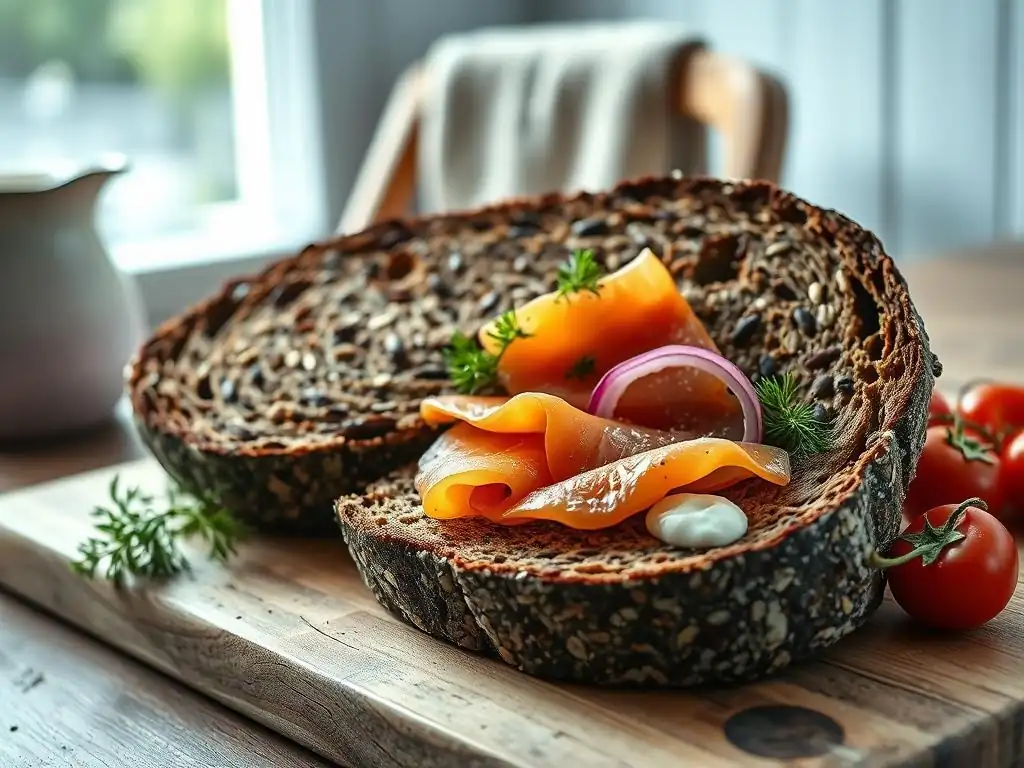
Pairing Rugbrød with Savory Delights
Hearty Danish Rugbrød sourdough recipe is the perfect base for a wide variety of savory toppings. Its robust flavor stands up well to strong ingredients. Classic pairings include smoked salmon, pickled herring, or other seafood. It's also excellent with cold cuts like ham, roast beef, or liver pâté.
Consider toppings like hard-boiled eggs, sliced avocado, or various cheeses. A simple spread of good quality butter or cream cheese is also delightful. For a more elaborate smørrebrød, combine elements like roast beef with remoulade and crispy fried onions, or liver pâté with pickled cucumbers and bacon bits. The dense texture provides a sturdy foundation that won't become soggy under toppings.
Enjoying Rugbrød with Sweet Accompaniments
While primarily used for savory smørrebrød, Rugbrød can also be enjoyed with sweet toppings, offering a unique contrast. The slight tanginess of the sourdough and the nuttiness of the grains pair surprisingly well with certain sweet spreads.
Try spreading slices with butter and your favorite jam or marmalade. Honey is another excellent option, especially with a sprinkle of cinnamon. Some people enjoy Rugbrød with sliced fruit like apples or pears. The dense texture provides a satisfying bite that complements the sweetness, making for a surprisingly delicious snack or light breakfast.
Rugbrød as Part of a Smørrebrød Spread
Creating a smørrebrød spread centered around your homemade Hearty Danish Rugbrød sourdough recipe is a wonderful way to enjoy this bread and share it with others. Lay out an assortment of toppings on a platter: various seafoods, meats, cheeses, vegetables (like sliced tomatoes, cucumbers, radishes), pickles, and spreads.
Provide sliced Rugbrød and let everyone build their own open-faced sandwiches. This interactive way of eating highlights the versatility of the bread and allows guests to explore different flavor combinations. A traditional smørrebrød meal often involves a specific order of eating, typically starting with fish, then moving to meat, and finally cheese, showcasing the bread's ability to complement a range of flavors.
Troubleshooting Common Rugbrød Baking Problems
Addressing a Dense and Heavy Loaf
If your Hearty Danish Rugbrød sourdough recipe turned out excessively dense and heavy, beyond the expected density, several factors could be at play. The most common cause is under-proofing or an inactive starter. Ensure your rye sourdough starter is vigorous and doubles after feeding before using it. Allow sufficient fermentation time in the pan, typically 12-24 hours, depending on temperature.
Another reason could be insufficient hydration. Rye dough needs to be quite wet. If the dough felt stiff or dry when mixing, add a little more water. Finally, underbaking can also contribute to a heavy, pasty texture. Ensure the internal temperature reaches 95-98°C (203-208°F) before removing the loaf from the oven.
Fixing a Crumbly Texture
While Rugbrød is dense, it shouldn't be overly crumbly. A crumbly texture in your Hearty Danish Rugbrød sourdough recipe can indicate too little hydration or overbaking. Rye flour requires a lot of water; if the dough was too dry initially, the final bread might lack cohesion.
Overbaking can dry out the loaf, leading to crumbling. Ensure you bake to the correct internal temperature but avoid excessive time in the oven once that temperature is reached. Also, make sure you're using enough active starter, as proper fermentation helps develop the structure. Using a mix of fine and coarse rye flour can sometimes help create a slightly less crumbly crumb.
Preventing a Burnt or Underbaked Crust
Balancing a well-cooked interior with a perfectly browned, not burnt, crust can be tricky with the long baking times required for Hearty Danish Rugbrød sourdough recipe. If the crust is burning while the interior is underbaked, the oven temperature might be too high, or you might need to adjust your baking strategy.
Try starting the bake at a slightly lower temperature (e.g., 200°C or 390°F) or reducing the temperature sooner, say after 15 minutes, to 170°C (340°F). If the top crust is browning too quickly, loosely tent the loaf with aluminum foil for the remainder of the baking time. If the bottom crust is too pale or soft, placing the pan on a preheated baking stone or steel can help transfer heat more effectively to the base of the loaf.
The Joy of Baking Authentic Danish Rugbrød
Embrace the Tradition of Danish Rye Baking
Baking a Hearty Danish Rugbrød sourdough recipe connects you to a rich tradition of Scandinavian baking. It's a practice rooted in making nourishing, long-lasting bread from readily available grains. Embracing this tradition involves understanding the unique properties of rye, the power of sourdough, and the satisfaction of a slow, patient process that yields incredible flavor.
Each loaf is a testament to the simple, wholesome ingredients and the baker's skill (which improves with practice!). There's a unique satisfaction in slicing into a dense, grain-packed loaf you've nurtured from starter to finished bread, knowing you've created something both delicious and deeply traditional.
One of the greatest joys of baking is sharing your creations. A loaf of homemade Hearty Danish Rugbrød sourdough recipe makes a thoughtful gift and is perfect for sharing with family and friends. Introduce them to the unique texture and complex flavor of authentic Danish rye bread.
Host a smørrebrød gathering and showcase how versatile this bread can be. Share slices for breakfast or pack them for lunch. The dense, satisfying nature of Rugbrød makes it a wonderful vehicle for countless toppings and a delightful addition to any meal. Share the warmth and flavor of your homemade Danish rye bread.
Frequently Asked Questions
What makes this Rugbrød recipe "hearty"?
This Rugbrød recipe is considered hearty due to its high content of whole grains and seeds, providing a substantial and filling loaf. It's packed with nutrients and fiber.
Is the "Hearty Danish Rugbrød" recipe suitable for beginner bakers?
While BakeWithEase aims to provide simple recipes, this sourdough recipe might be better suited for bakers with some experience in sourdough bread making. The process can be a little involved.
What are the key ingredients that differentiate this Rugbrød from other sourdough breads?
The inclusion of a variety of whole grains like rye, wheat, and often barley, alongside seeds such as sunflower and flax, sets it apart. It's also typically denser than other sourdoughs.
Can I substitute any of the grains or seeds in the "Hearty Danish Rugbrød" recipe?
While substitution is possible, be mindful of the hydration levels and texture. Replacing rye flour significantly will alter the characteristic flavor and structure of Rugbrød.
How long does the "Hearty Danish Rugbrød" sourdough recipe take to bake?
The baking time for Rugbrød is typically longer than other sourdough breads, often requiring 60-90 minutes at a lower temperature to ensure it's fully cooked due to its dense nature.
Final Reflection: The Enduring Power of Rugbrød
The simple act of baking hearty Danish Rugbrød connects us to a rich culinary history while offering a surprisingly modern approach to healthy, satisfying eating. This ancient bread, with its complex flavors and satisfying texture, is experiencing a well-deserved resurgence in popularity, proving that traditional foods can hold a vital place in our contemporary lives. Its enduring appeal speaks to a deeper yearning for wholesome, handcrafted nourishment.
The journey of making Rugbrød, from the slow fermentation of the sourdough starter to the satisfying thud of the loaf hitting the cooling rack, is a meditative process. It's a connection to a slower pace of life, a stark contrast to the instant gratification of modern convenience foods. This mindful approach to food preparation resonates deeply with me, and I believe it's a sentiment shared by many seeking a more intentional relationship with their diet. Bread is the staff of life,
a simple phrase, yet it encapsulates the profound significance of this staple food in human history and culture. Rugbrød, in its unique and hearty form, embodies this truth perfectly.
Now, I invite you to embark on your own Rugbrød adventure. Don't be intimidated by the seemingly long process; the rewards are immeasurable. Embrace the slow fermentation, savor the rich aroma filling your kitchen, and relish the satisfying crunch of each bite. More than just a recipe, this is an invitation to connect with your food, your heritage, and yourself. The journey of baking this hearty bread is a journey of mindful eating and a celebration of tradition in the modern world.
Unleash Your Inner Baker: Craft the Perfect Rugbrød!
Thanks for taking the time to explore the world of hearty Danish Rugbrød! We hope you gained valuable insights into this nutritious and flavorful bread. Now it's time to put your newfound knowledge to the test.
- Bake your own Rugbrød today! Use the recipe and tips from the article as your guide. The aroma alone will be worth it!
- Share your baking journey with us on social media – we'd love to see your creations! Use #BakeWithEaseRugbrød to connect with other baking enthusiasts.
- Consider experimenting with different grains and seeds – what unique flavor combination will you discover?
Ready to transform your kitchen into a fragrant bakery? What exciting ingredient will you add to your next Rugbrød loaf?