
Choosing the Right Flour for Your Vegan Bread

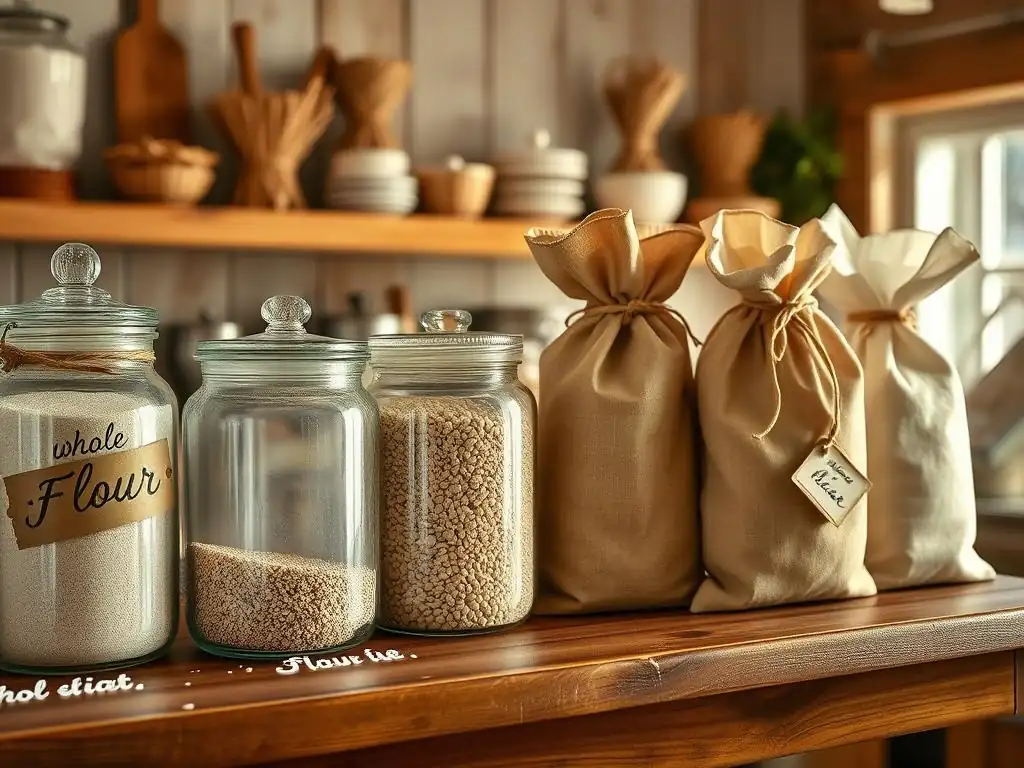
Welcome to BakeWithEase, your haven for all things baking! Ever wondered if your vegan bread just isn't quite right? Our latest deep dive unravels the secrets to success with our Vegan Bread Flour Guide. Discover the perfect flour combinations to unlock the fluffiest, most flavorful vegan loaves you've ever tasted. Ready to rise to the occasion?
- Introduction: The Importance of Flour in Vegan Bread Baking
- Understanding Different Types of Flour for Vegan Bread
- Evaluating Flour Characteristics for Vegan Bread Success
- The Vegan Bread Flour Guide: Choosing the Best Option
- Tips and Tricks for Using Different Flours in Vegan Bread Recipes
- Vegan Bread Flour Substitutions and Alternatives
- Conclusion: Mastering Vegan Bread Baking with the Perfect Flour
-
Frequently Asked Questions
- What is the best all-around flour for making vegan bread, according to BakeWithEase?
- Why is gluten development so important in vegan bread baking?
- What are some alternatives to traditional wheat flour for vegan bread, and when might I use them?
- Where can I find easy-to-follow vegan bread recipes that specify the ideal flour type?
- How does using the wrong flour impact the outcome of my vegan bread?
- Final Reflection: The Flour Power of Vegan Baking
- Unlock Your Vegan Baking Potential!
Introduction: The Importance of Flour in Vegan Bread Baking
Understanding Flour's Role in Vegan Bread
Flour is the fundamental building block of bread, and this holds true even in vegan baking where traditional binders like eggs are absent. It provides the structure and body to the loaf, primarily through its starch and protein content. When flour is mixed with water, the proteins gliadin and glutenin bond together to form gluten, a complex network that traps the carbon dioxide produced by yeast or other leavening agents. This trapped gas allows the dough to rise, creating the airy texture we associate with many types of bread.
Beyond structure, flour contributes significantly to the overall composition of vegan bread. Starch granules absorb water during mixing and gelatinize during baking, helping to set the crumb structure. Different flours also bring varying levels of fiber, vitamins, and minerals, impacting the nutritional profile. For instance, whole wheat flour retains the bran and germ, offering more fiber and nutrients compared to refined white flour, which is primarily endosperm. Understanding these basic components is the first step in navigating the world of vegan bread flour choices.
Why Flour Choice Matters for Vegan Bread Texture and Flavor
The specific type of flour you select profoundly influences the final texture and flavor of your vegan bread. A high-protein bread flour, for example, is designed to develop strong gluten, resulting in a chewy, elastic crumb and a good rise – perfect for a classic sandwich loaf. In contrast, a lower-protein all-purpose flour will yield a softer crumb, suitable for quick breads or less structured loaves. The particle size of the flour also plays a role; finely milled flours absorb water differently than coarser grinds.
Flavor is another critical aspect determined by your flour choice. White flours tend to have a neutral taste, allowing other ingredients to shine, while flours like rye or spelt impart distinct, sometimes nutty or tangy, flavors. Whole grain flours add a rustic, earthy depth. When developing a vegan bread flour guide, it's crucial to consider how the inherent characteristics of each flour will interact with other ingredients and the desired outcome, whether you're aiming for a light baguette or a dense, hearty loaf.
Understanding Different Types of Flour for Vegan Bread
Bread Flour: Enhancing Gluten Development in Vegan Dough
Bread flour is a top choice for many vegan bread recipes due to its high protein content, typically ranging from 12% to 14%. This higher protein level means it contains more of the gluten-forming proteins, gliadin and glutenin, compared to all-purpose flour (which usually has 10-12% protein). When kneaded, these proteins form a robust gluten network capable of trapping a significant amount of gas, leading to excellent oven spring and a chewy, airy texture. This is particularly beneficial in vegan baking where the absence of eggs might otherwise result in a less structured crumb.
Using bread flour helps achieve that desirable elastic quality in vegan dough, making it easier to handle and shape. The strong gluten structure supports longer fermentation times, which can enhance the flavor development in the bread. For instance, a vegan sourdough loaf made with bread flour will often have a more open crumb and a better rise than one made with a lower-protein flour. While it requires thorough kneading or folding to develop the gluten, the result is a loaf with superior volume and a satisfying chew, making it a staple in any comprehensive vegan bread flour guide.
Whole Wheat Flour: Adding Nutrients and Texture to Vegan Bread
Whole wheat flour is milled from the entire wheat kernel, including the bran, germ, and endosperm. This inclusion of all parts of the grain makes it significantly more nutritious than refined white flour, offering higher levels of fiber, B vitamins, and minerals like iron and magnesium. The presence of bran and germ also impacts the flour's baking properties; they are sharp particles that can cut through the developing gluten strands, potentially resulting in a denser loaf if not handled correctly.
Despite the challenge to gluten development posed by the bran, whole wheat flour still contains a good amount of protein, often in the 13-14% range, similar to bread flour. However, achieving the same airy texture as 100% white bread flour requires careful handling, such as using a portion of white flour in the mix or employing techniques like autolyse.
The distinct, nutty flavor and slightly coarser texture it imparts are highly valued in hearty vegan loaves, such as a rustic country loaf or a sandwich bread with more substance. It's an essential component to cover in a vegan bread flour guide focused on nutrition and flavor.
Spelt Flour: An Ancient Grain Option for Vegan Bread
Spelt is an ancient grain, a subspecies of wheat, that has seen a resurgence in popularity due to its nutritional profile and unique flavor. Spelt flour contains gluten, but its structure is often considered more fragile and water-soluble than that of modern wheat. This means that doughs made with 100% spelt flour can become sticky or gummy if over-mixed, and the gluten network may break down more easily during a long fermentation. Spelt flour typically has a protein content ranging from 11% to 14%, comparable to or slightly higher than all-purpose flour.
Despite the differences in gluten structure, spelt flour can produce delicious vegan bread with a slightly nutty, sweet flavor. It absorbs water differently than standard wheat flour, often requiring less liquid or a careful approach to hydration. Spelt is sometimes better tolerated by individuals with mild gluten sensitivities compared to common wheat, although it is not gluten-free.
It works well in both rustic loaves and enriched vegan doughs, offering a pleasant alternative to standard wheat flour and adding diversity to a vegan bread flour guide. Many bakers find success using spelt flour in combination with stronger bread flour to balance its characteristics.
Rye Flour: Creating Dense and Flavorful Vegan Loaves
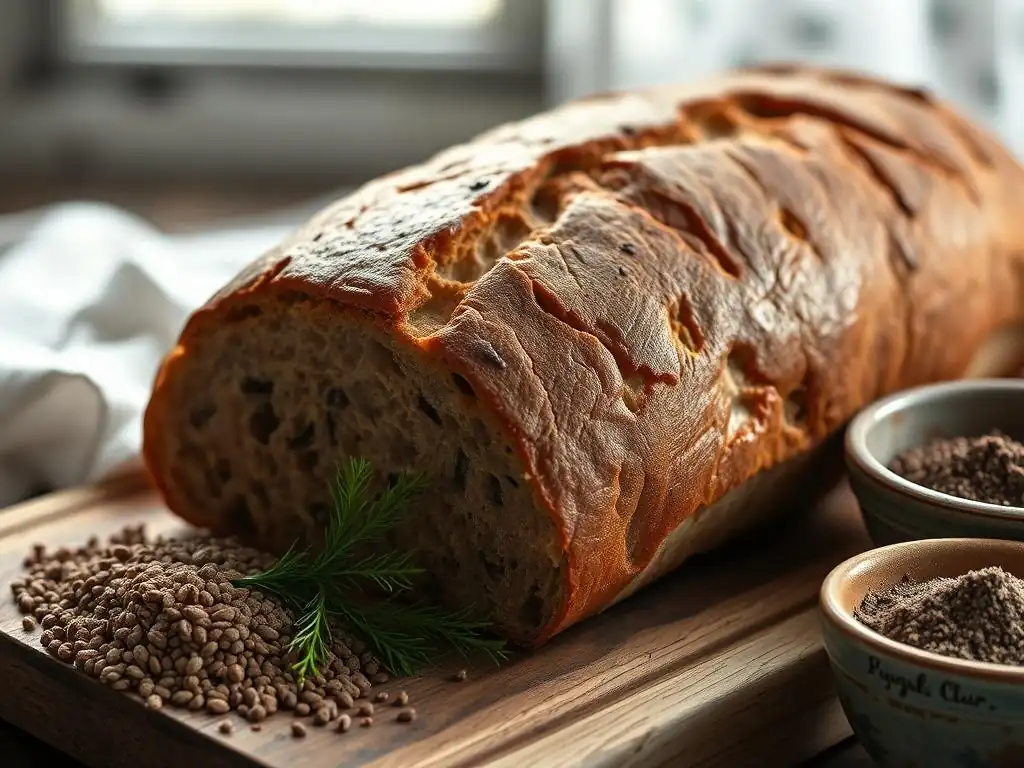
Rye flour is milled from the rye grain and is known for producing dense, flavorful bread with a distinct tangy or earthy taste. Unlike wheat, rye contains very little gluten-forming proteins. Instead, its structure comes primarily from pentosans, complex carbohydrates that absorb large amounts of water and create a sticky, dense dough. Rye flour's protein content is typically lower than wheat flour, often in the 7-10% range, and this protein does not form a strong, elastic gluten network like wheat protein does.
Because of its low gluten content and high pentosan levels, 100% rye bread is inherently dense and heavy. It doesn't achieve the same volume or open crumb structure as wheat bread. However, this density is its defining characteristic and is highly prized in traditional rye loaves. Rye flour also contains enzymes that can break down starch and protein, so it's often used in combination with wheat flour or sourdough starters to manage dough consistency and rise. Including rye flour in a vegan bread flour guide introduces bakers to creating unique, robust loaves distinct from typical wheat-based breads.
Gluten-Free Flour Blends: Baking Vegan Bread Without Gluten
For individuals avoiding gluten, baking vegan bread requires the use of gluten-free flour blends. These blends are typically a combination of different flours and starches designed to mimic the properties of wheat flour. Common ingredients include rice flour (brown or white), sorghum flour, millet flour, tapioca starch, potato starch, and often binders like xanthan gum or psyllium husk powder. The exact composition varies widely between brands and homemade blends, which significantly impacts their performance.
Baking vegan gluten-free bread presents unique challenges. Without the gluten network, achieving structure and a good rise relies heavily on the combination of starches, alternative proteins (from ingredients like sorghum or millet), and added binders. Hydration levels are crucial and often higher than wheat-based doughs because gluten-free flours absorb water differently. A well-formulated gluten-free vegan bread flour guide must address these complexities, recommending specific blends known to work well and providing tips for handling sticky doughs and achieving a desirable crumb texture without the elasticity of gluten.
Evaluating Flour Characteristics for Vegan Bread Success
Protein Content: Its Impact on Gluten Formation in Vegan Bread
Protein content is perhaps the most critical factor when choosing flour for yeast-leavened vegan bread. Wheat flour proteins, specifically gliadin and glutenin, are the building blocks of the gluten network. A higher protein content (12-14% in bread flour) means more potential for strong gluten development when the dough is mixed and kneaded. This robust network is essential for trapping the carbon dioxide produced by yeast, allowing the bread to rise significantly and develop a chewy, elastic crumb.
Conversely, flours with lower protein content (like cake flour at 7-9%) will form a weaker gluten network, resulting in a softer, more delicate crumb and less volume. While this is desirable for cakes or pastries, it's generally less ideal for structured bread loaves unless combined with stronger flours. Understanding the protein percentage listed on flour packaging (or typical ranges for different types) is key to predicting how the flour will behave and what kind of texture you can expect in your vegan bread. It's a fundamental concept in any effective vegan bread flour guide.
Gluten Strength: Achieving the Desired Structure in Vegan Bread
Beyond just the amount of protein, the quality or strength of the gluten formed is vital for successful vegan bread. Gluten strength refers to the ability of the gluten network to stretch without breaking and to hold its shape. Strong gluten is elastic and extensible, allowing the dough to expand during fermentation and baking. This strength is developed through hydration and mechanical action, such as kneading or stretching and folding. Without strong gluten, the gas produced by yeast will escape, resulting in a flat, dense loaf.
Different flours inherently produce gluten of varying strengths. Bread flour is specifically milled from hard wheat varieties chosen for their strong gluten potential. Spelt gluten, while present, is weaker and more easily damaged by overworking. Rye flour proteins form almost no gluten. Achieving the desired structure in vegan bread relies on selecting flour with appropriate gluten strength for the intended loaf type and employing proper dough handling techniques to develop that strength effectively. This is a core concept in mastering the vegan bread flour guide.
Water Absorption: Hydration Tips for Different Flours in Vegan Recipes
Flours vary significantly in how much water they can absorb, and this property directly impacts the hydration level required in a vegan bread recipe. Whole grain flours, like whole wheat or rye, contain more fiber and bran, which are highly absorbent, often requiring more water than white flours. Protein also absorbs water, so higher-protein flours generally need more liquid. The particle size of the flour also plays a role; finer flours may absorb water faster but potentially less overall than coarser grinds.
Proper hydration is crucial for developing gluten and achieving the right dough consistency – not too stiff, not too sticky. If a recipe calls for a specific amount of water and you substitute a flour with different absorption properties, you'll likely need to adjust the water quantity. For example, if substituting white bread flour with whole wheat, you might need to add an extra 10-15% water.
Paying attention to the dough's feel rather than strictly adhering to volume measurements is often necessary. Using a scale for accuracy is highly recommended when dealing with different flours in a vegan bread flour guide.
Flavor Profile: Matching Flour to Your Vegan Bread Preferences
The flavor that flour contributes to vegan bread is a key consideration when deciding on the best option. While white wheat flour provides a relatively neutral base, allowing the flavors of fermentation (from yeast or sourdough) and other ingredients (like seeds, herbs, or sweeteners) to dominate, other flours bring their own distinct tastes. Whole wheat flour adds an earthy, slightly nutty note. Spelt offers a mild sweetness and nuttiness. Rye flour imparts a characteristic tang and earthiness that is foundational to rye bread's identity.
Choosing the right flour involves matching its inherent flavor profile to the type of vegan bread you want to create. For a classic, clean-tasting white loaf, bread flour is ideal. For a hearty, rustic bread, whole wheat or a blend including it works well. If you desire a pronounced, slightly sour flavor, rye is the clear choice. Experimenting with different flours and blends allows you to explore a wide spectrum of tastes and textures, guided by your personal preferences and the insights from a comprehensive vegan bread flour guide.
The Vegan Bread Flour Guide: Choosing the Best Option
Best Flour for a Light and Airy Vegan White Bread
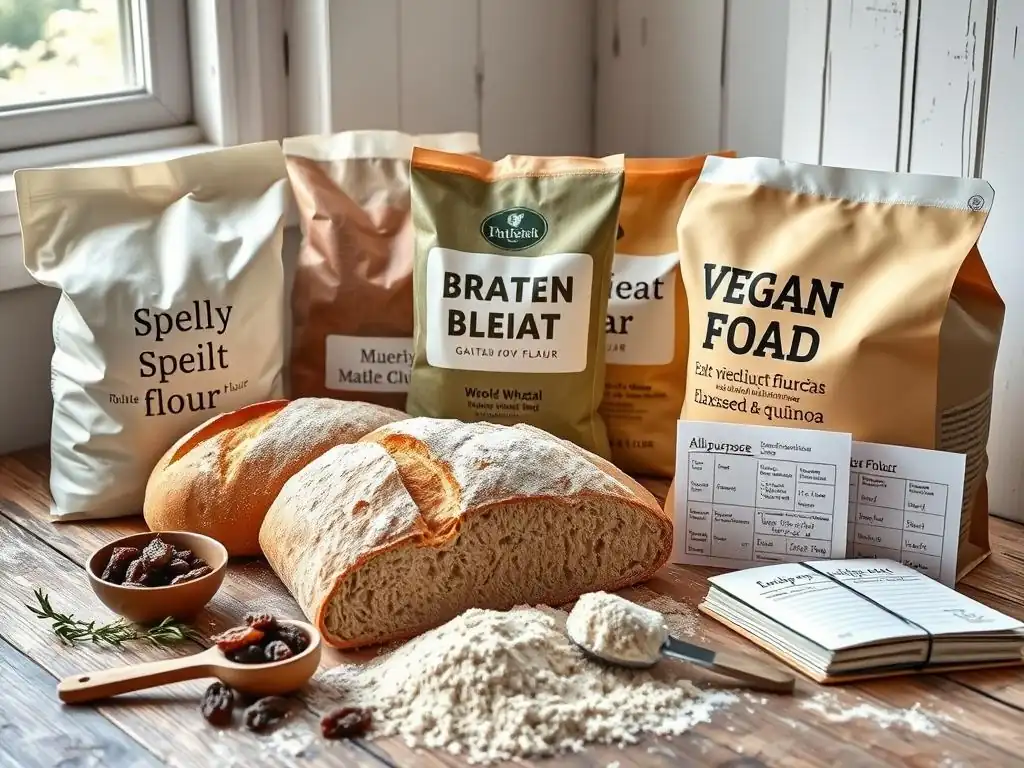
For a classic light and airy vegan white bread, the go-to choice is typically high-protein bread flour. With a protein content usually between 12% and 14%, bread flour contains ample gluten-forming proteins. When properly kneaded and hydrated, these proteins develop a strong, elastic network capable of trapping significant amounts of gas produced by yeast during fermentation. This results in excellent oven spring, a high-rising loaf, and a desirable open, chewy crumb structure.
Using bread flour provides the necessary structural support without the need for eggs or dairy, which are common in traditional bread to enhance richness and tenderness. A standard recipe might use 500g of bread flour, around 325-350g of water (65-70% hydration), yeast, salt, and perhaps a touch of sugar or oil. The strong gluten allows for vigorous kneading or repeated stretch-and-fold techniques, both of which are effective in developing the dough's elasticity and ensuring a light interior. This makes bread flour indispensable in a vegan bread flour guide focused on achieving classic white loaf characteristics.
Best Flour for a Dense and Nutritious Vegan Whole Wheat Bread
To bake a dense and nutritious vegan whole wheat bread, opting for 100% whole wheat flour is the primary path. Whole wheat flour retains the bran, germ, and endosperm of the wheat kernel, providing significantly more fiber, vitamins (like B vitamins), and minerals compared to refined white flour. While it does contain protein (often 13-14%), the presence of sharp bran particles can hinder gluten development, leading to a naturally denser loaf than one made with white flour.
Achieving a good rise with 100% whole wheat requires careful hydration (often higher, around 75-85% of the flour weight, as bran absorbs a lot of water) and potentially longer or gentler handling to allow the gluten to develop despite the bran interference. Some bakers use techniques like autolyse (mixing just flour and water first) or include a small amount of vital wheat gluten (a concentrated form of wheat protein) to boost the dough's strength.
The resulting loaf is hearty, flavorful, and packed with nutrients, making whole wheat flour a key ingredient in any vegan bread flour guide emphasizing health and texture.
Best Flour for a Vegan Rye Bread with Authentic Flavor
For crafting a vegan rye bread with authentic, deep flavor, a significant proportion of rye flour is essential. Rye flour comes in different grades, from light (mostly endosperm) to dark (includes more bran and germ), with pumpernickel being the coarsest grind. Using medium or dark rye flour (protein content typically 7-10%) will impart the characteristic tangy, earthy, and slightly sour notes associated with traditional rye loaves. Because rye flour contains minimal gluten-forming proteins and high levels of pentosans, doughs made with a high percentage of rye are inherently sticky, less elastic, and result in dense bread.
Often, rye flour is combined with a stronger wheat flour, such as bread flour or all-purpose flour, to provide some structural support and improve the crumb slightly. A common ratio might be 50% rye flour and 50% wheat flour for a lighter rye, or 70-80% rye for a very dense loaf. Sourdough starters, which thrive on rye, are frequently used as the leavening agent, enhancing the classic rye flavor. A vegan bread flour guide explaining rye should highlight its unique properties and the expectation of a dense texture.
Best Gluten-Free Flour Blend for Vegan Bread
Choosing the best gluten-free flour blend for vegan bread depends heavily on the specific blend's composition and the desired outcome. A good all-purpose gluten-free blend designed for baking often contains a mix of starchy flours (like tapioca or potato starch) for tenderness, wholegrain gluten-free flours (like brown rice, sorghum, or millet) for structure and nutrition, and a binder (like xanthan gum or psyllium husk). For vegan bread, ensuring the blend performs well without eggs is key.
Look for blends that specifically mention suitability for bread or yeast baking on the packaging. Blends containing psyllium husk tend to work particularly well in vegan gluten-free bread as psyllium forms a gel when hydrated, mimicking some of gluten's binding properties. Recipes often require higher hydration levels than wheat bread, and the dough can be quite sticky or batter-like.
Successful vegan gluten-free bread relies on a carefully balanced blend, proper hydration, and often techniques like baking in a loaf pan to support the structure. Including guidance on selecting and using these blends is vital for a comprehensive vegan bread flour guide.
Tips and Tricks for Using Different Flours in Vegan Bread Recipes
Adjusting Hydration Levels Based on Flour Type
Successfully baking vegan bread with different flours often requires adjusting the hydration level – the ratio of water to flour by weight. As noted earlier, flours absorb water differently. Whole wheat flour, with its bran and germ, is significantly more absorbent than white bread flour. Rye flour, due to its pentosans, also requires high hydration but results in a very sticky dough. Gluten-free blends vary widely depending on their starch and fiber content.
A general rule of thumb is to start with the recipe's suggested hydration but be prepared to add more liquid (usually water or plant milk) if the dough feels too stiff, or a little more flour if it's too wet. For whole wheat, you might increase hydration by 5-15% compared to a white flour recipe. For rye, hydration can be as high as 80-90%, but the dough will remain sticky.
Pay attention to the dough's consistency as you mix – it should be shaggy but come together, or in the case of high-hydration doughs, be very wet but manageable with wet hands or a scraper. This adaptability is a key skill highlighted in a practical vegan bread flour guide.
Enhancing Gluten Development in Vegan Doughs
Developing a strong gluten network is crucial for achieving structure and a good rise in wheat-based vegan bread. Without the binding properties of eggs, relying on flour's gluten potential becomes even more important. Traditional kneading by hand or machine is a direct way to align the gluten proteins and build strength. For a 500g flour dough, this might take 10-15 minutes of vigorous kneading until the dough passes the windowpane test (a small piece can be stretched thinly without tearing).
Alternatively, for higher hydration doughs or when using flours like whole wheat where kneading can be challenging, techniques like stretch and folds during the bulk fermentation can effectively develop gluten. Performing 3-4 sets of stretch and folds at 30-45 minute intervals over 2-3 hours allows gluten to develop gently over time.
For whole wheat or spelt, an autolyse period (mixing flour and water and letting it rest for 20-60 minutes before adding other ingredients) can help hydrate the bran and start gluten development before kneading begins. These techniques are essential for maximizing the performance of your chosen vegan bread flour.
Combining Different Flours for Optimal Results
Combining different types of flour is a common and effective strategy in vegan bread baking to balance characteristics and achieve desired outcomes. For example, blending whole wheat flour with white bread flour (e.g., 50% whole wheat, 50% bread flour) allows you to incorporate the nutrition and flavor of whole wheat while still benefiting from the strong gluten development of white bread flour, resulting in a lighter, taller loaf than 100% whole wheat.
Similarly, combining rye flour with wheat flour is standard practice to make rye bread with a more manageable dough and better rise than pure rye. A mix of 60% white bread flour and 40% rye flour, for instance, yields a flavorful rye loaf with a less dense crumb.
For gluten-free vegan bread, combining different types of gluten-free flours and starches (like a blend of brown rice flour, sorghum flour, and tapioca starch) is necessary to create a balanced structure and texture that single gluten-free flours cannot provide on their own. Experimenting with ratios is part of the fun in using a vegan bread flour guide.
Many common problems in vegan bread baking can be traced back to flour. A dense loaf, for instance, might be due to insufficient gluten development (perhaps using a low-protein flour or not kneading enough), using 100% whole wheat or rye without adjustments, or incorrect hydration. If the dough is too sticky and hard to handle, it could be over-hydrated for the specific flour used, or the flour type (like rye or some gluten-free blends) inherently results in a sticky dough requiring different handling techniques.
Poor rise can result from weak gluten unable to hold the gas, using old or inactive yeast, or insufficient fermentation time. Crumbly texture, especially in gluten-free vegan bread, often indicates an imbalance in the flour blend, lack of sufficient binder, or improper hydration. By understanding the properties of your vegan bread flour and how it interacts with water and leavening, you can diagnose and fix issues.
For example, if your whole wheat loaf is too dense, try adding a bit more water or incorporating a stretch and fold routine. Consulting a vegan bread flour guide helps in troubleshooting these common pitfalls.
Vegan Bread Flour Substitutions and Alternatives
Using Einkorn Flour in Vegan Bread Baking
Einkorn is another ancient grain and one of the earliest forms of wheat. Like spelt, it contains gluten, but its structure is different from modern wheat. Einkorn flour typically has a higher protein content (around 14-16%) than modern wheat, but the gluten formed is weaker and less elastic. This means that doughs made with 100% einkorn can be stickier and require gentle handling to prevent the gluten network from breaking down.
Despite the handling differences, einkorn flour imparts a lovely, slightly sweet, nutty flavor to vegan bread. It also boasts a strong nutritional profile. It can be used to replace a portion of modern wheat flour (e.g., 25-50%) in recipes to add flavor and nutrition while still relying on the stronger gluten of the wheat flour for structure. Baking with 100% einkorn requires adjusting hydration and techniques, often resulting in a slightly denser crumb than a modern wheat loaf. Including einkorn in a vegan bread flour guide expands the options for adventurous bakers.
Exploring Oat Flour for Unique Vegan Bread Recipes
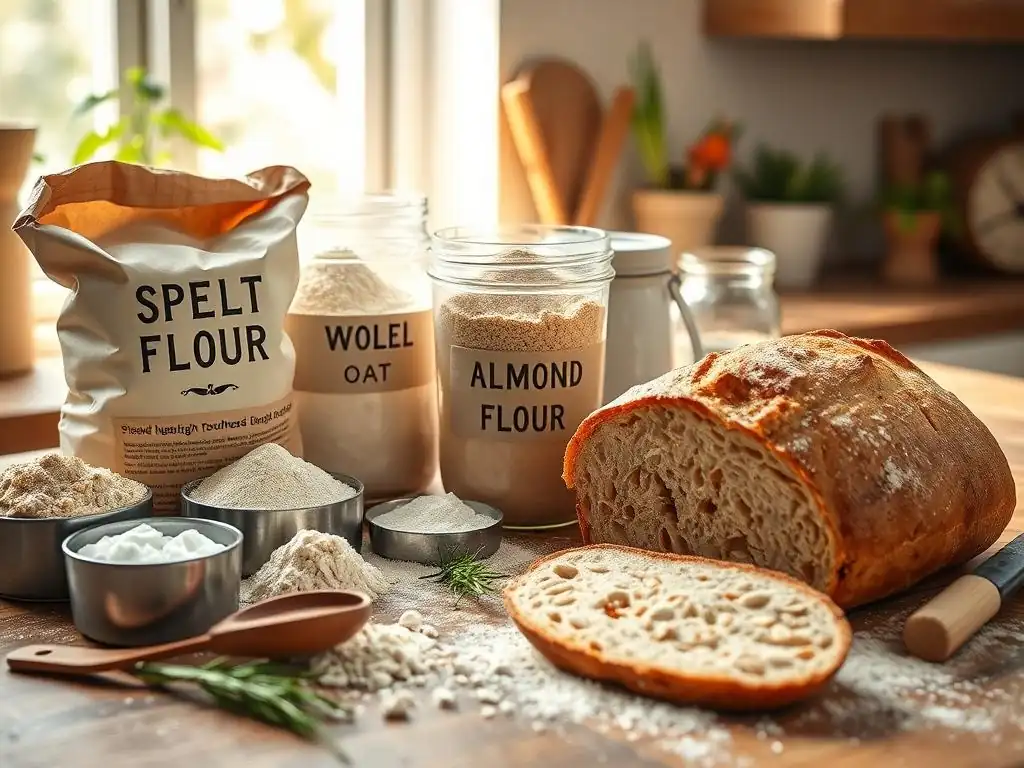
Oat flour, made from ground oats, is a popular gluten-free alternative, although it's important to source certified gluten-free oat flour if baking for someone with celiac disease due to potential cross-contamination. Oat flour contains fiber and some protein (around 11-17% depending on the type), but it contains no gluten-forming proteins. It absorbs a significant amount of liquid and can contribute to a moist, tender crumb.
Using 100% oat flour in yeast bread is challenging as it lacks the structure provided by gluten. It is more commonly used in quick breads, muffins, or as a partial substitute (e.g., 10-30%) in gluten-free or wheat-based vegan bread recipes to add flavor, nutrition, and tenderness. It imparts a characteristic slightly sweet, wholesome flavor.
When used in yeast bread, it typically requires combination with other gluten-free flours and binders to achieve any significant rise or structure. A vegan bread flour guide should note oat flour's limitations for structured loaves but highlight its benefits for flavor and texture in other applications.
Combining Alternative Flours for a Specific Texture or Flavor
Beyond standard wheat varieties, combining various alternative flours (both gluten-containing ancient grains and gluten-free options) allows for endless customization of vegan bread texture and flavor. For example, a blend of spelt and rye can create a loaf with unique tangy and nutty notes and a structure somewhere between a pure spelt and pure rye bread. For gluten-free vegan bread, combining flours like sorghum (for structure and flavor), millet (for nutrition and texture), and buckwheat (for earthy flavor) with starches provides a more complex and often more successful result than using a single flour.
Adding smaller amounts of flours like chickpea flour, lentil flour, or even nut flours can introduce specific flavors, colors, and nutritional boosts, though they typically don't contribute to structure in the same way base flours do. The key is understanding the properties of each flour – its absorption, protein content, and flavor – and how they interact. Experimentation, guided by the principles outlined in a comprehensive vegan bread flour guide, allows bakers to create truly unique and delicious vegan loaves tailored to specific dietary needs or taste preferences.
Conclusion: Mastering Vegan Bread Baking with the Perfect Flour
Key Considerations for Flour Selection
Choosing the right flour is arguably the most impactful decision when baking vegan bread. It dictates the dough's behavior, the loaf's structure, its texture, and its flavor. The primary factors to consider are protein content (for gluten potential), the type of protein (modern wheat vs. ancient grains vs. rye), water absorption, and the inherent flavor profile of the grain.
For a light, airy loaf, high-protein modern wheat flour is key. For density, nutrition, and rustic flavor, whole wheat or rye are excellent choices, often used in combination with wheat. For gluten-free options, a carefully balanced blend with added binders is essential.
Understanding these characteristics allows bakers to predict how a flour will perform and adjust techniques accordingly, such as modifying hydration, kneading time, or fermentation length. It also empowers bakers to intentionally combine flours to achieve desired outcomes – a blend of white and whole wheat for balance, or rye and wheat for a specific flavor. Mastering the art of vegan bread baking begins with a thoughtful approach to flour selection, guided by the principles outlined in this vegan bread flour guide.
The Future of Vegan Bread Baking and Flour Innovations
The world of vegan bread baking is constantly evolving, driven by increasing interest in plant-based diets and a growing awareness of diverse grains and flour types. Innovations in flour production, such as finer milling of whole grains to reduce bran interference or the development of new gluten-free blends specifically optimized for yeast baking, continue to expand the possibilities. Ancient grains like einkorn and spelt are becoming more widely available, and bakers are exploring even less common flours from legumes, nuts, and seeds.
Furthermore, research into natural binders derived from plants is improving the quality of gluten-free vegan bread, allowing for textures closer to traditional loaves. As demand grows, we can expect to see more specialized flours and blends hitting the market, making it easier than ever for bakers of all levels to create delicious vegan bread. Staying curious and open to trying new flours and techniques is part of the exciting journey in mastering vegan bread baking, with a comprehensive vegan bread flour guide serving as a valuable companion.
Frequently Asked Questions
What is the best all-around flour for making vegan bread, according to BakeWithEase?
According to BakeWithEase, a good all-around flour for vegan bread is bread flour due to its high gluten content. This provides the necessary structure and chewiness often lacking in vegan recipes.
Why is gluten development so important in vegan bread baking?
Gluten development is crucial because it provides structure and elasticity, replacing the role eggs and dairy usually play. Without sufficient gluten, vegan bread can be dense and crumbly.
What are some alternatives to traditional wheat flour for vegan bread, and when might I use them?
Alternatives include spelt flour for a nutty flavor, whole wheat flour for added fiber, or gluten-free flour blends for those with dietary restrictions. The choice depends on the desired texture and flavor profile.
Where can I find easy-to-follow vegan bread recipes that specify the ideal flour type?
BakeWithEase.com offers step-by-step guides and recipes that recommend specific flour types for optimal results. These recipes cater to bakers of all levels.
How does using the wrong flour impact the outcome of my vegan bread?
Using the wrong flour can result in poor texture, rise, and overall quality. For example, cake flour will produce a bread that is too tender and lacks structure.
Final Reflection: The Flour Power of Vegan Baking
The quest for the perfect vegan loaf is a journey, not a destination, and the right flour is your compass. Choosing the right flour isn't just about achieving a visually appealing loaf; it's about unlocking the full potential of flavor, texture, and rise in your vegan baking. This guide has explored the nuances of various flours, highlighting their unique properties and how they impact the final product. But the real power lies in understanding these differences and applying that knowledge to your own baking adventures.
This exploration into the world of vegan flours has been a deeply rewarding one, not only for the delicious results but also for the understanding it's fostered of the intricate relationship between ingredients and outcome. The best bread is made with love, and the right flour is a crucial ingredient in that love.
This isn't just about following a recipe; it's about understanding the why behind each ingredient choice, empowering you to experiment and innovate. The journey of discovering the perfect flour for your vegan bread is a testament to the creativity and resourcefulness of plant-based cooking.
Now, it's your turn. Don't be afraid to experiment! Try different flour blends, adjust hydration levels, and most importantly, embrace the learning process. Each loaf, whether a triumph or a learning experience, brings you closer to mastering the art of vegan bread baking. The knowledge gained from this guide is just the beginning; the true reward lies in the satisfaction of creating delicious, wholesome vegan bread from scratch, tailored perfectly to your taste. So, grab your apron, choose your flour, and let the baking begin!
Unlock Your Vegan Baking Potential!
Thanks for taking the time to explore the world of vegan bread making with us! We hope you now feel confident in choosing the perfect flour for your next loaf. Ready to put your new knowledge into action?
- Bake your dream vegan bread! Experiment with a new flour type based on what you learned – we can't wait to see your results!
- Share your baking triumphs (and challenges!) with our community in the comments below. Let's learn from each other!
- Explore our other articles for more tips and tricks on mastering vegan baking.
What unique flour blend will you try first to elevate your vegan bread game?