
Scoring Tools Compared: Find the Best Lame for Your Style

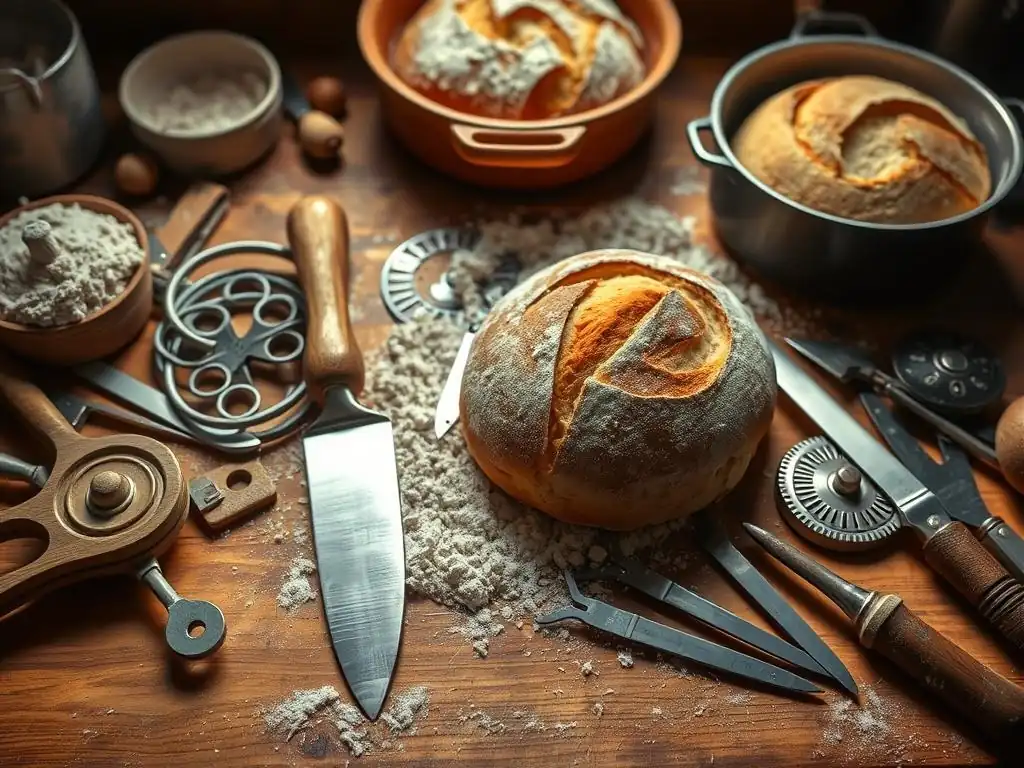
Welcome to BakeWithEase, your trusted guide to the wonderful world of baking! Ever wonder how to achieve that perfect, professional-looking score on your sourdough loaf? Join us as we dive into the world of scoring tools and compare the best options on the market. Discover the secrets to achieving beautiful and consistent results with our in-depth review, and find the best lame for sourdough that perfectly matches your baking style. Get ready to elevate your baking game – let's get started!
- Introduction: Achieving the Perfect Sourdough Score with the Right Lame
- Top Sourdough Lames Compared: A Baker's Review
- Choosing the Best Scoring Tool for Your Needs: A Detailed Comparison
- Advanced Sourdough Scoring Techniques with Different Lames
- Maintaining Your Sourdough Lame: Ensuring Longevity and Performance
- Conclusion: Finding Your Ideal Sourdough Scoring Companion
- Frequently Asked Questions
- Final Reflection: Finding Your Perfect Sourdough Lame
- Unleash Your Inner Baker: Find Your Perfect Scoring Tool!
Introduction: Achieving the Perfect Sourdough Score with the Right Lame
Scoring your sourdough loaf isn't just about making it look pretty – it's a crucial step in controlling oven spring and achieving that beautiful, open crumb structure. A well-executed score guides the expansion of the dough in the hot oven, preventing blowouts and ensuring an even rise. Think of it as creating controlled weak points where the steam can escape gracefully, directing the energy of the expanding gases. This process is vital for both the aesthetics and the internal texture of your bread.
Choosing the right tool for this critical task is paramount. While you might start with a sharp knife or razor blade, a dedicated scoring tool, known as a lame (pronounced "lahm"), offers superior control and precision. The best lame for sourdough baking provides a clean, swift cut that doesn't drag the dough, ensuring a smooth opening during baking.
Different lames offer various designs and ergonomics, impacting how you hold the tool and the types of cuts you can comfortably make. Finding the best lame for sourdough depends largely on your personal preference, skill level, and the complexity of the scoring patterns you wish to achieve.
Why Scoring Matters: The Art and Science of Sourdough Scoring
Scoring is fundamentally about managing the dough's expansion in the oven. As your sourdough bakes, trapped gases within the dough expand rapidly due to the intense heat, a phenomenon known as oven spring. Without scores, the crust would resist this expansion unevenly, potentially cracking in uncontrolled ways, often resulting in a less predictable shape and a tighter crumb.
Scores provide predetermined paths for this expansion, allowing the loaf to bloom beautifully and predictably. The depth and angle of your score significantly influence the final shape; a deep, angled cut encourages a large "ear" to form as the dough peels back, while shallower cuts can create intricate patterns.
Beyond the scientific necessity for controlled expansion, scoring is also an art form. It's your opportunity to add a personal touch to your loaf, creating unique patterns that identify your bread. From simple single slashes to elaborate designs involving wheat stalks or geometric shapes, the possibilities are vast.
The clean, sharp cut provided by a good lame is essential for executing these designs cleanly. A dull blade or an improper tool can snag the dough, leading to messy cuts that don't open well in the oven, hindering both the rise and the aesthetic appeal. Mastering scoring is a key step in elevating your sourdough baking from good to truly exceptional.
Understanding Different Lame Styles: A Baker's Guide
Lames come in several primary styles, each offering distinct advantages for scoring sourdough. The most traditional design features a straight or slightly curved handle with a single-edge razor blade attached at one end. The angle of the blade can often be adjusted or fixed, allowing for different scoring techniques. A straight lame is excellent for simple, deep slashes and can be held at varying angles to create ears. A curved blade holder is often preferred for creating ears with a more pronounced lip, as the curve helps guide the blade along the surface of the dough.
Another popular style is the UFO or disc-shaped lame. These tools typically hold a double-edge razor blade either flat against the dough or with a slight curve. The compact, ergonomic design fits comfortably in the palm of your hand, offering precise control for intricate patterns and curved cuts.
They are often favored by bakers who prioritize detailed decorative scoring. Some lames also feature a handle designed to hold the blade at a specific angle, simplifying the process for beginners. Understanding these different designs is the first step in determining which best lame for sourdough will suit your baking style and goals.
Top Sourdough Lames Compared: A Baker's Review
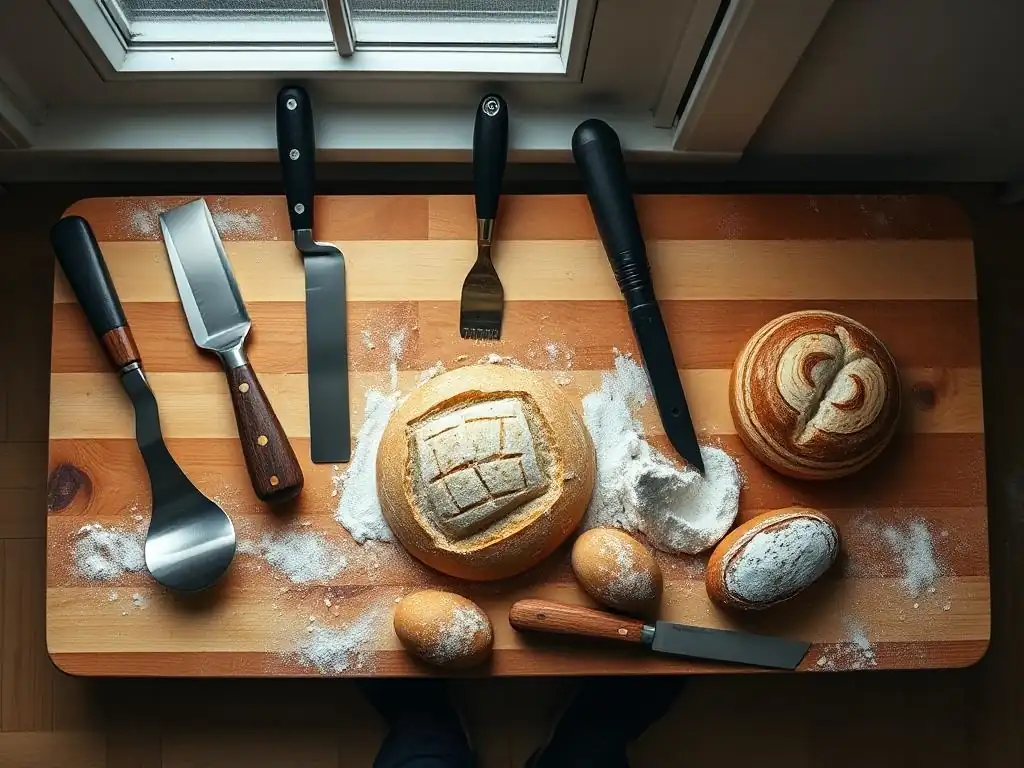
The Wire Monkey UFO Lame: Ergonomic Design and Precision
The Wire Monkey UFO Lame stands out for its unique, minimalist design. Eschewing a traditional handle, it consists of a solid, disc-shaped body (often made from wood or a composite material) that encases a standard double-edge razor blade. The blade is held securely, exposing only the sharp edge needed for scoring.
This design allows the baker to hold the lame directly in the palm, providing a feeling of close connection to the dough during scoring. It's particularly popular among bakers who value control and precision, making it a strong contender for the title of best lame for sourdough for those focusing on detailed work.
Its compact form factor makes it easy to store and handle. The weight of the disc body feels substantial in the hand, contributing to stable, confident cuts. Users often report that the UFO design allows for greater maneuverability around curved surfaces of the dough, which is ideal for creating swirling patterns or precise parallel cuts. The simplicity of the design also means fewer parts to clean and maintain, although replacing the blade requires careful handling. For many, the ergonomic grip and direct control offered by the Wire Monkey make it an indispensable tool for achieving clean, professional-looking scores.
Features and Benefits of the Wire Monkey UFO Lame
The primary feature of the Wire Monkey UFO Lame is its distinct disc shape, which provides a comfortable and secure grip. It holds a standard double-edge razor blade, which is readily available and inexpensive to replace. The blade is typically held with a slight curve when assembled, facilitating the creation of the coveted sourdough ear. This design allows for scoring at very low angles relative to the dough's surface, which is key for lifting a significant flap of dough to form a prominent ear during oven spring.
A significant benefit is the level of control it offers for intricate scoring patterns. The compact size and direct hand-to-blade connection make it feel like an extension of your fingers. This allows for delicate, controlled movements needed for detailed designs like leaves, swirls, or complex geometric shapes. Bakers who transition to the UFO style often note an improvement in the cleanliness and depth of their decorative cuts. Furthermore, the durable material construction means this lame is built to last, providing reliable performance for many loaves to come.
Pros and Cons: Is the Wire Monkey UFO Lame Right for You?
Pros:
- Excellent ergonomic grip for precise control.
- Ideal for intricate, decorative scoring patterns.
- Allows scoring at very low angles for prominent ears.
- Uses standard, affordable double-edge razor blades.
- Durable and minimalist design.
Cons:
- May feel less intuitive for bakers accustomed to a traditional handle.
- Requires careful handling when replacing blades due to the open design.
- Can be slightly more challenging for very deep, single slashes compared to a straight lame.
The Wire Monkey UFO Lame is likely the best lame for sourdough if you prioritize detailed scoring, value ergonomic control, and are comfortable with its handle-less design. It excels at precision work and creating beautiful ears.
Price and Where to Buy: Affiliate Link Opportunity
The Wire Monkey UFO Lame typically ranges in price from approximately $25 to $40, depending on the material (e.g., wood, composite) and any included accessories like storage cases or extra blades. It is available from various online baking supply retailers and specialty kitchen stores.
The Mure & Peyrot Lame: Traditional Design for Consistent Scores
Mure & Peyrot, a French company renowned for blade manufacturing, produces some of the most respected traditional lames on the market. Their design features a straightforward, often plastic or wooden, handle with a mechanism to securely hold a single-edge or double-edge razor blade. These lames often have a fixed or adjustable curve, specifically designed to make creating the sourdough ear easier and more consistent. The classic handle provides a familiar grip for many bakers, making the transition from a knife feel natural.
The reliability and quality of Mure & Peyrot blades and holders are frequently cited by professional bakers. The design emphasizes functionality and ease of use for fundamental scoring techniques, particularly the single, deep slash needed for a strong ear. The handle provides leverage and distance from the blade, which some bakers find more comfortable and safer. For those seeking a dependable, no-nonsense tool for consistent sourdough scoring, a Mure & Peyrot lame is often considered the best lame for sourdough in the traditional category.
Features and Benefits of the Mure & Peyrot Lame
Mure & Peyrot lames are characterized by their sturdy handles and secure blade-holding mechanisms. Many models feature a slightly curved blade holder, which naturally guides the blade along the surface of the dough at the optimal angle for ear formation. This built-in curve simplifies the process for beginners and helps experienced bakers achieve consistent results loaf after loaf. They typically use standard razor blades, which are easily replaceable and sharp.
The handle design offers a comfortable and stable grip, providing good control over the depth and angle of the score. This makes them particularly effective for executing deep, decisive cuts quickly, which is crucial for achieving maximum oven spring. The traditional design is intuitive for most users, requiring minimal learning curve. The focus of these lames is on reliable performance for essential sourdough scoring techniques, making them a workhorse tool in many bakeries.
Pros and Cons: Mure & Peyrot Lame for Reliable Sourdough Scoring
Pros:
- Traditional, comfortable handle design.
- Often features a curved holder optimized for creating ears.
- Provides stable control for deep, decisive cuts.
- Uses readily available razor blades.
- Known for durability and reliable performance.
Cons:
- May be less ideal for very intricate, detailed decorative patterns compared to a UFO style.
- Handle size and shape vary between models; finding the perfect fit might require research.
If you prefer a traditional handle, prioritize consistent ear formation, and value reliable performance for foundational sourdough scoring, a Mure & Peyrot lame could be the best lame for sourdough for your needs.
Price and Where to Buy: Affiliate Link Opportunity
Mure & Peyrot lames typically range from approximately $15 for basic models to $30 or more for premium versions with specific handle materials or features. They are widely available from online baking supply stores, kitchen specialty shops, and some larger retailers.
The Breadtopia Basic Lame: Affordable and Functional for Beginners
The Breadtopia Basic Lame is a popular choice, especially for those new to sourdough baking or looking for an economical option. It typically features a simple plastic or wooden handle designed to hold a standard double-edge razor blade. While often more basic in construction than premium models, it provides the essential function of holding a sharp blade at an angle suitable for scoring. Its affordability makes it an accessible entry point into using a dedicated lame.
Despite its simple design, the Breadtopia Basic Lame is perfectly capable of producing clean, effective scores for sourdough. It allows bakers to practice fundamental scoring techniques without a significant investment. For many home bakers, this basic tool is sufficient to achieve good oven spring and create attractive, albeit perhaps less intricate, scoring patterns. It demonstrates that you don't need the most expensive tool to significantly improve your sourdough scoring results.
Features and Benefits of the Breadtopia Basic Lame
The key feature of the Breadtopia Basic Lame is its straightforward design that securely holds a standard double-edge razor blade. The handle provides a grip that keeps your fingers safely away from the sharp edge while allowing you to make controlled cuts. Some versions may include a slight curve in the blade holder, while others are straight, offering versatility depending on the model.
The primary benefit is its affordability and ease of use. It's an excellent tool for beginners to learn proper scoring techniques, such as the angle and depth required for different results. Using a sharp lame, even a basic one, is a significant upgrade from using a knife, resulting in cleaner cuts that promote better oven spring. It's lightweight and simple to maintain, requiring only careful blade replacement. For many, this is the best lame for sourdough when starting out.
Pros and Cons: Achieving Intricate Designs with the Breadtopia Basic Lame
Pros:
- Very affordable, making it accessible for beginners.
- Simple and easy to use.
- Uses standard, readily available razor blades.
- Effective for fundamental scoring techniques and achieving good oven spring.
Cons:
- Construction may feel less premium than more expensive options.
- May offer less ergonomic variety or specialized features for complex patterns.
- The handle design might be less comfortable for some users during extended scoring sessions.
The Breadtopia Basic Lame is an excellent choice if you are a beginner, on a budget, or simply need a reliable tool for standard sourdough scoring. While it might not be the best lame for sourdough if your goal is highly intricate art from day one, it's more than capable of producing beautiful and functional scores.
Price and Where to Buy: Affiliate Link Opportunity
The Breadtopia Basic Lame typically costs between $5 and $15, making it one of the most budget-friendly options available. It can be purchased directly from the Breadtopia website and other online retailers specializing in baking supplies.
The Saint German Lame often falls into the premium category, known for its high-quality materials, thoughtful design, and often elegant aesthetics. These lames might feature handles made from fine woods, metals, or composites, and are built for durability and performance. They typically offer secure blade holding mechanisms and may include features like adjustable blade angles or integrated storage. Saint German lames are often favored by experienced bakers and professionals who appreciate craftsmanship and long-term reliability in their tools.
While the core function remains the same – holding a razor blade for scoring – the execution in a Saint German lame is often refined. The balance and feel of the tool in hand can significantly impact the baker's confidence and control during scoring. These lames are designed to be a pleasure to use, facilitating precise and consistent cuts, whether you're aiming for a classic ear or elaborate decorative work. For those who view baking tools as an investment, a Saint German lame might represent the best lame for sourdough in terms of quality and feel.
Features and Benefits of the Saint German Lame
Saint German lames are characterized by their superior build quality and use of premium materials. The handles are often ergonomically shaped for comfort during use and may be made from materials like wood with a comfortable finish. The blade holders are typically robust and designed for secure blade placement, minimizing wobble or movement during the cut. Some models offer the flexibility to use either half of a double-edge blade or a single-edge blade.
A key benefit is the enhanced control and stability provided by the quality construction. The weight and balance of the lame contribute to confident, steady hands, which is essential for executing clean, uninterrupted scores, especially in complex patterns. The durability means these tools can withstand frequent use and last for many years. For bakers who appreciate fine tools and seek maximum control and precision in their scoring, the features of a Saint German lame are highly beneficial.
Pros and Cons: Is the Saint German Lame Worth the Investment?
Pros:
- Exceptional build quality and use of premium materials.
- Ergonomic and often aesthetically pleasing handle designs.
- Provides excellent control and stability for precise scoring.
- Durable and built for long-term use.
- Can accommodate various blade types depending on the model.
Cons:
- Significantly more expensive than basic or mid-range lames.
- The performance difference might be less noticeable for absolute beginners compared to experienced bakers.
A Saint German lame is likely the best lame for sourdough if you are an experienced baker who values high-quality tools, seeks maximum control and precision, and are willing to make a larger initial investment.
Price and Where to Buy: Affiliate Link Opportunity
Saint German lames typically range in price from approximately $40 to $80 or more, depending on the materials and specific design features. They are available from high-end kitchen supply stores, specialty online baking retailers, and directly from the manufacturer's website or authorized distributors.
Choosing the Best Scoring Tool for Your Needs: A Detailed Comparison
Selecting the best lame for sourdough is a personal decision influenced by several factors. It's not just about finding the most popular or expensive option, but rather the tool that feels right in your hand and helps you achieve the results you desire. Consider your current skill level, the types of scores you plan to make, and your budget. A beginner might prioritize ease of use and affordability, while an experienced baker might seek enhanced control and durability for complex designs.
Think about how the lame feels when you hold it. Does the handle provide a secure and comfortable grip? Can you easily maneuver it around the curved surface of a loaf? How simple is it to replace the blade safely? These practical considerations are just as important as the tool's potential to create a perfect ear. The ideal lame should feel like a natural extension of your hand, allowing you to focus on the art of scoring rather than fumbling with the tool itself.
Blade Sharpness and Durability: A Critical Factor
Regardless of the lame style, the sharpness of the blade is arguably the single most critical factor for successful scoring. A sharp blade slices through the dough's surface quickly and cleanly, without dragging or tearing. This clean cut allows the dough to open up smoothly and predictably during oven spring. A dull blade, on the other hand, will inevitably snag, resulting in jagged cuts that hinder expansion and look messy. Using a fresh, sharp blade for each scoring session is highly recommended for consistent results.
While most lames use standard razor blades (either single or double edge), the way the lame holds the blade can affect its perceived sharpness and stability. A securely held blade feels more precise and less prone to wobble. The durability of the lame itself is also important; a well-made lame will maintain its blade-holding integrity over time, ensuring that subsequent blade replacements continue to provide a stable cutting edge. Choosing a lame that makes blade replacement easy and safe is also a practical aspect of long-term usability.
Handle Ergonomics and Comfort: Long-Term Use Considerations
The handle of a lame plays a significant role in comfort, control, and safety, especially if you are scoring multiple loaves or attempting intricate patterns that require prolonged use. Traditional handled lames offer a grip similar to a knife, providing leverage and keeping your hand further from the blade. Handles vary in material (plastic, wood, metal) and shape; some are straight, while others are contoured for a more ergonomic fit.
UFO or disc-style lames offer a different ergonomic experience, placing the tool directly in your palm. Many bakers find this provides superior fine motor control for detailed work. However, some may find it less comfortable for deep, powerful slashes compared to a handled lame. Consider how you hold tools and which style feels most natural and comfortable for the types of scores you plan to make. A comfortable handle reduces hand fatigue and improves control, leading to cleaner and more confident cuts.
Ease of Blade Replacement: Maintenance and Cost-Effectiveness
Razor blades dull relatively quickly when scoring dough, especially dough with inclusions or a very taut surface. Therefore, the ease and safety of replacing the blade are important maintenance considerations. Most lames are designed for relatively simple blade changes, often involving unscrewing a cap or lifting a clip. However, some designs are more intuitive and safer than others.
Using a lame that utilizes standard double-edge or single-edge razor blades is generally more cost-effective, as these blades are widely available and inexpensive when purchased in bulk. Some specialty lames might require proprietary blades, which can be more expensive and harder to find. Before purchasing, check what type of blade the lame uses and how straightforward the replacement process is. A lame with an easy and safe blade replacement mechanism ensures you can always score with a fresh, sharp edge without hassle.
Scoring Patterns and Designs: Matching the Lame to Your Artistic Vision
The type of scoring you want to achieve should influence your choice of lame. If your primary goal is to create a dramatic "ear" on a single slash, a traditional lame with a curved blade holder is often the most intuitive tool. The curve helps guide the blade at a low angle along the dough's surface, encouraging the crust to peel back during baking. Many bakers find this style makes achieving a consistent ear much easier.
If you are interested in creating intricate patterns, such as geometric shapes, floral designs, or wheat stalks, a lame that offers greater precision and control for fine lines is preferable. UFO or disc-style lames are often favored for this type of work due to their ergonomic design that allows for delicate movements. However, skilled bakers can achieve impressive results with various lame styles. Consider watching videos of bakers using different lames to see which tool seems best suited for the kind of artistic expression you envision for your sourdough.
Advanced Sourdough Scoring Techniques with Different Lames
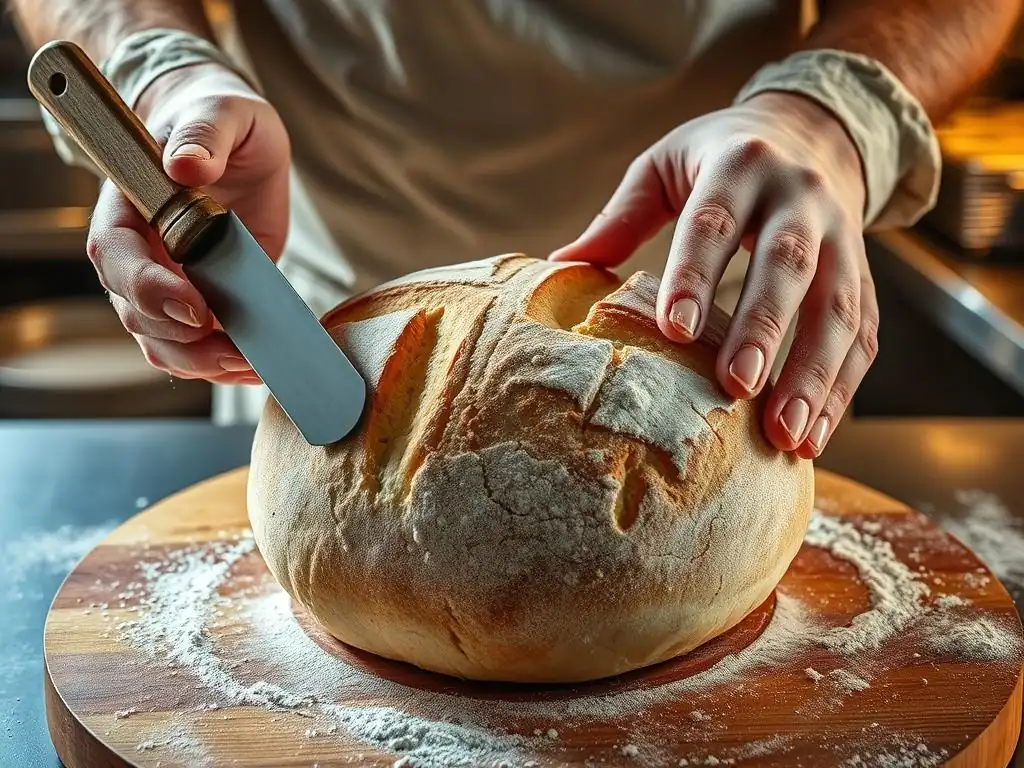
Once you've mastered basic scoring, you might want to explore more advanced techniques. Different lames can lend themselves particularly well to specific types of advanced scoring. Understanding how the tool interacts with the dough at various angles and depths is key to unlocking these techniques. Practice on discard dough or even firm fruit like apples or oranges to get a feel for the cuts before applying them to your precious loaf.
Advanced scoring often involves multiple overlapping cuts, varying depths, and precise angles to manipulate how the crust opens. Achieving symmetry and consistency across complex patterns requires a tool that feels stable and precise in your hand. Experimenting with different lame styles can help you discover which one provides the control you need for the advanced techniques you wish to master.
Achieving Deep Scores with the Wire Monkey UFO Lame
While often associated with intricate patterns, the Wire Monkey UFO Lame can also be very effective for achieving deep, controlled scores. The disc shape allows you to apply even pressure directly over the blade. To make a deep score, hold the lame perpendicular or at a steep angle (around 70-90 degrees) to the dough's surface. The stable grip in your palm helps maintain this angle consistently along the length of the cut.
For a single, deep slash intended to create a large ear, hold the lame at a low angle (around 15-30 degrees) relative to the dough's surface, with the curved edge of the blade holder leading the cut. Make a swift, confident stroke. The precision afforded by the UFO design allows you to control the depth and angle accurately, ensuring the cut goes deep enough to guide expansion but not so deep that it compromises the dough's structure. Practice varying the angle to see how it affects the resulting ear shape during baking.
Creating Complex Designs with the Saint German Lame: A Step-by-Step Guide
Creating complex designs with a premium lame like the Saint German often leverages its superior control and feel. Let's outline a basic approach for a leaf pattern:
- Prepare the Dough: Ensure your dough is well-proofed and the surface is slightly taut, perhaps from a brief chill in the refrigerator.
- Initial Guide Score: Using the Saint German lame held at a moderate angle (around 45 degrees), make a single, slightly curved score down the center of where you want the leaf vein to be. This acts as your main guideline.
- Adding Leaf Veins: Holding the lame at a shallow angle (around 15-20 degrees), make small, curved cuts branching off from the central line. Alternate the direction of these cuts on either side of the central score, mimicking the veins of a leaf. The precision of the Saint German helps keep these cuts clean and consistent.
- Detailing (Optional): For more advanced detail, you can make very shallow cuts parallel to the edge of the loaf or within the leaf sections to create texture or additional lines. The stable grip of the Saint German makes these fine, delicate cuts easier to execute without tearing the dough.
- Bake: Bake as usual and observe how the scores open, revealing your design. The clean cuts from the Saint German should promote beautiful expansion along the scored lines.
Remember, practice is key. The feel and control of a high-quality lame like the Saint German can make executing these steps smoother and more consistent.
Simple Yet Effective Scores with the Breadtopia Basic Lame: Perfect for Beginners
Even with a basic lame like the Breadtopia model, you can achieve beautiful and functional scores that significantly improve your sourdough. The key is focusing on clean, confident cuts for fundamental patterns.
- The Single Slash (for an ear): This is the most common and effective score. Hold the Breadtopia lame at a shallow angle (around 15-30 degrees) relative to the dough's surface. Make one swift, decisive cut along the length of the loaf, slightly off-center. The aim is to create a flap of dough that will lift and form the ear. The basic lame is perfectly adequate for this technique.
- The Cross or "X" Score: A simple and effective score for round loaves. Make one cut across the top of the loaf, then another perpendicular to the first, forming an "X". Hold the lame at a moderate angle (around 45-60 degrees) and make the cuts deep enough to guide expansion. This is easy to execute cleanly with a basic lame.
- Parallel Slashes: For oval loaves (batards), multiple parallel slashes are common. Make 3-5 diagonal cuts across the top of the loaf, roughly parallel to each other. Hold the lame at a moderate angle. The basic lame provides sufficient control for these straightforward cuts.
The Breadtopia Basic Lame is an excellent tool for mastering these foundational scores. Focus on using a sharp blade and making confident, fluid movements. These simple scores are highly effective at promoting good oven spring and are a great starting point for any sourdough baker.
Maintaining Your Sourdough Lame: Ensuring Longevity and Performance
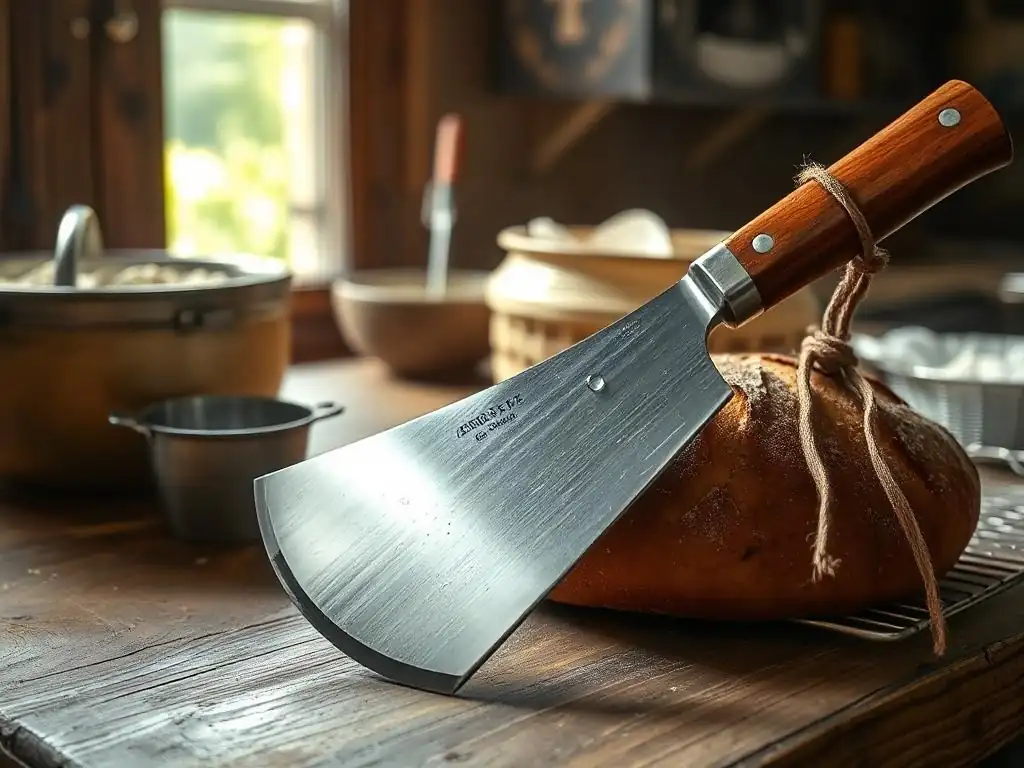
Proper maintenance is crucial for keeping your best lame for sourdough performing optimally and safely. A well-maintained lame will provide clean cuts for longer and reduce the risk of accidents. The primary aspects of maintenance involve cleaning the tool after use and safely handling and replacing the razor blades.
Regular care extends the life of your lame and ensures you always have a tool ready to make beautiful scores. Neglecting maintenance can lead to rust on metal parts, damage to handles (especially wood if not dried properly), and dull blades being used repeatedly, which is both ineffective and potentially dangerous. Taking a few moments after each use to clean and store your lame properly is a small effort that pays significant dividends in your baking results and tool longevity.
Cleaning and Sharpening Your Lame: Essential Tips
Razor blades used for scoring cannot be sharpened effectively by a home baker; they are designed to be disposable. The key is to use a sharp blade and replace it when it starts to drag (typically after scoring 1-5 loaves, depending on the dough). As for cleaning the lame itself:
- Remove the blade: Always remove the razor blade before cleaning the lame holder. Handle used blades with extreme caution.
- Brush or Wipe: Use a small brush (like a pastry brush) to gently remove any stuck-on dough or flour from the lame holder. For more stubborn bits, a damp cloth can be used.
- Dry Thoroughly: Ensure the lame holder is completely dry before storing, especially if it has metal components, to prevent rust. Wooden handles should not be soaked and should be dried immediately.
- Dispose of Blades Safely: Store used blades in a dedicated blade bank or a secure container (like a plastic bottle with a lid) before disposing of them in the trash.
Regular cleaning prevents the buildup of dough residue, which can harbor bacteria and affect the performance of the lame.
Safe Storage Practices: Preventing Accidents and Damage
Storing your lame safely is paramount to prevent accidental cuts and protect the tool from damage.
- Use a Cover or Case: Many lames come with a protective cover or a small case. Always use this when the lame is not in immediate use. If your lame didn't come with one, consider getting or making a simple cover for the blade end.
- Store Separately: Keep your lame stored separately from other kitchen tools, especially those you reach for quickly, like knives or spatulas. A dedicated drawer or container is ideal.
- Out of Reach: Store the lame out of reach of children and pets.
- Dry Environment: Store in a dry environment to prevent rust on metal parts.
Proper storage ensures that the sharp blade is always safely covered when not in use and protects the lame from accidental knocks that could damage the blade holder.
Conclusion: Finding Your Ideal Sourdough Scoring Companion
Choosing the best lame for sourdough is an investment in your baking journey. The right tool can transform your scoring, leading to more predictable oven spring, better crumb structure, and loaves that are truly works of art. We've explored several popular options, from the ergonomic precision of the Wire Monkey UFO Lame to the traditional reliability of the Mure & Peyrot, the beginner-friendly affordability of the Breadtopia Basic Lame, and the premium quality of the Saint German.
Ultimately, the best lame for sourdough for you depends on your individual needs, preferences, and goals. Consider the type of scoring you do most often, how the tool feels in your hand, and your budget. Don't be afraid to start with a more basic model and upgrade later if your needs change. A sharp blade is key, regardless of the lame holder, so prioritize a tool that uses readily available, easy-to-replace blades. Happy scoring!
Final Recommendations: The Best Lame for Different Skill Levels
- For Beginners: The Breadtopia Basic Lame is an excellent starting point. It's affordable, easy to use, and perfectly capable of achieving great results with fundamental scores.
- For Intermediate Bakers: The Mure & Peyrot Lame offers a comfortable, traditional handle and often a curved blade holder ideal for consistently creating ears. It's a reliable workhorse.
- For Advanced Bakers & Detail-Oriented Bakers: The Wire Monkey UFO Lame excels at intricate patterns and offers unique ergonomic control. The Saint German Lame is a premium option for those who value exceptional quality, feel, and precision for both classic and complex scoring.
Remember, practice is the most important tool. Whichever lame you choose, spend time getting a feel for it on practice dough before scoring your final loaf.
Where to Buy: Recap of Affiliate Links
These popular lames are widely available from various online retailers specializing in baking supplies, as well as some general kitchenware stores.
- Wire Monkey UFO Lame: Available from online baking suppliers.
- Mure & Peyrot Lame: Available from online baking suppliers and kitchen stores.
- Breadtopia Basic Lame: Available directly from Breadtopia and other online retailers.
- Saint German Lame: Available from high-end kitchen stores and specialty online retailers.
Frequently Asked Questions
What is a lame and why is it important for sourdough baking?
A lame is a specialized razor blade tool used to score sourdough bread before baking. Scoring allows the bread to expand properly in the oven and controls the direction of the oven spring.
What are the different types of lames available?
There are primarily two types: straight lames and curved lames. Straight lames are good for basic scoring patterns, while curved lames help create more intricate designs.
How do I choose the right lame for my needs?
Consider your baking style and the types of scores you want to create. Beginners might start with a straight lame for ease of use, while experienced bakers may prefer a curved lame for artistic expression.
How do I properly clean and maintain my lame?
Always handle the blade with care. Clean it with warm, soapy water and dry it thoroughly after each use to prevent rusting. Store it safely to avoid accidental cuts.
Where can I purchase a good quality lame for sourdough baking?
You can find lames at specialty baking supply stores, online retailers (like Amazon), and sometimes even at local kitchenware shops. Look for durable materials and a comfortable grip.
Final Reflection: Finding Your Perfect Sourdough Lame
The quest for the perfect sourdough loaf often begins, and sometimes ends, with the choice of lame. This seemingly small tool wields significant power over the final crust, influencing everything from the oven spring to the overall aesthetic appeal of your bread. The subtle differences between scoring tools, as explored in this article, highlight the importance of understanding your own baking style and preferences.
The impact of a well-chosen lame extends beyond the purely functional; it's a reflection of the baker's artistry. The careful consideration of blade type, handle design, and even the weight of the tool speaks to a deeper appreciation for the craft. As one master baker once said, The score is not merely a functional cut; it's the baker's signature on their creation.
This resonates deeply with me, as I've found that the right lame not only improves my bread but also enhances my enjoyment of the entire baking process.
Now, it's your turn. Don't just settle for any old lame; take the time to consider your needs and preferences. Experiment with different types, explore various scoring techniques, and discover the tool that truly unlocks your sourdough's potential. The journey to the perfect loaf is a personal one, and finding the right lame is a crucial step along the way. Embrace the process, enjoy the experimentation, and most importantly, savor the delicious results.
Unleash Your Inner Baker: Find Your Perfect Scoring Tool!
Thanks for diving into the world of bread scoring with us! We hope you've gained a clearer understanding of the different tools and techniques available. Ready to elevate your baking game?
- Master your chosen scoring tool: Practice your new skills on a simple loaf, focusing on the technique that best suits your style and comfort level. Don't be afraid to experiment!
- Share your creations: Show us your beautifully scored loaves! Use #BakeWithEaseScoring on social media to share your baking journey and inspire others.
- Explore advanced techniques: Consider trying out different scoring patterns beyond the basics – the possibilities are endless!
What unique scoring pattern will you try next to express your creativity?