
Your First Simple Cake: A StepbyStep Visual Guide

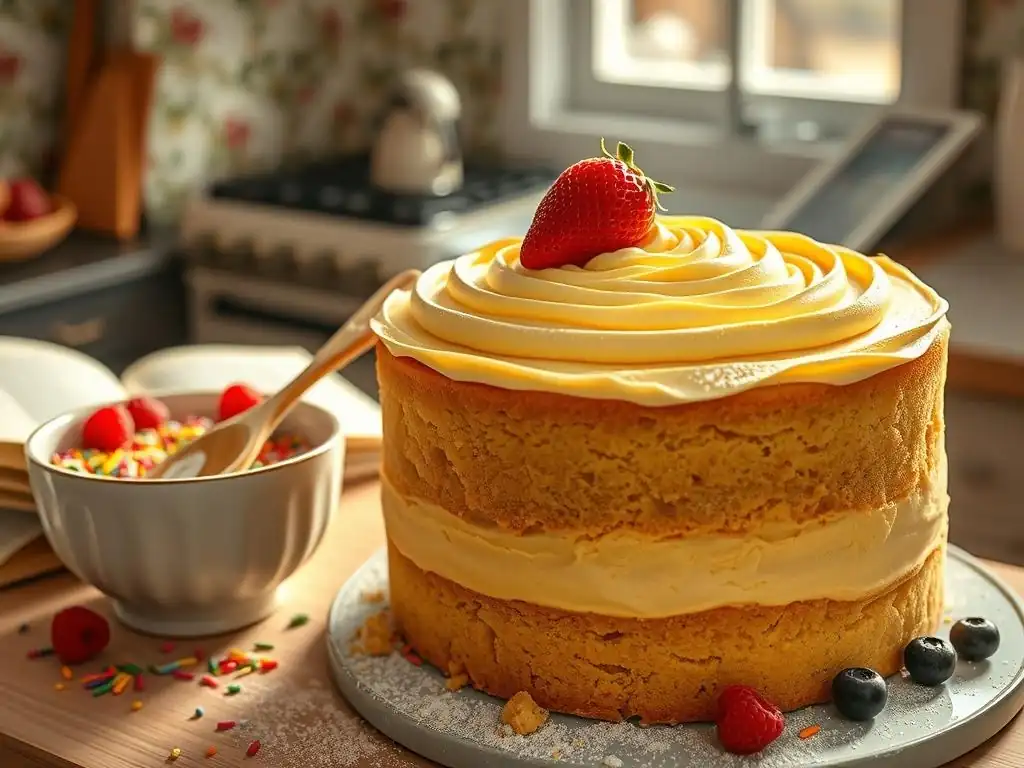
Welcome to BakeWithEase, your trusted companion on your baking journey! Ever dreamed of effortlessly whipping up a delicious cake? Our easy first simple cake recipe is the perfect starting point. Discover a step-by-step visual guide that demystifies the process, empowering you to create a delightful treat even if you've never baked before. Eager to unlock the secrets? Let's get baking!
- Classic Vanilla Cake: A Step-by-Step Guide for Beginners
- Introduction: Baking Your First Cake
- Gathering Your Ingredients
- Step-by-Step: Making the Cake Batter
- Baking Your Cake
- Cooling and Removing Your Cake
- Simple Frosting and Decoration Ideas
- Tips and Tricks for Beginner Bakers
- Congratulations! Enjoy Your Cake
-
Frequently Asked Questions
- What makes this cake recipe "easy" and suitable for beginners?
- What are the "easy-to-find ingredients" needed for this simple cake?
- How does the BakeWithEase guide help with mastering baking techniques?
- What if my cake doesn't look exactly like the pictures in the "Step-by-Step Visual Guide"?
- Can I adapt this "Easy first simple cake recipe" to different flavors or dietary needs?
- Final Reflection: The Sweetness of Simple Beginnings
- Unleash Your Inner Baker!
Classic Vanilla Cake: A Step-by-Step Guide for Beginners
Introduction: Baking Your First Cake
Welcome to Cake Baking!
Embarking on your baking journey can feel a little daunting, but it's also incredibly rewarding! There’s a unique satisfaction that comes from taking simple ingredients and transforming them into a delicious treat right in your own kitchen. This guide is specifically designed to walk you through making your very first cake, focusing on simplicity and success. We believe anyone can bake, and starting with an easy first simple cake recipe is the perfect way to build confidence and discover the joy of creating something sweet from scratch.
Think of this classic vanilla cake as your foundational project. It requires basic techniques and common ingredients, making it accessible and forgiving. By following these steps, you'll learn fundamental baking principles that you can apply to countless other recipes down the line. Our goal is to make your initial experience positive and fun, setting you up for many more baking adventures. Let's get started on crafting your easy first simple cake recipe!
Why This Vanilla Cake Recipe is Perfect for Beginners
This specific vanilla cake recipe is intentionally chosen for its straightforward approach and reliable results, making it an ideal easy first simple cake recipe. Unlike some more complex cakes that require advanced techniques like separating eggs or intricate layering, this recipe uses the creaming method, which is simple and effective for creating a tender crumb. The ingredient list is short and uses items you likely already have in your pantry or can easily find at any grocery store, removing potential hurdles.
Furthermore, the proportions in this recipe are balanced to minimize common beginner pitfalls, such as a cake that is too dense or too dry. We've simplified the steps to ensure clarity and reduce confusion. You won't need specialized equipment beyond standard kitchen tools. Mastering this easy first simple cake recipe will provide a strong foundation in understanding how ingredients interact and the importance of each step in the baking process, giving you the confidence to tackle more challenging bakes in the future.
Gathering Your Ingredients
Essential Ingredients for Vanilla Cake
Every great cake starts with quality ingredients. For this easy first simple cake recipe, we're focusing on pantry staples that, when combined, create a wonderfully moist and flavorful vanilla cake. Using ingredients that are at room temperature, especially the butter and eggs, is crucial for achieving the right texture. Cold ingredients don't emulsify properly, which can lead to a dense or uneven cake. Plan ahead and take your butter and eggs out of the refrigerator about 30-60 minutes before you plan to start mixing.
The specific amounts listed below have been tested to ensure a balanced flavor and structure for this easy first simple cake recipe. Using standard all-purpose flour provides a reliable base, while baking powder acts as our leavening agent, helping the cake rise and become light and airy. Salt is essential for balancing the sweetness and enhancing the overall flavor. Don't skip the vanilla extract – it's the star flavor! Using whole milk adds richness and moisture, contributing to a tender crumb.
Ingredients:
- 1 1/2 cups all-purpose flour
- 1 1/2 tsp baking powder
- 1/4 tsp salt
- 1/2 cup (1 stick) unsalted butter, softened
- 3/4 cup granulated sugar
- 2 large eggs
- 1 tsp vanilla extract
- 1/2 cup milk
Tools You'll Need
Having the right tools makes the baking process much smoother, especially when you're attempting your easy first simple cake recipe. You don't need a professional kitchen setup, but a few basic items are necessary. A set of measuring cups and spoons is non-negotiable for accuracy – baking is a science, and precise measurements are key to success. You'll also need a mixing bowl (medium to large) and a whisk or electric mixer (handheld or stand mixer) to combine your ingredients effectively.
For this recipe, a standard 8-inch or 9-inch round cake pan is perfect. You'll also need parchment paper to line the bottom of the pan, which is a lifesaver for preventing sticking and ensuring your cake comes out cleanly. A spatula or rubber scraper is useful for scraping down the sides of the bowl and transferring batter. Finally, an oven is essential for baking! Ensure your oven is preheated properly; an oven thermometer can help verify accuracy, which is important for consistent results with your easy first simple cake recipe.
Step-by-Step: Making the Cake Batter
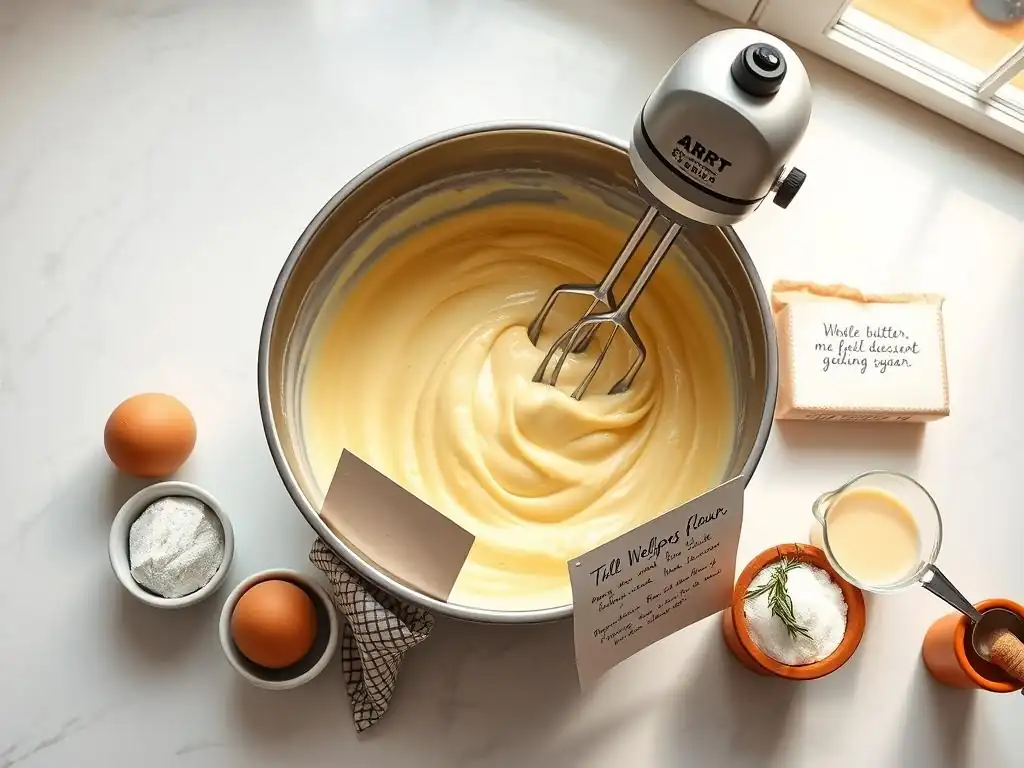
Step 1: Creaming Butter and Sugar
The creaming method begins by beating together softened butter and granulated sugar. This is a crucial step for your easy first simple cake recipe because it incorporates air into the mixture. As the butter and sugar are beaten, the sharp edges of the sugar crystals cut into the softened butter, creating tiny air pockets. These air pockets expand during baking, contributing to the cake's light and tender texture. You'll need to beat these together until the mixture becomes light, fluffy, and pale yellow.
Using an electric mixer on medium-high speed for about 2-3 minutes is ideal for this step. If you're using a whisk, be prepared for a bit of an arm workout, and it might take slightly longer, maybe 5-7 minutes, to achieve the desired consistency. Make sure your butter is truly softened (you should be able to easily indent it with your finger, but it shouldn't be melted). Properly creaming the butter and sugar is fundamental to getting a good rise and texture in your easy first simple cake recipe.
Step 2: Adding Eggs
Once the butter and sugar are light and fluffy, it's time to add the eggs. Eggs play multiple roles in your easy first simple cake recipe: they add moisture, richness, and act as a binder, helping to hold the cake together. Add the eggs one at a time, beating well after each addition. This ensures that each egg is fully incorporated into the batter before the next one is added, preventing the mixture from separating or curdling.
Continue to beat until the mixture is smooth and homogenous, scraping down the sides of the bowl with your spatula as needed. This step is important for creating a stable emulsion, which contributes to a fine crumb structure. If the mixture looks slightly curdled, don't worry too much at this stage; the addition of dry ingredients later will help bring it together. Just make sure each egg is thoroughly mixed in before moving on with your easy first simple cake recipe.
Step 3: Incorporating Dry Ingredients
Now we'll add the dry ingredients: the flour, baking powder, and salt that you measured out earlier. It's a good practice to whisk these together in a separate small bowl before adding them to the wet ingredients. This helps distribute the baking powder and salt evenly throughout the flour, ensuring consistent leavening and flavor in every bite of your easy first simple cake recipe. Adding them separately, or not mixing them first, can lead to uneven rising.
Add the dry ingredients to the wet mixture in about three additions, alternating with the milk (which comes in the next step). When mixing in the dry ingredients, mix just until combined. Overmixing the flour develops gluten, which can result in a tough, dense cake. Use your mixer on the lowest speed or mix by hand with a spatula. Stop mixing as soon as you no longer see streaks of dry flour. This gentle approach is key for a tender easy first simple cake recipe.
Step 4: Adding Milk and Vanilla
With the dry ingredients partially incorporated, it's time to add the liquid components: the milk and vanilla extract. The milk provides necessary moisture and helps activate the baking powder, contributing to the cake's rise and texture. The vanilla extract, as mentioned earlier, is crucial for that classic flavor profile of your easy first simple cake recipe.
Add the milk and vanilla extract in two additions, alternating with the dry ingredients (if you added the dry in three parts, you'll add the milk/vanilla mixture in two parts, starting and ending with dry). Mix on the lowest speed just until everything is combined and the batter is smooth. Again, be careful not to overmix. A few small lumps of flour are acceptable; they will likely disappear during baking. The final batter for your easy first simple cake recipe should be relatively smooth and pourable.
Baking Your Cake
Preparing Your Cake Pan
Properly preparing your cake pan is a crucial step that ensures your easy first simple cake recipe doesn't stick, making it easy to remove after baking. Begin by greasing the pan generously with butter or non-stick cooking spray. Make sure to get into all the nooks and crannies, especially around the bottom edge. This layer of fat creates a barrier between the batter and the pan surface.
Next, line the bottom of the pan with parchment paper. You can do this by tracing the bottom of the pan onto parchment paper and cutting out a circle. Place this circle directly on the greased bottom of the pan. You can grease the parchment paper lightly as well for extra insurance, although it's often not strictly necessary if the pan is well-greased underneath. This combination of greasing and lining provides the best protection against sticking for your easy first simple cake recipe.
Pouring the Batter
Once your cake pan is perfectly prepared, it's time to transfer the batter from the mixing bowl into the pan. Use a spatula to gently scrape all the batter out of the bowl and into the center of the prepared pan. Try to get every last bit! Once the batter is in the pan, use the spatula or the back of a spoon to gently spread it evenly to the edges. You want the surface to be as level as possible before baking.
After smoothing the top, gently tap the pan on the counter a couple of times. This helps to eliminate any large air bubbles that might be trapped in the batter, which can cause unsightly holes in your finished easy first simple cake recipe. Be careful not to tap too vigorously, as this can deflate some of the air you worked hard to incorporate during the creaming step. Just a couple of gentle taps should do the trick.
Baking Time and Temperature
For this easy first simple cake recipe, preheat your oven to 350°F (175°C). Baking at the correct temperature is vital for the cake to rise properly and cook through without burning. Placing the pan in the center rack of the oven is generally best, as it allows for even heat circulation around the cake. Avoid opening the oven door frequently during baking, especially in the first 20-25 minutes, as the sudden temperature change can cause the cake to sink.
The baking time for an 8-inch or 9-inch round cake at 350°F (175°C) is typically between 30 and 35 minutes. However, oven temperatures can vary, so it's important to start checking for doneness around the 30-minute mark. Look for visual cues: the cake should be golden brown around the edges and the center should look set, not wet and jiggly.
Testing for Doneness
To be absolutely sure your easy first simple cake recipe is fully baked, the most reliable method is the toothpick test. Gently insert a clean wooden toothpick or a thin metal skewer into the very center of the cake. If the toothpick comes out clean, with no wet batter attached, your cake is done! A few moist crumbs clinging to the toothpick are perfectly fine and indicate a moist cake.
If the toothpick comes out with wet batter, the cake needs more time. Return it to the oven and check again in 3-5 minute intervals. Remember that the edges of the cake will cook faster than the center, so testing the very middle is key. Overbaking can result in a dry cake, so test as soon as it looks close to being done. Successful testing is a key step in perfecting your easy first simple cake recipe.
Cooling and Removing Your Cake
Cooling the Cake
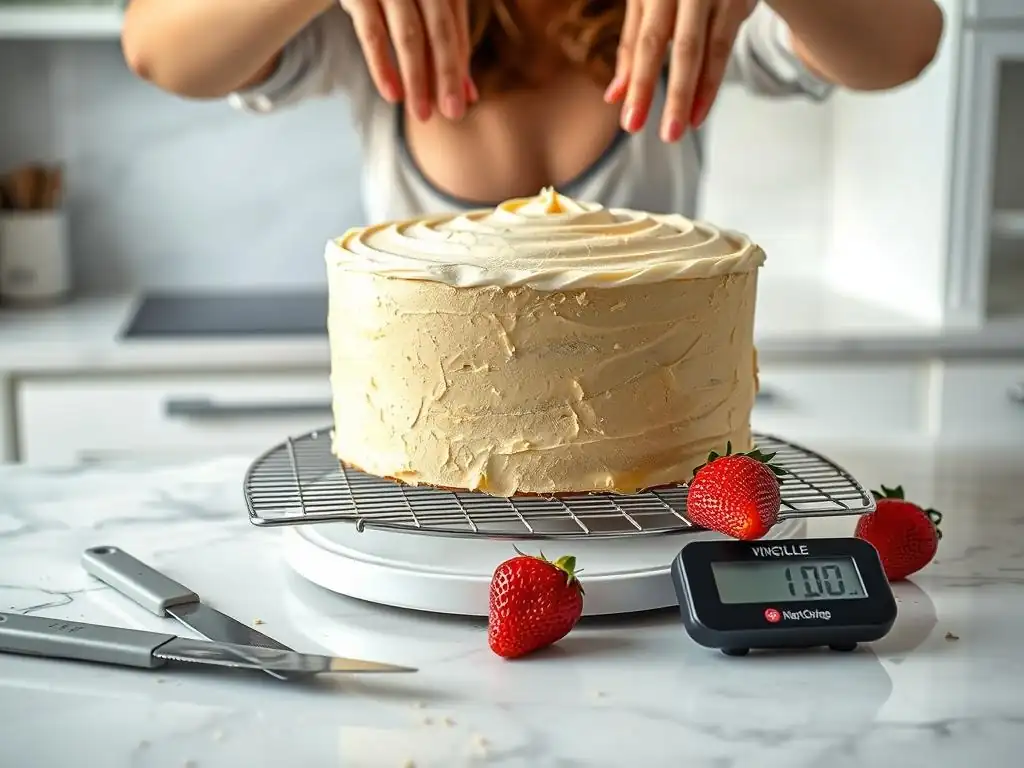
Once your easy first simple cake recipe is out of the oven and passes the toothpick test, it's essential to let it cool properly before attempting to remove it from the pan. Leaving the cake in the hot pan immediately after baking allows it to continue cooking slightly from the residual heat and helps the structure set. Let the cake cool in the pan on a wire rack for about 10-15 minutes.
Cooling on a wire rack allows air to circulate around the pan, facilitating even cooling. This initial cooling period in the pan helps the cake firm up, making it less likely to break when you try to invert it. Don't skip this step; trying to remove a hot cake too soon is a common cause of breakage for beginner bakers working on their easy first simple cake recipe.
Removing the Cake
After the initial cooling period in the pan (about 10-15 minutes), it's time to remove your easy first simple cake recipe completely from the pan to finish cooling. Place a wire rack upside down over the top of the cake pan. Carefully but confidently, holding the pan and the wire rack together, flip them over. The cake pan should now be upside down on the wire rack.
Gently lift the cake pan off the cake. If you greased and lined the pan properly, the cake should release easily. Peel off the parchment paper that was on the bottom of the cake. Now, your cake is right-side up on the cooling rack. Let the cake cool completely on the wire rack before frosting or decorating. This can take anywhere from 1 to 2 hours, depending on the temperature of your kitchen. Frosting a warm cake will cause the frosting to melt and slide off.
Simple Frosting and Decoration Ideas
Easy Vanilla Buttercream Frosting
No easy first simple cake recipe is complete without a delicious frosting! This vanilla buttercream is incredibly easy to make and pairs perfectly with the classic vanilla cake. It uses simple ingredients and comes together quickly, making it ideal for beginners. The key is to start with softened butter, just like you did for the cake batter. This ensures a smooth, lump-free frosting.
Using a stand mixer with a paddle attachment or a handheld electric mixer makes whipping up this frosting a breeze. You'll gradually add the powdered sugar, which is much finer than granulated sugar and dissolves easily, creating a smooth texture. Alternating with milk helps achieve the right consistency – add more milk for a thinner frosting, less for a thicker one. The vanilla extract adds that essential flavor note. This frosting is robust enough to spread easily but also holds simple decorative shapes if you want to try piping.
Frosting:
- 1/2 cup (1 stick) unsalted butter, softened
- 3 cups powdered sugar
- 1/4 cup milk
- 1 tsp vanilla extract
- Instructions: Beat butter until smooth. Gradually add powdered sugar, alternating with milk, until desired consistency is reached. Stir in vanilla extract.
Decoration Ideas
Decorating your easy first simple cake recipe doesn't have to be complicated! For a simple yet classic look, simply spread the vanilla buttercream evenly over the top and sides of the cooled cake using an offset spatula or a butter knife. You can create simple swirls or patterns in the frosting using the back of a spoon or the spatula.
If you want to add a little extra flair, consider sprinkling some colorful sprinkles over the top, especially around the edges. Toasted coconut flakes or chopped nuts are also easy toppings that add texture and flavor. For a truly minimalist look, a simple dusting of powdered sugar through a sieve can be elegant. The goal is to make your easy first simple cake recipe look as good as it tastes, without needing advanced decorating skills.
Tips and Tricks for Beginner Bakers
Avoiding Common Mistakes
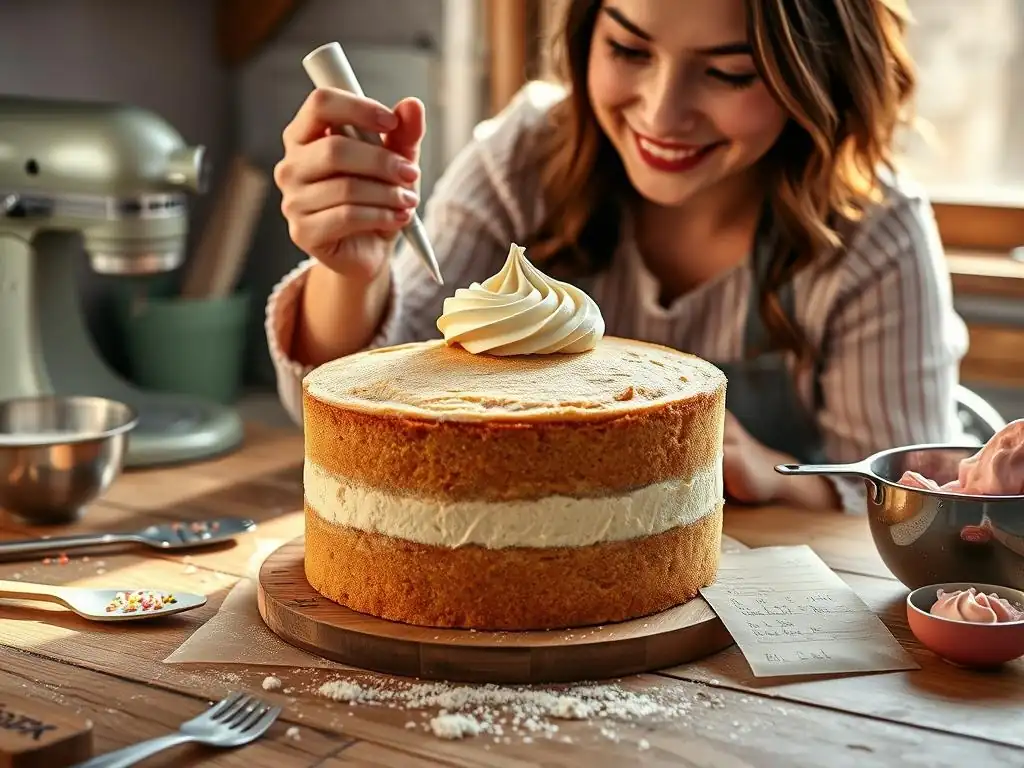
Baking your easy first simple cake recipe is a learning process, and encountering small issues is normal. One common mistake is inaccurate ingredient measurement, particularly with flour. Don't scoop flour directly from the bag with your measuring cup; this packs it down, resulting in too much flour. Instead, lightly spoon the flour into the measuring cup and level off the excess with a straight edge. Another frequent issue is overmixing the batter after adding flour, which can lead to a tough cake. Mix only until the dry ingredients are just combined.
Not preheating the oven properly is another pitfall. Baking a cake in an oven that hasn't reached the correct temperature can result in uneven baking or a cake that doesn't rise correctly. Always allow your oven at least 15-20 minutes to preheat after it signals it's reached the temperature. Lastly, trying to remove the cake from the pan too soon can lead to it breaking. Patience during the cooling process is key for a successful easy first simple cake recipe.
Troubleshooting
Even with an easy first simple cake recipe, you might encounter minor issues. If your cake sinks in the middle, it could be due to opening the oven door too early, the oven temperature being too low, or overmixing the batter. Ensure your oven is accurately calibrated and resist the urge to peek too much during baking. If your cake is dry, it might be due to overbaking or using too much flour; double-check your measurements and test for doneness as soon as the time is near.
If the cake sticks to the pan, it's likely an issue with pan preparation. Ensure you grease thoroughly and use parchment paper on the bottom for your next attempt at an easy first simple cake recipe. Uneven tops can sometimes be fixed by leveling the cake with a serrated knife before frosting. Remember that practice makes perfect, and understanding why something went wrong is the first step to fixing it next time.
Storing Your Cake
Once your delicious easy first simple cake recipe is baked, cooled, and frosted, you'll want to store it properly to keep it fresh. An unfrosted cake can be stored at room temperature, tightly wrapped in plastic wrap, for 1-2 days. This prevents it from drying out. If you need to store it longer, wrap it well and place it in the refrigerator for up to 5 days, or freeze it for up to 2-3 months.
A frosted cake is best stored in an airtight container at room temperature for 2-3 days. If your frosting contains ingredients that require refrigeration (like cream cheese or fresh cream), store the frosted cake in the refrigerator in an airtight container. Before serving a refrigerated cake, let it sit at room temperature for about 20-30 minutes to allow the frosting and cake to soften slightly for the best texture. Proper storage ensures you can enjoy your easy first simple cake recipe for a few days!
Congratulations! Enjoy Your Cake
Frequently Asked Questions
What makes this cake recipe "easy" and suitable for beginners?
This recipe emphasizes simple ingredients and a step-by-step visual guide, making it easy to follow even with no prior baking experience. It avoids complex techniques that can overwhelm new bakers.
What are the "easy-to-find ingredients" needed for this simple cake?
The recipe primarily uses common pantry staples like flour, sugar, eggs, butter or oil, and milk. These are generally readily available in most grocery stores, making it accessible.
How does the BakeWithEase guide help with mastering baking techniques?
BakeWithEase provides detailed instructions and visual aids to demonstrate each step, ensuring a clear understanding of the baking process. This helps develop fundamental skills and confidence.
What if my cake doesn't look exactly like the pictures in the "Step-by-Step Visual Guide"?
Don't worry! Slight variations are normal. Focus on achieving a tender crumb and even baking. Flavor is key, and practice will improve your technique over time.
Can I adapt this "Easy first simple cake recipe" to different flavors or dietary needs?
Yes, you can! The recipe serves as a basic template that can be adapted with extracts, spices, or fruit additions. Consider ingredient substitutions for dietary restrictions, but be mindful of potential texture changes.
Final Reflection: The Sweetness of Simple Beginnings
Baking your first cake is more than just following a recipe; it's a gateway to creativity, confidence, and the joy of sharing. The seemingly simple act of combining ingredients and transforming them into a delicious treat holds a power far beyond its sugary exterior. This guide aimed to demystify the process, making it accessible to everyone, regardless of prior experience.
The impact of baking, especially the simple act of creating a cake, resonates deeply within our culture. It's a tradition passed down through generations, a symbol of celebration, and a comforting presence in times of both joy and sorrow. A cake is a celebration of life, a symbol of happiness, and a delicious way to say 'I love you.'
This sentiment, though simple, encapsulates the profound emotional connection we have with baked goods, and particularly with the accomplishment of baking our first successful cake. The feeling of pride and satisfaction is something that stays with you long after the last crumb is gone.
Now, I invite you to take this newfound knowledge and apply it. Don't be afraid to experiment, to adapt the recipe to your own tastes, and most importantly, to share the joy of your creation with others. The next time you feel the urge to bake, remember the simplicity and satisfaction of your first cake, and let that inspire you to create something truly special. The world awaits your delicious creations!
Unleash Your Inner Baker!
Thanks for joining us on this delicious journey! We hope you've gained the confidence to tackle your first cake with ease. Now it's time to put your new skills to the test!
- Bake your dream cake! Gather your ingredients and follow the steps to create your masterpiece. We'd love to see the result!
- Share your baking adventure! Post a picture of your creation on social media using #BakeWithEase and tag us – let's inspire each other!
- Explore more simple recipes on our website – find your next baking challenge!
What delicious flavor will you create for your next baking adventure?