
Simple Polish Szarlotka (Apple Pie): Classic Comfort

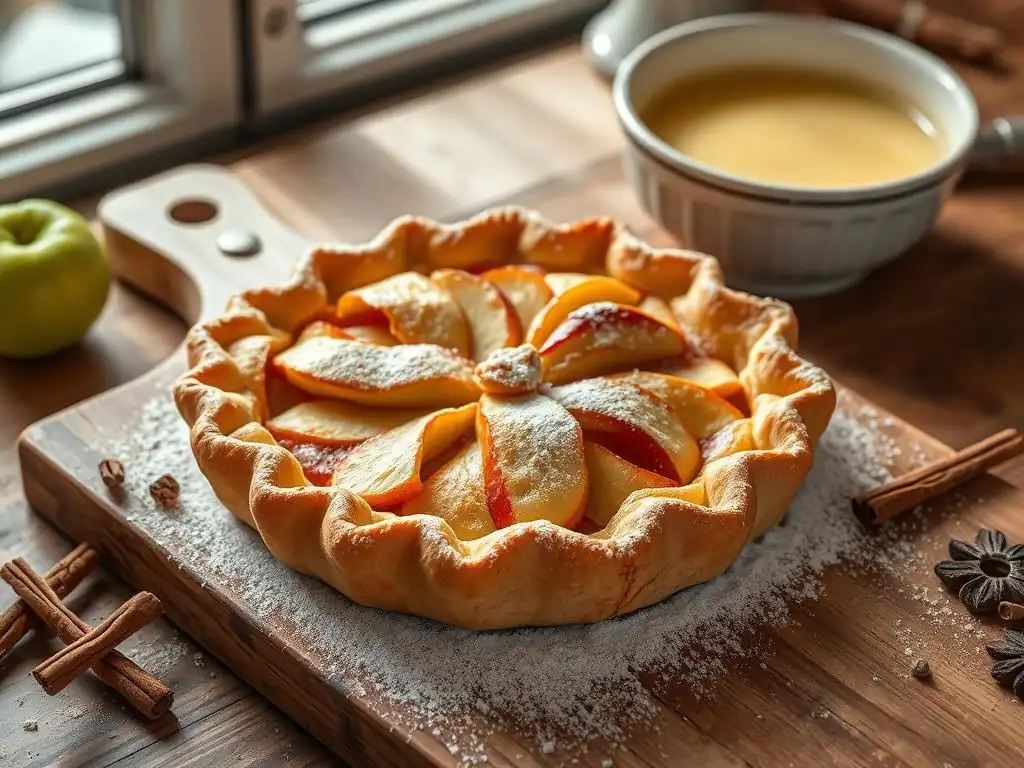
Welcome to BakeWithEase, where deliciousness meets simplicity! Ever dreamt of recreating the comforting flavors of a traditional Polish kitchen? Our Easy Polish apple pie recipe, or Szarlotka, is your perfect starting point. Dive in to discover the secrets behind this classic dessert and unlock a world of regional baking delights! What makes this apple pie so uniquely satisfying? Let's find out...
- Authentic Polish Szarlotka (Apple Pie) Recipe
- Discover the Traditional Taste of Polish Apple Pie (Szarlotka)
- Ingredients for an Authentic Homemade Szarlotka
- Step-by-Step Guide to Baking Traditional Polish Szarlotka
- Tips and Tricks for Baking the Best Polish Apple Pie
- Serving and Storing Your Authentic Szarlotka
- Variations on the Traditional Szarlotka Recipe
- Enjoy Your Homemade Polish Apple Pie!
-
Frequently Asked Questions
- What makes this Polish apple pie (Szarlotka) "easy" compared to other apple pie recipes?
- What kind of apples are best to use for this Easy Polish apple pie recipe?
- Can I substitute any of the ingredients in this Easy Polish apple pie recipe?
- How do I store leftover Easy Polish apple pie (Szarlotka)?
- What are some common variations of this Easy Polish apple pie recipe?
- Final Reflection: Szarlotka's Enduring Charm
- Unlock the Secrets to Perfect Szarlotka!
Authentic Polish Szarlotka (Apple Pie) Recipe
Discover the Traditional Taste of Polish Apple Pie (Szarlotka)
Szarlotka, a beloved Polish apple pie, holds a special place in the hearts and homes of many. Unlike some other apple pies, Szarlotka often features a distinct crumbly shortcrust pastry and a generous, slightly tart apple filling spiced with cinnamon. This recipe aims to bring that authentic, comforting flavor right into your kitchen, proving that a truly delicious and easy Polish apple pie recipe is within reach for any home baker. It's a staple dessert served year-round, particularly cherished during autumn harvest time or as a warming treat on a cold day.
This version focuses on simplicity without sacrificing authenticity, making it an accessible and easy Polish apple pie recipe for anyone eager to explore Eastern European baking. We'll guide you through selecting the right ingredients and mastering the simple techniques that result in a perfectly balanced pie – tender crust, flavorful filling, and that unmistakable aroma of baked apples and cinnamon. Get ready to create a dessert that evokes warmth, tradition, and pure comfort, a true taste of Poland.
What is Szarlotka? A Beloved Dessert from Polish Culinary Heritage
Szarlotka is more than just an apple pie in Poland; it's a culinary icon deeply woven into the country's cultural fabric. Its origins are often linked to the French "Charlotte," though the Polish version evolved into something uniquely its own, typically featuring a buttery, crumbly shortcrust pastry and a filling made from cooked or stewed apples, heavily spiced with cinnamon. It's a dessert frequently prepared for family gatherings, holidays like Christmas Eve (Wigilia), and Sunday dinners, representing hospitality and home comfort.
The classic Szarlotka filling primarily uses apples, often varieties that become soft but not mushy when cooked, like Antonówka (a Polish variety similar to Bramley) or a mix of sweet and tart apples widely available elsewhere. The spice profile is predominantly cinnamon, often used quite generously, sometimes complemented by cloves or nutmeg. The crust can vary slightly, from a simple shortcrust base and top layer to a lattice or a crumble topping, but the characteristic buttery, slightly crumbly texture remains consistent. This specific easy Polish apple pie recipe hones in on that classic, comforting combination.
Why This Szarlotka Recipe Captures the True Essence of Polish Baking
This recipe is designed to deliver the authentic taste and texture of traditional Polish Szarlotka by focusing on core principles. It utilizes a classic shortcrust dough enriched with butter and often egg yolks or sour cream, which contributes to the pastry's distinctive crumbly yet tender quality – a hallmark of Polish pies. The technique of incorporating cold butter into the flour is key here, ensuring the desired texture.
Furthermore, the filling emphasizes the generous use of cinnamon and the balance between sweet and tart apples, mirroring the typical profile found in Polish homes. By slightly pre-cooking the apples, we manage moisture effectively, preventing a soggy bottom crust – a common challenge in fruit pies. This easy Polish apple pie recipe simplifies the process while retaining the essential elements that make Szarlotka such a beloved and comforting dessert in Poland.
Ingredients for an Authentic Homemade Szarlotka
Selecting the Perfect Apples: A Blend of Sweet and Tart Varieties
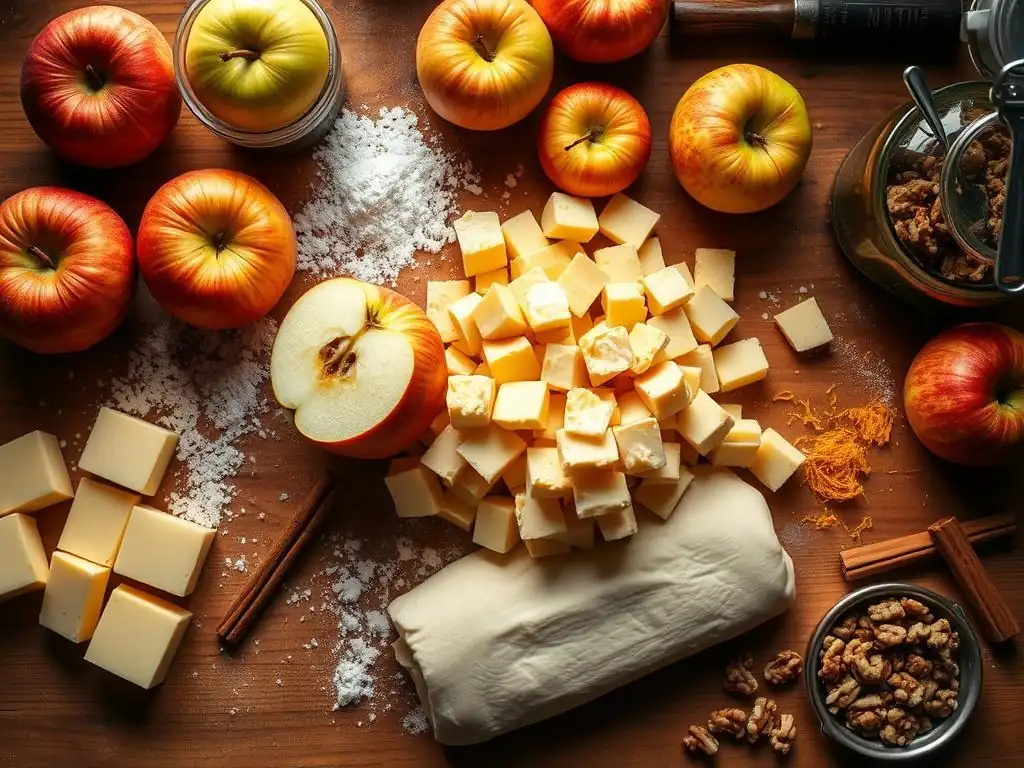
Choosing the right apples is crucial for a successful Szarlotka filling. A mix of sweet and tart varieties provides a balanced flavor profile that prevents the pie from being overly sugary. Tart apples like Granny Smith or Bramley offer a bright acidity that cuts through the richness of the pastry and sugar. Sweet-tart apples such as Honeycrisp, Fuji, or Gala add natural sweetness and often hold their shape well during baking, contributing to a pleasant texture.
For a standard 9-inch (about 23 cm) pie, you'll typically need about 2 to 2.5 pounds (roughly 1 to 1.2 kg) of apples after peeling and coring. Using a combination, perhaps 60% tart and 40% sweet-tart, is an excellent approach. For example, using 1.5 pounds of Granny Smiths and 1 pound of Honeycrisps will yield a filling with both structure and vibrant flavor, essential for an easy Polish apple pie recipe that stands out.
Szarlotka Crust Ingredients: Using Traditional Butter and Flour Ratios
The foundation of an authentic Szarlotka is its rich, crumbly shortcrust pastry. The key ingredients are all-purpose flour, cold unsalted butter, granulated sugar, egg yolks (or a whole egg), and sometimes a touch of sour cream or cold water. The high proportion of cold butter is vital; for roughly 2 cups (about 250g) of flour, you might use 1 cup (about 225g) of very cold butter, cut into small cubes.
This ratio, combined with chilling, ensures that the butter remains in small pieces within the dough. As the pie bakes, these butter pieces melt, creating steam that pushes apart the layers of dough, resulting in a wonderfully flaky and tender crust. Adding 1-2 egg yolks contributes richness and helps bind the dough, while a tablespoon or two of sour cream adds a subtle tang and moisture, making this easy Polish apple pie recipe's crust truly special.
Apple Filling Ingredients: Highlighting Cinnamon, Lemon, and a Touch of Sugar
The soul of Szarlotka lies in its warmly spiced apple filling. Beyond the apples themselves, the essential ingredients are sugar, ground cinnamon, and fresh lemon juice. For 2-2.5 pounds of apples, you'll typically use between 1/3 and 2/3 cup of granulated sugar, adjusting based on the sweetness of your chosen apples and your personal preference. The lemon juice, usually from half a medium lemon, brightens the apple flavor and helps prevent the apples from browning.
Cinnamon is used generously – often 1 to 2 teaspoons, sometimes even more, depending on taste. Some recipes also include a pinch of ground cloves or nutmeg for added complexity, though cinnamon is the dominant spice. A tablespoon or two of potato starch or cornstarch is frequently added, especially if using very juicy apples, to absorb excess liquid and ensure the filling sets nicely, preventing a watery or soggy result in your easy Polish apple pie recipe.
Step-by-Step Guide to Baking Traditional Polish Szarlotka
Part 1: Crafting the Rich and Flavorful Szarlotka Crust
Step 1: Combining Flour and Butter for a Tender Crust
Begin by whisking together the all-purpose flour, granulated sugar, and a pinch of salt in a large bowl. Take your very cold unsalted butter, cut into small cubes (about 1/2 inch or 1.2 cm), and add it to the dry ingredients. Using a pastry blender, your fingertips, or a food processor, cut the butter into the flour until the mixture resembles coarse crumbs, with some pea-sized pieces of butter still visible. This step is crucial for creating a flaky texture in your easy Polish apple pie recipe.
Ensure all the butter is coated with flour. The goal is to work quickly and keep the butter cold. Avoid overworking the mixture, as this will develop the gluten in the flour too much, resulting in a tough crust instead of the desired tender, crumbly texture characteristic of Szarlotka.
Step 2: Adding Sour Cream for a Distinctive Tang
In a small bowl, whisk together the egg yolks (or whole egg) and the sour cream (if using), along with any cold water specified in your recipe – typically 1-3 tablespoons. Make a well in the center of the flour-butter mixture and pour in the wet ingredients. Gently mix with a fork or your hands until the dough just begins to come together.
Be careful not to knead the dough. The aim is just to incorporate the liquid until no dry streaks of flour remain. The dough might look slightly shaggy, and that's perfectly fine. The addition of sour cream not only helps bind the dough but also imparts a subtle tangy note that complements the sweet apple filling beautifully in this easy Polish apple pie recipe.
Step 3: Resting the Dough for Optimal Texture Development
Once the dough has come together, divide it into two portions. Typically, about two-thirds of the dough is used for the bottom crust and one-third for the top (either lattice or crumble). Shape each portion into a flat disc, wrap tightly in plastic wrap, and refrigerate for at least 60 minutes. Chilling the dough is non-negotiable for a good crust.
This resting period allows the gluten to relax, making the dough easier to roll out without shrinking. More importantly, it re-hardens the butter pieces, which are essential for creating those desirable flaky layers during baking. A well-rested dough is much more manageable and contributes significantly to the success of your easy Polish apple pie recipe.
Part 2: Preparing the Aromatic Apple Filling
Step 1: Preparing the Apples: Dicing and Preserving Freshness
Peel, core, and slice or dice the apples according to your preference. Slices tend to hold their shape better, while diced apples create a more uniform, softer filling. For a standard pie, aim for slices about 1/4 inch (about 0.6 cm) thick or similar-sized dice. Place the prepared apples in a large pot or heavy-bottomed saucepan.
Immediately toss the apples with the fresh lemon juice. The acidity from the lemon prevents the apples from oxidizing and turning brown, keeping their color vibrant. This step also adds a crucial bright note that balances the sweetness and richness of the pie, enhancing the overall flavor of your easy Polish apple pie recipe.
Step 2: Simmering the Apple Filling: Releasing Natural Juices
Add the granulated sugar to the pot with the apples and lemon juice. Stir gently to combine. Place the pot over medium heat and cook, stirring occasionally, for about 5-10 minutes. The goal here is not to cook the apples until they are completely soft, but rather to soften them slightly and, more importantly, to encourage them to release some of their natural juices.
Simmering the apples briefly helps reduce the amount of liquid in the final filling. This is a key technique for preventing a soggy bottom crust, as excess moisture from the fruit is often the culprit. You'll notice a syrup starting to form at the bottom of the pot as the sugar dissolves and juices are released. This step is vital for a successful easy Polish apple pie recipe.
Step 3: Adding Spices for a Warm, Comforting Aroma (Cinnamon, Cloves, Nutmeg)
Once the apples have softened slightly and released some juice, remove the pot from the heat. Stir in the ground cinnamon generously. If desired, add a pinch of ground cloves or nutmeg for a more complex spice profile. This is also the time to stir in any thickener, such as potato starch or cornstarch (typically 1-2 tablespoons mixed with a little cold water or added directly to the warm apples and stirred quickly).
The warmth of the apples will help bloom the spices, releasing their fragrant oils and infusing the entire filling with that signature warm, comforting aroma. Allow the filling to cool slightly before assembling the pie. This cooling period further helps the juices thicken slightly and prevents the hot filling from melting the cold butter in the bottom crust prematurely.
Part 3: Assembling and Baking Your Szarlotka
Step 1: Rolling Out the Dough and Creating a Bottom Crust
Take the larger portion (about two-thirds) of the chilled dough from the refrigerator. On a lightly floured surface, roll out the dough into a circle large enough to fit your pie dish (typically 9 inches or 23 cm) with some overhang. Aim for a thickness of about 1/8 to 1/4 inch (approx. 3-6 mm). Carefully transfer the rolled dough to your pie dish, gently pressing it into the bottom and up the sides.
Trim the excess dough from the edges, leaving about a 1-inch (2.5 cm) overhang. You can crimp the edges decoratively or fold the overhang under and crimp. Prick the bottom crust several times with a fork; this helps prevent it from puffing up during baking. Return the pie dish with the bottom crust to the refrigerator while you prepare the topping.
Step 2: Filling with the Aromatic Apple Mixture
Pour the slightly cooled apple filling evenly into the chilled bottom crust. Ensure the apples are distributed relatively flat, without creating a large mound in the center, which can make topping difficult and lead to uneven baking. If there is any excess liquid at the bottom of the apple pot after transferring the apples, you may choose to leave it behind or add just a tablespoon or two, depending on how juicy your filling is.
The amount of filling should comfortably fill the crust without overflowing. The pre-cooked apples will settle slightly during baking, so a generous filling is desirable. This stage is where the wonderful aroma of cinnamon and apples really starts to fill your kitchen, promising a delicious easy Polish apple pie recipe.
Step 3: Creating a Lattice or Crumble Topping for Visual Appeal
Take the remaining chilled dough. You have two classic options for the top: a lattice or a crumble. For a lattice, roll out the dough and cut it into strips (about 1/2 to 1 inch wide). Arrange the strips over the apple filling in a woven pattern. For a crumble topping, you can simply crumble the dough directly over the apples, or mix it with a little extra flour, sugar, and perhaps oats or nuts for a different texture before crumbling.
Alternatively, for a simple top crust, roll out the remaining dough into a circle, place it over the filling, trim and crimp the edges, and cut vents in the top. Whichever topping you choose, it adds visual appeal and contributes to the overall texture of your easy Polish apple pie recipe.
Step 4: Baking to a Golden Brown: Achieving the Perfect Balance of Crisp and Soft
Preheat your oven to 375°F (190°C). Place the assembled pie on a baking sheet (this catches any drips and helps the bottom crust bake evenly). Bake for 45-60 minutes, or until the crust is golden brown and the filling is bubbling. If the edges of the crust start to brown too quickly, you can loosely cover them with foil strips.
Baking until the filling bubbles ensures the juices have thickened properly and the bottom crust has had sufficient time to cook through. A perfectly baked Szarlotka has a crisp, golden crust and a tender, aromatic apple filling. This final step completes your homemade easy Polish apple pie recipe.
Tips and Tricks for Baking the Best Polish Apple Pie
Achieving a Flaky Crust: The Importance of Cold Ingredients
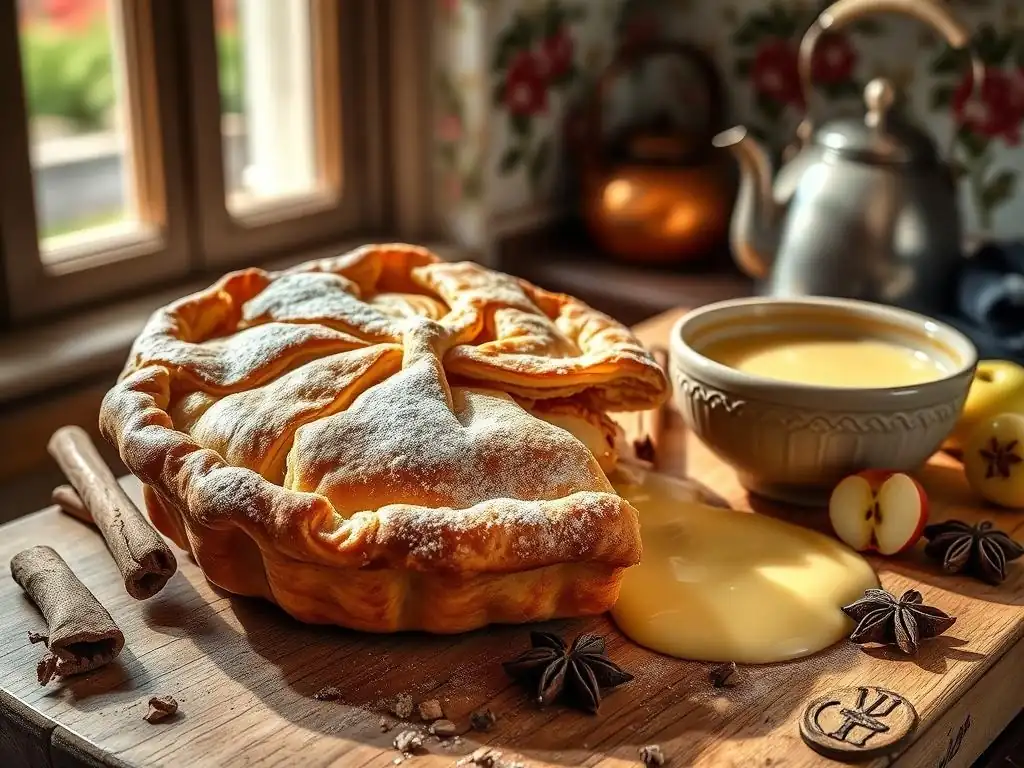
The secret to a truly flaky Szarlotka crust lies in keeping all your ingredients, especially the butter, as cold as possible. Cold butter cut into the flour creates small pockets of fat. During baking, these fat pieces melt and release steam, which pushes apart the layers of dough, resulting in a light, flaky texture. Using cold flour, cold water or sour cream, and chilling the dough before rolling are all critical steps.
If you find your kitchen warm, consider chilling your flour and mixing bowl before starting. When cutting in the butter, work quickly with a pastry blender or your fingertips to avoid warming it up with your hands. Resting the dough in the refrigerator for at least an hour allows the butter to firm up again and the gluten to relax, making the dough much easier to handle and ensuring maximum flakiness in your easy Polish apple pie recipe.
Mastering the Apple Filling: Controlling Moisture and Sweetness
A common issue with fruit pies is a watery filling or soggy bottom crust. Pre-cooking the apples slightly before adding them to the pie is an effective way to mitigate this. This process allows the apples to release excess liquid in the pot, which you can then choose to add back sparingly or leave behind. It also helps the apples soften slightly, ensuring they are tender after baking.
Adjusting the sugar content based on the tartness of your apples is also important. Taste your raw apples; if they are very tart, you may need closer to 2/3 cup of sugar per 2.5 pounds of fruit. If they are quite sweet, 1/3 to 1/2 cup might be sufficient. Using a thickener like potato starch or cornstarch (about 1-2 tablespoons per pie) mixed into the filling before baking provides an extra layer of insurance against excessive moisture, guaranteeing a well-set filling in your easy Polish apple pie recipe.
Szarlotka Baking Secrets: Preventing a Soggy Bottom Crust
Preventing a soggy bottom crust is a key goal for any pie baker, and Szarlotka is no exception. Several techniques can help. First, as mentioned, pre-cooking the apples to reduce excess liquid is highly effective. Second, ensure your oven is fully preheated to the correct temperature (around 375°F or 190°C) before putting the pie in. A hot oven helps the bottom crust set quickly.
Some bakers also recommend placing the pie dish on a preheated baking sheet in the oven. The hot metal conducts heat directly to the bottom of the pie, promoting browning and crisping of the lower crust. Finally, make sure you bake the pie long enough – until the filling is visibly bubbling not just in the center, but around the edges, and the bottom crust, if you can check it briefly, looks golden brown. This ensures the starch in the apples and any added thickener has activated and the bottom pastry is fully cooked.
Serving and Storing Your Authentic Szarlotka
Serving Suggestions: Dusting with Powdered Sugar and Serving Warm
The traditional way to serve Polish Szarlotka is warm, often simply dusted generously with powdered sugar. The heat enhances the aroma of the apples and spices and makes the pastry wonderfully tender. A fine sieve or shaker is perfect for creating an even layer of powdered sugar over the top crust.
While traditionally served plain, a warm slice of Szarlotka is also delightful with a dollop of whipped cream or a scoop of vanilla ice cream. The contrast between the warm, spiced apples and the cold, creamy topping is divine. For the most authentic experience of this easy Polish apple pie recipe, serve it slightly warm from the oven with just a snowy dusting of cukier puder (powdered sugar).
Storing Your Apple Pie: Maintaining Freshness and Flavor
Leftover Szarlotka can be stored at room temperature, loosely covered with foil or plastic wrap, for 1-2 days. For longer storage, or in warmer climates, it's best to refrigerate it. When refrigerated, the pie will keep well for 4-5 days. The crust may lose some of its crispness, but the flavor of the filling will remain excellent.
To reheat a slice, you can warm it gently in a microwave for 30-60 seconds or in a toaster oven at a low temperature (around 300°F or 150°C) for 10-15 minutes until warmed through. Reheating in an oven or toaster oven helps crisp up the crust again. Properly stored, your easy Polish apple pie recipe leftovers will provide several more moments of delicious comfort.
Variations on the Traditional Szarlotka Recipe
Adding Walnuts to Your Szarlotka: A Textural Enhancement
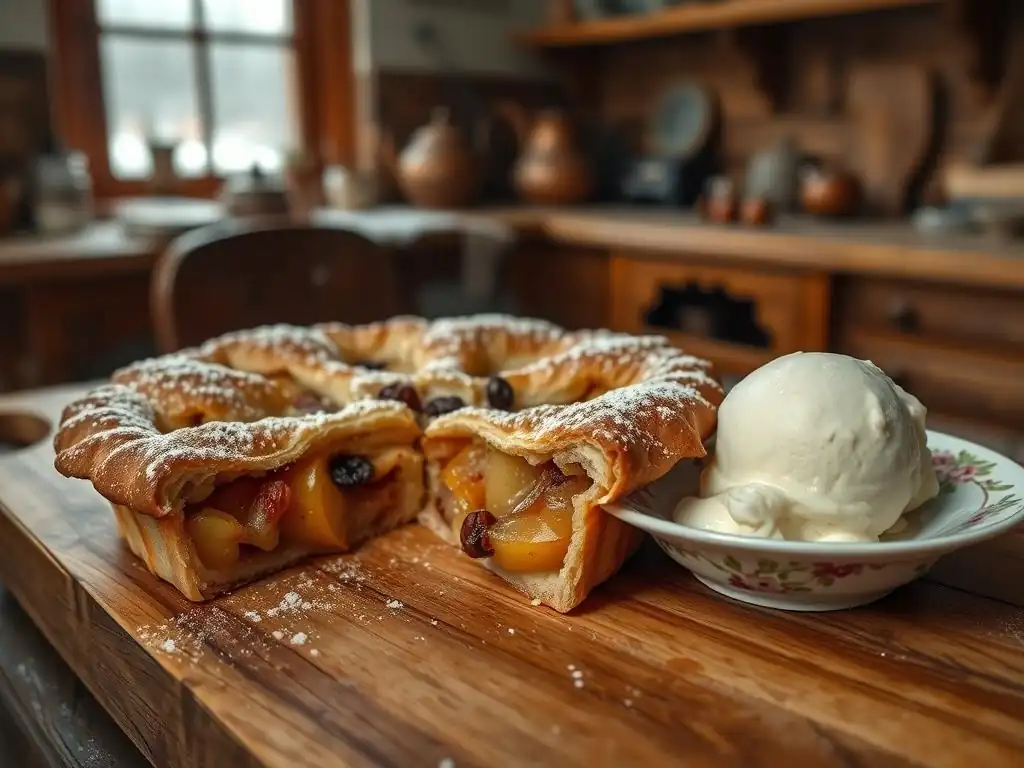
While the classic Szarlotka filling is purely apples and spices, a popular and delightful variation involves adding chopped walnuts. Walnuts provide a wonderful textural contrast to the soft apples and add a nutty depth of flavor that complements the cinnamon beautifully. About 1/2 cup (approx. 50-60g) of roughly chopped walnuts can be stirred into the apple filling just before pouring it into the crust.
This simple addition transforms the filling, offering a pleasant crunch in every bite. It's a common practice in Polish home baking and adds another layer of complexity to your easy Polish apple pie recipe. Pecans could also be used, though walnuts are more traditional in Polish cuisine.
Using Russet Apples: Exploring Different Apple Varieties
While a mix of firm, tart, and sweet-tart apples is often recommended for structure, using apple varieties that break down more, such as Russets (like Idared or Cortland in some regions), can create a different kind of Szarlotka filling. These apples will cook down into a softer, almost sauce-like consistency, which can be lovely if you prefer a less chunky filling.
If using apples that break down easily, you might need to cook them for a shorter time initially or skip the pre-cooking step entirely and increase the amount of thickener (perhaps 2-3 tablespoons of starch). Experimenting with different local apple varieties allows you to personalize your easy Polish apple pie recipe and discover new favorite textures and flavors.
Szarlotka with Meringue Topping: A Sweet and Airy Alternative
Traditionally, Szarlotka features a pastry top (lattice, solid, or crumble). However, a delicious and visually striking variation uses a meringue topping, particularly popular if the crust recipe calls for egg yolks, leaving you with egg whites. The leftover egg whites are whipped with sugar to form a stiff, glossy meringue, which is then spread over the warm apple filling before the pie goes into the oven for the final stage of baking.
The meringue bakes into a light, airy, sweet cloud, often browning slightly on top. This creates a delightful contrast with the rich, spiced apple filling and the buttery crust below. It's a slightly sweeter version but provides a beautiful texture and uses up ingredients efficiently, making it a clever twist on the easy Polish apple pie recipe.
Enjoy Your Homemade Polish Apple Pie!
Frequently Asked Questions
What makes this Polish apple pie (Szarlotka) "easy" compared to other apple pie recipes?
This Szarlotka recipe focuses on simple ingredients and a straightforward method, minimizing complexity without sacrificing classic flavor. It's designed for bakers of all skill levels.
What kind of apples are best to use for this Easy Polish apple pie recipe?
Tart and firm apples like Granny Smith or Honeycrisp work best. These hold their shape during baking and provide a pleasant contrast to the sweetness.
Can I substitute any of the ingredients in this Easy Polish apple pie recipe?
Minor substitutions are possible, but might affect the final result. For example, you could use a different type of shortening or a spice blend you prefer, but the core flavor profile will change.
How do I store leftover Easy Polish apple pie (Szarlotka)?
Store leftover Szarlotka in an airtight container at room temperature for up to 2 days, or in the refrigerator for up to 5 days. Reheating is optional, but it tastes best when slightly warmed.
What are some common variations of this Easy Polish apple pie recipe?
Some variations include adding raisins or walnuts to the apple filling, or using a crumb topping instead of a full top crust. These are easy ways to personalize the classic recipe.
Final Reflection: Szarlotka's Enduring Charm
The humble apple pie, a symbol of home and comfort, transcends cultural boundaries, and the Polish szarlotka, in its simplicity, embodies this perfectly. Its ease of preparation belies the depth of flavor and satisfaction it provides, making it a timeless recipe relevant to busy modern lives, where quick, delicious meals are highly valued. This easy-to-follow recipe offers a gateway to experiencing a piece of Polish culinary heritage without the intimidation of complex techniques.
The enduring appeal of szarlotka lies not just in its deliciousness, but in its ability to evoke memories and connect generations. It's a recipe passed down through families, a comforting presence at gatherings, and a taste of home for those far from Poland. Food is symbolic of love when words are inadequate.
– Alan D. Wolfelt. This quote perfectly encapsulates the emotional resonance of sharing a simple szarlotka, a shared experience that transcends language and cultural differences.
Now, I invite you to roll up your sleeves and embark on your own szarlotka adventure. Don't be afraid to experiment—add a sprinkle of cinnamon, a dash of vanilla, or perhaps some crumble topping to personalize your creation. The true magic of this recipe lies in its adaptability and the joy of sharing the fruits (quite literally!) of your labor with loved ones. Let the warm aroma and comforting taste of this classic Polish apple pie fill your home with warmth and happy memories, reminding you of the simple pleasures life has to offer.
Unlock the Secrets to Perfect Szarlotka!
Thanks for joining us on this delicious journey into the heart of Polish baking! We hope you've gained a newfound appreciation for this classic apple pie. Ready to take your baking skills to the next level?
- Bake your own Szarlotka today! Use our recipe as a springboard – experiment with different apples, spices, or even a crumble topping. Let your creativity shine!
- Share your Szarlotka creation on social media and tag us – we'd love to see your culinary masterpieces!
- Leave a comment below and tell us: What's your favorite twist on a traditional apple pie?