
Freezing Pizza Dough: Best Methods for MakeAhead Meals

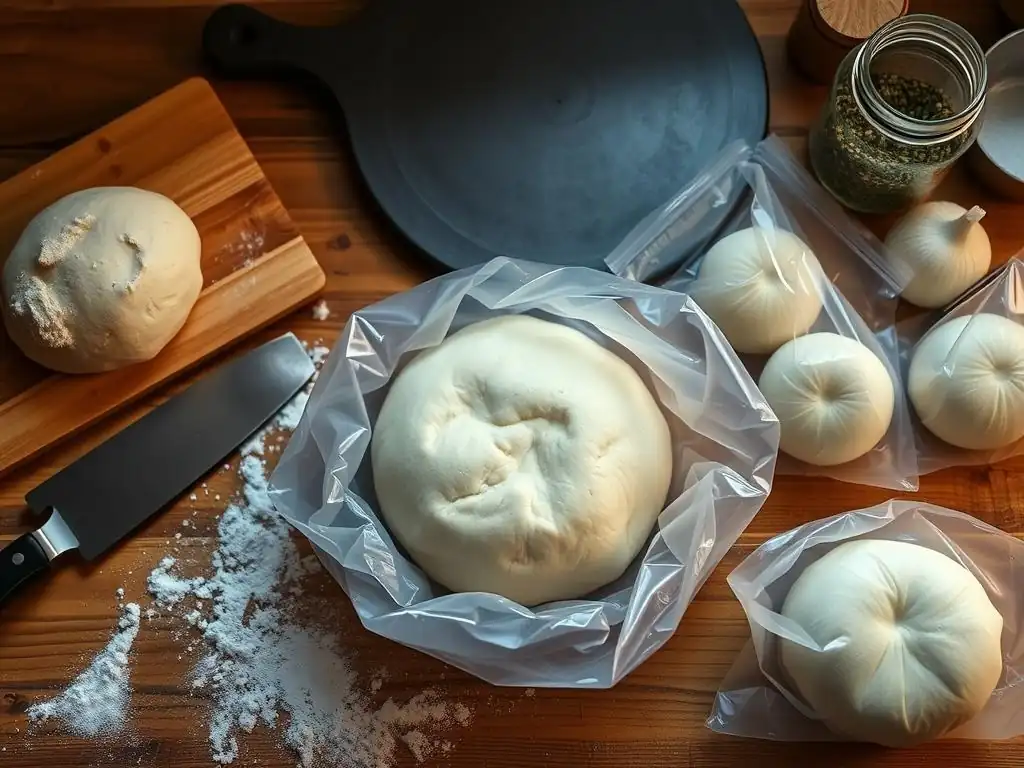
Welcome to BakeWithEase, your guide to confident baking! Ever dreamt of a perfectly crisp, homemade pizza any night of the week? Then you're in the right place! Discover the secrets to freezing pizza dough with our expert methods and unlock the convenience of make-ahead meals. Imagine pulling out perfectly portioned dough, ready to transform into a culinary masterpiece. Intrigued? Let's dive in and explore how to make pizza night easier than ever!
- Freezing Pizza Dough: Best Methods for Make-Ahead Meals - BakeWithEase.com
- Introduction: The Ultimate Guide to Freezing Pizza Dough for Easy Baking
- Understanding Pizza Dough: Key Ingredients and Considerations for Freezing
-
Step-by-Step Guide: How to Freeze Pizza Dough Like a Pro
- Preparing Your Pizza Dough for Freezing: A Detailed Walkthrough
- Portioning Pizza Dough for Freezing: Individual Servings vs. Larger Batches
- The Best Freezing Techniques: Dough Balls vs. Flattened Discs
- Wrapping and Protecting Your Pizza Dough: Preventing Freezer Burn
- Labeling and Dating Your Frozen Pizza Dough: Staying Organized
- Thawing Frozen Pizza Dough: The Right Way to Revive Your Dough
- Baking with Frozen Pizza Dough: Tips and Tricks for Perfect Crusts
- Freezing Different Types of Pizza Dough: A Comprehensive Overview
- Storing Frozen Pizza Dough: Maximizing Shelf Life and Quality
- Troubleshooting Common Issues with Frozen Pizza Dough Recipes
- Beyond Pizza: Creative Uses for Frozen Pizza Dough
- Conclusion: Embrace the Convenience of Freezing Pizza Dough
-
Frequently Asked Questions
- How long can I freeze pizza dough for optimal results?
- What's the best way to thaw frozen pizza dough?
- Can I freeze pizza dough after it has already risen once?
- What's the best way to package pizza dough for freezing to prevent freezer burn?
- Can I freeze different types of pizza dough, such as whole wheat or gluten-free?
- Final Reflection: The Unexpected Joy of Frozen Pizza Dough
- Unleash Your Inner Pizzaiolo: Make Pizza Night Easier!
Freezing Pizza Dough: Best Methods for Make-Ahead Meals - BakeWithEase.com
Introduction: The Ultimate Guide to Freezing Pizza Dough for Easy Baking
Homemade pizza is a joy, offering unparalleled freshness and flavor compared to store-bought options. However, making dough from scratch every time can be time-consuming. This is where mastering the art of freezing pizza dough comes in handy. It allows you to prepare batches of dough ahead of time, making spontaneous pizza nights a breeze. At BakeWithEase, we believe everyone should enjoy delicious, homemade pizza whenever the craving strikes, and freezing your dough is a key step in achieving that convenience.
BakeWithEase Presents: Mastering the Art of Freezing Pizza Dough
Welcome to our comprehensive guide on freezing pizza dough. Whether you're a seasoned baker or just starting, learning the proper techniques for freezing and thawing your dough can revolutionize your pizza-making routine. We'll walk you through the process, from preparing the dough to baking a perfect crust from a frozen batch, ensuring your freezing pizza dough recipes are always a success. Our goal is to demystify the process and equip you with the knowledge to confidently freeze your dough, saving you time and effort in the kitchen.
Freezing pizza dough is a simple yet effective way to streamline your baking. It requires minimal extra steps during your initial dough preparation but offers significant benefits down the line. By following our methods, you can ensure that your frozen dough retains its quality, texture, and flavor, resulting in delicious pizzas every time you use it. Let's dive into how you can make your freezing pizza dough recipes work for you.
Why Freeze Pizza Dough? Convenience and Flavor Preservation
The primary reason home bakers choose to freeze pizza dough is convenience. Imagine deciding on a Friday evening that you want homemade pizza – if you have frozen dough ready, you can skip the 2-3 hours of mixing, kneading, and rising typically required. This transforms pizza night from a planned event into a spur-of-the-moment possibility, saving you precious time on busy weeknights or weekends. Having a stash of frozen dough means you're always just a thaw away from fresh pizza.
Beyond just saving time, freezing pizza dough can also help preserve the quality of your dough. When stored correctly, the dough is protected from drying out or over-fermenting, which can happen if left in the refrigerator for too long. While freezing pauses the yeast activity, the dough often develops a slightly richer flavor profile during the slow thawing process in the refrigerator. This makes freezing pizza dough recipes not just convenient, but potentially even enhancing the final taste of your pizza.
Understanding Pizza Dough: Key Ingredients and Considerations for Freezing
The Impact of Ingredients on Freezing Pizza Dough
The basic ingredients in most pizza dough are flour, water, yeast, salt, and sometimes olive oil or sugar. Each of these plays a role in how the dough behaves during freezing and thawing. High-protein flours, like bread flour, tend to handle freezing better than lower-protein flours, as the stronger gluten network provides more structure. The hydration level (ratio of water to flour) is also important; doughs that are too wet can sometimes become excessively sticky after thawing, while very dry doughs might be crumbly.
Yeast is a living organism, and freezing pauses its activity. However, some yeast cells may die during the freezing and thawing process, potentially affecting the dough's final rise. Using instant or rapid-rise yeast can sometimes be more resilient to freezing than active dry yeast, though both generally work well if the dough is handled correctly. Salt is crucial for flavor and controlling yeast activity, and its presence helps maintain the dough's structure during freezing. Olive oil adds tenderness and flavor, and it also helps prevent ice crystal formation, which can damage the dough's gluten structure.
Gluten Development and Freezing: What You Need to Know
Gluten is the protein network formed when flour and water are mixed and kneaded. It's what gives pizza dough its elasticity and structure, allowing it to be stretched thin and hold air pockets for a light crust. Proper gluten development before freezing is essential.
If the gluten is not sufficiently developed, the dough may not rise well after thawing and can result in a dense or tough crust. Kneading the dough until it passes the windowpane test (where a small piece can be stretched thin enough to see light through it without tearing) is a good indicator of adequate gluten development before you start your freezing pizza dough recipes.
Freezing can potentially affect the gluten structure by forming ice crystals that puncture the protein strands. However, with proper technique – ensuring the dough is well-wrapped to prevent ice buildup and minimizing the time it spends in the freezer – this damage can be minimized.
The thawing process is also critical; slow thawing in the refrigerator allows ice crystals to melt gradually, reducing the stress on the gluten network compared to rapid thawing at room temperature or in a microwave. Understanding this relationship helps ensure your freezing pizza dough recipes yield dough that performs well after its time in the cold.
Step-by-Step Guide: How to Freeze Pizza Dough Like a Pro
Preparing Your Pizza Dough for Freezing: A Detailed Walkthrough
Before you even think about putting dough in the freezer, ensure it's properly prepared. This typically involves making your favorite pizza dough recipe up to the first rise. Once the dough has doubled in size (this usually takes about 1-2 hours at room temperature, or longer in the refrigerator), it's ready for preparation before freezing. Punching down the dough gently to release the air is a common step, as this makes it easier to handle and portion. Avoid overworking the dough at this stage.
After the first rise and punch-down, the dough should be portioned and shaped before freezing. Do not freeze the dough before its first rise, as the yeast activity needs to be initiated. Freezing dough that hasn't risen at all can result in a very slow or non-existent second rise after thawing. Ensure your workspace is lightly floured, and handle the dough gently to maintain some of the gas produced during the first fermentation, which contributes to the dough's texture. Preparing the dough correctly at this stage is fundamental to successful freezing pizza dough recipes.
Portioning Pizza Dough for Freezing: Individual Servings vs. Larger Batches
Deciding how to portion your dough before freezing depends on how you plan to use it. If you typically make individual pizzas or small flatbreads, portioning the dough into single-serving sizes (e.g., 200-250 grams, roughly enough for a 10-12 inch pizza) is most efficient. This allows you to thaw only what you need, reducing waste. Weighing the dough portions ensures consistency in size and baking time later on.
If you often make larger pizzas or want the flexibility to use the dough for other purposes like calzones or breadsticks, you might freeze larger portions. For a standard large pizza (14-16 inches), you might use 400-500 grams of dough. Regardless of size, portioning before freezing is crucial because trying to cut or break off a piece of frozen dough is difficult and can damage the structure of the remaining dough. Proper portioning is a key step in successful freezing pizza dough recipes.
The Best Freezing Techniques: Dough Balls vs. Flattened Discs
There are two popular methods for shaping dough before freezing: as balls or as flattened discs. Freezing dough as balls is perhaps the most common method. After portioning, gently shape each piece into a smooth ball. This shape is easy to wrap and store, and when thawing, it allows the dough to relax evenly. Dough balls are versatile for stretching into various shapes.
Alternatively, you can flatten the dough balls into discs, roughly the size of your intended pizza base, before freezing. This can save a little time during the shaping stage after thawing, as some of the work is already done. However, flattened discs can sometimes be more prone to developing ice crystals on the surface if not wrapped perfectly, potentially leading to freezer burn. For most freezing pizza dough recipes, starting with dough balls is slightly preferred due to ease of wrapping and versatility.
Wrapping and Protecting Your Pizza Dough: Preventing Freezer Burn
Proper wrapping is critical to protect your pizza dough from freezer burn, which occurs when air comes into contact with the food, causing dehydration and oxidation. Freezer burn results in dry, tough spots on the dough and can negatively impact both texture and flavor. The goal is to create an airtight seal around each portion of dough. This is arguably the most important step after preparing the dough itself when working with freezing pizza dough recipes.
Before wrapping, lightly oil the surface of each dough ball or disc with a neutral oil like olive oil or vegetable oil. This helps prevent the dough from sticking to the wrapping material and adds a layer of protection against drying. Use just enough oil to coat the surface – a teaspoon or so per dough ball is usually sufficient.
Using Plastic Wrap for Freezing Pizza Dough: Best Practices
Plastic wrap is a widely used material for wrapping pizza dough before freezing. The key is to use heavy-duty plastic wrap and wrap the dough tightly, ensuring there are no air pockets trapped against the surface. Wrap each individual dough portion generously, using at least two layers of plastic wrap, pulling it taut as you go.
Once wrapped in plastic, it's highly recommended to add a second layer of protection. Placing the individually wrapped dough portions into a freezer-safe zip-top bag or wrapping them again in aluminum foil provides an extra barrier against air and moisture loss. This double-layer approach significantly reduces the risk of freezer burn and is a best practice for successful freezing pizza dough recipes.
Foil and Freezer Bags: Alternative Wrapping Methods
Aluminum foil can be used as the primary wrapping material, especially heavy-duty foil. Wrap the oiled dough portion tightly in at least two layers of foil, crimping the edges to form a secure seal. Foil is excellent at blocking air and light, further protecting the dough. However, some bakers find that foil can sometimes stick to the dough if not oiled sufficiently.
Combining methods often yields the best results. For instance, wrap the dough tightly in plastic wrap first, then place it inside a freezer-safe zip-top bag, squeezing out as much air as possible before sealing. Another effective method is wrapping tightly in plastic wrap, then wrapping again tightly in aluminum foil. This multi-layered protection is vital for preserving the quality of your dough in freezing pizza dough recipes for several months.
Labeling and Dating Your Frozen Pizza Dough: Staying Organized
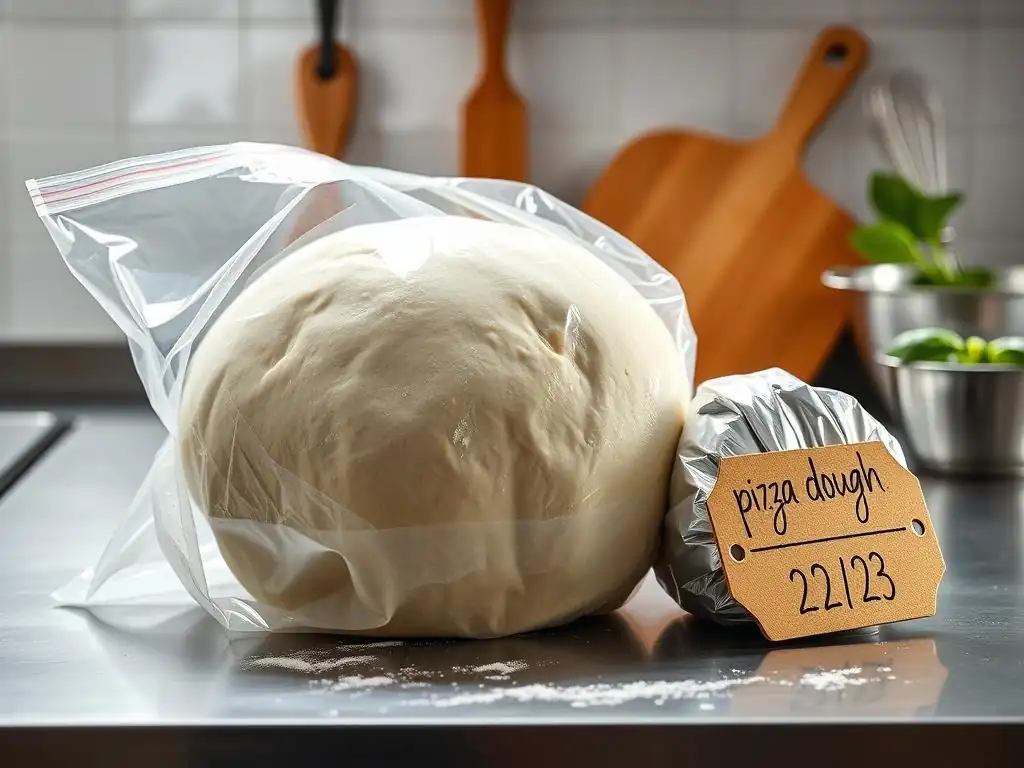
Once your dough is meticulously wrapped, the final step before placing it in the freezer is to label and date it. This simple step is crucial for knowing exactly what is in the package and how long it has been stored. Without proper labeling, it's easy to forget what's in your freezer or how old it is, potentially leading to using dough past its prime.
Use a permanent marker to write the date you froze the dough (e.g., "Pizza Dough - 2023-10-27") and perhaps the weight or number of portions if you froze multiple sizes. Attach the label directly to the freezer bag or foil. Storing your frozen dough in an organized manner, perhaps grouped together in a larger container or section of the freezer, also helps you keep track of your inventory of freezing pizza dough recipes.
Thawing Frozen Pizza Dough: The Right Way to Revive Your Dough
Safe Thawing Methods: Refrigerator vs. Room Temperature
Thawing is a critical step in using frozen pizza dough, and doing it correctly ensures the dough retains its texture and ability to rise. The safest and recommended method is thawing the dough slowly in the refrigerator. This allows the ice crystals to melt gradually, minimizing damage to the gluten structure and preventing rapid bacterial growth. Simply transfer the wrapped dough from the freezer to the refrigerator.
While thawing at room temperature is faster, it's generally not recommended, especially for prolonged periods. Rapid temperature changes can shock the yeast and potentially lead to a gummy texture or inconsistent rise. If you must thaw at room temperature due to time constraints, ensure the dough is still wrapped and placed in a bowl to catch any condensation. Monitor it closely and use it as soon as it's pliable. Never use a microwave to thaw pizza dough, as this will partially cook it and ruin the texture. Proper thawing is key to successful freezing pizza dough recipes.
How Long Does it Take to Thaw Pizza Dough? Time Estimates
The time required to thaw frozen pizza dough depends on the size of the dough portion and the thawing method used. Thawing in the refrigerator is a slow process, typically taking 12 to 24 hours for a standard 200-250 gram dough ball. Larger portions will take longer, potentially up to 36 hours. It's best to plan ahead and move the dough to the fridge the day before you plan to make pizza.
If opting for a faster (but less ideal) room temperature thaw, a 200-250 gram dough ball might take anywhere from 2 to 4 hours, depending on the ambient temperature. The dough should still be cool to the touch but pliable enough to work with. Avoid leaving it out for much longer than this, especially in warm environments. Knowing these estimates helps you plan your freezing pizza dough recipes effectively.
Troubleshooting: What to Do if Your Dough Doesn't Thaw Properly
Sometimes, despite best efforts, thawed dough might feel too cold, stiff, or not pliable. If the dough seems under-thawed, simply give it more time in the refrigerator or at room temperature (if safe to do so). Patience is key; forcing cold, stiff dough to stretch can cause it to tear.
If the dough seems excessively sticky or wet after thawing, this can sometimes happen, particularly with higher-hydration doughs or if there was some ice crystal formation. Try gently incorporating a small amount of flour (a tablespoon or two) while handling the dough on a lightly floured surface. If the dough doesn't seem to be rising after thawing and resting, it might be that too many yeast cells died during freezing or thawing.
In this case, you might need to add a little extra yeast (dissolved in warm water) and knead it in, or accept that the crust might be denser than usual. Troubleshooting is part of mastering freezing pizza dough recipes.
Baking with Frozen Pizza Dough: Tips and Tricks for Perfect Crusts
Working with Thawed Dough: Handling and Shaping Techniques
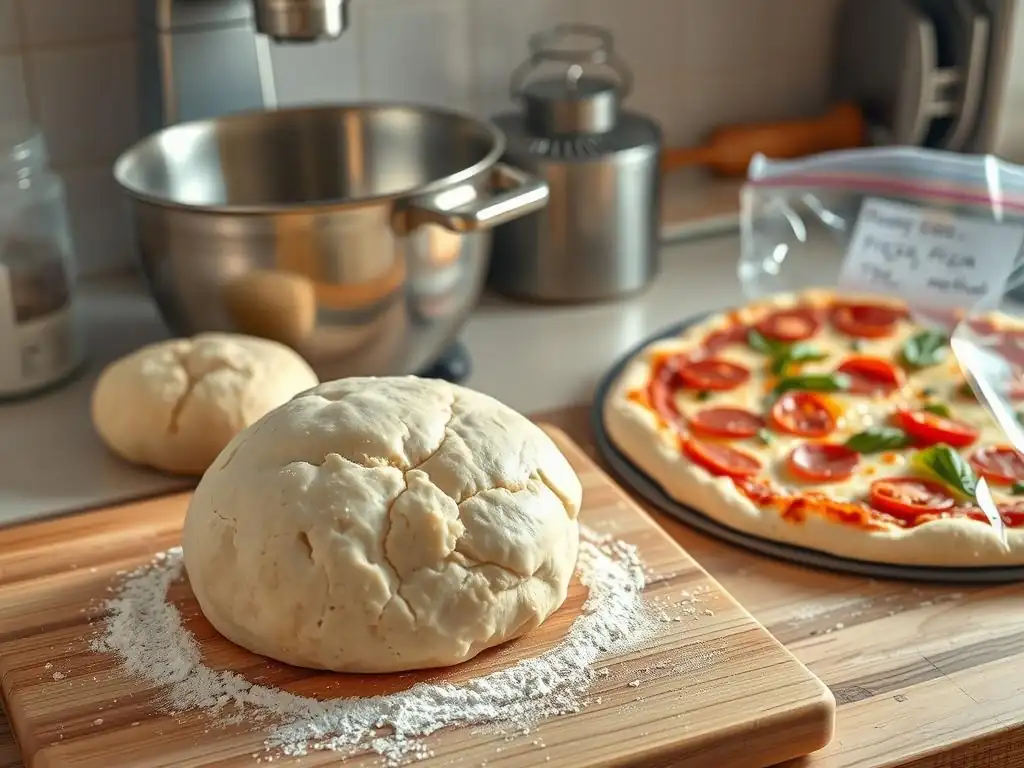
Once your pizza dough is fully thawed and has rested at room temperature for about 30-60 minutes (after fridge thawing) to become relaxed and pliable, it's ready to be shaped. Gently transfer the dough to a lightly floured surface. Avoid using excessive flour, as this can make the crust tough. Start by gently pressing the dough from the center outwards, leaving a small border for the crust.
To stretch the dough, you can use various techniques: gently pulling and stretching with your hands, tossing it (if you're feeling adventurous! ), or using a rolling pin. Be gentle to avoid deflating the dough too much, as the trapped gases contribute to a light and airy crust. If the dough springs back excessively, cover it with a clean towel and let it rest for 10-15 minutes before trying again; this allows the gluten to relax. Successfully shaping thawed dough is crucial for your freezing pizza dough recipes.
Adjusting Baking Time for Frozen Pizza Dough: Achieving Optimal Results
Generally, dough that has been properly frozen and thawed will bake similarly to fresh dough. The key is ensuring the dough is fully thawed and has had adequate time to rest and potentially undergo a final short proofing period at room temperature (about 30-60 minutes on your pizza peel or baking surface) before baking.
The baking time and temperature will depend on your oven, pizza stone/steel, and desired crust crispness. A common temperature for homemade pizza is 450-500°F (230-260°C). Baking typically takes between 8 and 15 minutes. Keep an eye on the crust; it should be golden brown and the cheese bubbly. You shouldn't need significant adjustments to your standard baking process just because the dough was frozen, provided it was thawed correctly. Consistency in your freezing pizza dough recipes comes from consistent thawing and baking.
Common Mistakes to Avoid When Baking with Frozen Pizza Dough
One common mistake is trying to stretch the dough before it's fully thawed and relaxed. This leads to tearing and frustration. Another is using too much flour during shaping, which results in a dry, dense crust. Ensure you're only using enough flour to prevent sticking.
Overloading the pizza with too many toppings is also a frequent error, especially when using slightly less robust thawed dough. Excessive weight can make it difficult to transfer the pizza and can lead to a soggy bottom crust. Finally, not preheating your oven and pizza stone/steel sufficiently is a major pitfall; a hot surface is essential for a quick, crispy crust, whether using fresh or freezing pizza dough recipes.
Freezing Different Types of Pizza Dough: A Comprehensive Overview
Freezing Sourdough Pizza Dough: Special Considerations
Sourdough pizza dough can be frozen successfully, but there are a few nuances. Sourdough relies on a wild yeast and bacteria culture (the starter) for leavening and flavor. The freezing process can impact the viability of these cultures. It's generally best to freeze sourdough dough after its bulk fermentation and shaping into individual balls, similar to regular yeast dough.
After thawing sourdough dough in the refrigerator for 24+ hours, give it ample time to come to room temperature and activate the remaining wild yeast. This can take 1-3 hours, or even longer depending on your starter's strength and room temperature. Don't be alarmed if the rise is slightly less vigorous than with fresh dough; focus on the dough becoming pliable and bubbly. Sourdough freezing pizza dough recipes often benefit from a slightly longer final proof before baking.
Freezing Neapolitan Pizza Dough: Maintaining Authentic Texture
Authentic Neapolitan pizza dough is typically made with specific Italian "00" flour, water, yeast, and salt, often with a high hydration level (60-70% or more) and a long fermentation period. Freezing this type of dough requires careful handling to preserve its delicate structure and characteristic airy crust with a chewy interior.
Freeze portioned Neapolitan dough balls after the bulk fermentation and initial shaping. Thaw very slowly in the refrigerator (24-36 hours is often necessary for higher hydration doughs). Allow plenty of time for the dough to come to room temperature (1-2 hours) before stretching. The high hydration means it might be stickier after thawing; use minimal flour and practice gentle stretching techniques. While freezing can slightly alter the texture compared to entirely fresh dough, it's possible to get very good results with freezing pizza dough recipes for Neapolitan style.
Freezing Gluten-Free Pizza Dough: Tips for Successful Freezing
Gluten-free pizza dough behaves differently from wheat-based dough because it lacks the gluten network for structure. Gluten-free doughs often rely on binders like xanthan gum or psyllium husk to mimic gluten's properties. The success of freezing gluten-free dough depends heavily on the specific recipe and flour blend used.
Generally, gluten-free dough can be frozen after its initial rise (if the recipe includes one) and portioning. Wrap it extremely well, as gluten-free dough can be prone to drying out or developing ice crystals. Thaw in the refrigerator. Be aware that some gluten-free blends may have a slightly different texture after freezing and thawing, potentially being more crumbly or sticky. You might need to adjust hydration slightly or add a bit more binder when preparing the dough for freezing pizza dough recipes if you notice issues after thawing. Experimentation with your specific recipe is often needed.
Storing Frozen Pizza Dough: Maximizing Shelf Life and Quality
How Long Can You Freeze Pizza Dough? Understanding Expiration
When properly wrapped to prevent freezer burn, homemade pizza dough can be safely stored in the freezer for up to 3 months. While it might technically remain safe to eat for longer, its quality, particularly its ability to rise and its texture, will likely decline after this period. The yeast viability decreases over time in the freezer.
Using your frozen dough within the 1-3 month window ensures you get the best possible results for your freezing pizza dough recipes. Always refer to the date you wrote on the packaging to keep track of how long it's been stored. Organizing your freezer using a "first-in, first-out" system can help you use older dough before it declines in quality.
Signs of Spoiled Frozen Pizza Dough: Identifying and Avoiding Risks
Even in the freezer, dough can spoil if not stored correctly or if left for too long. The most obvious sign of spoiled frozen dough is extensive freezer burn – large, dry, discolored patches on the surface. While small amounts of freezer burn might be trimmed away, severe freezer burn will result in a tough, dry, and flavorless crust.
Other signs include off odors (though this is less common in the freezer) or mold, which would indicate the dough was not frozen properly or the freezer failed. If the dough has been in the freezer for significantly longer than 3-4 months, even without obvious freezer burn, its rising power may be compromised. When in doubt, if the dough looks or smells suspicious, it's best to discard it. Proper wrapping is the best prevention for issues with freezing pizza dough recipes.
Troubleshooting Common Issues with Frozen Pizza Dough Recipes
Dough is Sticky After Thawing: Solutions and Prevention
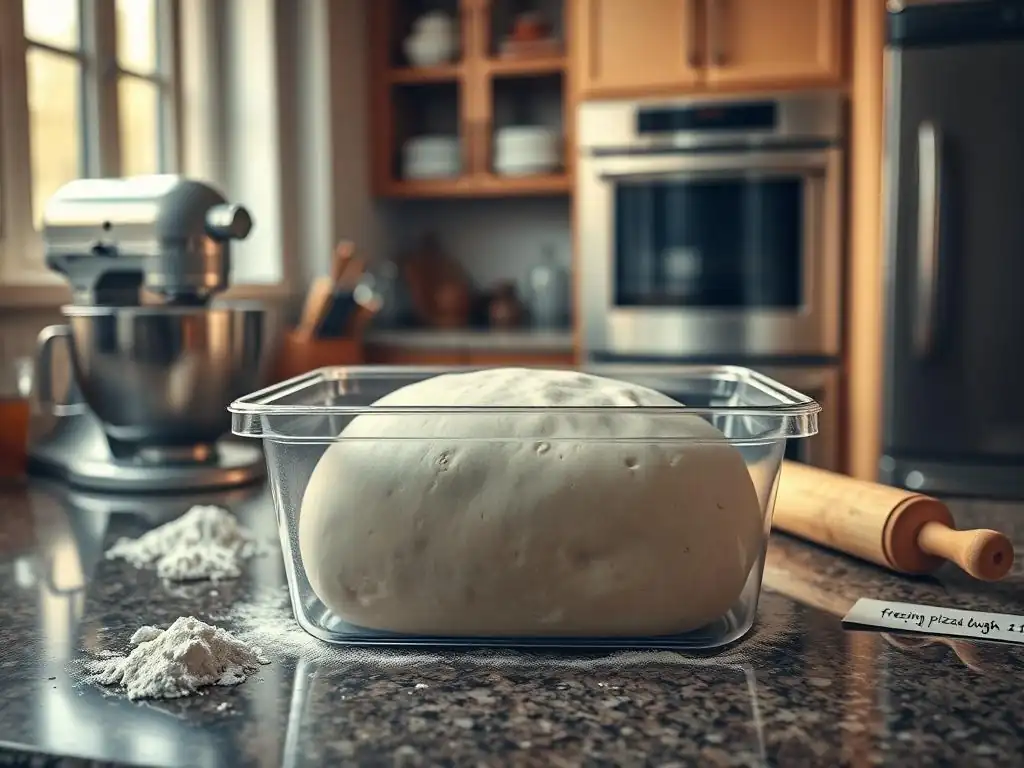
It's common for thawed dough to be slightly stickier than fresh dough, especially if it's a high-hydration recipe or if some ice crystals formed. To remedy this, use a light dusting of flour on your work surface and hands when handling the dough. Gently knead in a tablespoon or two of flour if necessary, but avoid adding too much, which can make the dough tough.
Prevention starts with preparation: ensure the dough is properly kneaded and passes the windowpane test before freezing. Also, lightly oiling the dough surface before wrapping can help prevent sticking to the wrap itself and reduce surface dehydration. Using high-quality, strong flour can also contribute to dough that handles thawing better in your freezing pizza dough recipes.
Dough Doesn't Rise After Thawing: Troubleshooting Guide
If your thawed dough doesn't seem to be rising or is rising very slowly after coming to room temperature, it could be due to several factors. The most likely cause is reduced yeast viability from freezing, thawing, or prolonged storage. Ensure the dough is fully thawed and has had adequate time (at least 1-2 hours) at room temperature to activate the yeast.
If it's still not rising, the yeast may be dead. You can try dissolving a small amount of fresh yeast (e.g., 1/4 teaspoon instant yeast) in a tablespoon of warm water with a pinch of sugar, then gently kneading this mixture into the dough. Let it rest again. If the dough still shows no signs of life, you might have to accept a denser crust or start over. To prevent this, ensure your initial dough has a vigorous first rise before freezing and try to use frozen dough within 3 months for best results with freezing pizza dough recipes.
Dough Tastes Different After Freezing: Understanding Flavor Changes
While freezing is excellent for preservation, it can sometimes lead to subtle changes in flavor. Some bakers report a slightly less vibrant or "yeasty" flavor compared to fresh dough, while others find the slow thaw in the fridge actually enhances complexity. Freezer burn, even if minor, can introduce off-flavors.
The main factors influencing flavor after freezing are the duration of storage and the quality of wrapping. Storing dough for too long (beyond 3 months) increases the chance of flavor deterioration. Improper wrapping leading to freezer burn is a significant culprit for poor taste. Using fresh, high-quality ingredients initially is also key to ensuring your freezing pizza dough recipes maintain good flavor after storage.
Beyond Pizza: Creative Uses for Frozen Pizza Dough
Making Breadsticks, Calzones, and More with Frozen Dough
Frozen pizza dough isn't just for pizzas! Once thawed, it's a versatile base for many other baked goods. For instance, you can easily shape thawed dough into breadsticks. Simply stretch or roll the dough into rectangles, brush with olive oil, sprinkle with herbs or cheese, cut into strips, and bake until golden brown (typically 15-20 minutes at 400°F/200°C).
Calzones and stromboli are also excellent uses for frozen dough. Roll the thawed dough into a circle or rectangle, fill one half with your desired fillings (cheese, vegetables, meats), fold over, seal the edges, and bake. This is a fantastic way to use up frozen dough in your freezing pizza dough recipes and expand your baking repertoire.
Expanding Your Baking Repertoire with Pre-Made Pizza Dough
Beyond the obvious, thawed pizza dough can be used for items like garlic knots, cinnamon rolls (using a savory dough base with sweet filling works surprisingly well! ), or even as a quick base for focaccia. Simply press the thawed dough into a baking pan, dimple it with your fingers, drizzle with olive oil and toppings, and bake.
Having pre-made, frozen dough ready allows for spontaneous baking adventures. Instead of spending time making dough from scratch for these items, you can simply pull a portion from the freezer. This convenience makes freezing pizza dough recipes a valuable skill not just for pizza night, but for a variety of delicious baked treats.
Conclusion: Embrace the Convenience of Freezing Pizza Dough
BakeWithEase's Final Thoughts on Freezing Dough for Pizza Night
Freezing pizza dough is a game-changer for busy home bakers. It transforms homemade pizza from an occasional weekend project into a readily available meal option, any night of the week. At BakeWithEase, we encourage you to embrace this technique. With proper preparation, wrapping, and thawing, you can achieve results that are very close in quality to using fresh dough, all while saving significant time and effort. Mastering freezing pizza dough recipes truly puts delicious, homemade pizza within easy reach.
The slight effort involved in freezing dough correctly pays dividends in convenience and spontaneity. It allows you to make large batches when you have time and use them when you don't. From classic margherita to creative topping combinations, your pizza possibilities become endless when frozen dough is just a freezer away.
Enjoy Fresh, Homemade Pizza Anytime with Properly Frozen Dough
Imagine this: the craving for homemade pizza strikes, you grab a portion of dough from the freezer, let it thaw overnight in the fridge, and by dinner time, you're stretching dough and adding your favorite toppings. No waiting for hours for dough to rise! This is the freedom that comes with confidently using freezing pizza dough recipes.
By following the simple steps outlined in this guide – from proper dough preparation and meticulous wrapping to patient thawing and careful handling – you can ensure that your frozen dough yields delicious, satisfying pizzas every time. So go ahead, bake a big batch of dough, freeze the extras, and enjoy the convenience of having homemade pizza ready whenever the mood strikes. Happy baking from BakeWithEase!
Frequently Asked Questions
How long can I freeze pizza dough for optimal results?
Frozen pizza dough can last for up to three months in the freezer. After that, the quality may degrade, affecting the texture and rise. It's best to use it within this timeframe for the best results.
What's the best way to thaw frozen pizza dough?
The ideal method is to thaw it in the refrigerator overnight. This allows for a slow, even thaw that helps maintain the dough's structure. You can also thaw at room temperature, but watch the dough rise too much.
Can I freeze pizza dough after it has already risen once?
Yes, you can freeze pizza dough after its first rise. This can actually improve the flavor of the dough. Just be sure to punch down the dough before freezing.
What's the best way to package pizza dough for freezing to prevent freezer burn?
Wrap the dough tightly in plastic wrap and then place it in a freezer-safe bag or container. This helps to prevent freezer burn and maintain the dough's moisture.
Can I freeze different types of pizza dough, such as whole wheat or gluten-free?
Yes, you can freeze most types of pizza dough, including whole wheat and gluten-free. However, keep in mind that gluten-free dough may have a slightly different texture after thawing. Follow specific freezing instructions for each type.
Final Reflection: The Unexpected Joy of Frozen Pizza Dough
The ability to freeze pizza dough successfully unlocks a world of culinary convenience and creativity, transforming the often-daunting task of pizza-making into a readily accessible pleasure. This isn't just about saving time; it's about empowering home cooks to enjoy fresh, homemade pizza whenever the craving strikes, without the pressure of immediate preparation. The methods explored in this article, from simple ball freezing to the more advanced techniques of flash-freezing and portioning, all contribute to this newfound freedom.
The impact of readily available, high-quality frozen pizza dough extends beyond individual kitchens. It fosters a culture of experimentation and culinary exploration. It allows for spontaneous pizza nights, encourages the use of seasonal toppings, and ultimately, strengthens the connection between home cooks and the joy of creating something delicious from scratch. The best things in life are homemade,
a sentiment often echoed, is made significantly more achievable through the simple act of freezing pizza dough. This accessibility democratizes the pizza-making process, allowing everyone to participate in the fun, regardless of their schedule or skill level.
Now, consider your own kitchen. Imagine the possibilities: a freezer stocked with perfectly portioned pizza dough, ready to be transformed into a personalized culinary masterpiece at a moment's notice. Don't let the fear of failure hold you back. Choose a method from this article, gather your ingredients, and embark on your own pizza-making adventure. The reward? The satisfaction of a delicious, homemade pizza, enjoyed on your terms, whenever you desire. The journey from frozen dough to oven-baked perfection is a rewarding one – embrace it.
Unleash Your Inner Pizzaiolo: Make Pizza Night Easier!
Thanks for taking the time to explore the world of frozen pizza dough with us! We hope you now feel confident in creating delicious, homemade pizzas whenever the craving strikes. Ready to put your newfound skills to the test?
- Master the Art of Frozen Dough: Try our recommended freezing techniques this week and experience the convenience of make-ahead pizza perfection. See how much easier your weeknights become!
- Share your pizza creations: Tag us on social media with your frozen dough pizza masterpieces! We'd love to see your culinary triumphs.
- Experiment with Flavors: Don't be afraid to get creative! What unique topping combinations will you try with your freshly baked, previously frozen pizza dough?
So, tell us: What's your favorite pizza topping combination using frozen dough? Let's spark some culinary inspiration in the comments below!