
Why Cold Fermentation Makes Your Pizza Dough Amazing

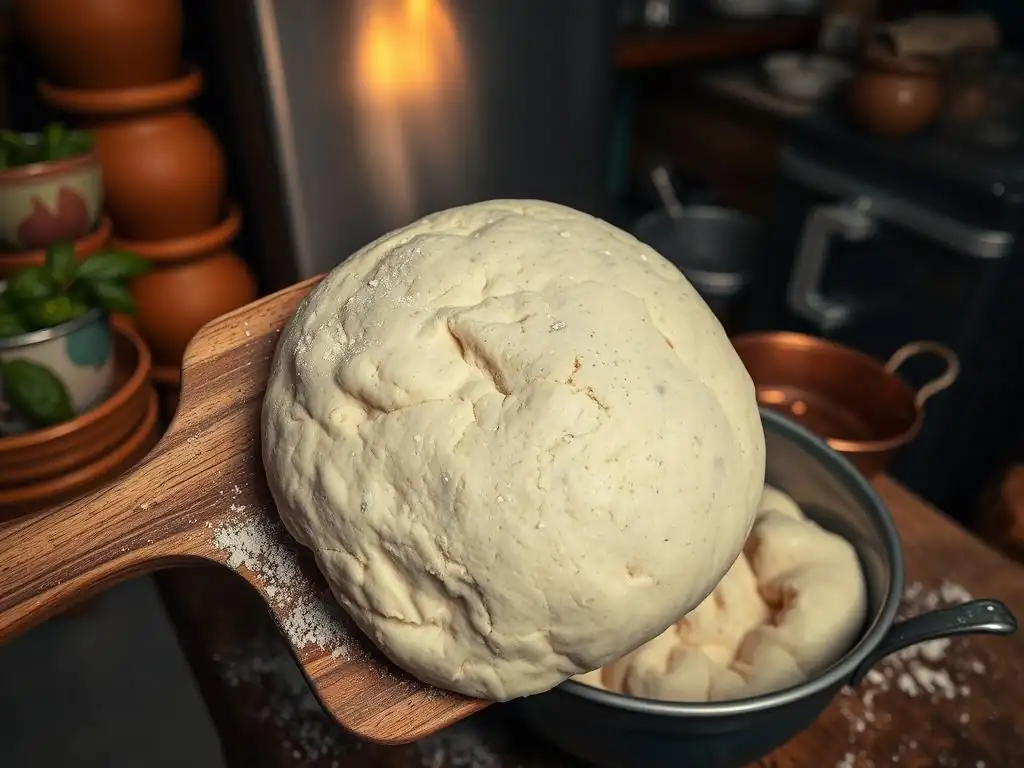
Welcome to BakeWithEase, your trusted guide to baking brilliance! Ever wondered how to elevate your pizza game from good to unforgettable? We're diving deep into a technique that unlocks incredible flavor and texture. Discover why cold fermentation makes your pizza dough amazing and learn how this simple process can transform your homemade pizzas. Prepare to be amazed by the difference a little patience can make!
- Introduction: The Art of Cold Fermentation for Pizza Dough
- The Science Behind Cold Fermentation in Pizza Dough
- The Benefits of Cold Fermenting Pizza Dough
- Cold Fermented vs. Room Temperature Pizza Dough: A Comparison
- How to Cold Ferment Pizza Dough: A Step-by-Step Guide
- Troubleshooting Common Cold Fermented Pizza Dough Issues
- Tips and Tricks for Perfect Cold Fermented Pizza Dough
- Pizza Variations: Exploring Different Approaches
- Conclusion: Embrace the Art of Cold Fermented Pizza
-
Frequently Asked Questions
- What exactly is cold fermentation pizza dough?
- Why should I bother with cold fermentation instead of a quick rise?
- How long should I cold ferment my pizza dough for optimal results?
- Does cold fermentation affect the way I handle the dough before baking?
- Can I use any pizza dough recipe for cold fermentation?
- Final Reflection: The Transformative Power of Patience in Pizza Making
- Unleash Your Inner Pizzaiolo: Craft the Perfect Dough!
Introduction: The Art of Cold Fermentation for Pizza Dough
What is Cold Fermentation for Pizza Dough and Why Do It?
Cold fermentation is a technique where pizza dough is allowed to ferment slowly in a refrigerated environment, typically at temperatures between 35°F and 40°F (1.7°C and 4.4°C), for an extended period. This contrasts with traditional methods that ferment dough at room temperature for just a few hours. The purpose is to significantly slow down the yeast activity, which in turn allows for complex biochemical reactions to occur over a longer timeframe. This slow process is key to developing deeper flavors and improving the dough's structure and texture.
Baking enthusiasts and professional pizzaiolos alike favor cold fermentation because it dramatically enhances the quality of the final pizza. The benefits extend beyond just flavor; they include improved texture, easier handling of the dough, and the convenience of preparing dough several days in advance. For anyone looking to elevate their homemade pizza from good to outstanding, incorporating a cold fermentation step is one of the most impactful techniques you can master right in your own kitchen.
BakeWithEase's Guide to Perfect Cold Fermented Pizza Dough
At BakeWithEase, we believe that mastering pizza dough is a fundamental step in creating delicious homemade pizza. Our approach to cold fermentation simplifies this powerful technique, making it accessible to bakers of all skill levels. We guide you through selecting the right ingredients, understanding the science behind the process, and implementing practical steps to achieve consistently excellent results.
Our detailed guides and tips are designed to demystify cold fermentation pizza dough. We provide recommended temperature ranges and fermentation times, typically suggesting a minimum of 24 hours and often up to 72 hours for optimal results, depending on the yeast amount used. We also explain how to tell when your dough is perfectly fermented and ready to use, ensuring you get that desirable balance of flavor, texture, and ease of handling every time you bake.
The Science Behind Cold Fermentation in Pizza Dough
Understanding the Microbial Activity in Cold Fermentation
While commercial yeast (Saccharomyces cerevisiae) activity slows significantly in cold temperatures, it doesn't stop entirely. This reduced activity is crucial. Instead of rapidly producing carbon dioxide and ethanol as it does at room temperature, the yeast works much more slowly. This allows other enzymatic processes within the dough to catch up and contribute more significantly to the dough's development.
Furthermore, some wild yeasts and lactic acid bacteria (LAB), naturally present in flour (though less dominant than in sourdough), can become more active relative to the commercial yeast in colder temperatures, especially over longer periods. While not producing the same tang as a sourdough starter, their slower metabolic activity contributes subtle complexities to the flavor profile that are absent in quick, warm ferments.
How Enzymes and Slower Fermentation Impact Flavor
During cold fermentation, enzymes present in the flour, like amylase and protease, have more time to break down complex carbohydrates (starches) into simpler sugars and proteins (gluten) into smaller peptides. The simpler sugars become readily available food for the yeast and other microbes, allowing for continued slow fermentation and the production of a wider range of aromatic compounds beyond just ethanol.
The breakdown of proteins by proteases can also influence dough texture, potentially making it more extensible, which is beneficial for shaping pizza. This slow, enzymatic transformation of the flour's components, combined with the gradual microbial activity, results in a pizza dough with a more nuanced, less yeasty, and significantly more flavorful character compared to dough fermented quickly at room temperature.
Gluten Development in Cold Fermented Pizza Dough: Strength and Elasticity
One of the most significant benefits of cold fermentation for pizza dough is its impact on gluten development. Gluten, the protein network formed when water is added to flour and the dough is kneaded or folded, provides structure and elasticity. During long, cold fermentation periods, this network continues to develop and strengthen even without active kneading.
The slow action of enzymes and the gradual relaxation of the gluten strands in the cold environment lead to a dough that is both strong enough to hold structure and elastic enough to stretch thinly without tearing. This results in a pizza crust that has a desirable chewiness and can achieve that characteristic open, airy crumb structure in the rim when baked at high temperatures, a hallmark of great pizza.
The Benefits of Cold Fermenting Pizza Dough
Complex Flavor Development: Enhanced Aromatics
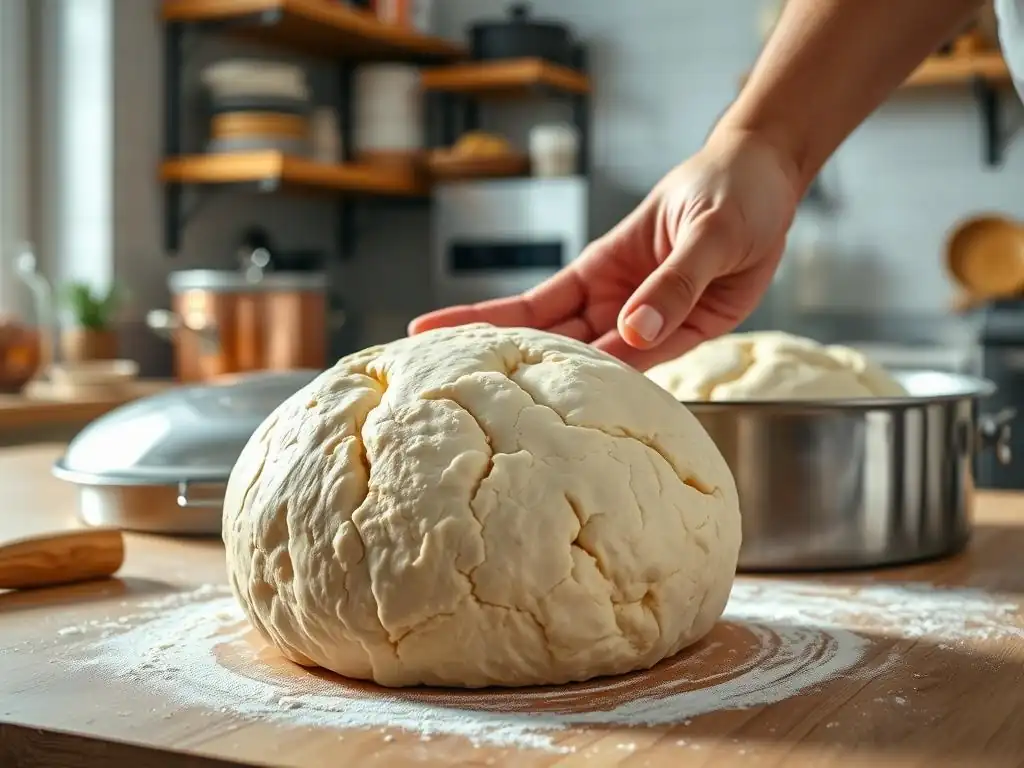
The primary reason many bakers adopt cold fermentation for their pizza dough is the superior flavor it produces. The extended fermentation time at low temperatures allows for the slow production of various organic acids, alcohols, and esters – compounds that contribute significantly to the dough's aroma and taste. Unlike the sometimes one-dimensional flavor of quickly fermented dough, cold fermented dough develops nutty, sweet, and subtly tangy notes.
For example, a dough cold-fermented for 48 hours at 38°F (3.3°C) will typically exhibit a far more complex and pleasing aroma when baked than a dough fermented at room temperature for just 2 hours. This depth of flavor is not achievable with rapid fermentation and is a key characteristic of high-quality pizza crusts found in renowned pizzerias.
Improved Texture and Digestibility
Cold fermentation significantly impacts the texture of the baked pizza crust. The slow gluten development creates a dough that can trap gases more effectively, leading to a lighter, airier crumb structure in the crust's edge (the cornicione). When baked in a hot oven, this structure expands beautifully, resulting in a crust that is both crispy on the outside and wonderfully tender and chewy on the inside.
While not as pronounced as with sourdough, the longer fermentation can also slightly improve digestibility for some individuals. The enzymatic breakdown of starches and proteins during the cold rest can make these components easier for the body to process. Anecdotal evidence suggests that some people who experience mild digestive discomfort with quickly made bread or pizza dough find cold fermented versions more agreeable.
Convenience and Make-Ahead Planning
Beyond the quality improvements, cold fermentation offers significant practical advantages for the home baker. It allows you to prepare your pizza dough 1 to 3 days (or even up to 5 days for some recipes) in advance, storing it in the refrigerator. This flexibility means you can fit dough making into your schedule when you have time and have perfectly proofed dough ready to go for pizza night without last-minute rushing.
This make-ahead capability is particularly useful for entertaining or busy weeknights. Instead of starting the dough process just hours before dinner, you can simply pull the dough from the fridge, let it come to temperature, and proceed directly to shaping and baking. This level of convenience makes homemade pizza a much more feasible and less stressful option.
Beautiful Crust and Crumb Structure
The structural integrity and development achieved during cold fermentation directly translate into a more aesthetically pleasing and texturally satisfying crust. The robust gluten network allows the dough to achieve significant oven spring, creating that desirable puffed-up edge with beautiful blisters and charring when baked at high heat.
The crumb structure within the crust will be more open and irregular, showcasing varying sizes of air pockets, rather than a uniform, dense texture. This open structure contributes to the lightness and chewiness. Achieving this kind of professional-looking crust at home is a major reward of using the cold fermentation pizza dough technique.
Cold Fermented vs. Room Temperature Pizza Dough: A Comparison
Flavor Profiles: The Enhanced Cold Fermented Taste
The most striking difference between cold fermented pizza dough and dough fermented solely at room temperature lies in their flavor. Room temperature fermentation, often completed in 2-4 hours, primarily yields flavors associated with rapid yeast activity – mainly ethanol and simple fermentation byproducts. This can sometimes result in a slightly "yeasty" or less complex taste.
Cold fermentation, extending over 24-72 hours, allows for a slower, more complex biochemical process. Enzymes break down starches into a wider range of sugars, and yeast produces more diverse volatile organic compounds. This results in flavors that are deeper, often described as more "mature," with subtle sweet, nutty, and sometimes faintly acidic notes, creating a far richer taste experience in the final crust.
Texture and Handling: Key Differences
Texture is another area where cold fermentation shines. Dough fermented quickly at room temperature can sometimes be less extensible and more prone to tearing when shaping thin pizzas. The gluten network develops, but the rapid gas production can make it feel tighter.
Cold fermented dough, benefiting from slower gluten development and enzymatic action over time, is typically more relaxed, elastic, and easier to handle. It stretches more smoothly and evenly, allowing for thinner crusts without excessive effort. The resulting baked crust is usually lighter, airier, and has a better balance of crispness and chewiness compared to its quickly fermented counterpart.
Baking Process: Time and Technique
The baking process itself is similar once the dough is ready, but the preparation leading up to it differs. Room temperature dough is typically mixed, proofed for a few hours, and then baked relatively quickly. This requires timing your dough preparation precisely with when you plan to bake.
Cold fermented dough requires planning ahead, as it needs that extended time in the refrigerator (minimum 24 hours). However, it offers flexibility; you can bake it anytime within its optimal fermentation window (e.g., 24-72 hours). A crucial step for cold fermented dough is allowing it to come to room temperature for 1-2 hours before shaping and baking, which relaxes the gluten and allows for better handling and oven spring.
How to Cold Ferment Pizza Dough: A Step-by-Step Guide
Ingredients for Cold Fermented Pizza Dough
A great cold fermented pizza dough starts with simple, quality ingredients. You'll need:
- Flour: Bread flour or '00' pizza flour is ideal due to their higher protein content (typically 12-14%), which facilitates strong gluten development. All-purpose flour (around 10-12% protein) can work but may result in a less chewy crust.
- Water: Hydration levels for pizza dough usually range from 60% to 70% of the flour weight. Colder water is often preferred when mixing dough for cold fermentation, as it helps control the initial temperature.
- Yeast: Instant dry yeast or active dry yeast can be used. The amount will be significantly less than for a quick room temperature dough – often as little as 0.2% to 0.5% of the flour weight for a 24-48 hour cold ferment. For example, for 500g of flour, you might use just 1-2.5g of yeast.
- Salt: Crucial for flavor and controlling yeast activity. Typically used at 1.5% to 2.5% of the flour weight.
Preparing Your Yeast for Cold Fermentation
The method for preparing your yeast depends on the type. If using instant dry yeast, it can often be mixed directly into the flour. Active dry yeast usually requires blooming first in a small amount of warm water (around 105°F-115°F or 40°C-46°C) for 5-10 minutes until foamy, confirming it's active.
Because you are using a very small amount of yeast for a long, cold ferment, ensuring its viability is important. While some recipes add yeast directly to cold water, blooming active dry yeast is a good practice to guarantee it's ready to work slowly in the cold environment. The precise amount of yeast is critical and depends on the desired fermentation time and your refrigerator's temperature – less yeast for longer, colder ferments, more for shorter or slightly warmer ones.
Mixing the Dough: Hydration and Initial Kneading
Combine your measured flour and salt in a bowl. In a separate container, mix the water (and bloomed yeast if using active dry). Gradually add the liquid to the dry ingredients, mixing with a spoon or your hands until a shaggy dough forms.
Turn the dough out onto a lightly floured surface and knead. Kneading develops the gluten network. You can knead by hand for 8-10 minutes until the dough is relatively smooth and elastic, or use a stand mixer with a dough hook for 5-7 minutes on low speed. The dough should pass the "windowpane test" – a small piece should stretch thin enough to see light through it without tearing. For high hydration doughs, 'stretch and fold' techniques over an hour or two can replace intensive kneading.
Bulk Fermentation: The Cold Rest
After kneading, the dough needs a brief initial rest at room temperature, sometimes called a 'bench rest' or short bulk ferment, usually 30-60 minutes. This allows the gluten to relax before the cold fermentation begins.
Then, divide the dough into individual pizza ball portions if desired, or place the entire mass into a lightly oiled airtight container or bowl. Ensure the container is large enough to allow the dough to expand significantly (it might double or more in volume). Place the sealed container in the refrigerator (35°F-40°F) for the cold fermentation period, typically 24 to 72 hours. During this time, the dough will slowly ferment, developing flavor and structure.
Shaping the Dough: Preparing for Pizza
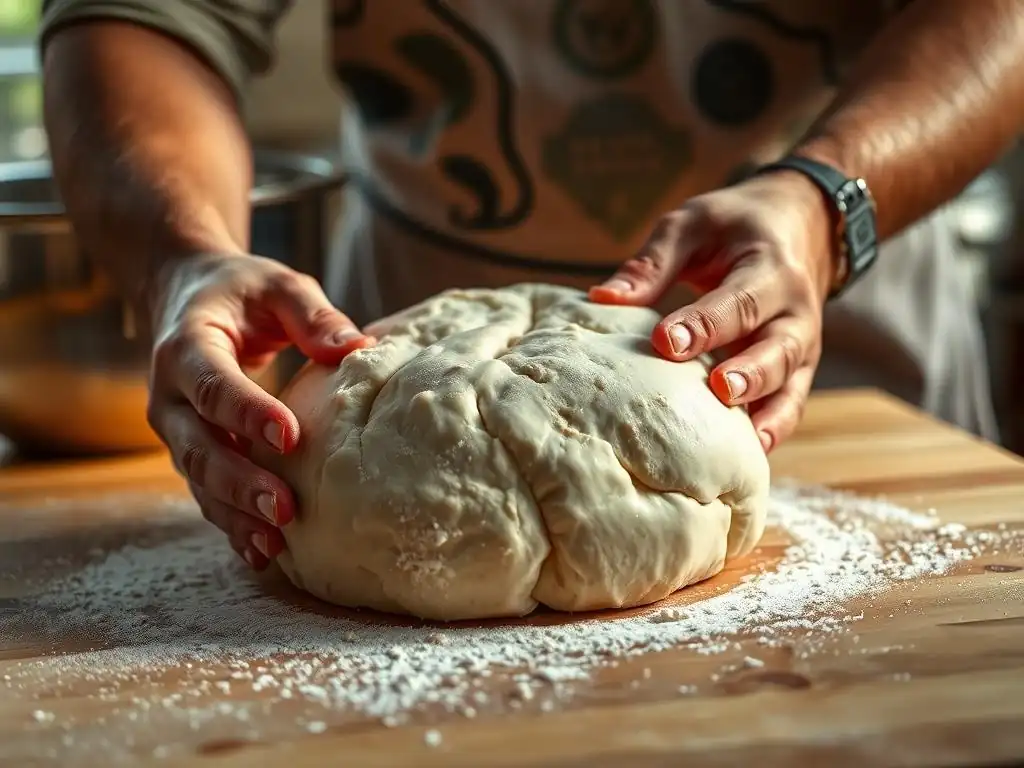
When you're ready to bake, remove the dough balls from the refrigerator. This is a crucial step for cold fermented pizza dough. Cold dough is stiff and difficult to stretch.
Place the dough balls on a lightly floured surface, cover them loosely with plastic wrap or a damp towel, and let them rest at room temperature for 1-2 hours. This allows the dough to relax, the gluten to become pliable, and the dough temperature to rise, which aids in shaping and oven spring. You'll notice the dough becomes softer and easier to handle as it warms up.
Bringing Dough to Temperature Before Baking
As mentioned, bringing the dough to temperature is non-negotiable for cold fermented dough. Trying to shape dough straight from the fridge will be frustrating; it will resist stretching and likely tear.
The ideal temperature for shaping is usually around 65°F-70°F (18°C-21°C). The time needed depends on the ambient temperature of your kitchen. A 1.5-2 hour rest is a good starting point. Gently shape the dough by hand on a floured surface, working from the center outwards to push air to the rim. Avoid using a rolling pin, which can deflate the airy structure developed during fermentation.
Baking the Pizza: Achieving the Perfect Crust
Baking cold fermented pizza dough requires high heat to achieve that desirable crispy exterior and airy interior. Preheat your oven as high as it will go, ideally 500°F-550°F (260°C-290°C). Using a pizza stone or steel is highly recommended, preheating it in the oven for at least 45-60 minutes to ensure it's scorching hot.
Carefully transfer your topped pizza onto the preheated stone or steel using a pizza peel. Bake for 6-10 minutes, depending on your oven and desired level of charring. The high temperature causes rapid oven spring, creating a beautiful, puffy crust, and the long cold fermentation ensures it has the structure and flavor to shine. Rotate the pizza halfway through if necessary for even cooking.
Troubleshooting Common Cold Fermented Pizza Dough Issues
Dough Isn't Rising/Activating Enough in the Cold
If your cold fermented pizza dough shows minimal or no activity in the fridge after 24 hours, several factors could be at play. The most common issue is insufficient yeast activity. This could be due to using too little yeast relative to the fermentation time and temperature, using inactive or expired yeast (especially if you didn't bloom active dry yeast), or the refrigerator temperature being too low (below 35°F can significantly slow or halt yeast).
Ensure your yeast is fresh and measure accurately, perhaps slightly increasing the amount for shorter cold ferments (e.g., 24 hours). Verify your refrigerator temperature. If the dough is very cold, you can try letting it warm up slightly at room temperature for an hour before placing it back in the fridge to kickstart activity, though this can alter the flavor profile slightly.
Dough is Too Sticky or Stiff After Cold Fermentation
Dough consistency issues after cold fermentation are often related to hydration levels and flour type. If the dough is excessively sticky and hard to handle even after warming up, the hydration might be too high for the flour used or your comfort level. Different flours absorb water differently; a '00' flour might handle higher hydration than an all-purpose.
Conversely, if the dough is too stiff and resistant to stretching, even after resting at room temperature, it could be under-hydrated, or the cold fermentation time might have been too long for the amount of yeast used, leading to excessive gluten tightening. Ensure accurate measurements and consider adjusting water levels slightly in future batches. A brief, gentle re-knead (5-10 seconds) after warming can sometimes help stiff dough.
Achieving the Right Texture and Crust
Problems with baked texture, such as a dense crumb or a pale, soft crust, often stem from issues related to gluten development, fermentation, or baking temperature. A dense crumb might indicate insufficient gluten development during mixing/kneading or inadequate fermentation time in the cold to build structure.
A pale or soft crust is almost always a baking temperature issue. Pizza dough needs very high heat to achieve a crispy exterior and good oven spring. If your oven isn't hot enough (below 500°F), or if you're not using a preheated pizza stone/steel, the crust won't cook properly or develop the desired texture and color. Ensure your oven is fully preheated with the stone/steel for at least an hour.
Oven Temperature and Baking Time Issues
Incorrect oven temperature and baking time are frequent culprits for less-than-perfect pizza. Baking at too low a temperature results in a longer cooking time, which dries out the crust and prevents the quick, explosive oven spring needed for an airy edge. This can lead to a tough, pale crust.
Baking at too high a temperature or for too long can lead to a burnt crust while the toppings might not be fully cooked or the cheese is scorched. Using an oven thermometer is highly recommended to verify your oven's true temperature, as they are often inaccurate. For high-temperature pizza baking (500°F+), baking time is typically short, ranging from 6 to 10 minutes. Watch the pizza carefully, especially the crust edge, as it bakes to gauge doneness.
Tips and Tricks for Perfect Cold Fermented Pizza Dough
Using Different Types of Flour for Pizza Dough
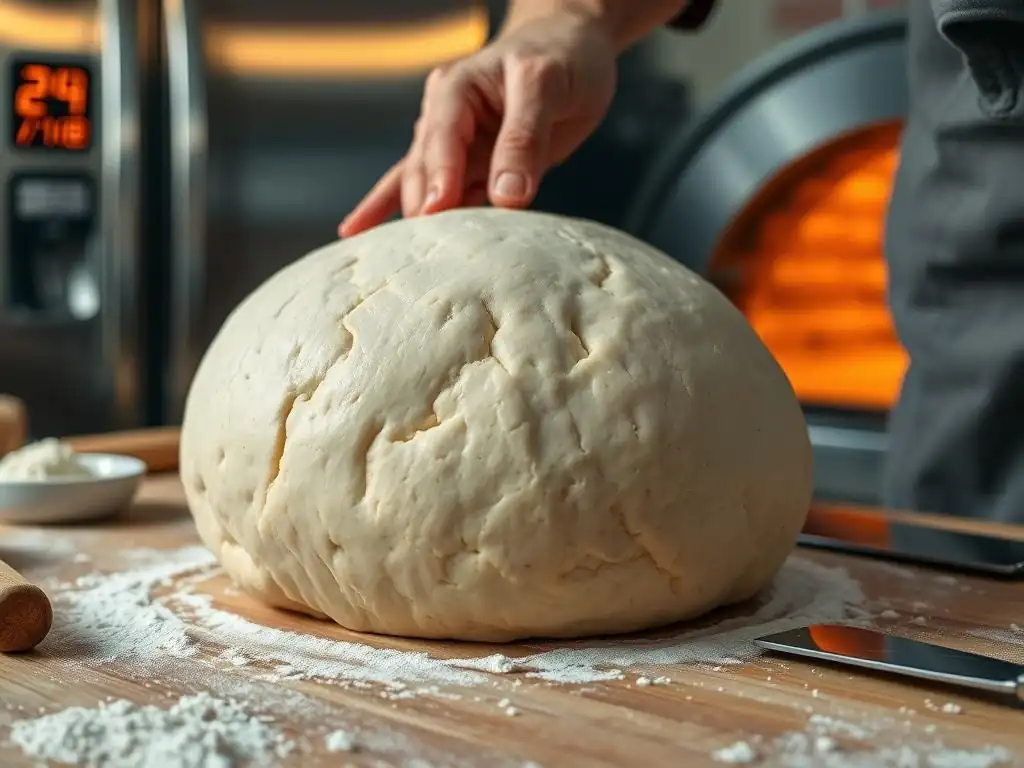
Experimenting with different flours can significantly alter the texture and flavor of your cold fermented pizza dough. '00' flour, finely milled Italian flour, is traditional for Neapolitan-style pizza and yields a very soft, tender crust with good chewiness. Bread flour provides a chewier, slightly more robust crust due to its higher protein content (typically 12-14% vs. 10-12% for '00').
Mixing flours is also an option. For example, combining '00' flour with a small percentage of whole wheat flour (5-10%) can add subtle nutty notes and increase the fiber content without drastically changing the dough's handling properties. Be aware that different flours absorb water differently, so you may need to adjust hydration levels when substituting.
Controlling Cold Fermentation Temperature
Precise temperature control is vital for successful cold fermentation pizza dough. The ideal range is typically 35°F to 40°F (1.7°C to 4.4°C). Temperatures significantly below this can halt fermentation, while temperatures above 40°F will speed it up, potentially leading to over-fermentation if left for too long.
An appliance thermometer placed in your refrigerator can help you monitor the actual temperature. If your fridge runs too cold, find a slightly warmer spot (often near the door). If it's too warm, you might need to use slightly less yeast or shorten the fermentation time. Consistent temperature ensures predictable fermentation rates and optimal flavor development over the intended period.
Understanding Hydration and Dough Consistency
Hydration, the ratio of water to flour by weight, is a key factor in pizza dough. Higher hydration doughs (65%+) are typically stickier and harder to handle initially but can result in a lighter, airier crust with a more open crumb structure. Lower hydration doughs (60-63%) are easier to knead and shape but might yield a denser crust.
For cold fermentation pizza dough, many recipes fall in the 62% to 68% hydration range. Understanding baker's percentage (where flour is always 100%) helps you calculate and adjust hydration precisely. Start with a hydration level recommended for your chosen flour type and adjust in subsequent batches based on how the dough feels and the results you get. A slightly higher hydration often works well with the extended cold rest as the flour has more time to fully absorb the water.
Storing and Using Cold Fermented Dough
Proper storage during cold fermentation is essential. Use individual airtight containers or bags for each dough ball to prevent them from drying out and to control their rise. Lightly oiling the container prevents sticking. Ensure the container is large enough to accommodate at least doubling in size.
Cold fermented pizza dough is best used within its optimal fermentation window, typically 24 to 72 hours for standard recipes. While it might be usable for longer (up to 5-7 days depending on conditions), flavor development might plateau, and the dough could become overly acidic or lose structure. If you won't use the dough within this window, you can freeze it after the cold fermentation period. Thaw it overnight in the fridge and then bring it to room temperature before using.
Pizza Variations: Exploring Different Approaches
Different Pizza Styles and Dough Handling
The characteristics of cold fermented pizza dough make it versatile for various pizza styles, although it's particularly well-suited for Neapolitan or New York style pizzas which benefit from high heat and an airy, chewy crust. For these styles, gentle hand-stretching is preferred to preserve the delicate crumb structure developed during cold fermentation.
For Roman-style pizza al taglio (pizza by the slice), which often uses a very high hydration dough baked in a pan, cold fermentation is also widely used. The long, slow ferment helps develop flavor and makes the wet dough easier to handle and spread. For thin-crust pizzas, cold fermentation still improves flavor, but the dough might be rolled thinner, resulting in a crispier texture with less focus on an airy rim.
Adding Flavor to Your Pizza Dough
While cold fermentation inherently adds complex flavor, you can further enhance your pizza dough with inclusions. A small amount of high-quality olive oil (1-2% of flour weight) can improve dough extensibility and add subtle flavor. A pinch of sugar (less than 1%) can provide yeast with a quick energy source initially, though it's less critical with long cold ferments.
For more distinct flavors, consider adding dried herbs like oregano or basil to the dough during mixing (e.g., 0.5-1% of flour weight). Roasted garlic or a small amount of finely grated cheese can also be incorporated. These additions should be made during the initial mixing phase to ensure even distribution throughout the cold fermented pizza dough.
Using Cold Fermented Dough Scraps
Unlike sourdough discard, which is a starter byproduct, cold fermented pizza dough scraps are simply unused dough. While you can technically reroll and re-ferment scraps, the quality will typically be inferior to the original dough. Rerolling damages the gluten structure and deflates the airy pockets.
A better use for cold fermented pizza dough scraps is to bake them into simple breadsticks or small flatbreads immediately. Stretch or roll the scraps gently, brush with olive oil, sprinkle with salt and herbs, and bake alongside your pizza or separately. This minimizes waste and still allows you to enjoy the flavor developed by the cold fermentation pizza dough process.
Conclusion: Embrace the Art of Cold Fermented Pizza
BakeWithEase's Commitment to Quality Homemade Pizza
At BakeWithEase, we are passionate about empowering home bakers to create exceptional food, and homemade pizza is a cornerstone of that. We believe that understanding techniques like cold fermentation pizza dough is key to elevating your baking skills and achieving results that rival your favorite pizzerias. Our guides are crafted to provide clear, reliable information rooted in the science of baking, making complex processes understandable and achievable for everyone.
Our resources aim to take the guesswork out of cold fermentation pizza dough, providing you with the knowledge and confidence to experiment and find what works best in your own kitchen. We are committed to helping you unlock the secrets to incredible crusts, whether you're just starting out or looking to refine your technique.
Resources for Further Pizza Dough Learning
To continue your journey with cold fermentation pizza dough and other homemade pizza techniques, BakeWithEase offers a wealth of resources. Explore our collection of pizza dough recipes, including variations for different flours and hydration levels. Dive deeper into the science of fermentation with our articles on yeast activity and gluten development.
We also provide troubleshooting guides specifically for pizza dough issues and tips for mastering high-temperature baking at home. Learning the nuances of cold fermentation pizza dough opens up a world of possibilities for incredible flavor and texture. Keep experimenting, keep learning, and most importantly, keep baking delicious pizza!
Frequently Asked Questions
What exactly is cold fermentation pizza dough?
Cold fermentation is a process where pizza dough is allowed to rise slowly in the refrigerator for an extended period, typically 24-72 hours. This slow fermentation develops more complex flavors and a better texture in the final crust.
Why should I bother with cold fermentation instead of a quick rise?
While a quick rise is convenient, cold fermentation allows for enzyme activity to break down starches and proteins, resulting in a dough that's easier to digest and has a more nuanced, delicious flavor.
How long should I cold ferment my pizza dough for optimal results?
Generally, a cold fermentation of 24 to 72 hours is recommended. Experiment to find what works best for your taste, but don't exceed 72 hours as the dough can become over-fermented.
Does cold fermentation affect the way I handle the dough before baking?
Yes, cold fermented dough is often more extensible and easier to stretch. Allow the dough to come to room temperature for about 30-60 minutes before shaping and baking for best results.
Can I use any pizza dough recipe for cold fermentation?
While most pizza dough recipes can be adapted, you may need to reduce the amount of yeast to account for the longer fermentation time. Look for recipes specifically designed for cold fermentation for guaranteed success.
Final Reflection: The Transformative Power of Patience in Pizza Making
The slow rise of cold fermentation isn't just a culinary trend; it's a revelation in flavor and texture that's revolutionizing how we approach pizza dough. The benefits – enhanced digestibility, deeper flavor development, and a superior crust – are undeniable, and increasingly, home bakers and professional pizzerias alike are embracing this transformative technique.
The journey of cold fermentation mirrors life itself; it's a testament to the power of patience and the rewards of allowing time to work its magic. The subtle changes in the dough, the gradual unfolding of complex flavors, are a beautiful metaphor for growth and transformation. The best things in life are worth waiting for,
a sentiment perfectly encapsulated in the slow, deliberate process of cold fermentation. This isn't just about making better pizza; it's about appreciating the artistry and intentionality behind the process, a mindfulness that extends beyond the kitchen.
Now, consider your own approach to baking, to cooking, to life itself. Are you willing to embrace the slower pace, to allow for the necessary time for things to develop and mature? Try cold fermenting your next pizza dough. Experience the difference firsthand. Let the process teach you patience, and savor the incredible results. The journey, as much as the destination, is worth the effort. You might just discover a new appreciation for the art of slow cooking, and perhaps, even a deeper understanding of yourself.
Unleash Your Inner Pizzaiolo: Craft the Perfect Dough!
Thanks for taking the time to explore the wonders of cold fermentation! You've now unlocked the secret to a lighter, tastier pizza crust. Ready to put your newfound knowledge into action?
- Bake your dream pizza: Try the cold fermentation method described in the article and experience the difference firsthand. Take notes on what works best for you, and don't hesitate to experiment!
- Share your pizza journey: Snap a photo of your masterpiece and share it on social media using #BakeWithEaseColdFerment – we'd love to see your creations!
- Dive deeper into sourdough: Consider exploring our other articles on sourdough starters and techniques for even more flavour and texture in your baking.
What unique ingredient will you add to your next cold-fermented pizza creation? Let's hear your ideas in the comments below!