
Overnight Pizza Dough: Develop Flavor and Texture While You Sleep

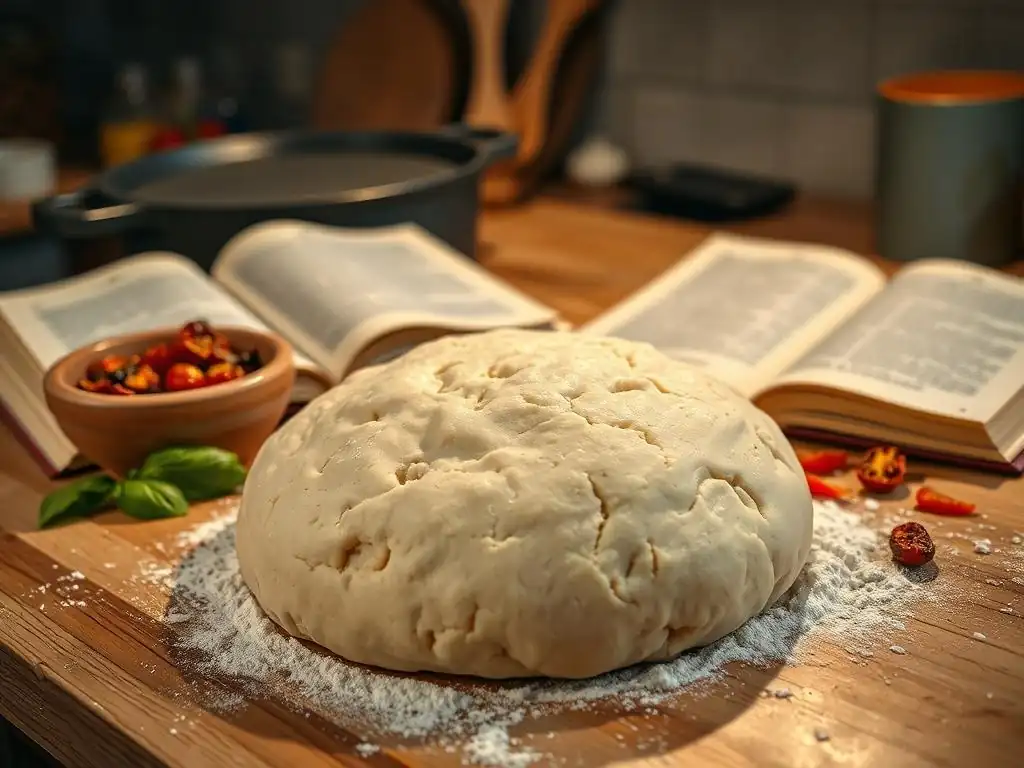
Welcome to BakeWithEase, your trusted companion in the delightful world of baking! Ever dreamt of waking up to the irresistible aroma of homemade pizza, ready to be topped and baked to perfection? Our latest guide unveils the secrets to a truly exceptional Overnight Pizza Dough Recipe – a method that unlocks incredible flavor and texture while you sleep. Prepare to elevate your pizza nights and discover the magic of slow fermentation. Curious to learn how? Let's get started!
- Overnight Pizza Dough: Develop Flavor and Texture While You Sleep - Serious About Pizza
- Introduction to Overnight Pizza Dough: Elevate Your Homemade Pizza
- Understanding the Science Behind Overnight Pizza Dough
- The Perfect Overnight Pizza Dough Recipe: Step-by-Step
- Tips and Tricks for the Best Overnight Pizza Dough
- Variations on the Classic Overnight Pizza Dough Recipe
- Using Your Overnight Pizza Dough: Pizza Ideas and Inspiration
- Storing Your Pizza Dough for Later Use
-
Frequently Asked Questions
- What makes an overnight pizza dough recipe better than a same-day recipe?
- Can I use all-purpose flour for the Overnight Pizza Dough recipe, or do I need bread flour?
- How long can I actually let the dough ferment in the refrigerator?
- What should I do if my overnight pizza dough doesn't rise much in the fridge?
- Can I freeze the overnight pizza dough after it has risen?
- Final Reflection: The Sleeping Giant of Flavor: Unleashing the Potential of Overnight Pizza Dough
- Unleash Your Inner Pizzaiolo: Craft the Perfect Dough Tonight!
Overnight Pizza Dough: Develop Flavor and Texture While You Sleep - Serious About Pizza
Introduction to Overnight Pizza Dough: Elevate Your Homemade Pizza
Why Choose an Overnight Fermentation for Pizza Dough?
Opting for an overnight fermentation for your overnight pizza dough recipe isn't just a time-saver; it's a fundamental technique for unlocking deeper flavors and achieving superior texture in your crust. This slow, cold fermentation process allows enzymes in the flour time to break down complex carbohydrates into simpler sugars.
These sugars become readily available food for the yeast, resulting in a more complex flavor profile – think subtle nutty or even slightly sweet notes that you don't get from a quick rise. Furthermore, the slow fermentation helps develop gluten more gently and evenly, contributing to a dough that is easier to handle, stretch thin without tearing, and bakes up with a beautiful, airy crumb and a crispy exterior.
Beyond flavor, the texture benefits are significant. A quick 1-2 hour rise at room temperature often results in a dough that is dense and lacks structure. In contrast, an overnight rise, typically 12 to 24 hours in the refrigerator, allows the dough to develop strength and elasticity.
The slow production of carbon dioxide bubbles during this extended period creates a network within the dough that holds its shape during baking, leading to those coveted airy pockets and a lighter crust. This method is favored by many professional pizzerias because it consistently delivers a crust that is both structurally sound for handling toppings and delightfully satisfying to eat, making your homemade pizza truly stand out.
Serious About Pizza Presents: The Ultimate Overnight Pizza Dough Recipe
Welcome to our guide for crafting the ultimate overnight pizza dough recipe. We believe that great pizza starts with great dough, and this method is designed to give you consistently excellent results with minimal hands-on time on baking day. This specific overnight pizza dough recipe focuses on balancing hydration, yeast activity, and fermentation time to achieve that perfect balance of flavor and texture. We'll walk you through the precise ingredients and steps needed, from the initial mix to the glorious moment your perfectly proofed dough hits the hot oven.
Our goal with this overnight pizza dough recipe is to demystify the process and make achieving bakery-quality pizza at home accessible. We've refined the ratios and timing to suit a standard home refrigerator temperature (around 38-40°F or 3-4°C), ensuring reliable fermentation. By following our step-by-step instructions, you'll learn how simple it is to prepare the dough the day before, let time and temperature work their magic, and be ready to bake incredible pizzas whenever the craving strikes. Get ready to transform your pizza nights!
Understanding the Science Behind Overnight Pizza Dough
The Role of Slow Fermentation in Pizza Dough Development
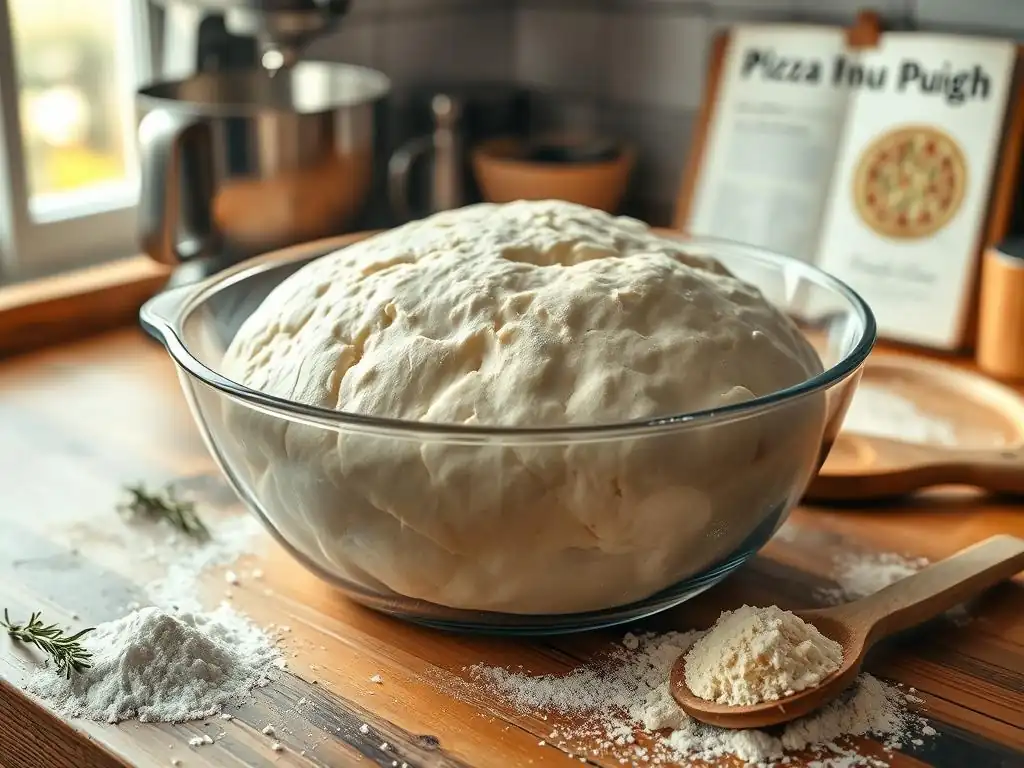
Slow fermentation, particularly the cold fermentation used in an overnight pizza dough recipe, is a game-changer for dough quality. When dough ferments slowly at low temperatures, yeast activity is significantly reduced compared to room temperature proofing. This slower pace allows two crucial processes to occur more effectively: enzymatic activity and flavor development.
Enzymes in the flour, like amylase, have more time to break down complex starches into simpler sugars. These simple sugars are not only the primary food source for the yeast but also contribute directly to the crust's browning (Maillard reaction and caramelization) during baking, resulting in a richer color and more appealing aroma.
Furthermore, the extended fermentation time allows for the production of various organic acids and volatile compounds by the yeast and other microorganisms present (even in commercial yeast, there are trace elements that contribute). These compounds are responsible for the complex, nuanced flavors and aromas that characterize artisanal bread and pizza crusts.
While a quick rise might produce enough carbon dioxide for leavening, it doesn't allow sufficient time for these flavor-building chemical reactions to occur. The result of slow fermentation is a dough with a more developed flavor profile, a better structure, and enhanced digestibility compared to dough rushed through a quick rise.
Gluten Development and Flavor Enhancement During Overnight Proofing
Gluten development is a key benefit of the overnight proofing process for your overnight pizza dough recipe. Gluten, formed by the proteins gliadin and glutenin when flour is hydrated and mixed, provides the dough's structure and elasticity. During the initial mixing and kneading, gluten strands begin to form.
However, during the long, slow fermentation period in the refrigerator, these gluten networks continue to relax and strengthen themselves without the need for intense manual kneading. This autolysis-like effect allows the gluten to become more extensible and pliable, making the dough easier to stretch thinly without resistance or tearing when you're ready to shape your pizza.
Simultaneously, as mentioned earlier, the slow breakdown of starches into sugars and the production of organic acids by yeast and bacteria (even non-sourdough doughs benefit from this) significantly enhance the flavor. Lactic and acetic acids, for example, contribute subtle tanginess and complexity.
These flavor compounds are not just present within the dough; they become more concentrated and integrated over the extended fermentation time. The combination of well-developed gluten structure and complex flavor compounds created during the overnight rise results in a pizza crust that is not only light and airy but also deeply flavorful, providing a perfect foundation for your toppings.
Yeast Activity and its Impact on Overnight Pizza Dough
Yeast activity is carefully managed in an overnight pizza dough recipe by controlling the temperature. Yeast are living microorganisms that consume sugars and produce carbon dioxide gas (which leavens the dough) and alcohol (which contributes to flavor). At room temperature (around 70-75°F or 21-24°C), yeast is highly active, producing gas rapidly, leading to a quick rise, often within 1-2 hours. While this achieves leavening, it doesn't allow sufficient time for complex flavor development or proper gluten relaxation.
When the dough is placed in the refrigerator (around 38-40°F or 3-4°C), yeast activity slows down dramatically. It doesn't stop completely, but the rate of fermentation becomes much, much slower. This controlled, slow activity is exactly what we want.
The yeast continues to produce gas and flavor compounds over many hours (12-24+), but at a gentle pace that allows the gluten structure to keep up and develop strength without collapsing. This slow fermentation ensures that by the time you take the dough out of the fridge, it is perfectly proofed, full of flavor, and ready to be shaped into a magnificent pizza crust.
The Perfect Overnight Pizza Dough Recipe: Step-by-Step
Ingredients for Delicious Overnight Pizza Dough
Crafting a superb overnight pizza dough recipe begins with quality ingredients. You'll need just a few simple items:
- Flour: 500 grams (about 4 cups) of bread flour or '00' pizza flour. Bread flour provides good gluten development, while '00' flour is finely milled and traditional for Neapolitan style, offering a tender crumb with crisp exterior.
- Water: 325-350 grams (about 1.3 - 1.4 cups) of cool water. This gives us a hydration level of 65-70%, which is ideal for a manageable yet airy dough. Using cool water helps control the initial fermentation before refrigeration.
- Yeast: 1-2 grams (about 1/4 - 1/2 teaspoon) of active dry yeast or instant dry yeast. For a long, slow fermentation like this overnight pizza dough recipe, you need significantly less yeast than for a quick dough. Too much yeast will over-proof the dough in the fridge.
- Salt: 10 grams (about 1.5 teaspoons) of fine sea salt. Salt is crucial for flavor and also helps control yeast activity and strengthen the gluten network.
Using precise measurements, especially by weight for flour and water, is recommended for consistent results with this overnight pizza dough recipe. The small amount of yeast is key to the slow fermentation process, ensuring the dough doesn't over-rise in the refrigerator.
Detailed Instructions for Mixing Your Overnight Pizza Dough
Mixing the dough for this overnight pizza dough recipe is straightforward. In a large bowl, whisk together the flour and salt. In a separate container, whisk the cool water and the small amount of yeast until the yeast is mostly dissolved (if using active dry, let it sit for 5 minutes to bloom; instant can be added directly to the flour). Pour the water-yeast mixture into the bowl with the flour.
Using a sturdy spoon or a dough scraper, mix everything together until a shaggy dough forms and there are no dry pockets of flour. At this point, you can either turn the dough out onto a lightly floured surface for a few minutes of kneading, or simply cover the bowl and let it rest for 15-20 minutes (this rest, called autolyse, helps the flour absorb water and gluten start developing without work). After resting, knead the dough gently for about 5-7 minutes until it becomes smoother and more cohesive.
It doesn't need to be perfectly smooth at this stage, as the overnight fermentation will do most of the work. Place the dough back in the bowl, cover it tightly with plastic wrap or a lid, and immediately place it in the refrigerator. This completes the mixing phase for your overnight pizza dough recipe.
Proofing the Dough: The Overnight Rise for Maximum Flavor
The proofing phase is where the magic truly happens for this overnight pizza dough recipe. Once mixed and placed in the refrigerator, the dough will begin its slow, cold fermentation. The ideal temperature for this long proof is between 38°F and 40°F (3°C and 4°C).
At this temperature, the yeast activity is minimal, allowing for a slow rise and maximum flavor development over an extended period. You should plan for a minimum of 12 hours of refrigeration, but 18-24 hours is often considered optimal for the deepest flavor and best texture. Some experienced bakers even push it to 48 or 72 hours with minimal yeast, achieving incredible complexity.
During this long proof, the dough will slowly increase in volume, perhaps doubling or even tripling depending on the exact temperature and time. You will notice small bubbles forming on the surface, indicating yeast activity. The dough will also become noticeably smoother, more relaxed, and easier to work with. This slow fermentation process is far more effective at developing the complex flavors and desirable texture than a quick room-temperature rise. Patience during this stage is key to the success of your overnight pizza dough recipe.
Shaping and Baking Your Pizza: Achieving Pizza Perfection
After its long, slow fermentation in the refrigerator, your overnight pizza dough recipe is ready to be transformed into pizza. About 1-2 hours before you plan to bake, remove the dough from the refrigerator. Gently divide it into portions (typically 2-4 depending on desired pizza size) and shape each portion into a smooth ball.
Place the dough balls on a lightly floured surface, covered loosely with plastic wrap or a clean kitchen towel, to allow them to come to room temperature. This resting period is crucial; cold dough is difficult to stretch. It allows the gluten to relax and the dough to become pliable.
Preheat your oven to its highest temperature, ideally 500°F (260°C) or higher, with a pizza stone or steel inside, for at least 30-60 minutes. This ensures the stone/steel is screaming hot, which is essential for a crispy crust. Gently stretch or press out one dough ball from the center outwards, leaving a small edge for the crust. Avoid using a rolling pin, as this can deflate the precious air bubbles developed during the overnight rise.
Once shaped, quickly add your desired toppings. Carefully transfer the pizza to the preheated stone/steel using a pizza peel dusted with semolina or flour. Bake for 8-15 minutes, depending on your oven and desired crispness, until the crust is golden brown and the cheese is bubbly.
Tips and Tricks for the Best Overnight Pizza Dough
Mastering Dough Hydration for Optimal Texture
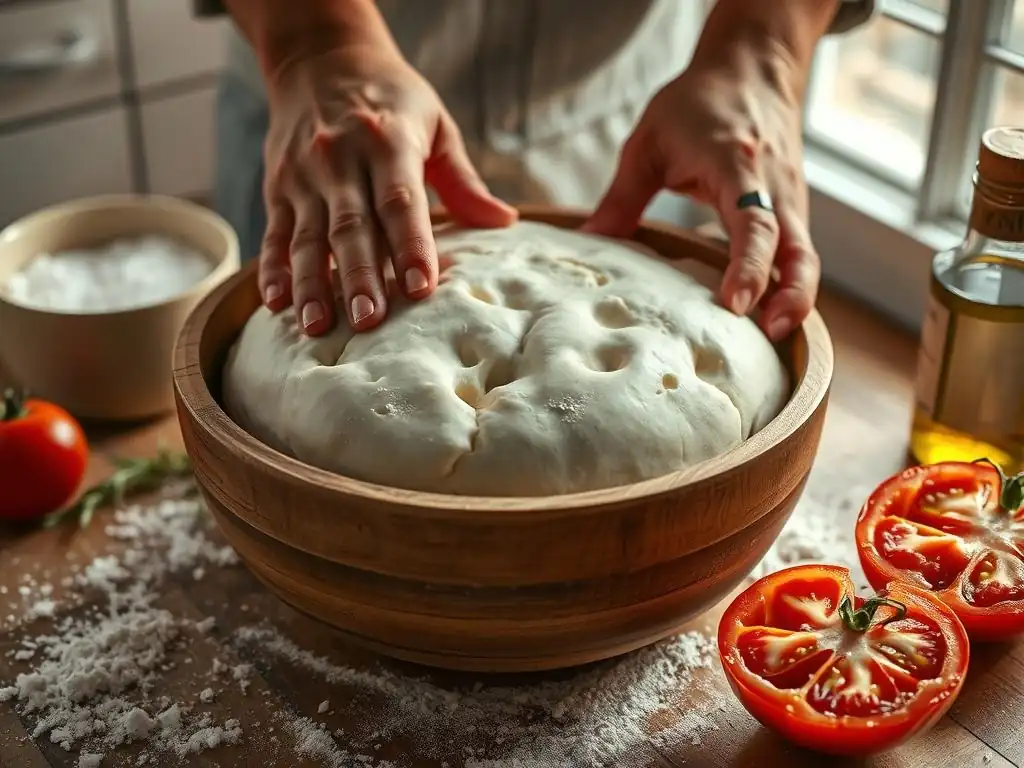
Mastering hydration is fundamental to achieving the perfect texture with your overnight pizza dough recipe. Hydration refers to the ratio of water to flour by weight, typically expressed as a percentage. Our suggested recipe uses a hydration of 65-70%. A higher hydration (more water) results in a wetter, stickier dough that can be challenging to handle, but it often produces a more open, airy crumb structure and a crispier crust. A lower hydration makes the dough easier to work with but can result in a denser crust.
Experimenting within the 65-70% range is recommended to find what works best for you and your flour. Factors like the type of flour used (some absorb more water than others) and even the humidity in your kitchen can affect how the dough feels. If your dough feels too stiff, add a tablespoon of water at a time during mixing.
If it's excessively sticky after the overnight rise, a little extra flour on your hands and work surface during shaping can help. Paying attention to how the dough feels and adjusting hydration slightly based on experience is key to perfecting your overnight pizza dough recipe.
Troubleshooting Common Pizza Dough Problems
Even with a great overnight pizza dough recipe, issues can arise. One common problem is dough that is too sticky after refrigeration. This might indicate slightly too high hydration for your flour or environment, or perhaps insufficient initial mixing/kneading. Adding a little extra flour during the shaping stage usually resolves this. Another issue is dough that doesn't rise enough overnight. This could be due to inactive yeast (check the expiration date), a refrigerator temperature that is too cold, or insufficient yeast amount. Ensure your yeast is fresh and your fridge is within the 38-40°F range.
Conversely, dough that has over-proofed in the fridge might smell strongly of alcohol, be very loose, and potentially collapse when handled. This usually means you used too much yeast for the fermentation time or the fridge was too warm. Next time, reduce the yeast slightly or ensure the fridge is colder.
If the dough is difficult to stretch after resting at room temperature, it might not have rested long enough, or the gluten is too tight. Give it another 15-20 minutes of rest, covered, before trying again. Persistence and minor adjustments are part of mastering your overnight pizza dough recipe.
Enhancing Flavor with Different Flour Types for Pizza Dough
The type of flour you choose significantly impacts the flavor and texture of your overnight pizza dough recipe. While all-purpose flour can work in a pinch, bread flour or '00' pizza flour are highly recommended. Bread flour, with its higher protein content (typically 12-14%), develops strong gluten, yielding a chewy crust with good structure. This is a reliable choice for many home bakers.
'00' flour, particularly Italian '00' flour designed for pizza (like Caputo or Antimo Caputo Pizzeria), is very finely milled and has a moderate to high protein content (often 11-12.5%). It produces a very smooth dough that stretches beautifully and bakes up with a tender, airy interior and a delicate, crisp exterior, characteristic of authentic Neapolitan pizza.
Exploring flours like whole wheat (use sparingly as a portion of the total flour, maybe 20-30%, as it can make the dough denser) or even speciality flours can add nutty or earthy notes to your overnight pizza dough recipe, offering endless possibilities for customization.
Adjusting the Recipe: Making More or Less Pizza Dough
Our base overnight pizza dough recipe uses 500g of flour, which typically yields 2-4 pizzas depending on size preference (e.g., two large 14-inch pizzas or four smaller 10-12 inch pizzas). To make more or less dough, you simply need to scale the recipe proportionally. If you want to double the recipe, double all the ingredients: 1000g flour, 650-700g water, 2-4g yeast, and 20g salt.
Using a kitchen scale makes scaling recipes incredibly easy and accurate, which is vital for consistent baking results. If you halve the recipe for a single pizza, use 250g flour, 162.5-175g water, 0.5-1g yeast, and 5g salt. Remember that the smaller the amount of dough, the faster it might ferment, so keep an eye on it, especially if using the minimum fermentation time. Adjusting the quantity of your overnight pizza dough recipe allows you to bake for just yourself or a crowd with confidence.
Variations on the Classic Overnight Pizza Dough Recipe
Adding Herbs and Spices to Your Pizza Dough
Infusing your overnight pizza dough recipe with herbs and spices is a simple way to add an extra layer of flavor directly into the crust. Dried herbs like oregano, basil, rosemary, or thyme work wonderfully. For a batch using 500g of flour, start by adding 1-2 teaspoons of dried herbs during the initial mixing phase. You can also include garlic powder (about 1/2 to 1 teaspoon) or a pinch of red pepper flakes for a bit of warmth.
Mix the herbs and spices directly into the dry flour before adding the water. This ensures they are evenly distributed throughout the dough. The flavors will meld and deepen during the long, slow overnight fermentation, resulting in a wonderfully aromatic crust that complements your toppings. Imagine an Italian herb-infused crust with simple mozzarella and tomato, or a rosemary and garlic crust paired with roasted vegetables. This simple modification to your base overnight pizza dough recipe can elevate your pizza game significantly.
Pizza Dough with Whole Wheat Flour
Incorporating whole wheat flour into your overnight pizza dough recipe adds a nutty flavor, denser texture, and increased nutritional value. However, whole wheat flour absorbs more water than white flour and its bran particles can interfere with gluten development, potentially resulting in a tougher or denser crust if used exclusively. A good starting point is to substitute 20-30% of the white flour with whole wheat flour. For a 500g batch, this means using 350-400g white flour and 100-150g whole wheat flour.
You might also need to slightly increase the hydration (add a little more water) as whole wheat flour is thirstier. Start with an extra 10-15g of water and adjust based on how the dough feels. The overnight fermentation is particularly beneficial for whole wheat doughs, as the long rest helps soften the bran and allows for better gluten development compared to a quick rise. The resulting crust will be heartier and more flavorful, a delicious variation on the standard overnight pizza dough recipe.
Sourdough Pizza Dough: A Tangy Twist
For those with a sourdough starter, adapting your overnight pizza dough recipe to use natural leavening offers a tangy flavor and unique texture. Instead of commercial yeast, you'll use a portion of active sourdough starter. A typical ratio for a slow, cold fermentation might involve using 100-150g of active sourdough starter (at 100% hydration) for 500g of flour. You'll also need to adjust the water and flour amounts from the original recipe to account for the starter's contribution.
For example, using 100g of starter (50g flour, 50g water) with 500g total flour and 325g total water: you'd add 450g flour and 275g water to the 100g starter and 10g salt. The mixing and cold fermentation process remains similar, though the fermentation time might vary depending on your starter's vigor and fridge temperature – it could take 24-48 hours or longer. The result is a wonderfully complex and slightly tangy crust that takes your overnight pizza dough recipe to an artisanal level.
Using Your Overnight Pizza Dough: Pizza Ideas and Inspiration

Classic Margherita Pizza
The classic Margherita is the perfect way to showcase the beautiful crust produced by your overnight pizza dough recipe. Its simplicity allows the quality of the dough, sauce, and cheese to shine. For a traditional Margherita, you'll need San Marzano tomatoes (crushed or passata), fresh mozzarella cheese (torn or sliced), fresh basil leaves, a drizzle of olive oil, and a pinch of salt.
After shaping your dough, spread a thin layer of tomato sauce over the base, leaving the crust edge bare. Distribute pieces of fresh mozzarella evenly over the sauce. Bake the pizza on your preheated stone/steel until the crust is golden and puffed and the cheese is melted and slightly bubbly. Immediately upon removing from the oven, scatter fresh basil leaves over the top and finish with a drizzle of good quality extra virgin olive oil. This minimalist approach truly highlights the complex flavors developed in your overnight pizza dough recipe.
Gourmet Pizza Toppings That Pair Perfectly with This Dough
The robust flavor and excellent texture of your overnight pizza dough recipe provide a sturdy and delicious base for a wide array of gourmet toppings. Consider combinations that offer interesting textures and flavors. For a savory option, try a base of garlic-infused olive oil (instead of tomato sauce), topped with thinly sliced potatoes, caramelized onions, fresh rosemary, and grated Gruyère or fontina cheese. Bake until the potatoes are tender and the cheese is melted and browned.
Another fantastic pairing is roasted mushrooms (such as cremini, shiitake, and oyster) with goat cheese and a balsamic glaze drizzle added after baking. Or, for a bit of spice, top with spicy Italian sausage, roasted red peppers, and provolone cheese. The structure of the dough developed through the overnight pizza dough recipe can handle heavier toppings without becoming soggy, making it versatile for all your creative pizza ideas.
Beyond Pizza: Creative Uses for Your Pizza Dough [Focaccia, Calzones]
Your versatile overnight pizza dough recipe isn't limited strictly to flat pizzas. It can be adapted for other delicious baked goods. One popular alternative is focaccia. Instead of stretching it thin, gently press the dough into a well-oiled baking pan (a 9x13 inch pan works well for a standard batch). Dimple the surface with your fingers, drizzle generously with olive oil, sprinkle with flaky sea salt and fresh rosemary sprigs, and let it proof at room temperature for 30-60 minutes before baking. The result is a light, airy bread perfect for dipping.
Another excellent use is making calzones. Simply place your desired fillings (cheese, meats, vegetables) on one half of the stretched dough circle, fold the other half over, and crimp the edges tightly to seal. Brush the top with olive oil or an egg wash and bake until golden brown. The rich flavor developed in the overnight pizza dough recipe translates beautifully into these other formats, offering more ways to enjoy your homemade dough.
Storing Your Pizza Dough for Later Use
How to Properly Store Pizza Dough in the Refrigerator
Proper storage is essential if you want to extend the life of your overnight pizza dough recipe beyond the initial 24 hours. After its primary overnight fermentation (12-24 hours), the dough can often remain in the refrigerator for an additional 1-2 days, sometimes longer depending on the amount of yeast used and fridge temperature. To store, ensure the dough is in an airtight container or tightly wrapped in plastic wrap within a bowl. This prevents a skin from forming on the surface and keeps it from drying out.
As the dough continues to ferment slowly in the fridge, it will develop more flavor, but it will also become more acidic. Monitor the dough; if it starts to smell strongly of alcohol or becomes excessively bubbly and begins to deflate, it's past its prime for optimal pizza. For best results within the extended refrigeration period, use the dough within 48-72 hours total from when it was first placed in the fridge. Remember to still let it come to room temperature for 1-2 hours before shaping.
Freezing Pizza Dough for Long-Term Storage
Freezing is a great option for storing your overnight pizza dough recipe for longer periods, up to 2-3 months. After the initial overnight fermentation in the refrigerator (at least 12-18 hours), divide the dough into individual portions and shape each into a tight ball. Lightly oil each dough ball and place them on a baking sheet lined with parchment paper, ensuring they don't touch. Place the baking sheet in the freezer until the dough balls are solid, which usually takes 2-3 hours.
Once frozen solid, transfer the dough balls to individual freezer-safe bags or wrap them tightly in plastic wrap followed by aluminum foil. Label with the date. Freezing the dough after it has already undergone its primary overnight fermentation helps lock in some of the flavor development. This method allows you to always have a ready-to-go portion of your delicious overnight pizza dough recipe whenever a pizza craving strikes.
Thawing and Preparing Frozen Pizza Dough
When you're ready to use your frozen overnight pizza dough recipe, planning ahead is necessary for proper thawing. The best method is to transfer the frozen dough ball from the freezer to the refrigerator and let it thaw slowly overnight (or for at least 8-12 hours). Slow thawing helps maintain the dough's structure and texture.
Once thawed in the refrigerator, remove the dough ball about 2-3 hours before you plan to bake and let it sit at room temperature, covered loosely, to become fully relaxed and pliable. If you're in a hurry, you can thaw the dough at room temperature for 2-4 hours, but keep a close eye on it to prevent over-proofing, especially in a warm kitchen. Ensure the dough is completely thawed and has relaxed before attempting to shape it. This careful thawing process ensures that even after freezing, your overnight pizza dough recipe still delivers a fantastic crust.
Frequently Asked Questions
What makes an overnight pizza dough recipe better than a same-day recipe?
Overnight fermentation allows for a longer, slower rise, which develops significantly more complex flavors and results in a superior crust texture.
Can I use all-purpose flour for the Overnight Pizza Dough recipe, or do I need bread flour?
While bread flour is recommended for a chewier texture due to its higher protein content, you can use all-purpose flour. Just be aware the dough might be slightly less chewy and require a little more attention during shaping.
How long can I actually let the dough ferment in the refrigerator?
Ideally, the dough should ferment for at least 12 hours, but it can happily sit in the refrigerator for up to 72 hours, allowing for even more flavor development.
What should I do if my overnight pizza dough doesn't rise much in the fridge?
Don't worry! The cold temperatures slow down the yeast. Remove the dough from the fridge and let it sit at room temperature for 1-2 hours before shaping to allow it to proof more actively.
Can I freeze the overnight pizza dough after it has risen?
Yes, you can! Divide the dough into individual portions, wrap them tightly in plastic wrap and then foil, and freeze for up to 3 months. Thaw in the refrigerator overnight before using.
Final Reflection: The Sleeping Giant of Flavor: Unleashing the Potential of Overnight Pizza Dough
The simplicity of overnight pizza dough belies its transformative power. This method isn't just a time-saver; it's a flavor enhancer, unlocking a depth and complexity in your pizza crust that's simply unattainable with conventional methods. The slow fermentation allows for a more digestible dough and a richer, more nuanced taste that elevates the entire pizza experience.
The impact of this simple technique extends beyond the individual pizza. It's a gateway to a more mindful approach to cooking, emphasizing patience and allowing the natural processes of fermentation to work their magic. The best things in life are worth waiting for,
and this couldn't be truer when it comes to the slow-fermented magic of overnight pizza dough. It's a testament to the power of letting time and nature collaborate to create something truly exceptional. This approach encourages a deeper connection with the food we create, fostering appreciation for the simple ingredients and the transformative power of time.
Now, consider your own kitchen. Imagine the possibilities: the aroma of slowly rising dough filling your home, the anticipation building as you prepare your toppings, and the ultimate satisfaction of biting into a pizza crust with unparalleled flavor and texture. Don't just bake a pizza; cultivate an experience. Try this recipe, embrace the process, and discover the joy of overnight pizza dough. Let the sleeping giant of flavor awaken in your kitchen.
Unleash Your Inner Pizzaiolo: Craft the Perfect Dough Tonight!
Thanks for taking the time to explore the magic of overnight pizza dough! You've just learned how to elevate your pizza game with incredible flavor and texture, all while you sleep. Now it's time to put your newfound knowledge into action.
- Bake your masterpiece tonight! Grab the ingredients, follow the recipe, and wake up to the most amazing pizza dough you've ever kneaded. This is your primary action – don’t miss it!
- Share your pizza-making journey! Snap a picture of your dough rising or your finished pizza and post it on social media – use #BakeWithEaseOvernightPizza to connect with our community!
- Experiment with toppings! What unique flavor combinations will you create with your perfectly risen dough? Let us know in the comments below.
What incredible topping combinations will you create with your amazing overnight pizza dough?