
From Sticky Mess to Perfect Dough: Fixing Common Mistakes

Welcome to BakeWithEase, your trusted guide to baking brilliance! Are you tired of battling a sticky dough that just won't cooperate? This article dives deep into sticky dough troubleshooting tips, revealing the secrets to achieving that perfect, workable consistency. Discover the common pitfalls and simple solutions that will transform your baking experience, leaving you with delectable results every time. Intrigued? Let's get started!
- BakeWithEase' Guide to Perfecting Your Pizza Dough: Sticky Dough Troubleshooting
- Understanding Why Your Pizza Dough is Too Sticky
- Sticky Dough Troubleshooting Tips: Your Solutions Guide
- Rescue Techniques: Salvaging Extremely Sticky Dough
- Preventing Sticky Dough in the Future: Best Practices
- Conclusion: Mastering Pizza Dough - No More Sticky Situations!
- Frequently Asked Questions
- Final Reflection: The Transformative Power of Troubleshooting
- Unleash Your Inner Baker: Perfect Pies Await!
BakeWithEase' Guide to Perfecting Your Pizza Dough: Sticky Dough Troubleshooting
Introduction: Achieving Pizza Dough Perfection
Creating delicious homemade pizza starts with a great dough. While it seems simple – just flour, water, yeast, and salt – the process can sometimes yield a frustratingly sticky mess instead of a supple, elastic ball. Many home bakers encounter this challenge, wondering why their dough refuses to cooperate, clinging to hands and surfaces alike. Don't despair! A sticky dough is a common hurdle, but it's one that can be easily overcome with the right knowledge and techniques.
This guide is designed to equip you with essential sticky dough troubleshooting tips. We'll explore the common reasons why your pizza dough might be too sticky and provide practical, step-by-step solutions to rescue it at different stages of the process. From mixing to kneading and even proofing, we'll cover how to manage and correct stickiness, helping you transform that clingy blob into a beautifully manageable dough ready for stretching into your perfect pizza base. Let's turn those sticky situations into baking triumphs!
Understanding Why Your Pizza Dough is Too Sticky
Identifying the Culprits Behind Sticky Dough
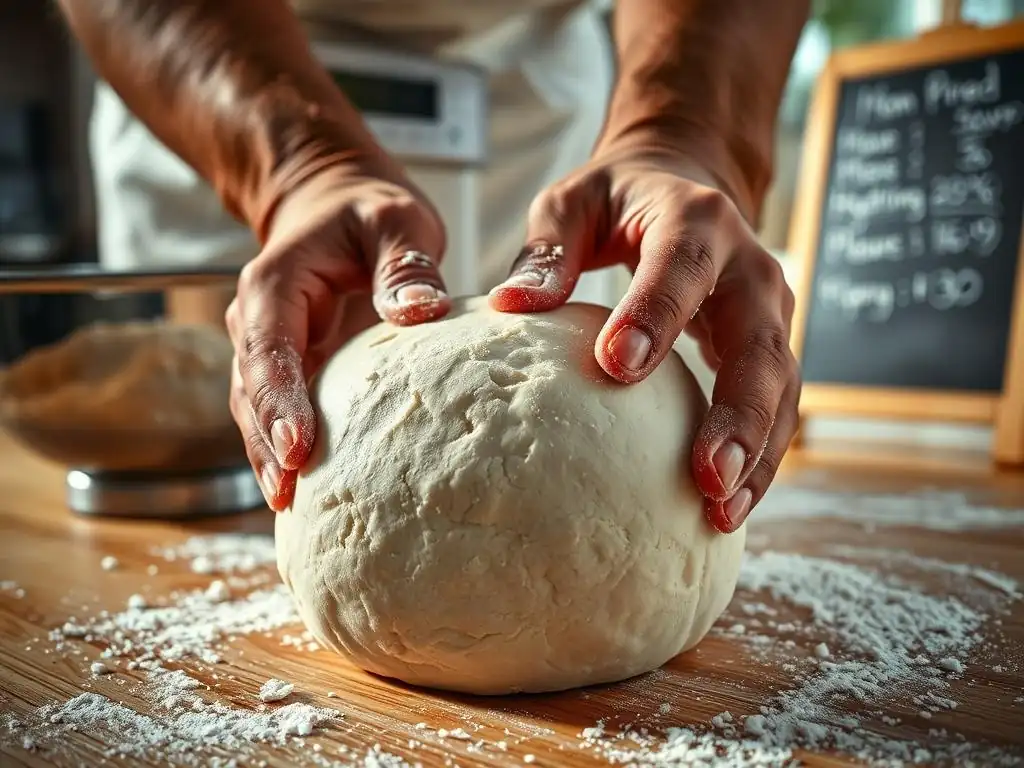
The primary reason pizza dough becomes excessively sticky usually boils down to an imbalance in the ingredients, particularly the ratio of flour to liquid. Dough hydration, which is the percentage of water relative to the flour weight, is a critical factor. A hydration level that is too high for the specific type of flour being used, or simply too much water added initially, will result in a very wet and sticky dough that is difficult to handle.
For instance, while some artisan doughs might use 70-75% hydration for a light crumb, a beginner might find a dough with 60-65% hydration much more manageable. If your recipe calls for 500g of flour and you accidentally add 350g of water (70% hydration) when you intended 300g (60%), the resulting dough will likely be significantly stickier.
Another major contributor to sticky dough is insufficient kneading. Kneading is the process that develops gluten, the protein network in flour that gives dough its structure and elasticity. When dough is under-kneaded, the gluten network hasn't fully formed, leaving the dough weak, often slack, and very sticky because the flour hasn't properly absorbed the liquid and built the necessary structure to hold itself together.
Think of gluten development like building tiny bonds; without enough kneading, those bonds are incomplete, leaving a disorganized, sticky mass. Furthermore, the type of flour plays a role; a lower protein all-purpose flour won't develop gluten as readily as a high-protein bread flour, potentially leading to a stickier result if the hydration isn't adjusted accordingly. Even environmental factors like a very warm kitchen can speed up fermentation and make dough seem stickier.
Sticky Dough Troubleshooting Tips: Your Solutions Guide
Fixing Sticky Dough During Mixing
If you notice your dough is overly sticky while you are still mixing the ingredients, before significant kneading has occurred, you have a great opportunity for a simple fix. The best approach here is to gradually introduce more flour into the mix. Avoid the temptation to dump in a large amount at once, as this can quickly make the dough too stiff and dry, altering the final texture of your crust.
Instead, add flour a tablespoon or two at a time, incorporating it fully before adding more. Continue this process until the dough begins to pull away from the sides of your mixing bowl (if using a stand mixer) or forms a shaggy ball that is less sticky to the touch.
This "little by little" approach allows you to control the consistency and stop adding flour as soon as the desired texture is achieved. Simultaneously, you are effectively adjusting the hydration level downwards by increasing the flour content relative to the liquid. If you started with 70% hydration and added enough flour to bring it down to 65%, the dough will be significantly easier to handle. This early intervention is one of the most effective sticky dough troubleshooting tips because it corrects the issue before the gluten structure is fully developed, making the adjustment seamless.
Dealing with Sticky Dough During Kneading
Sticky dough during kneading is incredibly common, especially as you begin working it on a surface. Instead of immediately reaching for more flour to dust your surface and hands – which can again lead to a dry, tough crust if overdone – focus on your kneading technique. Techniques like the "stretch and fold" method are excellent for sticky doughs.
Instead of pushing and pressing, you gently stretch a portion of the dough up and fold it back onto itself. Rotate the dough and repeat. As you stretch and fold over several minutes, you'll feel the dough change; it will become smoother, more elastic, and less sticky as the gluten develops and the flour fully absorbs the liquid.
Another invaluable tool for dealing with sticky dough during kneading is a dough scraper. This simple tool allows you to scrape the dough from your work surface and your hands without adding extra flour. You can use the scraper to lift and fold sections of the dough, effectively kneading it while minimizing contact with your hands and preventing it from sticking everywhere. Regularly scraping the surface clean helps manage the stickiness and keeps your workspace tidy. Mastering these techniques, rather than relying solely on adding more flour, is key to successful sticky dough troubleshooting.
Managing Sticky Dough During Proofing
Even after successful mixing and kneading, dough can sometimes seem stickier after proofing (rising). This is often because the fermentation process has relaxed the gluten structure and potentially produced some moisture on the surface. The key here is gentle handling and ensuring the dough doesn't stick to its container during this crucial stage.
Always proof your dough in a lightly oiled bowl. Use a neutral-flavored oil, like olive or vegetable oil, and ensure the entire surface of the dough ball is coated before placing it in the bowl. This creates a barrier that prevents the dough from adhering to the bowl as it expands.
When it's time to turn the dough out after proofing, do so gently. Avoid punching down aggressively or handling it more than necessary. Excessive handling can make the dough sticky again by disrupting the delicate air pockets and gluten structure that developed during the rise.
Use a dough scraper if needed to help lift the dough from the bowl and transfer it to your work surface. A light dusting of flour on your hands and the work surface is acceptable at this stage, but remember the goal is to use just enough to prevent sticking, not to incorporate significant amounts of extra flour into the dough. These simple sticky dough troubleshooting tips for the proofing stage ensure your perfectly risen dough remains manageable.
Rescue Techniques: Salvaging Extremely Sticky Dough
The Flour Dusting Method: Emergency Fixes for Pizza Dough
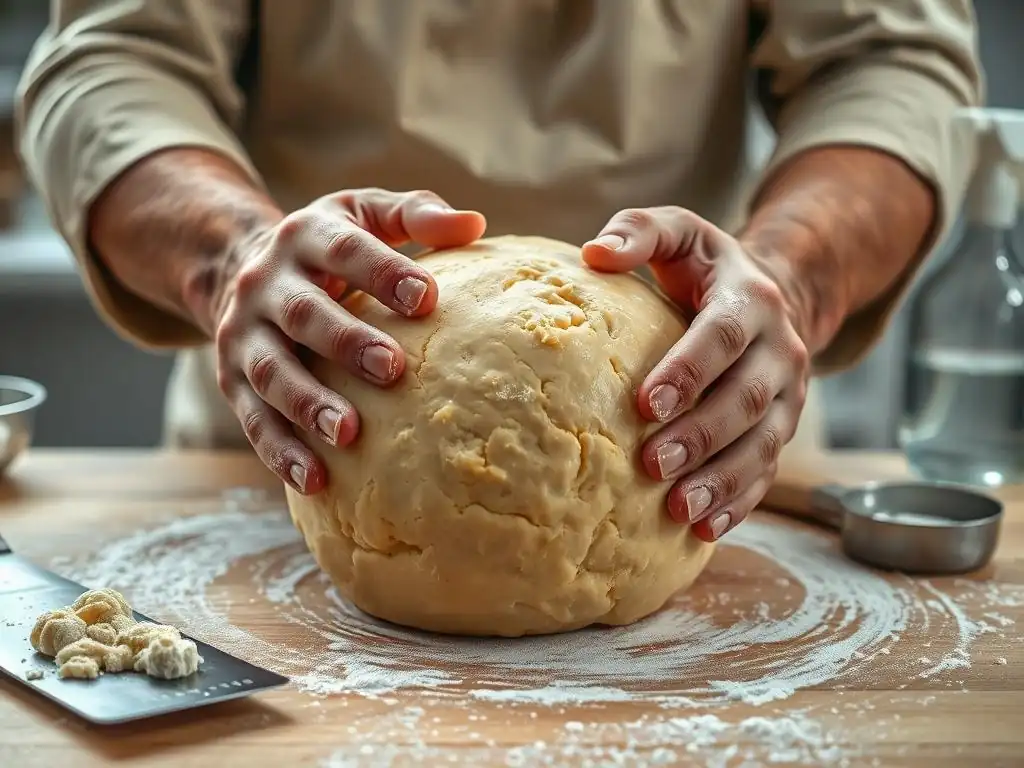
When faced with pizza dough that is frustratingly sticky, even after initial troubleshooting, a controlled application of flour can be your emergency fix. This isn't about kneading in cups of extra flour, which will make the dough tough, but rather using flour strategically on your hands and work surface. Lightly dust your hands, just enough so the dough doesn't immediately weld itself to them. Similarly, sprinkle a thin layer of flour on your clean work surface. Then, turn the sticky dough out onto this floured surface.
Using a dough scraper, gently fold the edges of the dough towards the center. You can perform a few gentle stretch-and-folds, using the scraper to help lift and manage the sticky mass. As you work it, the surface flour will get incorporated, making the dough slightly easier to handle.
The key is minimal contact and relying on the scraper to do the heavy lifting. This method is a temporary fix to make the dough manageable enough to shape or proceed to the next step, rather than a way to fundamentally change its hydration. It's one of the go-to sticky dough troubleshooting tips when you need immediate relief.
The Refrigeration Trick: Chilling for Control
Perhaps the most effective rescue technique for extremely sticky and unmanageable dough is refrigeration. Cold temperatures dramatically slow down fermentation and, more importantly, make the dough much firmer and less sticky. If your dough is too wet and difficult to work with, place it in a lightly oiled bowl, cover it tightly with plastic wrap, and put it in the refrigerator for at least 30-60 minutes, or even several hours.
As the dough chills, the gluten structure tightens up slightly, and the overall temperature drops, reducing its tendency to stick to everything. When you take the dough out of the fridge, you will find it significantly easier to handle, shape, and stretch. This technique buys you time and makes a seemingly unusable dough workable. While it slightly alters the proofing schedule, the improvement in texture and handling is often well worth it. Chilling is a powerful weapon in your sticky dough troubleshooting arsenal.
Preventing Sticky Dough in the Future: Best Practices
Accurate Measurements: The Key to Consistency
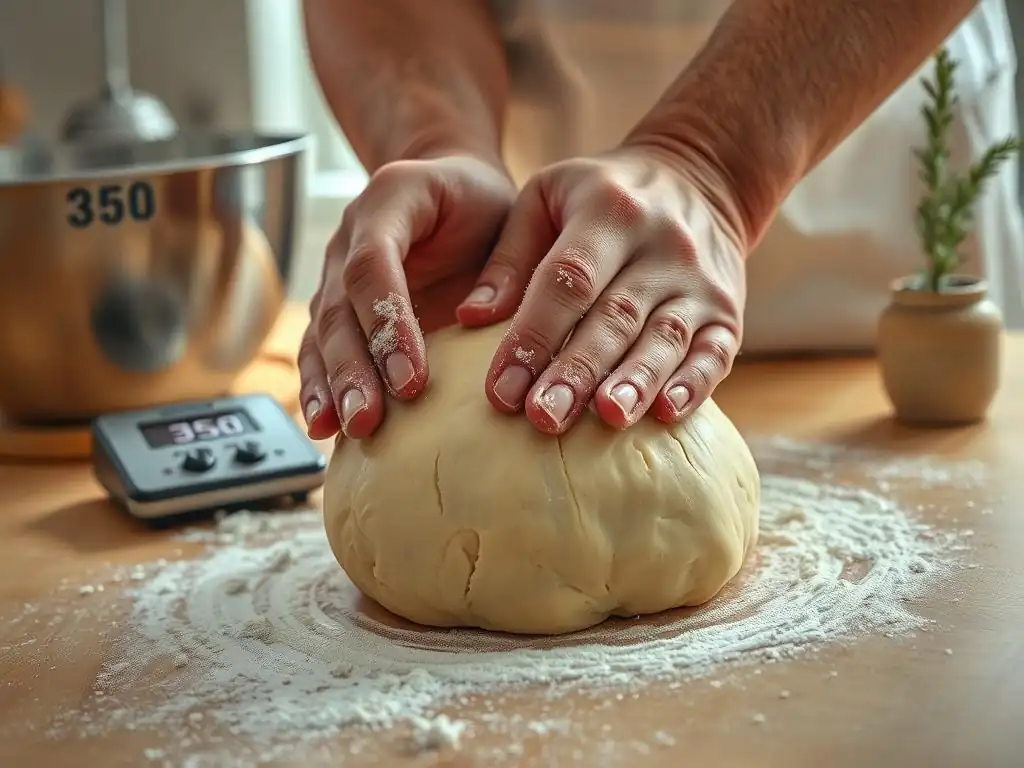
The most crucial step in preventing sticky dough from the outset is ensuring accurate measurements of your ingredients, especially the flour and water. Using a digital kitchen scale is highly recommended over volume measurements (like cups). Flour can compact differently in a cup depending on how it's scooped, leading to significant variations in the actual amount used. For example, one cup of all-purpose flour can weigh anywhere from 120g to 150g depending on how it's measured. Using a scale ensures you use the exact amount specified in the recipe, providing a consistent hydration level every time.
By weighing your ingredients, you eliminate the primary variable that leads to unpredictable dough consistency. If a recipe calls for 500g of flour and 325g of water (65% hydration), using a scale guarantees you hit that target hydration. This precision makes it much easier to predict how the dough will behave and significantly reduces the likelihood of ending up with an overly sticky mess. Accurate measurements are foundational to successful baking and are the first line of defense in sticky dough troubleshooting.
Choosing the Right Flour for Pizza Dough Success
The type of flour you use has a significant impact on how your dough behaves and its potential for stickiness. Flours differ in their protein content, which directly affects gluten development and water absorption. High-protein flours, like bread flour (typically 12-14% protein), absorb more water and develop strong, elastic gluten networks that result in a dough that is less likely to be excessively sticky once properly kneaded. All-purpose flour (around 10-12% protein) works well for pizza dough too, but might require slightly less water or more careful handling if you are aiming for higher hydration levels.
Using a flour with appropriate protein content for pizza (bread flour is often preferred for its strength and chew) and understanding its absorption capabilities helps you manage hydration levels effectively. Some recipes might even specify a particular type of flour, like Italian "OO" flour, which is finely milled and often has a specific protein level suited for pizza. Choosing the right flour, combined with accurate measurements, sets you up for success and dramatically reduces the need for sticky dough troubleshooting later on.
Perfect Kneading Time: Avoiding Under and Over Kneading
Proper kneading is essential for developing the gluten structure that gives pizza dough its strength and elasticity, making it less sticky and easier to handle. Under-kneaded dough is weak, slack, and often very sticky because the gluten hasn't formed sufficiently to hold the dough together and absorb the liquid fully. The dough might tear easily when stretched. Conversely, over-kneading, especially in a powerful stand mixer, can sometimes break down the gluten structure, although this is less common with typical home pizza dough recipes than with delicate pastries.
Knowing when your dough is properly kneaded is key. For many pizza doughs, this takes about 8-10 minutes of kneading by hand or 5-7 minutes in a stand mixer on medium speed. The dough should transform from a shaggy, sticky mass into a smooth, elastic ball that is only slightly tacky to the touch and pulls away cleanly from the sides of the bowl.
You can also perform the "windowpane test": pull a small piece of dough and gently stretch it; if you can stretch it thin enough to see light through it without it tearing, the gluten is well-developed. Achieving this perfect kneading stage is a critical preventive measure against sticky dough.
Conclusion: Mastering Pizza Dough - No More Sticky Situations!
Frequently Asked Questions
How do I know if my dough is too sticky?
A dough is excessively sticky if it adheres strongly to your hands and work surface, making it difficult to shape or handle. It feels like you can't effectively work with it without constant sticking.
What's the most common reason for sticky dough?
The most frequent cause is too much liquid in the recipe. This could be water, milk, or any other liquid ingredient. It throws off the balance.
Can the type of flour cause sticky dough?
Yes, absolutely. Different flours have varying levels of protein. Lower protein flours can result in a stickier dough because they absorb less liquid.
If my dough is already sticky, how can I fix it?
Gradually incorporate small amounts of extra flour, kneading well after each addition, until the dough reaches the desired consistency. Avoid adding too much at once.
Is sticky dough always a bad thing?
Not necessarily! Some doughs, like those for certain artisan breads, are intentionally made sticky for a chewier final texture. It depends on the specific recipe and desired outcome.
Final Reflection: The Transformative Power of Troubleshooting
The struggle with sticky dough is a universal baking experience, a frustrating hurdle that can derail even the most seasoned bakers. But understanding the why behind a sticky mess unlocks the path to consistently perfect dough, transforming frustration into flour-dusted triumph. This isn't just about fixing a recipe gone wrong; it's about mastering the fundamental principles of baking and building confidence in the kitchen.
The journey from sticky disaster to perfectly formed loaf is a microcosm of life itself. We all encounter unexpected challenges, moments where our plans go awry. Learning to troubleshoot, to adapt and overcome, is a crucial skill that extends far beyond the confines of the kitchen. The greatest glory in living lies not in never falling, but in rising every time we fall.
- Nelson Mandela. This quote perfectly encapsulates the resilience and learning that comes from facing and overcoming baking challenges, mirroring the resilience needed to navigate life's complexities.
Now, consider your own "sticky dough" moments – those times when plans faltered, and the outcome wasn't what you expected. What strategies did you employ to overcome those challenges? I encourage you to approach your future baking endeavors, and indeed your life's challenges, with the same methodical and adaptable spirit you would use to rescue a sticky dough. Embrace the learning process, experiment with solutions, and remember that even the stickiest of situations can be transformed into something beautiful and delicious.
Unleash Your Inner Baker: Perfect Pies Await!
Thanks for taking the time to explore common baking pitfalls and how to avoid them! You've gained valuable insights that will transform your baking journey. Now it's time to put that knowledge to the test!
- Try out one of the tips from the article this week: Choose a recipe you've attempted before but had trouble with and see if you can achieve perfection this time.
- Share your baking triumphs (and even your flops!) on our social media channels. Let's build a supportive community together!
- Consider experimenting with a new ingredient or technique based on what you learned. What will you create?
Ready to turn your kitchen into a bakery paradise? What's the first recipe you're going to perfect?